Scope the Roof for the Building
Arrange an inspection to document the assembly, operating constraints, drainage, and repair options for your Idaho Falls property.
Plan commercial roofing for Idaho Falls properties by roof assembly, access, drainage, occupancy, equipment, and the work each building requires.

Plan warehouse roof repair and replacement in Idaho Falls with attention to winter exposure, loading access, drainage, and active storage operations.
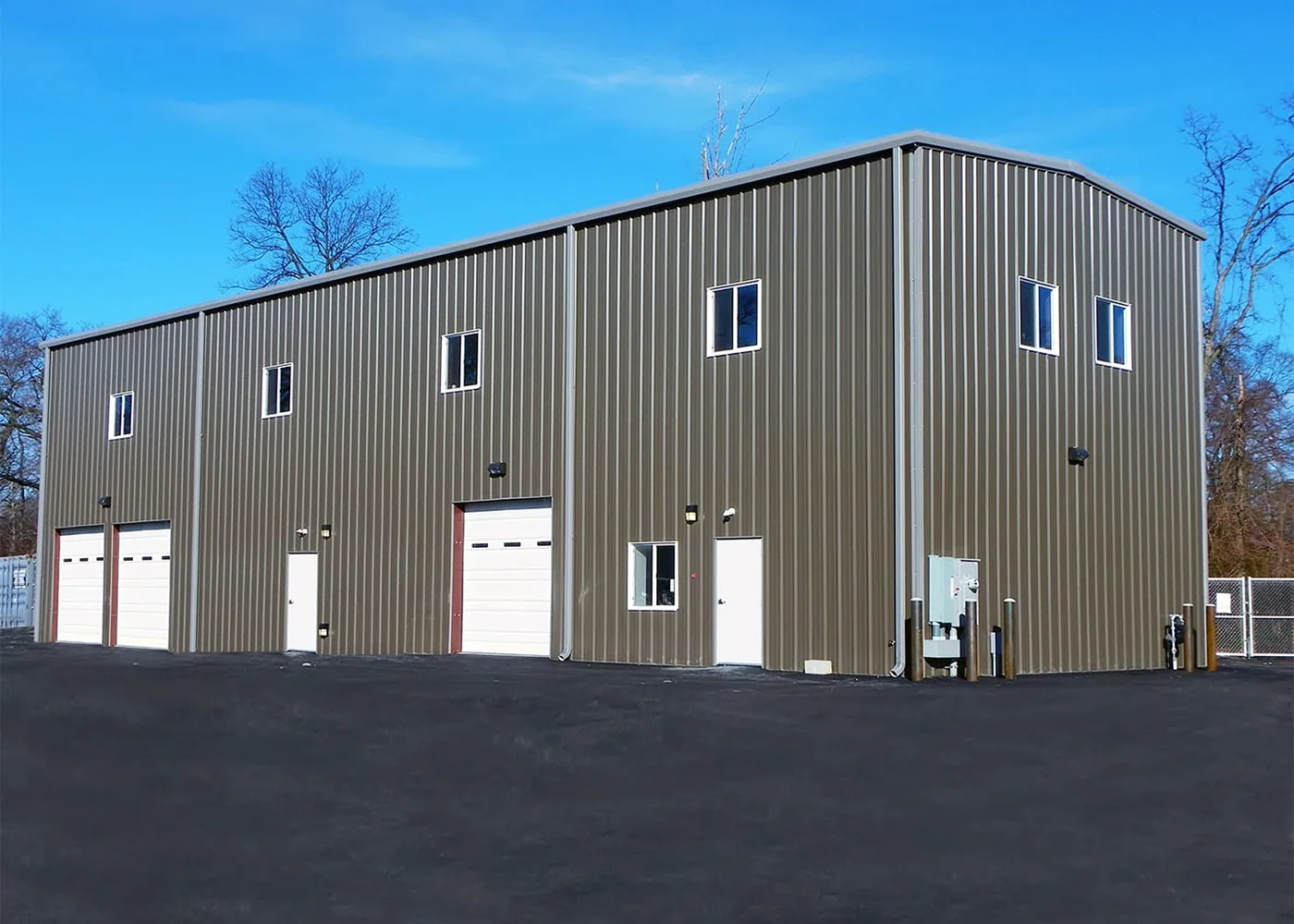
Coordinate distribution center roofing in Idaho Falls with clear dry-in limits, protected loading routes, drainage review, and a documented repair scope.
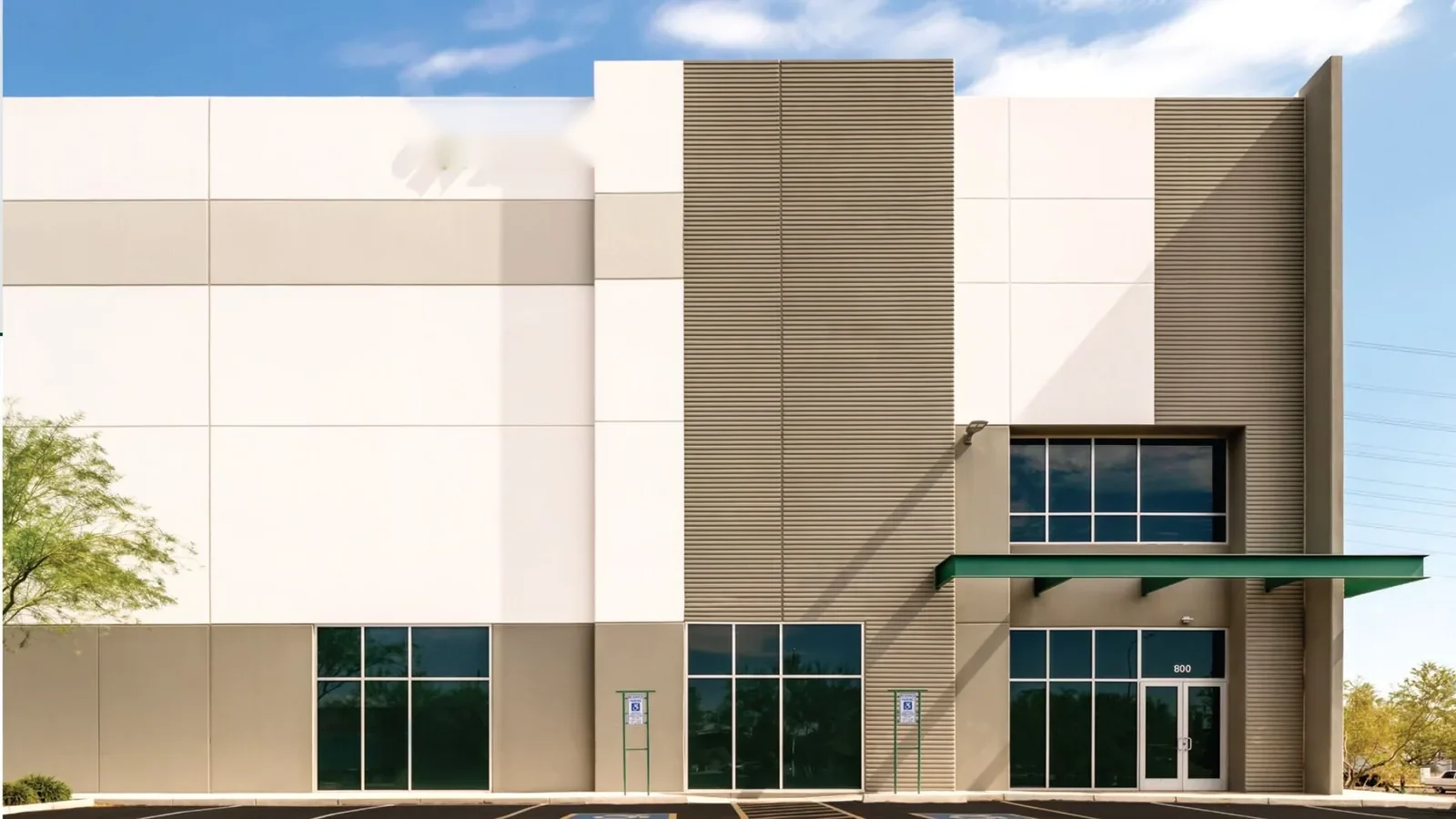
Plan manufacturing plant roofing in Idaho Falls with a documented assembly review, production-aware phasing, and repair options tied to roof conditions.
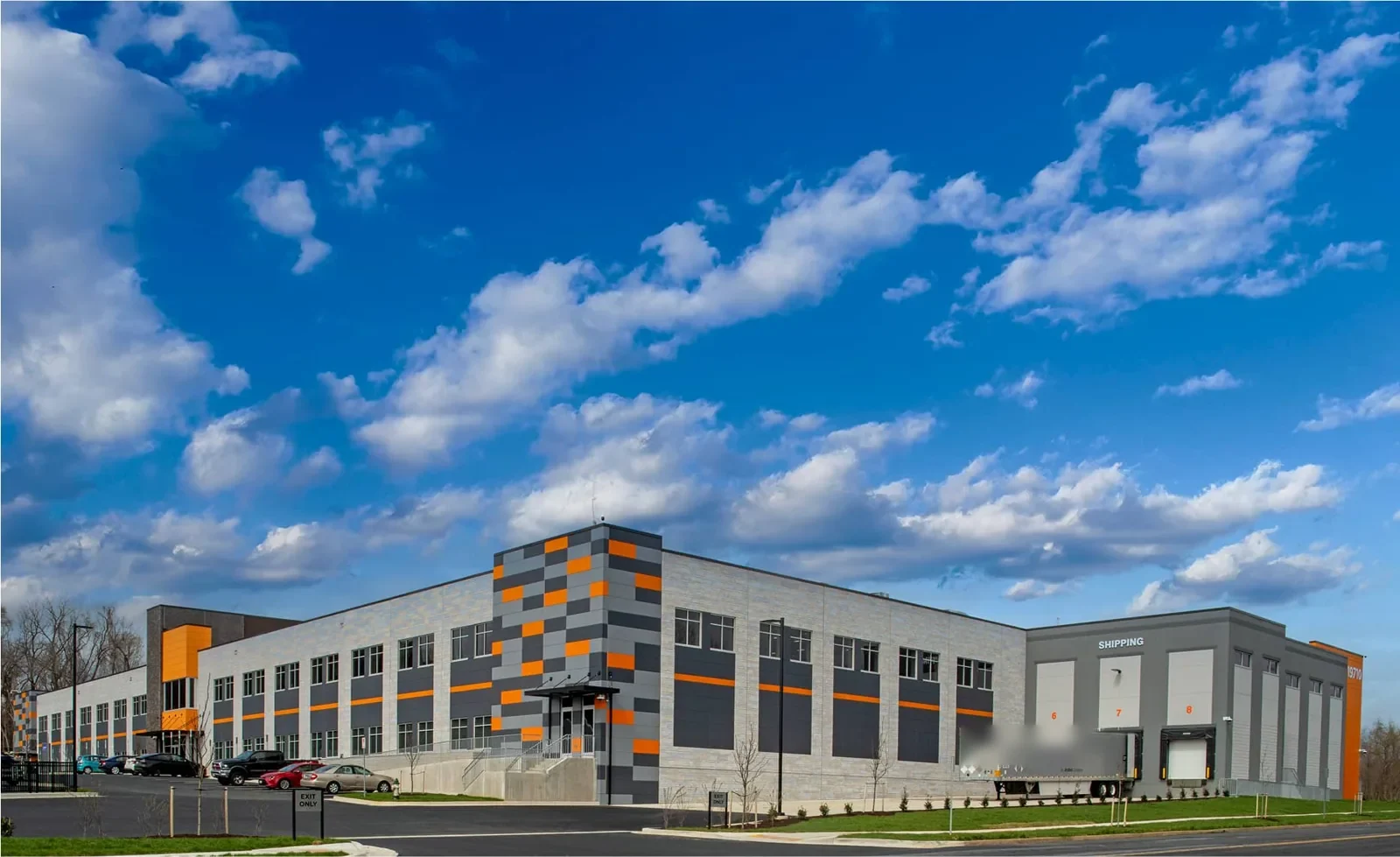
Protect cold storage roof assemblies in Idaho Falls with careful moisture tracing, refrigeration coordination, and a work sequence that maintains water control.
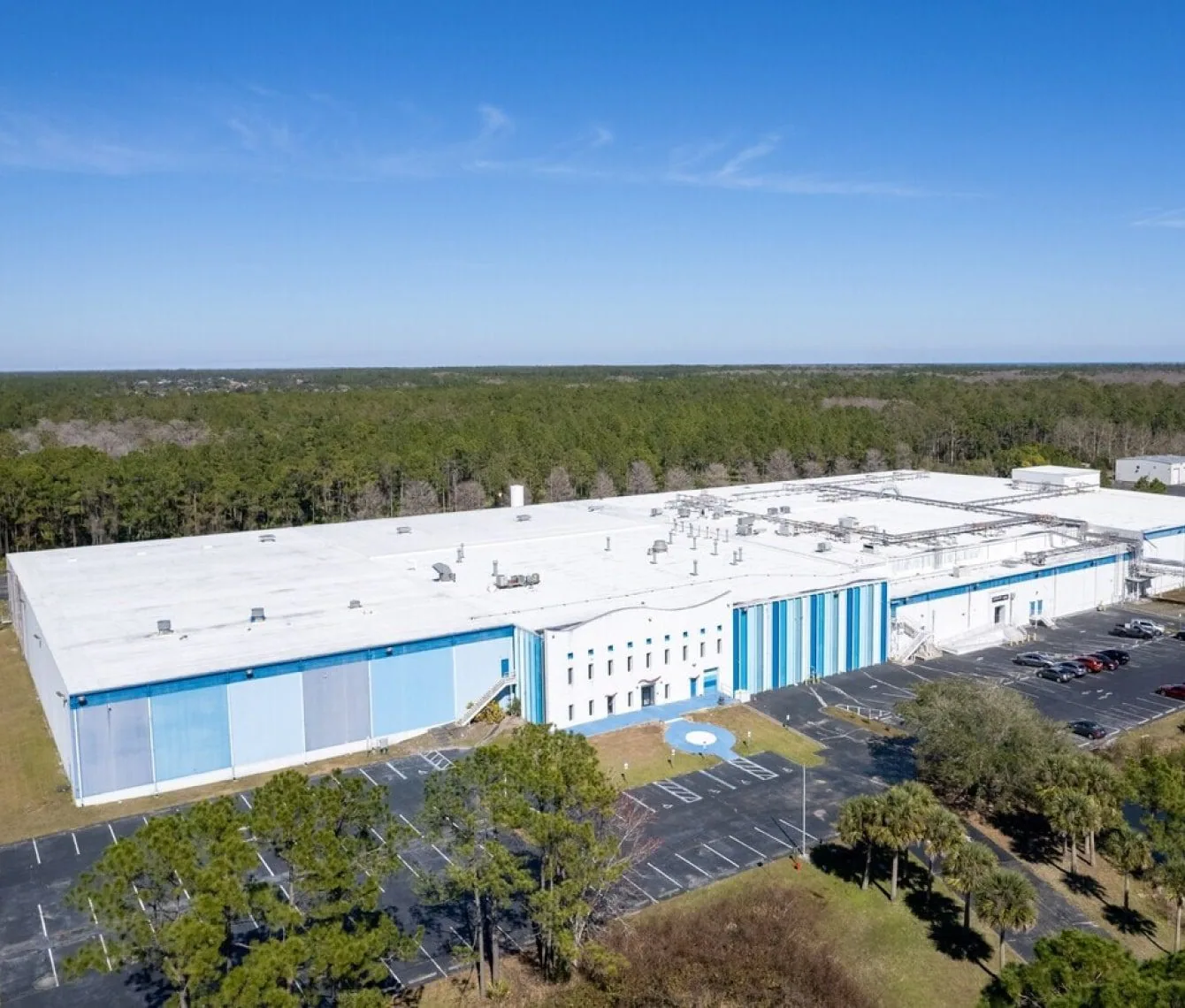
Plan data center roof repair in Idaho Falls with careful control of penetrations, drainage, access, and weather exposure around critical building operations.
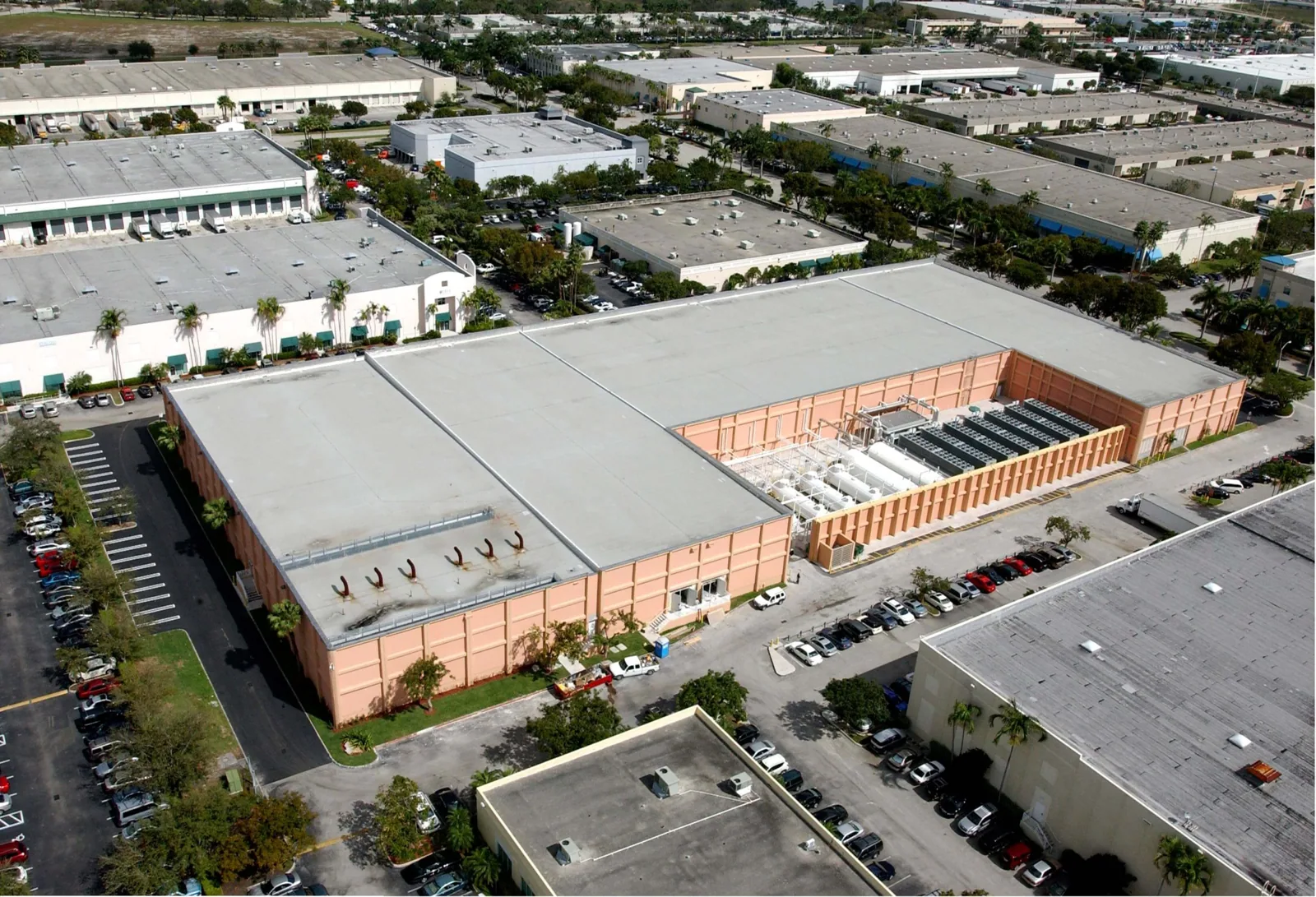
Plan office building roof work in Idaho Falls with attention to tenant access, equipment curbs, drainage, winter conditions, and a clear repair scope.
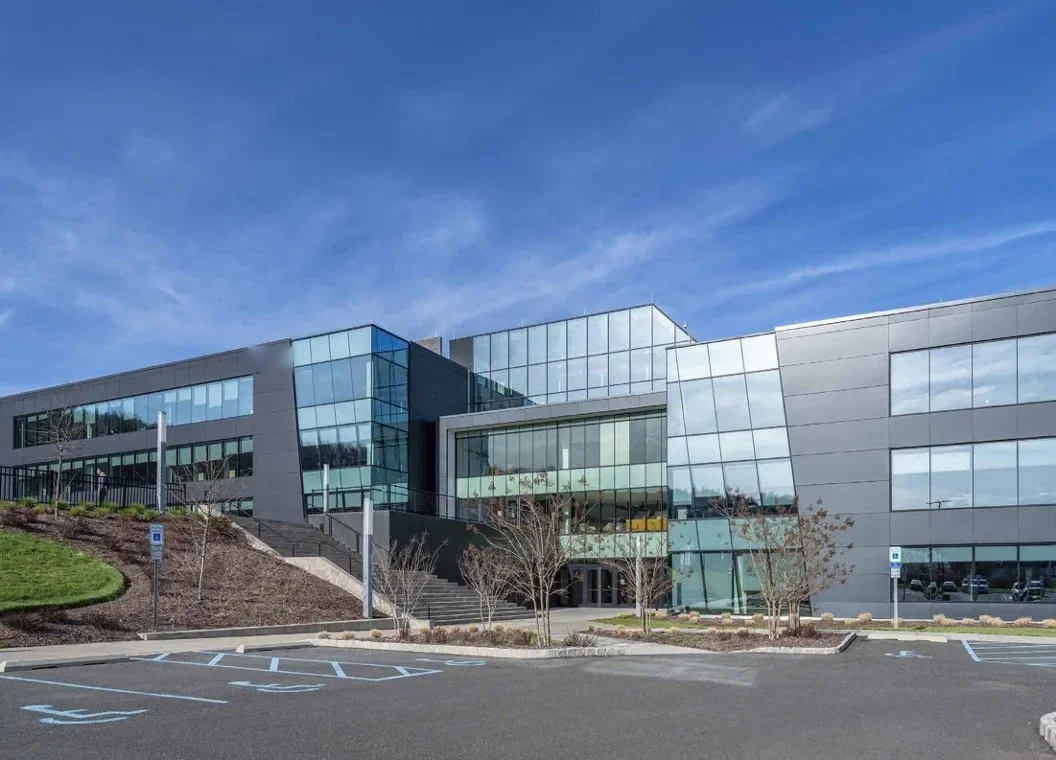
Coordinate medical office roofing in Idaho Falls with careful water control, protected entrances, equipment access, and a documented repair plan.
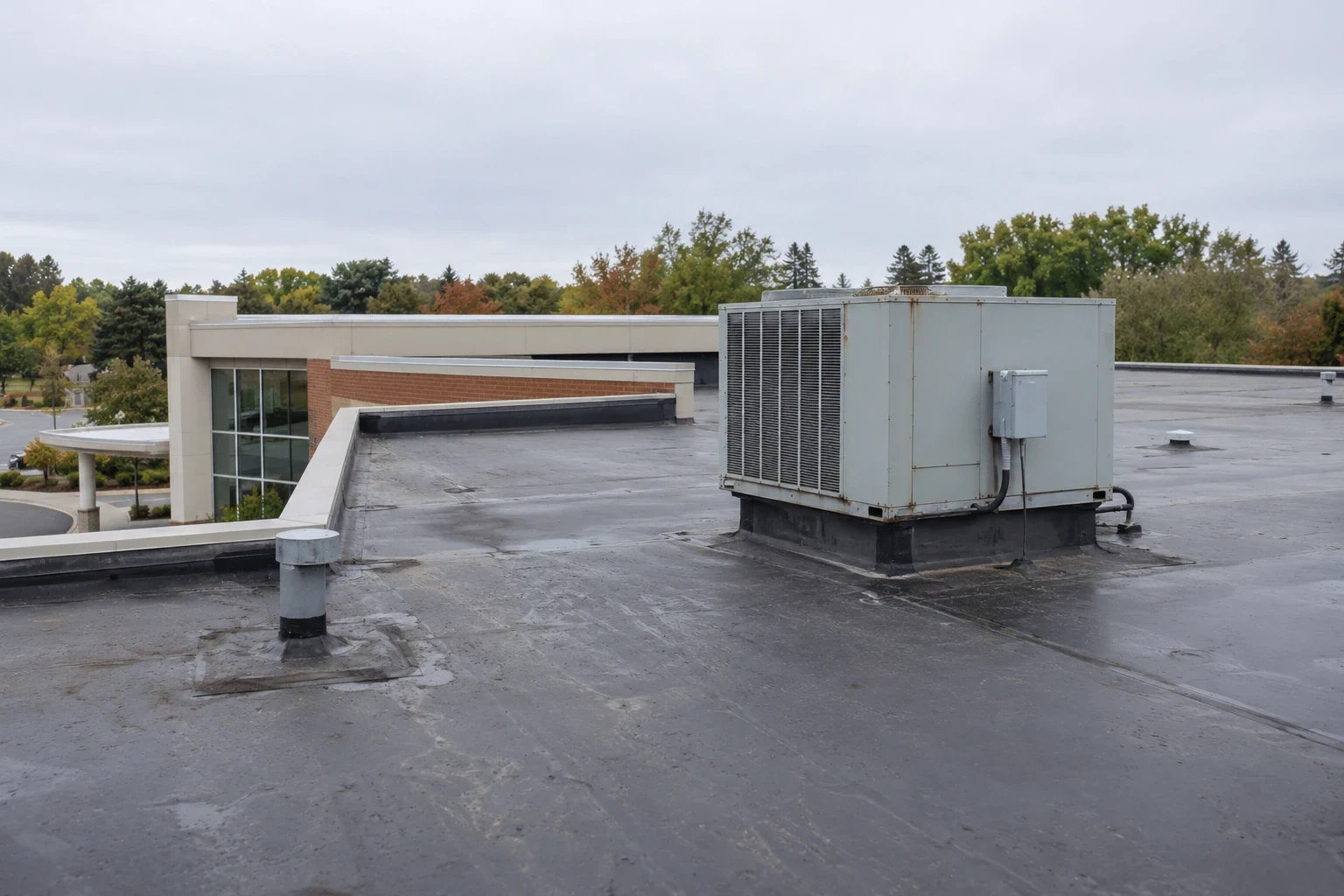
Coordinate hospital roof repair in Idaho Falls with clear phasing, protected patient areas, equipment access, and a documented water-control plan.
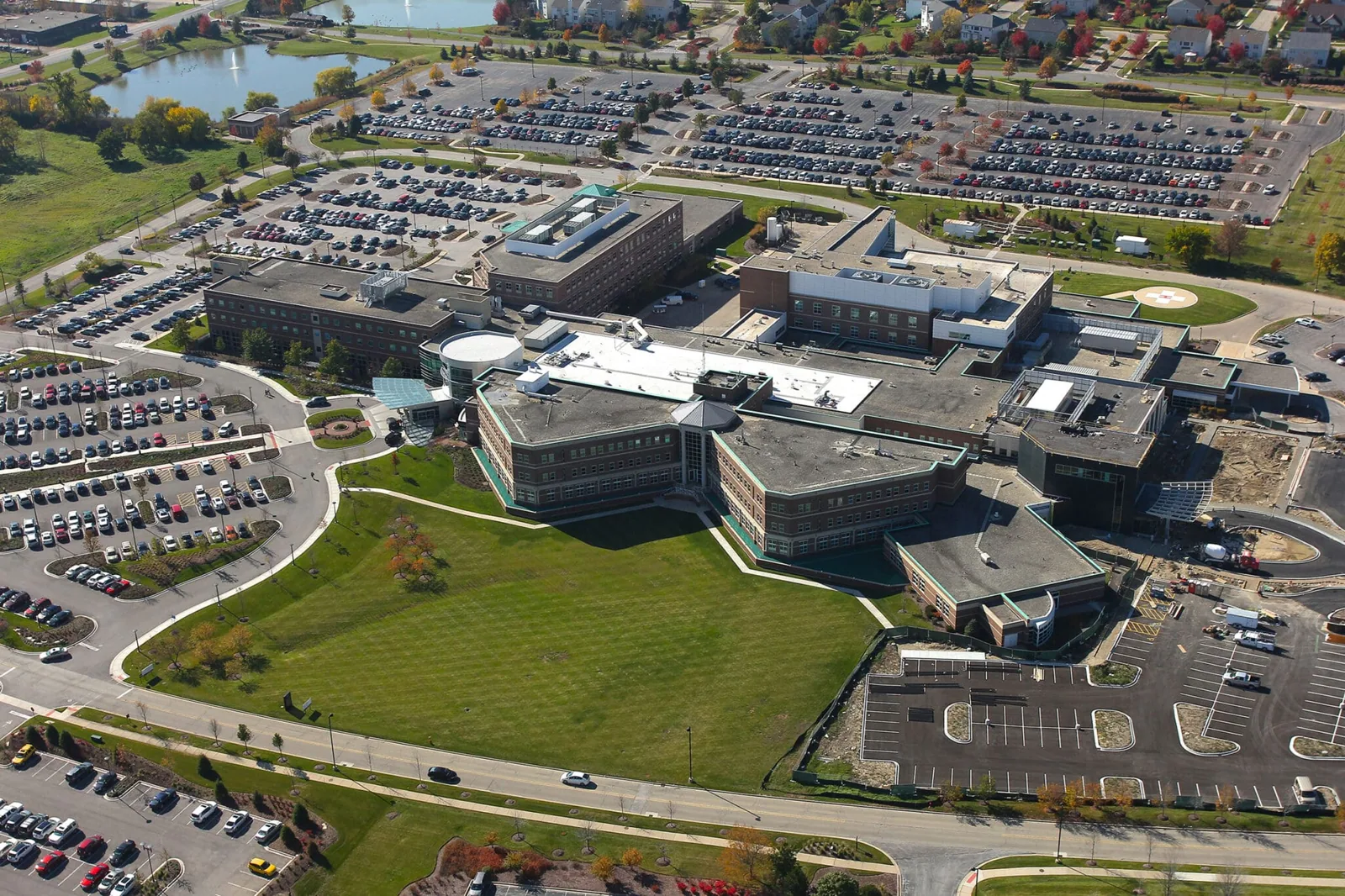
Plan school roof repair and replacement in Idaho Falls around classroom schedules, safe access, drainage, and documented work zones.
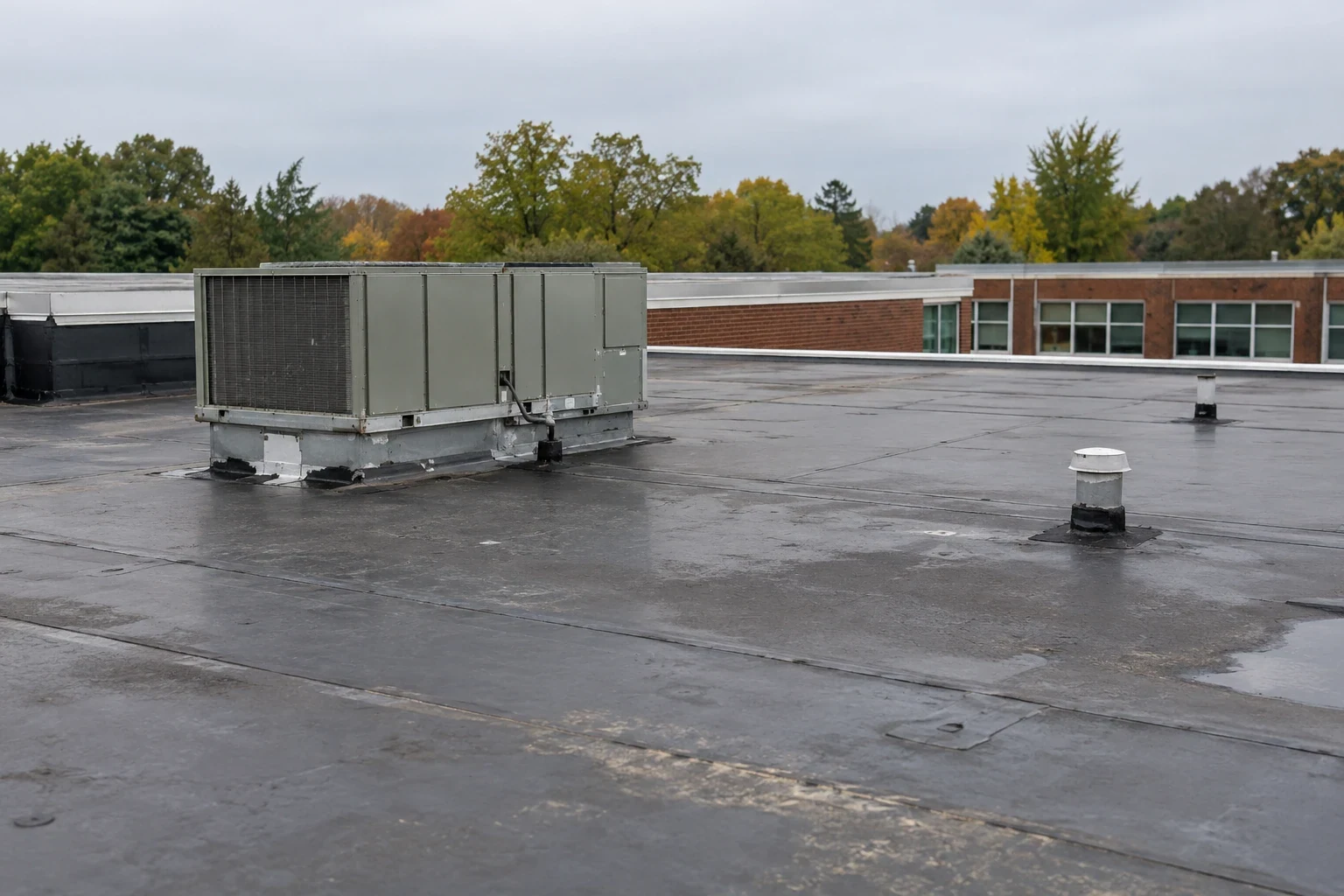
Coordinate college and university roof projects in Idaho Falls with phased access, equipment protection, campus scheduling, and documented assembly findings.
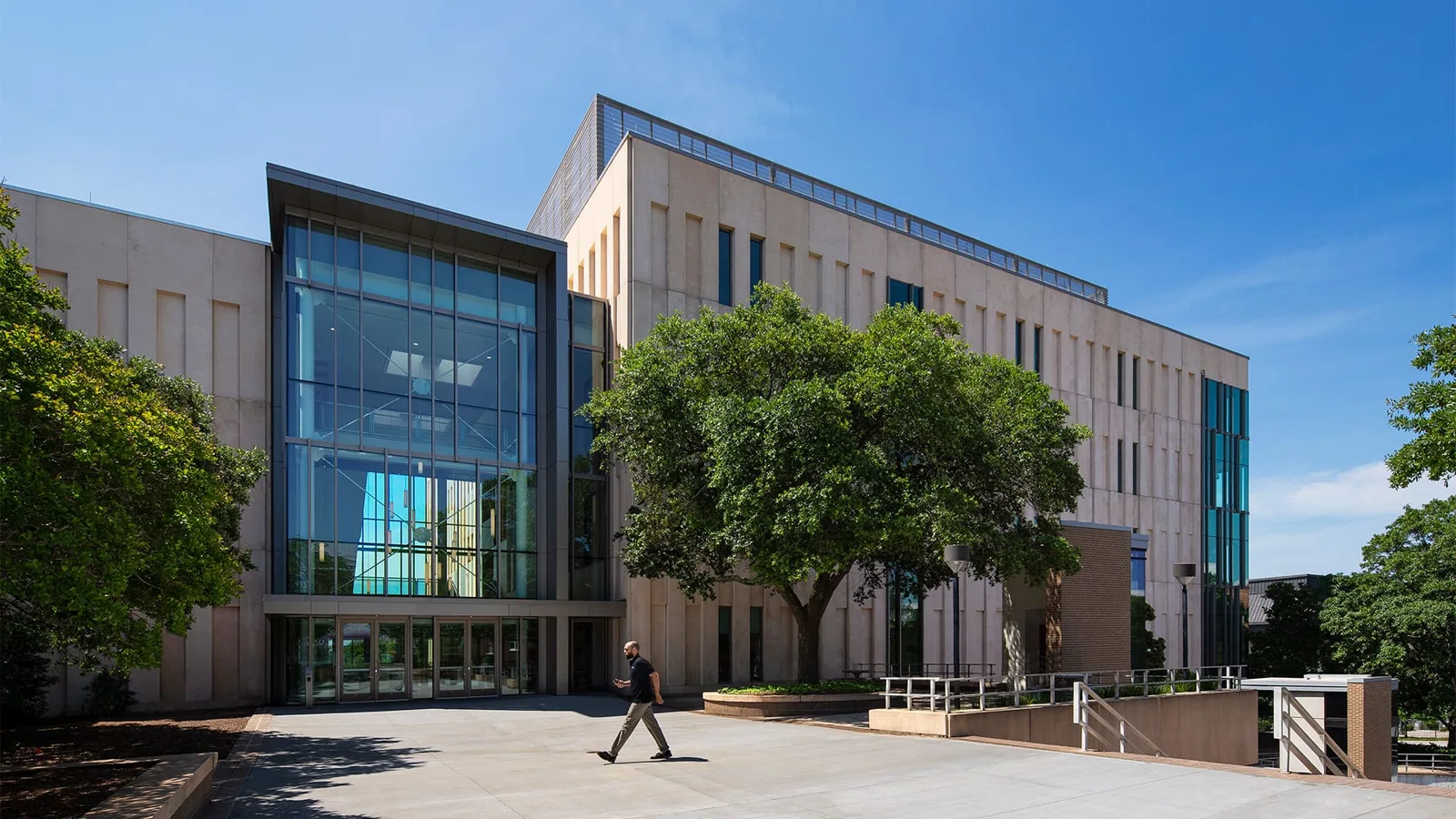
Plan shopping center roof repair in Idaho Falls around tenant access, drainage, rooftop equipment, and the seasonal limits of the roof assembly.
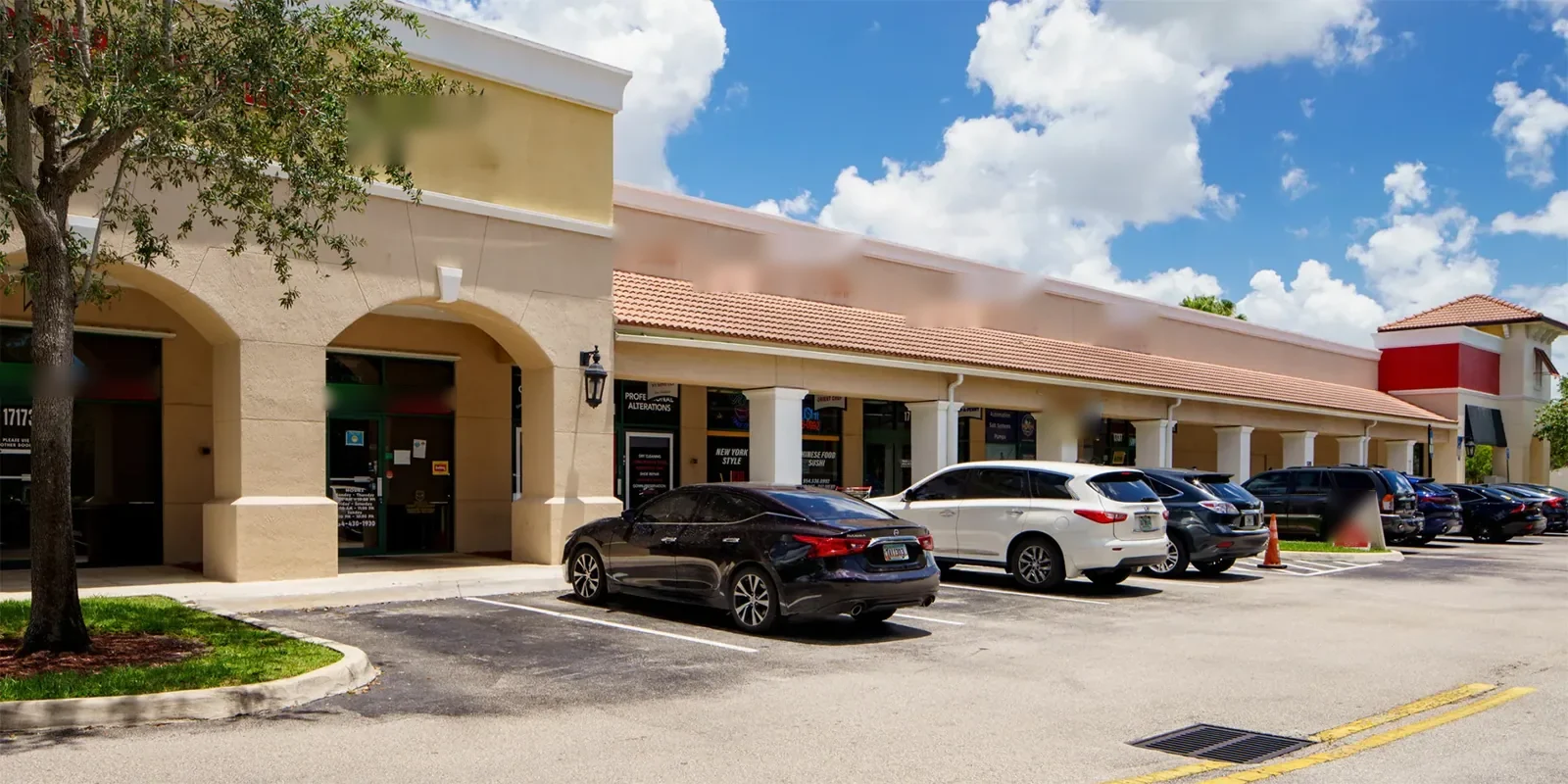
Plan big-box retail roofing in Idaho Falls with attention to wide roof zones, loading access, drainage, and uninterrupted customer operations.
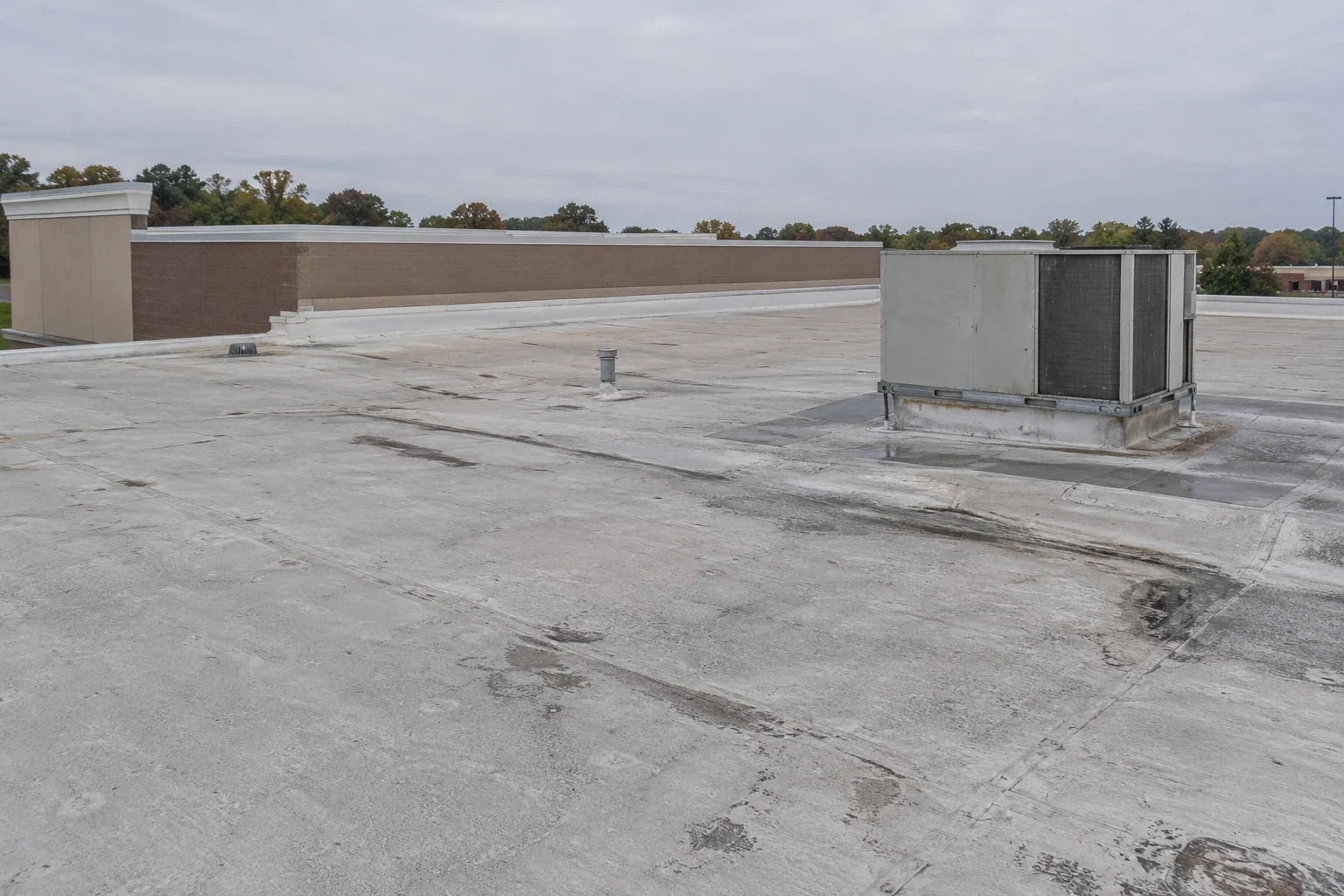
Coordinate grocery store roof repair in Idaho Falls with attention to refrigeration equipment, water control, delivery access, and occupied sales areas.
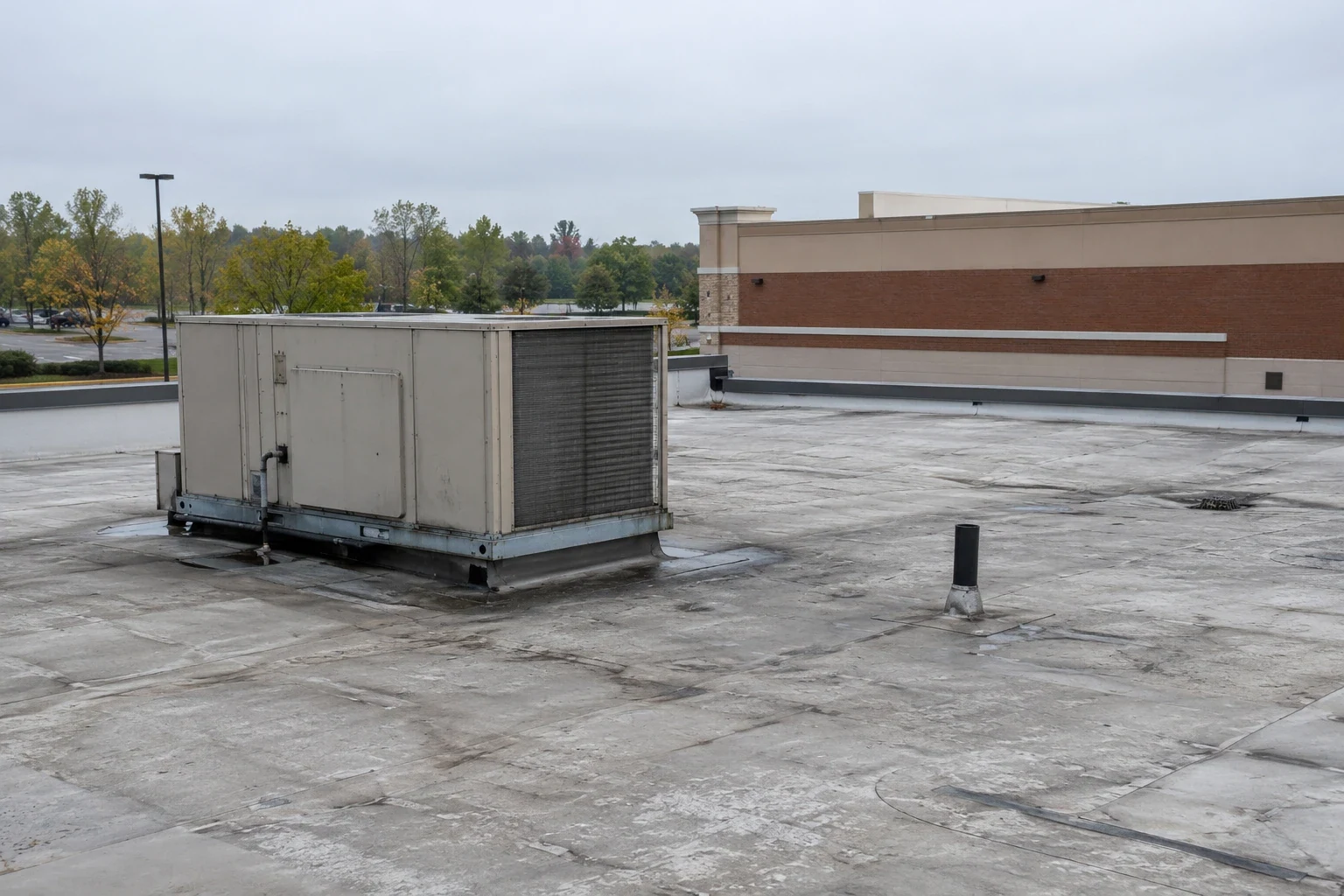
Plan restaurant roof repairs in Idaho Falls around kitchen exhausts, dining areas, drainage, and the access needed to keep service coordinated.
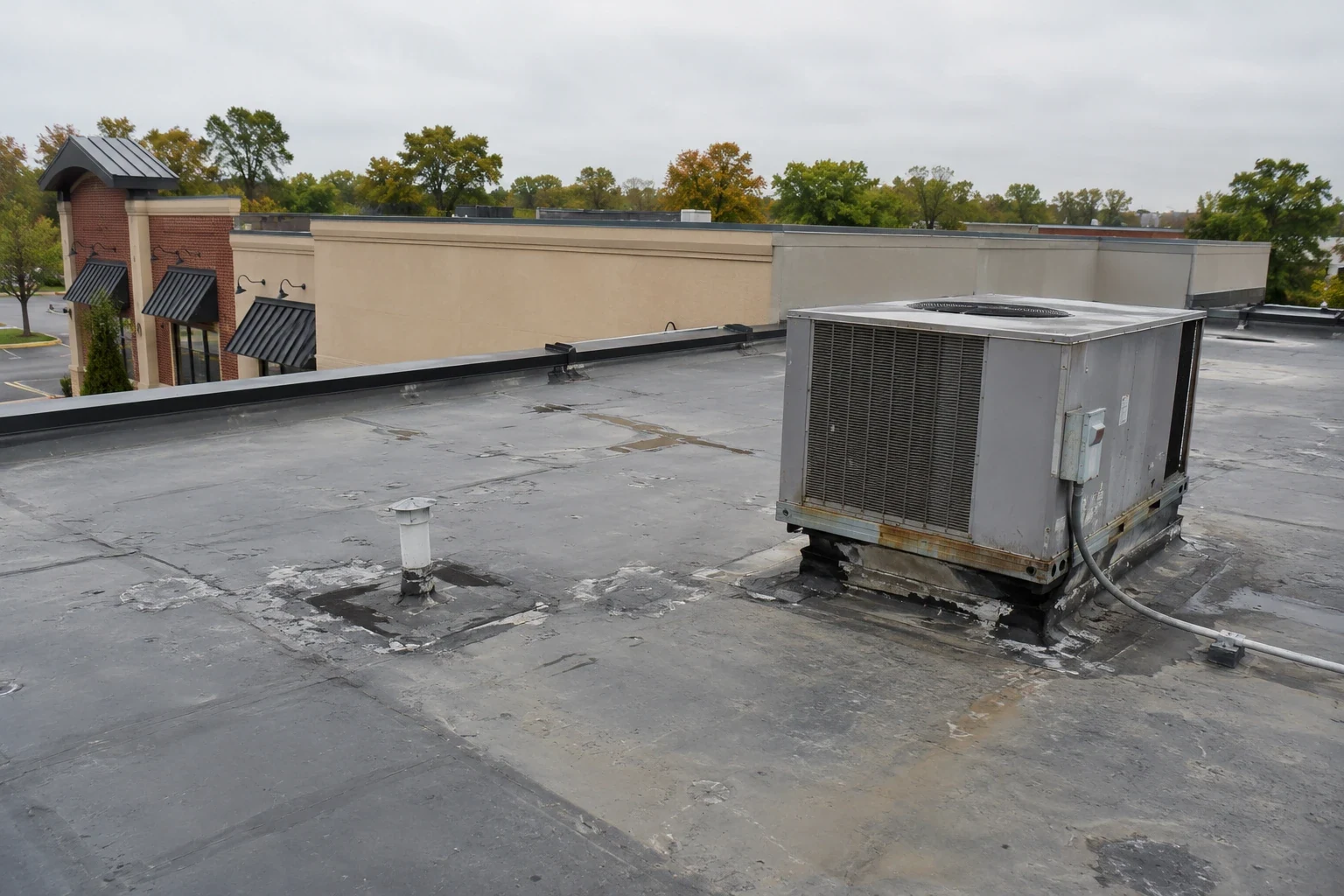
Coordinate hotel roof repairs in Idaho Falls with guest access, rooftop equipment, drainage, and work phases planned around lodging operations.
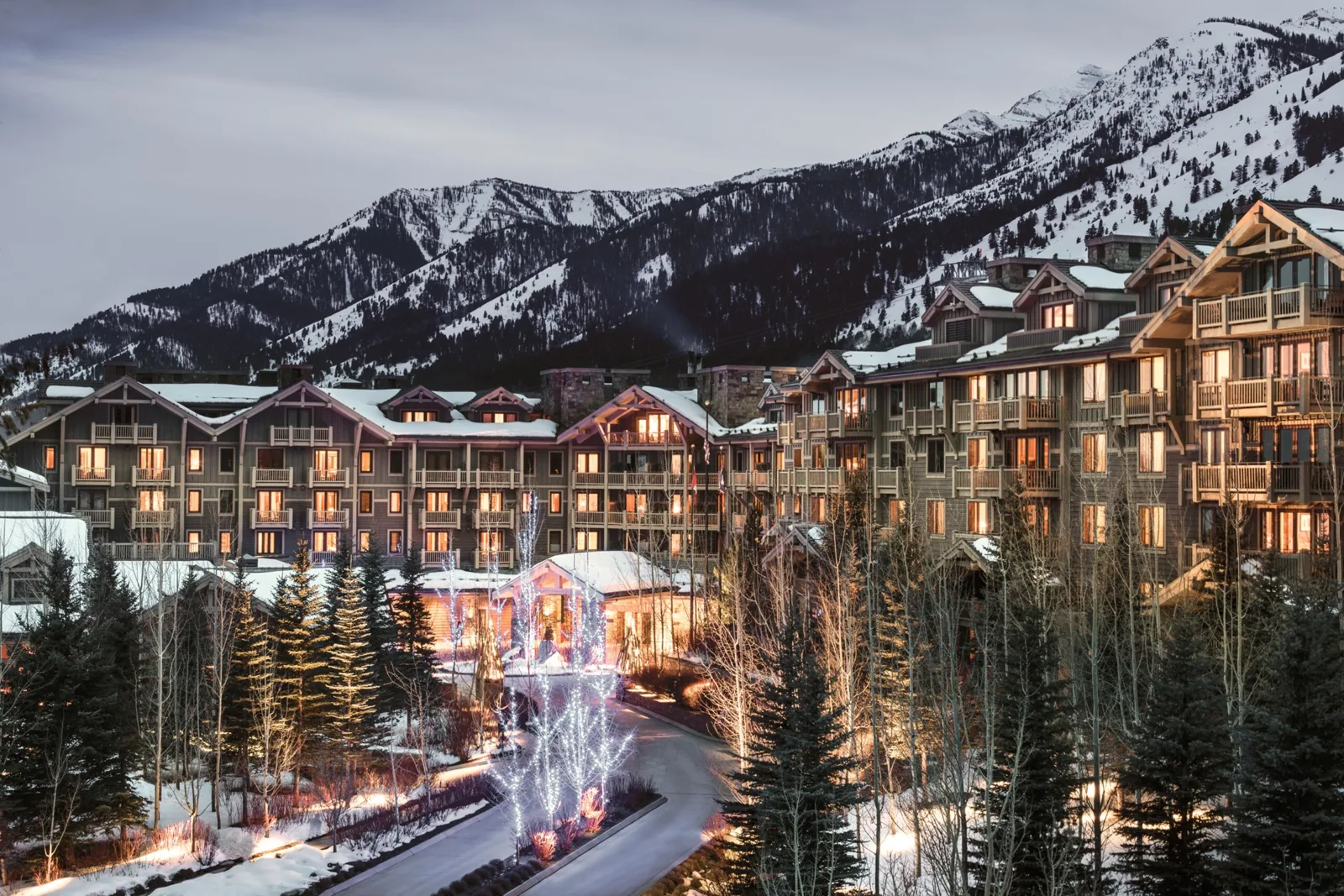
Plan apartment roof repairs and replacement around occupied units, shared access, drainage, and the needs of Idaho Falls property teams.
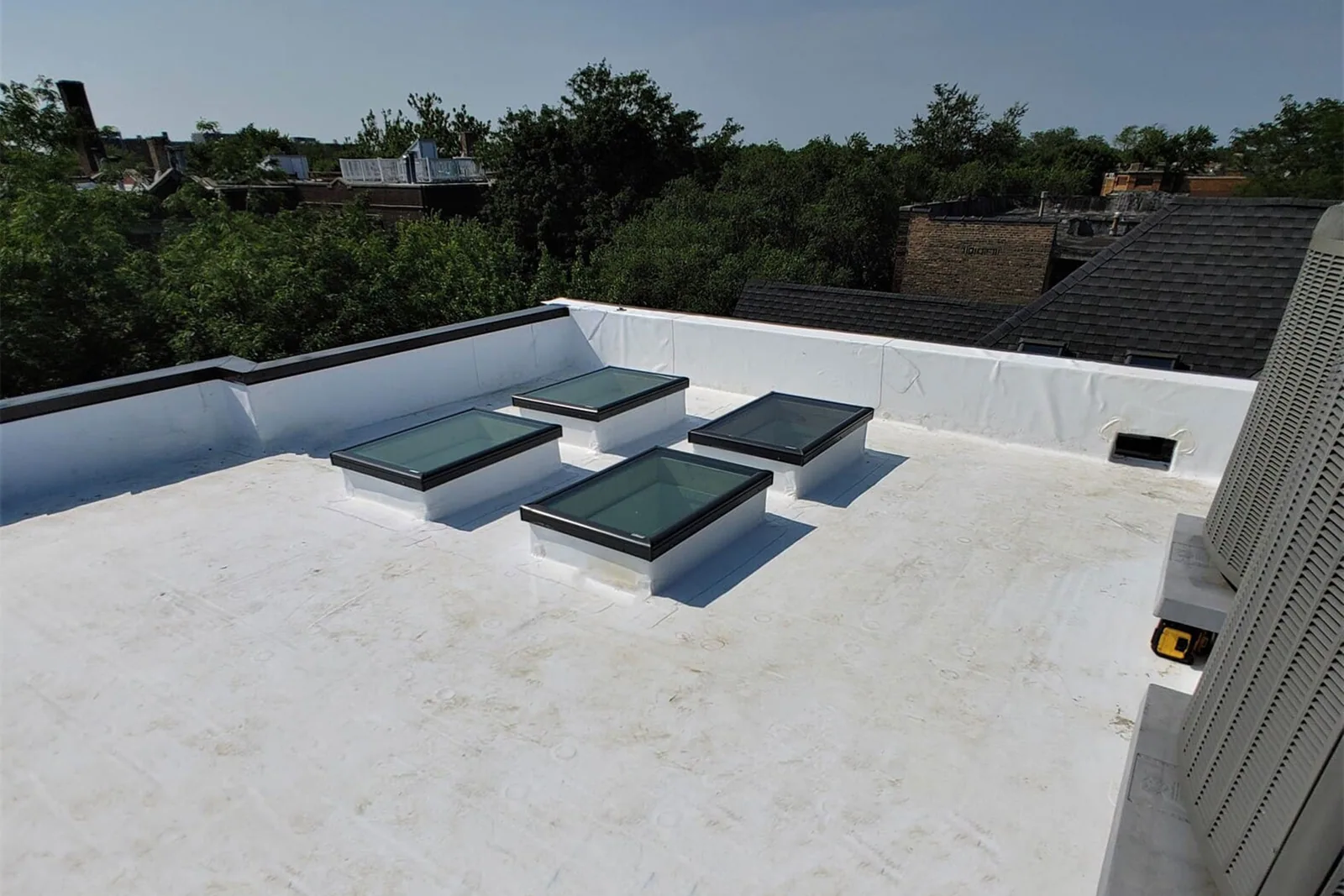
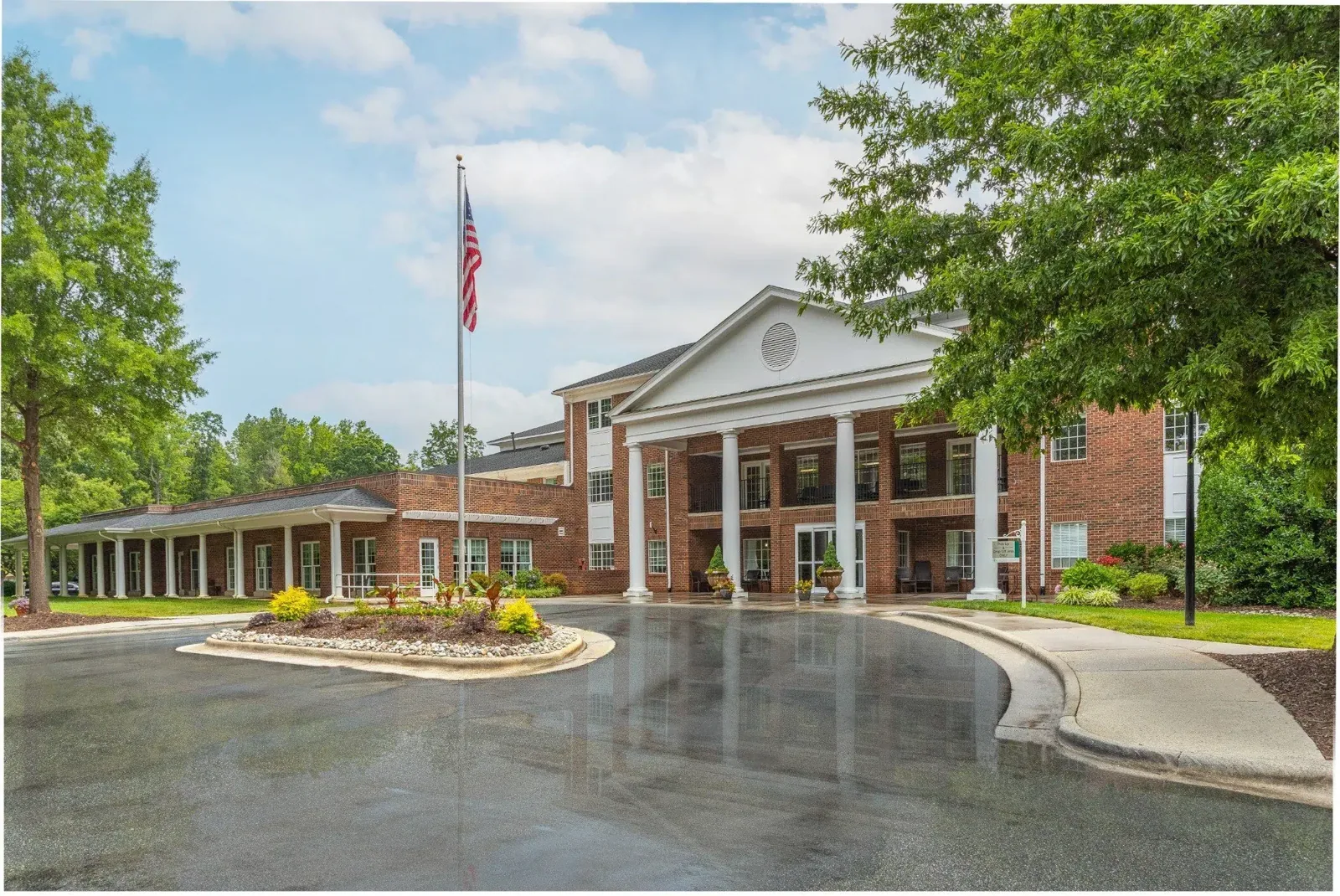
Coordinate senior living roof repair in Idaho Falls around resident routes, care operations, drainage, and clear work boundaries for occupied buildings.
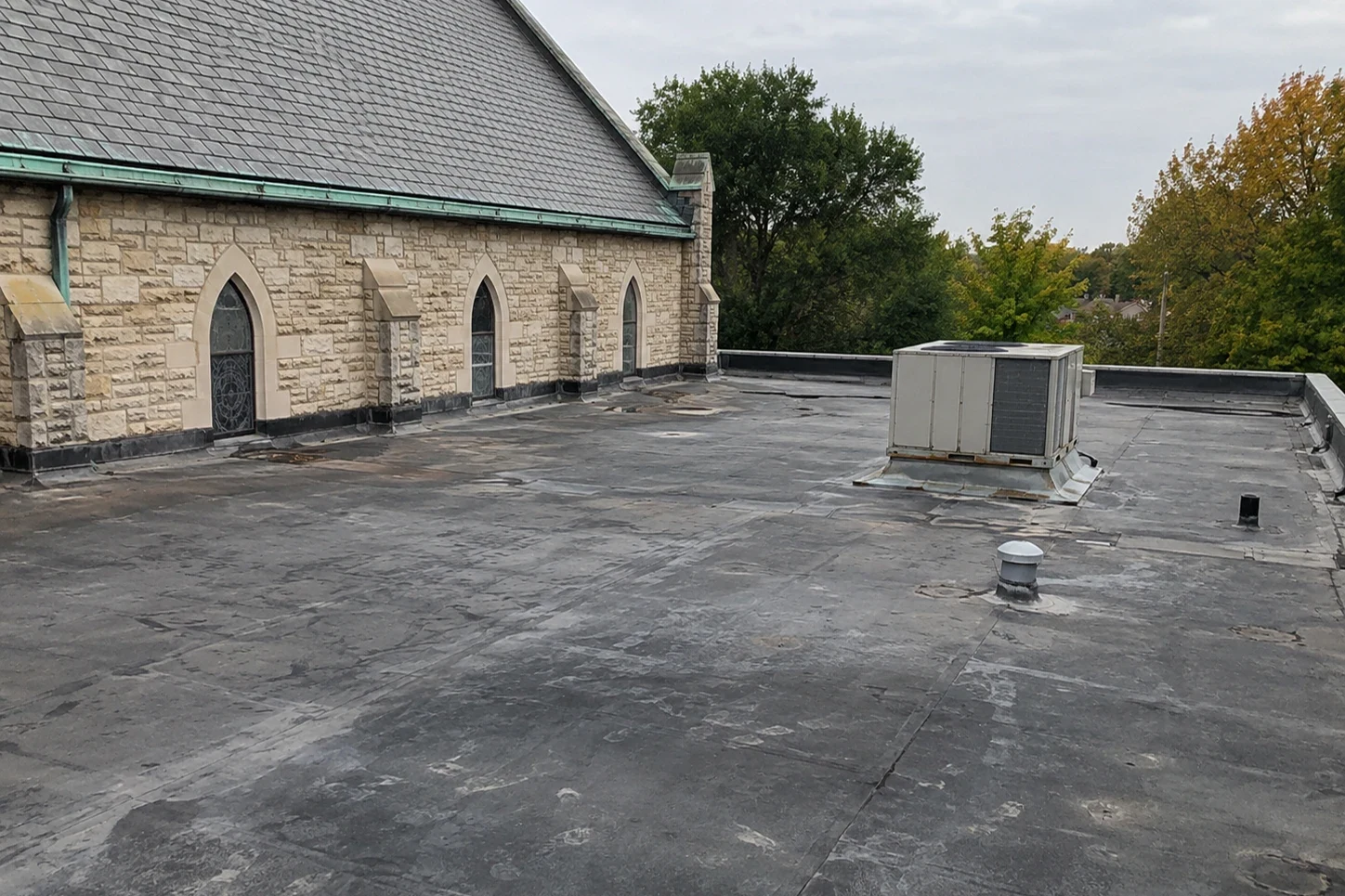
Plan church roof repair and replacement in Idaho Falls around sanctuary use, community schedules, drainage, and safe access for occupied buildings.
Coordinate government building roofing in Idaho Falls around public access, occupied offices, drainage, code review, and documented repair scopes.
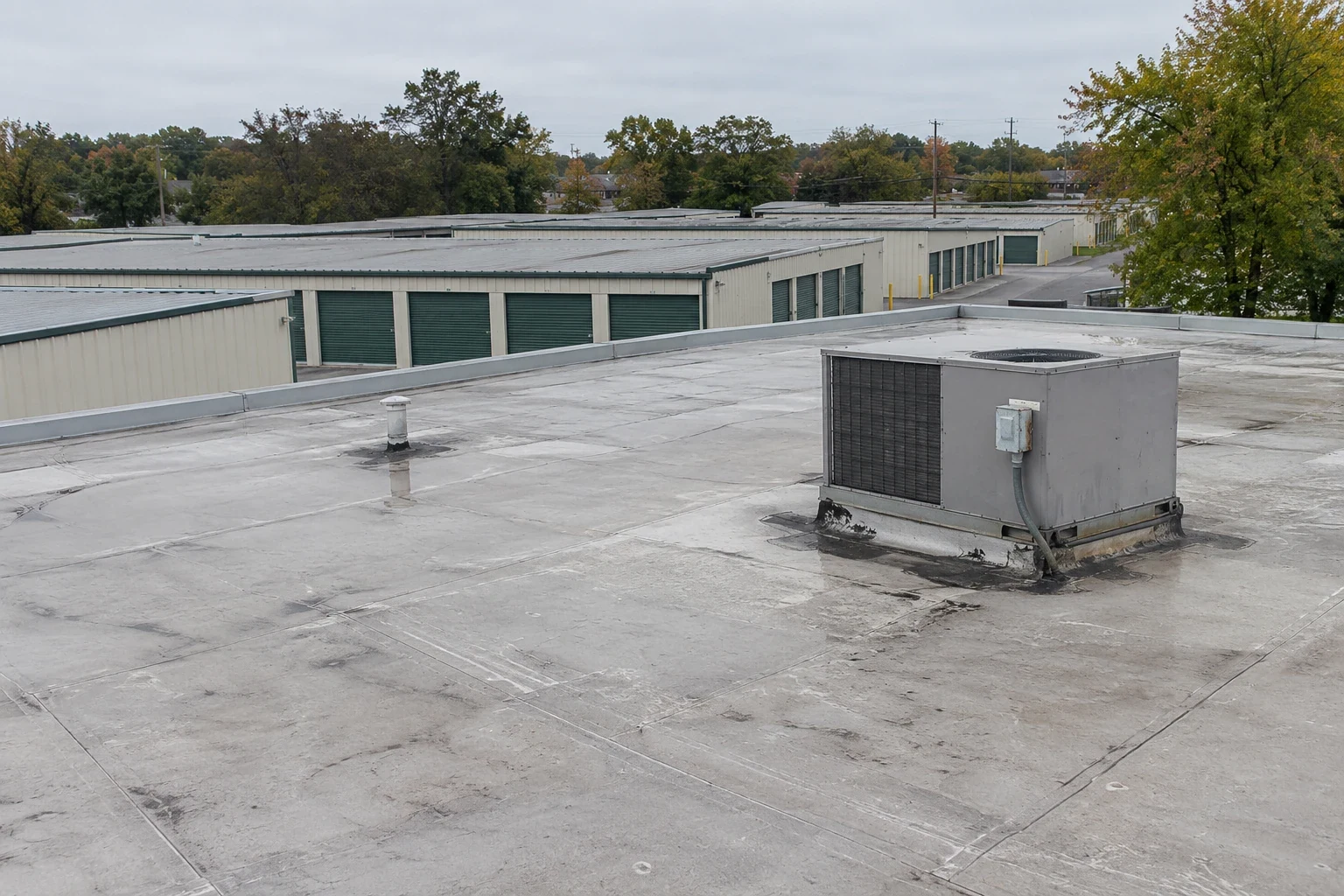
Plan self-storage roof repairs in Idaho Falls around repeated unit rows, access aisles, drainage, and the work limits needed to protect stored property.
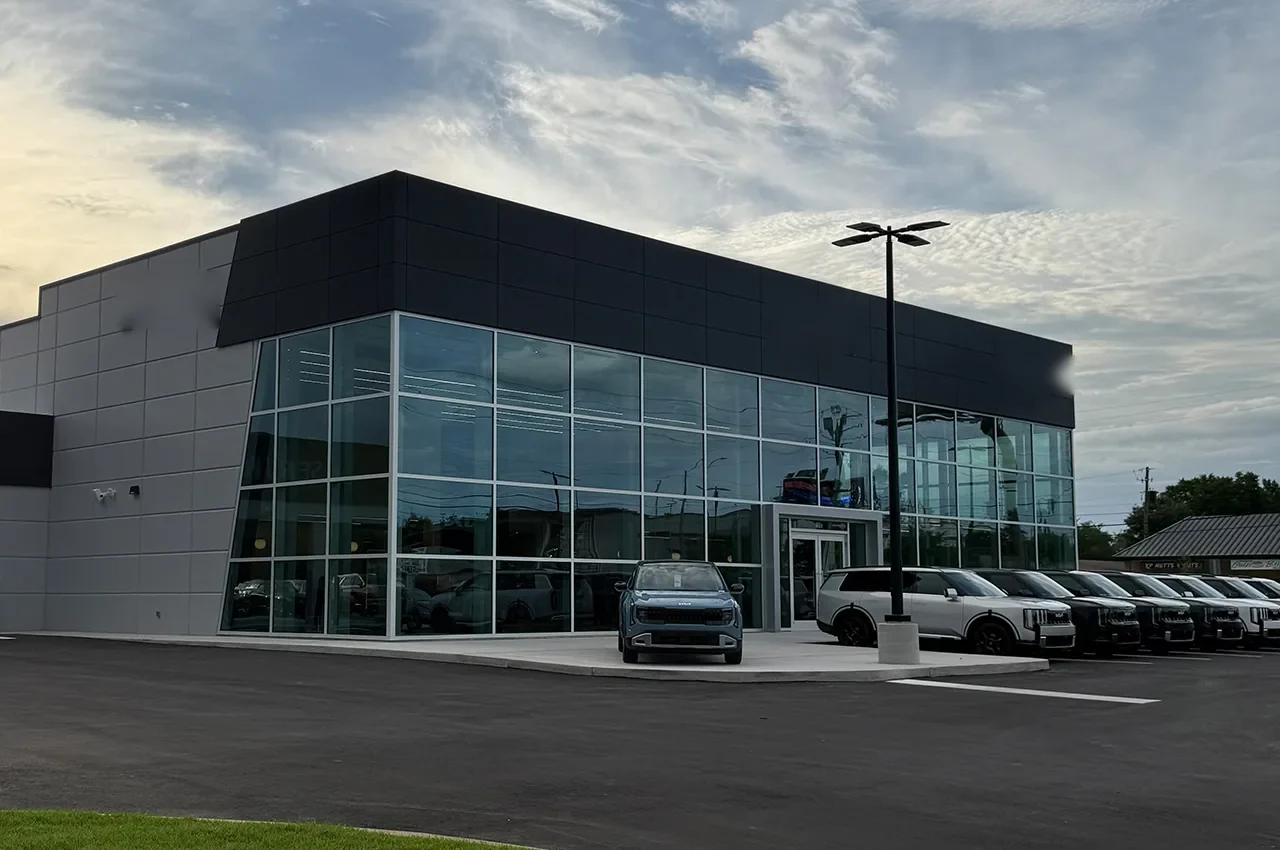
Plan auto dealership roof repair in Idaho Falls around showroom access, service bays, vehicle movement, drainage, and clear repair boundaries.
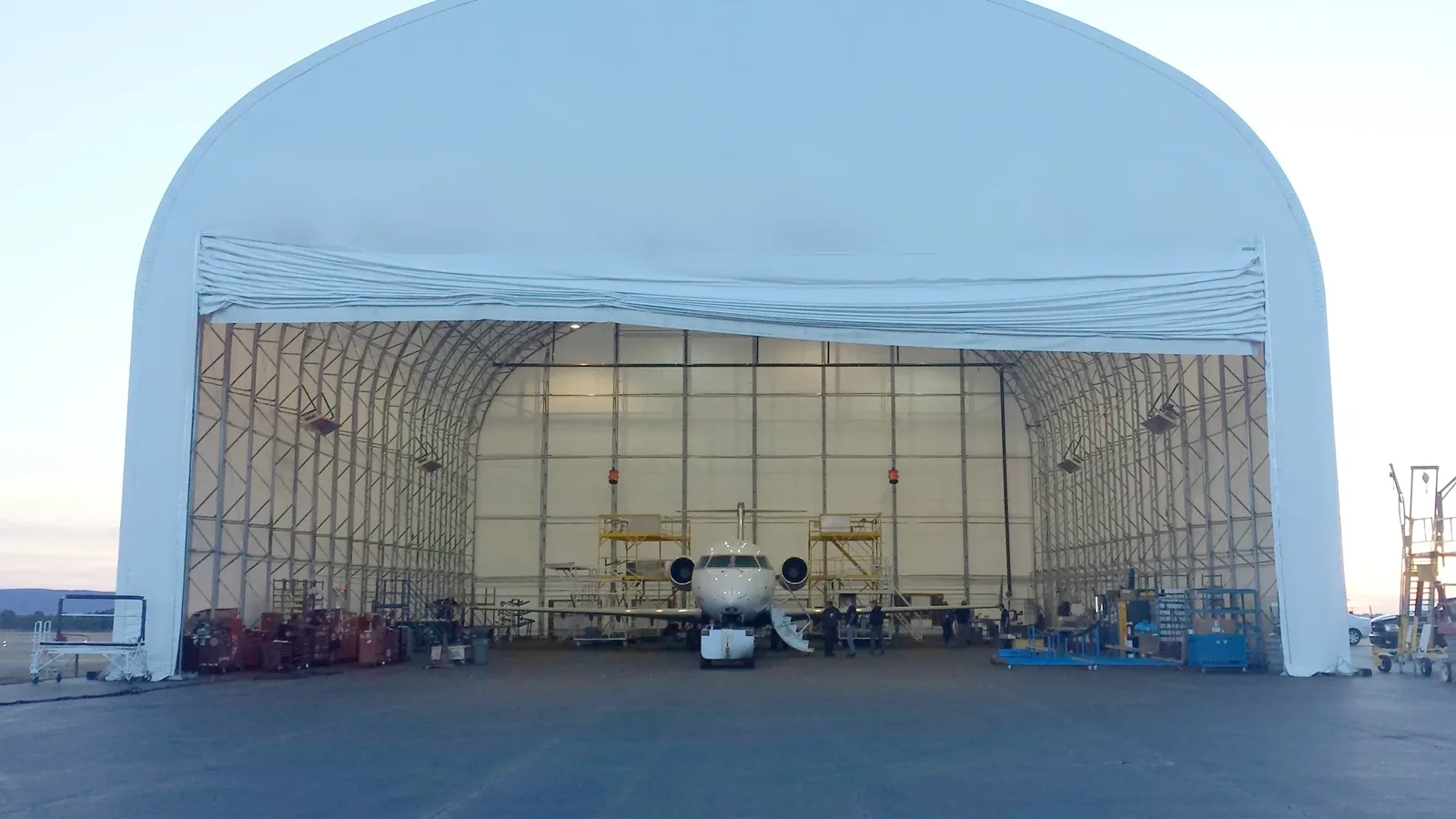
Plan aircraft hangar roofing in Idaho Falls around wide roof spans, doors, equipment, drainage, and safe sequencing near active aviation areas.
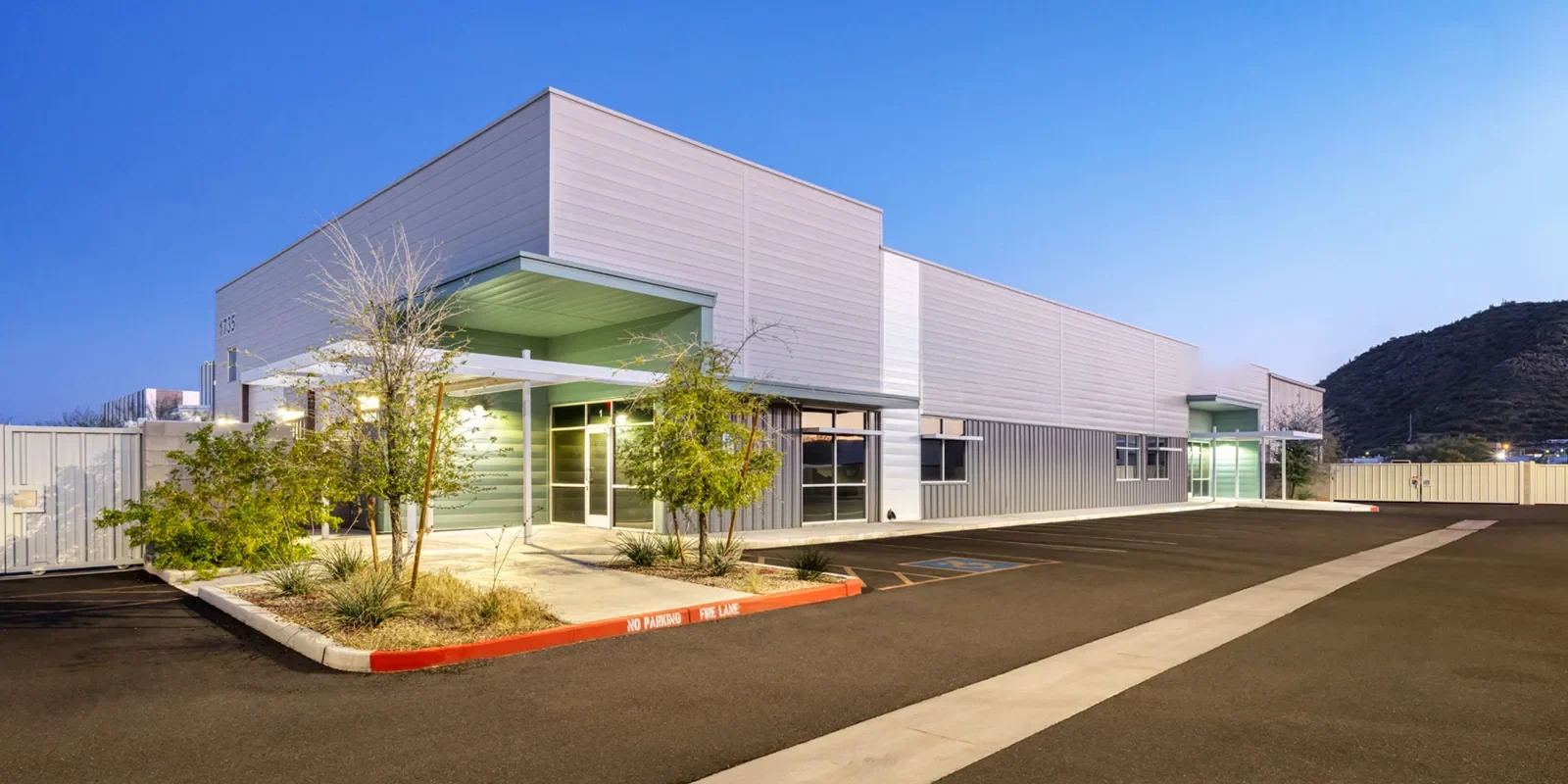
Plan flex-industrial roof repair in Idaho Falls around tenant bays, equipment, drainage, and the access limits of active warehouse and shop space.
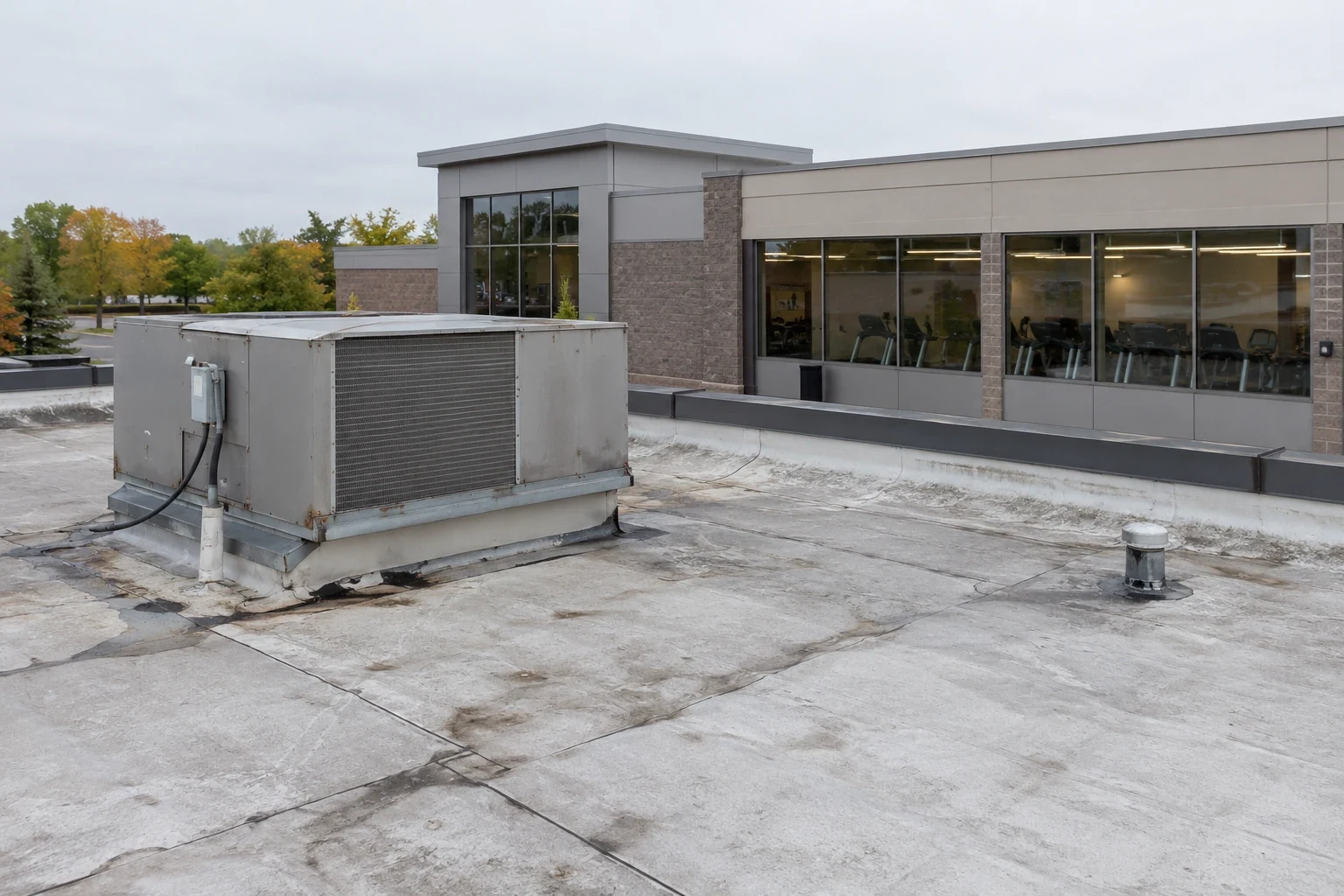
Coordinate fitness center roof repair in Idaho Falls around member access, rooftop equipment, drainage, and work zones that protect occupied spaces.
Coordinate National Guard armory roofing in Idaho Falls around facility access, readiness schedules, weather limits, and documented repair boundaries.
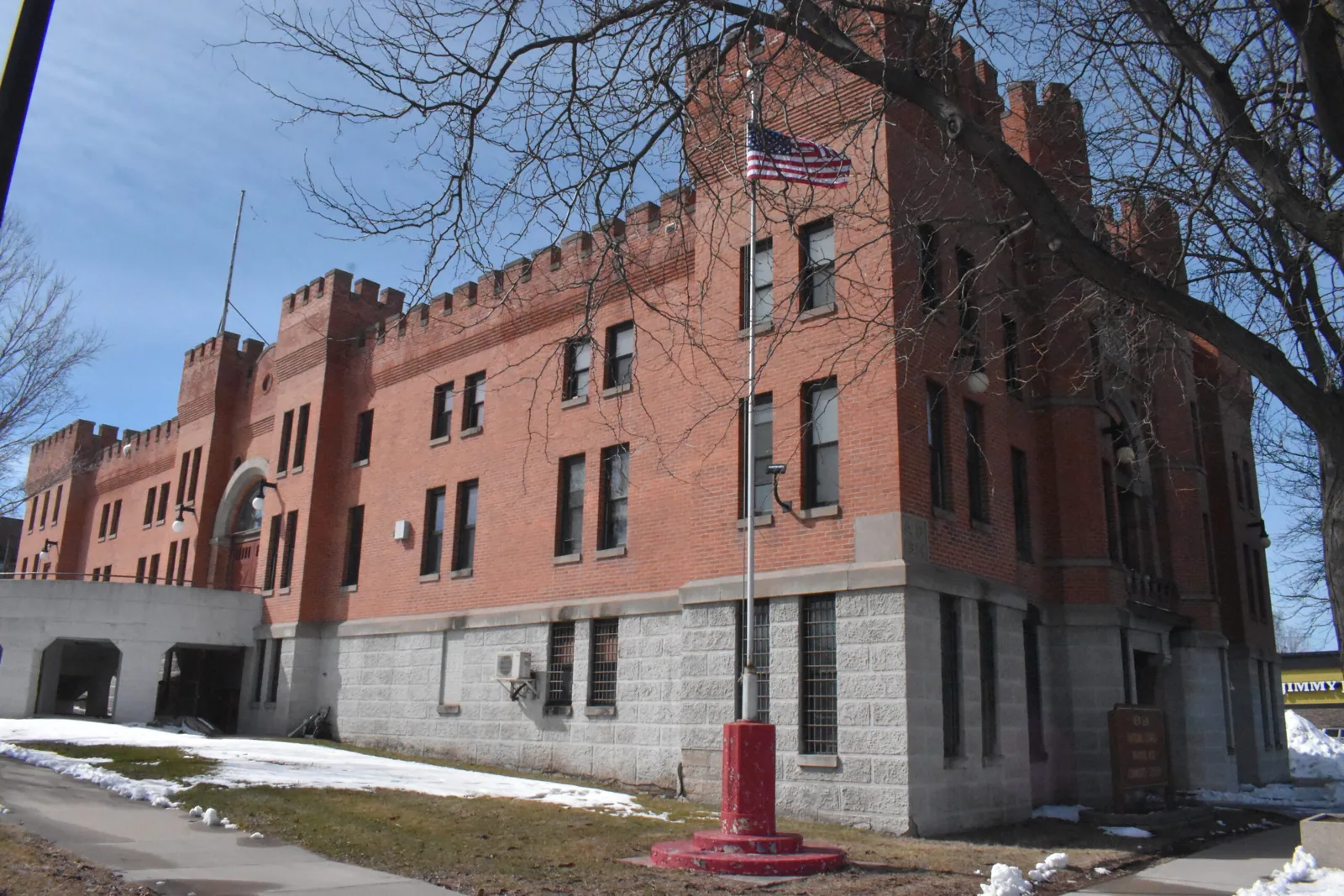
Warehouses and distribution buildings often involve rooftop equipment, loading operations, and broad work areas. A warehouse roof scope should identify staging, equipment movement, drains, and the daily dry-in boundary. A distribution property needs similar planning around deliveries and active operations, but the roof findings remain specific to that site.
Healthcare and education properties call for attention to access, occupied areas, equipment, and sensitive room schedules. A medical-office evaluation and a college or university scope start with the same roof facts, then adapt sequencing to the manager’s operating requirements. College of Eastern Idaho’s campus includes classrooms, labs, technical, healthcare-education, and industry/trades buildings; that range underscores why one access plan does not fit every structure.
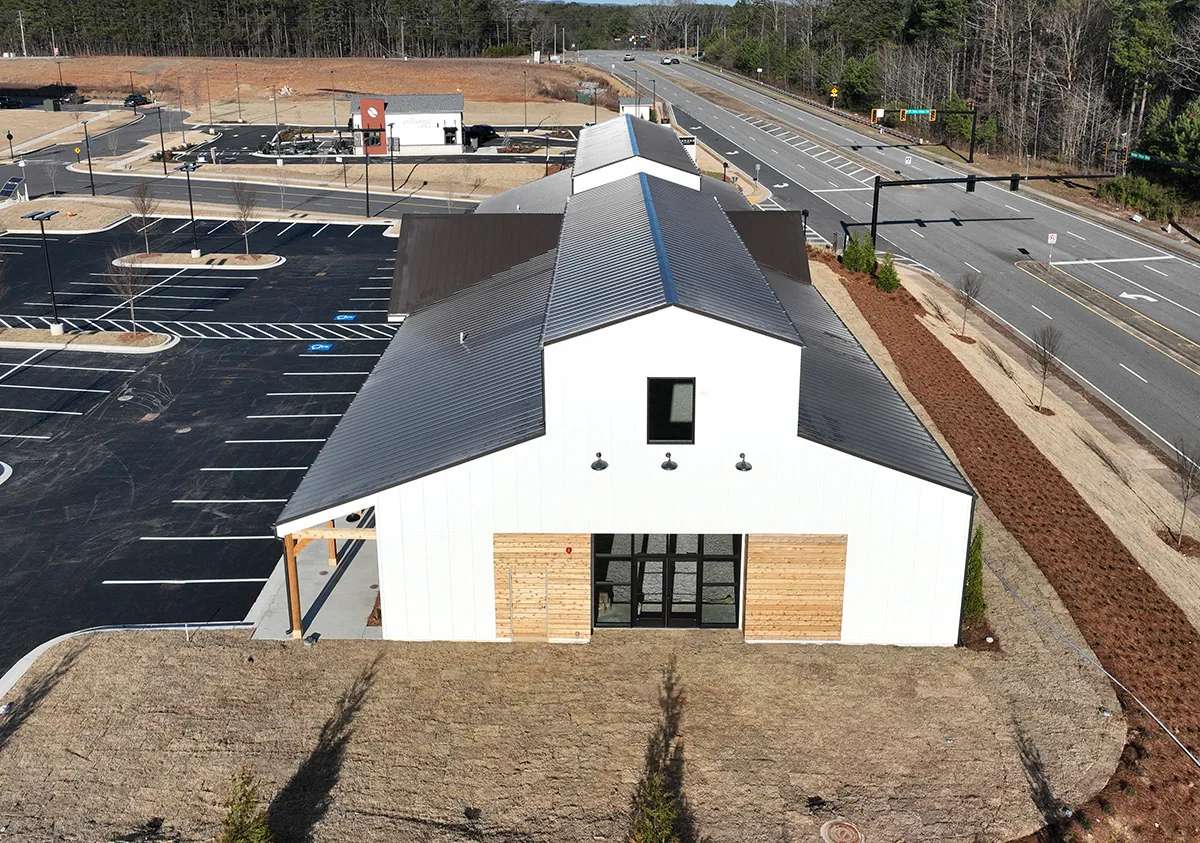
Retail, restaurant, grocery, hotel, apartment, and senior-living properties can have different entrances, deliveries, residents, guests, and equipment constraints. A shopping-center review maps active areas before staging begins. On a grocery property, rooftop units and interior operating needs may influence the sequence. The manager confirms current restrictions; the proposal identifies protection, access, and daily closure.
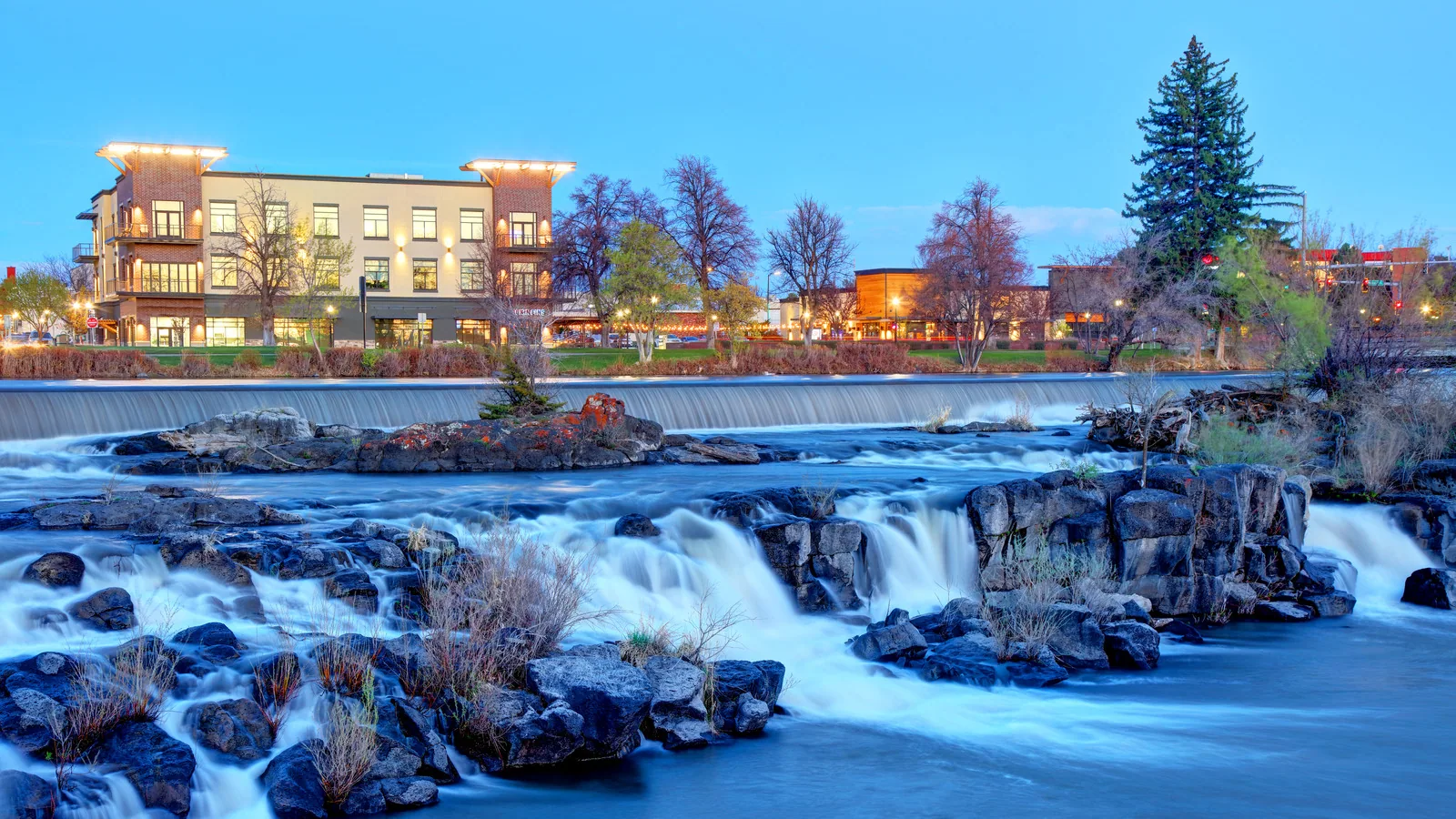
Downtown and South Downtown form one integrated core area, while the Warehouse District includes storefronts alongside warehousing and light-industrial uses. Those broad areas provide useful context, but each property requires its own assessment. For work in Downtown Idaho Falls, the roof scope starts with that property’s access and assembly.
Manufacturing, cold storage, data center, aircraft hangar, self-storage, and government properties may include distinct equipment, penetrations, environmental controls, or structural details. We verify those conditions at the roof and coordinate with the facility contact before opening material. A manufacturing-plant inspection should note equipment curbs and operational limits; a data center review should identify sensitive operations and access dependencies without assuming that every site has the same requirements.
For occupied buildings, a phased reroof sequence can establish work zones, delivery plans, protection, and a safe dry-in point. If the roof’s layers or moisture status are unclear, testing may be needed before a repair or recover boundary can be priced.
We record visible defects, drainage, attachment, substrate, edges, flashing, penetrations, prior repairs, and areas that could not be accessed. The recommendation can separate maintenance, a bounded repair, further testing, recover, and replacement.
The project team should confirm current requirements when a roof replacement changes the assembly. Our property-level record includes the findings, proposed work, and questions the designer needs to resolve before installation.
No. Use and occupancy help set access and sequencing, but inspection identifies the membrane or metal, attachment, layers, moisture, and drainage on the property. Recommendations follow those findings and the project requirements.
We confirm entrances, material staging, rooftop equipment, active operations, and areas that need protection. The proposal identifies a work sequence and a daily point when the exposed area can be secured.
A roof walk records visible assembly details, defects, drainage, access limits, and photographs. If hidden moisture or deck condition could change the scope, we identify the test or opening needed before final pricing.
Idaho Falls climate averages help frame the freeze and summer-heat cycle. We use current weather, surface condition, and material requirements to plan the work.