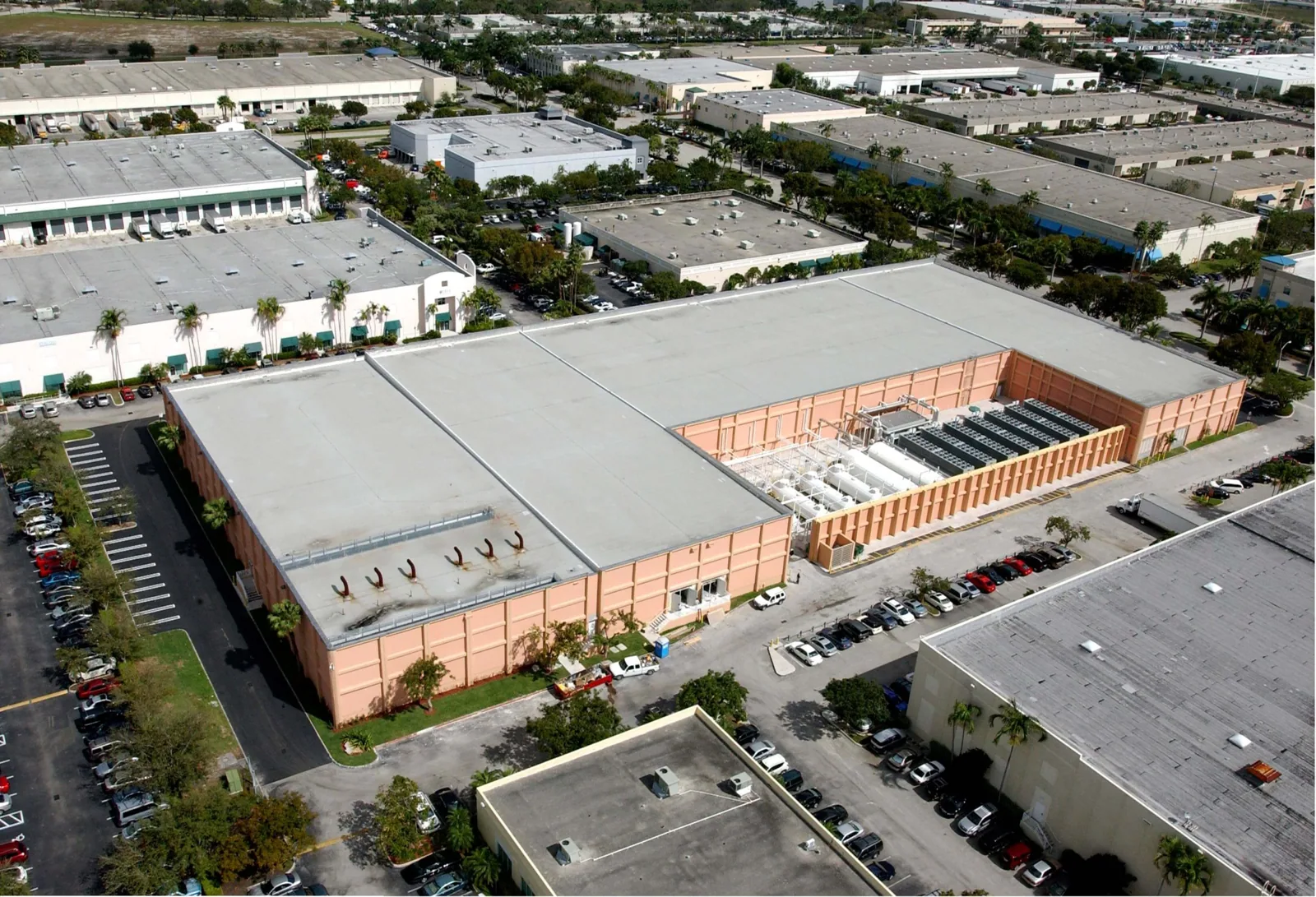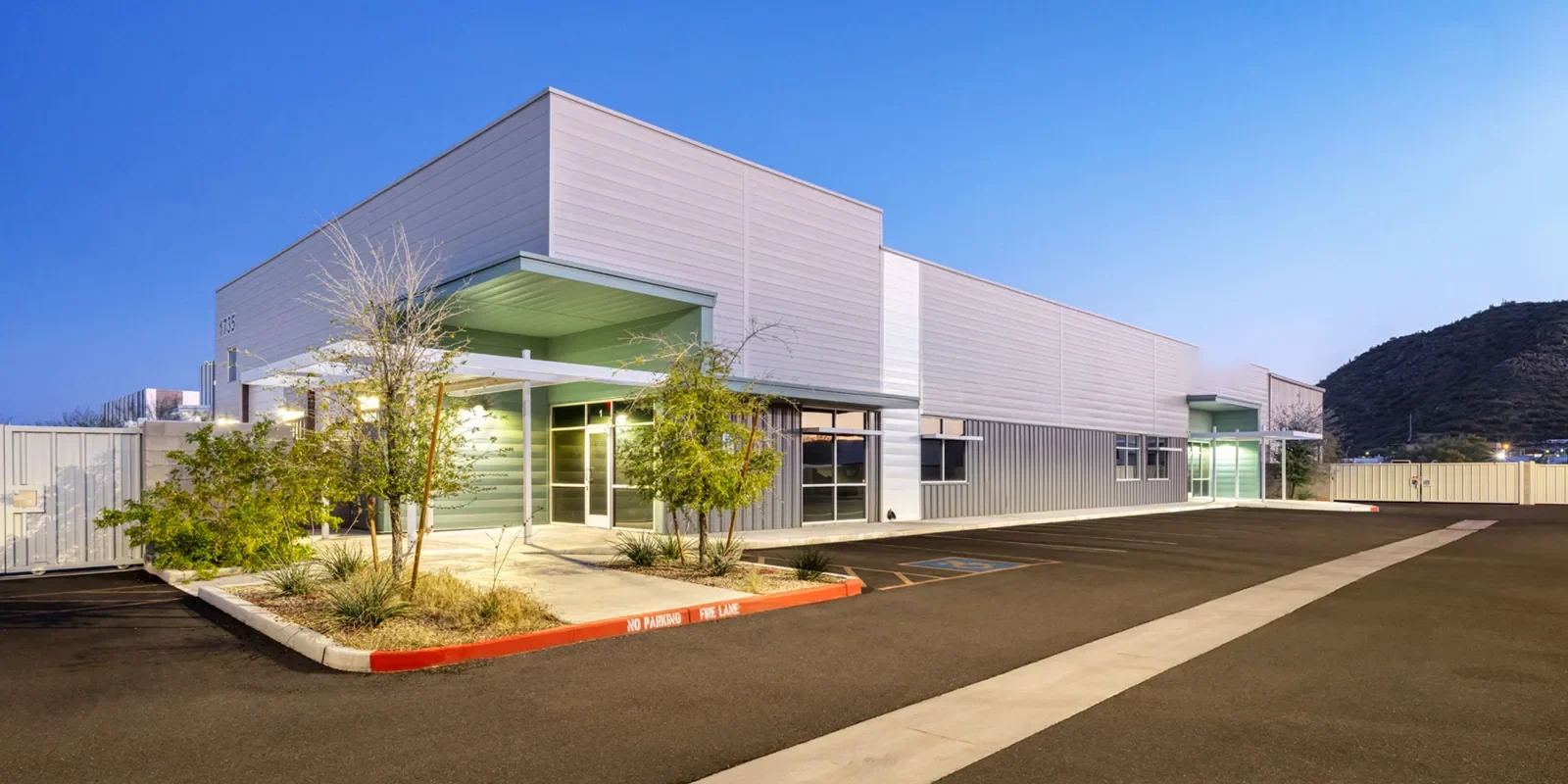
Fitness Center Roofing in Idaho Falls, ID Serving Idaho Falls & Eastern Idaho

Coordinate fitness center roof repair in Idaho Falls around member access, rooftop equipment, drainage, and work zones that protect occupied spaces.

Fitness Center Roofing in Idaho Falls, ID

Fitness Center Roofing

Summer heat creates an application limit across Idaho Falls, ID: highs reach 90 degrees on about 26.5 days each year. In colder months, seams, drains, and edge details face repeated freeze-thaw exposure. We inspect the assembly above workout floors, locker areas, offices, and equipment rooms, then write a scope that accounts for both the leak path and member access. A clear work boundary separates urgent water control from planned repairs.

Idaho Falls serves regional retail, entertainment, restaurant, healthcare, and business activity. Snake River Landing adds a mixed-use setting with offices, dining, residences, and event venues, while Rexburg Downtown District includes retail, commercial, and office activity. These broad contexts may involve different operating schedules, but a particular fitness center's classes, member traffic, roof layout, and equipment rules need confirmation with its manager.

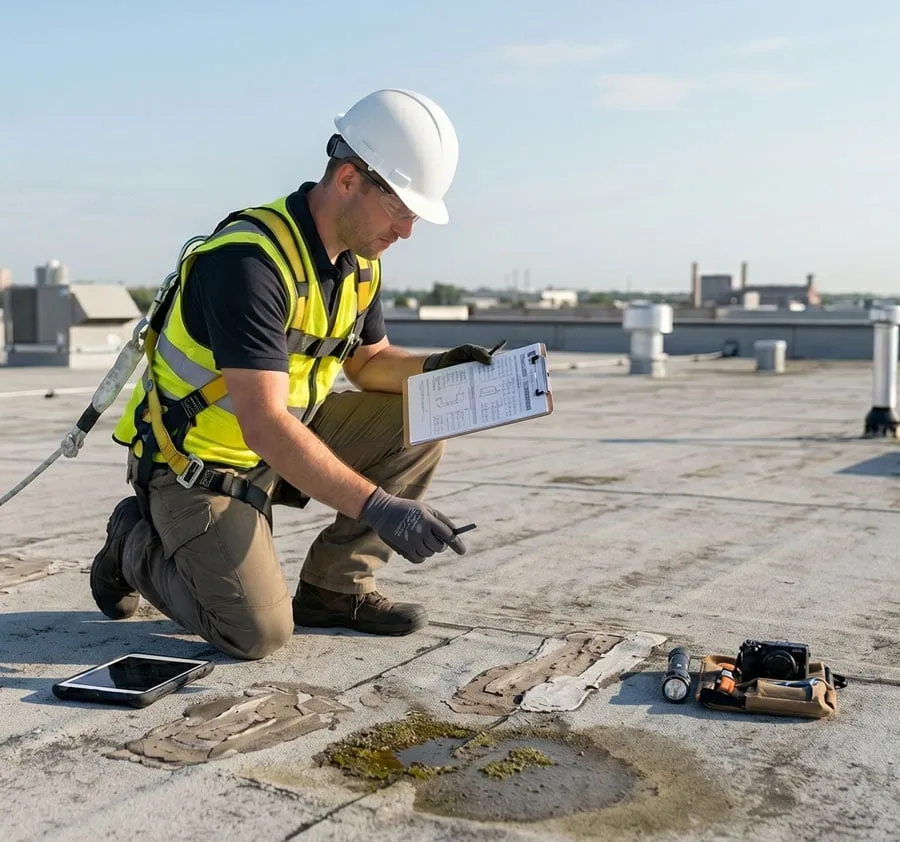
Inspection checks membrane seams, drains, parapets, penetrations, rooftop units, supports, and previous repairs. Water can travel before it appears under an exercise floor or in a shared hallway. We compare interior signs to slope and detail conditions, document what is confirmed, and identify areas where testing is needed before removal.
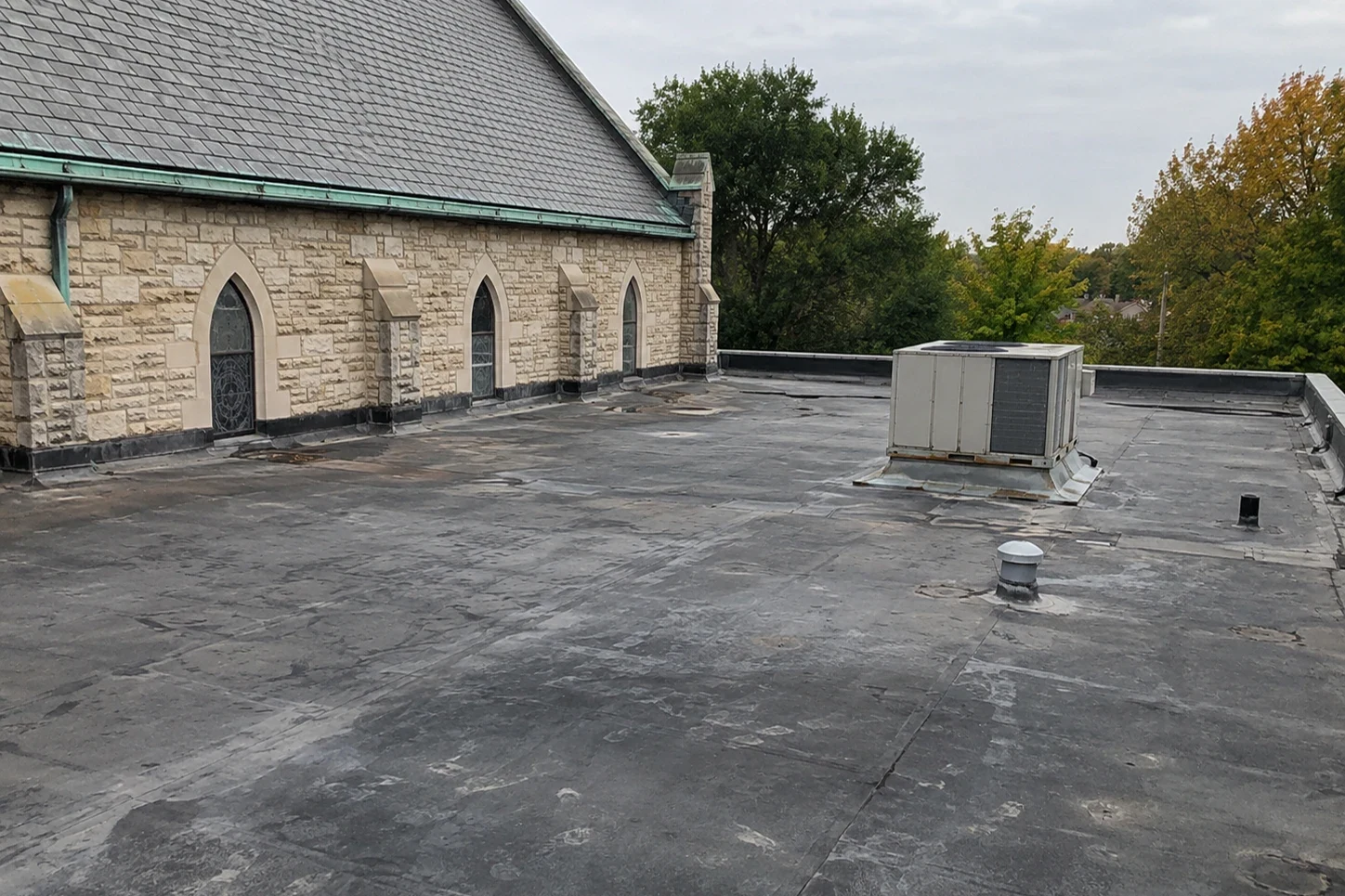
Fitness Center Roofing in Idaho Falls, ID

Keep Members and Staff Moving Safely

A facility contact can identify class schedules, entrances, accessible routes, locker access, air intakes, loading, and equipment shutdown limits. We use those details to plan lift placement, material staging, debris routes, and noisy work. If a roof section sits above active training space, the sequence identifies the protection required and whether that room needs a temporary closure before removal. Roof zones over changing rooms, lobbies, and exercise floors may need different controls. The manager can identify where noise, vibration, or a temperature change would interrupt use, and we schedule those tasks inside an approved window. If another contractor must service equipment during the roofing phase, we coordinate separate access and keep that work outside the roofing scope.

An occupied-building reroofing plan sets work zones, member notices, daily closeout, and who can approve a route change. Each roof phase has a defined closure step that the crew can complete before member access resumes. If the work uncovers deck damage or wet insulation, the owner reviews the added scope before the area is covered.

At Snake River Landing, offices, homes, dining, and event venues share a broad district. Fitness centers may have classes, events, and service deliveries throughout the week; confirm the facility calendar and access windows before staging a roof crew. We coordinate actual member flows and service access with the person responsible for the property.

Trace Water Near Equipment and Openings

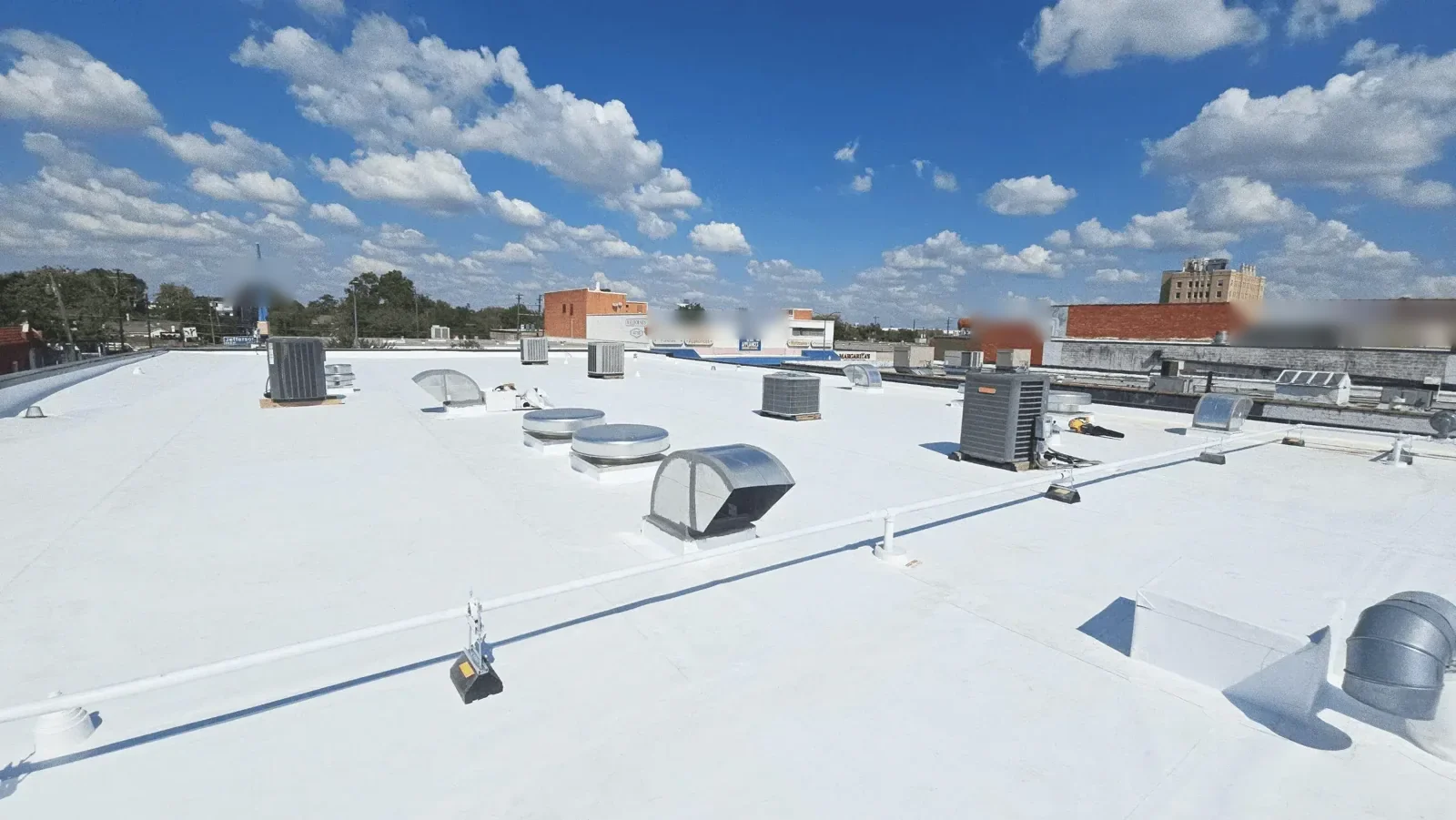
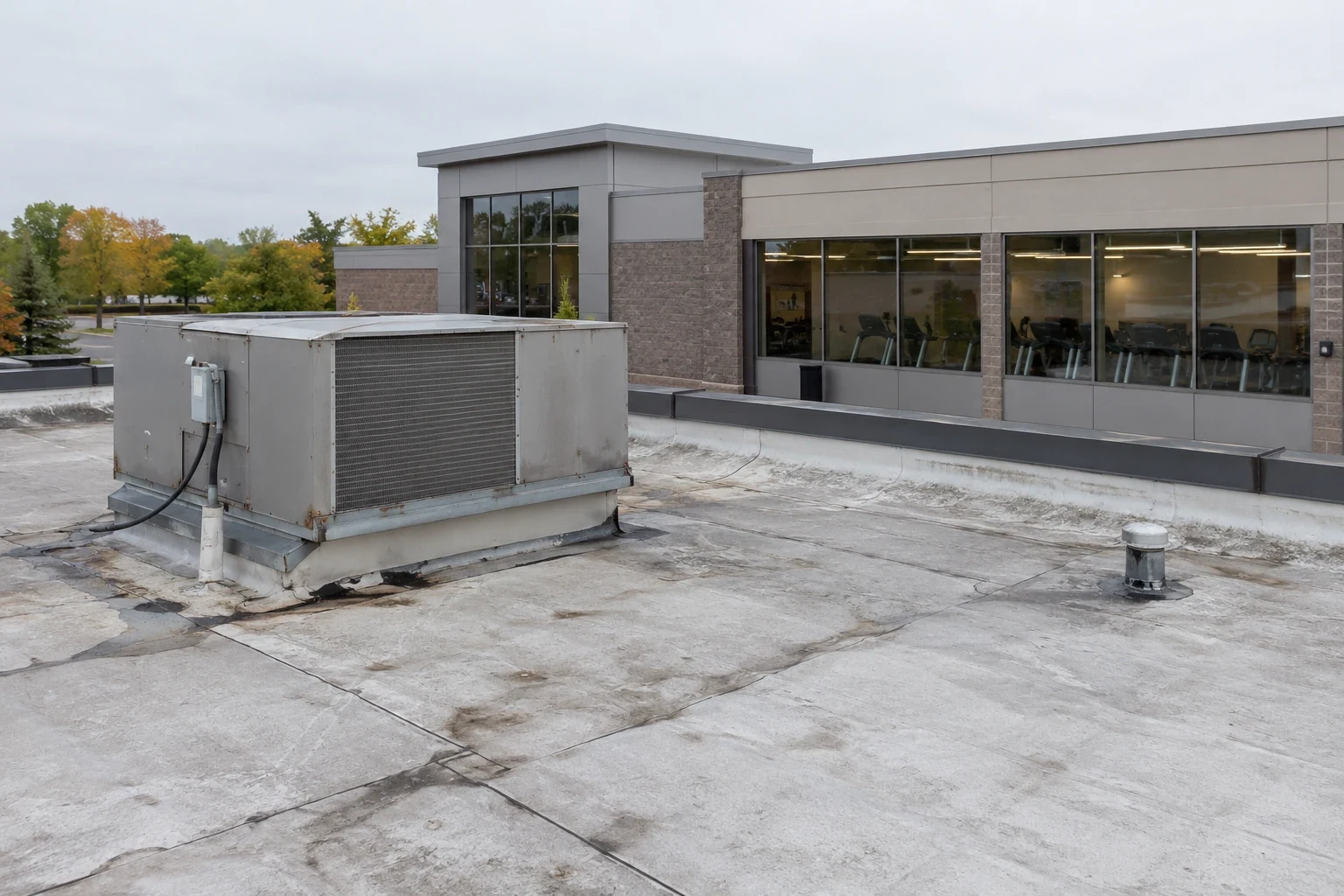
Rooftop HVAC curbs, vents, skylights, conduit, and supports interrupt the roof field. We inspect flashing at each transition, then compare it with drainage, seams, and interior reports. Trace water above and upslope from an equipment-room mark, checking curbs, penetrations, drains, and seams before defining the repair. Photos and roof-area labels keep the reported symptom tied to the observed detail.

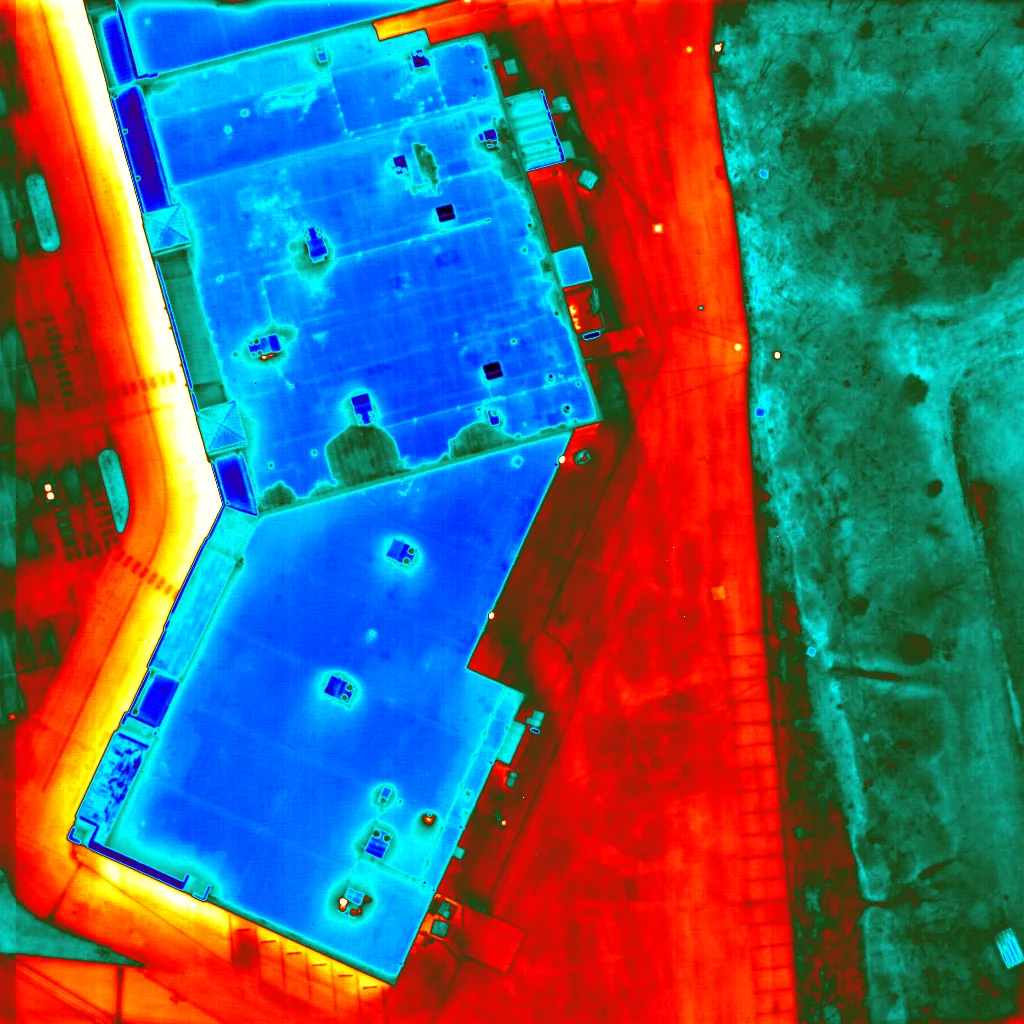
Where moisture may be trapped beneath a membrane, an infrared moisture survey can help locate suspect areas when conditions support useful readings. We identify the test boundary and use targeted confirmation before setting removal depth. Drain bowls, scuppers, overflow routes, and low points receive a separate check because a blocked path can contribute to repeated interior water.

An inspection with roof-zone photos documents visible conditions and any area that could not be accessed. If another trade needs to evaluate a unit, exhaust, or penetration, the proposal states that separately from the roofing work. The repair recommendation stays tied to what the roof inspection supports.

Choose the Work Area for Current Conditions

Winter access and summer application place different limits on roof work. A fitness center's work zone is set by the actual surface, material limits, and forecast rather than a seasonal average.

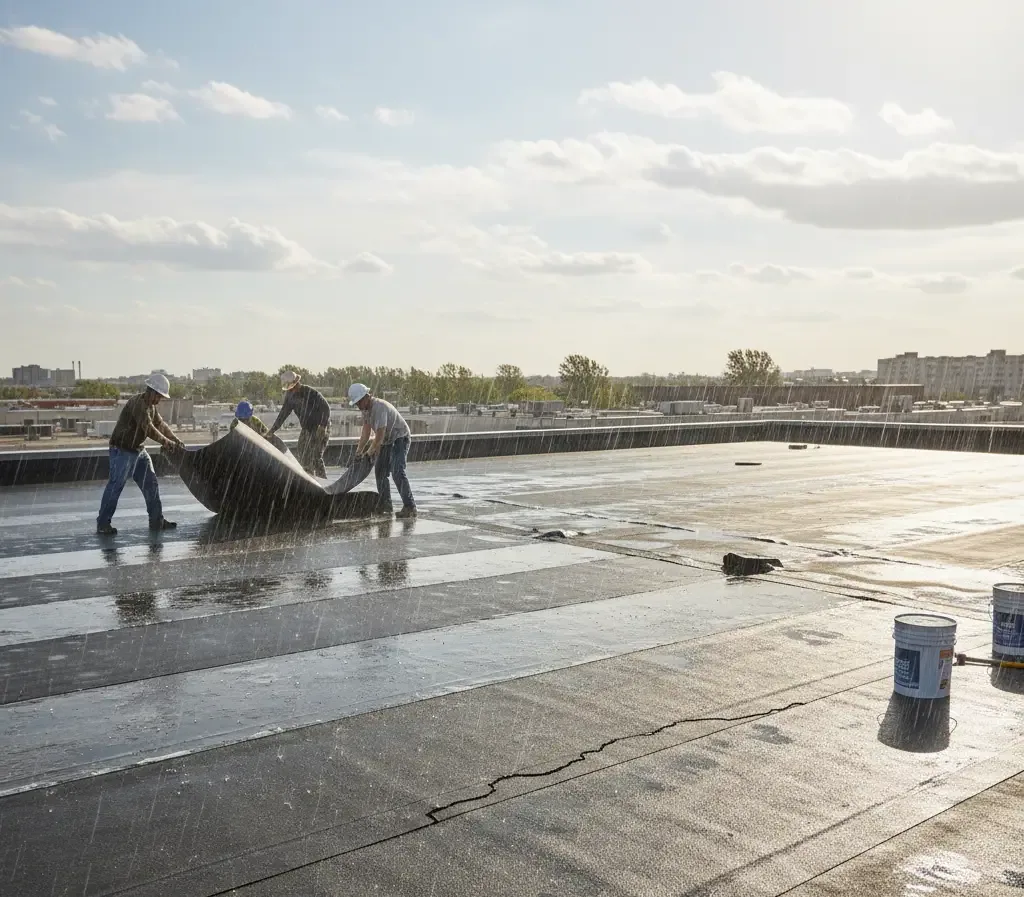
May is the wettest month by average precipitation in Idaho Falls. We define a secure dry-in boundary before tear-off and specify temporary protection at the end of each shift. Snow or ice may obscure a drain or restrict safe access, requiring a follow-up check when the roof can be reached reliably.

Classes, events, deliveries, permits, and concealed conditions can also move the sequence. We list dependencies and the person who can approve a change. A schedule is useful when each phase can close safely and access below remains controlled.

Match Repair to the Roof Condition

A localized seam or curb defect may support repair when surrounding material remains dry and secure. Several recurring leaks, broad moisture, loose attachment, or deck damage can support a larger renewal. We compare the proposed boundary with test results and note what remains unconfirmed. A recover is considered only when the existing assembly can support another layer under project requirements.

A EPDM roof system or another assembly should fit the substrate, drainage, penetrations, and future service access. Equipment supports and curbs need compatible flashing, whether the field is membrane or metal. Idaho Falls has adopted 2018 building, existing-building, and energy-code editions; project review determines what applies to a specific scope.

A hotel roof project may need guest scheduling, while school roofing can depend on class calendars. A fitness center has its own member and equipment requirements. We use those operating details together with roof evidence to determine whether repair, recovery, or replacement is practical.

Keep the Maintenance Record Current

Cost depends on roof height, access, removal depth, insulation, deck repairs, drains, perimeter details, and mechanical penetrations. Member protection, lift placement, and planned equipment shutdowns can add coordination. Our proposal separates inspected repairs from additions that testing or removal may uncover, and names the manager who can approve those changes.

A preventive roof maintenance visit can track drains, seams, curbs, and exposed flashing after repair. A roof condition report preserves photos, roof-zone labels, completed work, and concerns for follow-up. Those details help a manager carry findings into the next maintenance and budget review.

For active water entry, commercial roof repair can address the defined defect while replacement planning proceeds separately. We state what temporary protection resolves, what remains open, and whether another trade or owner decision is needed. The final handoff records completed areas and any access limit that prevented inspection.

Questions About Fitness Center Roofing

The manager identifies class peaks, entrances, accessible routes, equipment rooms, deliveries, and any area that must remain available. We set staging and daily boundaries around those needs, then name who can approve a temporary access change. Each phase closes only when its roof area can be protected.

Failed curb flashing, open seams, blocked drains, and wet insulation can all contribute to interior water. We inspect the roof route and document how it relates to equipment and reported areas. If a mechanical component needs separate attention, we identify that boundary in the scope.

A partial operation may work when the roof layout supports safe separation, interior protection, and a secure daily tie-in. We coordinate the area below with the manager and define any temporary closure. The conditions and access plan determine what can stay open.

Widespread moisture, multiple recurring failures, deteriorated insulation, or deck damage can support a broader renewal. A contained defect may remain a repair candidate if surrounding materials are sound. We document the evidence and testing limits before ownership chooses.

It identifies repaired roof areas, materials installed, photos, access limitations, and remaining concerns. We also state whether follow-up testing, maintenance, or another trade is needed. The manager receives a record that can support the next budget decision.

ServicesRoof SystemsIndustriesProperty TypesService AreasDamage RepairCapabilitiesManufacturersContactAboutRequest a Roof Assessment555-555-5555
Call us today555-555-5555