Commercial Roofing in Blackfoot, ID Serving Idaho Falls & Eastern Idaho

Commercial roofing in Blackfoot connects the city’s agricultural economy and regional roads with roof-specific inspection, drainage, and work planning.

Blackfoot in Idaho Falls, ID

Blackfoot

Zero-degree nights can limit how a roof assembly is prepared and closed, especially when work exposes insulation or a seam. Blackfoot sits in Bingham County within the Snake River corridor and plains, and agriculture and agricultural products are regional economic foundations. US Highway 91 runs through Blackfoot, with Idaho 26 and Idaho 39 serving broader regional routes. We confirm the property’s actual access and roof condition before using that context to plan the work.

Idaho Falls averages 182.2 nights a year at or below freezing, including 14.7 at zero or lower. That winter cycle makes surface moisture, safe access, and material temperature part of the repair decision. For a Blackfoot roof, we check the actual forecast and assembly before setting the work area and dry-in limit for each shift.

The inspection identifies the system, drainage, and details needing repair or testing, then records access and approval points.
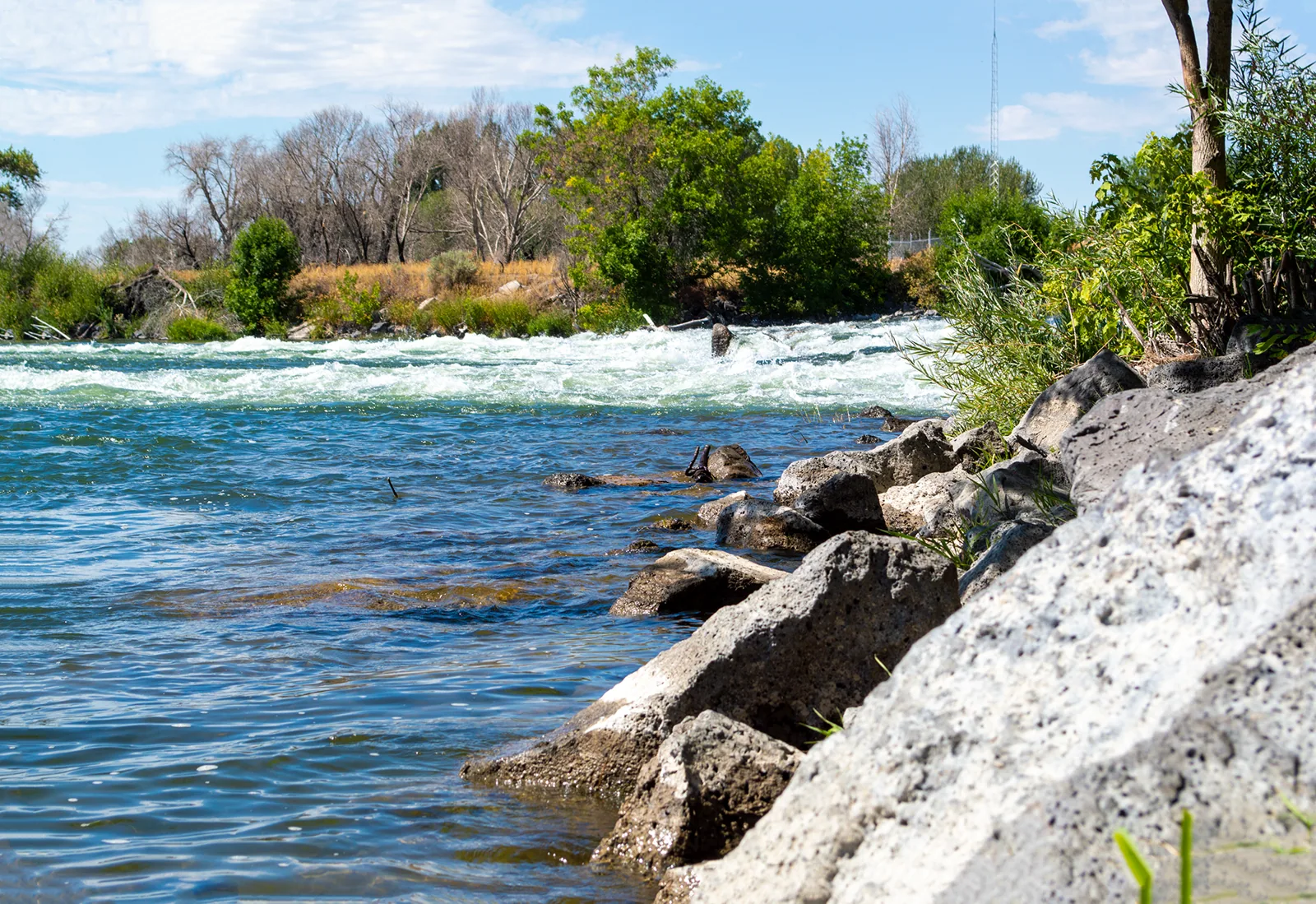
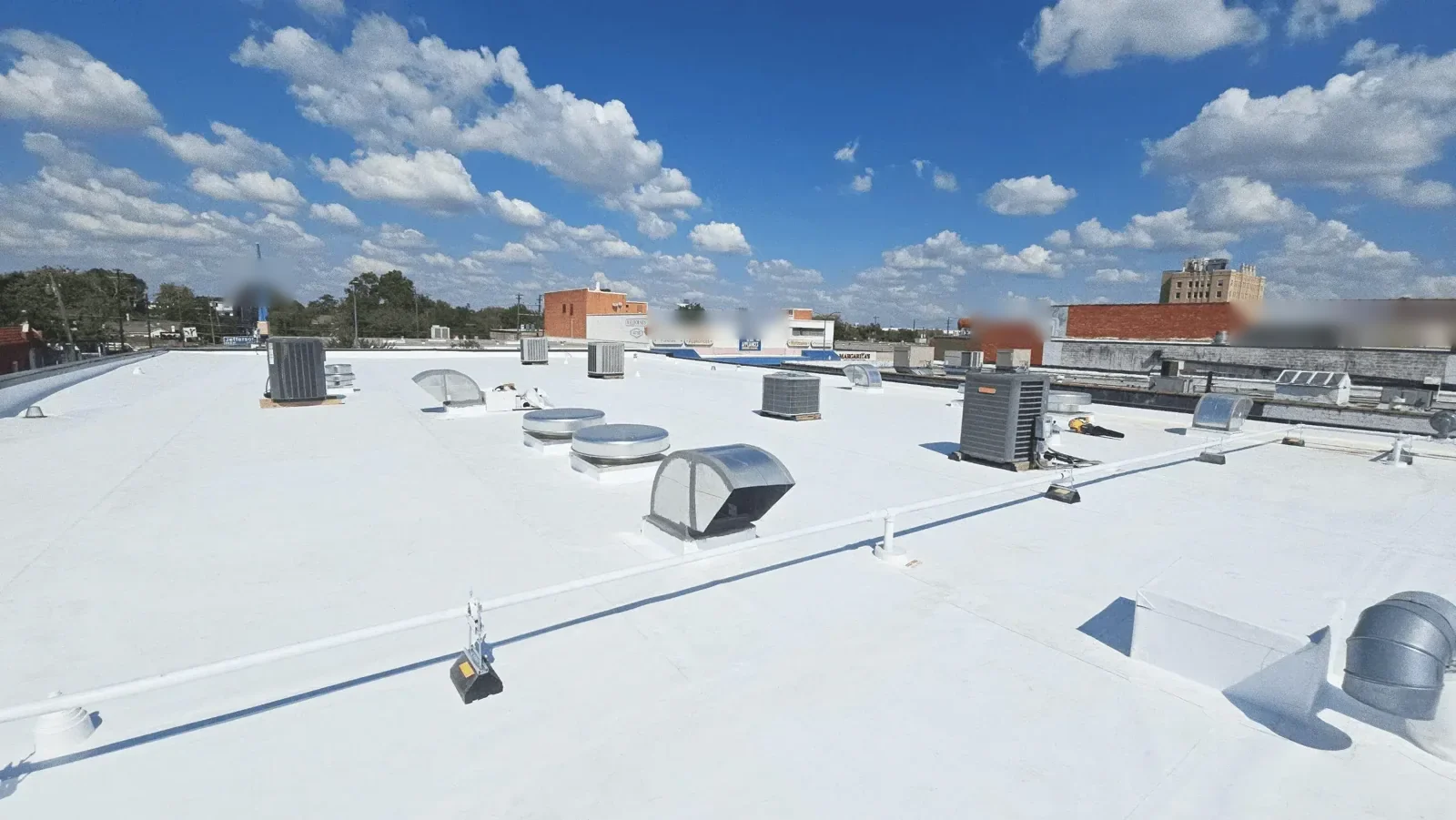
Blackfoot in Idaho Falls, ID

Inspect the Assembly Before Pricing

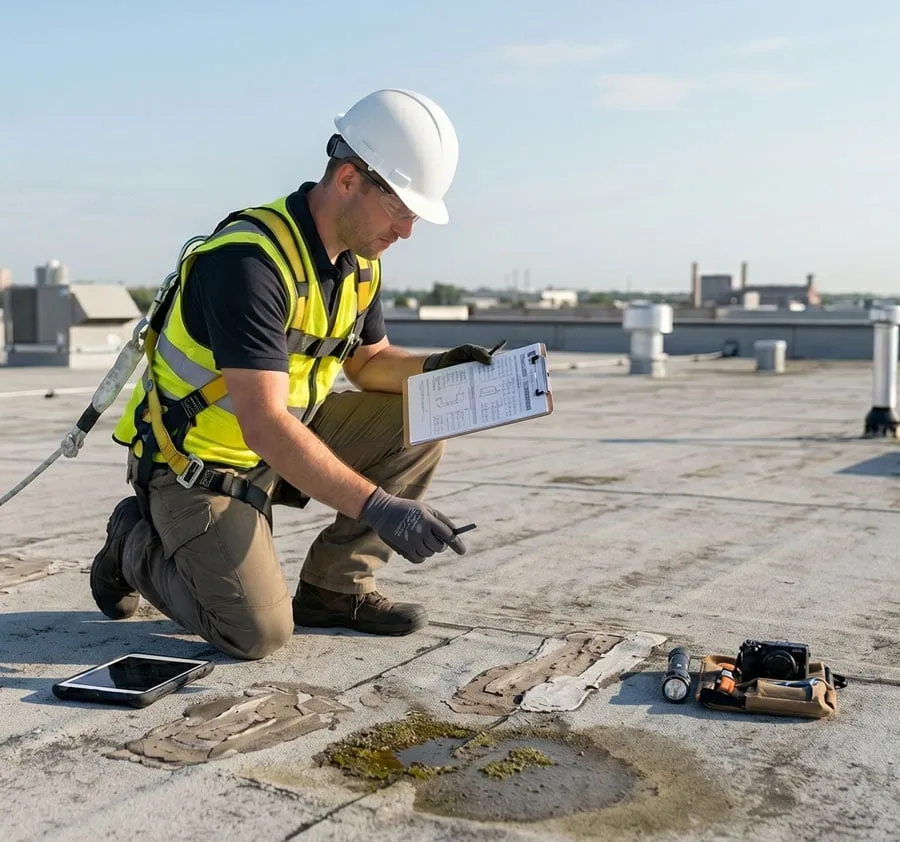
We start by locating the reported interior sign and inspecting above and upslope. Seams, parapets, curbs, wall transitions, skylights, exposed edges, and drains can all affect water movement. Where additions or prior repairs divide the roof, we inspect each zone’s attachment and drainage separately and mark the transitions in the report. Access limits and questions requiring moisture testing belong in the inspection record.

A commercial roof inspection connects photos to visible conditions and the repair boundary. If water may have moved below the membrane, an infrared survey can help identify whether a selective opening would be useful. We separate observed conditions from areas that need more testing, so ownership can compare a defined repair scope with any follow-up investigation.

Blackfoot’s agricultural economy puts storage, processing, and service operations in the regional mix. For each property, we confirm delivery paths, roof equipment, interior protection, and trade handoffs with the manager before choosing work zones.

Coordinate Access Along the Work Area

A roof job needs a safe route for workers, equipment, and material, plus a clear plan for doors or service lanes that remain active. Before mobilization, we confirm roof access, staging, delivery timing, air intakes, and the path for debris removal. The property contact identifies restrictions, and we note how they affect cost, duration, and the daily work sequence.

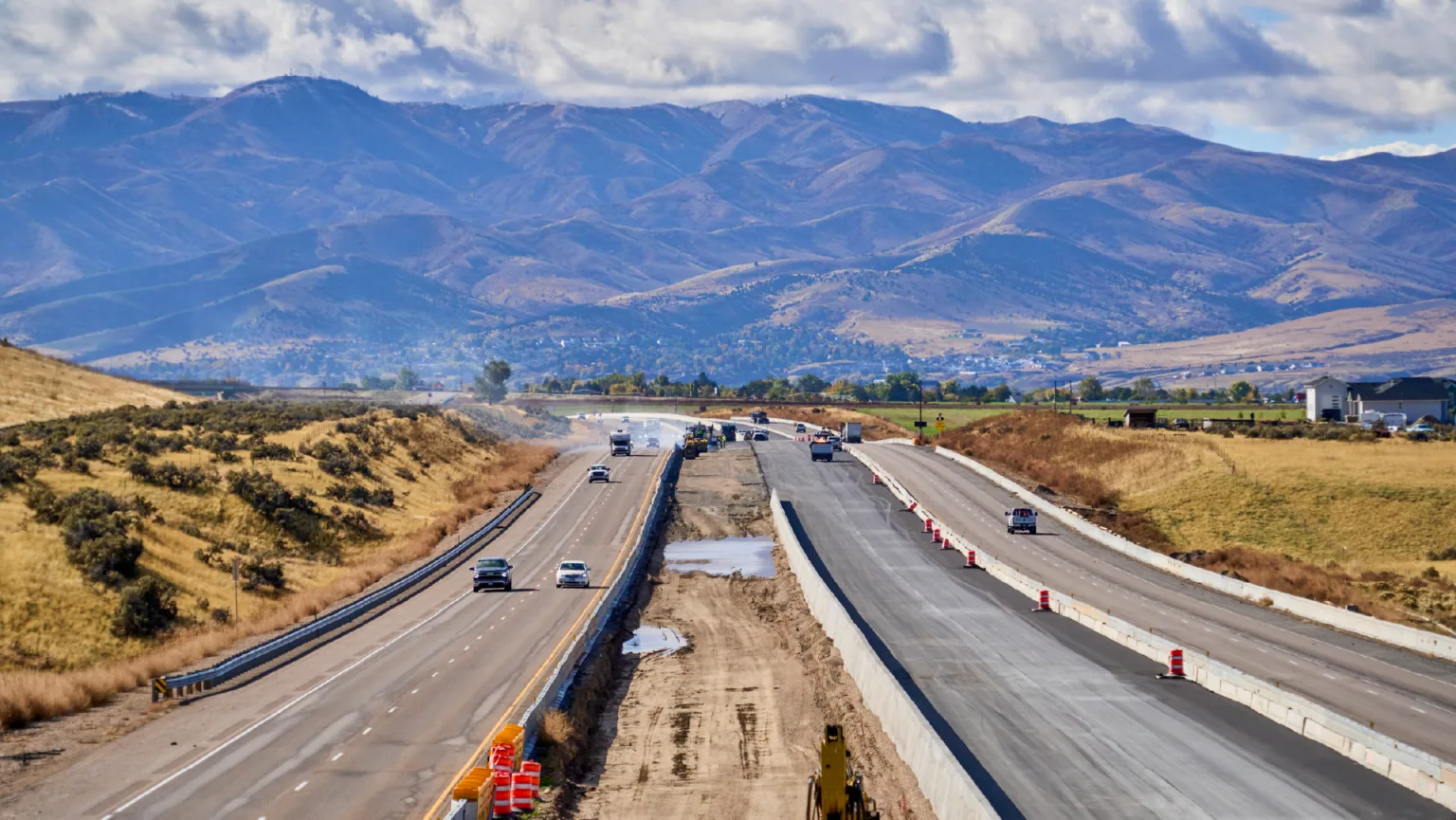
US Highway 91 runs through Blackfoot, while Idaho 26 and Idaho 39 connect the area toward other parts of the region. We verify the property approach and current site rules with its manager. An occupied-building sequence can divide work into roof zones, set each daily dry-in boundary, and coordinate tenant or business operations below.

When equipment, piping, or a support crosses the work area, the estimate identifies the trade handoff needed to finish flashing.

Follow the Leak to a Confirmed Detail

Water may travel laterally through insulation or beneath a membrane before it reaches an interior ceiling. We trace from the visible mark to roof details above and upslope, then inspect the surrounding seams, edges, penetrations, drains, and prior patches. If the visual route remains unclear, we can use moisture testing or a selective opening to narrow the repair area before proposing permanent work.

At roof outlets, we inspect the strainer, bowl, scupper, overflow, and adjacent membrane. A blockage may need maintenance; recurring ponding can involve slope, insulation, or deck condition. The scope distinguishes roof work from a design question.

An urgent roof leak can receive emergency response at any hour, all week, including holidays. We first confirm safe access and protect the area where practical, then document what temporary control was used and what permanent work remains. If an assembly needs to dry before a lasting tie-in, that requirement stays in the follow-up scope.

Plan Around the Roof, Not a Calendar

Idaho Falls averages 20.4°F in January and an 86.6°F July mean daily high. Cold can affect adhesive and membrane handling; hot roof surfaces change safe movement and application limits. We check the day’s temperature, moisture, wind, and system requirements before exposing a section.

Idaho Falls averages 26.5 days a year with highs of at least 90°F and measurable precipitation on 84.3 days. We stage protection, define how far the crew can progress, and identify the condition that pauses work. A snow and ice roof evaluation can distinguish physical damage from a seasonal mark or blocked drainage.

Cost and timing reflect removal depth, insulation, deck and detail work, equipment, access, staging, disposal, and weather. We separate known work from concealed conditions and document changes before proceeding.

Select Work That Fits the Roof

The repair limit follows the proven failure and the condition of its margins. We examine attachment, seam, substrate, flashing, and drainage before choosing a compatible fix. Repeated leaks, wet insulation, or movement in the deck can make a patch temporary. The inspection states what is confirmed and which area needs testing before a permanent boundary is set.

A recover is considered only if the existing assembly is dry, secure, compatible with the new system, and within project limits. The recover evaluation compares that option with removal and deck access. If broader work is justified, the replacement scope identifies the selected assembly, edges, penetrations, drainage, and how concealed conditions are approved. Coating also depends on surface compatibility and substrate condition.

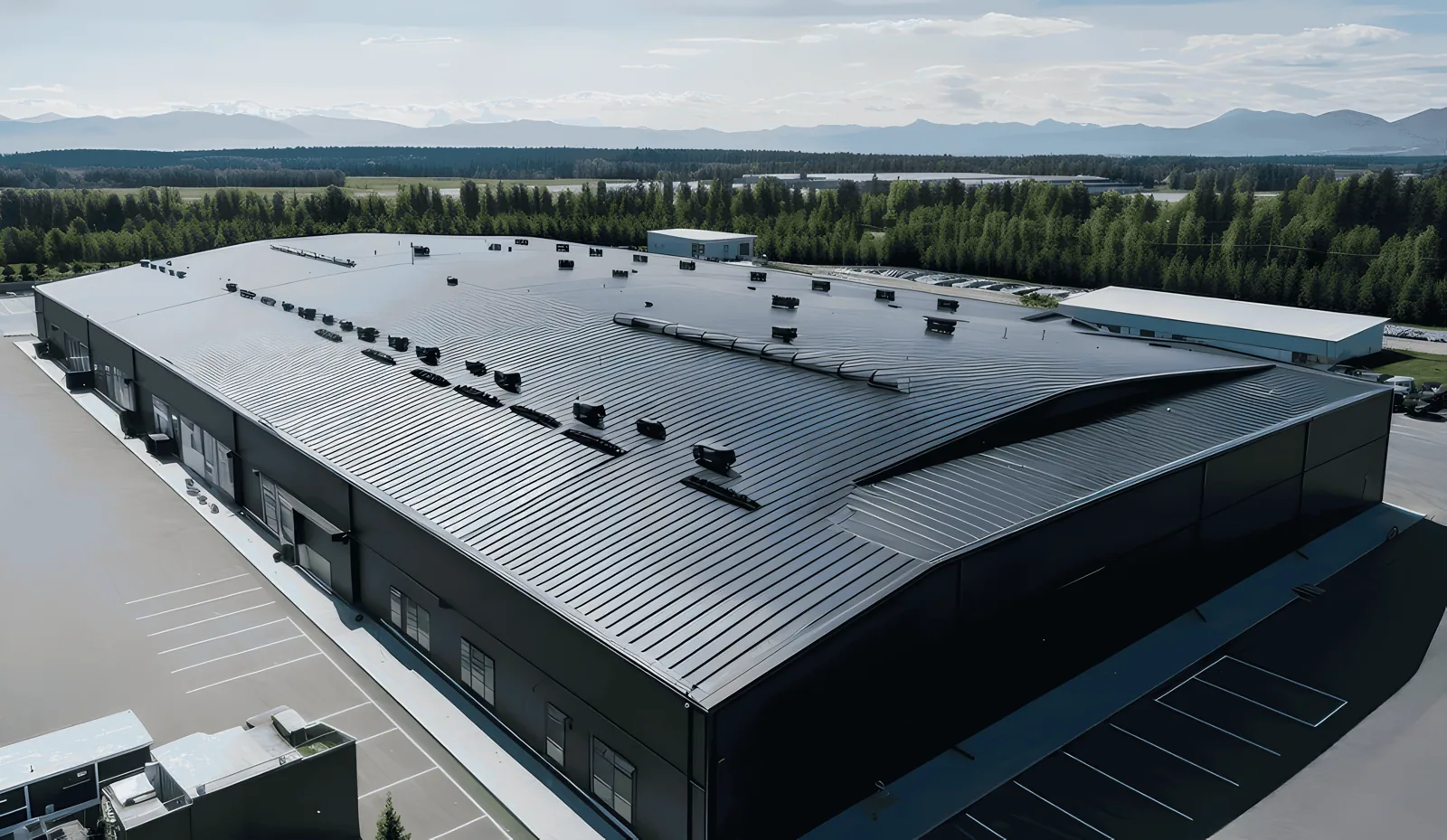
A standing-seam metal system may be part of an owner’s comparison where project design and roof geometry support it. The material choice follows inspection, attachment, drainage, and the building’s needs. We explain preparation, details, weather limits, and maintenance considerations for the option rather than presenting a product label as a complete scope.

Make the Next Review Easier

Closeout records should include zone photographs, completed repairs, materials installed, remaining concerns, and any area that could not be inspected. A preventive maintenance visit can revisit drains, exposed edges, seams, and repaired details on a schedule that fits the actual assembly and operating conditions.

Blackfoot’s agricultural context and regional routes help locate the service area, while a project in Shelley or Rigby is a different city with separate roof conditions. We keep the findings and estimate specific to the property inspected. Each record should make clear which work is urgent and which can be planned for a later weather window.

That record supports a budget decision because it distinguishes the roof’s known condition from questions that remain open. We document what was repaired, what stayed in service, and what needs follow-up. The next inspection can compare the same zones without assuming the assembly remained unchanged.

Questions About Blackfoot

US 91, Idaho 26, and Idaho 39 connect Blackfoot with regional destinations. Before mobilization, we confirm the property approach, delivery route, staging point, and site rules with the manager, then note any access limit that changes the sequence.

The regional economy can include agricultural and processing operations, but roof systems vary by building. We inspect the membrane or metal, attachment, drainage, and transitions, then coordinate protection and work access around the operation below.

We record the interior sign, roof zone, likely entry detail, photographs, and any limits on access or visibility. If the source remains uncertain, the report identifies whether moisture testing or a selective opening would answer the question.

Emergency calls receive a response all week, including holidays. We record temporary water control separately and identify any drying, testing, or system-compatible tie-in needed for permanent work.

We check how far moisture extends, whether surrounding materials can take a repair, and what the deck and drainage show. The estimate compares a compatible patch, recover, or tear-off with the conditions and concealed-work process stated clearly.

ServicesRoof SystemsIndustriesProperty TypesService AreasDamage RepairCapabilitiesManufacturersContactAboutRequest a Roof Assessment555-555-5555
Call us today555-555-5555