Modified Bitumen Roofing in Idaho Falls, ID Serving Idaho Falls & Eastern Idaho

Plan modified bitumen roof repair or replacement in Idaho Falls with close review of plies, flashing, drainage, insulation, and installation conditions.

Modified Bitumen Roofing in Idaho Falls, ID

Modified Bitumen Roofing

Winter lows in Idaho Falls can put stress on laps, base flashing, and exposed edges in a modified bitumen roof. Idaho Falls averages show 14.7 days a year with minimum temperatures at or below zero and 182.2 days at or below freezing. These Idaho Falls averages make the condition of each layer worth documenting. We inspect seams, transitions, drainage, and the substrate under the cap sheet.

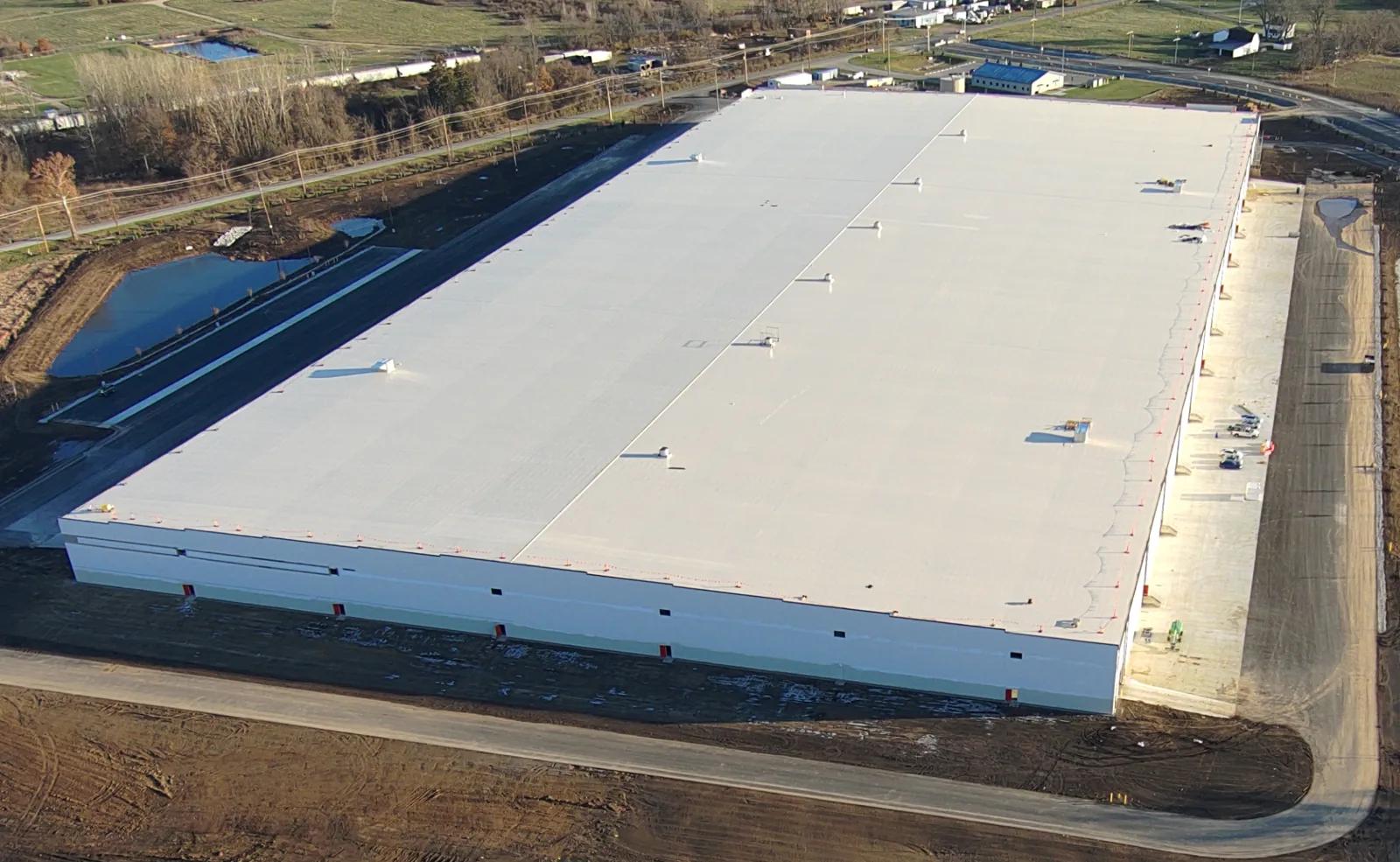
Modified bitumen is an asphalt-based multi-ply system, commonly built from a base sheet and reinforcing or surfacing layers. SBS and APP membranes differ in formulation and installation; the specification and existing material set the repair method. We identify the assembly, check laps and flashing, and note whether granules or another surface treatment is present. Downtown Idaho Falls includes downtown parking and street-front access considerations; we verify the roof system and entry conditions at each building.
Modified Bitumen Roofing in Idaho Falls, ID

Read the Plies Before Repair

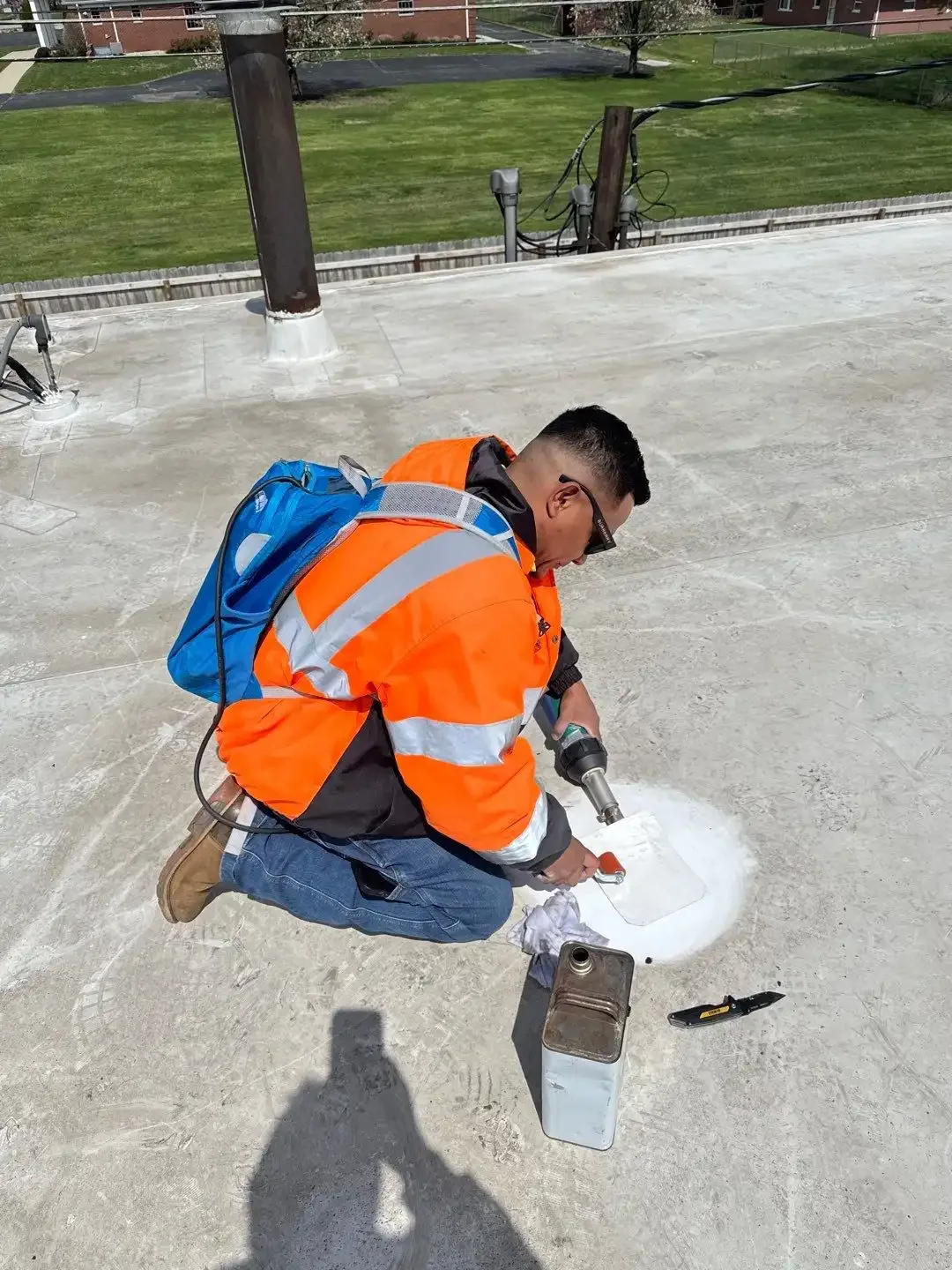
A modified bitumen roof may hide moisture or weak attachment below an intact-looking cap sheet. We inspect laps, end joints, base flashing, curb transitions, and prior repairs. At approved test areas, we check the layers without assuming what lies below. The survey records splits, blisters, open laps, displaced surfacing, or wider assembly concerns.

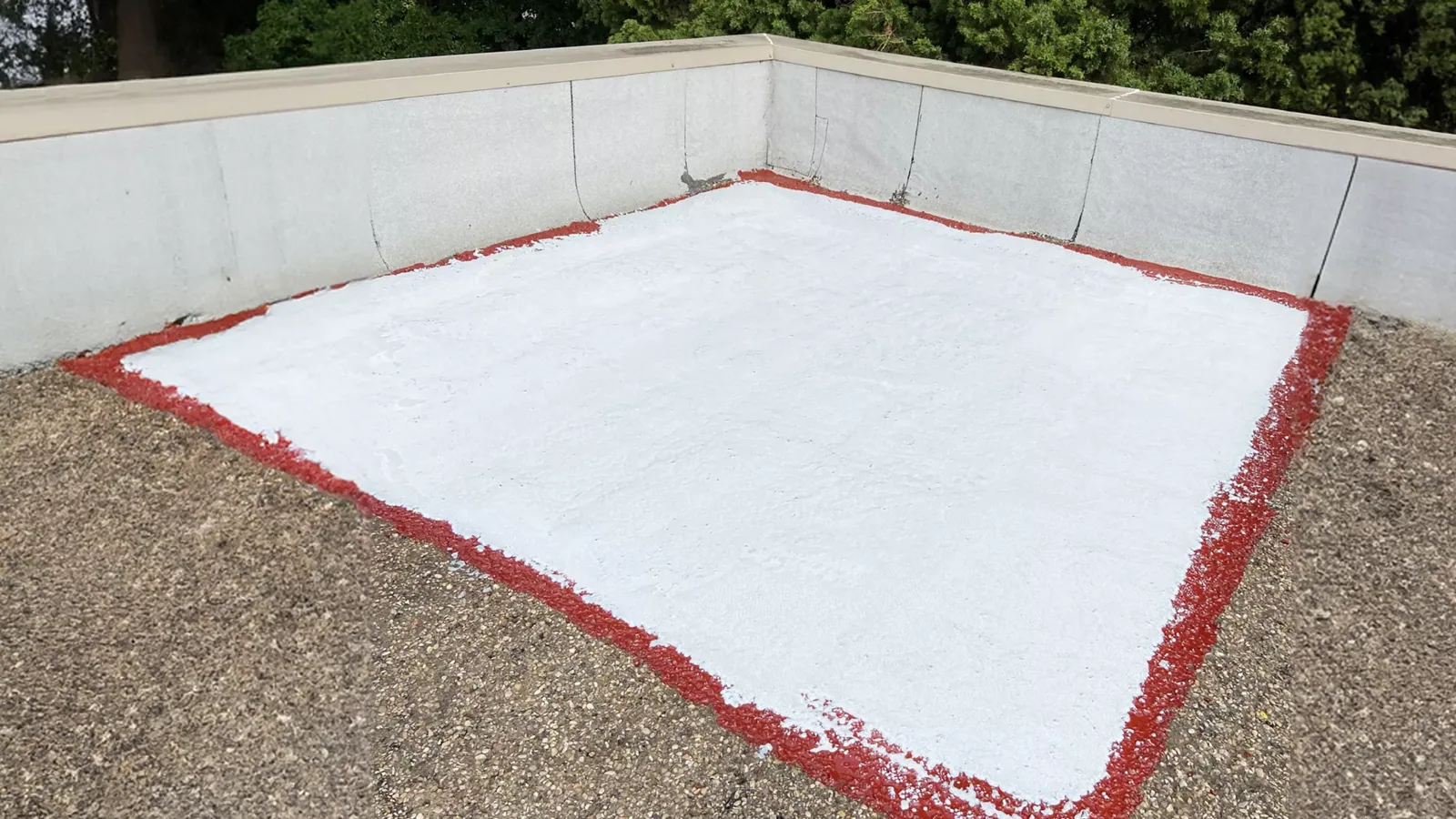
Repair material must match the membrane and application method. A patch needs a clean perimeter and proper tie-in. Granule loss does not automatically require a reroof; widespread cracking or recurring water entry may signal broader deterioration. We define repairable areas and flag concealed conditions that could change the estimate. A roof inspection with documented findings supports the decision.

Give Flashing Its Own Scope

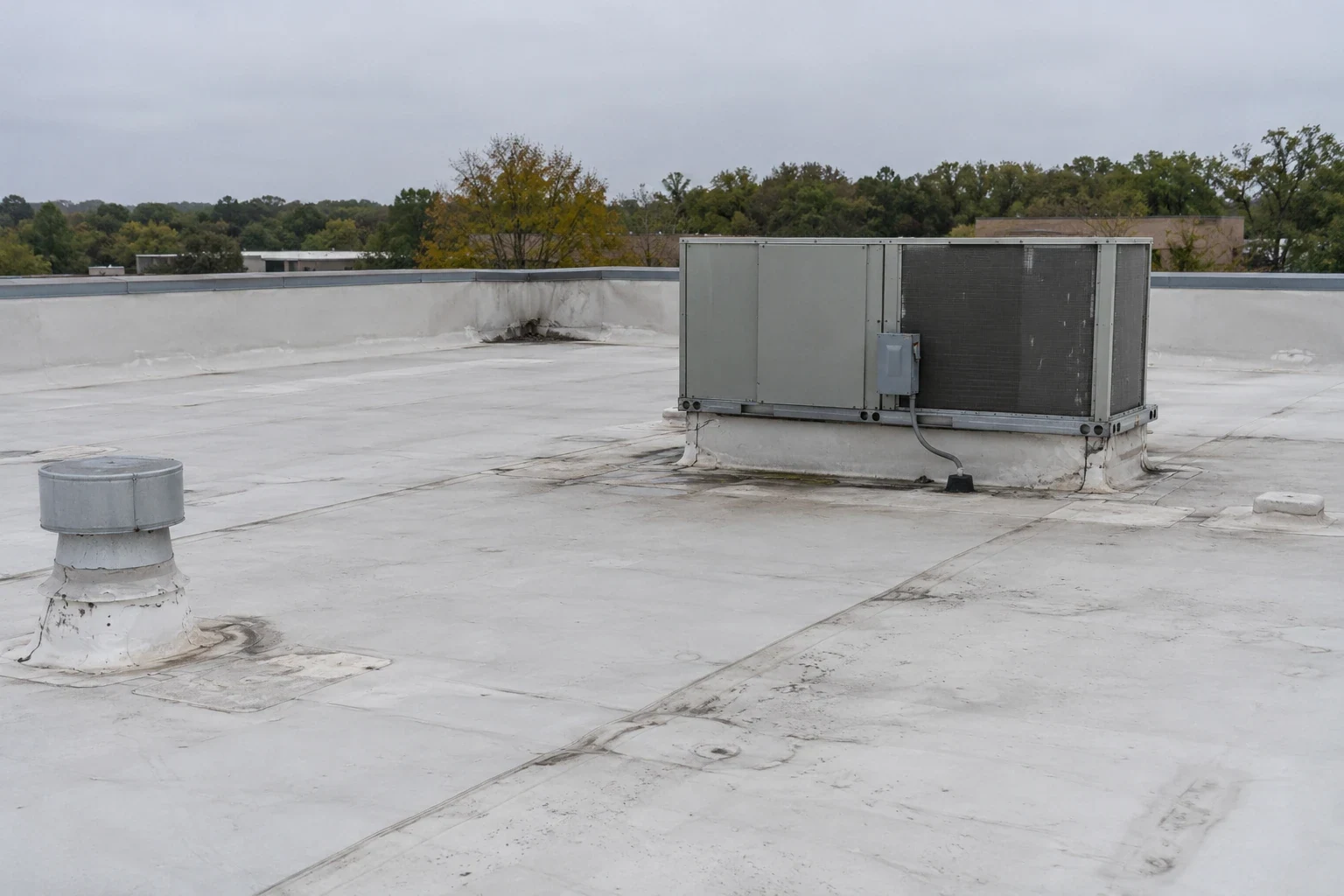
Walls, curbs, drains, pipes, and equipment supports interrupt a multi-ply roof. Flashing has to remain bonded and secure where the roof turns up or meets another material. We look for open corners, splits, fish-mouths, loose counterflashing, and sealant that no longer protects the joint. If movement comes from a curb or wall condition, a membrane patch alone may not last. The estimate should say whether carpentry, metalwork, or mechanical coordination is included.

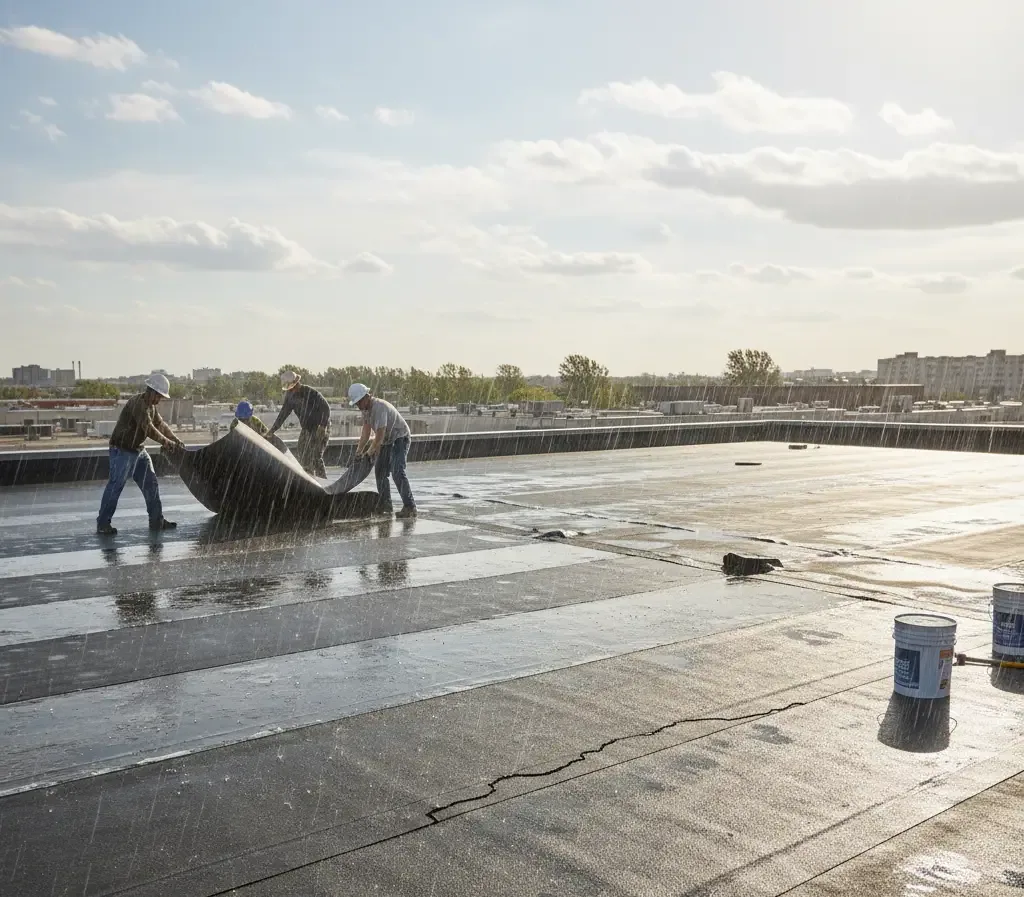
Hot-applied work and torch methods require careful fire controls, trained handling, and protection of nearby materials. Not every detail or occupied building permits the same application method. We review access, combustibles, rooftop equipment, and the project requirements before the crew mobilizes. A repair can use another compatible method when the specification allows it. The finished scope should name the assembly, work limits, fire-safety controls, and the inspection points before work begins.

Choose SBS or APP by Specification

SBS-modified sheets use a polymer modifier that gives the asphalt different flexibility characteristics; APP-modified sheets have another modifier and commonly use a different installation approach. Those general distinctions are not enough to choose a product. The intended use, roof geometry, substrate, fastening, surfacing, fire requirements, and project documents all matter. We compare the specified system with the observed roof and explain what the assembly needs at field seams and transitions.

Idaho project reviews use adopted 2018 building standards together with state energy provisions; the design determines which requirements apply. The project design determines how those provisions apply. We show insulation, cover board, attachment, plies, flashing, and edge metal in the written scope. A built-up roof assembly may provide a different multi-ply construction, while TPO uses a single-ply thermoplastic approach. Compare the full specification rather than treating all flat roofs as interchangeable.

Trace Drainage and Ponding

Modified bitumen cannot correct a blocked drain or settled area. We inspect drain bowls, scuppers, overflow routes, roof slope, and debris collection points. Idaho Falls averages record measurable precipitation on 84.3 days per year at Idaho Falls, with May highest by monthly mean. The roof's drainage and forecast still determine the work plan.

Rexburg Downtown includes mixed-use, retail, commercial, and office development. Site access and business operations may differ from an industrial property, so the contact and walk-through should settle logistics. We plan temporary protection and secure tie-ins for each exposed area. If drains need correction, a drainage scope can precede new membrane.

Track Wear Between Projects

Review surfacing loss, open laps, flashing, edge security, drains, and damage from later trades. Dated photos show whether a defect is stable or expanding. Keep traffic on planned paths and report dropped hardware or new penetrations before they disappear under debris. Note exhaust discharge near the surface for the inspection record.

Processing, storage, warehousing, wholesale distribution, and rail uses are part of Idaho Falls’ industrial building mix. Roof access and operating limits vary across those uses. We separate urgent water control from repairs that can wait for planned work. A preventive roof program preserves the record, while insulation and cover-board work belongs in the scope when findings reach below the membrane.

Compare the Lifecycle Choices

Repair is most useful when defects are limited and the surrounding material remains suitable. Recover may be considered only after moisture, attachment, deck capacity, and existing layers are checked. Replacement becomes more relevant when failures repeat across the roof, insulation is wet, or the substrate needs correction. We document the evidence and state which assumptions still require testing so the owner can compare scopes on equal terms.

Estimate drivers include removal depth, number of plies, surfacing, flashing complexity, equipment access, fire controls, drainage, and protection for occupied areas. Weather can also affect application and dry-in. If an urgent opening is active, our emergency response is available at any hour for immediate water-control needs; permanent work follows the assembly and safe application requirements. The closeout identifies repaired areas, materials, and unresolved conditions.

Questions About Modified Bitumen Roofing

We look at the number and spread of defects, the condition of the surrounding plies, the surfacing, flashing, moisture below, and the deck. A few isolated openings can support repair when the base is sound. Repeated splits, broad brittleness, or wet insulation may call for a larger plan. The report maps findings and separates observed facts from conditions that need testing.

The repair method has to match the installed membrane, its surfacing, and the approved project detail. SBS and APP are not interchangeable labels for one installation method. We identify the material, prepare the area, and follow the requirements for compatible sheet, adhesive, or heat-applied work. If the material is unclear, identification comes before permanent patching.

The building's use, combustible materials, roof access, fire controls, and project rules decide whether a torch method is suitable. We review those conditions before mobilization and coordinate protection with the facility contact. Where a different approved application method is needed, the proposal should state it and describe how the seams and flashing will be completed.

The finished patch, lap edges, nearby flashing, and drainage path need a documented inspection. We note the materials and repair limits, photograph the result, and identify any area that remains under observation. If the repair followed moisture or deck findings, those conditions should remain visible in the closeout record rather than being buried beneath the surface layer.

The assembly's application requirements and the actual roof conditions set the work window. Idaho Falls averages 182.2 freezing-minimum days and 84.3 days with measurable precipitation each year. Before installation, we check the roof, forecast, and material limits, then set daily work boundaries and tie-ins that can be secured if conditions change.

ServicesRoof SystemsIndustriesProperty TypesService AreasDamage RepairCapabilitiesManufacturersContactAboutRequest a Roof Assessment555-555-5555
Call us today555-555-5555