Commercial Roofing in Snake River West, Idaho Falls, ID Serving Idaho Falls & Eastern Idaho

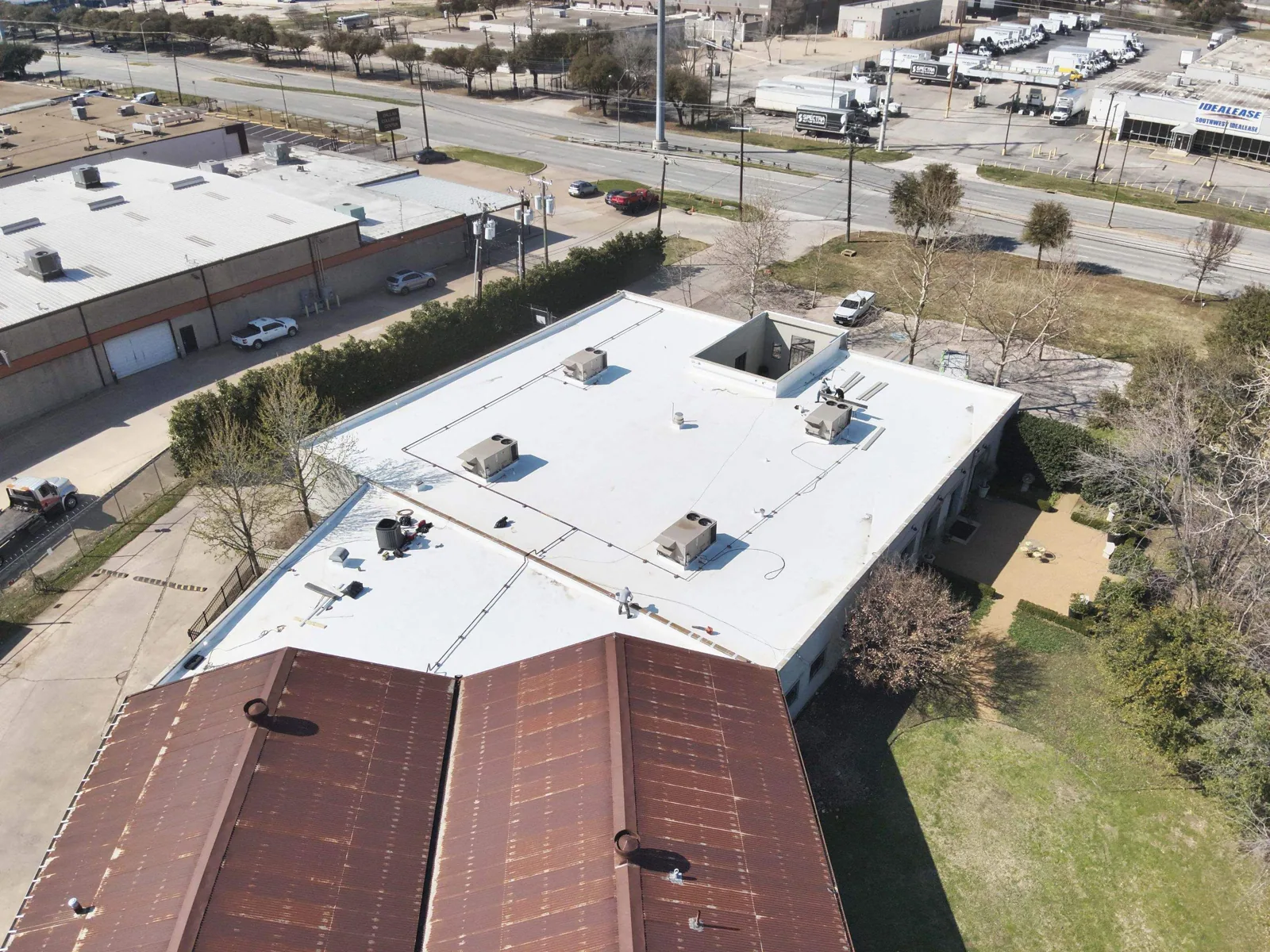
Commercial roofing in Snake River West starts with a roof-by-roof condition record, drainage review, and work plan based on verified access.

Snake River West in Idaho Falls, ID

Snake River West

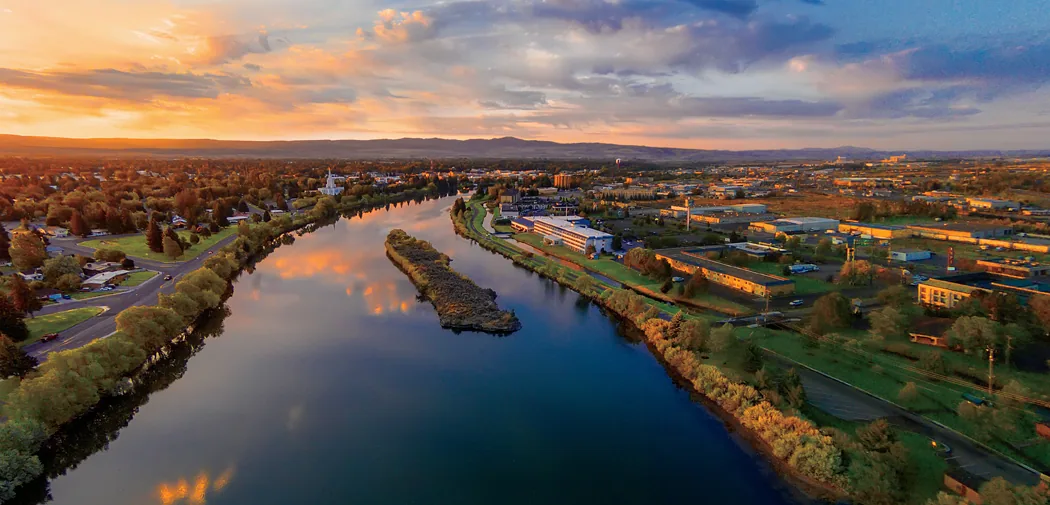
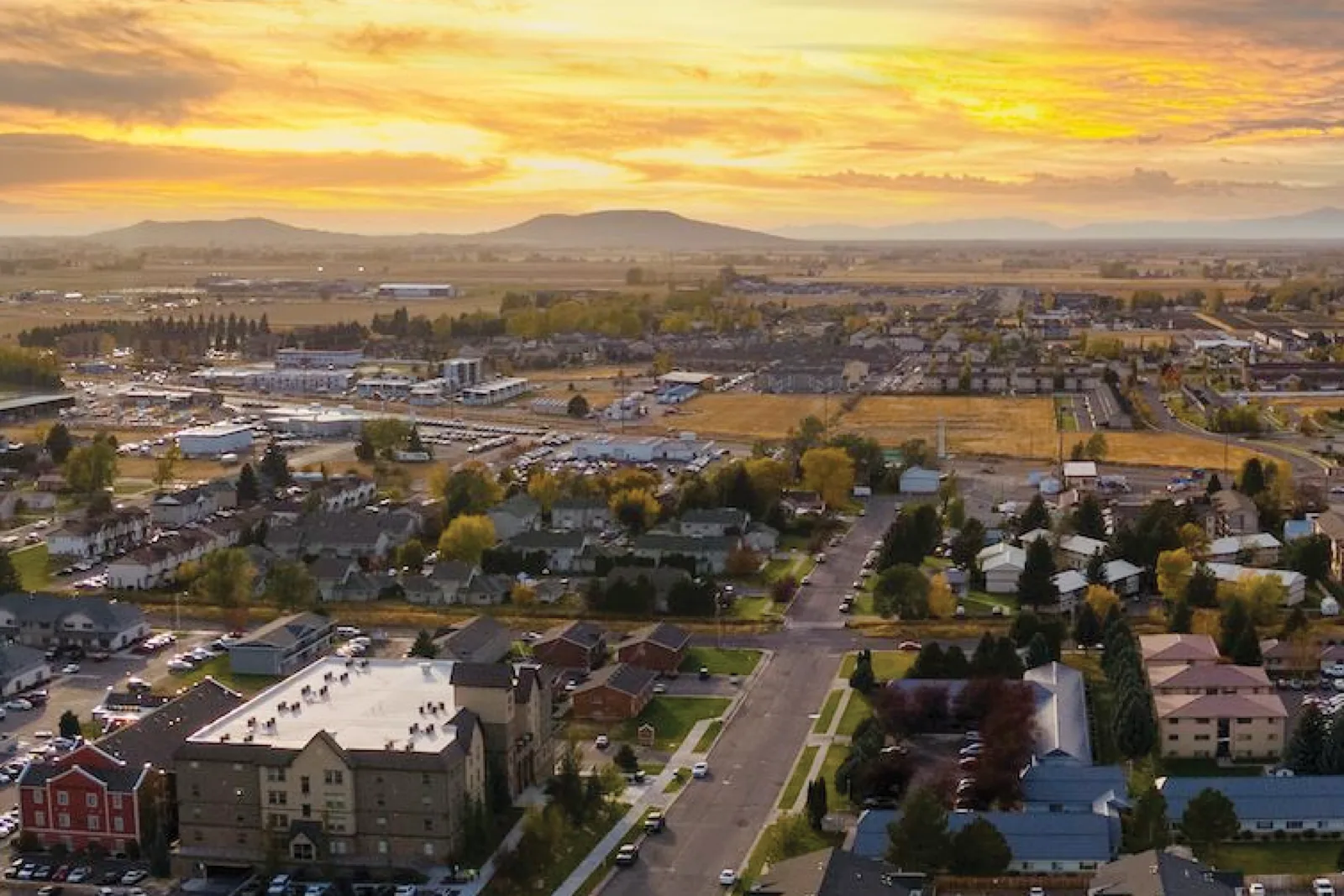
A broad redevelopment district can involve public improvements and anticipated development, but roof work still starts at the property line and the roof surface. Idaho Falls lists Snake River West among its urban renewal districts. Snake River West formed alongside boundary changes to adjacent Eagle Ridge, and its planned public improvements support anticipated development. Snake River West includes redevelopment and public-infrastructure activity; inspect the building directly and confirm current access before sequencing roof work.

Idaho Falls averages count 182.2 days annually when the minimum reaches freezing or colder. It makes seasonal roof planning relevant: seams, flashing, adhesives, and daily closure all respond to actual conditions. We inspect the assembly and identify which work is urgent, which can be planned, and what needs further confirmation.
Snake River West in Idaho Falls, ID

Keep the Roof Scope Property-Specific

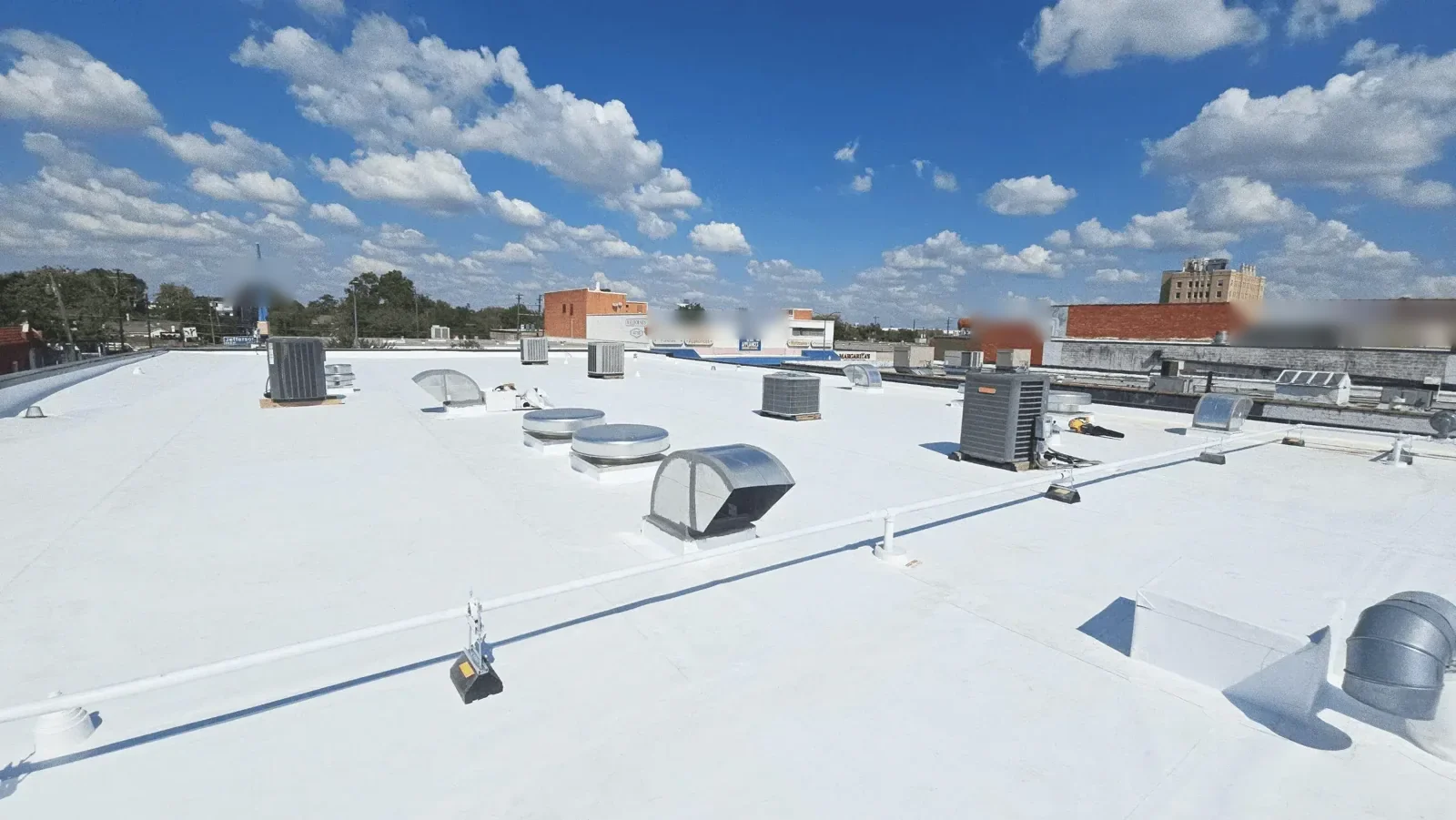
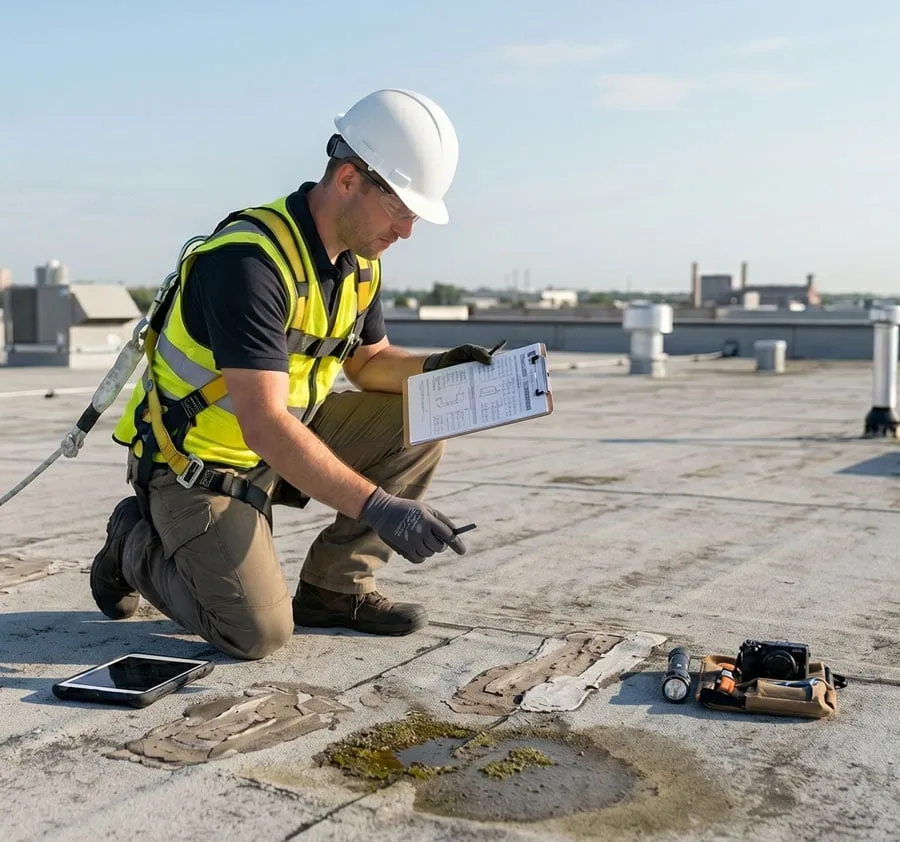
Renewal materials set a district boundary and describe broad public goals. For each building, record current use, documented roof age, membrane type, drainage, and present condition before setting portfolio priorities. Our Diligence Notes are property-specific: access route, roof zones, drainage points, penetrations, edges, prior repairs, and interior signs. If sections differ, the report keeps them separate so a finding in one area does not become an assumption about the whole assembly.

When several trades are active, confirm the current schedule, staging, equipment access, and any work that could touch roof flashing or drainage. We record who handles equipment movement and who checks the finished tie-in. The occupied-building roofing sequence can set daily work limits and communication points for a property that remains in use.

Idaho Falls references the 2018 building, existing-building, and energy-code editions for project review. The proposed scope determines the review. We describe repair, recover, or replacement clearly and coordinate roofing information with the owner’s design team. A commercial roof inspection supplies photos and findings for that discussion without guessing at concealed layers.

Track Water to a Roof Detail

A stain below a roof penetration may be the end of a longer path. We start with the interior sign, then inspect seams, drains, wall transitions, curbs, skylights, and the membrane uphill from the mark. Water may move below the surface before it reaches the room. When the initial inspection leaves the leak path unclear, recommend moisture testing or a selective opening to narrow the repair area.

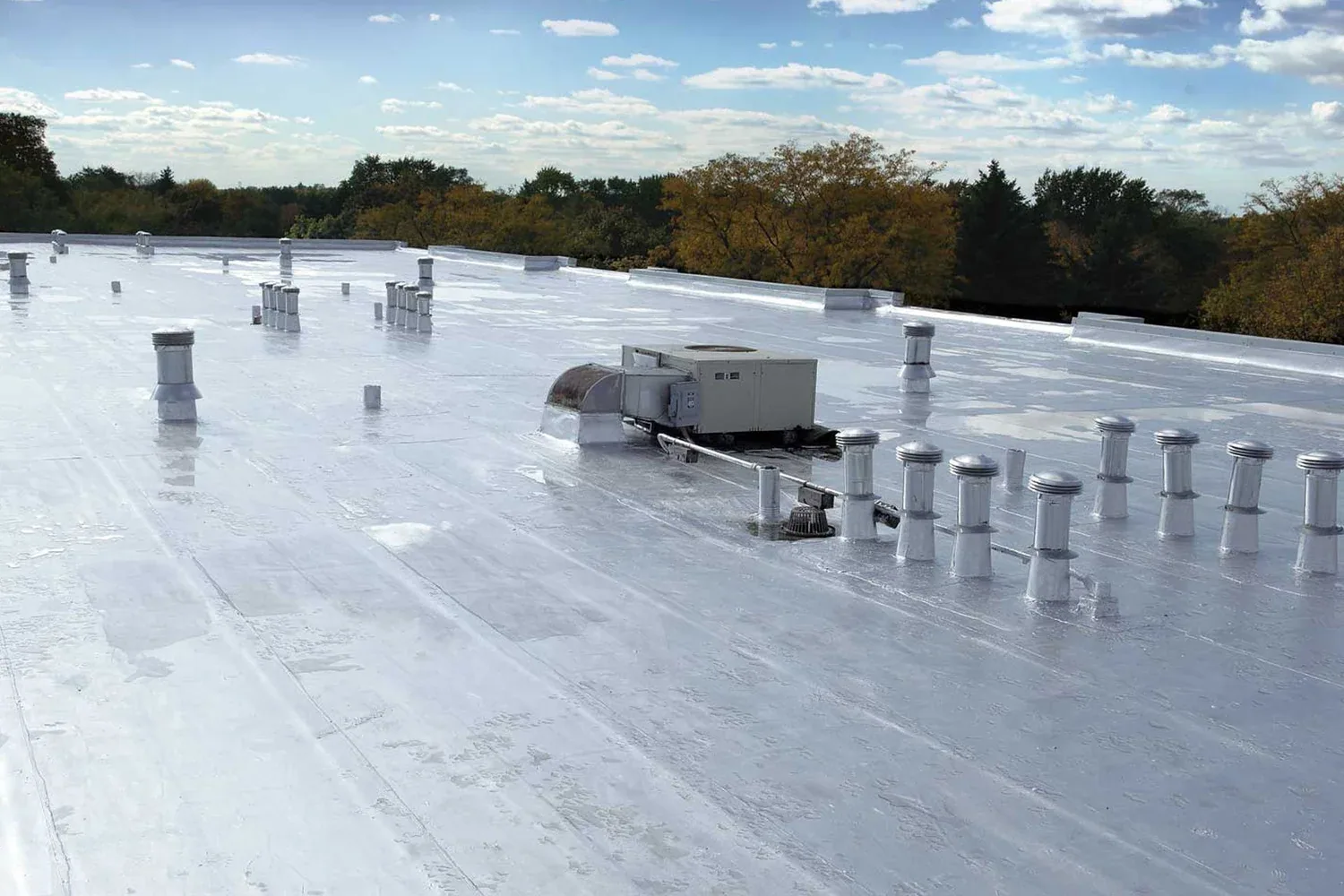
Drainage is part of the same investigation. We check strainers, bowls, scuppers, overflows, clamping details, and the surface around each outlet. A clear drain does not rule out a low spot or insulation issue. A drain and scupper repair scope records the outlet condition and separates maintenance from a roof-slope or design question that needs broader review.

Where winter conditions have stressed an exposed detail, document the seam, edge, and any movement before deciding whether a temporary protective measure is enough. The snow and ice damage review identifies what can be repaired now and what needs a safe installation window. The recommendation follows observed conditions rather than the district’s development status.

Use a Weather Window That Can Close

The Idaho Falls averages set gives January a mean of 20.4 degrees Fahrenheit and July a mean daily high of 86.6 degrees. Idaho Falls averages 84.3 days with measurable precipitation each year, with May the wettest month at 1.57 inches. Cold can affect surface preparation and adhesive use; high roof temperatures change safe access and application. We check current conditions and product requirements before opening a section, then define how it will be protected and closed.

Idaho Falls highest monthly precipitation average falls in May at 1.57 inches. Before opening a section, set the closure point against the current forecast, substrate condition, and product limits. We identify dry-in limits, material protection, and the time when a roof area must be secure. For a leak that needs immediate attention, emergency crews can respond at any hour, including weekend and holiday periods. We record the temporary step and any permanent work still needed.

Access may change when other site or public work is underway. The property contact confirms gates, delivery areas, safe routes, and any work zone before mobilization. A nearby Eagle Ridge project can have different access and roof conditions despite the fact the districts share a boundary. We verify each site independently.

Compare Repair With a Larger Scope

A local repair can work when the membrane, substrate, and attachment around the opening are sound. We check seam strength, surface compatibility, flashing termination, and whether water has reached insulation or deck. If the damage is wider than the visible split, selective removal or testing may be necessary. The scope identifies the repair boundary and the evidence supporting it.

A recover has different requirements: the existing roof must be dry, stable, securely attached, and suitable for the proposed assembly. It cannot correct wet insulation or an unstable deck. A recover eligibility review compares those conditions with removal and replacement. If removal is warranted, a replacement scope lists insulation, cover board, membrane or metal, attachment, edges, flashing, and drainage.

Coating is appropriate only where compatibility, preparation, adhesion, and substrate condition support it. It does not cure trapped moisture or recurring ponding. The coating restoration inspection checks those points and identifies repairs required first. We compare system choices against observed conditions rather than selecting a surface treatment because it seems simpler to schedule.

Make the Finding Useful for Planning

A good condition note ties each recommendation to a photo and roof zone. It also records items left in service, testing still needed, access limitations, and where another trade must complete work before flashing can be closed. A roof condition report organizes that information for a capital review and gives the next inspection a consistent reference.

Removal depth, insulation, deck correction, edge detailing, equipment handling, delivery access, debris control, and the weather window all affect duration and cost. We state assumptions in the estimate and identify how concealed conditions will be approved. After work, preventive roof maintenance can revisit drains and exposed details on a schedule suited to the actual assembly.

Owners with multiple Idaho Falls properties can use the same record format in Yellowstone Square or River Commons. The location description can help teams orient the project, while findings and scope stay tied to each building. That distinction supports a clear budget without inventing a district-wide roof condition.

Questions About Snake River West

It establishes a recognized Idaho Falls urban renewal district. Snake River West formed alongside changes to the adjacent Eagle Ridge boundary, and public improvements are planned to support development. Those statements do not describe a particular building, roof, occupancy, or construction schedule.

They can affect access or coordination if work is active near the property, but the estimate changes only when confirmed site conditions change staging, drainage, or sequence. We check with the property contact before mobilization and identify any cost or schedule assumption in writing.

We trace from the interior sign to nearby seams, penetrations, edges, drains, and transitions. Moisture testing or a selective opening may be needed when water has traveled beneath the surface. The report distinguishes the visible mark, likely route, confirmed defect, and unresolved area.

Only when moisture, attachment, deck condition, compatibility, and applicable layer limits support the proposed assembly. A recover will not correct a wet or unstable substrate. We inspect those conditions and compare recover with repair or removal before recommending a route.

A written report should include roof zones, photos, observed details, drainage, access limits, repair priorities, and any testing still needed. The estimate should separate known work from allowances for concealed conditions and state the approval step before added work proceeds.

ServicesRoof SystemsIndustriesProperty TypesService AreasDamage RepairCapabilitiesManufacturersContactAboutRequest a Roof Assessment555-555-5555
Call us today555-555-5555