PVC Roofing in Idaho Falls, ID Serving Idaho Falls & Eastern Idaho

Review PVC roofing in Idaho Falls through membrane condition, welded details, drainage, and building use before choosing repair or a new assembly.

PVC Roofing in Idaho Falls, ID

PVC Roofing

An Idaho Falls July can bring roof-surface heat just as a PVC membrane must remain flexible through the next cold season. Idaho Falls averages show repeated freezing lows and a summer period with highs above 90 degrees. Those Idaho Falls averages make material handling and seam quality part of the scope. We inspect the membrane, transitions, and layers below before deciding whether repair or replacement fits.

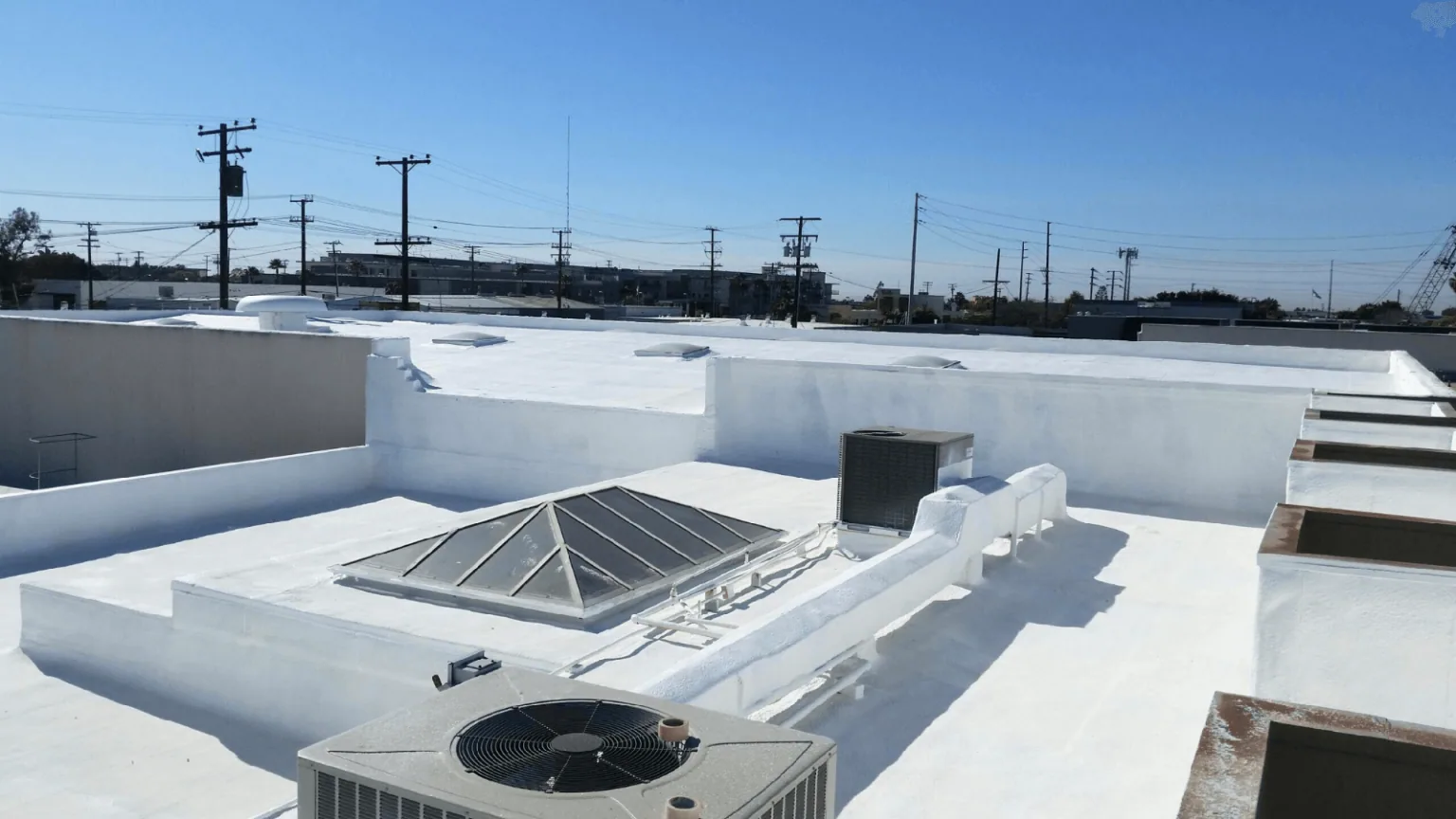
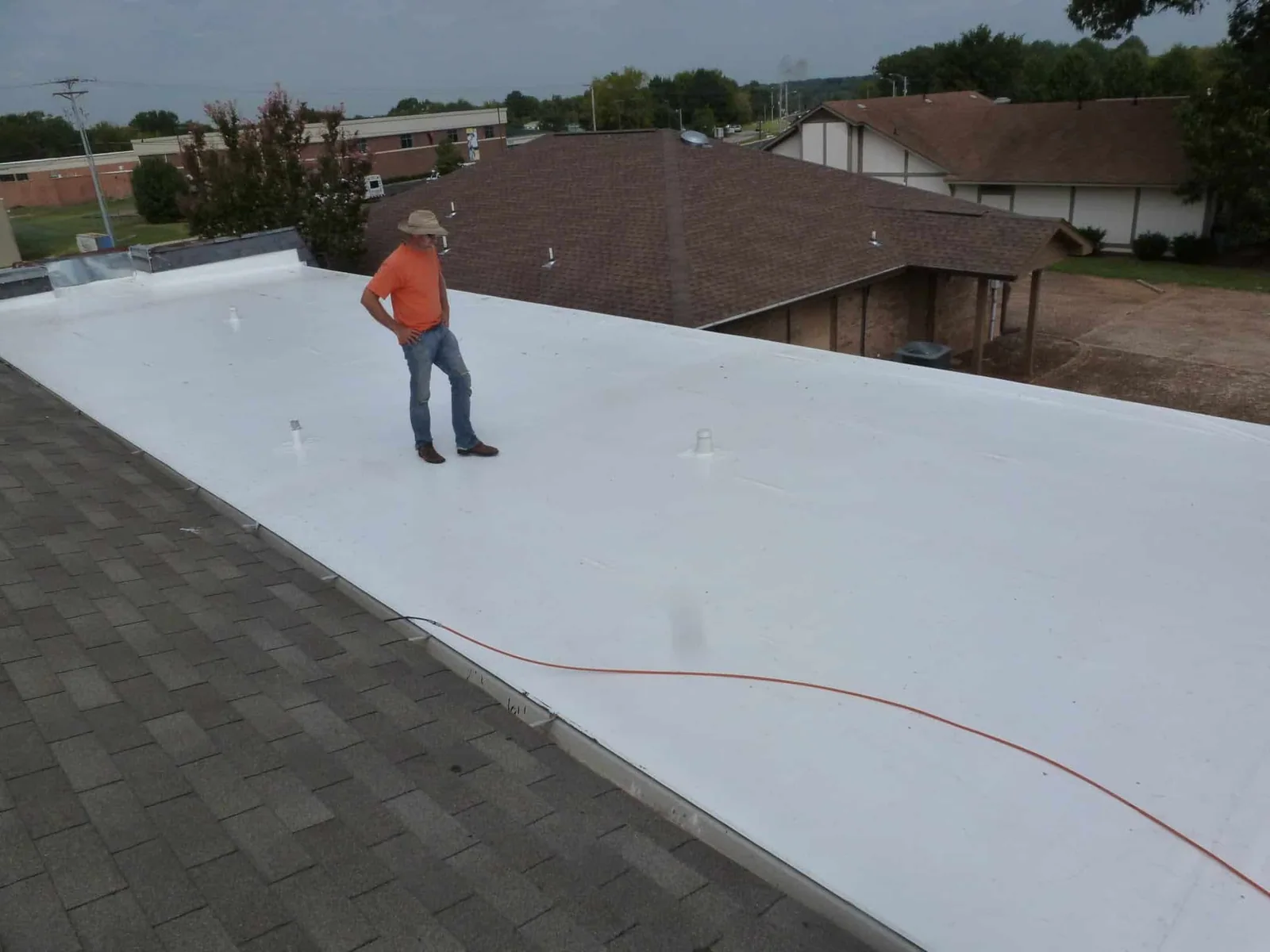
PVC is a thermoplastic single-ply system with heat-joined seams. The roof depends on secure attachment, sound flashing, open drainage, and a suitable substrate. We identify the material, test questionable seams, and map curbs, penetrations, drains, and edges. The city’s Northgate Mile to 1st Street area includes business districts and redevelopment nodes; Snake River Landing is a broad mixed-use setting. The actual tenant and equipment needs set the sequence.
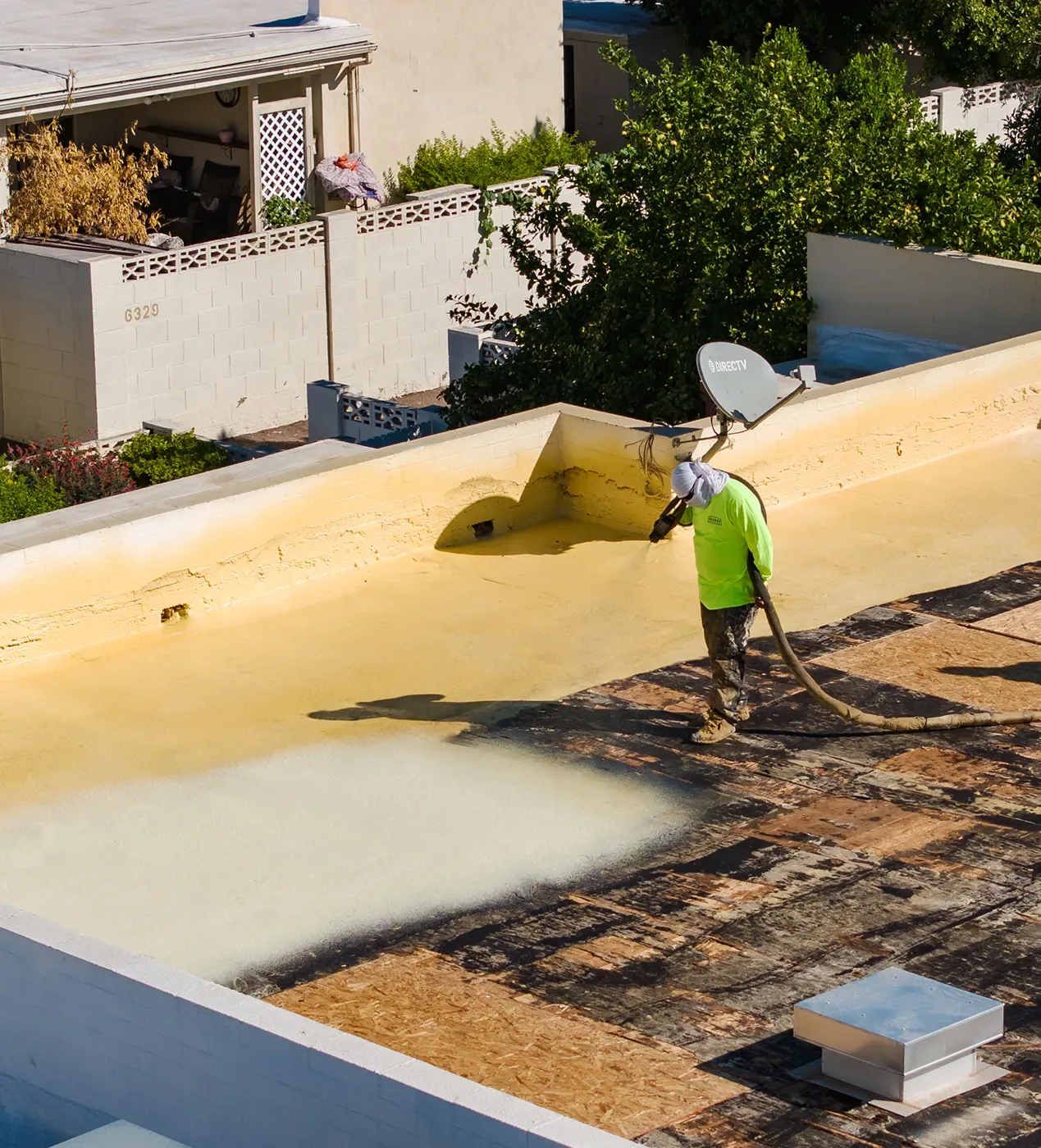
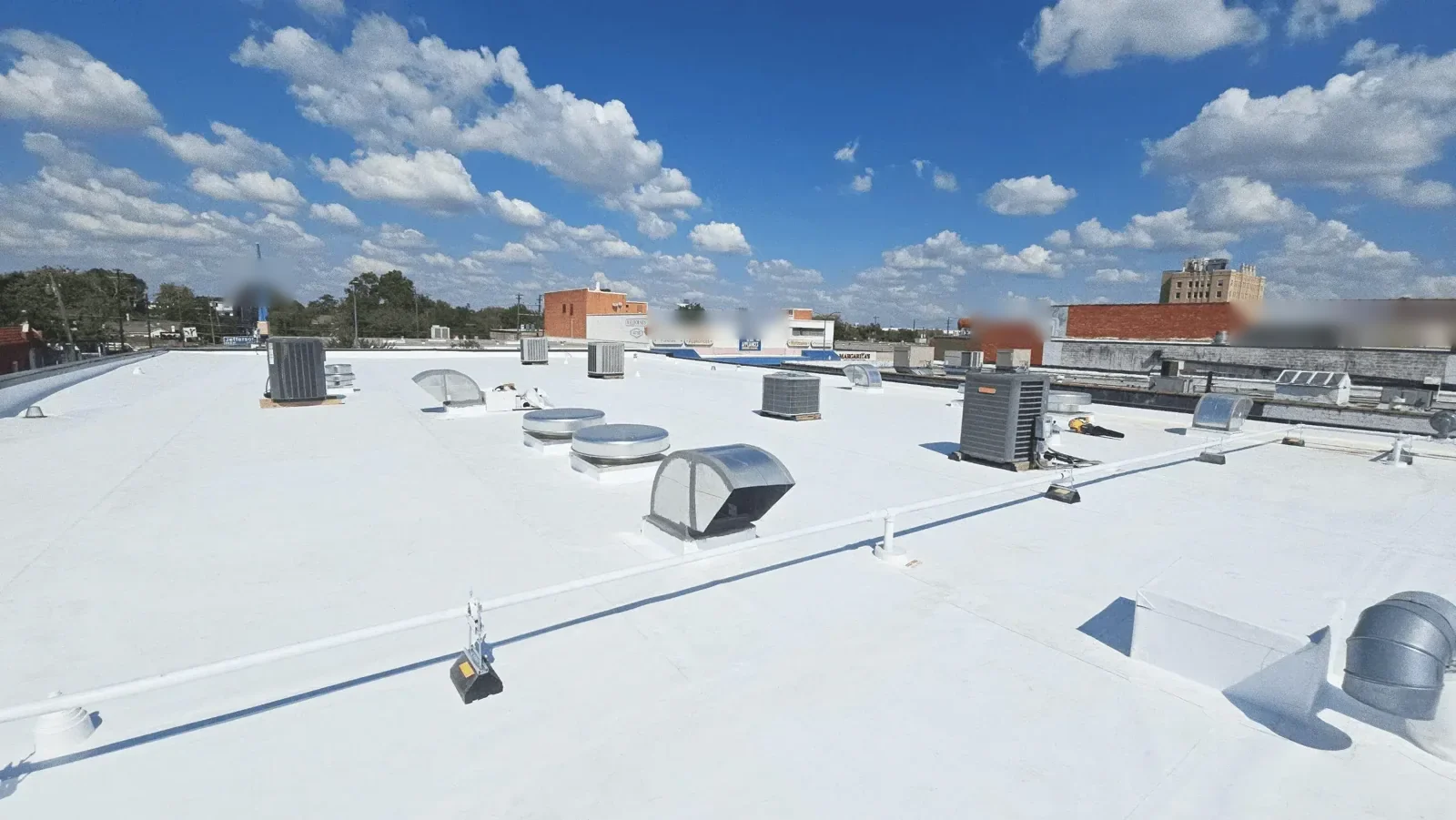
PVC Roofing in Idaho Falls, ID

Check the Material Before the Repair

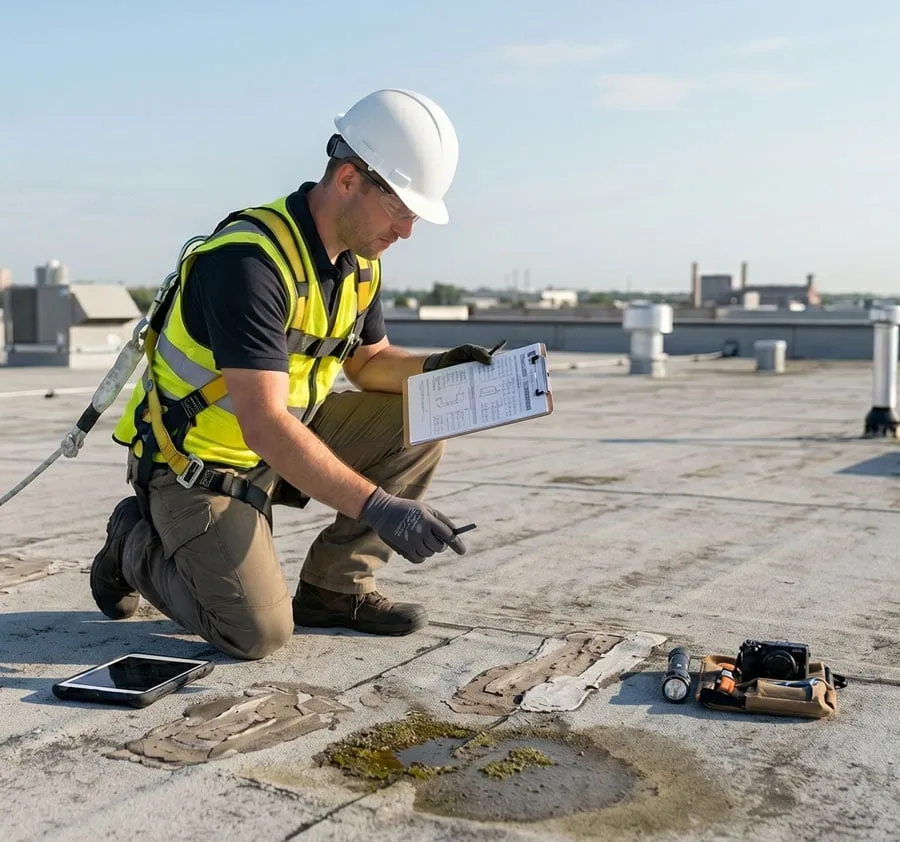
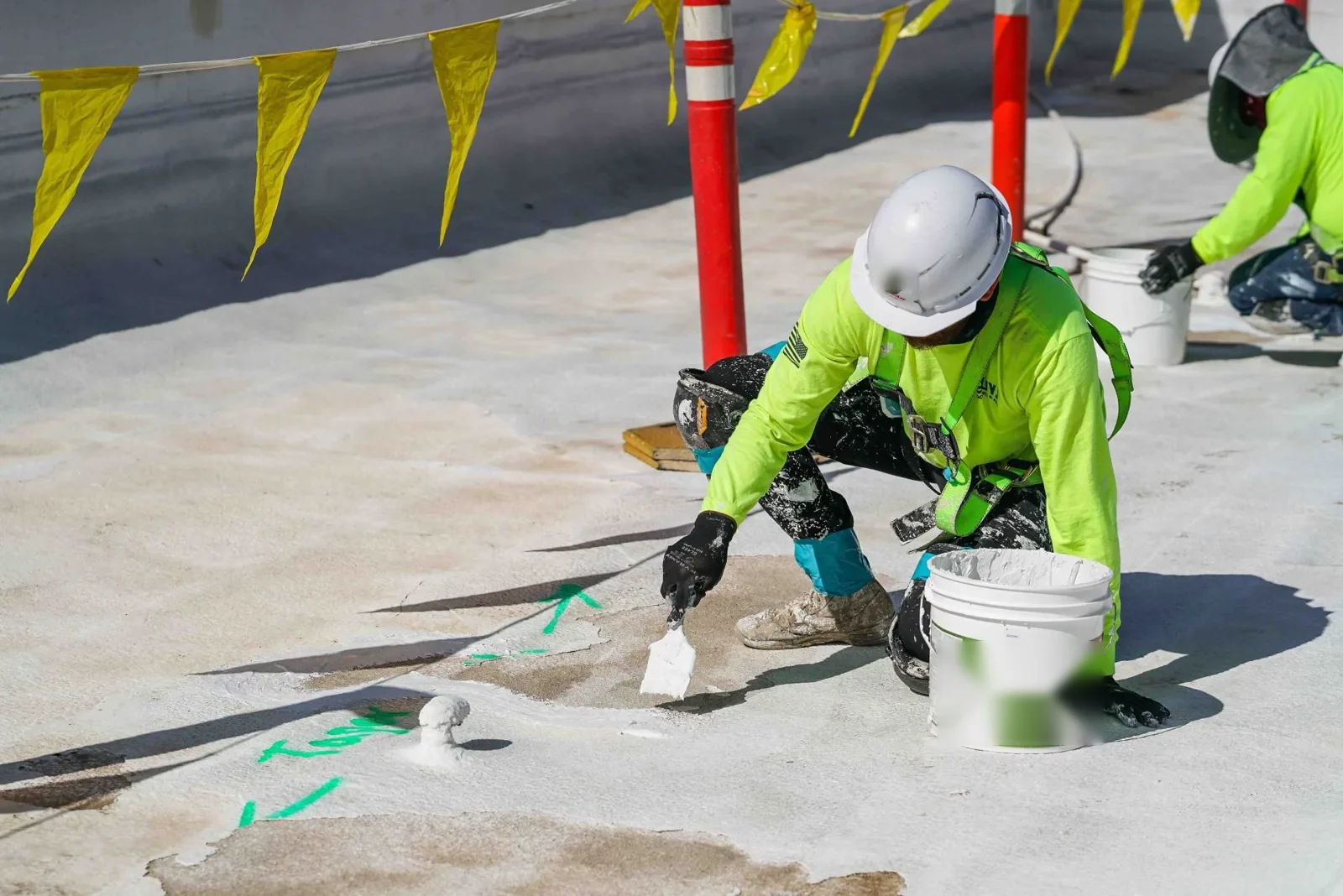
We check surface wear, embrittlement, shrinkage, seams, and attachment together before defining a PVC repair boundary. We inspect welds, edges, wall flashing, curbs, and drains. If the system identity is uncertain, we test compatibility before selecting patch material. The repair boundary should reach sound membrane rather than cover only the visible symptom.

We look for chemical exposure, grease, cleaners, or mechanical discharge where present. PVC resists many oils and chemicals, but formulation and exposure still matter. Residue may require cleaning and material review before welding. The inspection record names observed conditions without guessing at a cause. A documented roof inspection helps separate material concerns from drainage or equipment work.

Verify Each Weld

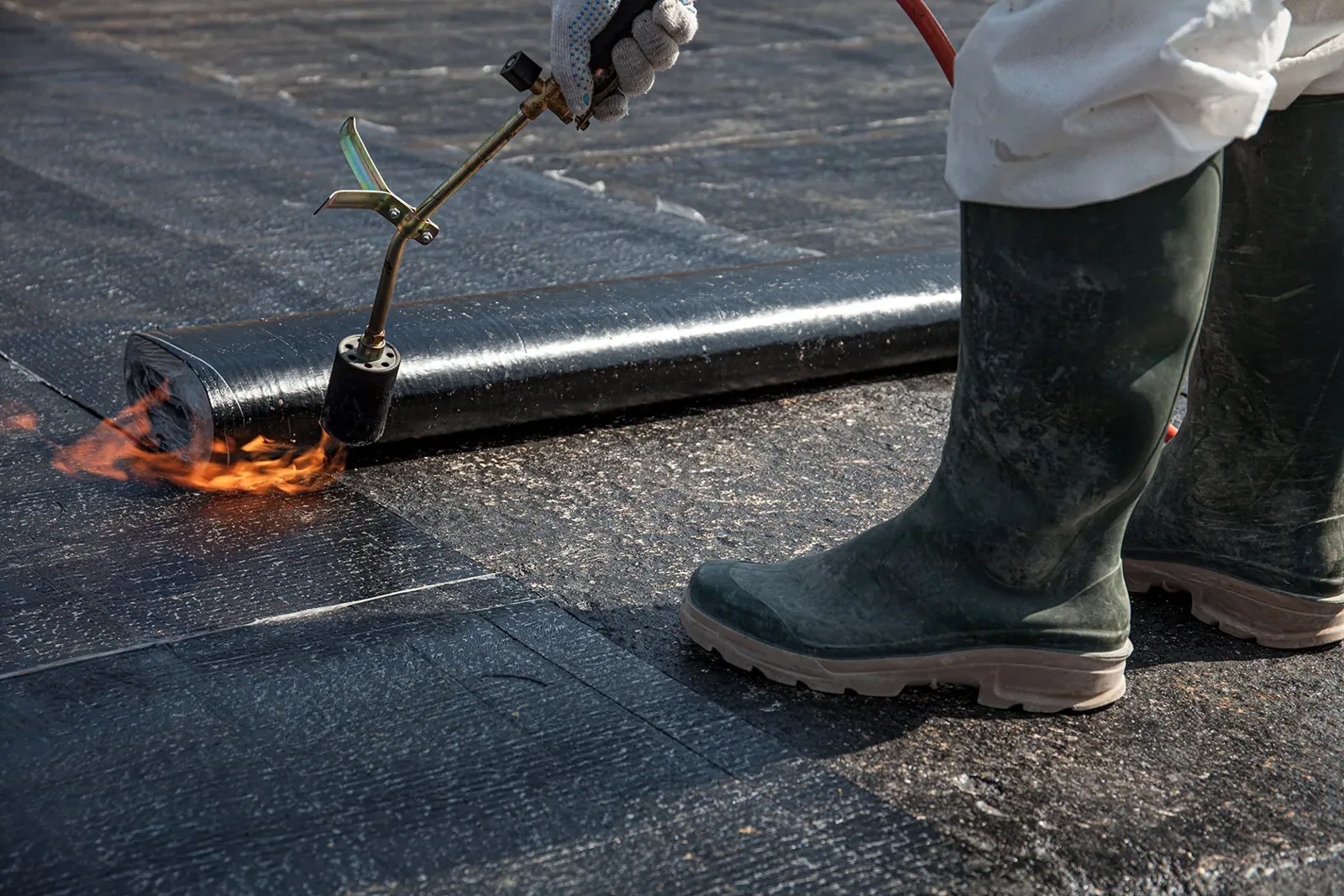
Heat-welded PVC seams require clean contact surfaces and a controlled welding process. The operator adjusts equipment to the membrane, ambient conditions, and roof environment, then checks a test weld before production continues. We inspect the completed lap and correct weak spots while they remain accessible. A seam should not be accepted because it looks straight from a distance; the field check has to confirm fusion and continuity along the joint.

Flashing is a separate task from the field membrane. Pipes, curbs, scuppers, wall transitions, and penetrations need details that fit their shape and movement. A patch should have enough sound material around it, and the perimeter weld should be complete. If water has reached the insulation or deck, a surface repair alone leaves that condition in place. We mark the affected area, explain the repair boundary, and identify where additional testing could change the scope.

Select the Assembly for the Building

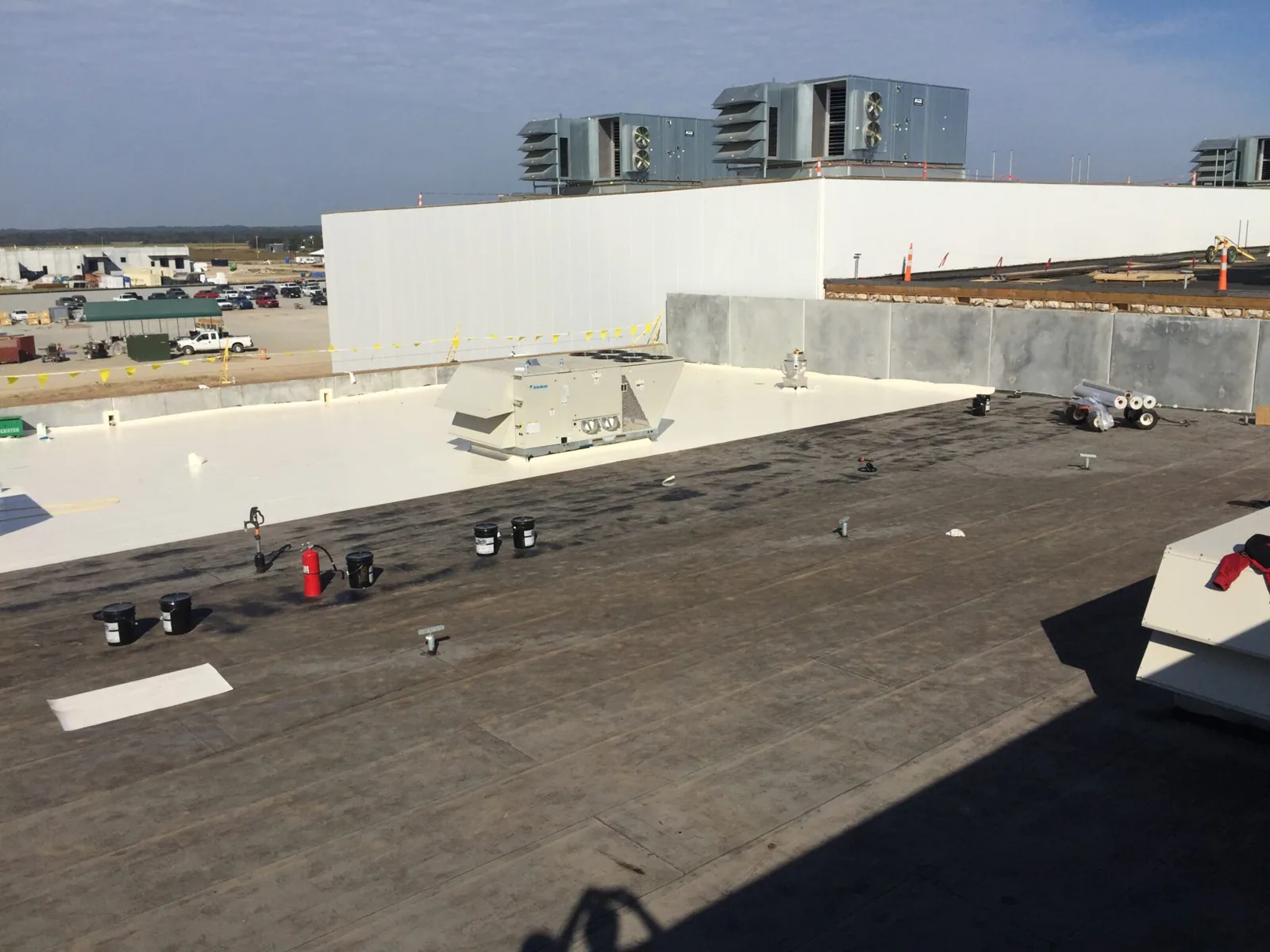
PVC can be mechanically attached or adhered when the substrate and project details support the method. The decision includes deck type, insulation, cover board, vapor control, perimeter securement, and the required wind design. We also examine how many existing layers are present and whether the building can accept a recover. If the old system is wet, weakly attached, or conceals damaged decking, removal may be needed so the next assembly begins on a sound base.

The GC and design team confirm which building and energy requirements apply to the proposed membrane work. Our scope identifies the proposed layers and interfaces. Compare PVC with a TPO single-ply assembly or an EPDM membrane by checking use, exposure, repair approach, and specification rather than choosing by color alone. A cover-board and insulation review belongs in that comparison.

Keep Water Moving

Cold weather makes water control especially important at small defects. Freeze and thaw cycles can widen an opening or complicate access to a wet area, while a blocked drain keeps water on the field. We inspect drain bowls, scuppers, overflow routes, and the slope to each outlet. At Idaho Falls, May tops the monthly precipitation averages, so drainage review belongs in spring planning.

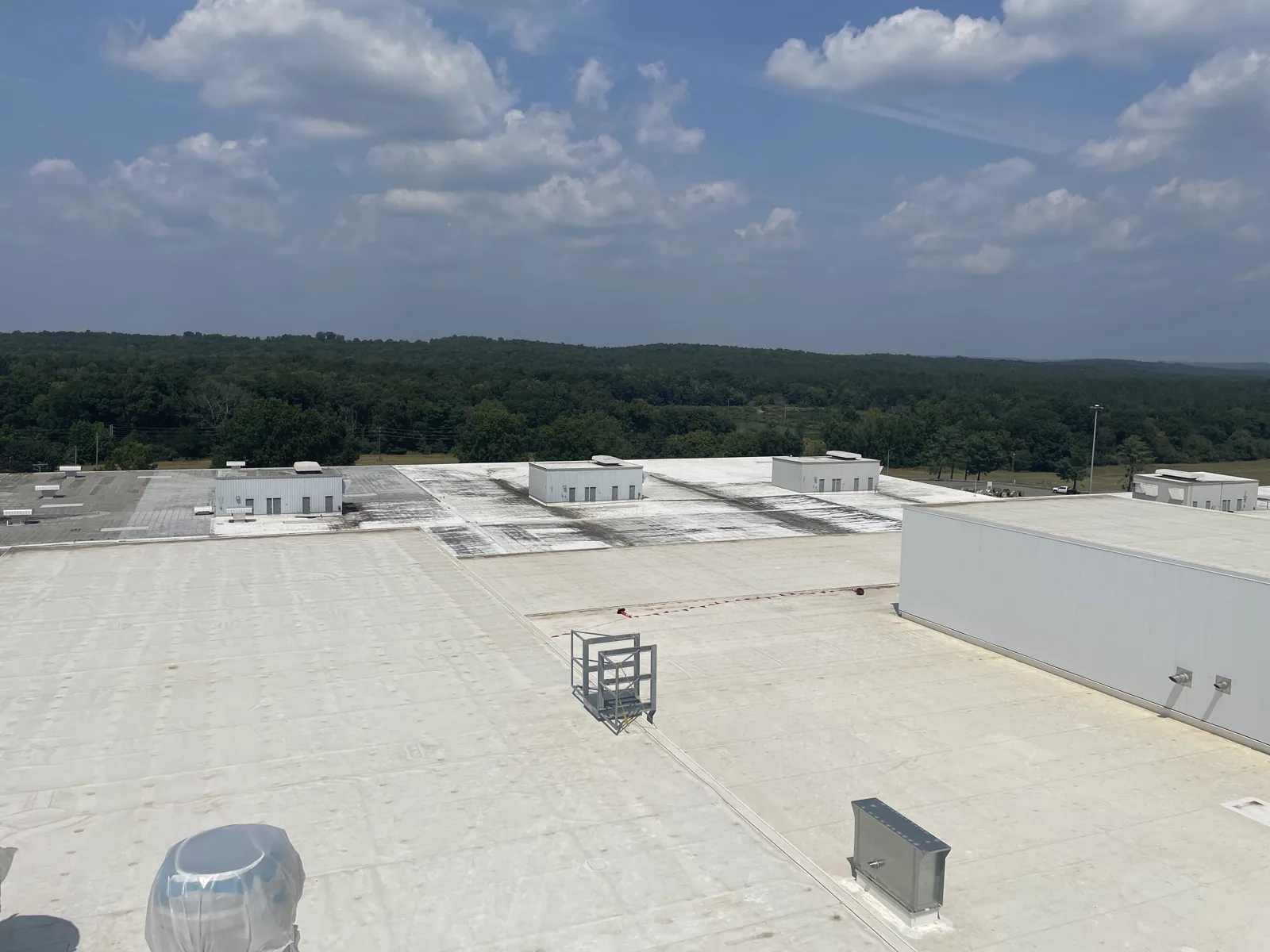
Rexburg’s University Boulevard district includes planned residential, lodging, retail, office, commercial, and industrial uses across a broad area. That range signals different operating needs, not any roof’s condition. On a live building, we coordinate service access, protect equipment, and leave drainage available when the shift ends. A drain and scupper repair scope can be coordinated with phased work in an occupied building.

Choose Repair or Replacement

A small puncture or isolated weld separation may be repairable when the surrounding material remains sound and compatible. Repeated seam openings, broad shrinkage, widespread brittleness, or wet insulation can point to a larger assembly problem. We document representative areas, test where appropriate, and explain which findings support local repair versus a replacement plan. That distinction matters more than counting visible blemishes across a large roof.

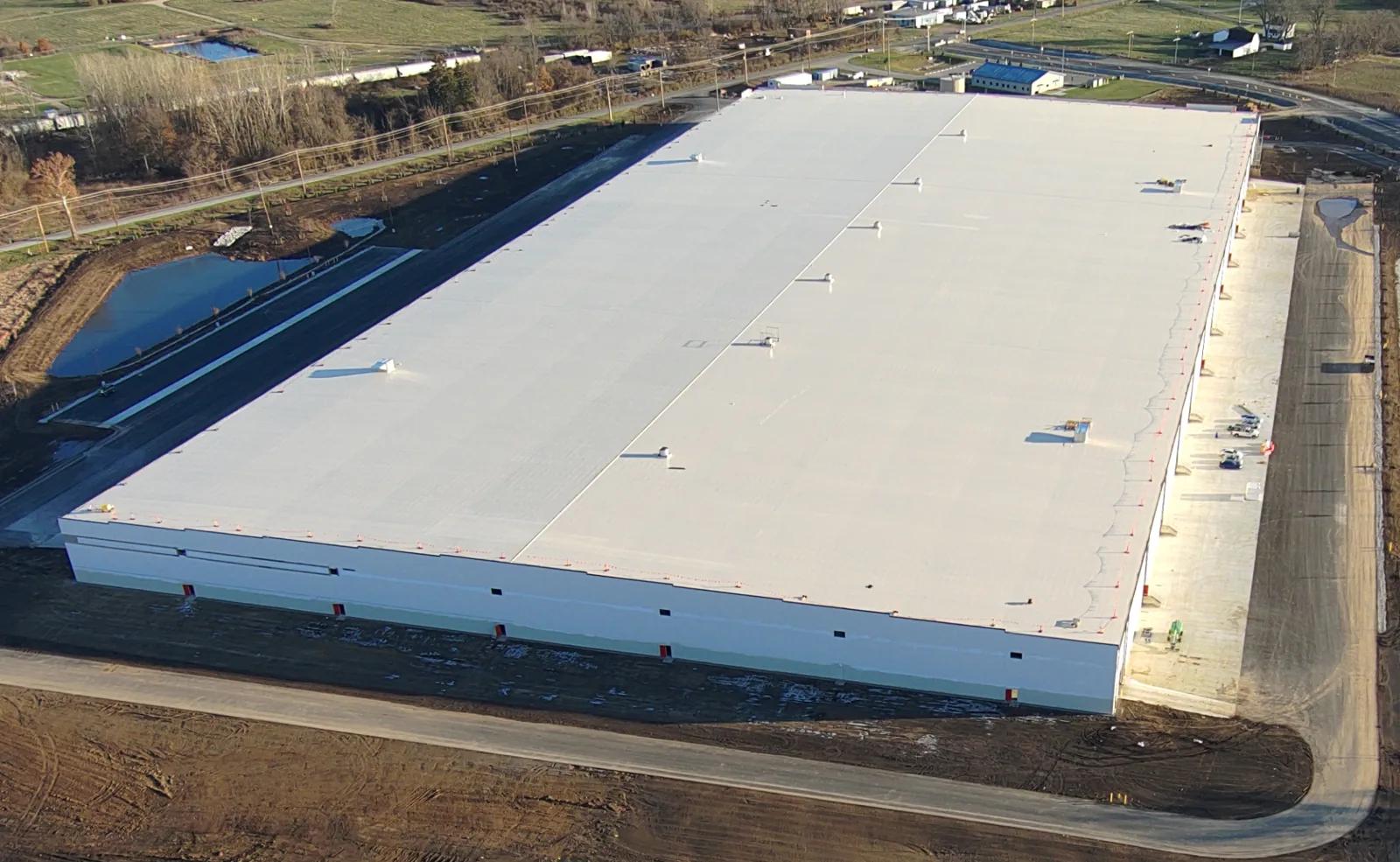
Replacement planning accounts for tear-off, deck repair, insulation, cover board, edge details, curbs, drains, occupied operations, and material delivery. In the City Core, Downtown and South Downtown are treated as one integrated planning area, with separate parking studies and design guidance reflecting a distinct commercial setting. The property contact can help us set delivery, lifting, and pedestrian protection for the actual site. A written replacement scope should show those conditions and include any needed drain corrections.

Preserve Access and Records

Limit unnecessary traffic after PVC work and mark a safe path for service trades. Tools and dropped fasteners can puncture the membrane. Maintenance checks revisit seams, flashing, drains, edges, and patches, then compare findings with earlier photos. A repeated problem at one penetration may call for correcting the curb or support rather than adding another surface patch.

Keep material data, test-weld records, repair photos, and closeout observations with the roof file. Give mechanical crews the detail requirements before future equipment work. A maintenance visit records visible changes and identifies when a test opening is needed to inspect concealed layers.

Questions About PVC Roofing

An open lap, lifted edge, brittle sheet, or recurring patch deserves inspection, but the visible defect may not define the repair area. We check the seam, surrounding material, and nearby flashing, then test compatibility before welding. If similar failures appear in several places, the scope should include a broader survey instead of treating every opening as unrelated.

PVC has resistance to many oils and chemicals, but the exact exposure, membrane formulation, and drainage path still matter. We inspect the residue and equipment discharge, clean the work area using a compatible method, and assess the material before recommending a repair. A roof’s use and maintenance practices belong in the system choice.

A weld is possible only when the existing material is suitable for the new work and can be prepared properly. We examine aging, contamination, thickness, and the condition around the defect, then make a test where needed. If the base sheet is brittle or contaminated through its depth, a larger replacement detail may be more reliable than a small cover.

Temperature, wind, and moisture influence handling and heat welding. Idaho Falls climate averages show both frequent freezing minimums and a hot summer period, but the figures are broad climate context rather than a forecast for a project date. We follow the system requirements, confirm the actual roof conditions, and limit exposed work to what can be completed and protected safely.

Replacement becomes a stronger option when seam or flashing defects recur across the field, the membrane has lost workable flexibility, insulation is wet, or deck damage is found. We document the affected areas and explain whether the issue is local or systemic. The owner can then compare continued repair with removal and a new assembly using the same written condition record.

ServicesRoof SystemsIndustriesProperty TypesService AreasDamage RepairCapabilitiesManufacturersContactAboutRequest a Roof Assessment555-555-5555
Call us today555-555-5555