Commercial Roofing in Ammon, ID Serving Idaho Falls & Eastern Idaho

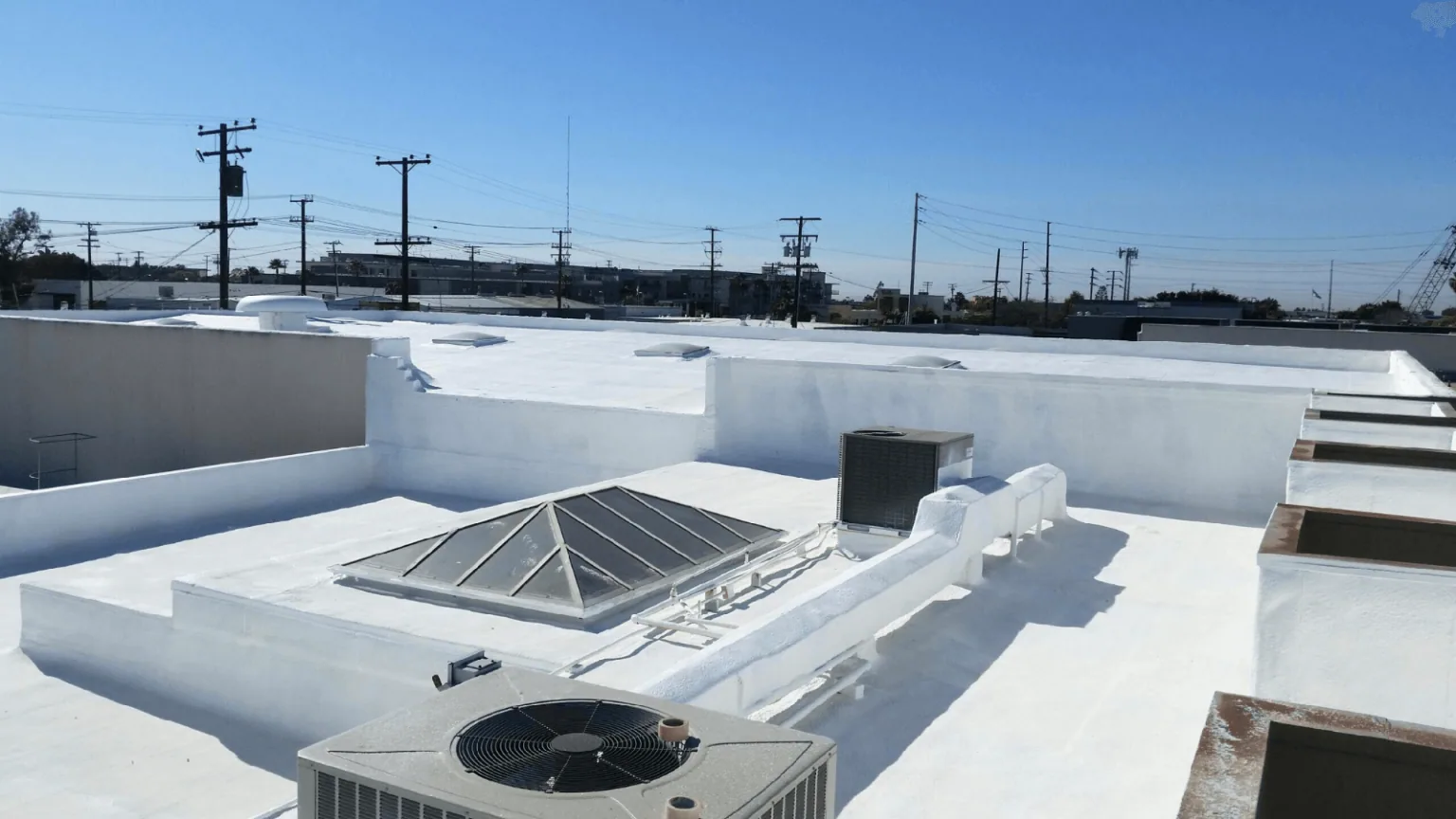
Commercial roofing in Ammon supports retail and planned medical, research, communications, and technology uses with roof scopes based on inspected conditions.

Ammon in Idaho Falls, ID

Ammon

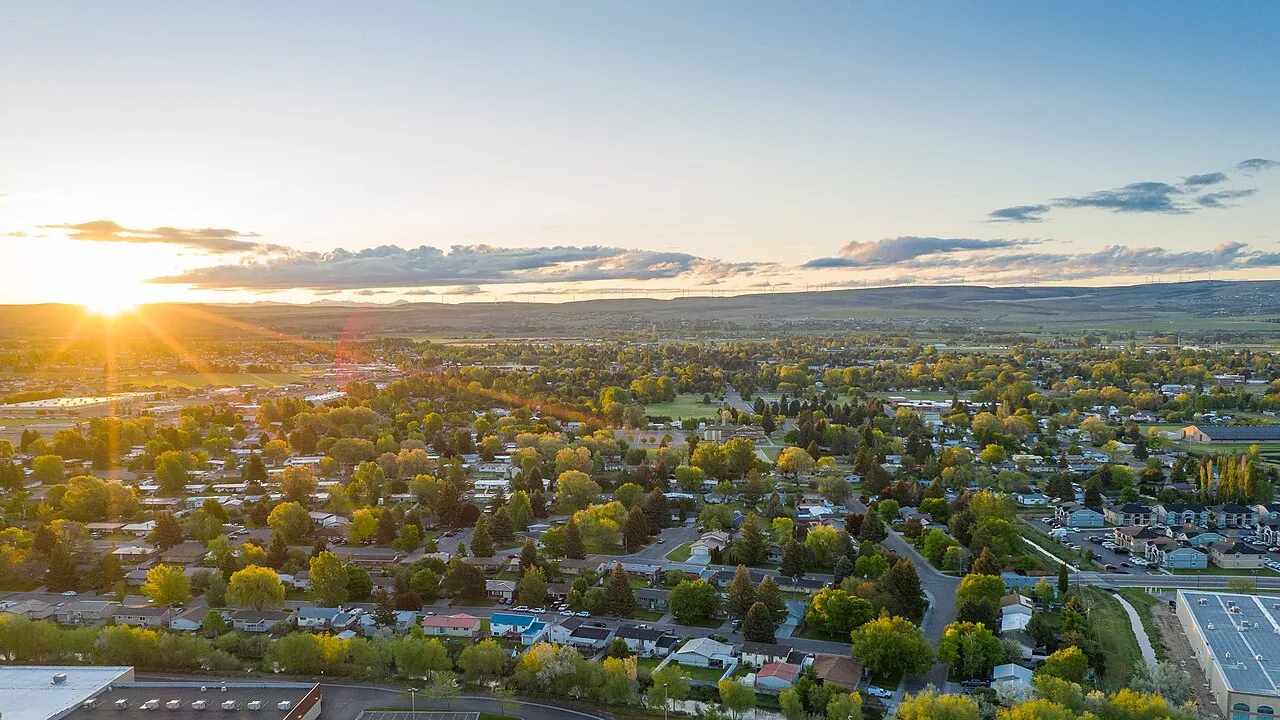
Retail roofs carry their own operating demands: entrances stay active, deliveries need access, and water control cannot wait for a convenient schedule. Ammon is a regional retail-shopping center for eastern Idaho, with medical, research, communications, and technology among its employment targets. Those are useful building-use contexts, not a survey of individual roof systems. We inspect the property, record its drainage and access conditions, and set a repair or replacement scope around what is there.

Nearby Idaho Falls’ Idaho Falls averages include 182.2 days per year when the minimum temperature reaches freezing or lower. It matters when planning preparation, materials, and a secure daily closeout. We use current site weather and system requirements, then document what work can be completed in the available window.
Ammon in Idaho Falls, ID

Keep the Business Accessible

A roof repair at a retail property needs an access plan that accounts for customers, deliveries, service doors, and rooftop equipment. We confirm where materials can be staged, how people enter the building, and which area needs protection during work. If operations continue indoors, we plan for air intakes and work-zone boundaries as well. An occupied-building reroof plan can define these controls and the daily point when each section returns to a weather-tight condition.

Ammon’s plan also identifies fiber-optic connectivity and technology-park opportunities as economic-development assets. Where a property has sensitive equipment or communications routes, the manager can identify operating constraints before work begins. We document rooftop service lines and penetrations, note what requires another trade, and set the flashing inspection after that work. We do not assume every building has the same equipment or operating risk; the property team establishes what must remain protected.

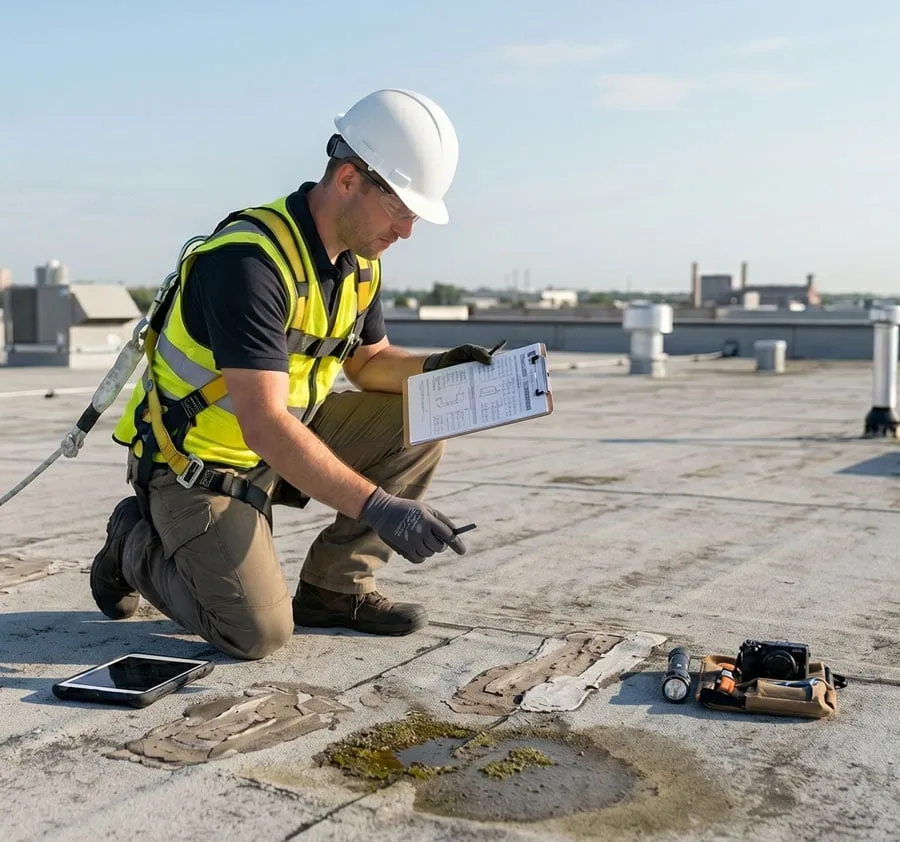
For a commercial building, the first roof walk records membrane or metal, seams, edges, penetrations, drains, prior repairs, and visible interior signs. A commercial roof inspection labels roof zones and photographs findings so a manager can compare the proposed repair with a larger budget item. If the system or underlying layers cannot be confirmed visually, the report names the test or opening that could resolve the uncertainty.

Plan for the Local Weather Window

Idaho Falls January average for Idaho Falls is 20.4°F. In July, its mean daily high is 86.6°F. Cold can affect membrane handling and adhesives; high roof temperatures affect safe access and application. We check current surface conditions, moisture, wind, and system instructions before opening a section, then set a daily closure limit that protects the building.

May has the highest monthly precipitation average at Idaho Falls, with a 1.57-inch average. Current weather, surface temperature, moisture, and product requirements control the work schedule. We define how an opened area will be dried in, how materials are protected, and what weather would pause the work. If urgent water entry calls for help, emergency response is available at any hour, including weekends and holidays. We record temporary water control separately from permanent repair.

After winter, we check exposed edges, seams, flashings, drains, and places where movement or meltwater may have affected the assembly. A snow and ice damage evaluation can document the difference between seasonal protection and a repair that needs a suitable installation window. The roof finding controls the next step, rather than a calendar date alone.

Trace the Leak Before Selecting Materials

A ceiling stain can be several feet from the opening that admits water. We inspect the roof above and upslope, comparing seams, curbs, drains, walls, and equipment penetrations with interior evidence. Water may move beneath a membrane or through insulation. If the source remains uncertain, a moisture survey or selective opening can help narrow the affected zone. The scope distinguishes the likely route from a confirmed defect.

At a drain, we check the strainer, bowl, clamping detail, overflow path, and membrane around the outlet. A blocked outlet may call for maintenance, while recurring ponding can point to slope, insulation, or assembly conditions. A drain and scupper assessment identifies the roof-level repair and separates it from any site drainage question.

Ammon’s retail, medical, research, communications, and technology directions can involve different access and operating priorities. They do not prescribe a membrane. We identify the existing system and review whether seams, flashing, substrate, and attachment can support repair. The leak repair scope should name the repair boundary and state what further investigation would change the recommendation.

Compare Repair With Replacement

A repair is appropriate when the defect is localized and adjacent material is sound enough for a compatible tie-in. We check seam condition, substrate, attachment, flashing, and drainage before recommending a patch. Wet insulation, soft deck, or broad membrane failure can require selective removal or a larger project. The report explains which conditions are confirmed and what testing is still needed.

A recover can work only when the existing assembly is dry, secure, compatible, and within applicable limits. It will not correct a wet roof or weak substrate. A recover eligibility review compares those findings with removal and deck access. When replacement is warranted, a replacement scope identifies insulation, cover board, membrane or metal, attachment, flashing, perimeter, drainage, and allowances for concealed conditions.

Coating can be considered where the surface is compatible and prepared, the substrate is stable, and adhesion can be supported. It does not solve trapped moisture or failed attachment. A coating assessment checks the existing roof and detail work before pricing a restoration. We compare the options against the inspection rather than treating one system as the default for all commercial uses.

Make the Budget Scope Specific

Roof cost and timing change with removal depth, insulation, deck work, detail count, equipment coordination, access, staging, debris handling, and weather. The estimate should identify known work and explain how concealed conditions will be approved if they appear after opening. That distinction matters for a property with active retail or professional use because access and work sequencing can add real constraints.

For Ammon properties and the broader Hitt Road and 25th South corridor, we keep recommendations tied to each inspected building. Owners coordinating service in Idaho Falls can use the same labeled-zone format without assuming the same roof system or condition. A roof condition report gives ownership a record of photographs, completed repairs, remaining items, and inspection limits.

After a repair or reroof, an agreed maintenance program can return to drains, exposed seams, edge metal, and rooftop penetrations. The visit schedule follows access rules and the actual assembly. This creates a usable record for the next budget review while leaving room to change the plan when an inspection finds a new condition.

Questions About Ammon

No. Ammon has a regional retail role, with medical, research, communications, and technology among its targeted employment fields. It does not inventory every property or identify its use. We ask the manager about building operations and inspect the roof before setting a scope.

We review entrances, deliveries, access, and staging before work starts. The sequence identifies the work zone, protection, and daily closure point. Where a route must remain open, the manager confirms the requirement so the roof plan can account for it.

We trace from the interior sign to roof seams, penetrations, curbs, walls, edges, and drains. The report identifies the likely path, visible defect, and any testing needed to confirm hidden moisture. It then ties the recommended repair to a labeled roof zone.

Ammon’s plan names fiber connectivity and technology-park opportunities as economic assets. For a property with sensitive equipment or routes, the site contact identifies access, shutdown, and protection requirements. We coordinate those limits and inspect any roof detail disturbed by related work.

It should state the roof areas, existing conditions, removal or recover assumptions, insulation and membrane or metal assembly, flashing, edges, drainage, access, staging, and concealed-damage process. We separate defined work from allowances so ownership can compare options on the same basis.

ServicesRoof SystemsIndustriesProperty TypesService AreasDamage RepairCapabilitiesManufacturersContactAboutRequest a Roof Assessment555-555-5555
Call us today555-555-5555