Commercial Roofing in River Commons, Idaho Falls, ID Serving Idaho Falls & Eastern Idaho

Commercial roofing in River Commons calls for clear drainage, flashing, and access checks before repair or redevelopment work is priced.

River Commons in Idaho Falls, ID

River Commons

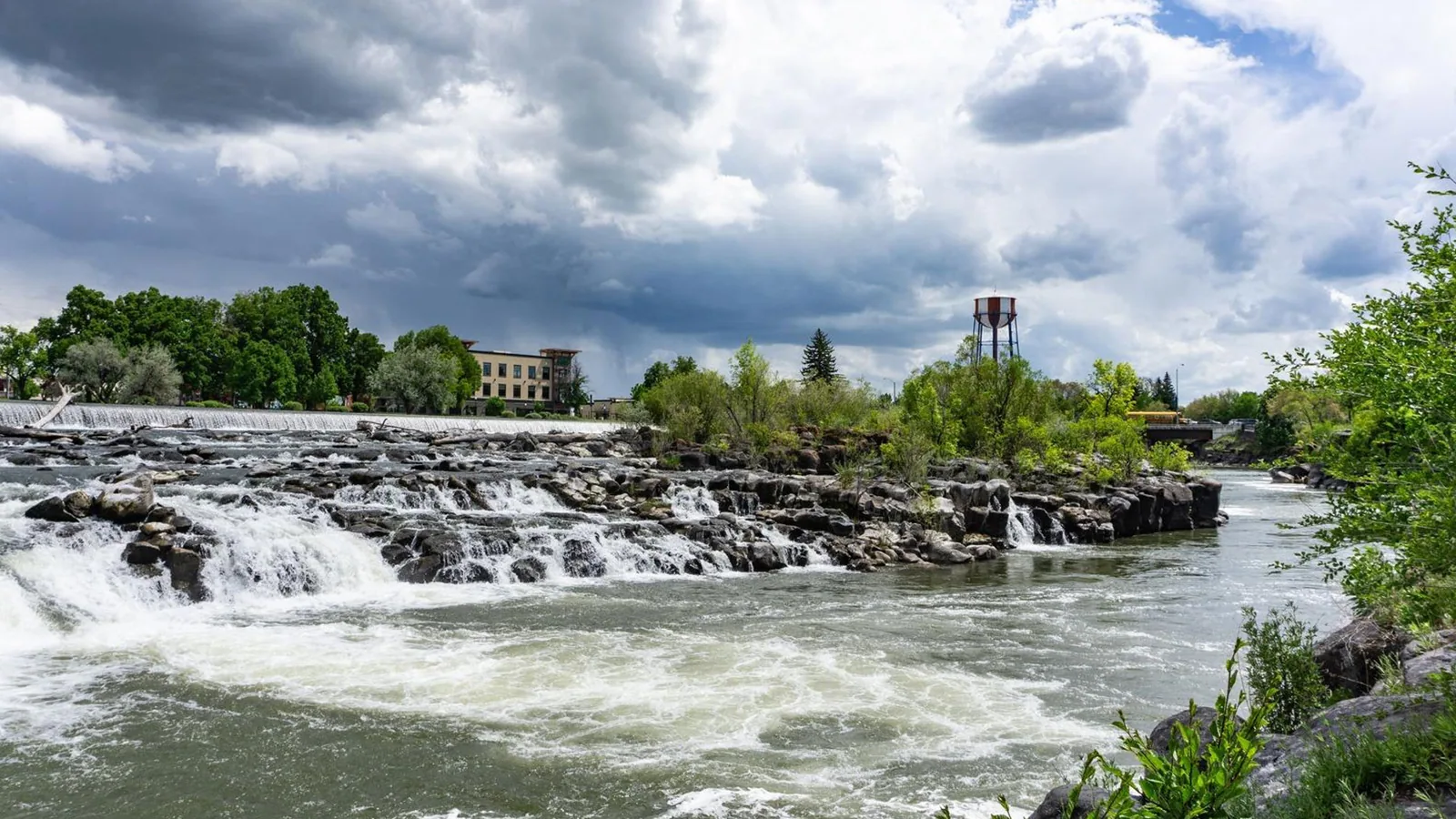
Freeze cycles put repeated movement into roof seams, edge metal, and flashing, so commercial roofing in River Commons starts with the detail that is actually open. The district is an Idaho Falls urban renewal area near the Snake River Greenbelt, where public infrastructure and land-use improvements have supported the broader Snake River Landing area. River Commons sits near the Snake River Greenbelt; confirm each property’s roof access, drainage layout, and equipment locations before staging work. We inspect the assembly, record the water path, and give the property manager a scoped decision.

Idaho Falls averages logs 182.2 annual days when the low reaches 32 degrees Fahrenheit or colder. That city measure explains why a break at a seam or curb deserves a close look before the next cycle. We separate temporary water control from permanent repair, then identify what inspection or testing is needed to price the lasting work.
River Commons in Idaho Falls, ID

Trace the Water Before Pricing the Repair

A ceiling mark is a clue, not a roof map. We follow the drainage path upslope, check nearby seams and penetrations, and compare the surface with interior signs. Water can travel beneath a membrane or along insulation before it appears inside. The report records where we looked, what we could reach, and whether moisture testing or a small opening is needed. That distinction keeps the repair scope tied to an observed condition.

River Commons is an active urban renewal district with public infrastructure activity near the Snake River Greenbelt. For a property manager coordinating roofing with other improvements, the inspection identifies roof access, staging limits, drainage outlets, and adjacent work that could affect a tie-in. Redevelopment and traffic can affect arrival or staging near River Commons; the initial roof walk establishes the building’s condition and access needs.

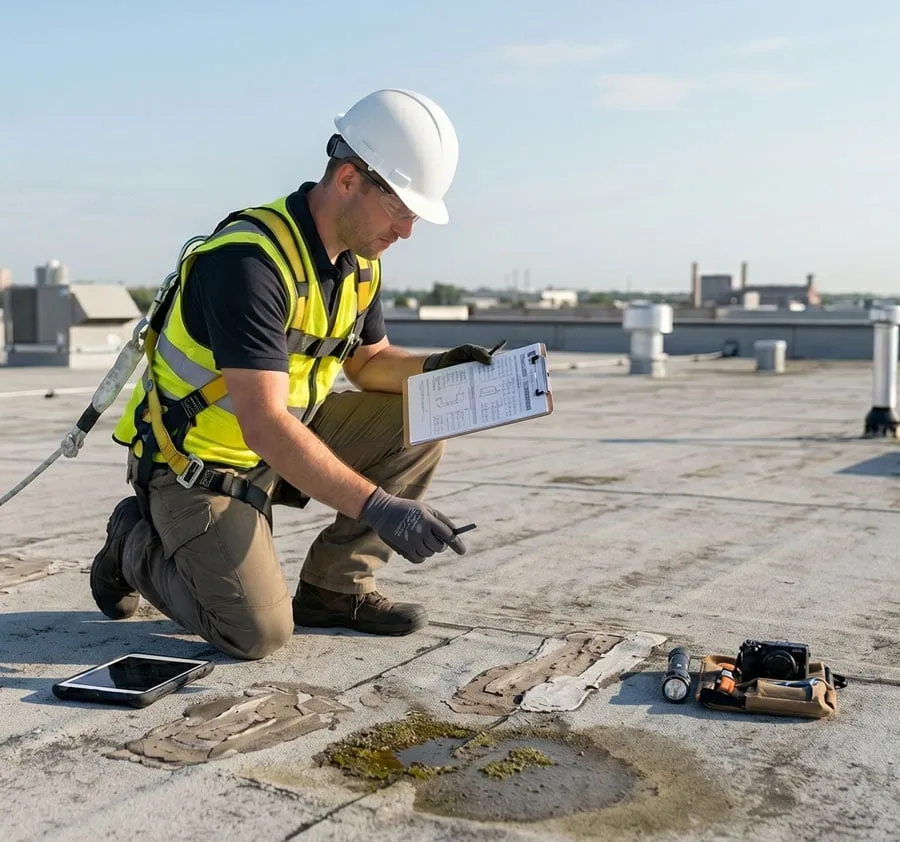
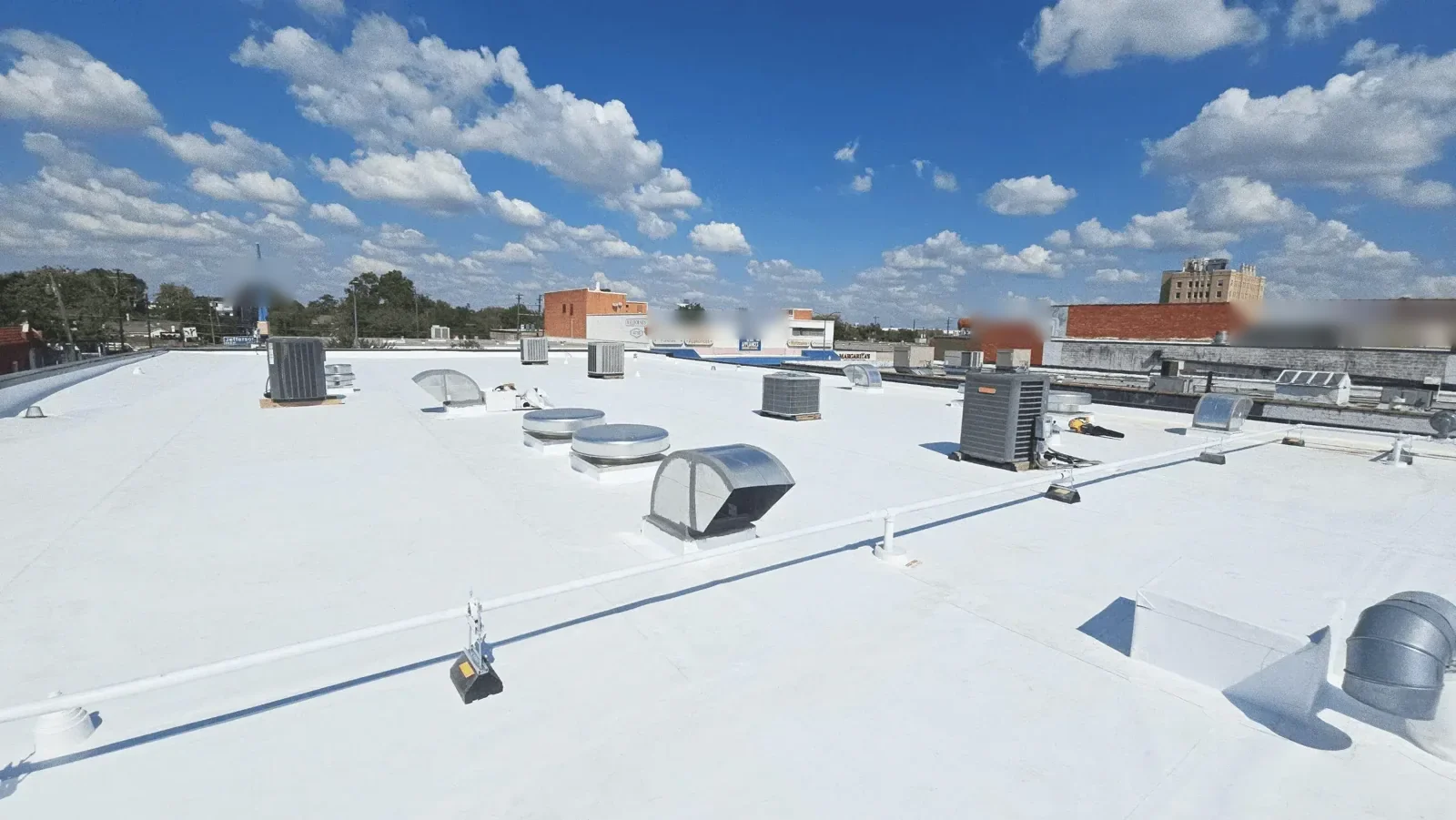
A hands-on commercial roof inspection documents membrane type, exposed seams, edge conditions, drains, rooftop equipment, and accessible interior evidence. Photos label roof zones for the estimate. Where the assembly is unclear, we mark the unknown rather than guessing at layers, giving the owner a useful record for repair planning or a capital review.

Set the Work Window Around the Assembly

Idaho Falls climate averages put the January mean at 20.4 degrees Fahrenheit and the July mean daily high at 86.6 degrees. Those broad numbers help frame a weather window, but current surface conditions and product instructions govern the work. Cold affects membrane handling and adhesive application; summer heat changes safe movement and material handling. We plan the open area so it can be closed under the conditions actually present.

May is Idaho Falls’s wettest month, averaging, at 1.57 inches. Define the daily dry-in point from the current forecast and roof conditions, and protect every opened area before the shift ends. Managers coordinating beyond River Commons can also plan roof work in Downtown Idaho Falls, with each building receiving its own inspection and repair scope.

A leak needing immediate attention can be handled by the emergency response team at any hour, holiday periods included. We discuss safe access, the affected area, and practical temporary control. That measure is not the permanent correction. We photograph the condition and record the next inspection or repair decision.

Choose a Repair That Fits the Finding

A repair is appropriate when the defect and surrounding assembly can accept a durable tie-in. We check membrane condition, seam attachment, substrate stability, flashing geometry, and water flow. If wet insulation or a deteriorated deck sits below the opening, covering only the visible split can leave the cause in place. The report distinguishes a localized defect from a condition that may call for selective removal, testing, or a broader replacement discussion.

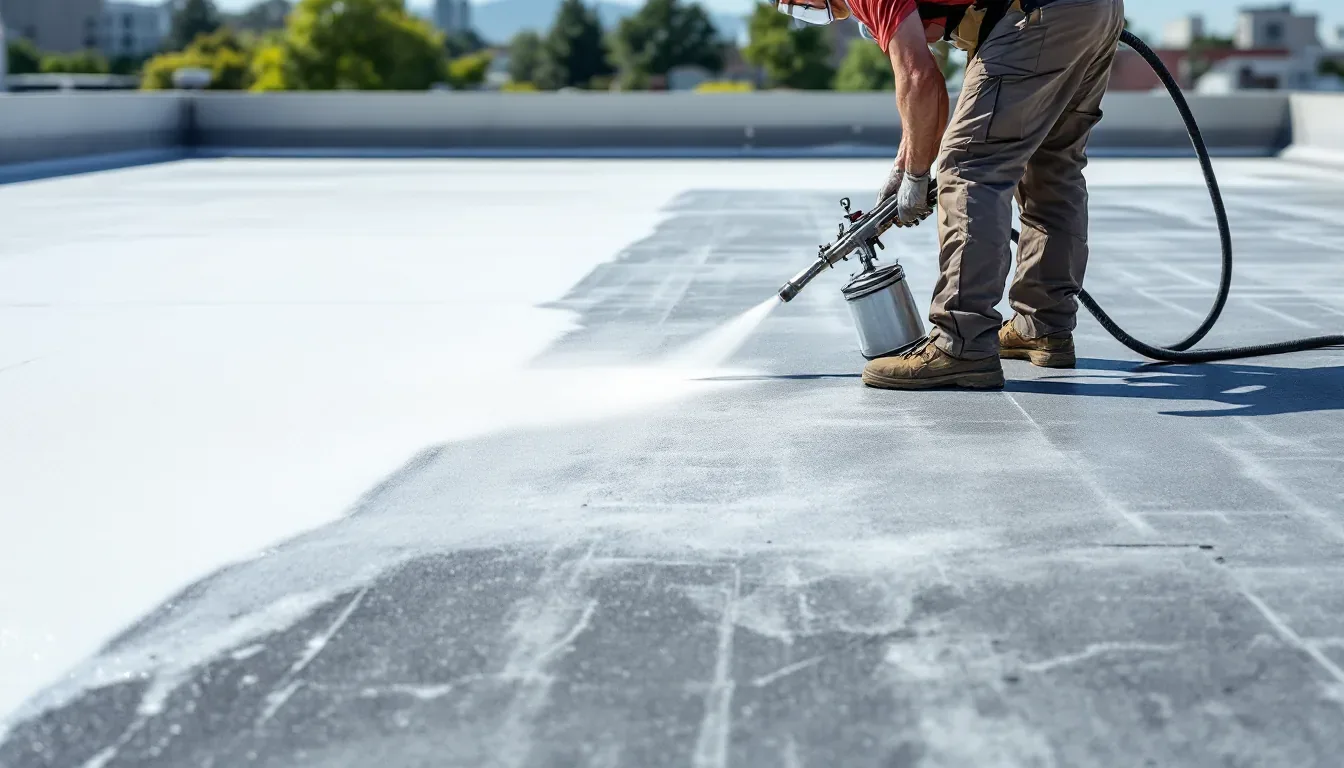
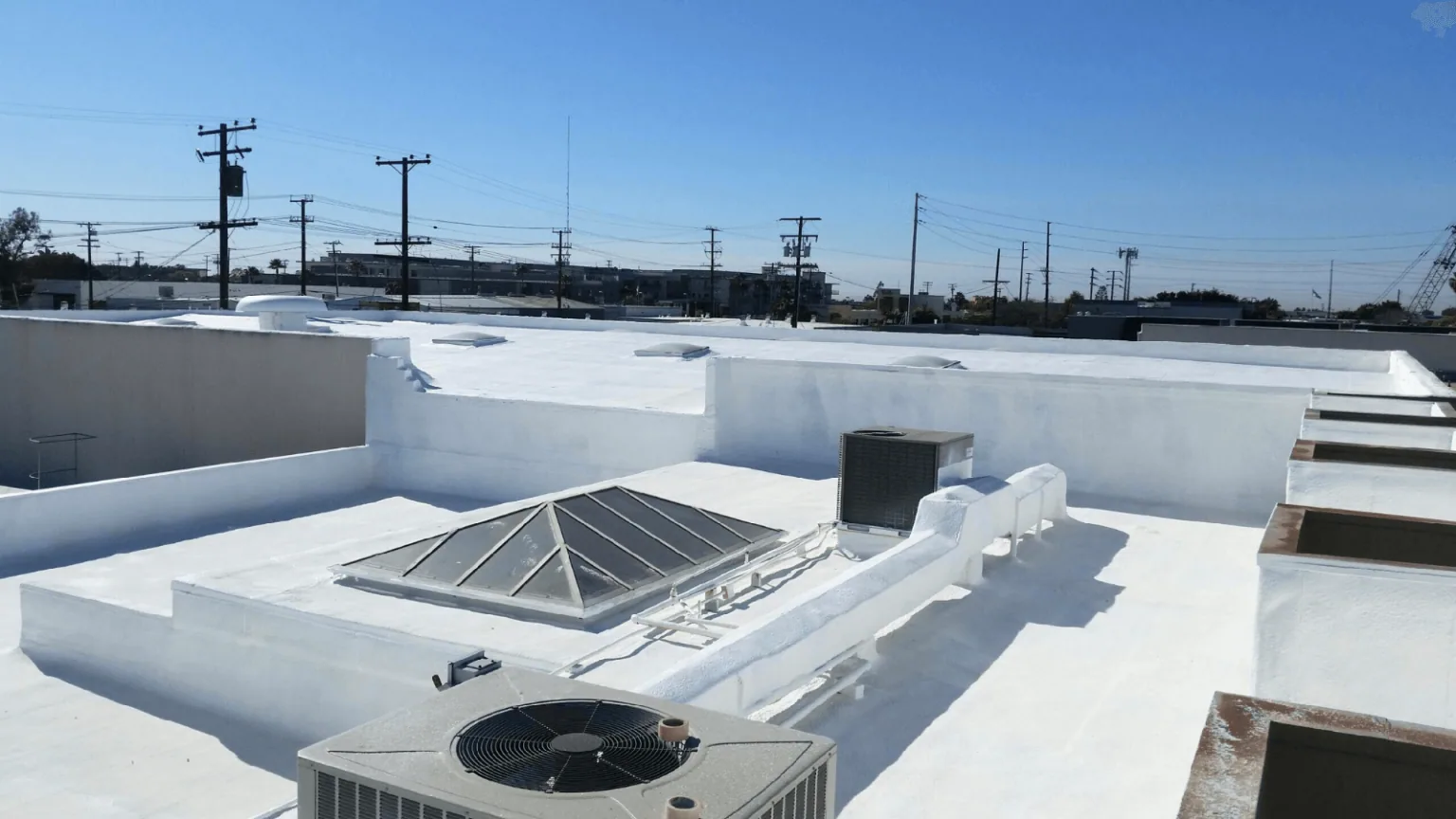
Coatings need a compatible, dry, sound surface. They do not correct trapped moisture or weak attachment. A roof coating restoration evaluation includes adhesion, preparation, drainage, and details. We identify repairs needed before coating and state where the system does not fit.

The city points applicants to 2018 editions of its building, existing-building, and energy-conservation codes. The proposed work controls which review applies. We describe the roofing work and coordinate supporting information with the owner’s project team. A replacement evaluation compares removal, recover eligibility, insulation, and edge details.

Coordinate the Roof With District Work

City history connects River Commons road and utility work with development of the broader Snake River Landing area. Before mobilization, we confirm whether current site work changes roof access, staging, drainage discharge, or rooftop service routes. The district’s infrastructure history guides a coordination conversation, but the roof plan follows the building and its present operations.

Snake River Landing includes offices, dining, residential uses, and event venues. Near that mixed-use district, a project may need coordination around entrances, deliveries, occupied spaces, and air intakes. We verify the building schedule instead of applying one access plan across the area. The occupied-building roofing sequence defines work zones, closure points, and communication before materials arrive. Managers can also coordinate with Snake River Landing commercial properties when planning work across the neighboring district.

When ponding or blocked outlets appear, we inspect strainers, drains, scuppers, overflow provisions, and nearby transitions. Debris removal may address maintenance; recurring water can point to slope, insulation, or outlet concerns. A drain and scupper repair scope separates cleaning, repair, and design questions.

Leave a Usable Condition Record

Label each roof zone and attach a photo with a brief note on the observed condition. We record repaired details, areas left in service, access limits, and items that need testing. That gives a manager a basis for comparing immediate repair with a phased project. The record distinguishes confirmed conditions from uncertain layers or concealed deck areas.

Cost and timing depend on removal depth, insulation, deck repairs, detail count, equipment coordination, waste handling, access, and weather. The estimate states assumptions and how concealed conditions will be handled. We separate base work from optional investigation and identify what may change after the roof is opened. Preventive roof maintenance tracks drains, exposed flashings, and seams on later visits.

Questions About River Commons

It identifies a recognized Idaho Falls renewal district near the Snake River Greenbelt and gives useful planning context for coordination. The property manager identifies ownership and access contacts, and a site inspection records the assembly and current roof condition. We verify those items during the inspection and keep the repair recommendation tied to the building itself.

Yes. We can document visible roof conditions, access, drainage, penetrations, and areas that need testing before other work changes site conditions. The city’s redevelopment history links River Commons infrastructure with the broader Snake River Landing area, so the owner can coordinate roof access and staging with the current project team. The inspection record remains specific to the building.

A coating should be set aside when the substrate is wet, unstable, incompatible, or unable to hold adhesion after preparation. Drainage problems and failed details also need correction before a surface restoration is considered. We test or inspect the assembly as needed, then compare coating with repair or replacement using the observed condition and project requirements.

The Idaho Falls averages show frequent freezing minimums in Idaho Falls, but a specific job depends on current roof temperature, moisture, wind, and the chosen material’s limits. We identify which work can be prepared and closed in that window. If a lasting tie-in is not suitable, we explain the temporary control and the next step separately.

It should identify the roof zone, defect, proposed material, preparation, flashing or drainage work, access assumptions, weather limits, and any testing still needed. The estimate should also explain how concealed damage will be handled. We present those items as defined work and decision points so a property manager can compare options without treating unknown conditions as completed repairs.

ServicesRoof SystemsIndustriesProperty TypesService AreasDamage RepairCapabilitiesManufacturersContactAboutRequest a Roof Assessment555-555-5555
Call us today555-555-5555