Senior Living Roofing in Idaho Falls, ID Serving Idaho Falls & Eastern Idaho

Coordinate senior living roof repair in Idaho Falls around resident routes, care operations, drainage, and clear work boundaries for occupied buildings.

Senior Living Roofing in Idaho Falls, ID

Senior Living Roofing

Winter freeze-thaw exposure puts drains, parapets, and equipment curbs on the inspection list for senior living roofs in Idaho Falls, ID. Regional records count 182.2 overnight minimums at or below freezing each year, a reason to check these details before water reaches resident rooms or common areas. We trace the reported condition, identify what can be confirmed from the roof, and write a repair scope that separates immediate water control from planned renewal.

Healthcare services in Idaho Falls serve a broader regional area. Shelley includes medical and assisted-living operations in its local business directory, while Downtown Idaho Falls and South Downtown are part of one integrated city core. We coordinate with the residence manager on staffing schedules, protected entrances, equipment, and interior areas before setting a roof sequence. We confirm resident routes, access restrictions, rooftop equipment, and roof assembly with the facility contact.

Inspection covers seams, flashing, drains, scuppers, roof-to-wall transitions, and prior repairs. We compare interior reports with roof slope and drainage paths, then mark any test area where moisture may extend below the membrane. The result gives ownership a documented finding and a work boundary the care team can plan around.
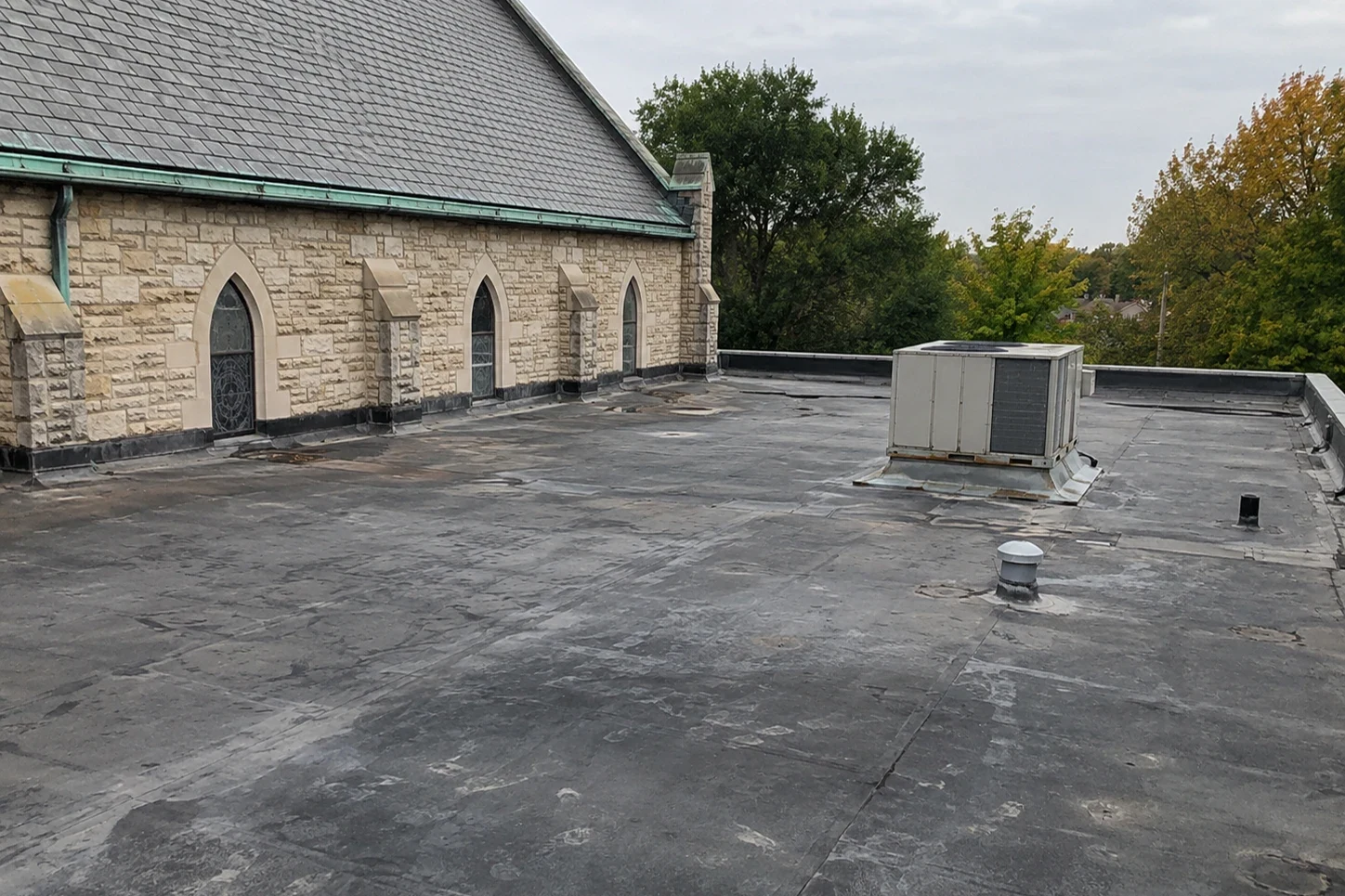

Senior Living Roofing in Idaho Falls, ID

Keep Resident Routes in the Sequence

Before staging, we coordinate with facility staff on entrances, accessible routes, loading, air intakes, quiet periods, and areas that need uninterrupted access. A lift or material route can affect a different part of the site than the roof work itself, so we identify those constraints before delivery. If residents use an entrance below the active zone, the sequence defines protection and who communicates a temporary change.

An occupied-building reroofing sequence can set daily work zones, access notices, interior protection, and a stop point for each shift. We avoid opening more roof than the crew can prepare and close under the agreed conditions. If a concealed deck issue changes the boundary, staff receive the finding and owner approval comes before the scope expands.

Rexburg's University Boulevard district includes lodging and residential uses alongside commercial activity. At the broader Idaho Falls and Shelley area scale, housing and care operations can involve different delivery and resident schedules. Nearby districts are active, while the facility manager sets resident-care routines and roof-access windows. The manager identifies actual activity, and we use that information to place staging and noisy work where it causes the least disruption.

Trace the Leak Beyond the Ceiling

A stain in a resident room is one point in a larger water path. Water can travel beneath the membrane, follow the deck, or reach an interior finish near a wall before it becomes visible. We compare the room report with roof slope, curbs, seams, flashing, and outlets. Photos link the observed roof condition to the affected area without treating the ceiling mark as proof of the entry point.

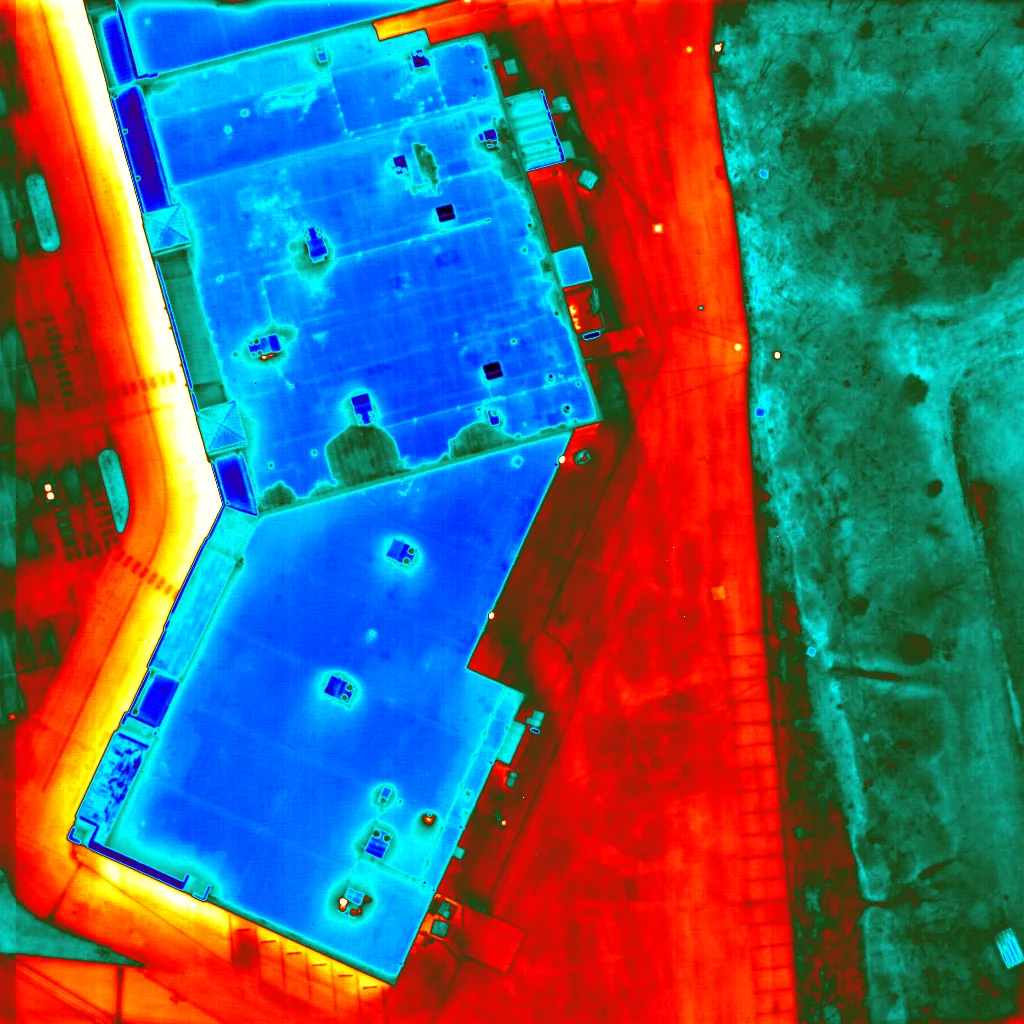
Where insulation may be wet, an infrared moisture survey can help map suspect areas under suitable conditions. We identify what the readings support and where targeted confirmation is needed before removal. Drainage is checked separately: a clear membrane field does not correct a blocked outlet, damaged bowl, or failed flashing at a scupper. The written scope states which condition needs correction and what remains uncertain.

Idaho's adopted 2018 building, existing-building, and energy-code editions can apply to different parts of a project. The authority review determines which provisions apply to a particular project. We note the anticipated roof assembly and scope so any code questions can be addressed before materials or access are scheduled.

Set a Safe Weather Window

Deep-cold nights occur around fifteen times per year in Idaho Falls, affecting access and material handling. Roof surface temperature and the daily forecast determine what can be installed. Cold can constrain some repair materials and make wet insulation or ice-covered access harder to evaluate. We identify application limits before selecting the daily work area.

May averages 1.57 inches of precipitation, the highest monthly total in Idaho Falls. A senior living scope needs a clear dry-in boundary before tear-off, along with temporary water control that can be secured if the forecast changes. Snow or ice may hide a drain or limit safe access; we document what is visible and schedule follow-up where conditions prevent a reliable inspection.

For buildings near Snake River Landing or South Downtown Idaho Falls, surrounding mixed-use activity can shape delivery and access discussions. The site contact identifies a clear material route and the work period that avoids resident services and emergency access. The facility contact confirms current conditions, and the proposal identifies weather, material delivery, and owner decisions that could change timing.

Match the Repair to the Assembly

A localized puncture or loose flashing may be repaired when surrounding material is dry and secure. Repeated leaks, broad moisture, deteriorated insulation, or a damaged deck can support a larger renewal discussion. We compare the repair boundary with test results and identify what further opening could change the recommendation. A recover is considered only when the existing assembly is stable and suitable for another layer under the project requirements.

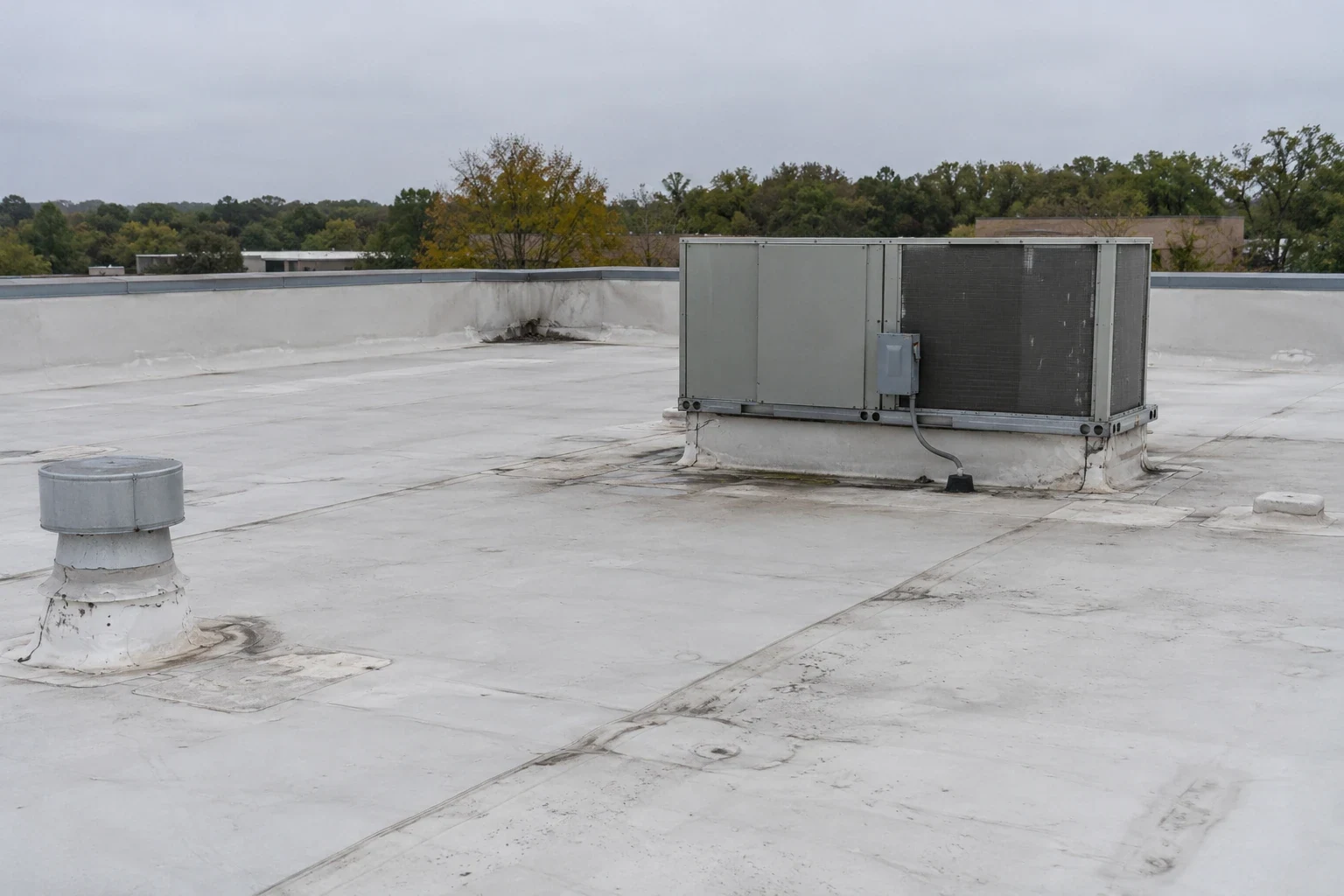
A TPO roof system or a different membrane must suit the substrate, drainage, penetrations, and future service access. Material choice alone cannot correct a settled area or failing deck. If equipment curbs or exhaust supports interrupt the field, we inspect their flashing as part of the roof assembly rather than assuming the membrane is the only issue.

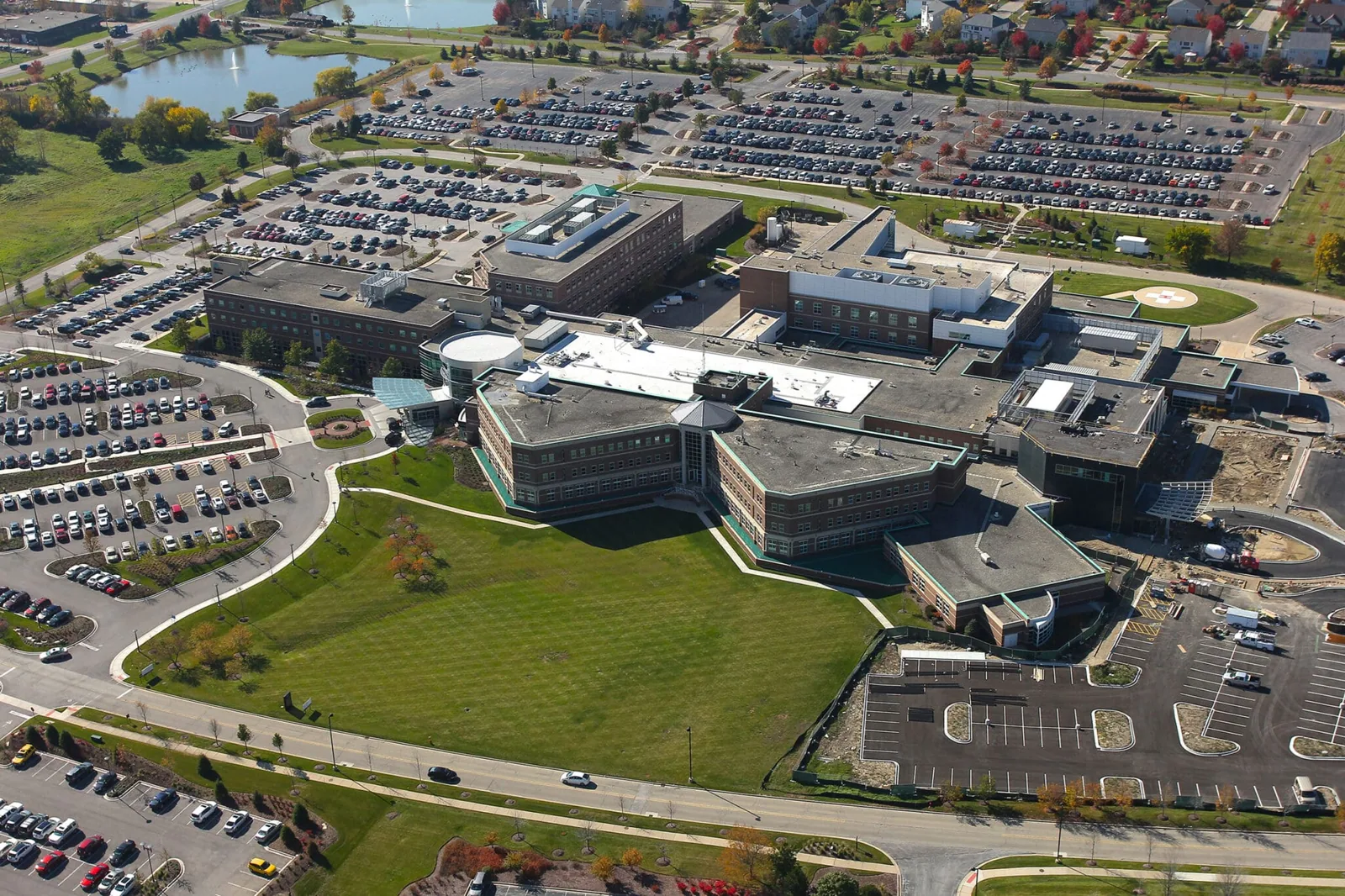
For a building with resident areas and shared services, a hospital roof inspection may involve different access controls, while apartment roof work can share concerns about notices and occupied units. Each comparison has limits; the facility's roof and operating conditions determine the actual repair scope.

Make the Budget Record Useful

Cost depends on removal depth, wet insulation, deck repairs, roof height, drain corrections, edge details, and staging. Resident protection, lift placement, and access restrictions can add coordination. We separate observed work from allowances for concealed conditions and state the approval point for any added scope. That gives ownership a practical comparison between a defined repair and a broader project.

After repairs, preventive roof maintenance can revisit seams, outlets, flashing, and prior repair areas. A roof condition report records photos, marked roof zones, completed work, and items that remain for follow-up. This record helps property and care teams coordinate the next budget review without treating unresolved conditions as completed work.

If active water entry needs an immediate response, we identify the temporary protection and its limits separately from the permanent repair. A commercial roof repair can address a defined defect, while replacement planning can proceed on a separate schedule. The closeout states which areas were reached, what was installed, and who owns the next decision.

Questions About Senior Living Roofing

We coordinate work zones, entrances, lift placement, air intakes, and resident notices with the facility contact. The daily boundary includes how an opened section will be protected and who can authorize a route change. Care routines and access needs are confirmed before materials are staged.

First we document the interior report and inspect the roof details that could feed that area. Water may travel before it appears, so the nearest curb or seam is not automatically the source. We state immediate water-control steps separately from the permanent repair and note any testing still required.

Phasing can work when the roof layout, tie-ins, weather, and access permit each section to be closed safely. We define the size of a daily work zone and the temporary protection at its edge. If testing finds a wider moisture pattern, ownership reviews the revised scope before removal continues.

Drains, scuppers, seams, edge metal, wall transitions, and rooftop equipment curbs deserve a close look. We clear and inspect the drainage path, then record damaged flashing or areas where moisture may be trapped. The work list distinguishes a seasonal access limit from a permanent roof defect.

The closeout should identify completed roof areas, installed materials, photos, remaining concerns, and any portion that could not be inspected. We also list maintenance items and decisions that remain open. That gives facility staff a record they can use for operations and capital planning.

ServicesRoof SystemsIndustriesProperty TypesService AreasDamage RepairCapabilitiesManufacturersContactAboutRequest a Roof Assessment555-555-5555
Call us today555-555-5555