Cold Storage Roofing in Idaho Falls, ID Serving Idaho Falls & Eastern Idaho

Protect cold storage roof assemblies in Idaho Falls with careful moisture tracing, refrigeration coordination, and a work sequence that maintains water control.

Cold Storage Roofing in Idaho Falls, ID

Cold Storage Roofing

Cold storage roofing must protect insulation and temperature control through Idaho Falls winter and summer conditions. We inspect penetrations, moisture, and drainage before sizing a dry-in window.

Idaho Falls averages 14.7 nights each year at zero or below and measurable precipitation on 84.3 days. Freeze cycles and wet periods make tie-ins, drainage, and dry-in planning important for a temperature-controlled building. The Warehouse District includes warehousing and light industrial uses; Snake River Landing combines offices, dining, residences, and event venues. We set the scope from the roof assembly and operating needs at the property.

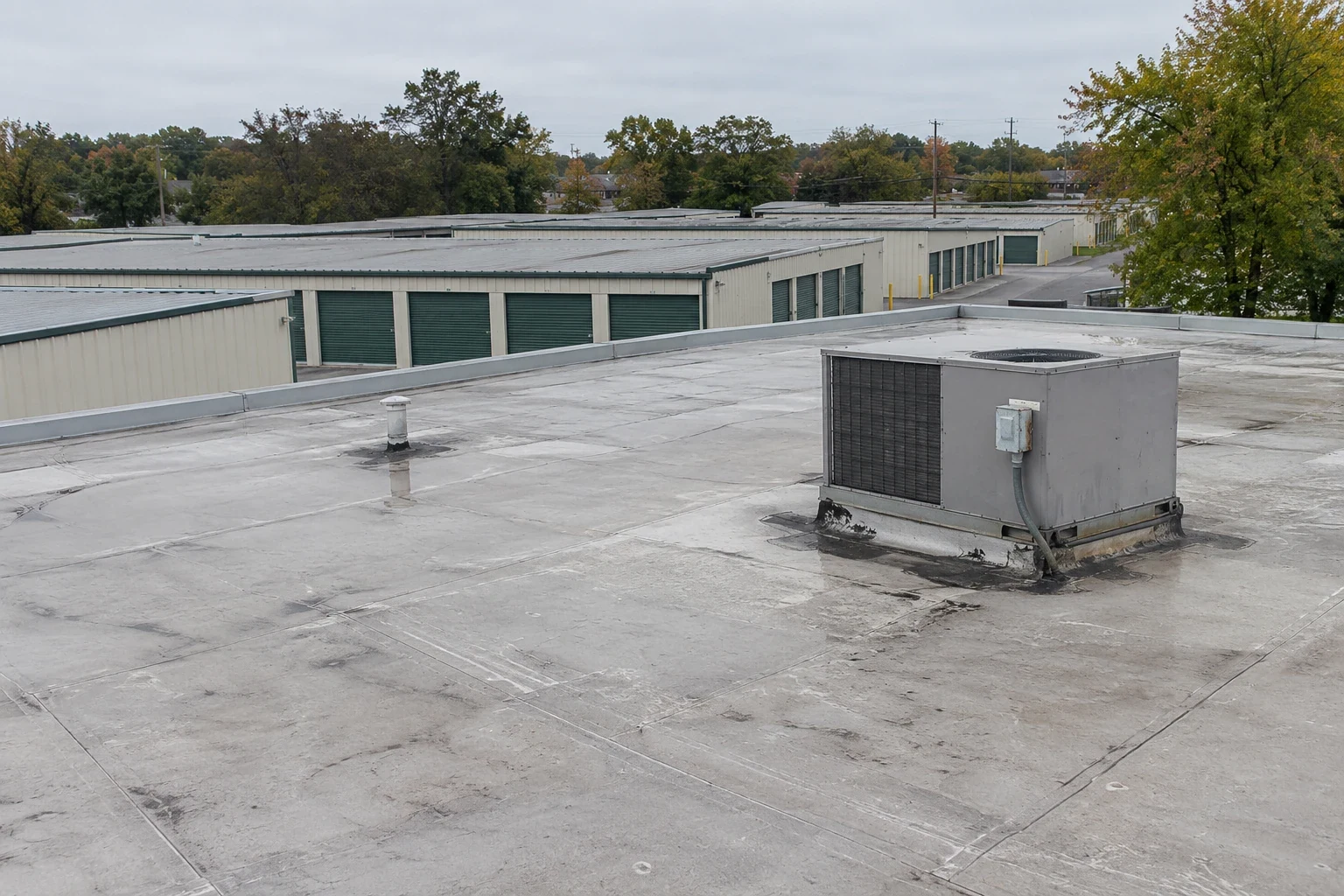
We identify the roof system, drains, curbs, penetrations, equipment, and reported interior signs before choosing the repair boundary. The scope separates a flashing repair from moisture in insulation or deck and notes needed testing and operational limits.
Cold Storage Roofing in Idaho Falls, ID

Find the Boundary of Moisture

We ask where moisture appeared, whether it followed thaw or precipitation, and which rooms could be affected. We inspect seams, edges, drains, penetrations, equipment supports, and prior repairs. Condensation can resemble a leak, so timing and assembly conditions matter before assigning a cause.

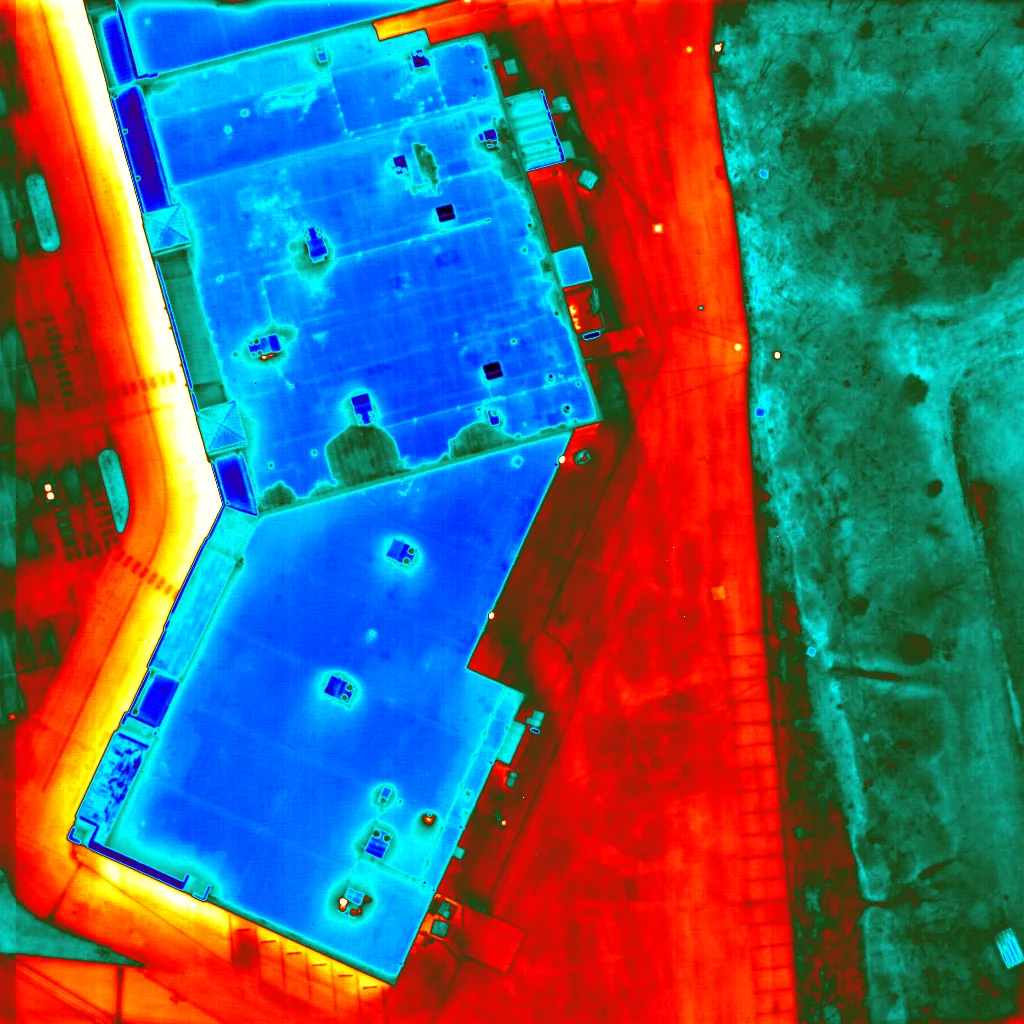
We map suspected wet insulation and mark what was tested or remains uncertain. A patch may conceal a broader issue when wet material extends beyond the leak. A roof moisture survey can help define suspect areas for follow-up testing. The record should show readings, test locations, visible membrane conditions, and inaccessible sections. We explain where the evidence is strong and where another test is needed, then tie the proposed repair area to those observations. That gives the owner a clear way to approve insulation removal without assuming that every nearby bay has the same condition. We mark each boundary before repair begins.

We also check outlets, low areas, overflow provisions, and nearby flashing. A blocked drain or failed connection can keep water at the roof; a drain and scupper correction may accompany membrane repair.

Protect the Thermal Assembly

Cold storage assemblies may include vapor control, insulation, cover board, and membrane layers selected for the building's temperature conditions. We identify the layers before proposing repair. If insulation is wet, the scope states what comes out and how replacement ties to surrounding material; leaving damp layers below a new surface can preserve a concealed moisture problem.

We coordinate access around refrigeration piping and equipment with facilities staff. The plan separates roofing from mechanical work, identifies shutdown responsibility, and states how curb flashing is checked. Tools, staging, or barriers may affect service clearances or intakes, so we write those limits into the phase before weather or access changes force a field decision. A facility manager can also mark rooms where temporary ceiling protection is needed and identify a route that staff should keep clear. We record what protection is included and the areas that need separate coordination.

Adding another layer is only considered after confirming the old roof's moisture, attachment, deck capacity, and project limits. Wet substrate or compromised vapor control may call for broader correction. Compare warehouse roof assembly planning with manufacturing plant roof scopes, while keeping thermal requirements specific to the building.

Coordinate Access With Refrigeration

Before mobilization, the facility contact identifies product areas, air intakes, equipment, and restricted access. We plan staging, debris routes, and interior protection, then set a daily limit the crew can prepare and close.

Idaho Falls has industrial areas for storage, warehousing, manufacturing, and wholesale distribution, with I-15 and US-20 connecting the region. At a cold-storage property, gates, deliveries, and refrigeration operations shape access. Our occupied-building roofing sequence names work areas and approval contacts for equipment conflicts or weather holds.

Temporary protection can limit active water entry while permanent work is planned. We label what it protects and identify the follow-up correction, keeping the first measure distinct from a complete repair.

Cold-room operations make roof openings a coordination issue as well as a weather issue. The work plan identifies which interior areas need protection, how the roofing crew will reach each zone, and who can authorize a pause if equipment or product conditions change. Those responsibilities belong in the sequence before materials are staged.

Choose a Practical Application Window

Idaho Falls averages 14.7 nights per year at zero degrees or lower, and measurable precipitation occurs on 84.3 days. Freeze cycles and wet weather make water control and temperature limits relevant to a refrigerated building's roof calendar. We verify substrate moisture and the selected product's installation range before exposing material, then set a boundary that can be closed in the working period.

Idaho Falls receives an average 10.07 inches of precipitation in a year. We plan for changing conditions and specify how tie-ins protect the assembly if a shift pauses. The snow and ice roof review distinguishes physical damage from blocked drainage or temporary conditions.

Material availability, mechanical coordination, permits, and product handling also affect timing. We record dependencies and owner decisions before opening a section.

Compare Repair and Renewal Scope

Cost depends on system, moisture extent, insulation, vapor-control details, deck repairs, penetrations, drainage, access, and equipment coordination. We list these items and describe how concealed conditions will be measured and approved. A proposal can separate the immediate leak correction from insulation replacement, curb rebuilding, drainage work, or a future renewal option. That structure helps the manager compare a minimum repair with a more complete scope. It also makes clear which work is required for water control and which is included to address broader assembly condition.

Broad moisture, poor attachment, deck damage, or repeat detail failure can support replacement. A limited opening with sound surrounding layers may be repaired. We explain what each option corrects and what remains.

Photos and repair limits help maintenance staff track the roof. A preventive maintenance plan revisits drains, flashing, seams, and curbs. For Idaho Falls properties, records can help distinguish roof leaks from refrigeration or humidity issues.

Questions About Cold Storage Roofing

The timing, room conditions, assembly layers, and roof details all matter. We compare the interior report with recent precipitation or thaw, inspect the likely roof path, and note ventilation or vapor-control concerns that may contribute. If the evidence is not conclusive, we state what testing would help before assigning a repair scope. We may compare moisture readings, roof slopes, nearby penetrations, and the interior conditions reported by staff. A written finding should not label condensation or a roof leak without connecting the evidence to the location and timing.

Wet insulation needs a mapped boundary and an assessment of adjacent layers. We identify what must be removed, inspect the substrate, and describe how replacement material will tie into the existing assembly. A surface patch may stop an opening but does not correct moisture trapped beneath the membrane.

The facility's equipment, access rules, and interior conditions determine what can remain active. We coordinate roof zones, intakes, service clearances, and any needed mechanical shutdown with facility staff. The plan states which protections are roofing work and which require the refrigeration team.

A coating is an option only when the substrate, existing membrane, and moisture condition are suitable. It cannot dry wet insulation, correct failed vapor control, or rebuild a loose curb detail on its own. We inspect those conditions and explain whether restoration, repair, or removal is better supported.

Temperature, precipitation, wind, substrate moisture, and safe access can affect preparation and installation. We check the current forecast and roof surface, define a work boundary that can be closed, and adjust the sequence when conditions change.

ServicesRoof SystemsIndustriesProperty TypesService AreasDamage RepairCapabilitiesManufacturersContactAboutRequest a Roof Assessment555-555-5555
Call us today555-555-5555