Commercial Roofing in North Central District, Rexburg, ID Serving Idaho Falls & Eastern Idaho

Roofing in Rexburg’s North Central district starts with a building-specific inspection, access review, and written repair or replacement scope.

North Central District in Idaho Falls, ID

North Central District

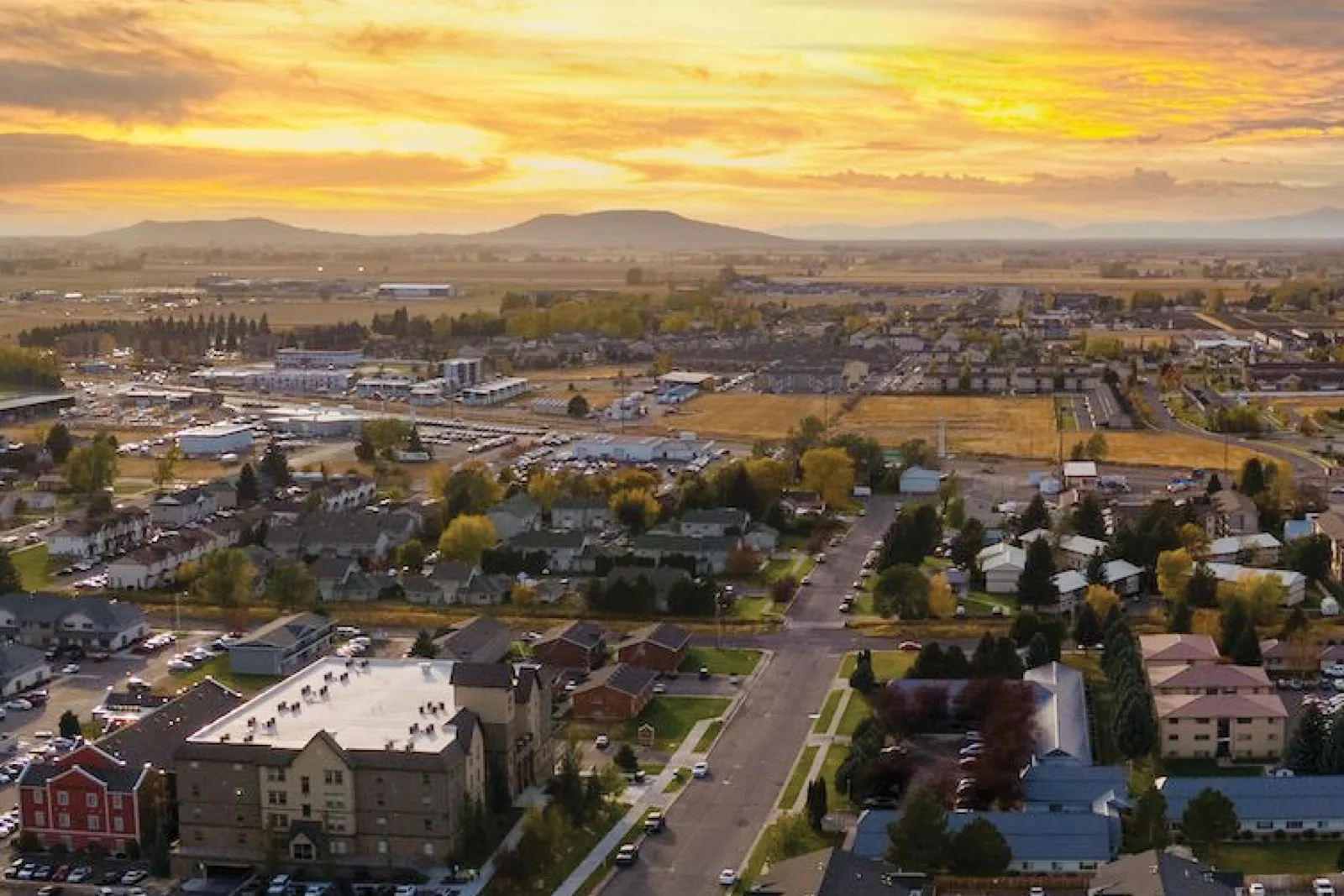
A dispersed district needs an address-by-address roof inspection, because the service area itself does not describe a single block or property. Rexburg North Central is an established, dispersed district with areas across the community rather than one isolated parcel. The city uses public works and redevelopment to encourage area-wide business investment and job creation. Those facts establish a broad location target; the actual roof, access, and work plan come from the property visit.

Idaho Falls supplies nearby regional climate context. At the Idaho Falls, annual averages register 182.2 overnight lows at freezing or below. That Idaho Falls count is regional context. We check actual weather, surface temperature, moisture, and material limits before setting a work boundary. The written scope explains which areas can be handled now and what needs a planned weather window.
North Central District in Idaho Falls, ID

Give Each Roof Area Its Own Record

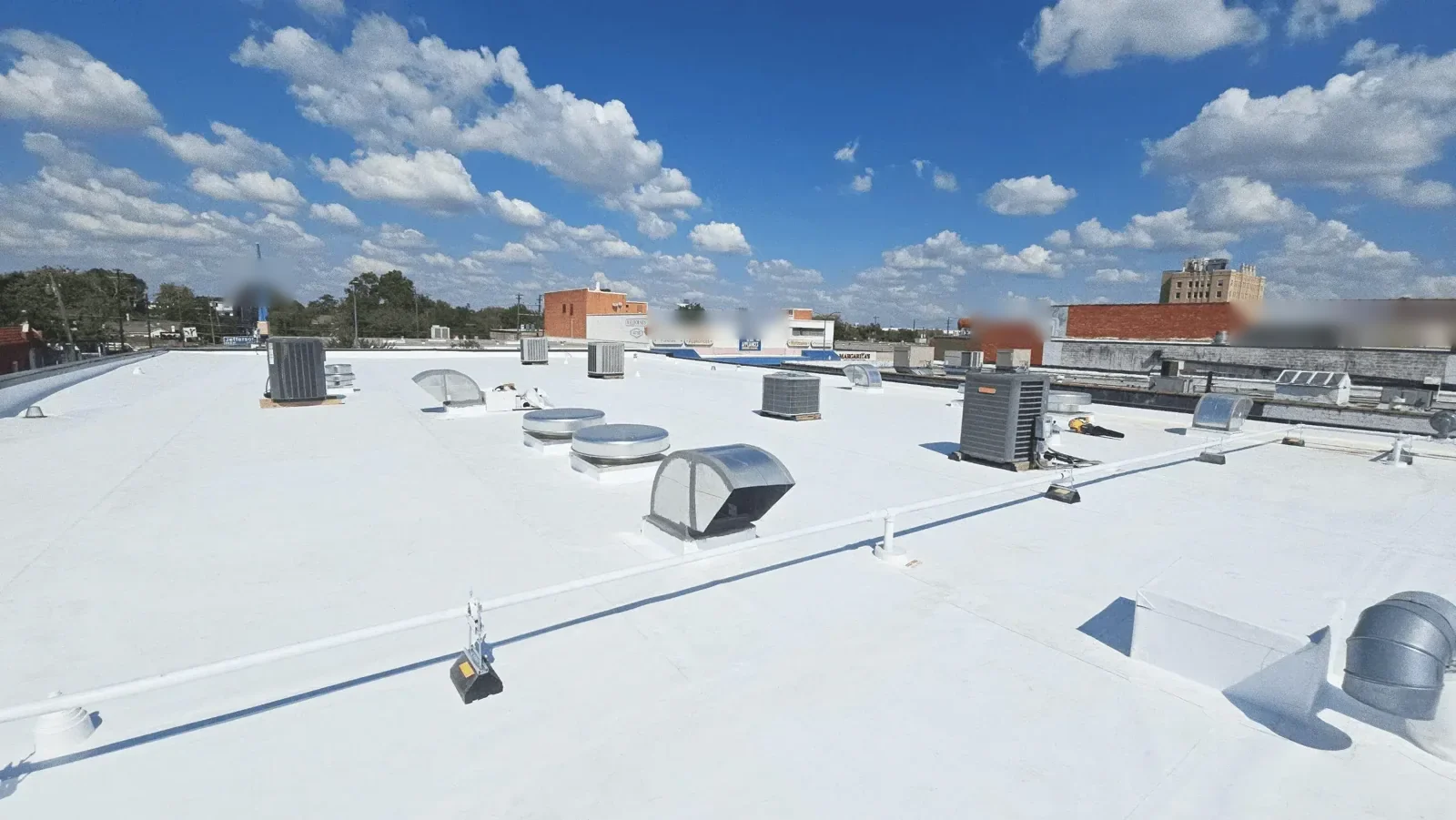
A map reference cannot replace an inspection of each property. We confirm access, roof zones, membrane or metal, and drainage. Photos label seams, edges, penetrations, drains, prior repairs, and interior signs. Areas not accessible or identifiable without testing are noted before finalizing the scope.

We verify where a repair connects to adjoining sections, since additions can change height, drainage, or attachment. A commercial roof inspection notes transitions that may need another trade or a test opening before a permanent tie-in is selected. That keeps a defect on one roof section from becoming an unsupported assumption about a separate property elsewhere in North Central.

Rexburg uses public works and redevelopment to encourage area-wide business investment and job creation. A manager confirms current project activity, deliveries, staging, and trade schedules with the site contact before mobilization.

Control Access and the Daily Closeout

A repair or reroof plan should state where materials arrive, which routes remain in use, how occupants are protected, and how the roof is closed at the end of each workday. We coordinate air intakes, rooftop equipment, service access, and debris handling with the site manager. If the property stays open, the occupied-building reroof sequence divides work into zones and assigns a daily dry-in limit.

Access varies across a dispersed district, so we reconfirm delivery instructions for each site. For ownership that manages Rexburg properties across multiple districts, keep the inspection record and estimate tied to the exact building and roof area being considered.

For work in the North Central area, the owner’s design team can confirm which adopted building and energy requirements apply to the proposed scope. Our estimate distinguishes maintenance, repair, recover, and replacement, then lists any roof-design coordination that remains before work proceeds.

Trace the Water, Not Just the Stain

Water seen inside may enter through a roof detail some distance away. We check the area above and upslope, including field seams, wall transitions, equipment curbs, skylights, edges, and drains. Water can travel beneath a membrane or through insulation before it appears in a room. If the source remains uncertain, a moisture survey or selective opening may help narrow the affected section.

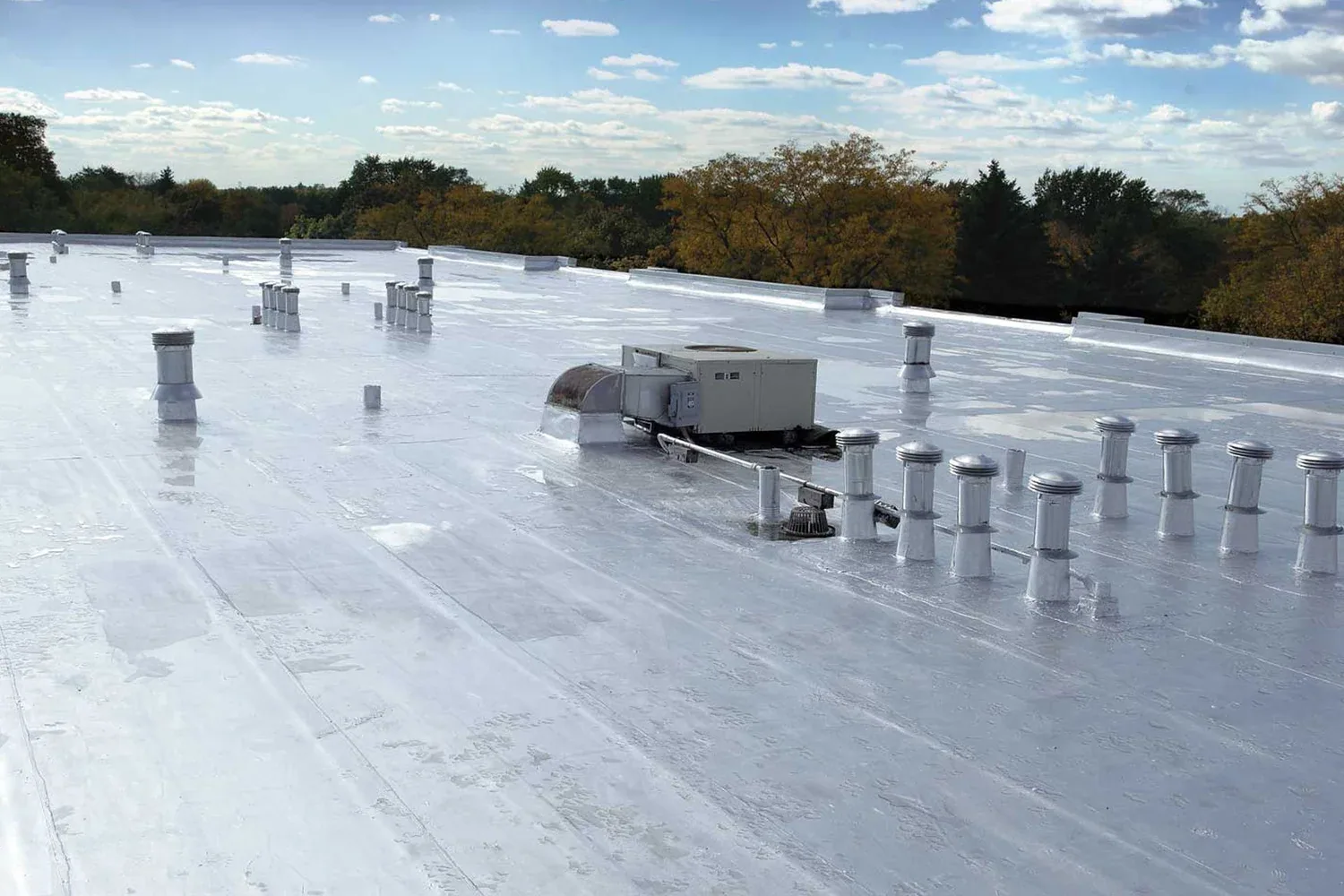
At roof outlets, we inspect strainers, drain bowls, clamping rings, scuppers, overflow paths, and nearby membrane transitions. A blocked strainer may need maintenance; standing water that returns can signal a slope or substrate concern. The drain and scupper repair scope separates clearing from repairs or design work, and shows what the owner can address at the roof level.

An emergency roofing crew can be reached day or night, even on weekends and holidays, for urgent water entry. We document any temporary containment and the permanent follow-up separately. We confirm safe access, control water where practical, and document the temporary measure. A permanent tie-in may depend on dry conditions or a clearer view of the substrate. The report names the next step.

Choose Materials for the Actual Conditions

Freeze-season handling and summer roof heat affect the order of North Central repairs. Set daily limits around safe access, material requirements, and the area that can be closed before conditions change.

Idaho Falls receives its highest average monthly precipitation in May, with a 1.57-inch average. The crew protects exposed areas, defines the closeout point, and stops if conditions exceed the material or safety limits. After winter, a snow and ice damage review can record exposed details and conditions that need further inspection.

Weather also changes delivery, staging, and the order of work. A fallback sequence keeps unopenable zones protected.

Select Work That Matches the Roof

A local repair can hold when the affected detail is limited and surrounding material can accept a compatible tie-in. We inspect surface condition, attachment, substrate, flashing, and drainage before recommending a patch. Wet insulation, deck movement, or repeated failure can point to selective removal or further testing. The report ties the recommendation to what was visible and identifies what remains uncertain.

A new layer may be evaluated only after moisture, attachment, substrate strength, compatibility, and project limits have been checked on the existing assembly. It will not correct concealed moisture or an unstable deck. A recover feasibility assessment compares existing layers with removal and substrate access. If tear-off is selected, the replacement plan should state how existing layers are removed, how the deck is assessed, which assembly is specified, and how perimeter and drainage details are rebuilt.

Coating requires a compatible surface, good adhesion after preparation, and sound substrate. It does not cure standing water or a damaged deck. The roof coating review identifies what must be corrected before a restoration can proceed. The estimate states system, repair boundaries, and owner decisions for future budget review.

Use Findings to Set Priorities

Cost and schedule move with removal depth, insulation, deck condition, detail count, equipment coordination, access, staging, waste handling, and weather. We separate defined work from allowances for concealed conditions and explain how approval proceeds if the roof opening changes what is known. That protects the budget discussion from treating a contingency as an observed defect.

A roof condition report can group photographs, repair priorities, access limits, and follow-up needs by zone. After the project, preventive maintenance can revisit drains, seams, edges, and repaired areas under the property’s access rules. Each visit adds current observations to the record rather than assuming the roof remains unchanged.

North Central is an area-wide district, and Downtown Rexburg is a separately named planning area. Owners can use the same condition format in Downtown Rexburg and another North Central property, while keeping scopes separate. The recommendation remains specific to the inspected building.

Questions About North Central District

No. Rexburg North Central is an established, dispersed district with areas across the community rather than one isolated parcel. We treat it as a broad service area and inspect the actual property before defining its roof, access, or repair needs.

Yes. Each building receives its own roof-zone notes, photographs, access assumptions, and repair recommendation. Use the portfolio summary to compare budgets, then keep each property’s assembly, drainage, repair history, and condition in a separate record.

Current public or private work can affect staging, access, drainage, or trade sequencing. We verify the conditions with the site contact and list any assumption that changes the estimate. The district’s area-wide goals do not provide a live construction schedule.

Only if its substrate, attachment, moisture condition, and surface compatibility support coating. We check preparation, details, and drainage before proposing that route. A wet or unstable assembly may require repair, testing, or replacement instead.

Active water entry, exposed or failed details, drainage problems, and conditions that need further testing should be separated from planned capital work. We document each item by roof zone and explain what can be repaired now, what can wait, and what information is missing.

ServicesRoof SystemsIndustriesProperty TypesService AreasDamage RepairCapabilitiesManufacturersContactAboutRequest a Roof Assessment555-555-5555
Call us today555-555-5555