Commercial Roof Repair in Idaho Falls, ID Serving Idaho Falls & Eastern Idaho

Repair commercial roof seams, flashing, and membrane details in Idaho Falls with findings tied to winter cycling, drainage, building use, and access.

Roof Repair in Idaho Falls, ID

Roof Repair

The return of freezing weather in Idaho Falls puts attention on seams, flashing, and the small transitions that hold water out of a low-slope roof. Idaho Falls averages record more than 182 days a year with minimum temperatures at or below freezing, followed by a summer season with repeated 90-degree highs. Our repair scope accounts for temperature-sensitive materials, the exposed area, and a dry-in limit that fits the day’s forecast. We locate the defect, inspect the surrounding assembly, and document whether the repair addresses an isolated failure or a larger condition that needs planned work.

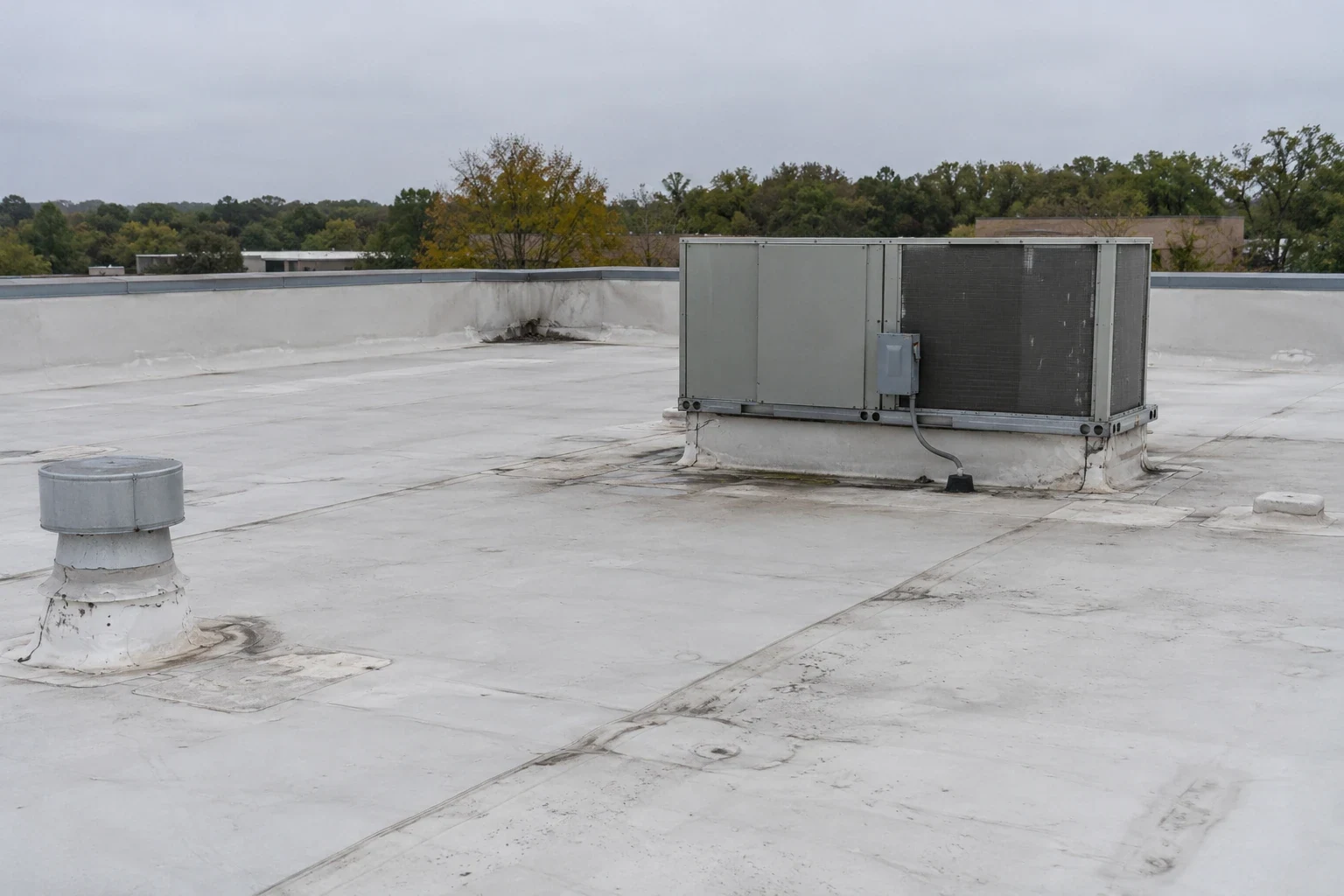
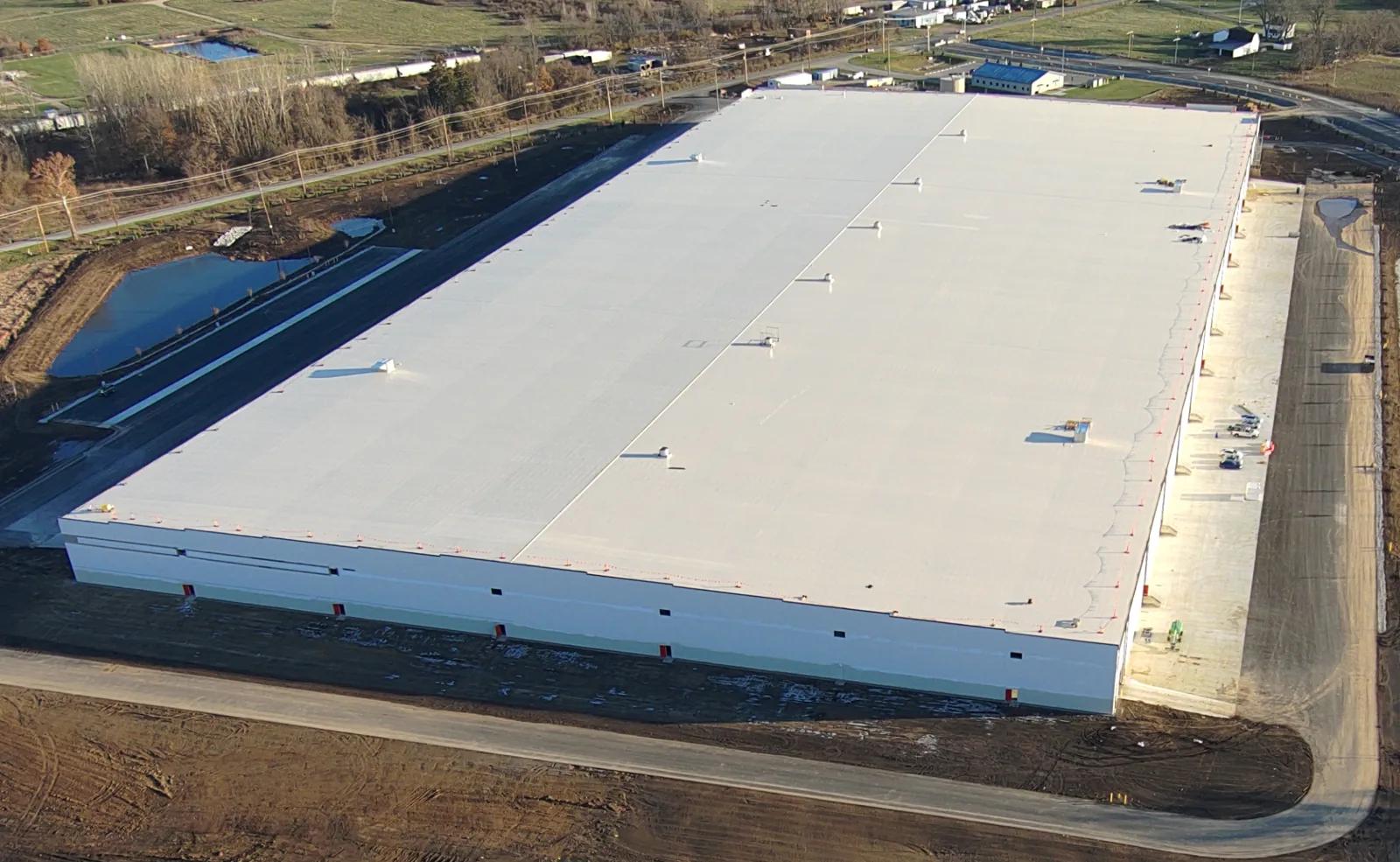
Commercial repair starts with the path water takes. A stain inside may sit below a seam, curb, drain, or edge opening several feet away, so we trace the likely entry point and look for related defects before opening the roof. We record the membrane type, substrate, prior repairs, drainage, and access conditions. Idaho Falls includes warehousing, manufacturing, health care, retail, offices, and education buildings; the right sequence must match the use and the roof details. In Ammon's commercial areas, retail, medical, professional, and technology activity provides one example of varied operating needs across a nearby market.
Roof Repair in Idaho Falls, ID

Find the Failure Before Patching

A repair holds when the surrounding material can support it. We check whether a seam has opened, a fastener has backed out, flashing has split, or traffic has punctured the membrane. Then we inspect beyond the visible break for wet insulation, wrinkles, movement, and previous patches that may have trapped water. A repair made over a damp or unstable base can hide the opening without correcting the cause. When the condition extends beyond a small area, we show the boundary and discuss whether localized replacement, a larger repair, or a recovery plan fits the evidence.

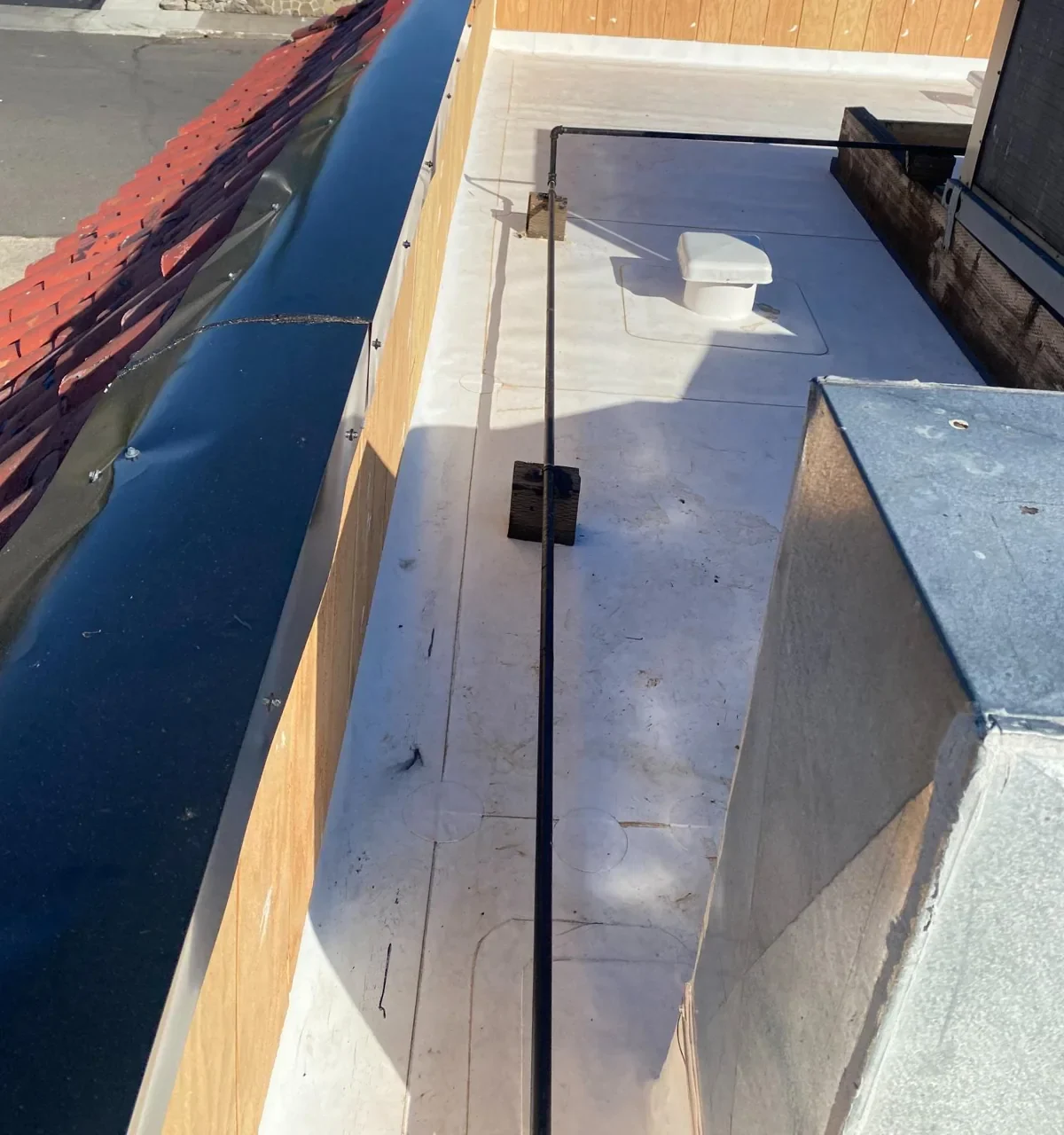
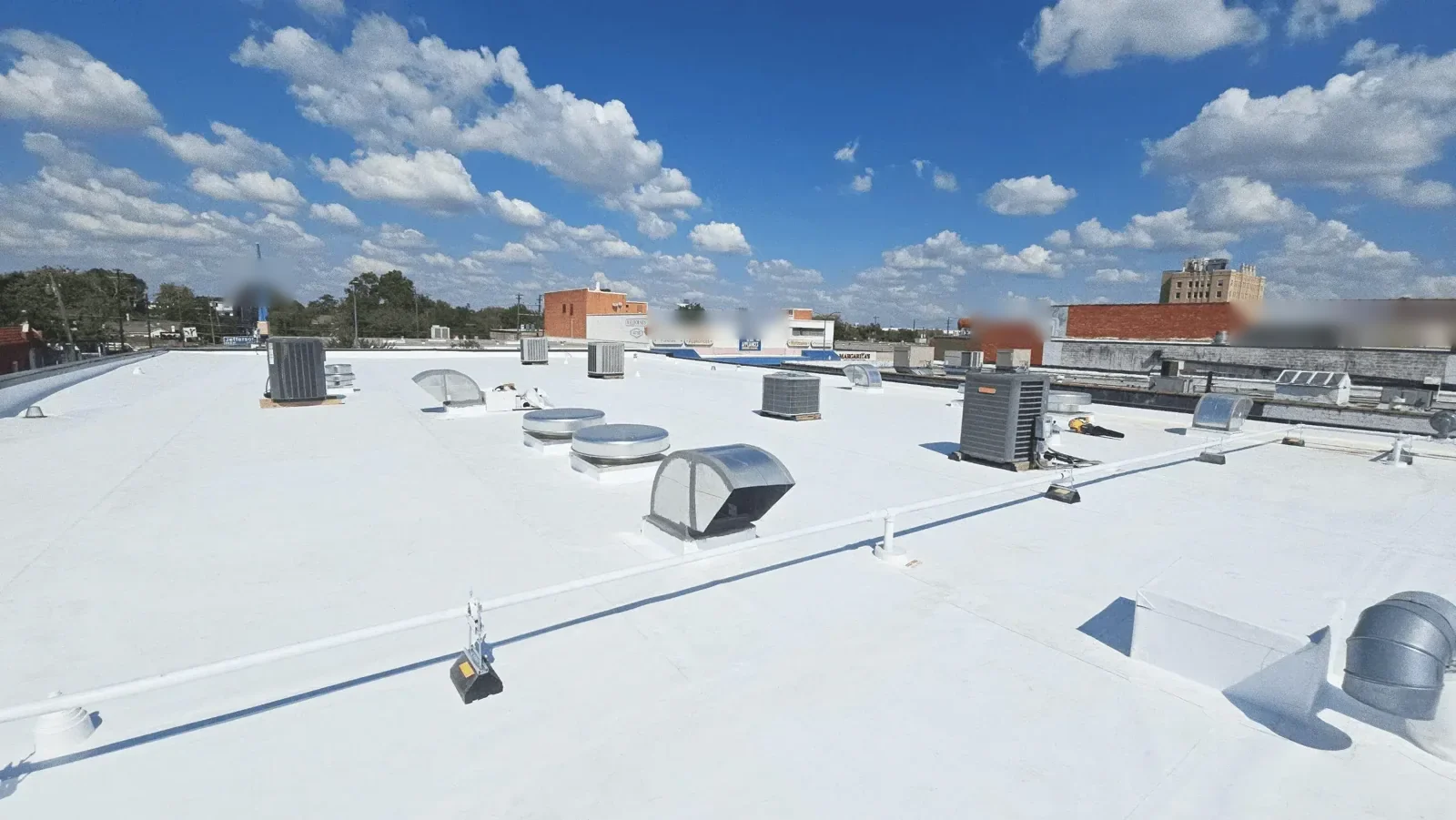
Roof transitions need a deliberate detail. At a curb, the membrane must turn up and connect to secure flashing; at a parapet, the edge needs sound attachment and a weather-tight termination. Drains and scuppers need unobstructed flow and a sealed connection to the field. We inspect these components with the membrane rather than treating each as a separate item. Our commercial drain and scupper repairs address outlets that are part of the leak path, while a documented flashing repair can correct a split or failed termination.

Match the Repair to the Roof

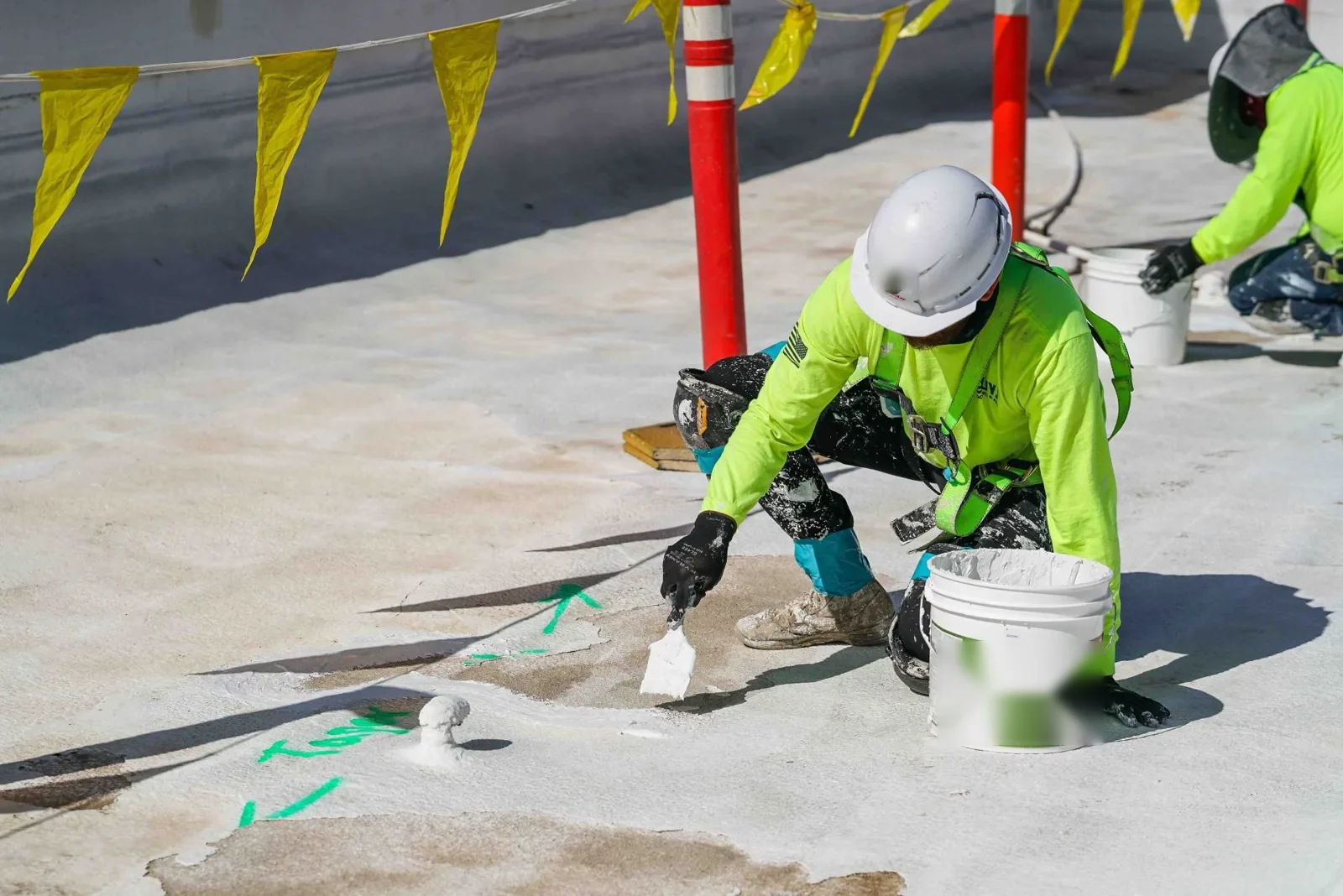
Repair material has to fit the existing roof. Thermoplastic membranes use heat-welded seams; EPDM, modified bitumen, coatings, and metal panels need different preparation and flashing methods. We identify the system, prepare the surface, and make a tie-in that sheds water instead of leaving a raised edge. If the assembly is uncertain, testing or an opening may be needed first.

Idaho Falls applicants are directed to the 2018 building, existing-building, and energy codes. A repair can intersect with permit, fire, or energy requirements depending on its extent. For a membrane roof, TPO seam repair needs sound surrounding material, compatible preparation, and a welded tie-in verified across the repair area.

Plan for Idaho Falls Conditions

Winter cycling can enlarge a small defect as water freezes, thaws, and works at an exposed edge. Snow can conceal a drain or hold moisture against a weak transition, while summer heat changes membrane temperature and access conditions. Idaho Falls averages also record May as the wettest month by mean precipitation, so schedule flexibility matters before a repair area is opened. We confirm the current roof and forecast, choose a suitable work window, and limit the exposed area to what can be prepared and closed safely.

The Hitt Road and 25th South corridor is a major route in Ammon, with commercial growth planned for retail, medical, professional, and technology uses. Such varied properties can have different access and interruption limits. Before work, we confirm how a lift reaches the roof, whether equipment must stay online, and how people move beneath the repair zone. Our snow and ice damage review helps distinguish seasonal loading or blocked drainage from a damaged detail that needs repair.

Document the Repair Scope

The written scope identifies the observed failure, repair area, preparation method, compatible materials, and tie-in details. Photos show the opening and adjacent roof condition; notes capture moisture testing, access, and any limitations. We separate immediate water control from related work that can be planned, such as correcting multiple loose terminations or replacing wet insulation. A manager can then approve a defined scope instead of a vague line for roof patching. If concealed conditions appear during work, we pause and document the area before changing the agreed repair.

Occupied buildings need an additional sequence. We coordinate staging, protect rooftop units and air intakes, and account for tenants, deliveries, or production schedules. Idaho Falls industrial areas include warehousing, wholesale distribution, rail-related activity, and supporting utilities. A loading-side route can matter as much as roof access during the work. We can coordinate the repair around those operating details when the facility contact confirms restrictions. For broader recurring needs, a maintenance schedule tracks drains, seams, and exposed flashing between repairs.

Know What the Repair Can Settle

A localized repair fits when the failure boundary is clear and nearby material remains sound. Multiple wet locations, widespread seam separation, weak attachment, or recurring leaks can shift the budget toward a larger repair, recover study, or replacement plan. We explain what the repair controls and what remains, so the owner can avoid repeating work that does not address the assembly.

Cost changes with access, roof height, system compatibility, preparation, testing, and transition count. The written scope states repair area, material, staging limits, and any concealed-damage alternate. Follow-up inspections can preserve photos, condition notes, and repair history for the next budget review.

Questions About Roof Repair

We trace water evidence and inspect the roof above and around the reported interior area. Open seams, failed flashing, punctures, blocked outlets, and curb details can all direct water along the assembly before it appears inside. We record the likely entry point and check nearby material so the repair scope follows the cause rather than the stain alone.

Yes, after identifying the roof system and what the previous material covered. A patch may have lost adhesion, been incompatible, or bridged over wet insulation. We remove or prepare the failed work as needed, inspect the substrate, and explain whether the surrounding membrane can accept another tie-in or needs a larger section replaced.

The proposal should identify the defect, repair boundary, material, preparation, flashing or seam method, access conditions, and photo record. It should distinguish included work from an alternate for concealed damage. A clear scope also states how operations or staging will be coordinated and what roof condition remains outside the repair.

Cold can change safe access and the behavior of adhesives or sealants, while snow or ice may cover the detail that needs attention. We check the roof and current weather before opening an area, use materials within their installation limits, and keep the repair boundary small enough to close. Idaho Falls averages describe long freezing periods, but the site forecast sets the working decision.

Recurring leaks, spread-out wet areas, widespread seam failure, or a roof assembly that cannot accept compatible repairs can shift the budget decision. We compare repair costs and remaining conditions with a recover or replacement scope, then document the reason for each option. We compare the leak pattern with moisture, attachment, drainage, and the condition of neighboring roof zones.

ServicesRoof SystemsIndustriesProperty TypesService AreasDamage RepairCapabilitiesManufacturersContactAboutRequest a Roof Assessment555-555-5555
Call us today555-555-5555