Big-Box Retail Roofing in Idaho Falls, ID Serving Idaho Falls & Eastern Idaho

Plan big-box retail roofing in Idaho Falls with attention to wide roof zones, loading access, drainage, and uninterrupted customer operations.

Big-Box Retail Roofing in Idaho Falls, ID

Big-Box Retail Roofing

The temperature range in Idaho Falls affects when a large retail roof can be opened and closed. In Idaho Falls, overnight lows reach zero or below on about 15 days in an average year. That seasonal cold makes material limits part of the schedule; roof temperatures still need onsite checks. We inspect seams, drains, edges, and equipment curbs, then define an area that can be protected within the work shift.

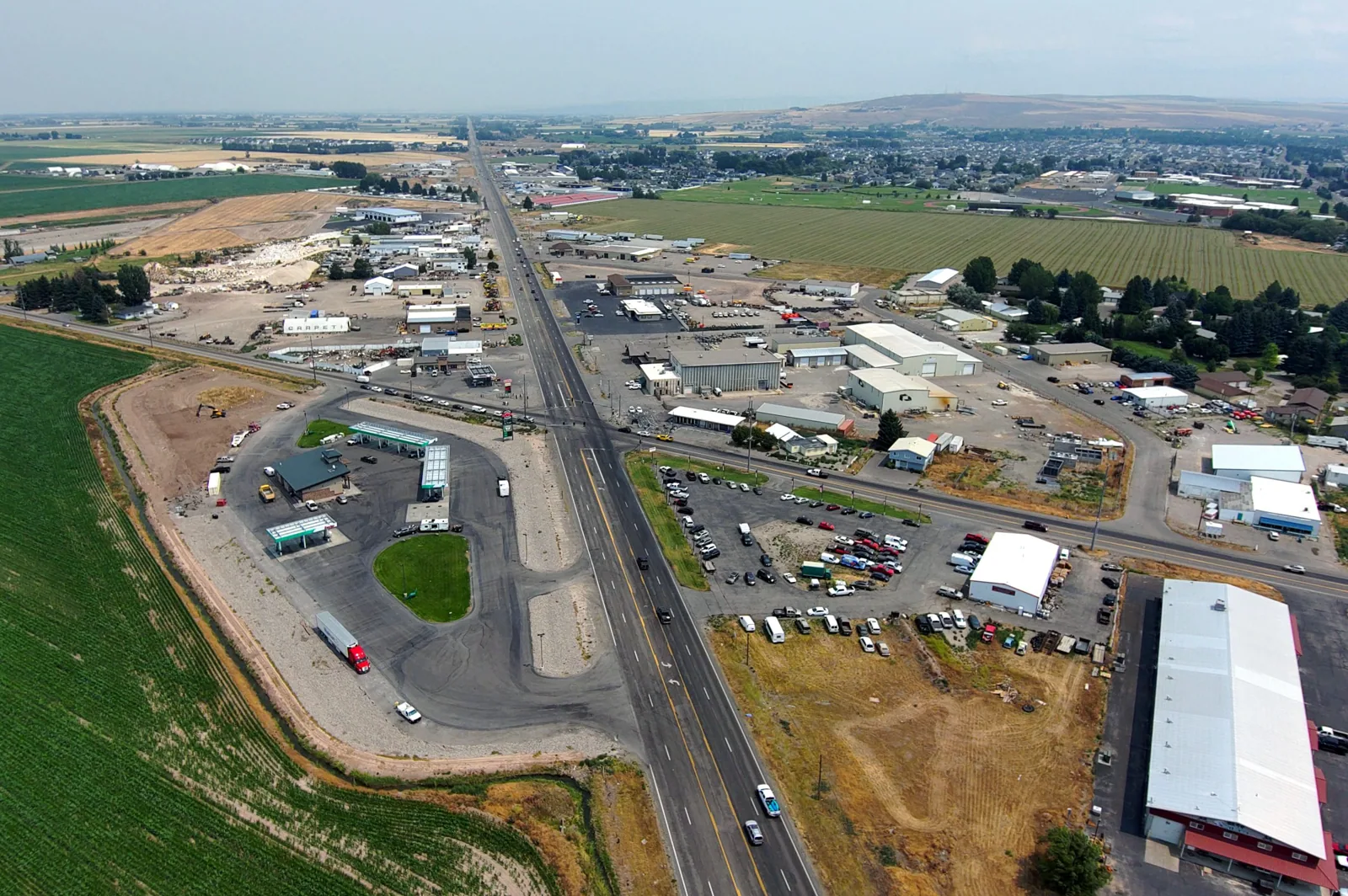
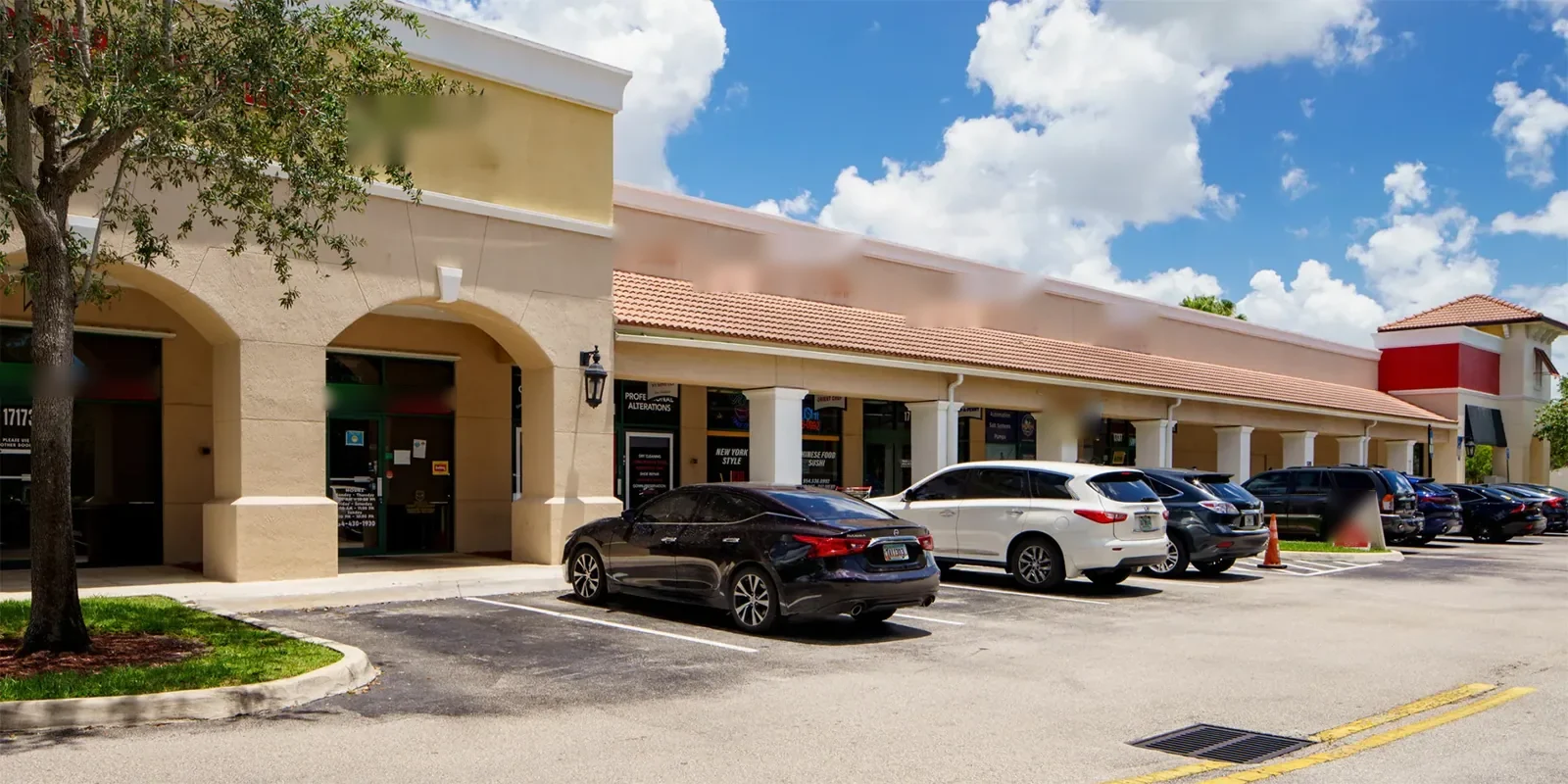
Idaho Falls serves as a regional center for retail, business, restaurants, travel, and entertainment. Ammon is also a regional shopping destination, with commercial growth areas serving varied uses. The Hitt Road and 25th South corridor serves Ammon and supports retail as well as medical, professional, and technology uses. Those broad market patterns give context to deliveries and customer access, but the building's layout and roof assembly govern the repair plan.

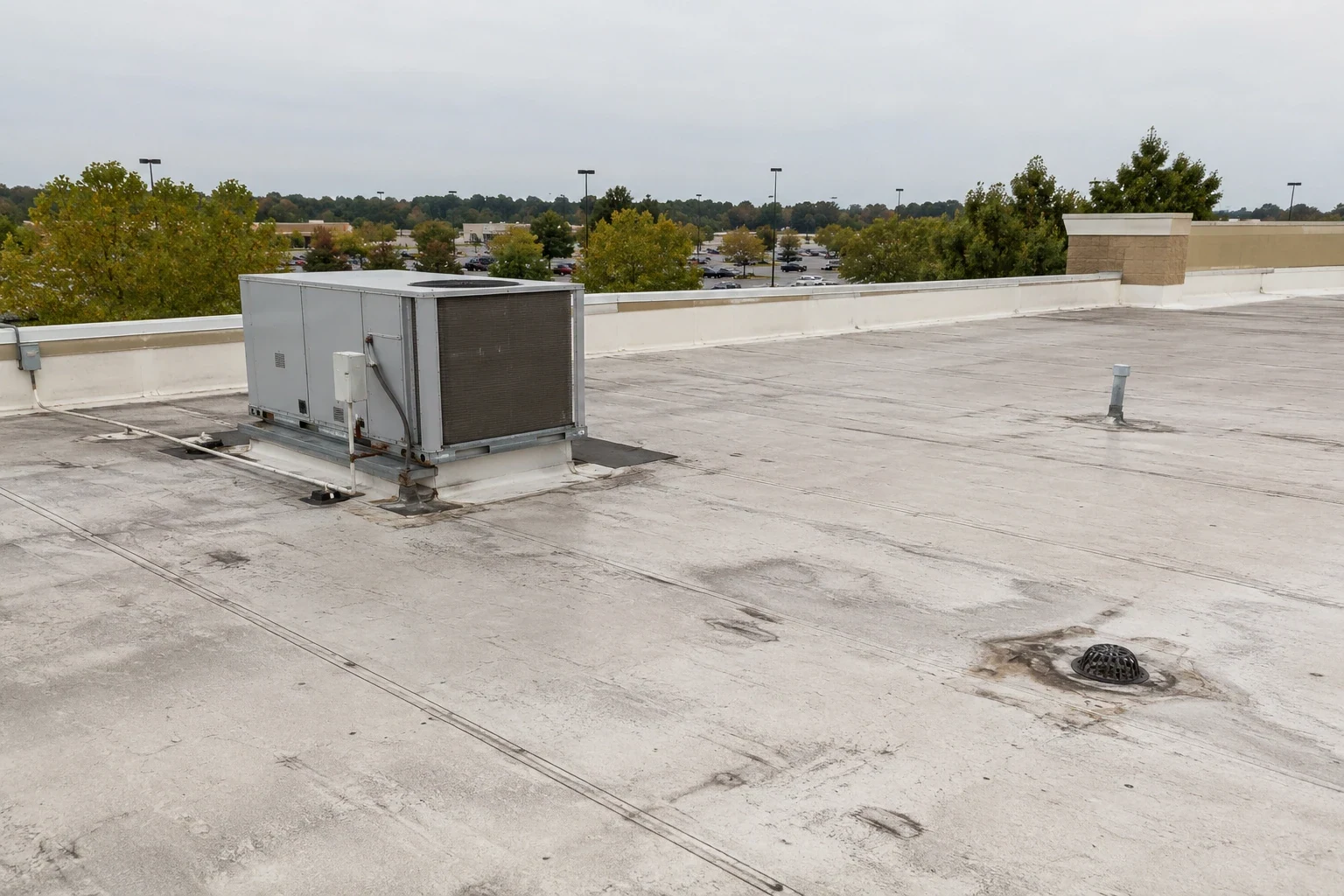
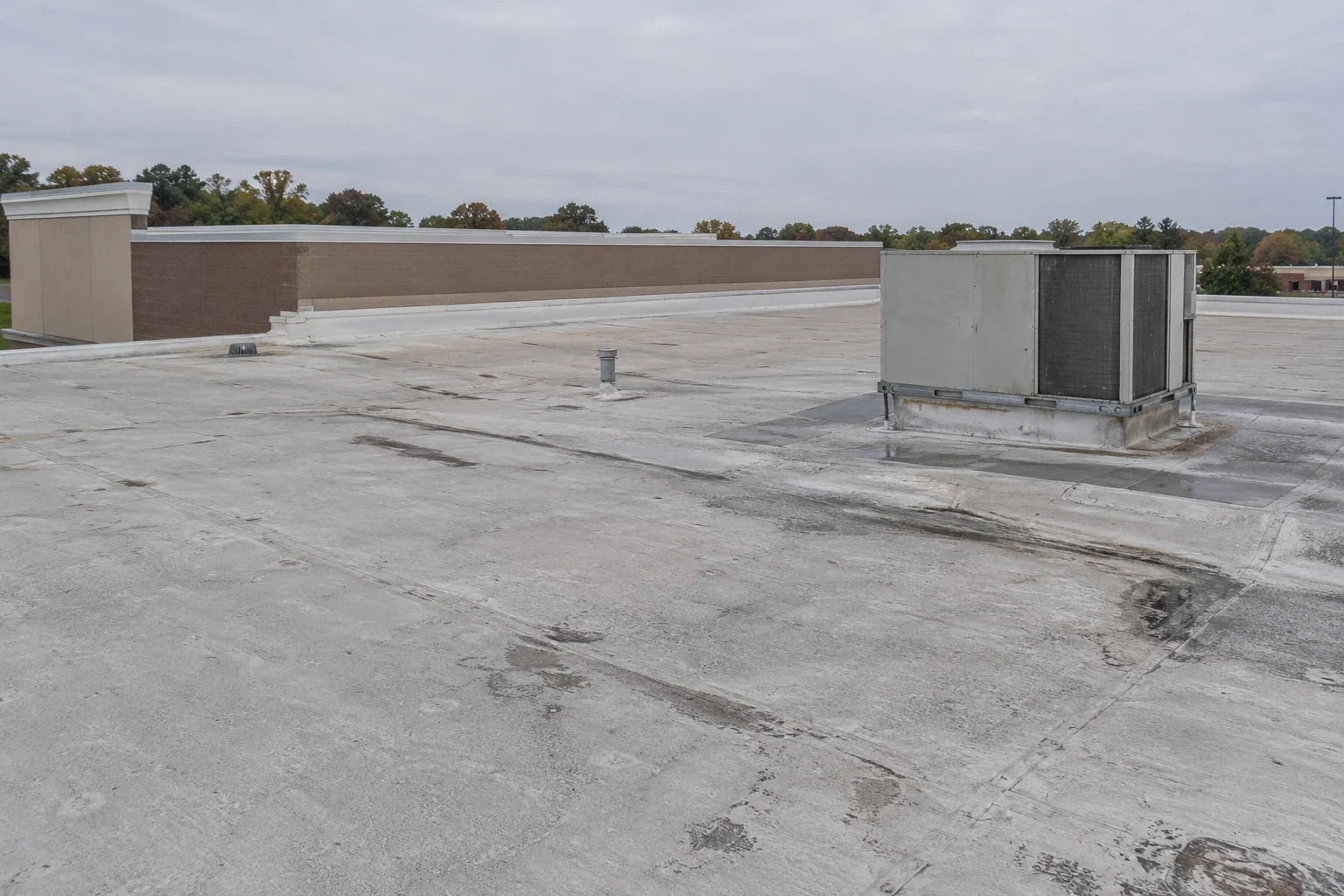
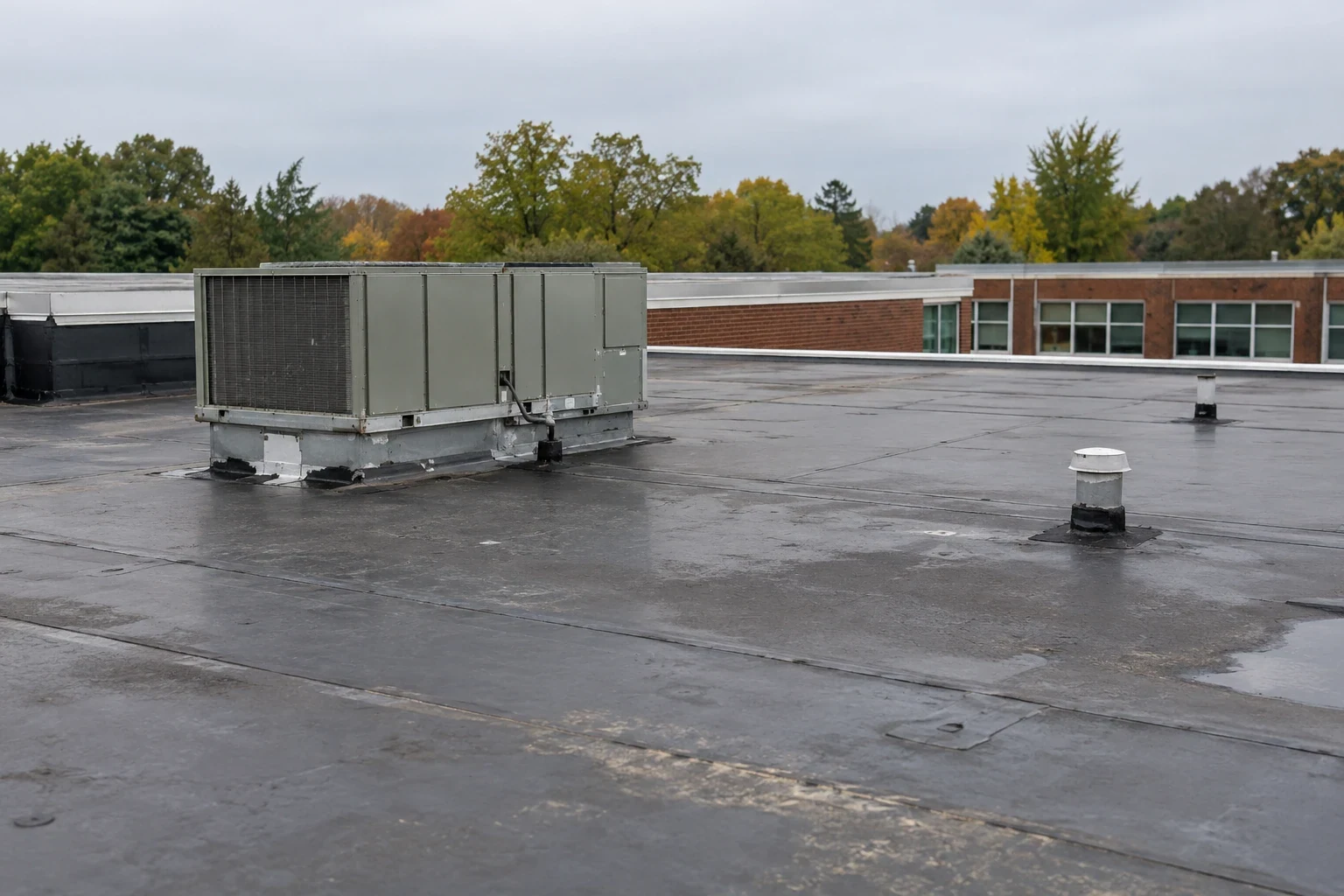
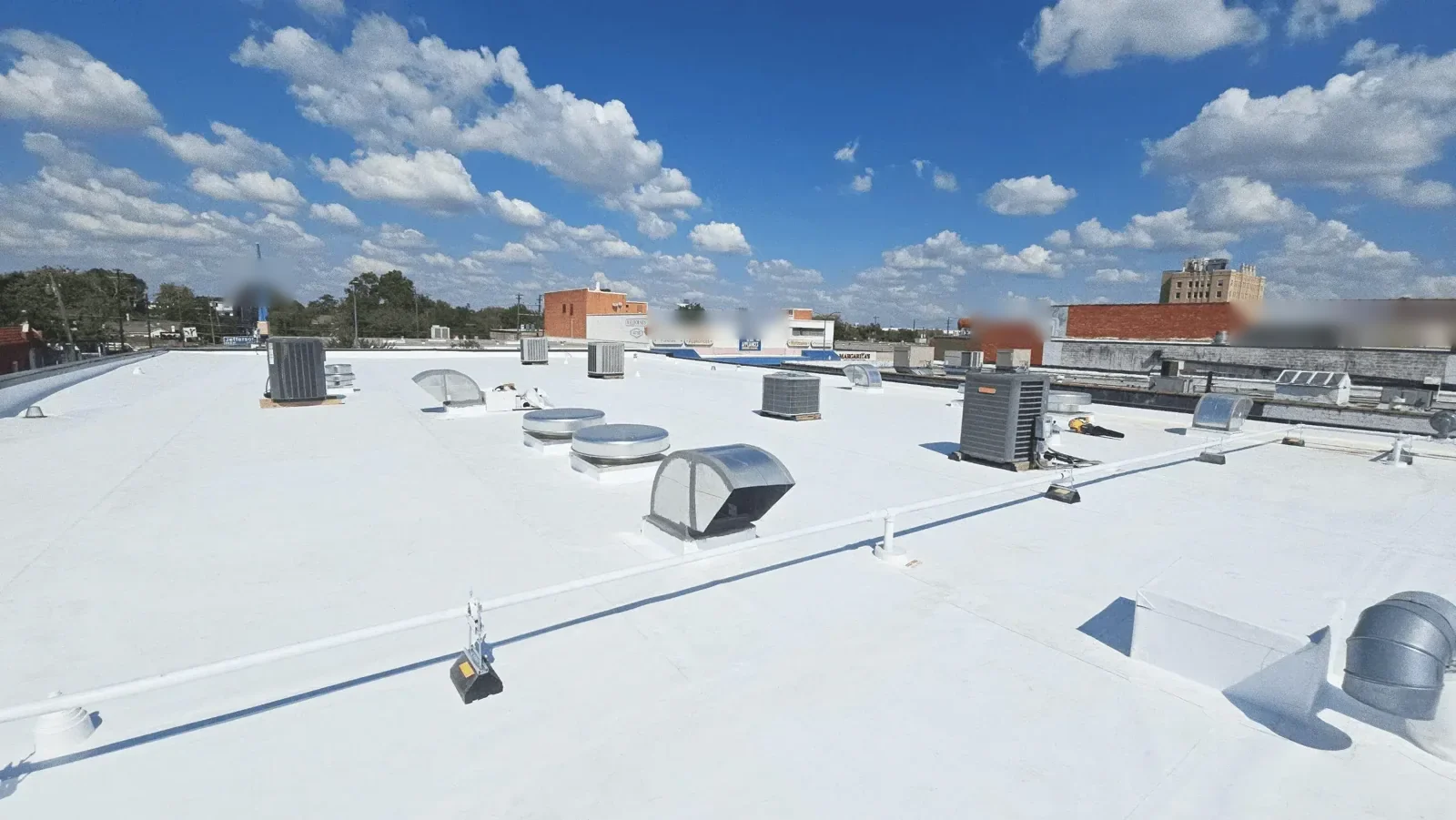
A big-box building may have a broad field with a smaller number of complex penetrations, or many curbs, skylights, and service routes that break up the roof area. We map each zone, connect interior reports to likely entry paths, and record drainage and attachment conditions. That record supports a repair or renewal comparison.
Big-Box Retail Roofing in Idaho Falls, ID

Break the Roof Into Useful Zones

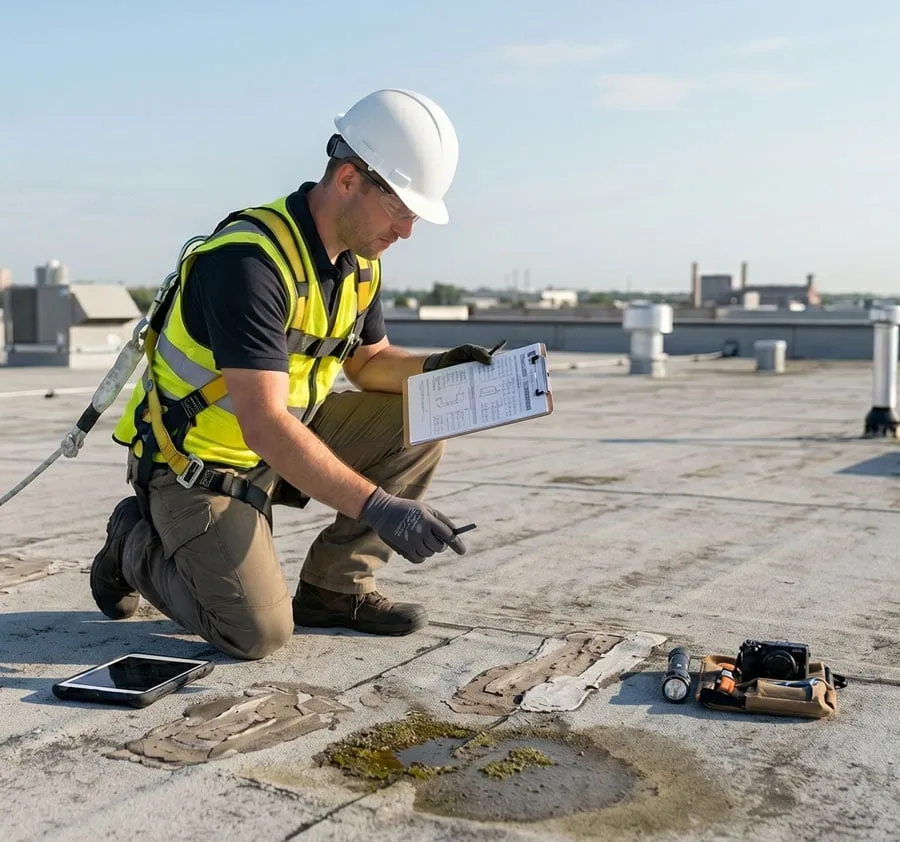
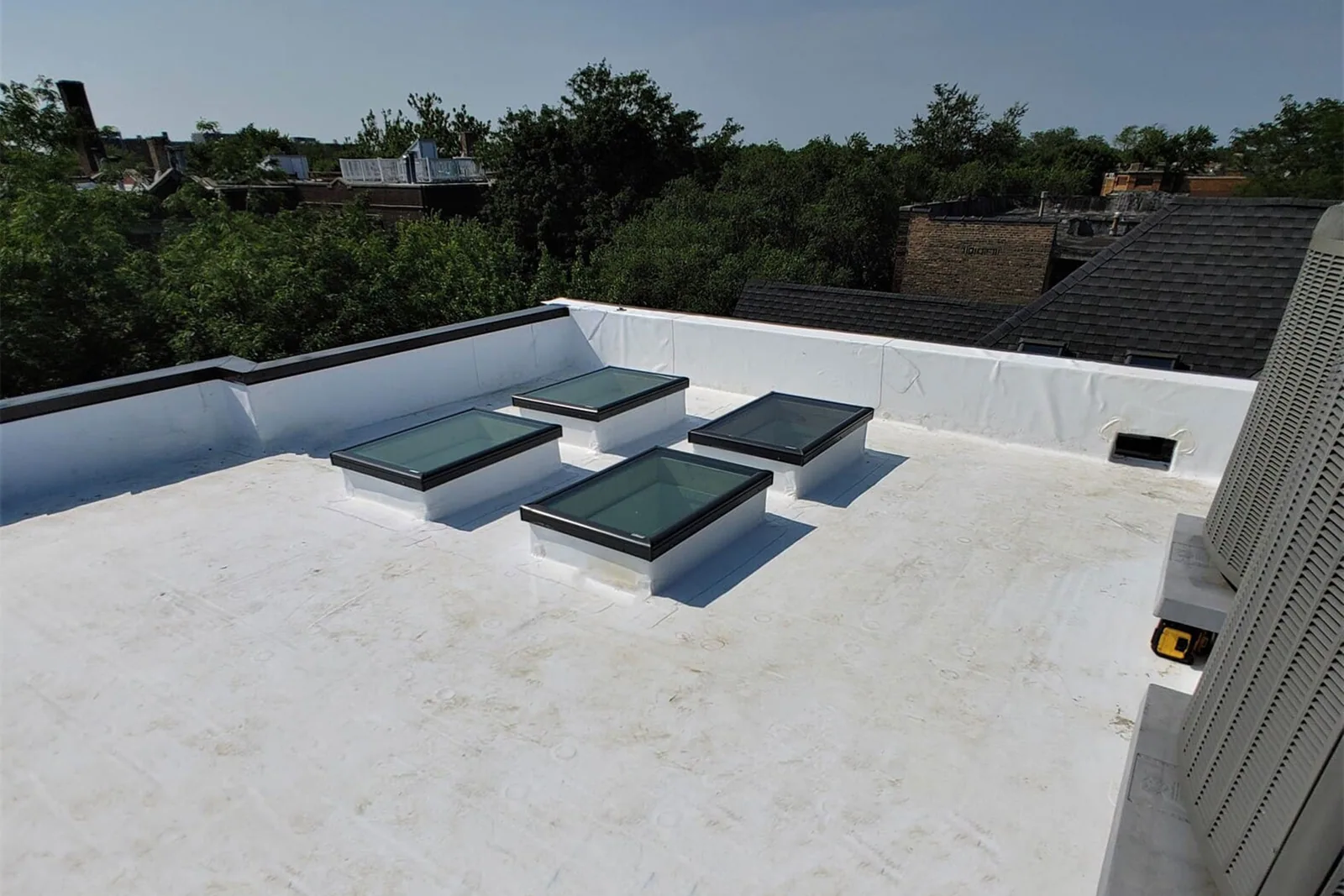
We identify membrane type, attachment, seams, perimeter details, and past repairs before setting a boundary. Large fields may hide low areas where water remains, while curbs and roof openings create additional flashing work. We inspect drains, scuppers, parapets, skylights, and support details, then relate them to slope and interior signs. A leak at one end of a retail floor may not come from the nearest roof opening.

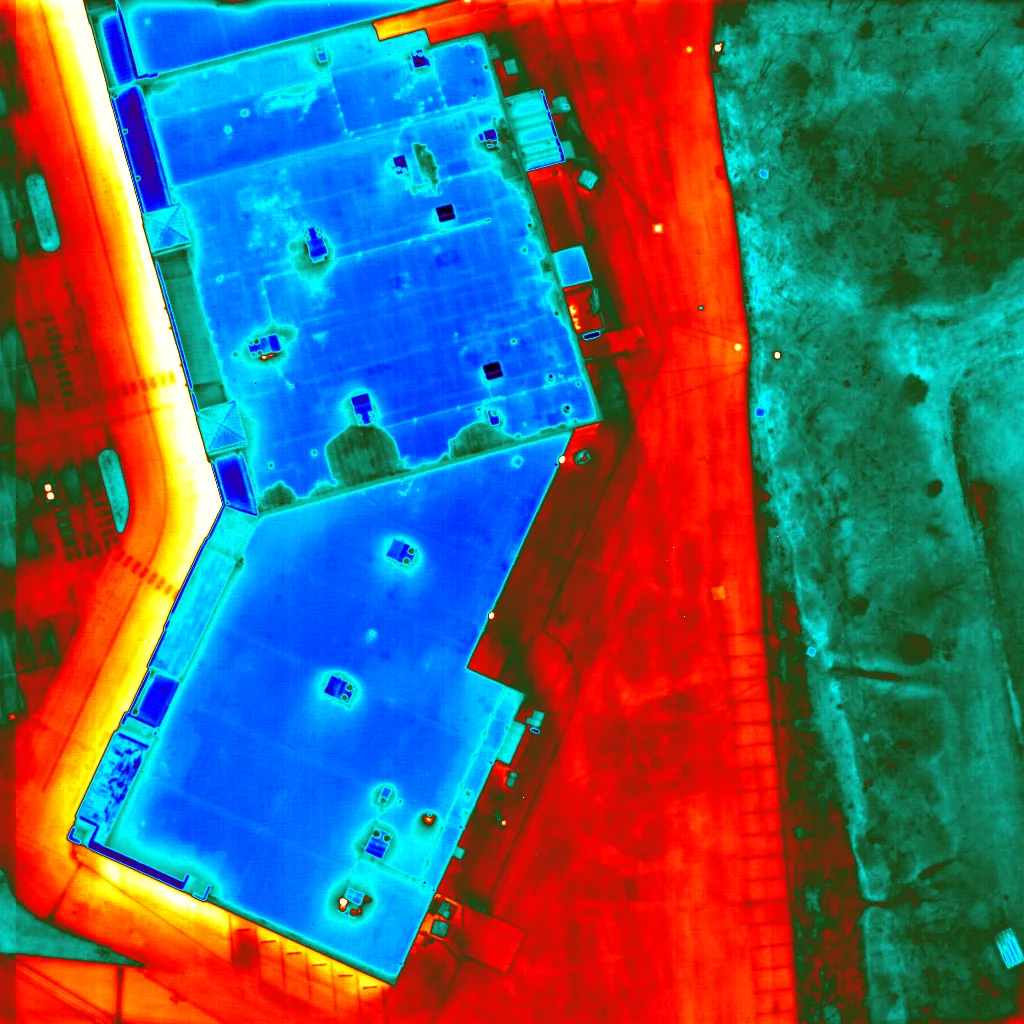
Moisture testing can identify whether insulation is affected beyond the visible break. We mark test locations and inaccessible areas, then describe what is known and what needs confirmation. A commercial roof inspection can document assembly and visible defects; an infrared survey may help map suspect areas when conditions are suitable. The repair boundary should reflect the test results, not a guess based on the size of the building.

Drainage findings are recorded by outlet and surrounding roof area. A clogged drain, failed connection, or settled section can require different work from a seam repair. We identify the source of water retention and show whether a drain correction belongs in the same scope as membrane work. That lets ownership address the water path rather than cover a symptom.

Keep Receiving and Customer Routes Clear

Retail managers can identify receiving hours, trailer routes, customer entrances, accessible parking paths, air intakes, and tenant or vendor activity before roof work starts. We choose material staging and lift locations with those operations in mind. A phase may need a temporary area closure or protected walkway, and those limits should be communicated before crews arrive. Our occupied-building reroofing plan states the work zones and contact for changes.

Hitt Road and 25th South connect Ammon and its surrounding commercial areas. We confirm the receiving schedule, customer routes, and lift position with the store contact before staging equipment. For properties along Hitt Road and 25th South, roof deliveries still need a site-level staging review. The sequence accounts for daily operations, not a generic retail schedule.

Each phase has a maximum tear-off footprint and a specified dry-in point. At shift close, the crew seals the perimeter and records conditions that must be met before work resumes. If a storm or concealed deck issue changes the sequence, the property contact receives the needed decision before the next area is opened.

Fit Installation to Local Conditions

Idaho Falls averages an annual mean temperature of 44.2 degrees and receives 10.07 inches of precipitation in a typical year. Freeze-thaw periods and warm-season heat can affect material handling; check substrate moisture and product limits before choosing the system and work window. We set the daily exposure around the manufacturer's requirements and the current conditions.

Summer heat can affect material handling and crew exposure, while freeze-thaw periods can stress seams and drainage details. We inspect the actual assembly and plan the daily closure so a broad field is not left exposed. If winter ice restricts access or blocks a drain, we record whether the problem is seasonal or tied to a damaged outlet or flashing detail. We separate surface wear from assembly failure.

Weather is one schedule input. Permit review, material delivery, staging restrictions, and concealed deck conditions can also change timing. We list those dependencies and owner decisions in the scope, then define a safe stop point if the planned work cannot be closed.

Select a Scope That Fits the Findings

A defined seam or flashing defect may be repaired when the surrounding material remains sound. Widespread wet insulation, repeated failures, poor attachment, or deck deterioration can support a larger project. A recover is considered only after checking moisture, stability, layer limits, and project requirements. We identify the observations behind each option and what additional testing could change the recommendation.

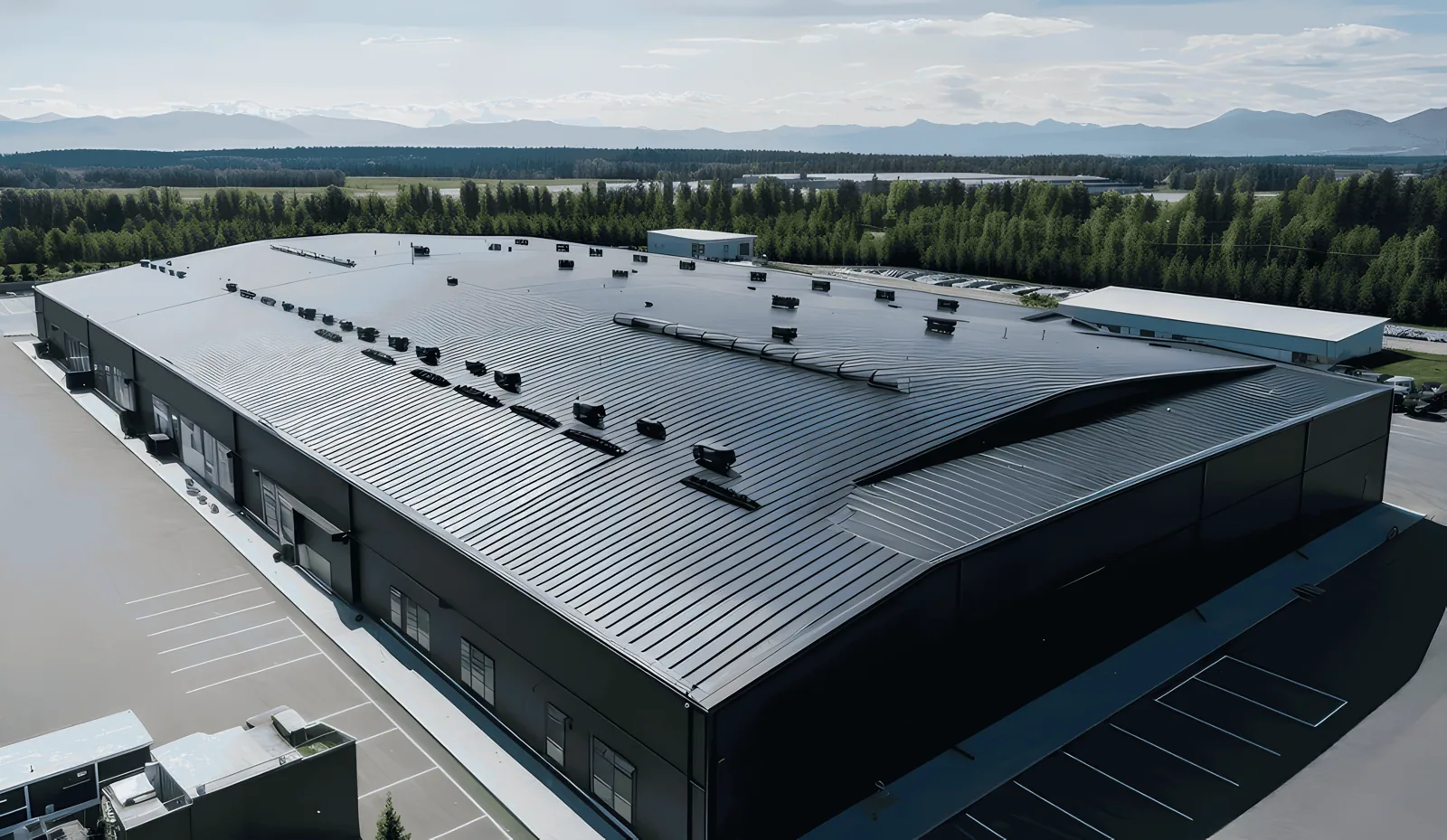
The project team confirms which adopted Idaho Falls building-code provisions apply to the specific building and scope. A standing seam metal system or low-slope membrane should match the structure, drainage, attachment, and use conditions. We identify the installed membrane or metal, attachment, insulation, and drainage before proposing a repair.

A large retail floor may have multiple roof sections from additions or equipment changes. We keep findings separate by zone and note connections at parapets, expansion joints, and curbs. Compare shopping center roof planning when a property has multiple tenant fronts, and grocery roof coordination for stores with refrigeration equipment. Those links reflect different operating details; this building's inspection still sets the scope.

Show Access and Repair Drivers

Costs change with removal depth, insulation, deck repairs, perimeter metal, drainage corrections, equipment curbs, roof height, lift access, and disposal routes. A wide field can reduce some repeated details, but receiving activity and staging limits may add coordination. We list known work separately from allowances for concealed conditions, with the approval point for any added repair.

Schedule depends on the amount of roof that can be closed each day, material availability, permit timing, and customer or receiving operations. We document those limits and state how a temporary water-control measure differs from permanent repair. A maintenance program can revisit drains, seams, and exposed flashing after work. A roof condition report preserves photos and zone-level findings for capital planning.

Ammon includes retail and professional growth areas, but each roof plan follows its property. We provide a written scope that names the assembly, repair limits, access assumptions, and unresolved questions so ownership can compare options without losing sight of operations.

Questions About Big-Box Retail Roofing

We map truck routes, delivery times, lift locations, debris handling, and the roof section that can be closed each shift. The property contact identifies any lane or dock that must stay open. The sequence can then stage materials away from active receiving where access permits.

No. The decision follows moisture, attachment, deck, seams, drainage, and the pattern of prior repairs. A limited defect with sound surrounding layers may be repaired, while widespread deterioration can support renewal. We document which conditions drive each option and where testing is incomplete.

It can help map suspect temperature patterns when conditions are suitable, but the findings need interpretation and confirmation. We record test limits and use targeted checks to establish the repair boundary. The report separates measured evidence from areas that could not be confirmed.

We coordinate interior protection, air intakes, customer routes, and temporary closures with the site contact. If water is active, we identify what immediate protection covers and which roof detail still needs permanent correction. That keeps an interim measure distinct from completed work.

Proposals may differ in tear-off depth, wet insulation, drain work, curbs, access, and treatment of concealed conditions. We label roof zones, state what is included, and show allowances and alternates. That gives ownership a clearer comparison than a single roof-wide figure.

ServicesRoof SystemsIndustriesProperty TypesService AreasDamage RepairCapabilitiesManufacturersContactAboutRequest a Roof Assessment555-555-5555
Call us today555-555-5555