Plan Roofing Around Facility Operations
Arrange a commercial roof inspection to document conditions, access requirements, and next steps for your Idaho Falls property or portfolio.
Commercial roofing for Idaho Falls industries starts with roof evidence, operating constraints, access planning, and a scope that fits the facility.

Manage roof repairs, inspections, and planned work across Idaho Falls properties with documented conditions, clear priorities, and a practical budget path.
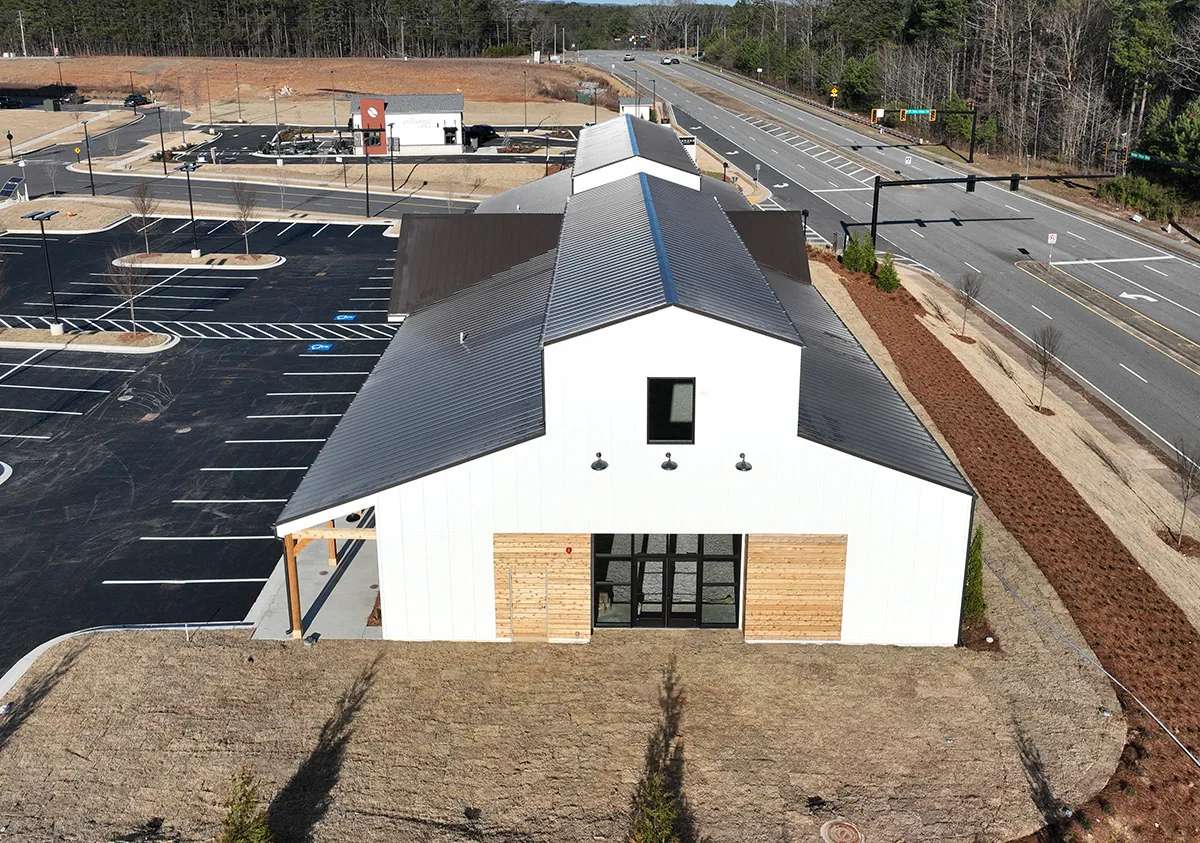
Compare commercial roof condition, repair exposure, and capital timing across Idaho Falls assets with documented findings and building-specific scopes.
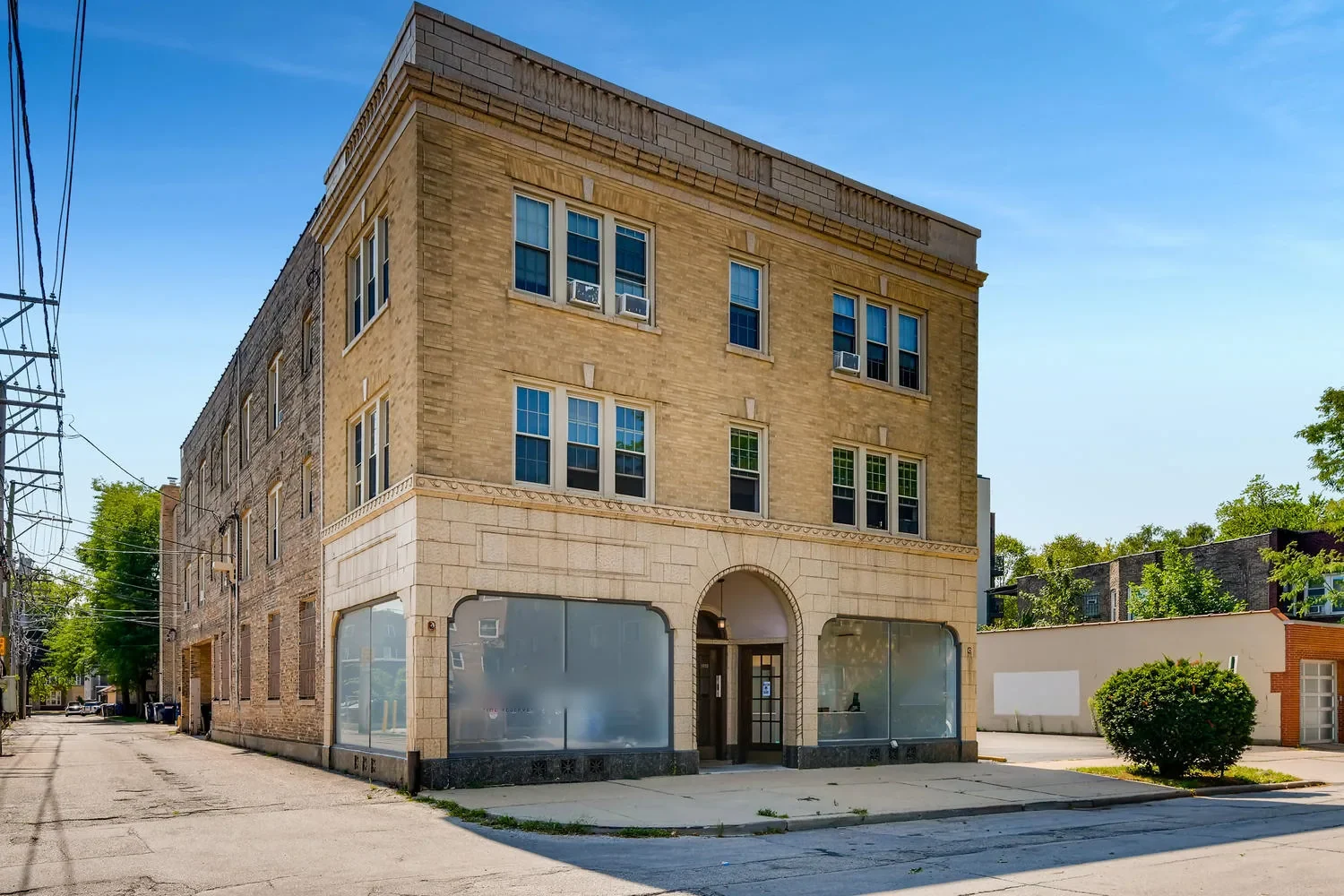
Plan roof inspections and repairs for Idaho Falls healthcare properties with attention to access, interior protection, drainage, and clinical operations.
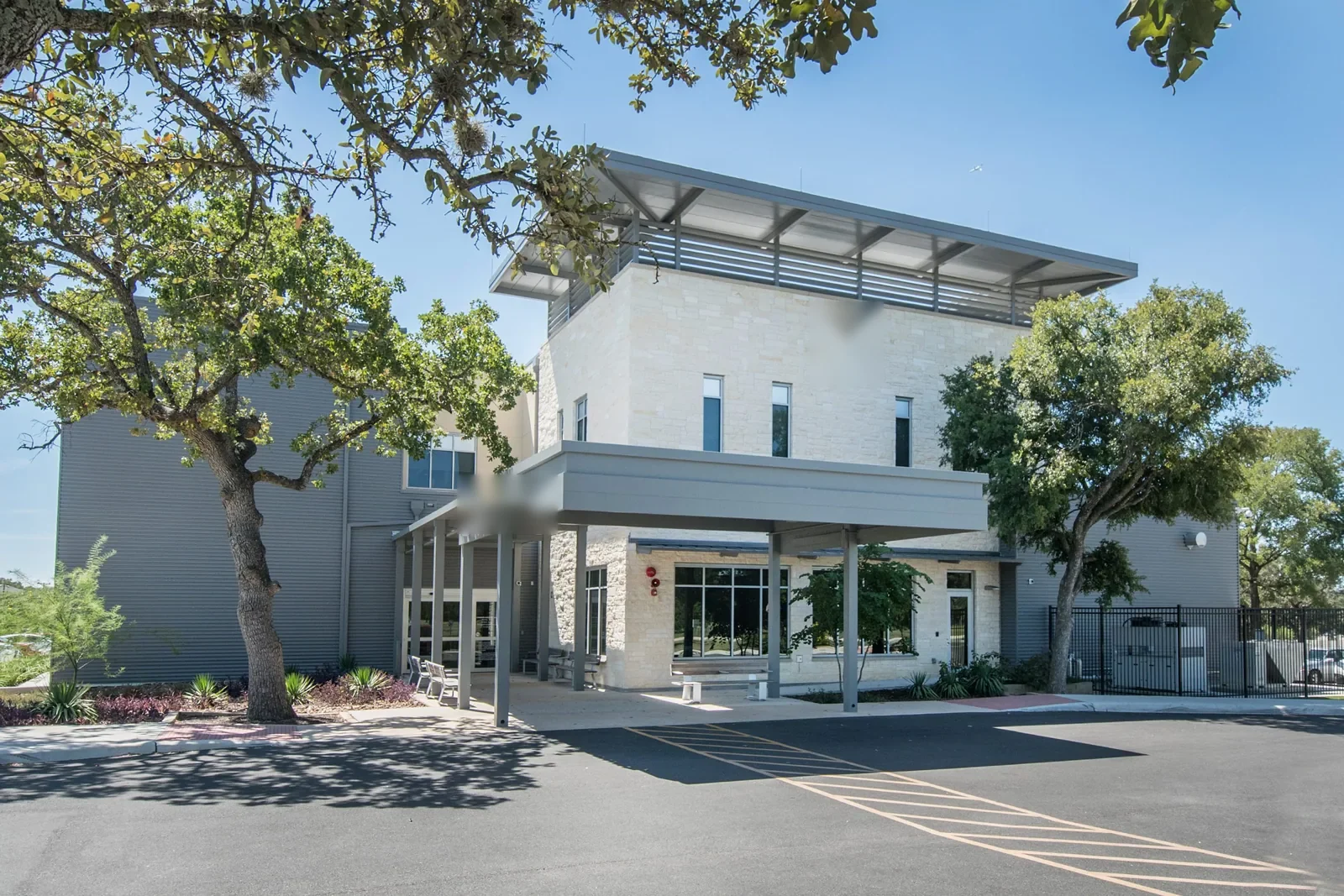
Coordinate Idaho Falls manufacturing roof repair and replacement with production access, equipment protection, winter exposure, and documented scopes.
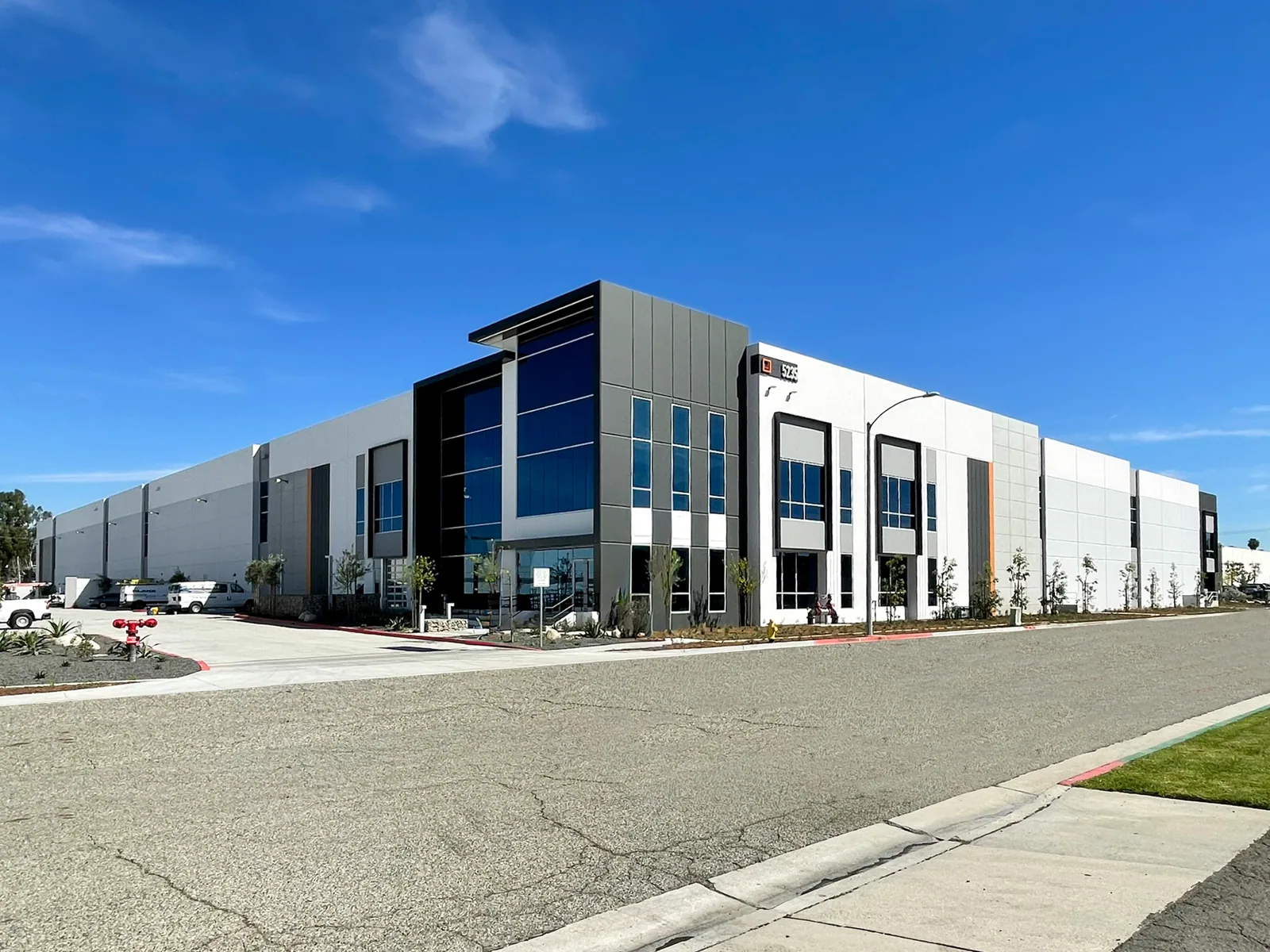
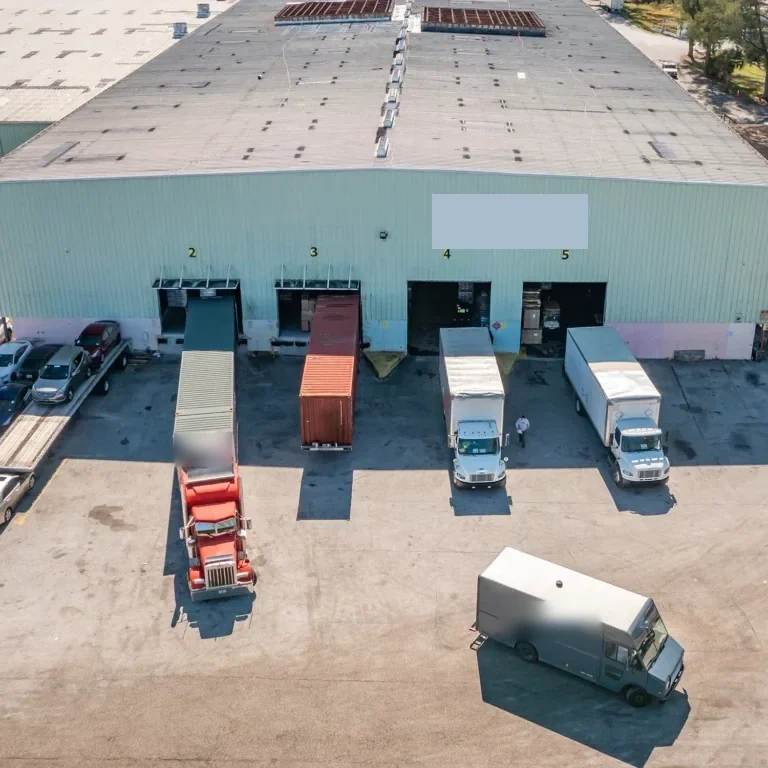
Coordinate Idaho Falls warehouse and distribution roof work around loading, route access, weather windows, and documented water-control scopes.
Plan Idaho Falls school roof inspections and repairs around occupied buildings, campus access, seasonal weather, drainage, and district budgets.
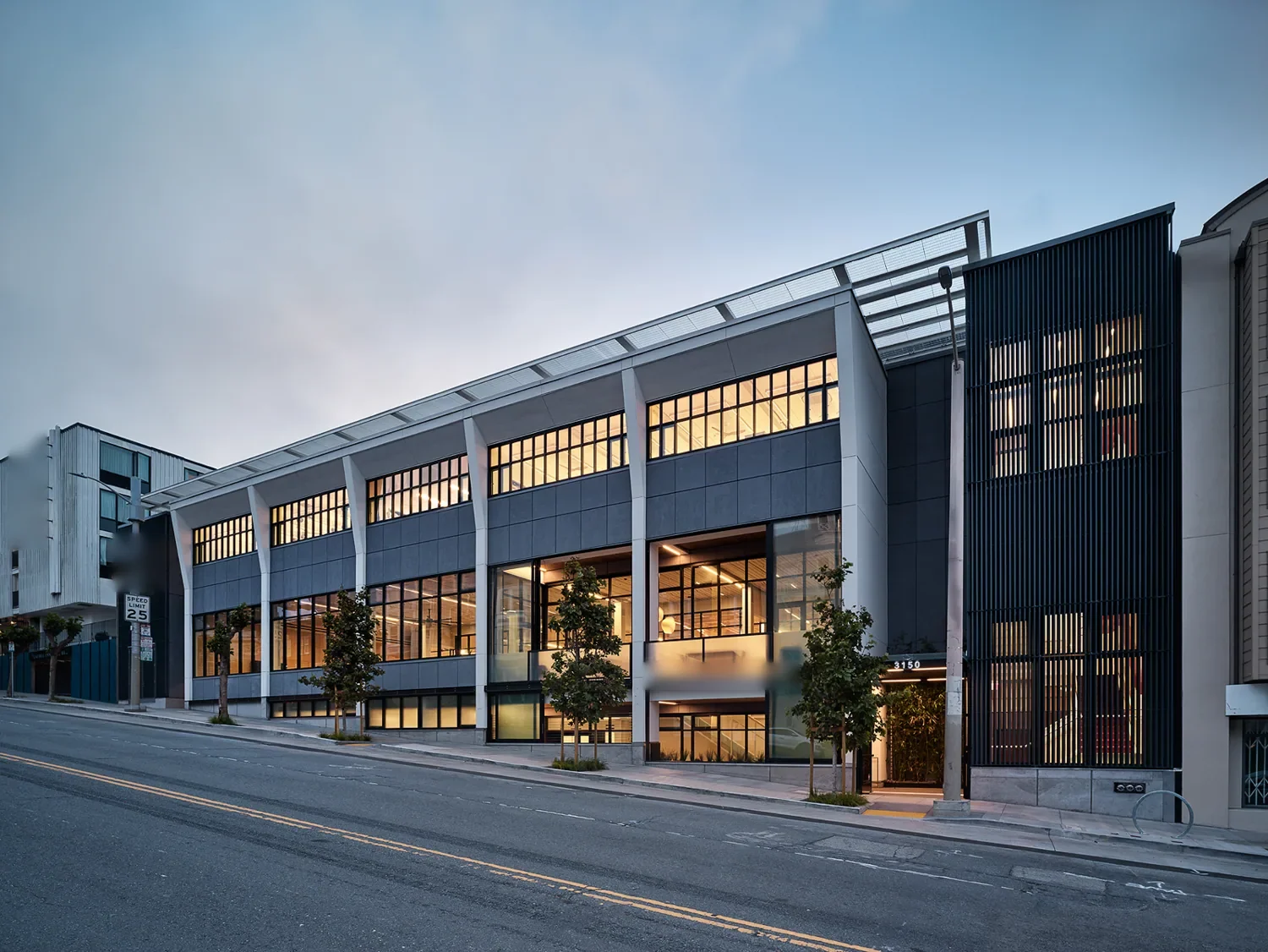
Document Idaho Falls public building roof conditions, access, drainage, and repair priorities with clear scopes for agency review and budget planning.
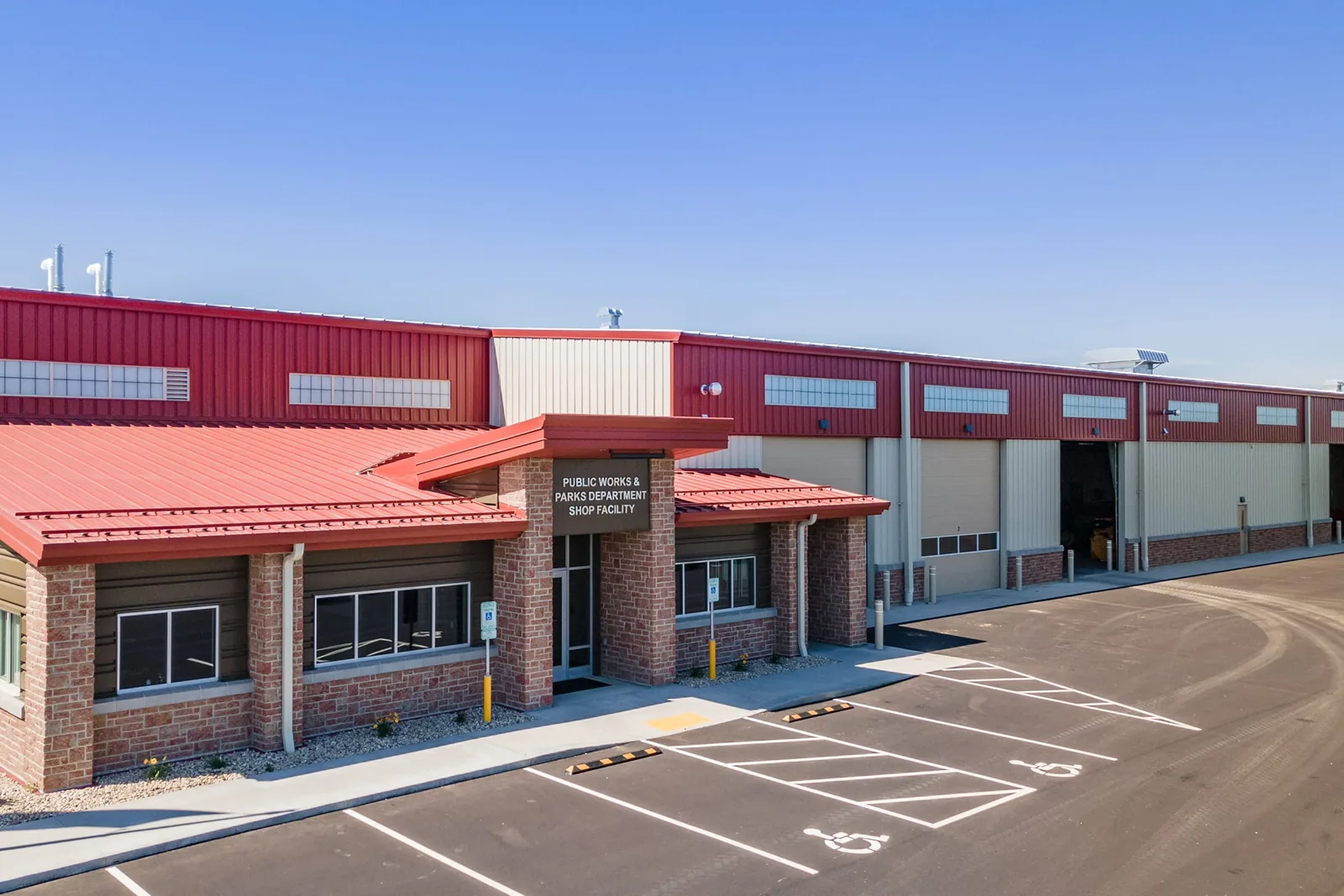
Coordinate Idaho Falls retail and restaurant roof repairs across locations with clear leak response, kitchen exhaust checks, access plans, and budgets.
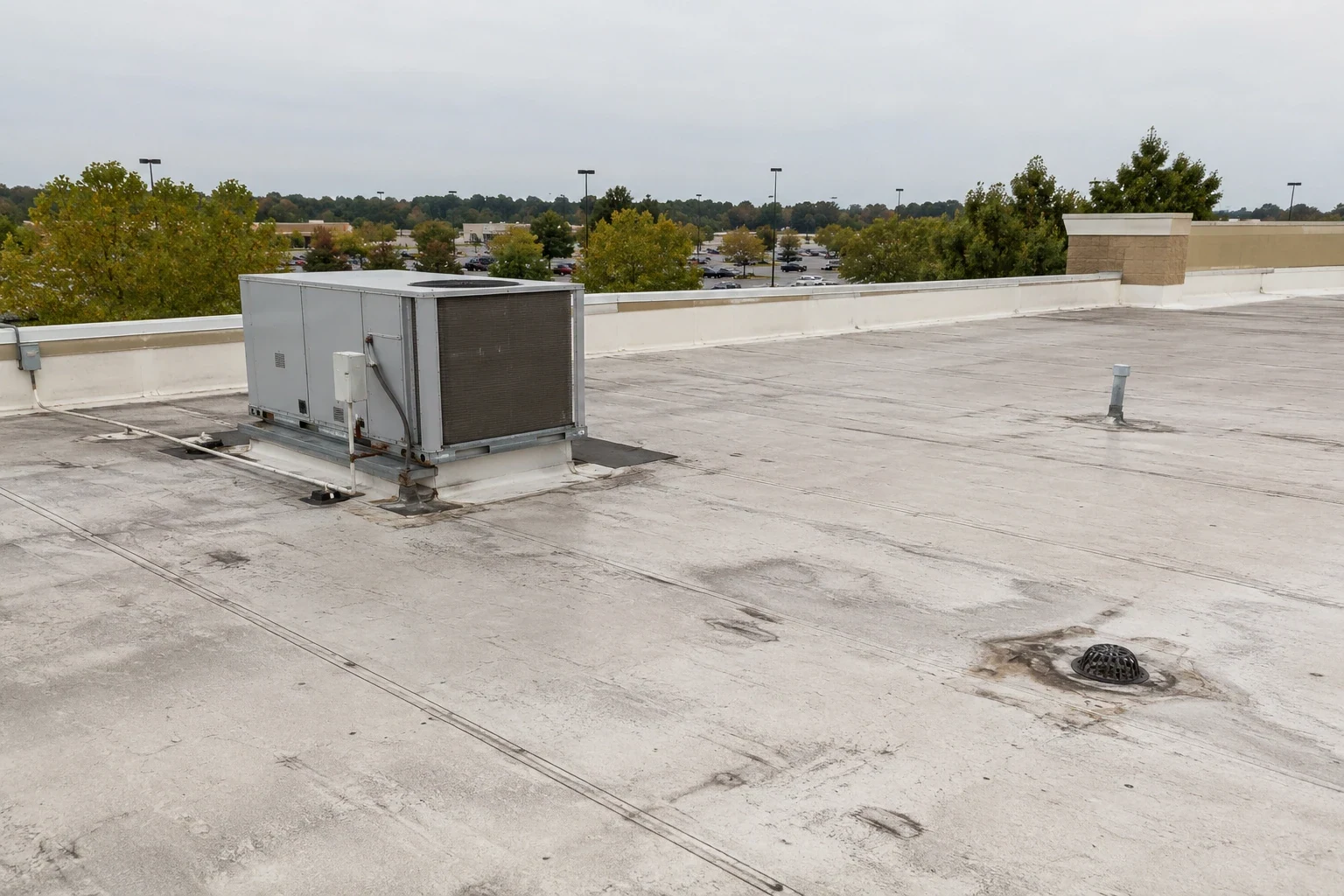
Plan hotel roof inspections, leak response, and capital work across Idaho Falls hospitality properties with clear scopes and operating coordination.
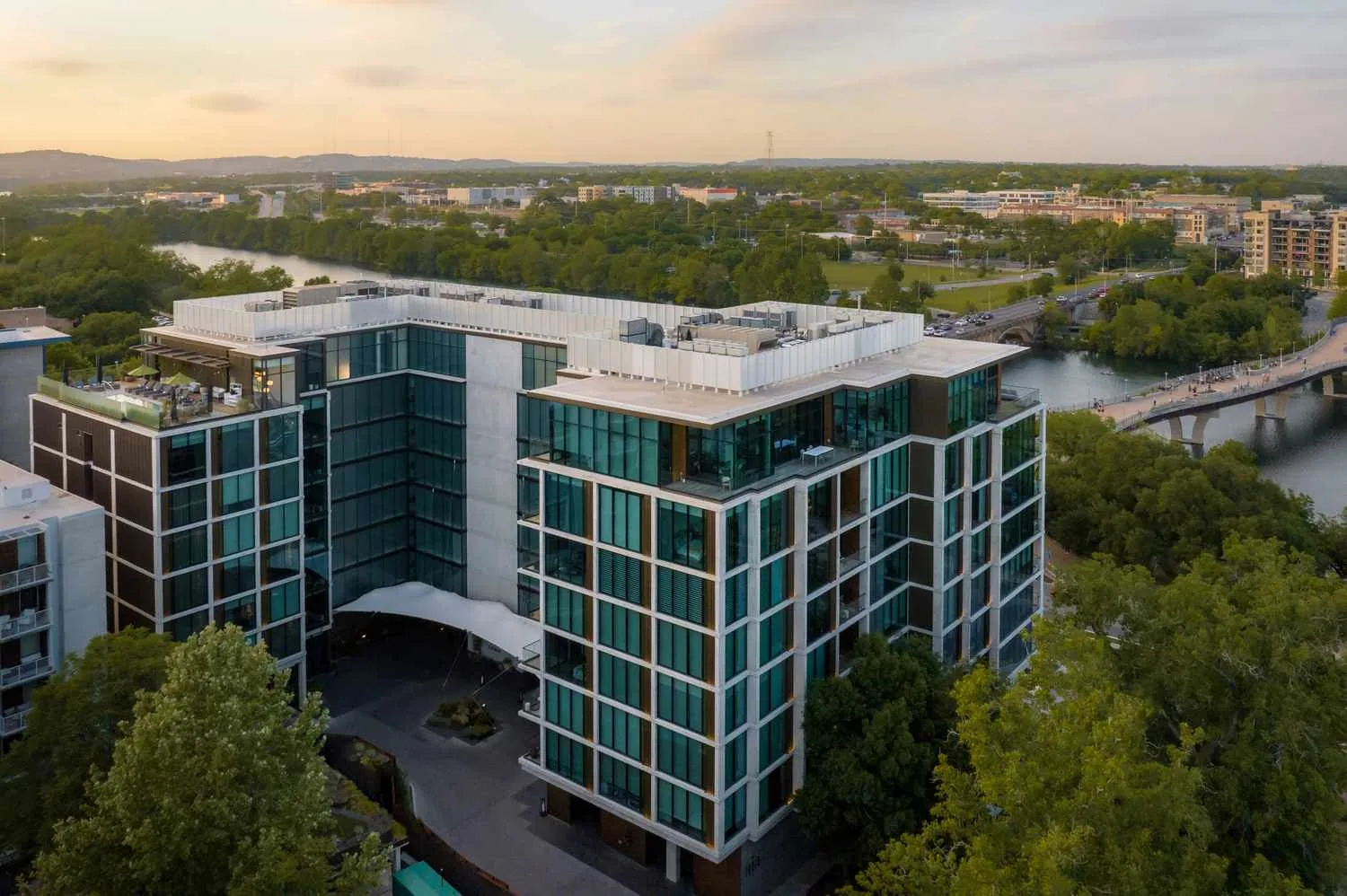
Coordinate commercial roofing scopes, sequencing, penetrations, and closeout with a roofing partner for Idaho Falls general contractors.
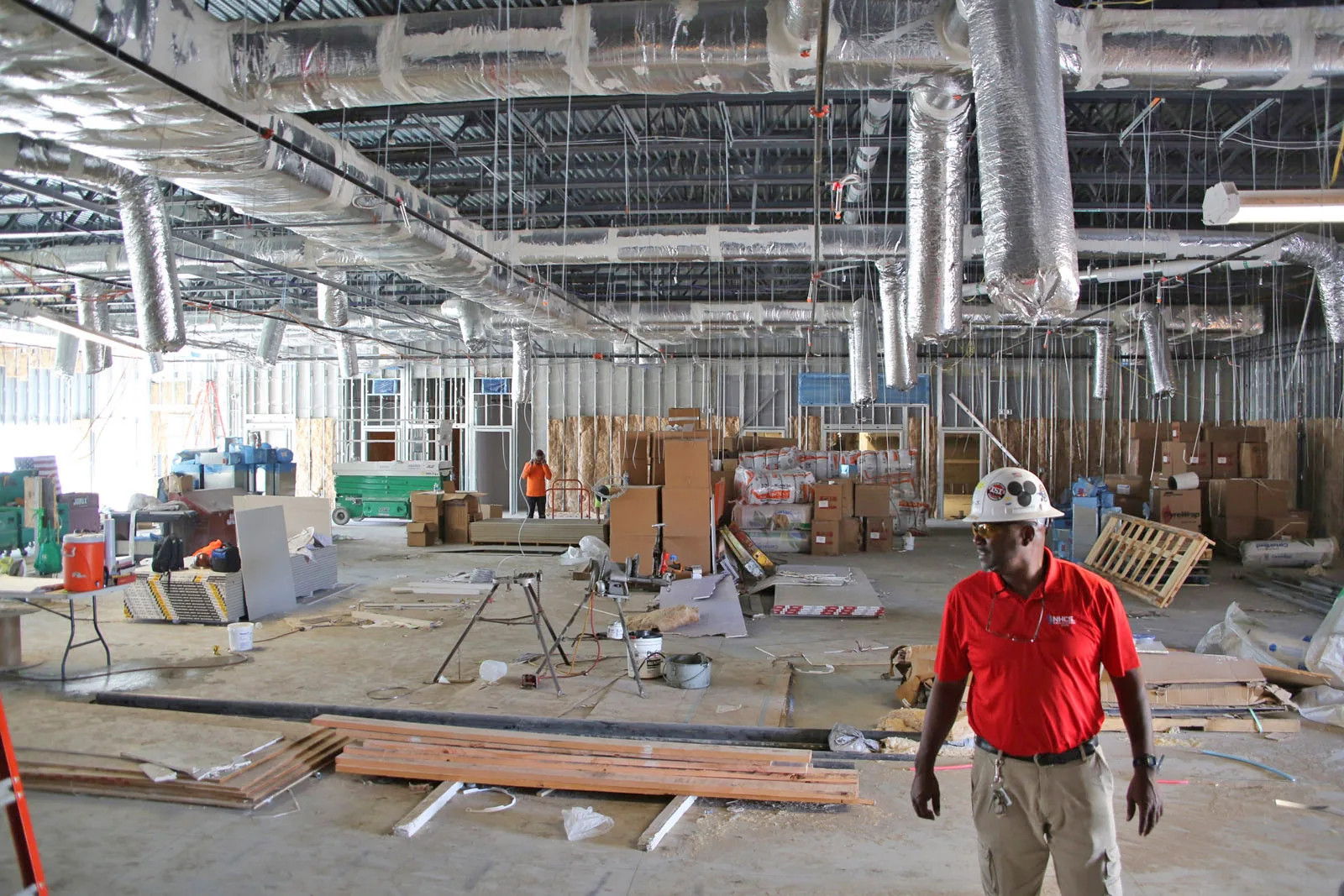
Document Idaho Falls commercial roof conditions, temporary protection, repair scope, and restoration coordination for property teams.
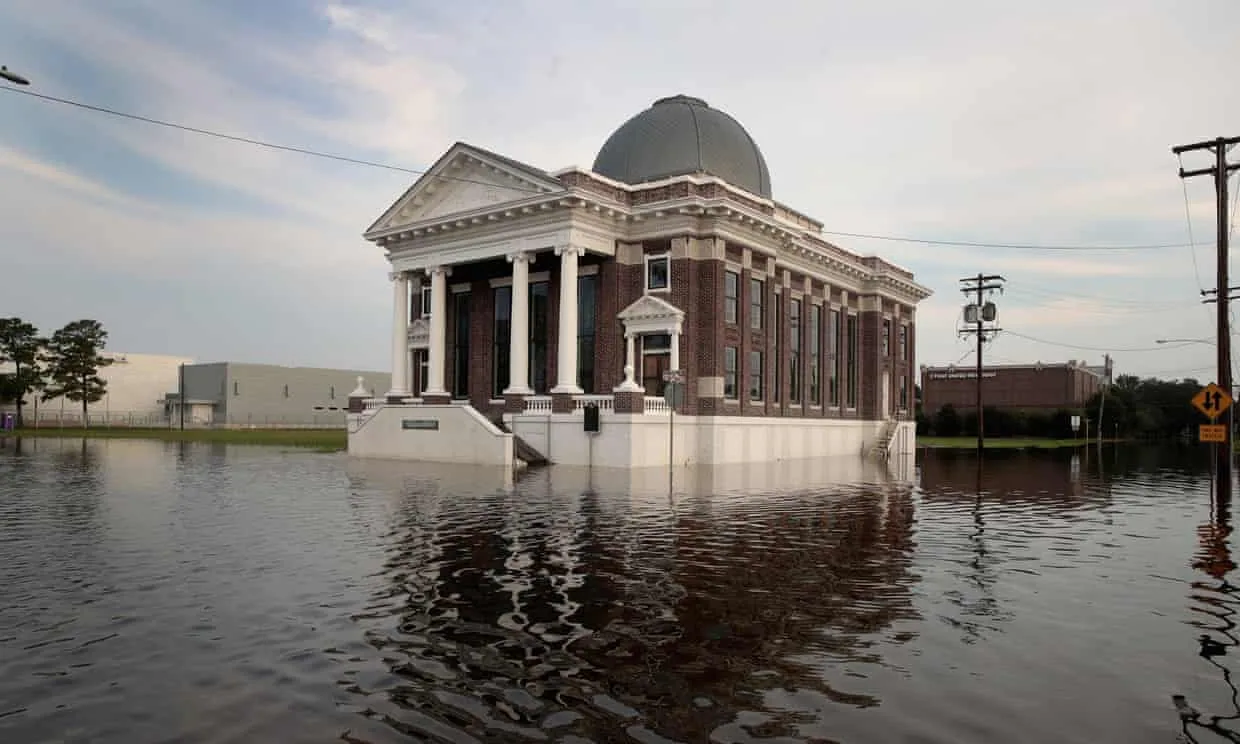
A manufacturer, logistics operator, healthcare provider, school, and restaurant group do not share the same operating schedule. We confirm entrances, rooftop equipment, air intakes, staging, deliveries, and any room or process that needs protection before setting a sequence. For a manufacturing operation, identify the process areas and service lines that roofing work may affect. A logistics or 3PL facility may need a separate delivery and loading plan.
Idaho Falls industrial areas include manufacturing, processing, storage, warehousing, wholesale distribution, and rail-related activity. Industrial and manufacturing areas include many facility types; verify the building’s roof assembly, equipment, and access requirements before estimating work. We document the actual roof and access conditions rather than assuming a use determines system or detail.
Healthcare, education, and public agencies can have controlled access, occupied rooms, equipment, and documentation requirements. College of Eastern Idaho’s campus includes classrooms, labs, healthcare-education, technical, and industry/trades facilities. The property contact identifies current operating constraints; the scope defines the roof zones, protection, and daily closeout.
The local institutional and business mix includes the United Potato Growers of Idaho headquarters and Idaho Department of Health and Welfare District 7. We use those facts as economic context, not as proof of a particular building’s roof or work history. A healthcare-system roof program or public-agency project is based on records and conditions supplied for the properties actually inspected.
Owners with several properties need comparable records without flattening differences between roofs. We label zones, photograph seams and transitions, record access limits, and separate visible defects from conditions that need testing. A property-management portfolio can use consistent observations while keeping each building’s assembly and repair scope distinct.
Downtown and South Downtown form a connected Idaho Falls City Core area. Another commercial setting is the Warehouse District, where building uses change between street-facing and industrial sections. We use those contexts to prepare access questions, then scope the roof after a property walk. A condition report supports planning and future budget review.
An active leak can receive emergency response day or night, through weekends and holidays. We confirm safe entry and record immediate water control apart from the permanent correction. For planned work, the scope can compare repair, recover, and replacement after moisture, attachment, drainage, and substrate are checked.
A roof report should name the work area, materials, access conditions, concealed-condition approval point, and what remains open. This gives facility and finance teams a shared basis for scheduling an urgent repair, coordinating an occupied reroof, or carrying a larger project into capital planning.
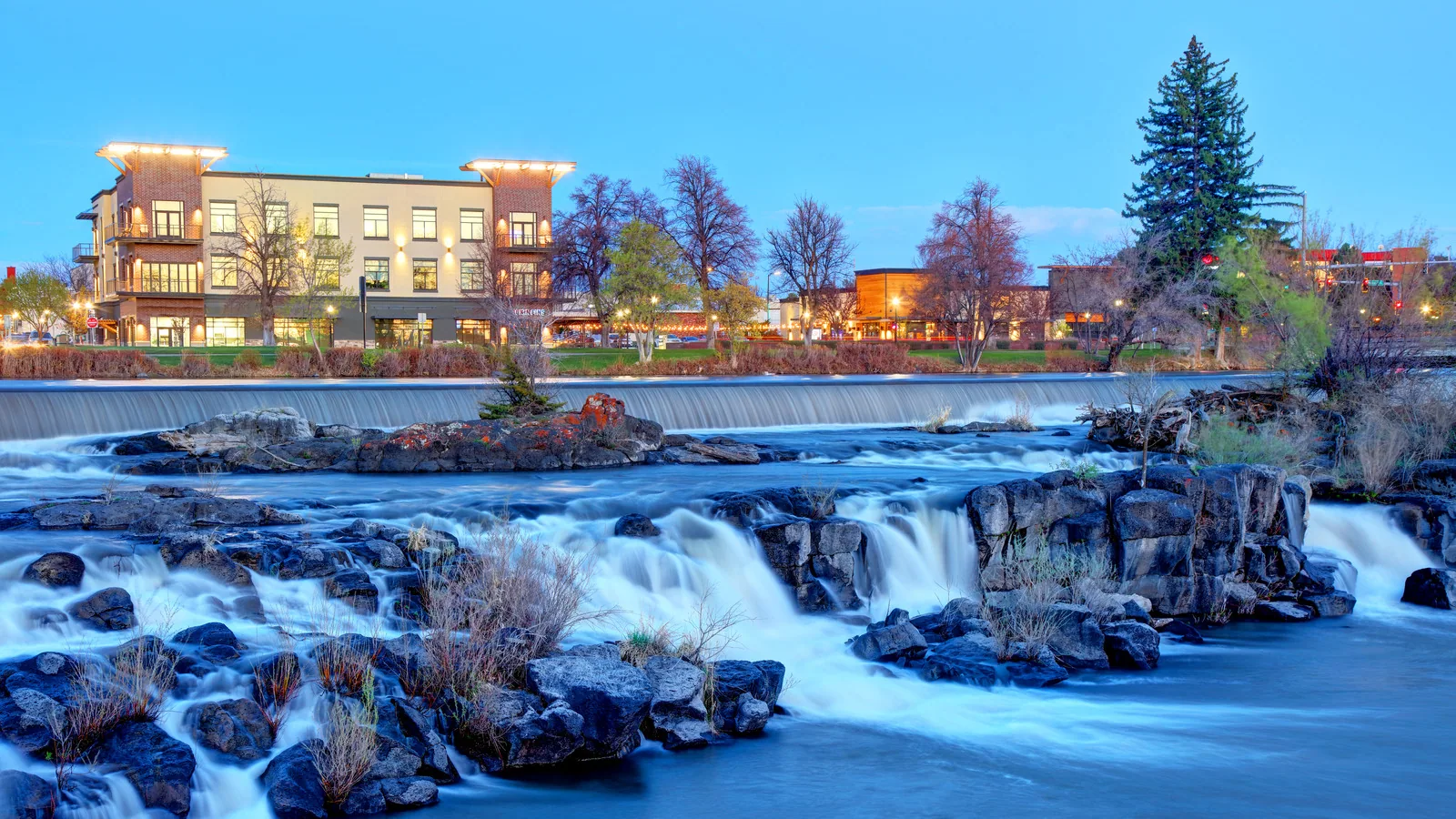
Operations and access requirements can differ, but the building’s assembly and condition determine the roof recommendation. We inspect the installed system, moisture, attachment, drainage, and detail work before comparing repair and replacement options.
We coordinate entrances, deliveries, equipment, air intakes, staging, and the areas that need protection. The work plan defines zones and a daily dry-in limit, then records any dependency on another trade.
Idaho Falls has research, healthcare, manufacturing, storage, distribution, retail, and other economic activity. Those facts inform planning questions, while property-specific inspection establishes the roof conditions and work boundary.
Use consistent zone labels, photographs, and condition categories, then keep each building’s assembly, access limits, and repair proposal separate. That makes portfolio review useful without treating roofs as interchangeable.