Commercial Roofing in Downtown Idaho Falls, ID Serving Idaho Falls & Eastern Idaho

Plan commercial roof repair in Downtown Idaho Falls with detail checks, weather-aware work areas, and a written scope that accounts for building access.

Downtown Idaho Falls in Idaho Falls, ID

Downtown Idaho Falls

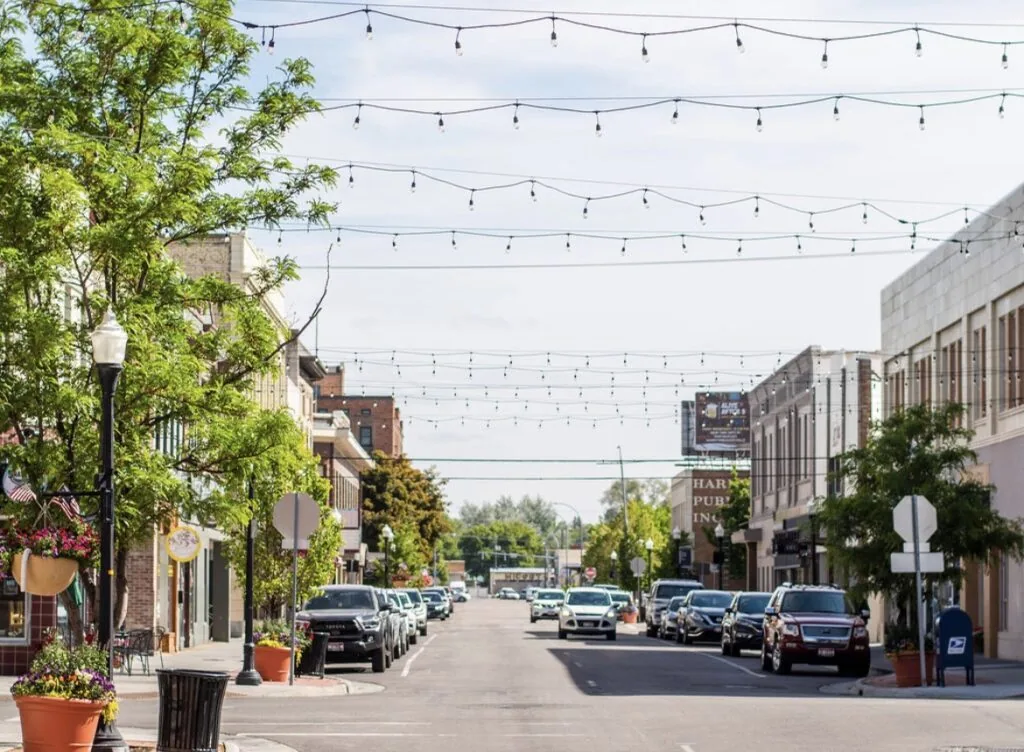
Downtown Idaho Falls, ID puts roof access and water control in the same decision. Downtown and South Downtown form one connected core planning area, with downtown parking studies and design guidelines. For a commercial property in this built core, material deliveries, pedestrian routes, and protected entrances can shape the sequence as much as the membrane repair. We inspect the roof, identify the affected detail, and set a work boundary that fits the building’s access conditions.

Winter freezes and July heat affect roof preparation, membrane handling, and access in Idaho Falls. May averages 1.57 inches of precipitation, so drainage and a secure dry-in boundary deserve attention before spring work. We check drains, scuppers, roof transitions, and the path from the reported interior sign before recommending a repair.

Past city renewal work included downtown intersections and Broadway streetscape improvements. That public-area context makes coordination with nearby activity useful, but a roof inspection still determines system, condition, and access. We document what can be observed and separate confirmed findings from conditions that need testing.
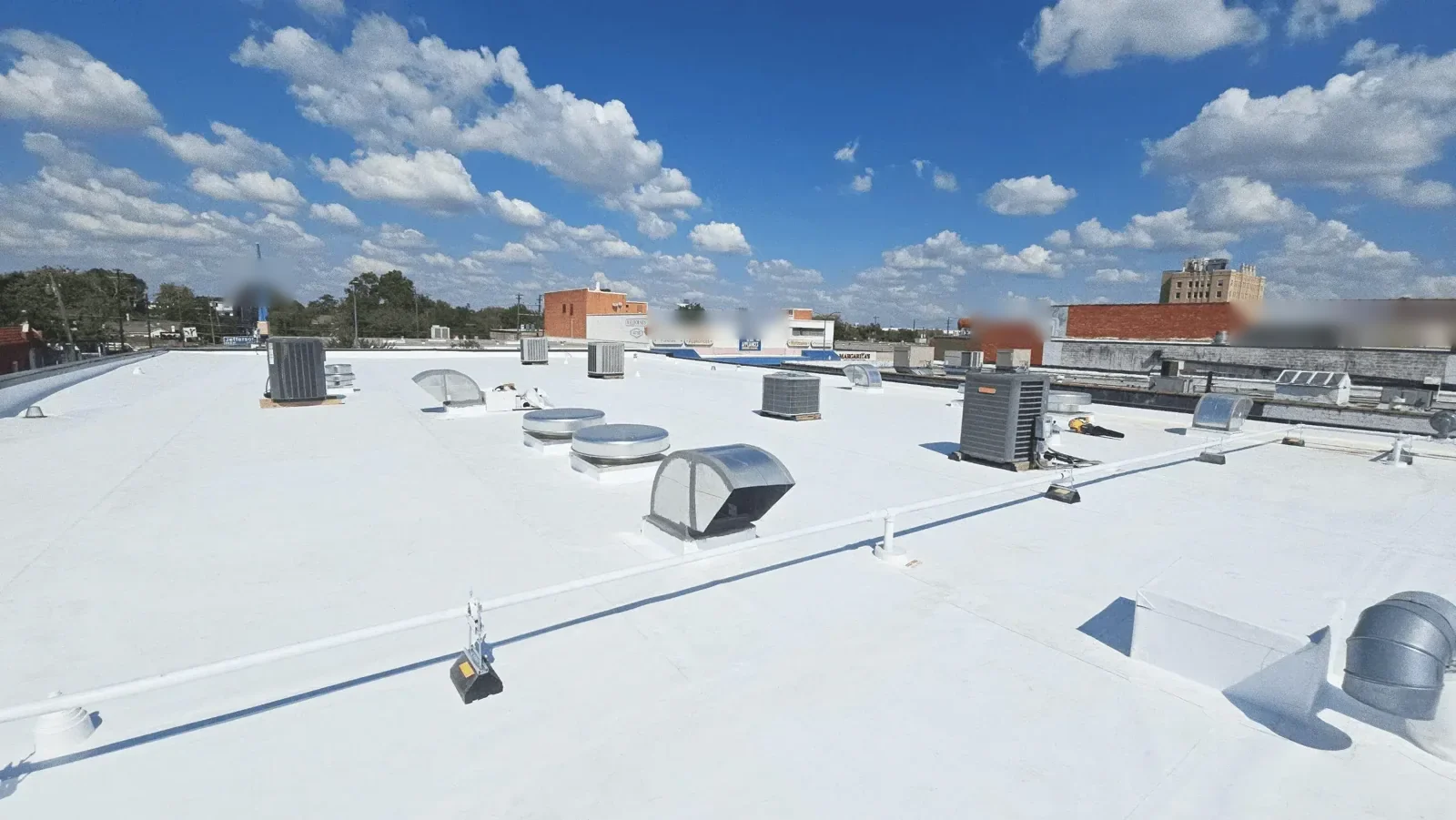
Downtown Idaho Falls in Idaho Falls, ID

Check the Details Above the Interior Sign

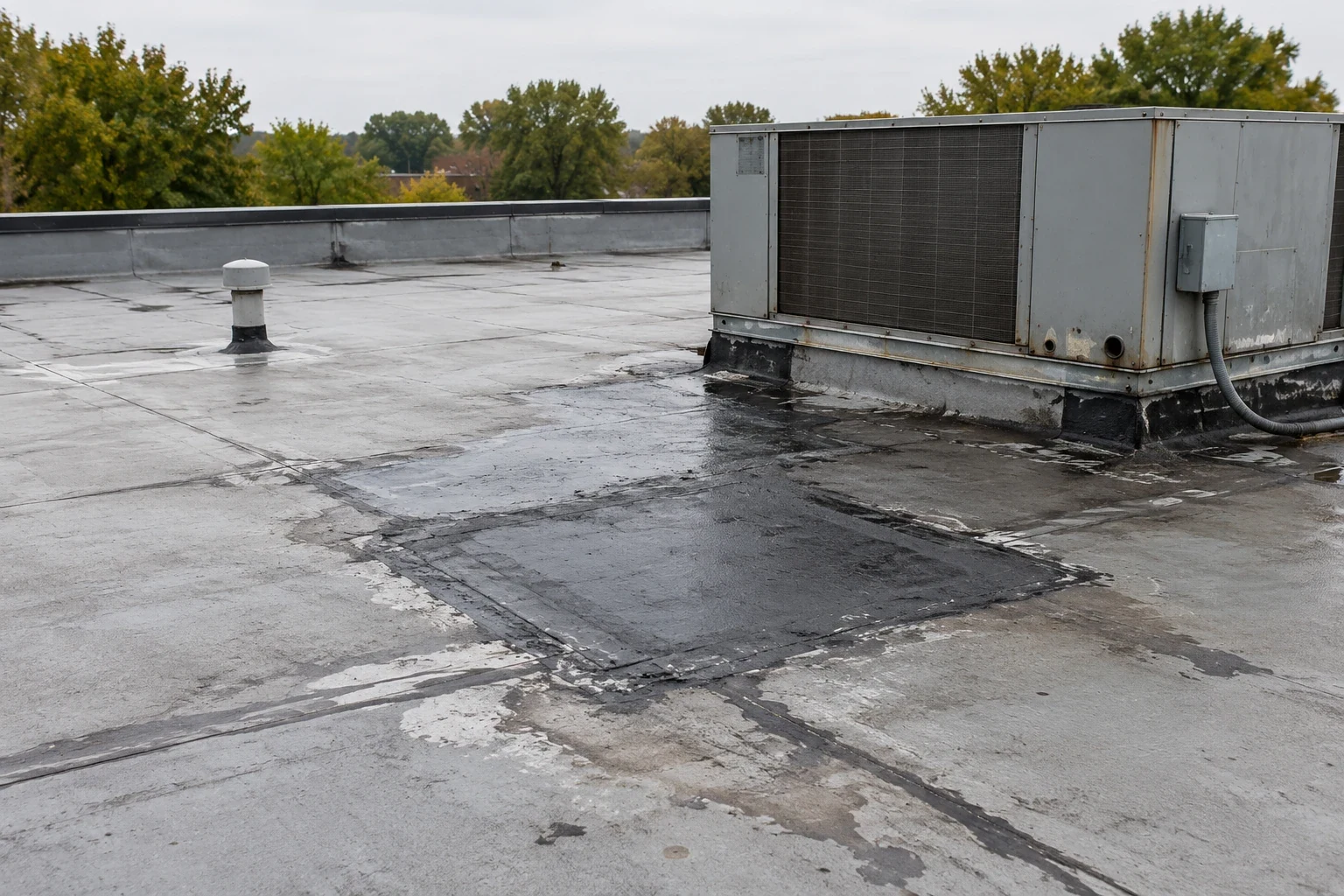
Start with the reported water location, then work outward across the roof. A ceiling mark can sit below a drain, curb, seam, or wall transition, but the entry point may be elsewhere. We inspect the membrane, exposed edges, penetrations, equipment supports, and any past repairs that could affect water flow. If the roof has more than one section, we label those areas separately rather than applying one observation to the full building.

The roof inspection records visible conditions, photographs, access limits, and questions that remain open. We test suspect areas when the assembly calls for it and note when a selective opening would help identify wet insulation or an attachment issue. The property manager receives a finding tied to a place on the roof, not a general condition label that leaves the repair boundary unclear.

Drainage deserves careful review where water can collect near a seam or parapet. We look at outlet condition, the surrounding slope, and nearby flashing. A blocked outlet, a settled area, and a failed drain connection are different problems. Identifying which one is present helps determine whether the scope needs a drain correction along with membrane work.

Protect Work Through the Weather Window

Idaho Falls records minimum temperatures at or below freezing on 182.2 days a year, with 14.7 days reaching zero or lower. Those long-term readings belong to the Idaho Falls area, not to an individual rooftop. They help explain why the work plan needs a clear daily closure point. Cold, moisture, or wind can affect surface preparation and the materials being installed; we use current conditions and the project instructions to determine what can proceed.

May’s average precipitation is higher than other months in Idaho Falls averages. A crew should not leave more roof open than it can protect and close. We divide tear-off into manageable sections, keep a temporary tie-in ready, and identify which completed details need review before the next zone opens. If weather interrupts the work, the property team should know what is watertight, what remains covered, and when access will be needed again.

Emergency calls for urgent roof issues receive attention day and night, every day, holidays included. We first assess safe access and the areas needing protection, then record temporary water control separately from permanent repair. If drying or testing must happen before a lasting tie-in, that condition stays in the follow-up scope. A temporary covering is useful only when everyone understands its limits.

Keep the Repair Boundary Specific

A focused repair may fit when the failed seam, flashing, or penetration is isolated and the surrounding roof remains sound. If water extends into insulation, if several details are failing, or if the same opening returns, a larger evaluation may be more useful. We document the visible boundary and compare a patch, section replacement, recover, or full reroof based on assembly condition, drainage, and access.

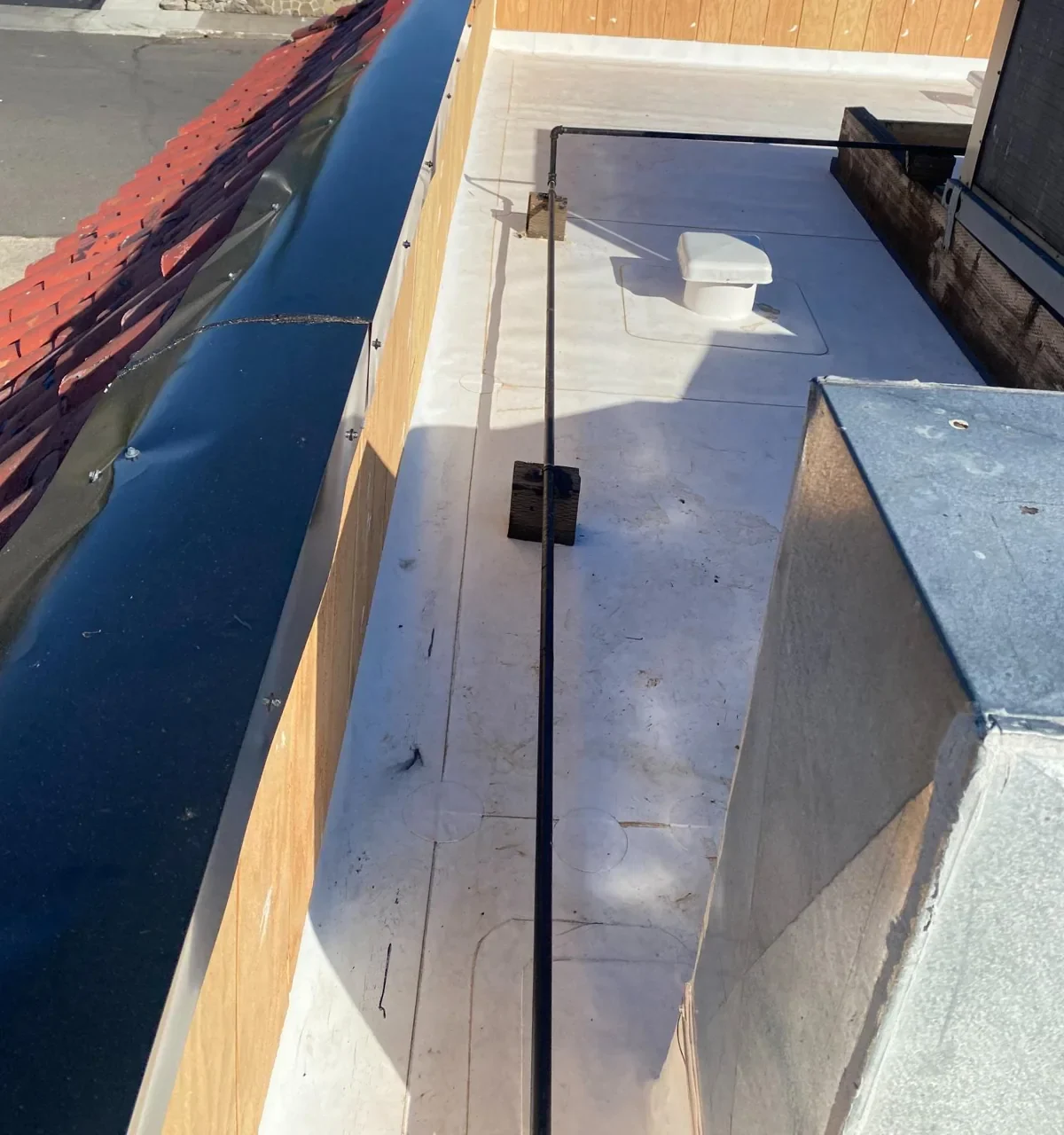
For an active leak, the commercial leak investigation traces the water path and distinguishes a confirmed opening from a likely route. At wall and curb transitions, a flashing repair scope should describe substrate preparation and the tie-in to adjoining construction. We also check adjacent seams and outlets so the repair does not stop short of a related failure.

Cost changes with access, removal depth, insulation, substrate condition, perimeter work, and protection for the interior or public-facing areas. In a downtown setting, staging and pedestrian coordination may also affect timing. The estimate lists those drivers and any concealed condition that could change the work after an opening is made.

Fit the Sequence to a Downtown Property

Before mobilization, we confirm how the crew will reach the roof, where materials can be staged, which entrances must remain clear, and what areas below need protection. A building manager may need to coordinate tenants, service providers, and other work near the property. We identify loading or delivery limits with the site contact rather than assuming that a standard setup will fit a downtown block.

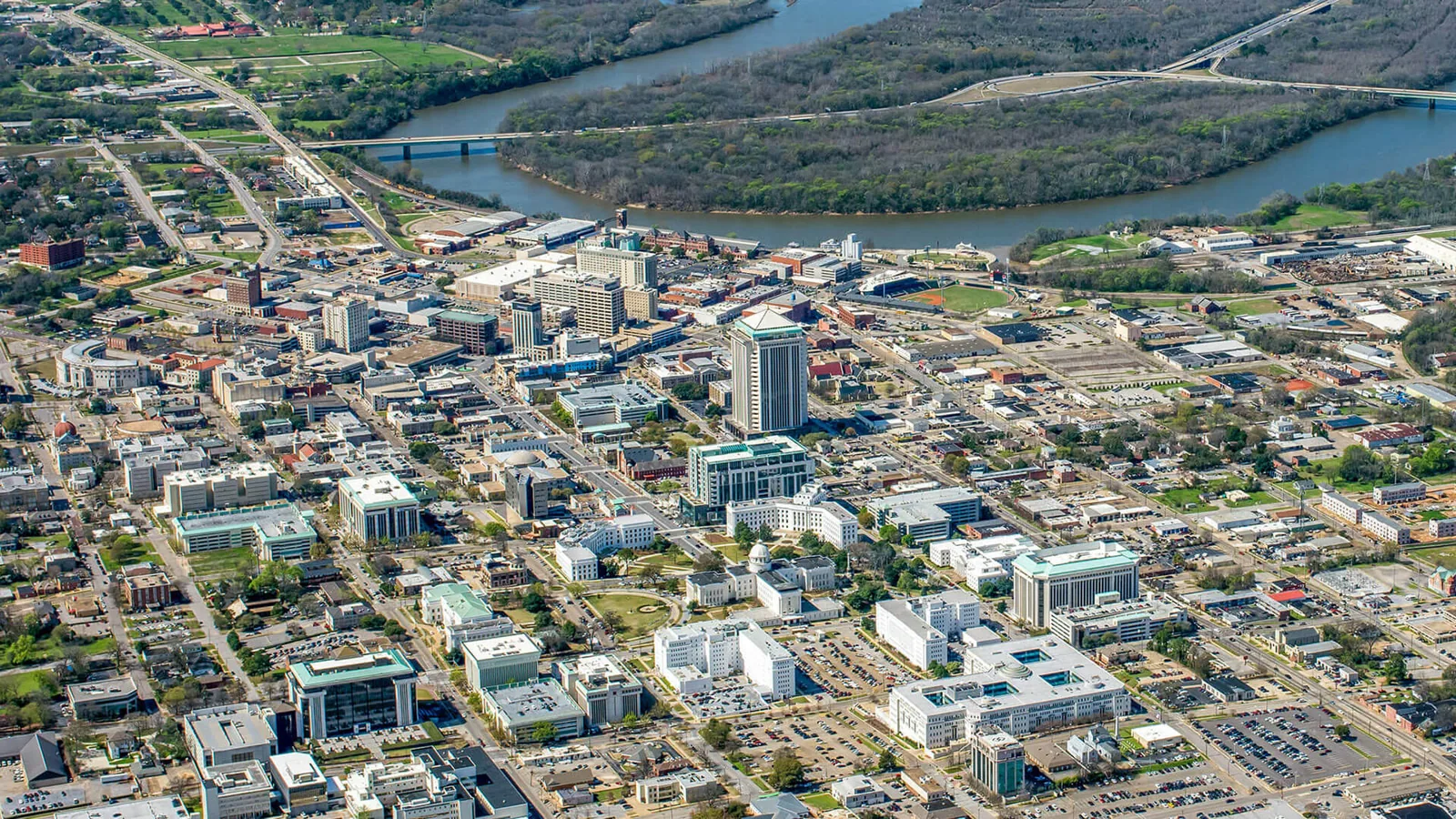
Downtown and South Downtown form a unified core area. The South Downtown Idaho Falls area shares that planning framework, while the Warehouse District is another recognized commercial subarea with storefront and light-industrial uses. Downtown and South Downtown form a connected city core; the inspection records each building’s roof system, access, and condition. Access and assembly are verified at the property.

When tenants or equipment remain active, we define work zones, noise periods, roof openings, and temporary protection. If a mechanical unit or service line crosses the repair area, the scope identifies who will handle it and when the roofer can complete the flashing. An occupied-building work plan sets the handoff before a roof area is opened.

Give the Next Visit a Clear Starting Point

After the work, keep the repaired area, materials, photographs, test results, and remaining concerns with the property file. Note the roof zone, access limits, and any surface that could not be inspected. If water appears again, the next visit can compare a new interior sign with the prior route and detail rather than starting from a blank record.

A maintenance visit can revisit drains, seams, flashings, edges, and previous repairs. A condition report can preserve images and findings for an owner’s budget review. If widespread moisture, repeated leaks, or weak attachment point to a broader issue, replacement planning can compare removal and recover options against the documented condition.

Timing depends on weather, material availability, access, and any concealed deck or insulation work. The written scope should state which details are included, where temporary protection ends, and what requires approval if discovered. That gives the property manager a usable basis for coordinating a repair or a phased project downtown.

Questions About Downtown Idaho Falls

We confirm roof entry, staging, deliveries, tenant needs, and entrances that must remain open. The work boundary and debris plan are set with the property contact before mobilization, then adjusted if the actual roof reveals conditions that change the sequence.

Downtown and South Downtown share an integrated core area; a roof inspection still verifies each building’s system, drainage, and repair history. We inspect the actual membrane, details, and drainage, then coordinate access and scope with the owner.

A focused repair can make sense when the failure is limited and nearby material remains secure and dry. We check adjacent seams, insulation, flashing, and drainage. Repeated leaks or broader moisture can shift the recommendation toward a larger repair or replacement review.

Current surface temperature, moisture, wind, and material instructions determine the work window. Idaho Falls averages show many freezing nights, so we keep the open area manageable and specify how it will be protected if conditions change.

Keep the roof-zone notes, photographs, repair materials, test results, access limits, and remaining maintenance items. We document temporary water control separately so it is clear which work is permanent and which detail still needs follow-up.

ServicesRoof SystemsIndustriesProperty TypesService AreasDamage RepairCapabilitiesManufacturersContactAboutRequest a Roof Assessment555-555-5555
Call us today555-555-5555