Auto Dealership Roofing in Idaho Falls, ID Serving Idaho Falls & Eastern Idaho

Plan auto dealership roof repair in Idaho Falls around showroom access, service bays, vehicle movement, drainage, and clear repair boundaries.

Auto Dealership Roofing in Idaho Falls, ID

Auto Dealership Roofing

Freeze-thaw cycles test roof seams and drains across Idaho Falls, ID. About 182 annual overnight lows in Idaho Falls reach freezing or below. Cold exposure and summer heat affect materials and the work window above showrooms, service bays, and parts areas. We inspect the assembly, map access, and separate immediate water control from planned repair.

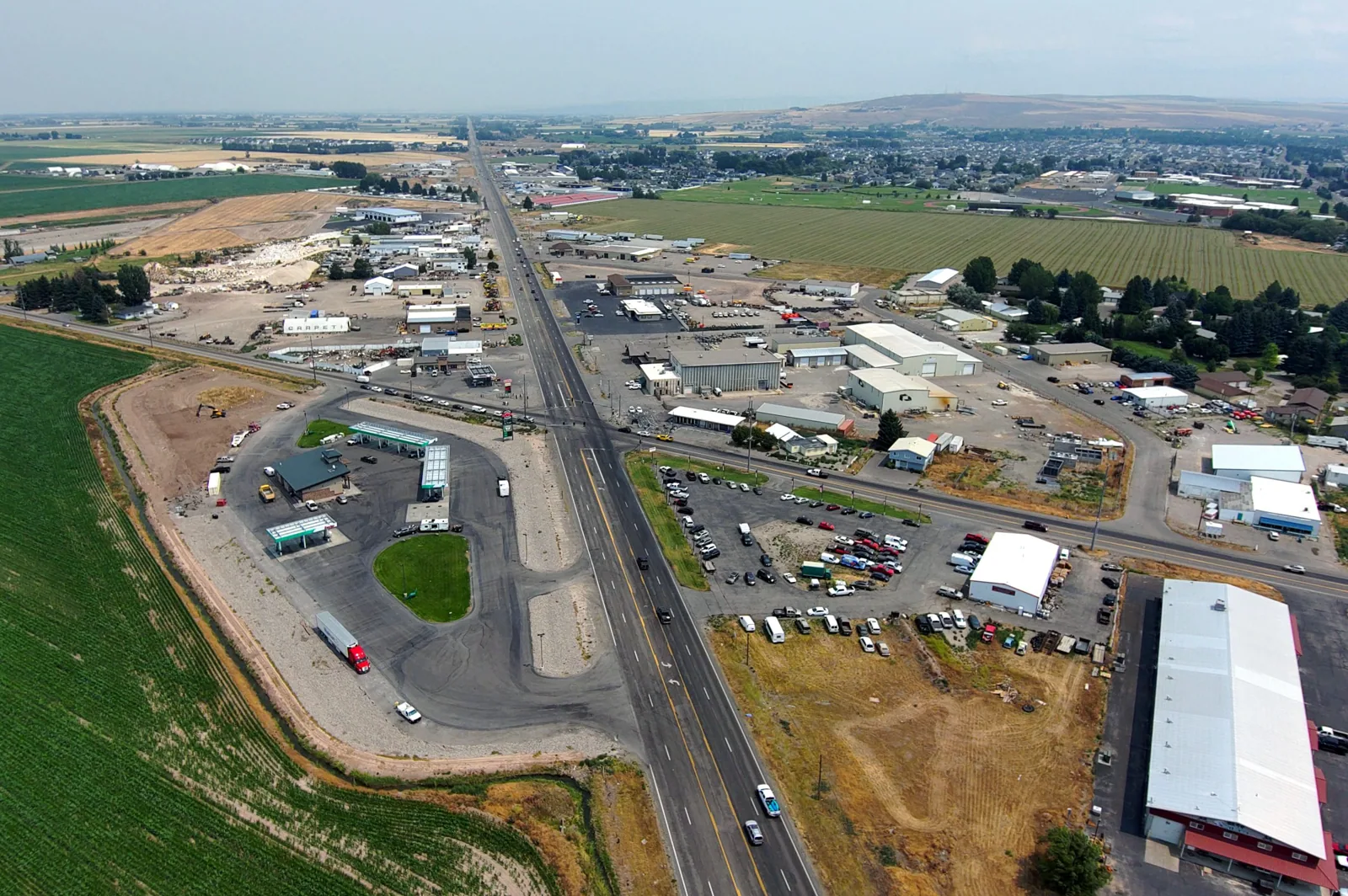
Idaho Falls serves regional retail, business, travel, and entertainment activity. Ammon also functions as a regional shopping center, with commercial growth that includes retail, medical, professional, and technology uses. The Hitt Road and 25th South corridor connects Ammon and serves as a major route. Those district patterns help frame delivery and customer-access questions, but the dealership's own lot layout, service schedule, roof type, and vehicle routes determine the work plan.

We look at the roof over the customer-facing areas and the less visible sections over shop equipment, offices, parts storage, and loading. The scope records condition by roof zone, identifies any area needing testing, and notes how staging or temporary closure affects daily operations.
Auto Dealership Roofing in Idaho Falls, ID

Separate Customer and Service Routes

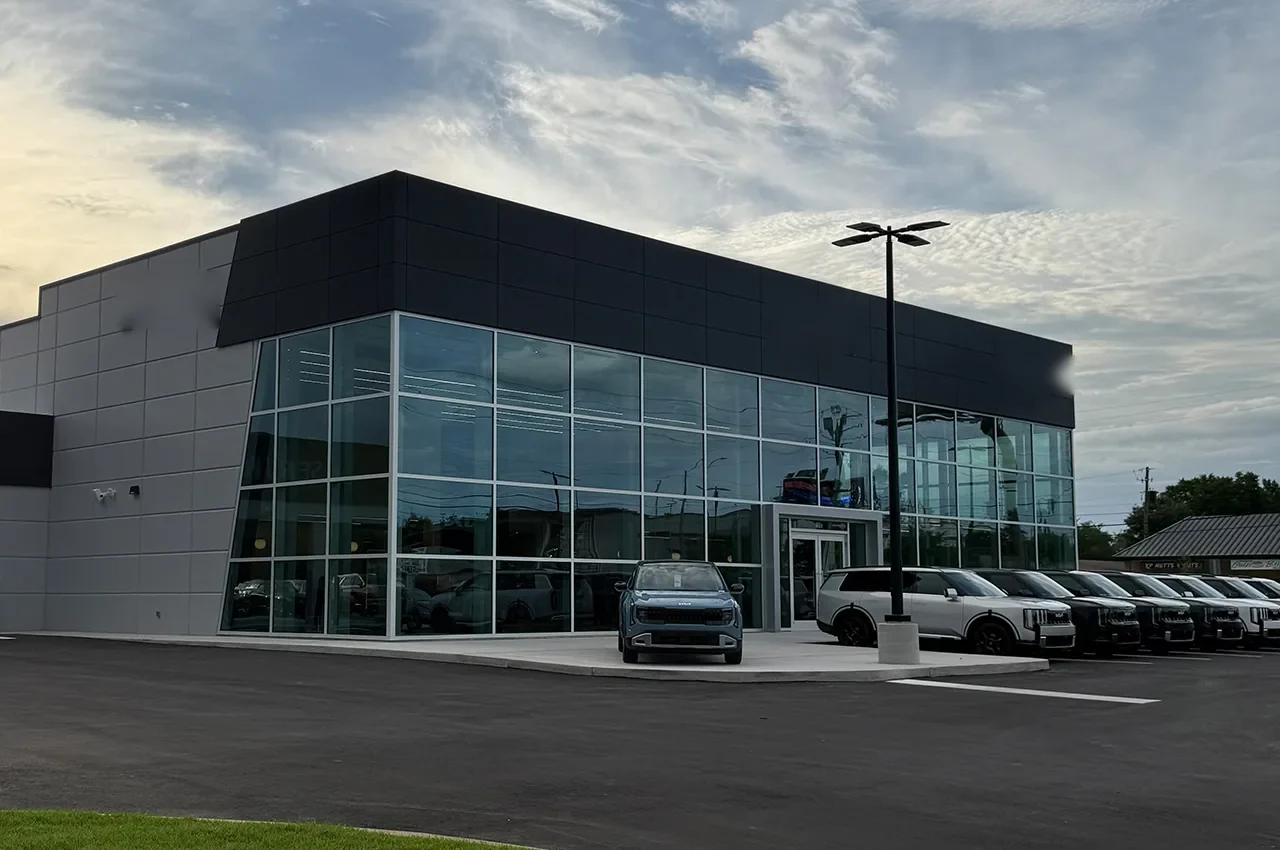
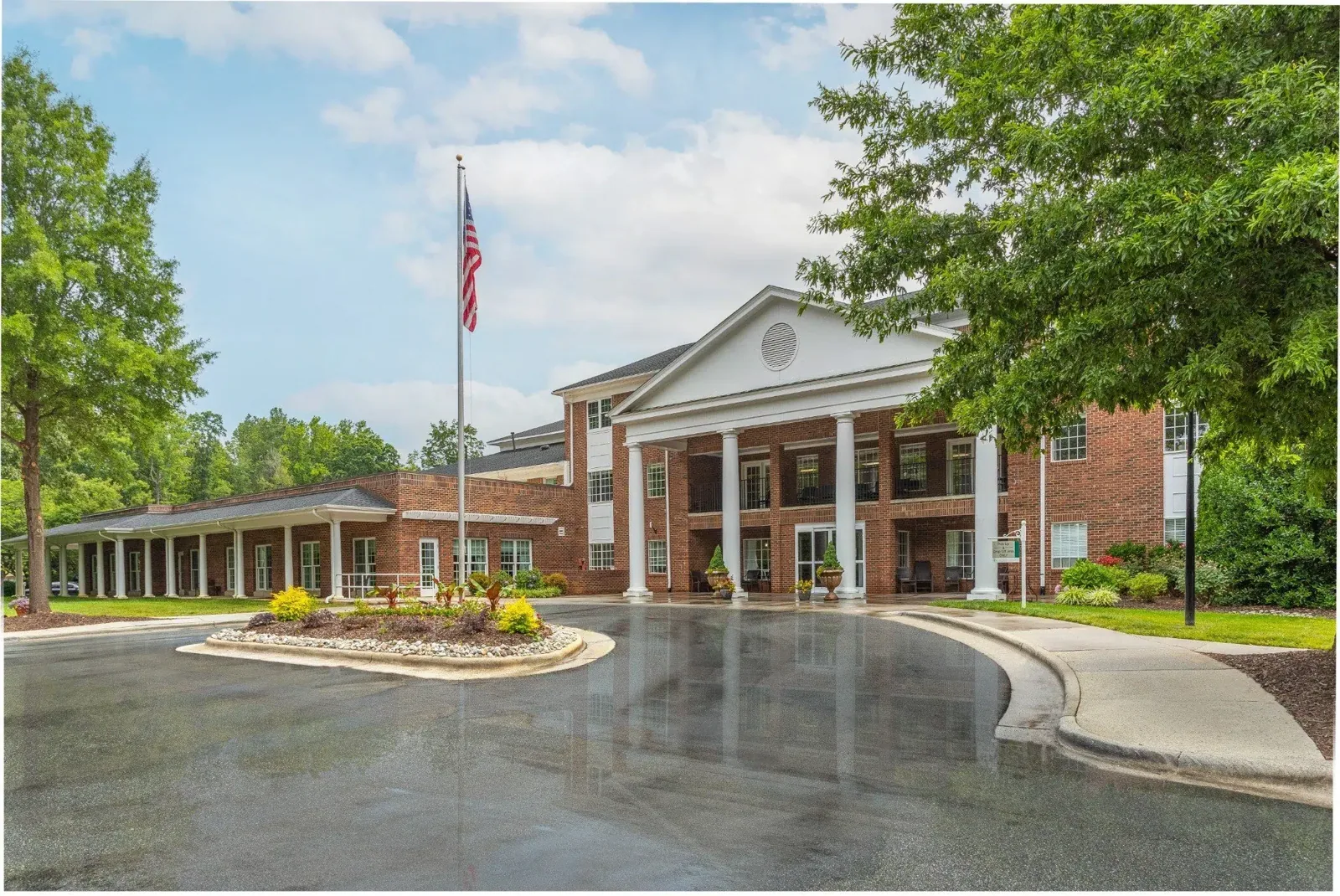
Dealership staff can identify sales entrances, service write-up lanes, delivery doors, accessible parking, test-drive circulation, and vehicle storage areas. We use those constraints to place lifts and materials away from active paths when possible. A roof repair should not block a service lane or create overhead exposure above a public route without a planned control.

An occupied-building reroofing sequence defines staging, work zones, notices, and the contact for schedule changes. If a roof section sits above an active showroom, we coordinate interior protection and any temporary closure with the property team. A service bay may need equipment access or vehicle clearance maintained while work moves overhead.

For commercial properties along Hitt Road and 25th South, deliveries still depend on the facility's access points and current site operations. We confirm where a truck can unload and where customer movement needs protection. We confirm customer and delivery driveways, vehicle display areas, and safe lift positions with the dealership contact.

Check the Roof Above Each Function

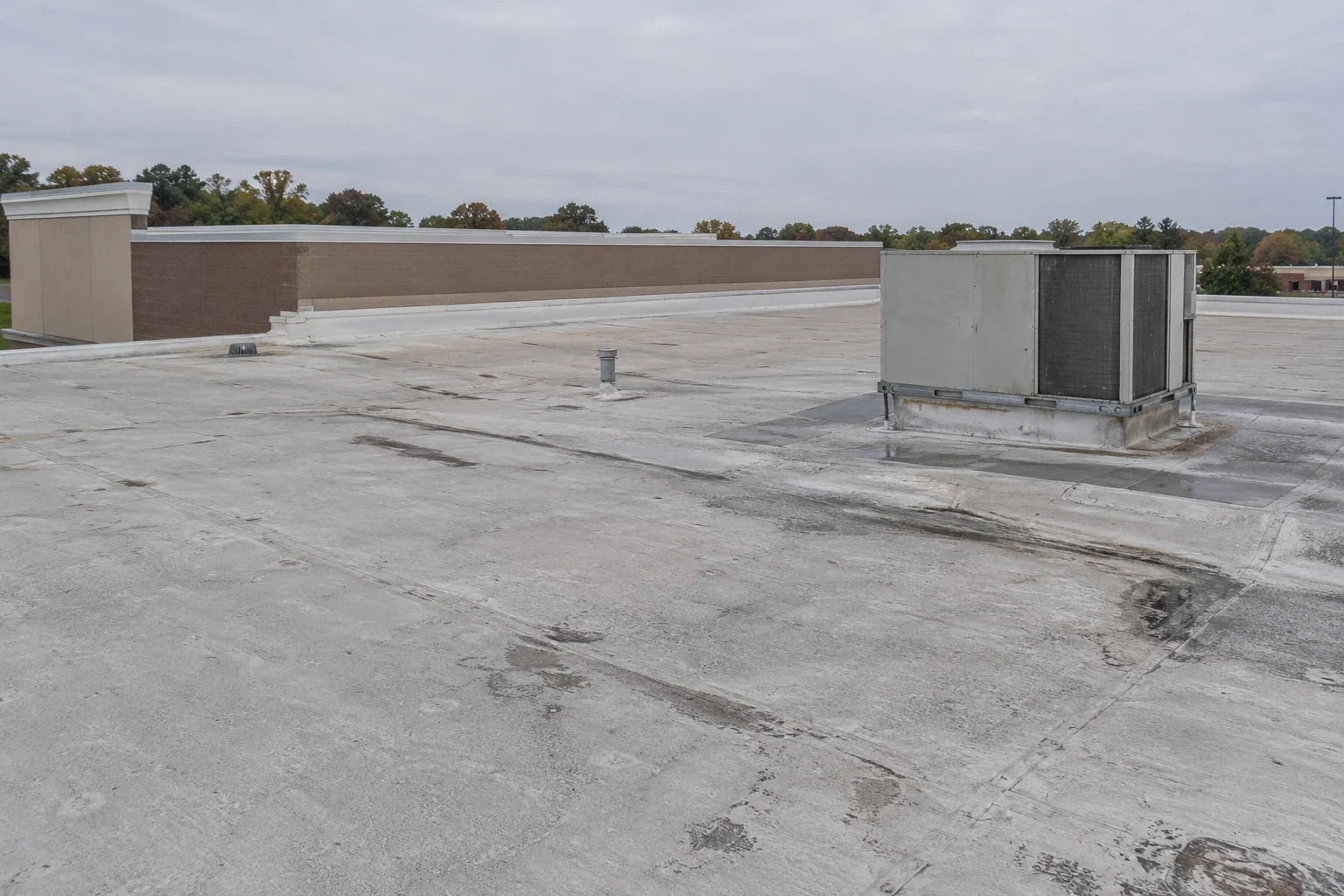
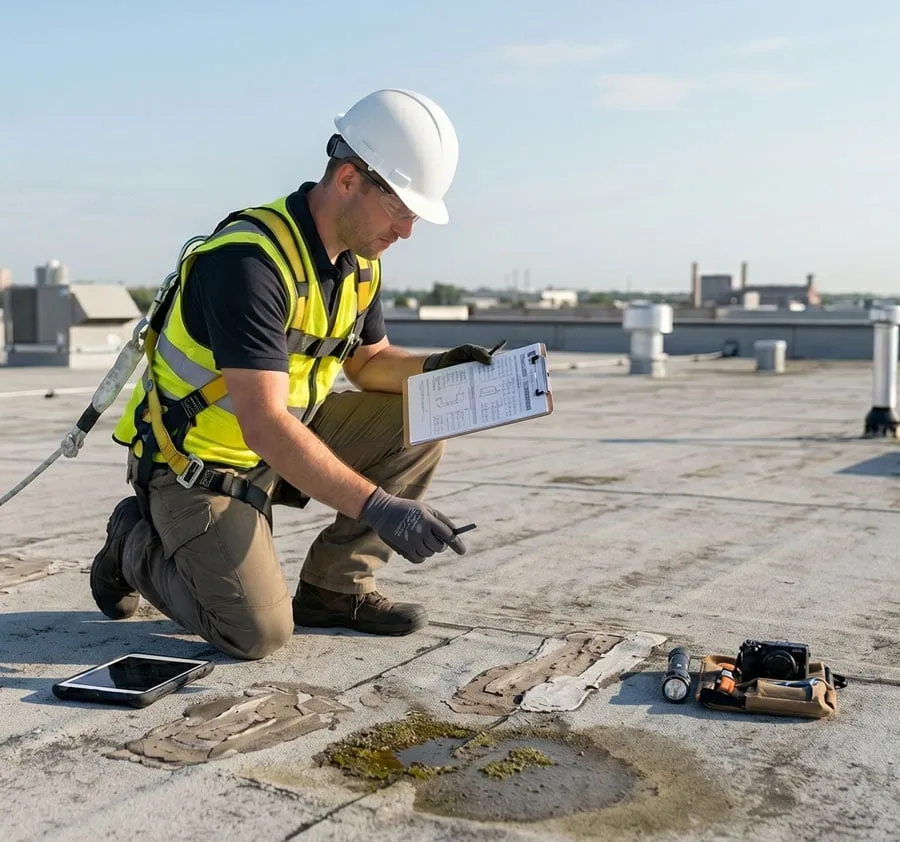
A water mark over an office may trace to a curb or seam farther across the roof. We inspect membrane laps, flashing, drains, scuppers, parapets, skylights, exhausts, and previous patches. Then we compare reported water with the roof's slope and equipment layout. The inspection labels the likely entry point, any damaged insulation or deck that is visible, and uncertainty that still needs testing.

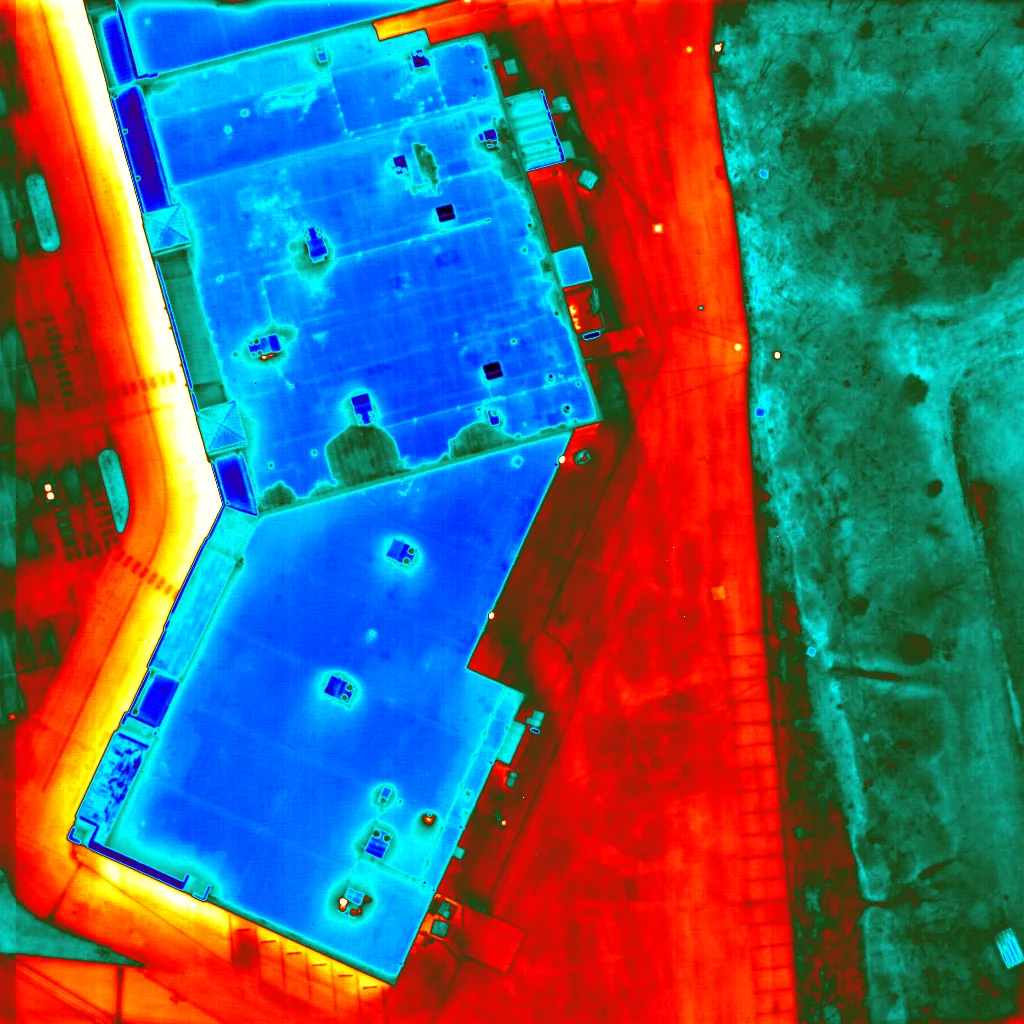
Where moisture may be hidden below the membrane, an infrared moisture survey can help locate suspect zones under suitable conditions. We note test limits and use targeted confirmation before setting removal depth. Drainage receives a separate check because a blocked outlet, damaged bowl, or poor overflow path may contribute to repeated leaks even when the nearby membrane is intact.

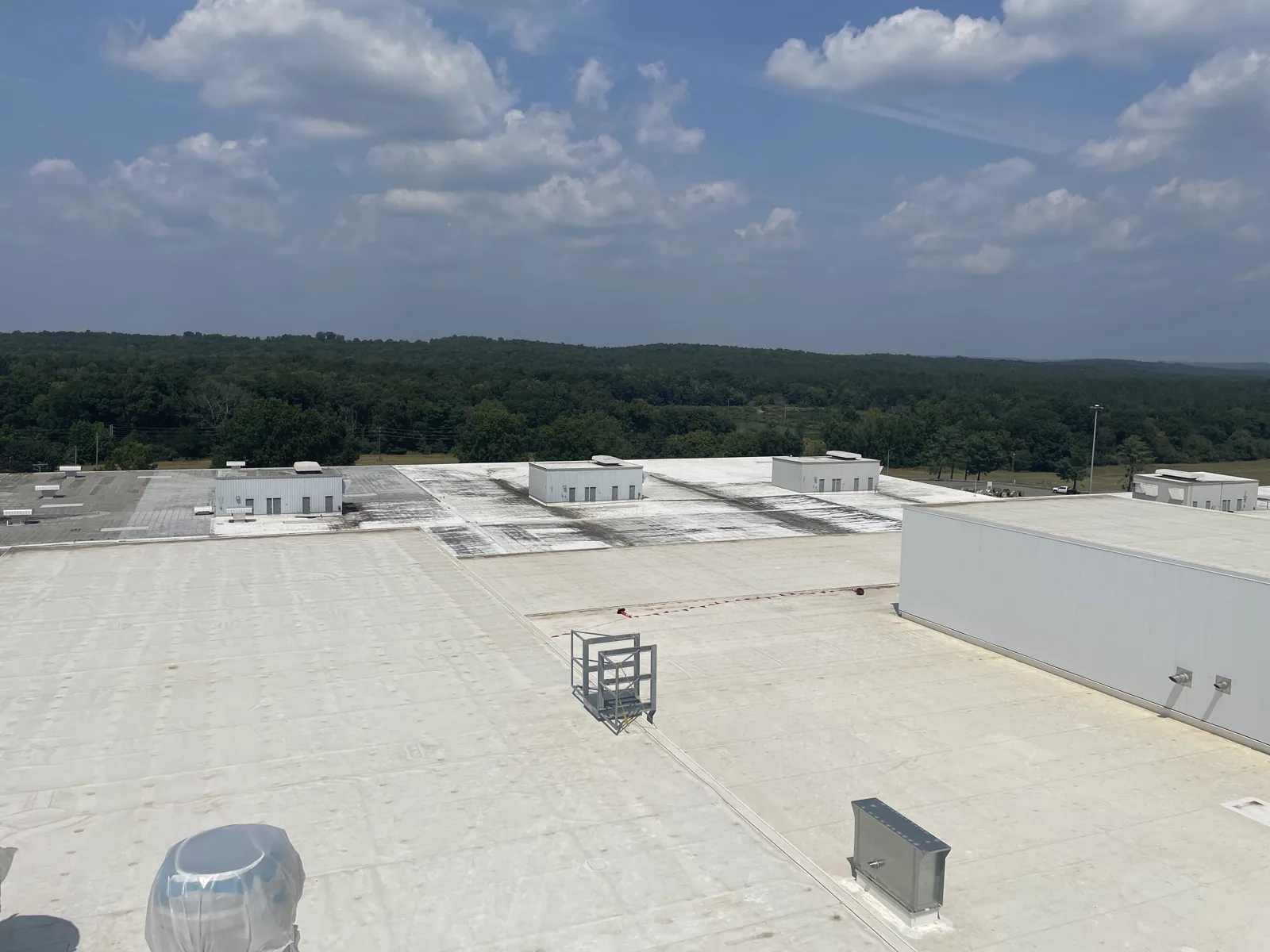
Dealership roofs can include different spans above showroom glass, service bays, offices, and inventory areas. We do not assume one roof system or condition from the building's use. Each section is described separately, including edge transitions and penetrations where mechanical or signage work may have altered the flashing.

Choose Work by Evidence

A contained seam defect may be repaired when nearby material is dry and secure. Several failures, wet insulation, poor attachment, or deck damage can point to a larger renewal. We compare the repair boundary with observed conditions and any testing, then state what finding would change the recommendation. A recover is considered only after checking stability, moisture, and project requirements.

A PVC roof assembly or another membrane has to suit the substrate, drainage, penetrations, and expected service access. Showroom and service areas may have different equipment loads or roof transitions, so a single material label is not enough to select a scope. If replacement is proposed, we identify removal depth, edge work, drainage correction, and any mechanical coordination separately.

A shopping center roof inspection may involve multiple tenants, while warehouse roofing can focus on loading and large roof fields. We inspect the dealership’s actual roof, drainage, equipment, and occupied areas before comparing repair options. The inspection and facility conversation set the actual repair path.

Set Daily Limits for Weather

Idaho Falls averages 84.3 days with measurable precipitation each year, and May is its wettest month. For dealership work, we set a dry-in boundary before opening the assembly and check the substrate and forecast against the system's application limits.

We define the dry-in boundary before removal and place temporary water control at the transition between completed and existing material. If snow or ice obscures a drain or makes access unsafe, we document the area and return when conditions support a reliable inspection.

Customer traffic, deliveries, permits, materials, concealed deck conditions, and equipment coordination can also affect the schedule. We list these dependencies and the decision owner before mobilization. A weather window is usable only when the work area can be closed and customer or vehicle routes remain controlled.

Make the Repair Record Comparable

Estimate drivers include roof height, removal layers, wet insulation, deck repairs, drains, edge metal, curbs, staging, and interior protection. Vehicle movement and active service lanes can affect lift access and debris handling. Our proposal lists confirmed repairs by roof area and identifies the owner approval needed if removal reveals additional damage. That allows ownership to compare a focused repair with larger renewal without hiding uncertain work.

After the work, preventive roof maintenance can track seams, drains, exposed flashing, and prior repairs. A roof condition report keeps photos and roof-zone notes available for a later budget review. The closeout states which areas were completed and whether a mechanical or access item remains open.

If an active leak needs urgent attention, commercial roof repair can address the defined defect while replacement planning follows its own scope. We document temporary protection separately, identify what it does and does not resolve, and provide a written handoff for the dealership contact.

Questions About Auto Dealership Roofing

We coordinate vehicle routes, service write-up areas, deliveries, customer entrances, and lift placement with the site contact. The daily work boundary includes a plan for staging and overhead protection. If a lane needs temporary closure, staff can communicate it before vehicles are routed through the area.

It can if water reaches stored parts, tools, electrical equipment, or interior finishes. We inspect the roof path and identify which areas need protection, then distinguish temporary water control from permanent correction. The property team helps identify high-priority spaces during the walkthrough.

Each area receives its own inspection notes for system, drainage, penetrations, and visible damage. We track connections between sections and do not assume that an addition shares the same assembly. Separate records help ownership phase work where conditions and access differ.

Repeated leaks, widespread moisture, damaged decking, and failures across several roof areas can support broader renewal. A localized defect may still be repaired if the surrounding assembly is sound. We show the evidence and testing limits behind either recommendation.

Weather, material limits, delivery access, permits, vehicle movement, and concealed damage all matter. We identify the stop point for each shift and name the contact who approves a changed boundary. The schedule is tied to a safe closeout, not only to the calendar.

ServicesRoof SystemsIndustriesProperty TypesService AreasDamage RepairCapabilitiesManufacturersContactAboutRequest a Roof Assessment555-555-5555
Call us today555-555-5555