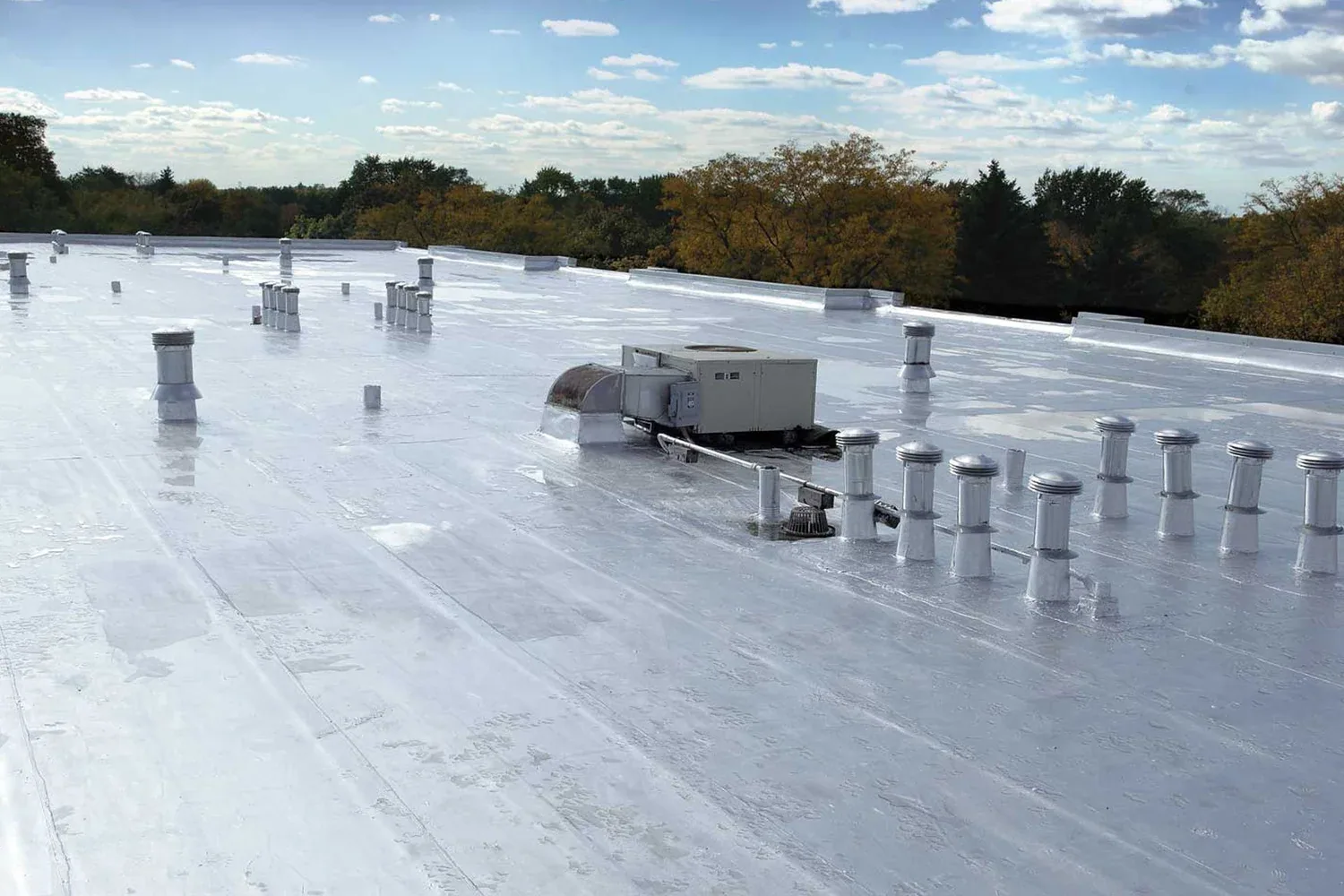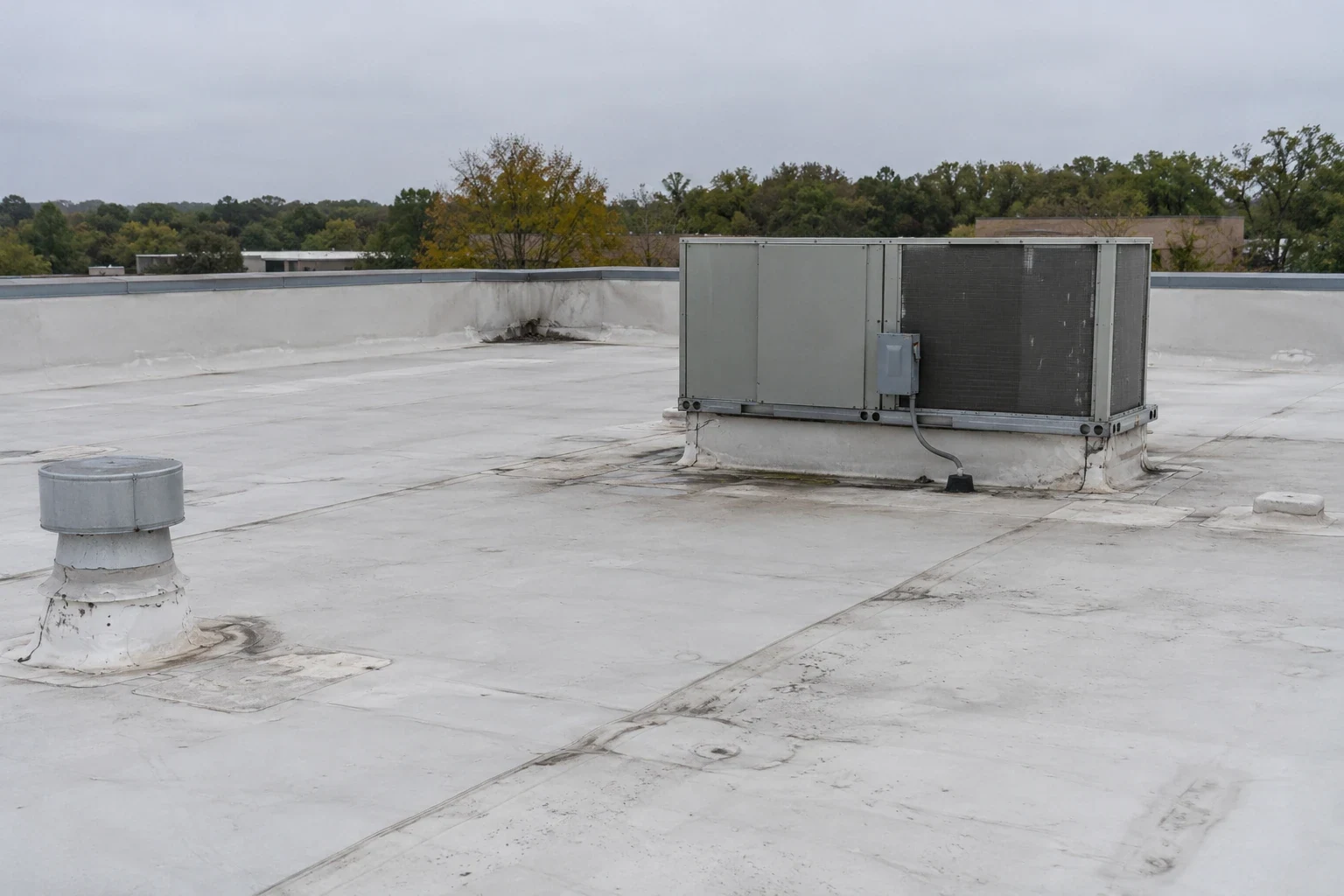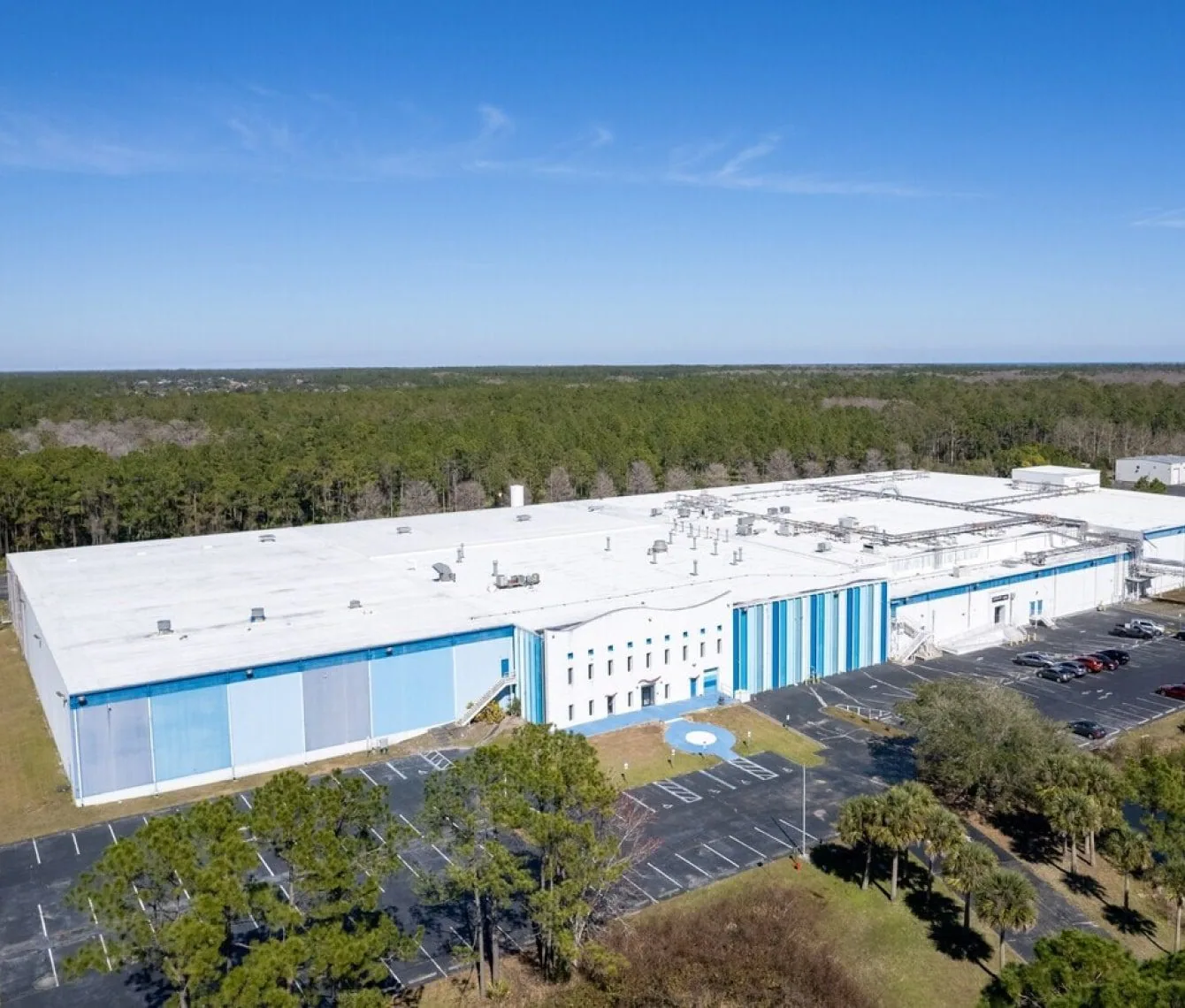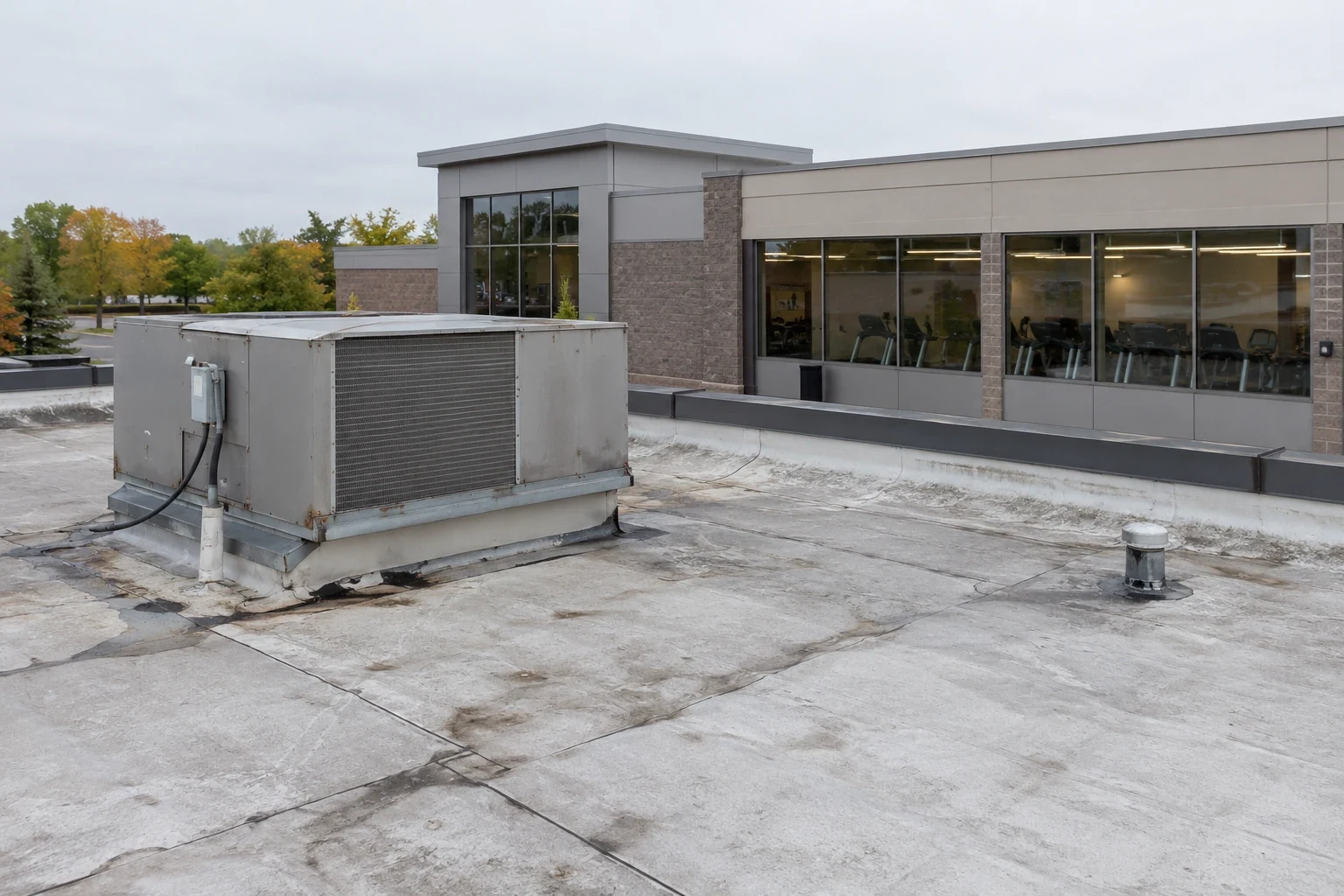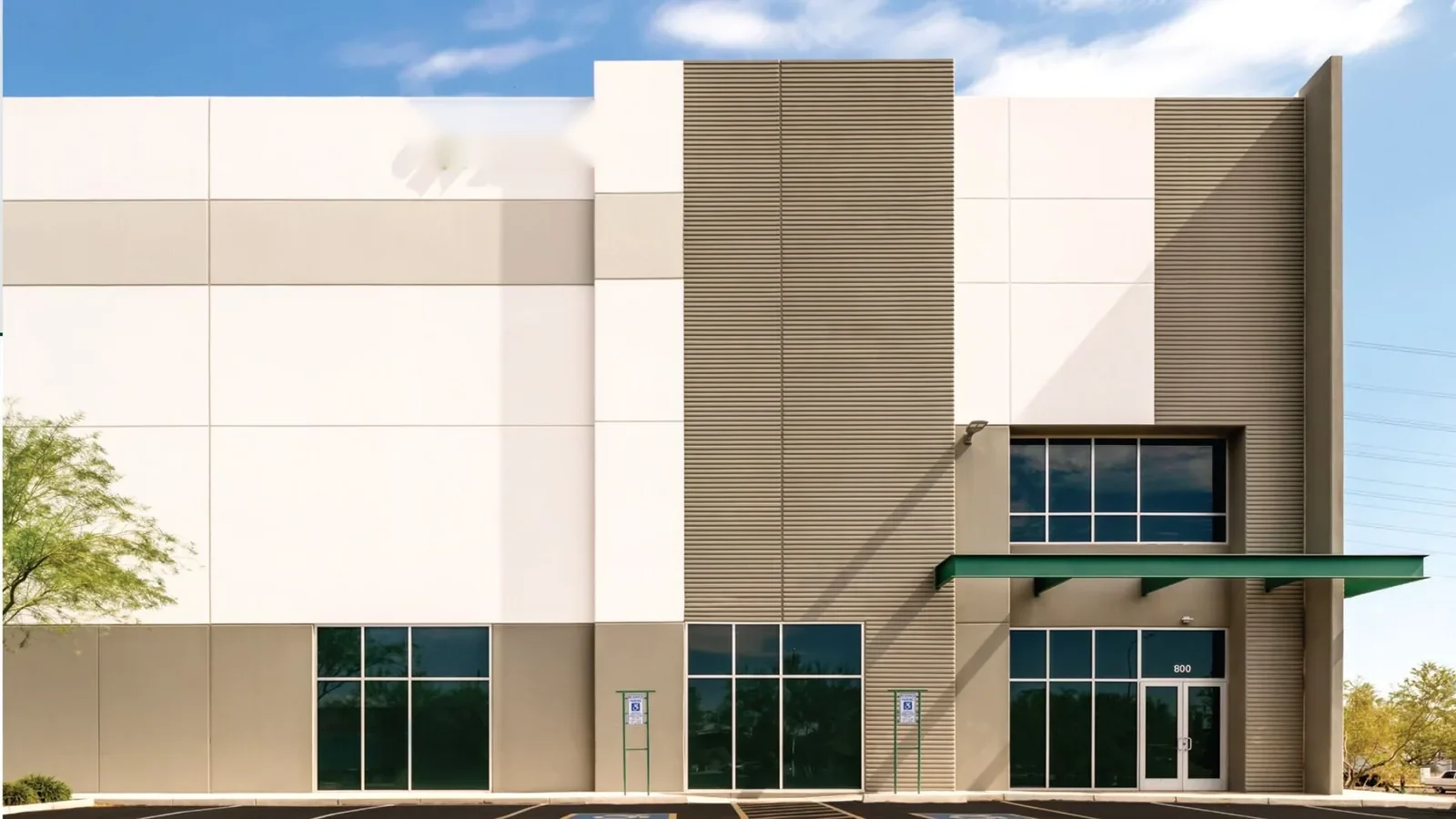
Distribution Center Roofing
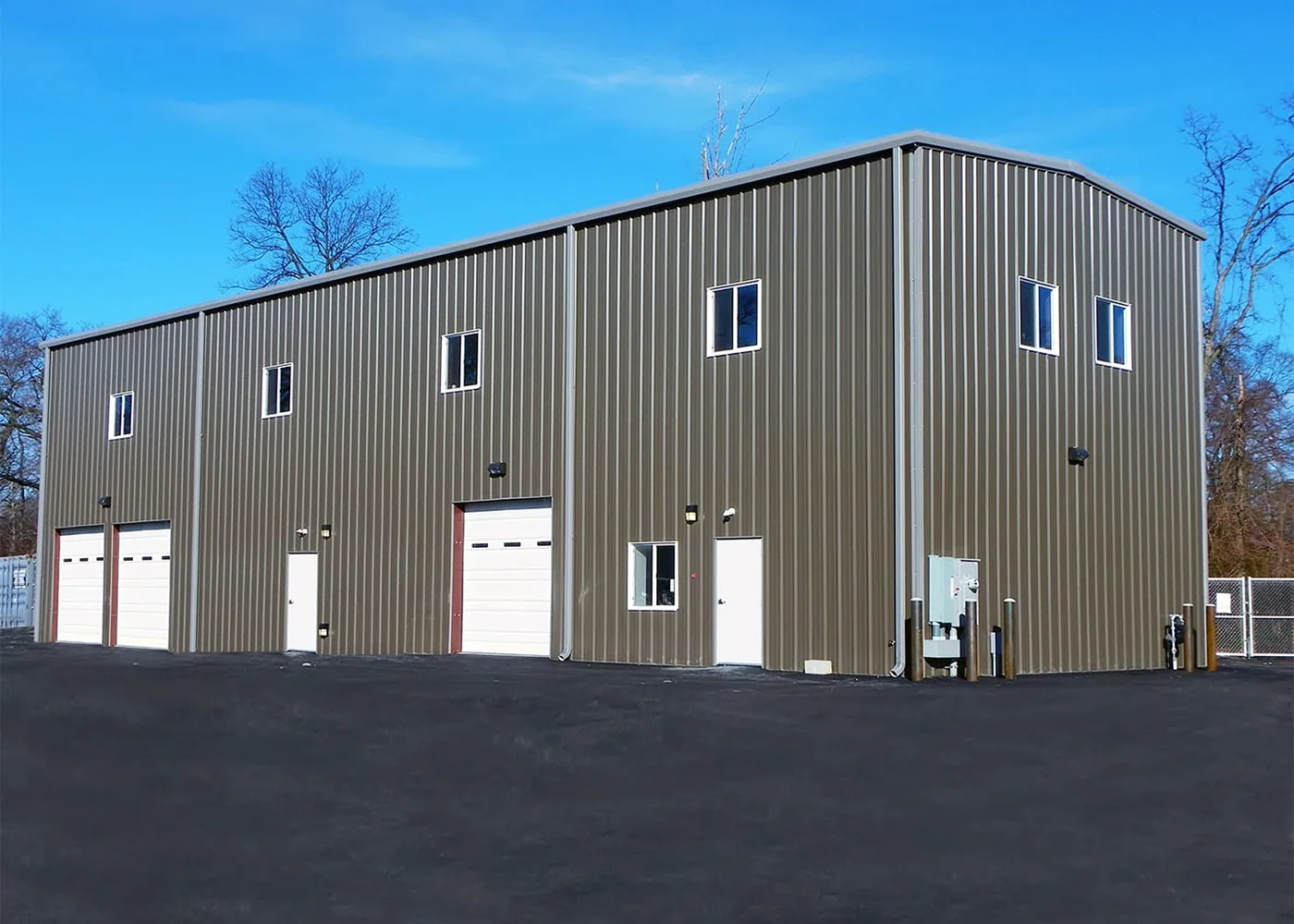
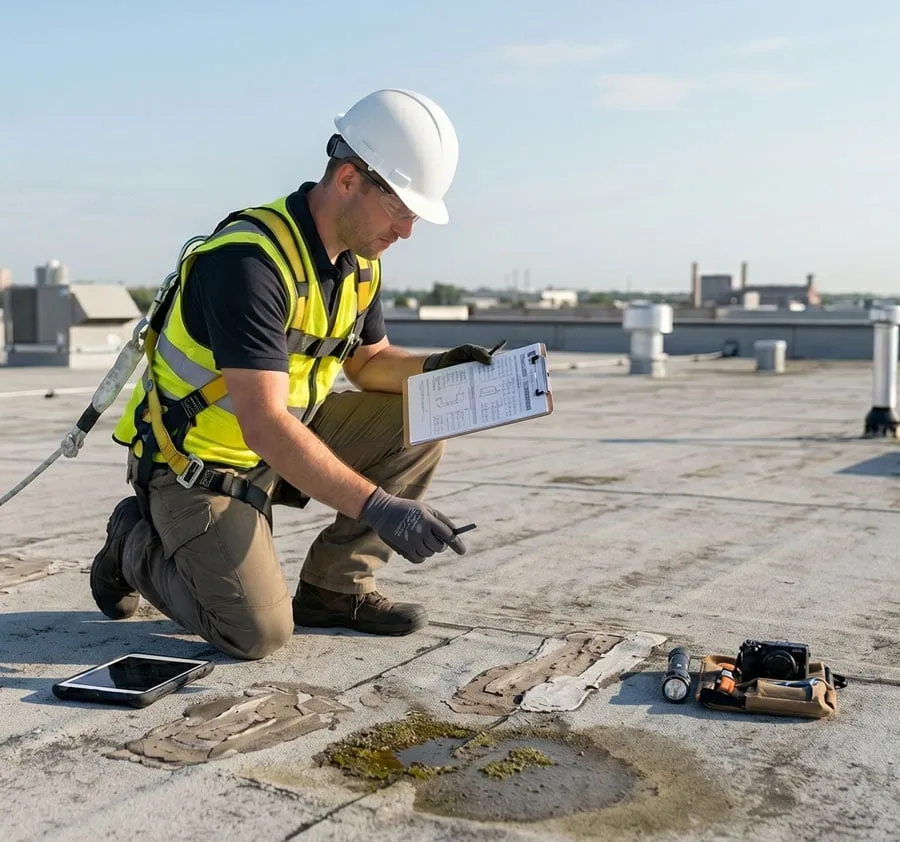
A distribution roof has to stay watertight while the building keeps moving freight. In Idaho Falls, the winter cycle brings frequent freezing conditions, and summer highs can reach the range where membrane installation limits matter. We inspect drains, seams, curbs, and loading-side edges, then set a dry-in boundary for the work shift. Confirm dock hours before lift setup.
Freight, storage, and manufacturing contribute to Idaho Falls’ commercial activity, so a distribution roof plan should account for truck circulation and dock access. Regional freight moves between Interstate 15 and US Highway 20, and more than 80% of northbound I-15 traffic exits at US-20 Exit 119. That corridor context makes staging and truck circulation relevant. A commercial roof inspection in Idaho Falls begins with the property itself.
We compare the roof field with interior leak reports, equipment locations, dock lines, and drainage paths. A localized seam opening can call for a contained repair. Wet insulation, failing attachment, or recurring leaks across multiple zones can support a broader replacement review. The estimate should state phase limits, access restrictions, and approval steps for concealed conditions.