Commercial Roofing in Downtown Rigby, ID Serving Idaho Falls & Eastern Idaho

Commercial roofing in Downtown Rigby starts with access, drainage, and close inspection of the roof assembly above its historic retail and service core.

Downtown Rigby in Idaho Falls, ID

Downtown Rigby

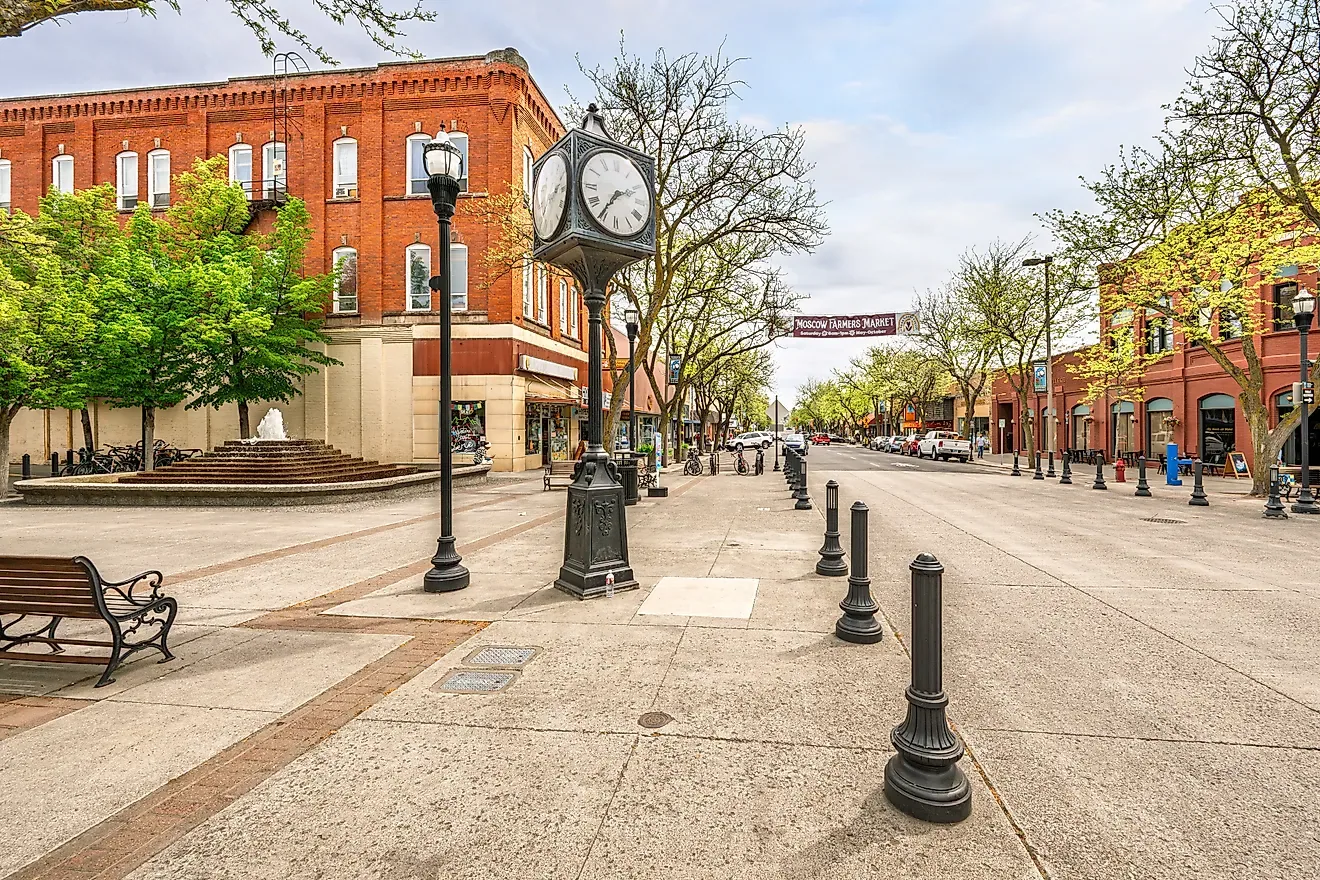
Freeze-thaw movement can test a roof edge, seam, or drain long before an interior stain appears. Downtown Rigby is the historic retail and service center, with street-front shops, stores, and offices; its plan also encourages office and residential use above ground-floor activity. We inspect the actual roof assembly and the way the property operates, then set a repair boundary that protects entrances and active spaces below.

Idaho Falls averages show 182.2 days annually with a minimum at or below freezing and 14.7 days with a low at or below zero. That winter cycle makes closure planning important when a roof is opened. We check current surface conditions, material instructions, and the extent of the work before deciding how much can be exposed in one shift.

Before work begins, we confirm where material can be received, which entrances remain active, and how the daily tie-in will be secured. The written scope connects those constraints to the repair or replacement decision.
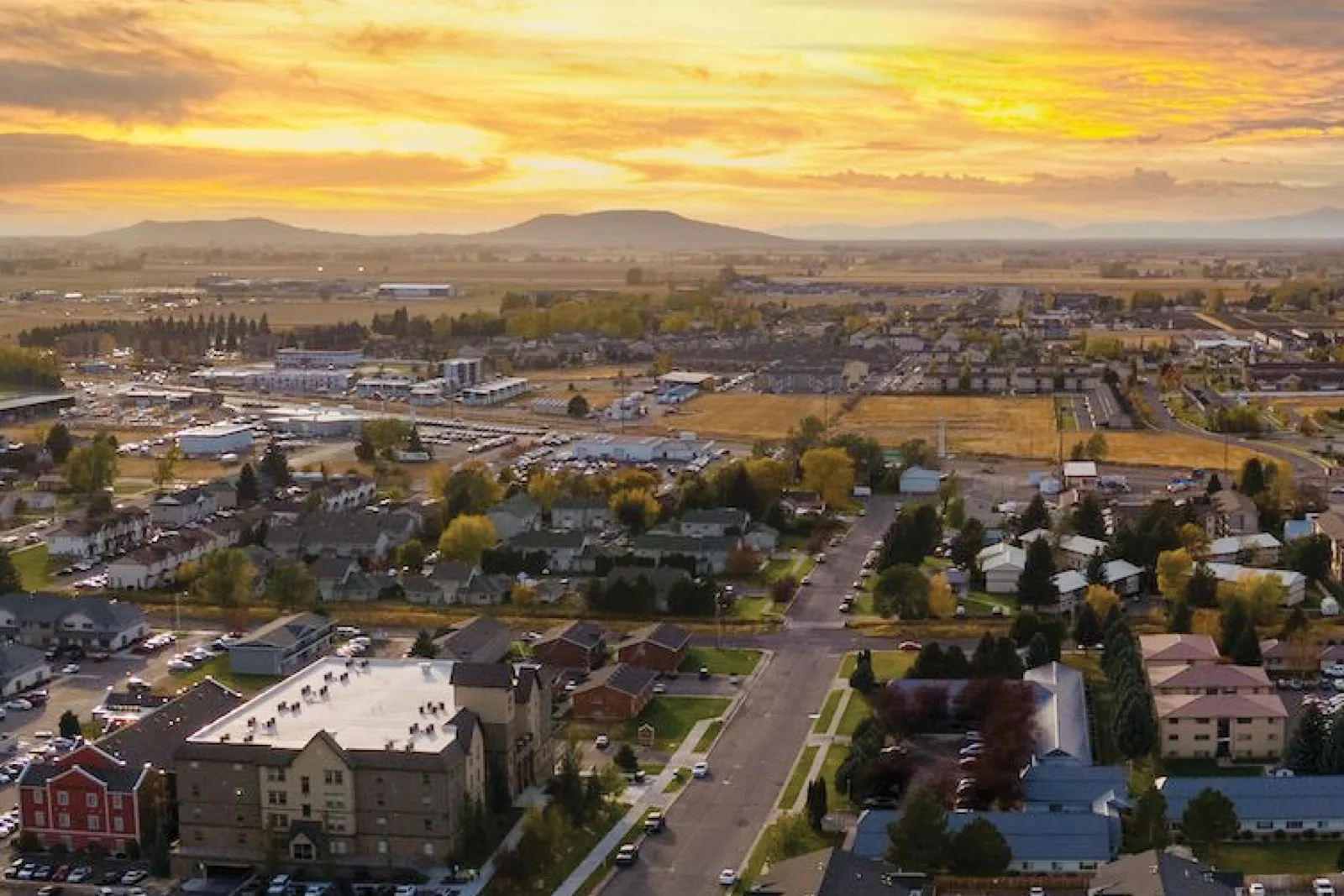

Downtown Rigby in Idaho Falls, ID

Keep the Block in Service

The downtown business district has little or no front setback on many storefront lots, and some lots approach full coverage. That fact can change how a roofing crew receives materials, positions equipment, protects the public edge, and plans debris removal. For a Downtown Rigby building, confirm roof type, service access, drainage, and tenant needs before setting the work zone. We confirm the access condition with the manager and organize the work by roof zone rather than assuming that a standard staging layout fits.

Where office or residential use occupies upper floors, we discuss roof entry, noise periods, air intakes, and any areas that need interior protection. If tenants or visitors remain present, the occupied-building roof sequence sets the order of work, the daily dry-in line, and the route that stays open. A commercial roof inspection records the visible assembly, edges, penetrations, drains, and prior repairs before the estimate defines the work.

Street-front shops and offices can have different operating hours and delivery needs. We ask the property contact what continues during the project, note any trade work that may affect a curb or pipe, and identify who completes the final flashing tie-in. That coordination keeps a roof scope tied to the building’s operation rather than to a generic downtown schedule.

Trace Water Across the Roof

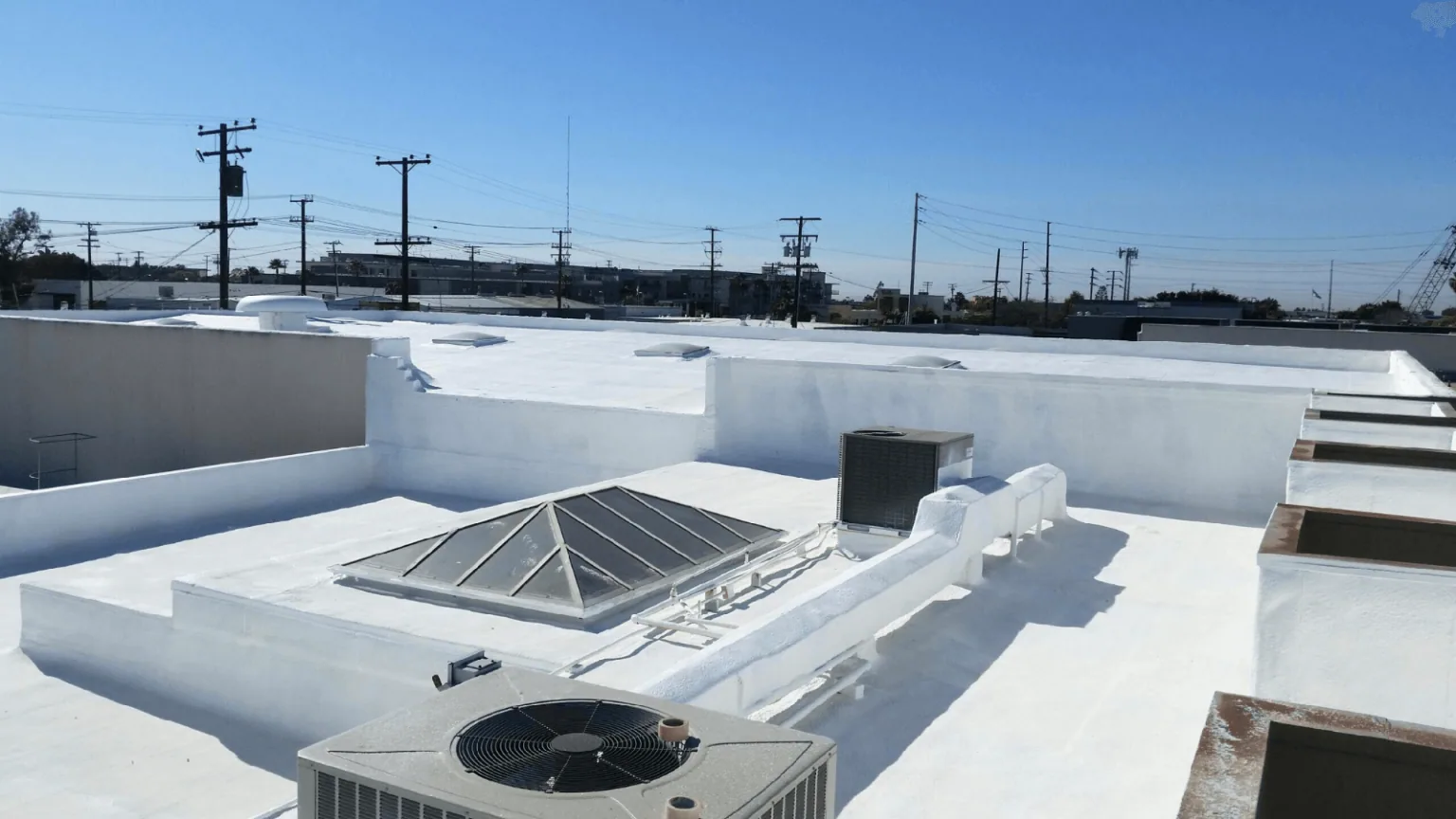
A ceiling mark gives us a starting point, not the full leak path. We inspect above and upslope from the interior sign, checking membrane seams, wall transitions, equipment curbs, skylights, exposed edges, and roof outlets. Water may move through insulation or beneath a membrane before it becomes visible inside. If the path is still uncertain, an infrared or other moisture survey can help define whether a selective opening is needed.

Drainage work starts with the outlet and its surrounding roof area. We look at the strainer, bowl, clamping ring, scupper, overflow route, and nearby flashing. Clearing an obstruction is different from correcting recurring ponding caused by slope or a damaged substrate. The drain and scupper repair scope identifies what the roof-level work can address and what may require a design review.

On a roof with several additions or repair layers, one apparent leak can cross assembly boundaries. We mark the materials and transitions we can identify, note inaccessible areas, and distinguish confirmed defects from suspected moisture. The condition report ties photographs to those zones so the manager can approve a defined repair rather than an open-ended patch.

Set a Safe Winter Work Window

The Idaho Falls records 14.7 annual days with lows at zero degrees Fahrenheit or below. That reading helps frame winter planning, while site conditions and product instructions set the work window. Cold, moisture, and wind can affect preparation, adhesives, and membrane handling, while a hot roof surface changes safe movement and application limits. We use a current forecast and the selected system’s instructions to set the work window.

May is Idaho Falls highest average precipitation month, averaging 1.57 inches. That average is not a job-day forecast. Before tear-off, we agree on the area that can be opened, where temporary protection will end, and what condition pauses work. An urgent leak can receive emergency attention at any hour, on weekdays, weekends, and holidays. We record temporary water control separately from the lasting repair.

After winter, exposed edges, seams, drains, and wall transitions deserve attention where water can enter a detail. A snow and ice roof assessment can record movement or a damaged tie-in and set the next step.

Match the Repair to the Assembly

We reserve a patch for a confined opening where adjoining material can accept a reliable transition. The inspection checks attachment, insulation, deck, flashing, and drainage around that area. Moisture beneath the membrane or repeated failure across adjoining areas may point to selective removal or a broader evaluation. The estimate states what is confirmed and what would need testing after an opening.

A recover is a separate option, not a shortcut over an unknown condition. The current roof must be dry, stable, compatible with the new assembly, and within project requirements. The recover feasibility review compares those findings with removal and deck access. If tear-off is warranted, a commercial replacement scope identifies the selected assembly, perimeter transitions, penetrations, drainage work, and how concealed conditions will be handled.

Coating also depends on preparation and substrate. A surface that is wet, poorly attached, or damaged below the membrane does not become sound because a coating is applied. We test compatibility, repair details that need attention, and state the limits of restoration in the estimate. That gives ownership a practical comparison among localized repair, recover, coating, and replacement.

Carry Findings Into the Budget

Project cost and timing follow the roof area, tear-off depth, insulation, deck condition, number of edges and penetrations, equipment movement, access, staging, disposal, and weather. A downtown site can add coordination needs where public entrances or material handling are constrained. We list defined work separately from allowances for conditions that cannot be confirmed until the roof is opened.

Photographs, roof-zone labels, materials installed, and remaining questions belong together in the closeout record. If a repair leaves an adjoining area in service, that boundary should be clear. A preventive maintenance visit can revisit drains, seams, edges, and prior repairs according to the actual assembly and access rules, giving the next budget review a current condition rather than an assumption.

Downtown Rigby is one service area within the town. A separate property in Rigby or Idaho Falls needs its own inspection record. We use the district to orient the work, then base the recommendation on this building’s roof, access, drainage path, and operating needs.

Questions About Downtown Rigby

We confirm material receipt, equipment placement, public-edge protection, and the entrance routes that must stay clear. Those access conditions inform the work-zone size and daily closure point, so the crew opens only the area it can protect.

Office or residential activity above street-level shops can add questions about noise, rooftop equipment, air intakes, and interior protection. We review those conditions with the property manager before setting the sequence and identify the tie-ins that require another trade.

It informs staging and access, not roof age, material, or condition. We inspect the actual assembly and document each visible defect, drainage point, and transition before recommending a repair or larger scope.

For urgent water entry, emergency response is available at all hours, including holidays and weekends. We document the immediate water-control step, then state whether drying, testing, or a compatible tie-in is needed before permanent work.

Keep the roof-zone photos, materials used, completed work, access limits, and any remaining concern in one record. Those details let a later maintenance visit compare the same areas and help the next budget review distinguish planned work from an unknown condition.

ServicesRoof SystemsIndustriesProperty TypesService AreasDamage RepairCapabilitiesManufacturersContactAboutRequest a Roof Assessment555-555-5555
Call us today555-555-5555