Commercial Roofing in Stanley-Boge District, Idaho Falls, ID Serving Idaho Falls & Eastern Idaho

Roofing in Stanley-Boge begins with a documented inspection of the roof assembly, drainage, and access before repair timing or replacement is set.

Stanley-Boge District in Idaho Falls, ID

Stanley-Boge District

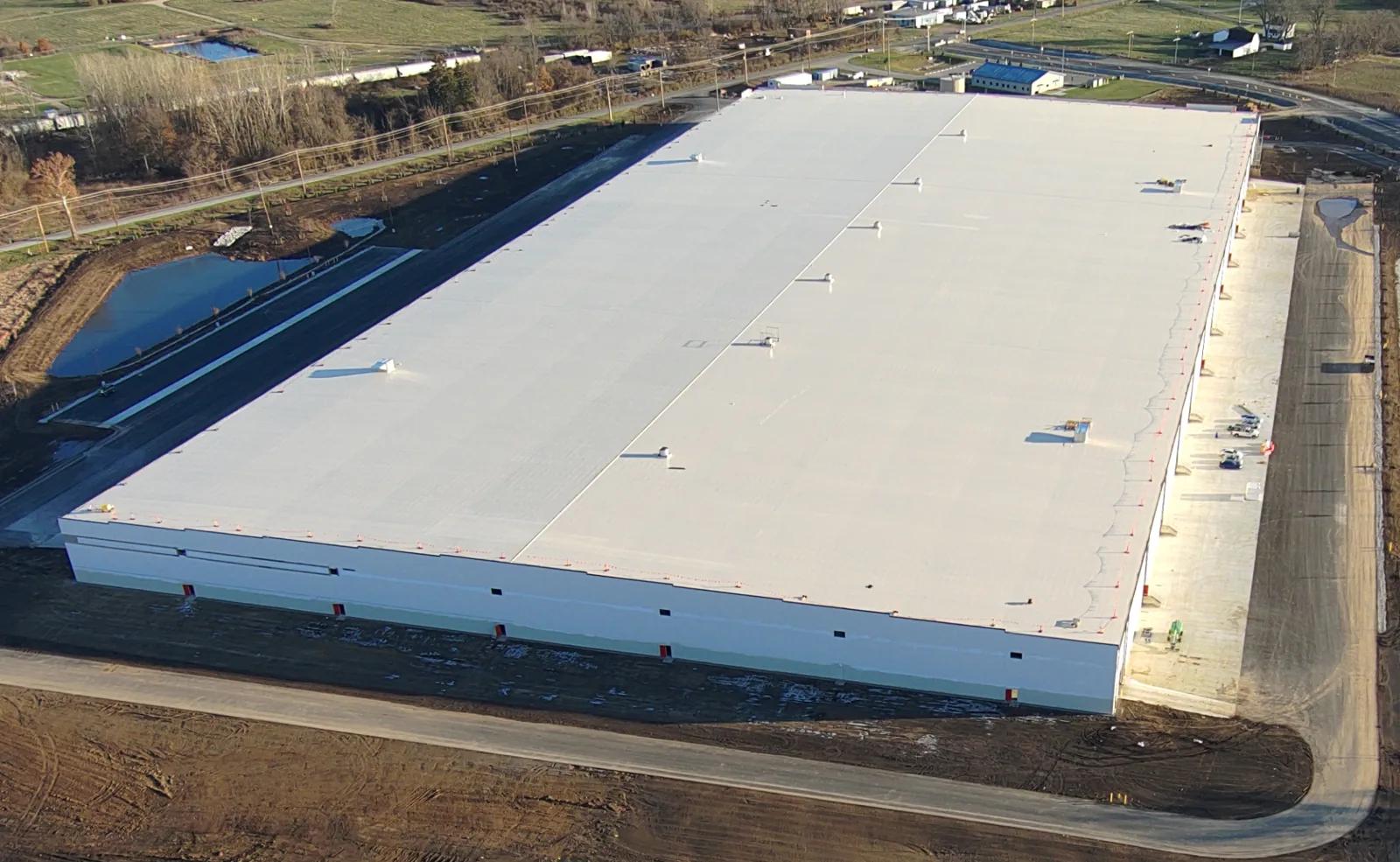
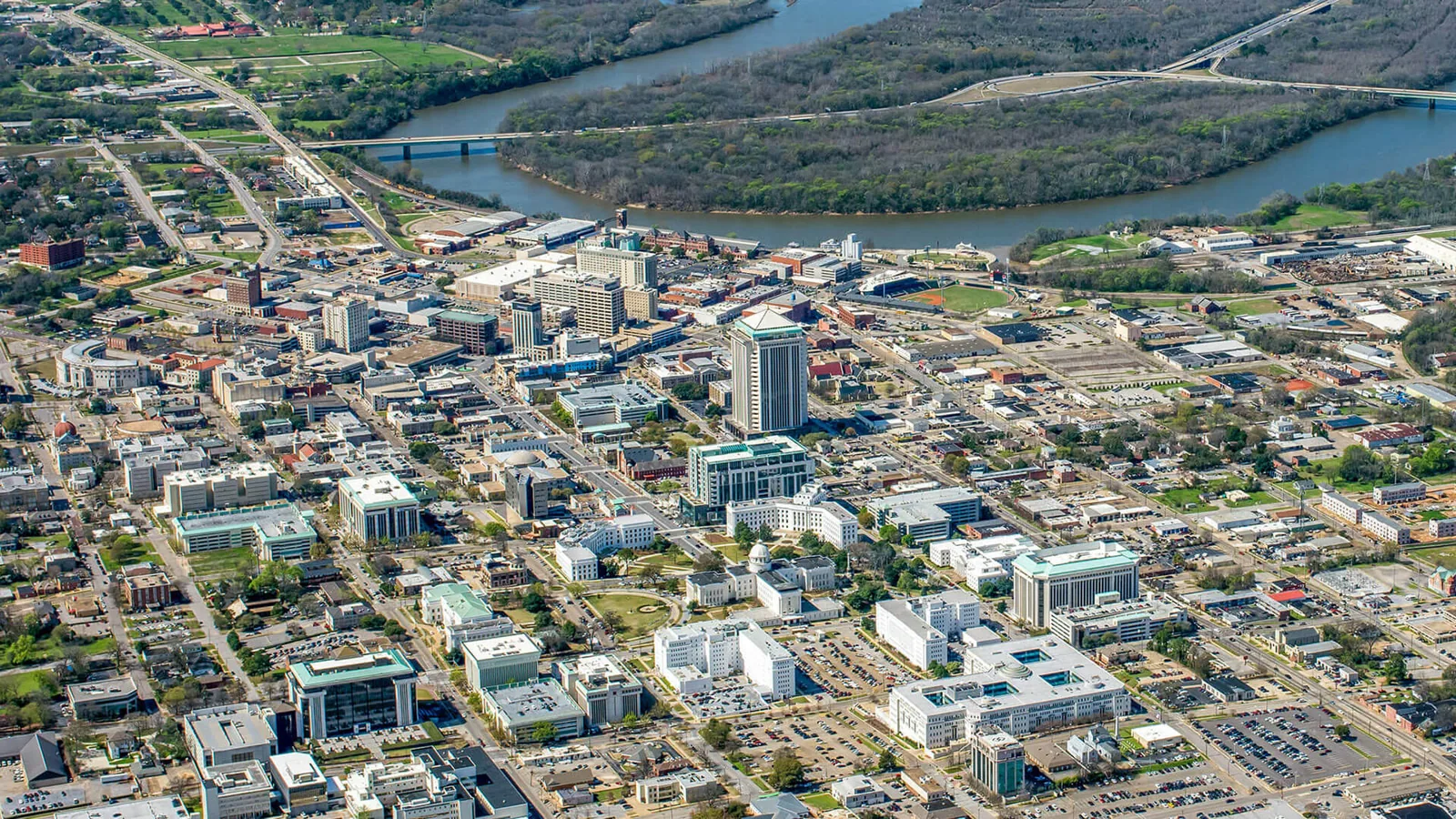
New construction nearby makes one question useful before roofing work begins: what does the current roof actually contain? Idaho Falls lists Stanley-Boge as an urban renewal district created in 2023, with a term through 2043. Stanley-Boge lies near US Highway 20, Science Center Drive, Anderson Street, and Holmes Avenue; new construction occurred in the district area in 2025. That context helps with coordination, but the property walk supplies roof facts.

The Idaho Falls climate series records 182.2 days in an average year when overnight minimums reach freezing or colder. That Idaho Falls history belongs to the city, not each Stanley-Boge building. It does make seasonal planning part of a responsible scope. We inspect seams, edges, drainage, and penetrations, then state which work can proceed under current conditions and which needs a different weather window.
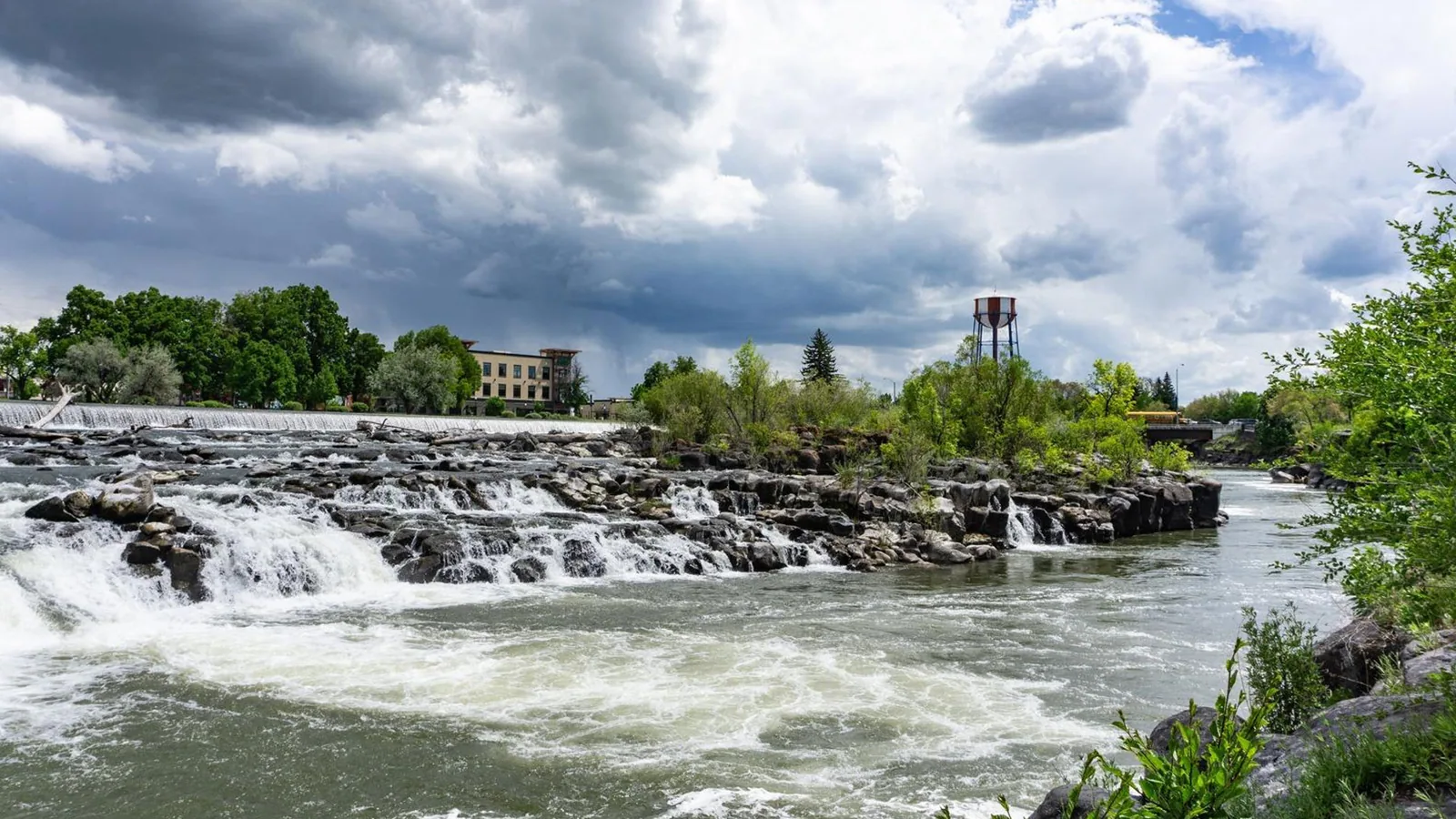
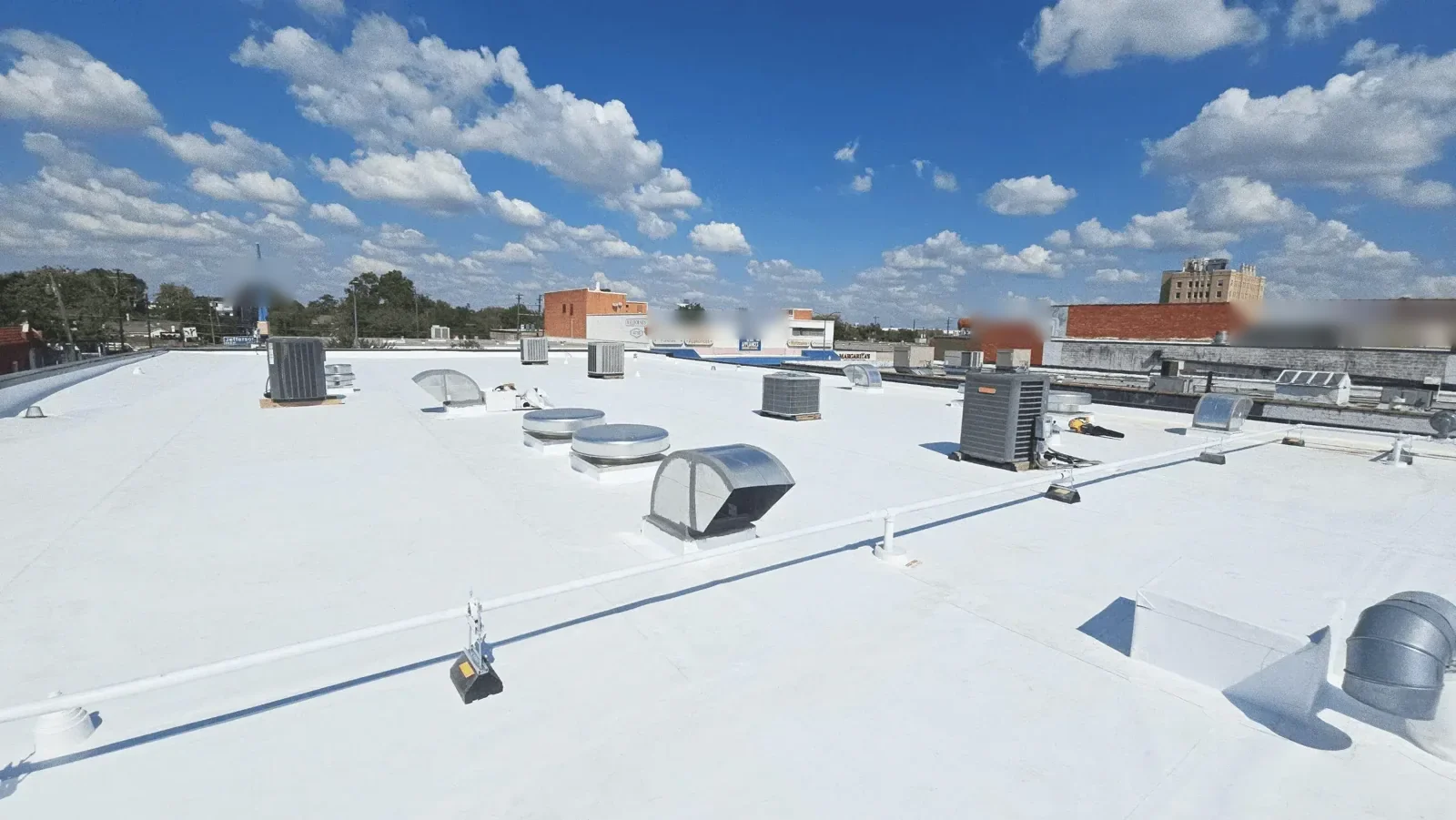
Stanley-Boge District in Idaho Falls, ID

Start With a Roof-Zone Record

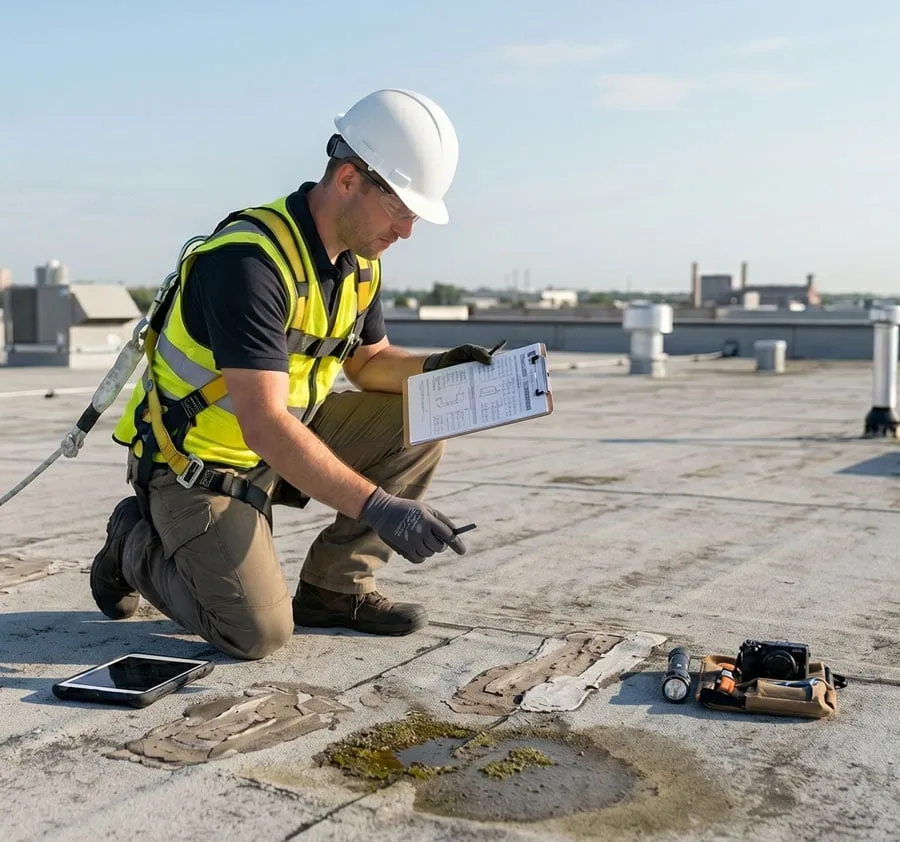
At a property with more than one roof area, an unlabelled photo is difficult to use during budget review. We divide the surface into zones, note roof edges, drains, seams, penetrations, curbs, and prior repairs, and tie each finding to a photo. If the assembly changes between sections, the record keeps those areas separate. The report records access limits and marks any area where concealed layers need a selective test or follow-up visit.

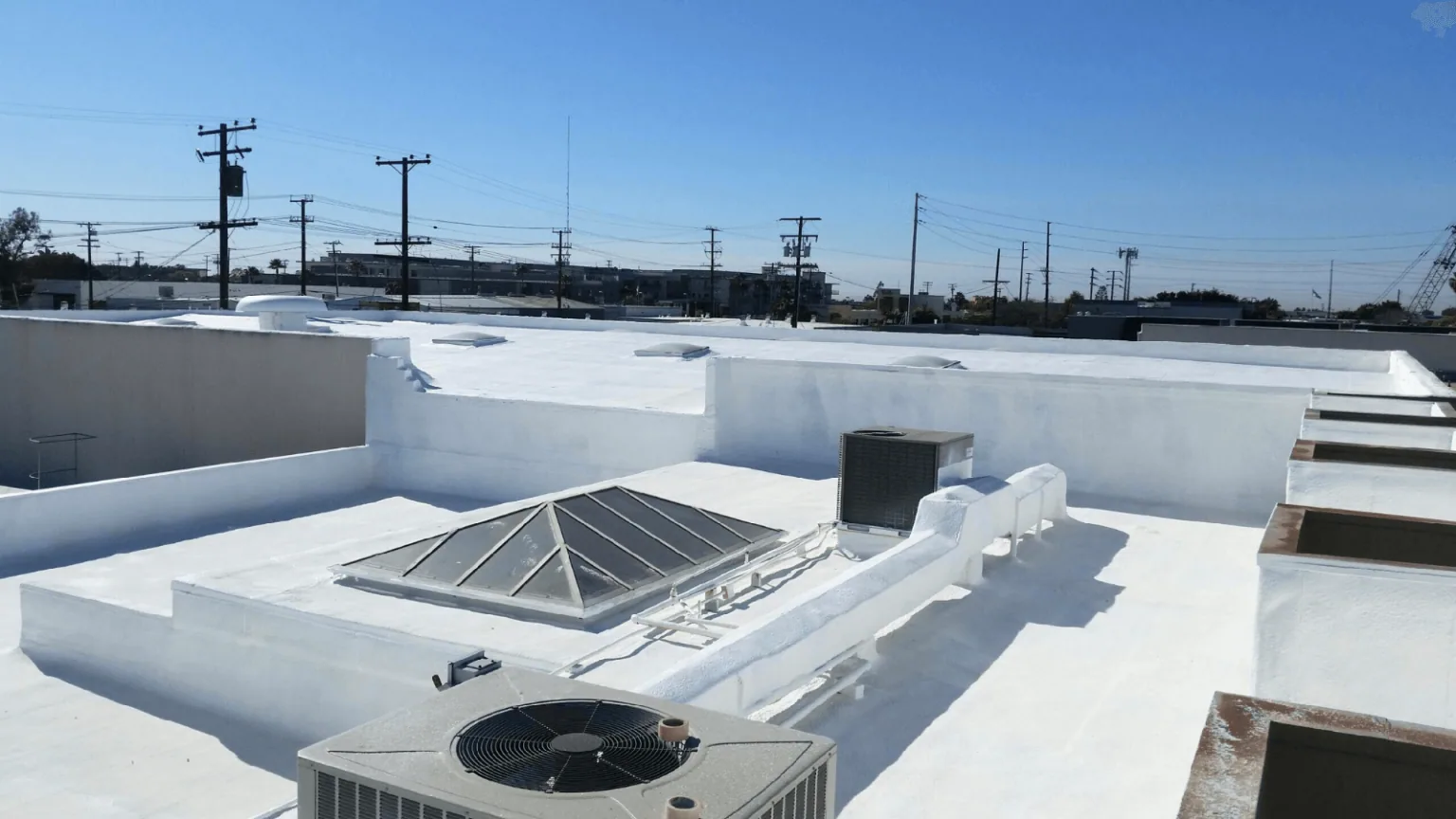
New construction has occurred across the broad district; verify each building’s roof system and age from owner records and inspection. We identify the material from visible evidence where possible and mark uncertainty for testing when necessary. A commercial roof inspection can document the surface, transitions, drainage path, and accessible interior signs, giving the owner a clear starting point for repair or replacement decisions.

A condition record also helps when the building has active operations. We ask who controls rooftop access, how deliveries and entrances are used, and whether air intakes or equipment need protection. The occupied-building work sequence sets daily closure points and separates roof work from tasks assigned to another trade.

Set Work by Actual Roof Conditions

Idaho Falls averages show Idaho Falls an average January temperature of 20.4 degrees and typical July daily high of 86.6 degrees. The crew checks actual temperature, wind, and moisture at the roof before setting Stanley-Boge work limits. Cold can affect adhesive and membrane handling; heat affects movement and application. We check current temperature, moisture, wind, and manufacturer instructions before setting the size of an open work area.

May’s monthly precipitation average is 1.57 inches, the highest in Idaho Falls set. May averages 1.57 inches of precipitation in Idaho Falls, its wettest month; set the daily dry-in limit from the live forecast before opening a roof. We identify the closure point, what protection stays in place, and which condition would pause the work. Urgent conditions can be sent to emergency response at any time, holidays and weekends included. Temporary protection is documented separately from permanent correction.

Winter follow-up focuses on exposed edges, penetrations, and seams where meltwater can enter or refreeze. Safe access and the roof’s present condition determine whether work can be completed immediately. A snow and ice damage inspection records what is a temporary seasonal measure and what is a lasting flashing or drainage repair.

Find the Defect and Its Boundary

A roof leak can have more than one contributing detail. We trace from the interior symptom toward the roof, checking nearby field seams, perimeter flashing, wall transitions, rooftop equipment, and drainage outlets. Water may move under the membrane before it reaches the visible stain. If the route remains uncertain, a moisture survey or selective opening may confirm whether insulation or deck conditions are part of the issue. We state that limitation before pricing a permanent repair.

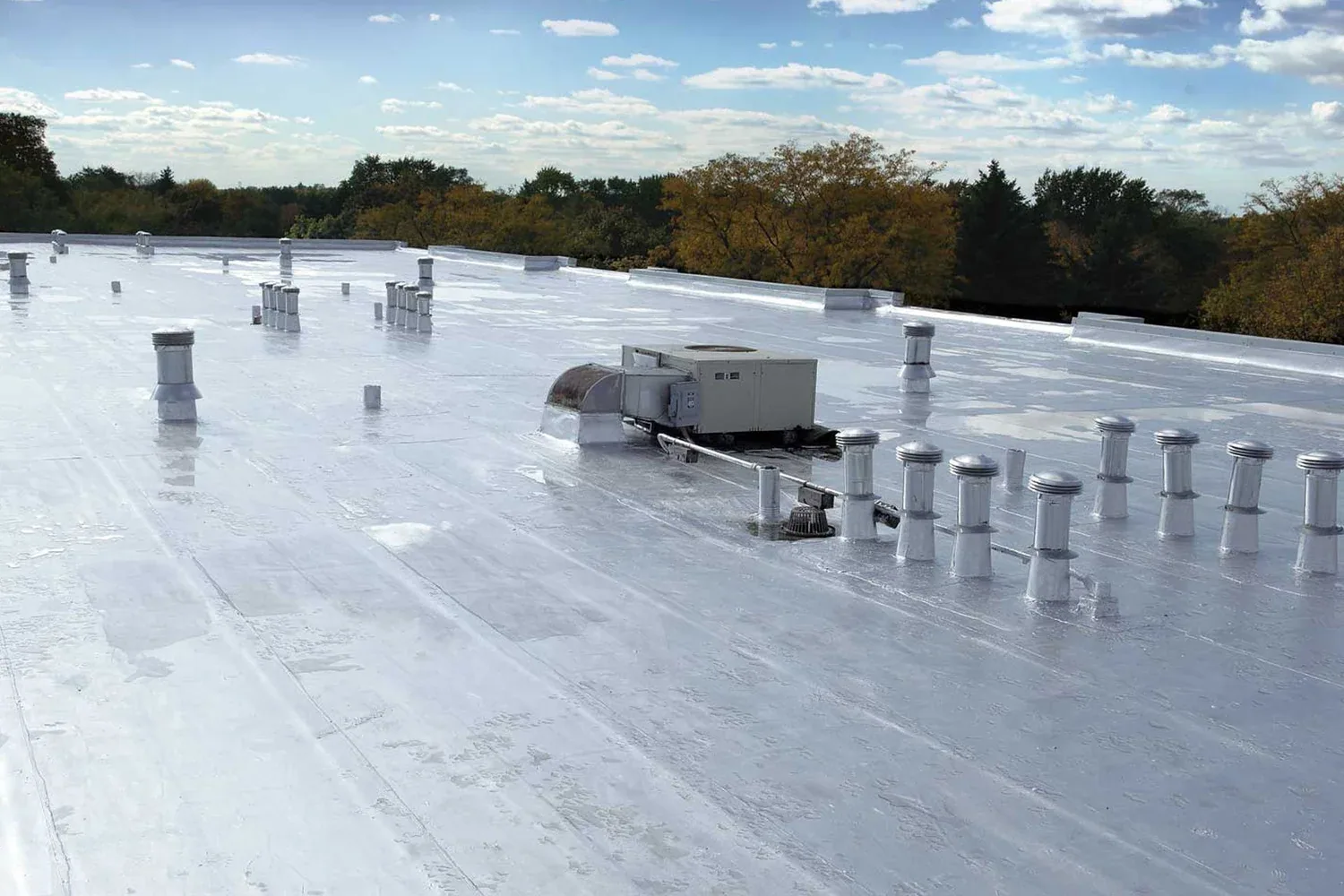
At drains and scuppers, we look for blocked strainers, loose clamping rings, open seams, damaged metal, and water that remains after the outlet clears. Cleaning may be enough where debris is the issue. Repeated ponding can point to slope or substrate conditions requiring more investigation. A drain and scupper repair scope names the observed condition and separates routine clearing from work that changes the roof assembly.

Idaho Falls references the 2018 IBC, IEBC, and IECC editions for project review. Review requirements depend on the repair or replacement scope. We identify the proposed work and coordinate information with the owner’s design team, particularly when insulation, attachment, edge securement, or drainage is changing. That step helps the estimate reflect a defined assembly instead of an assumed one.

Select the Right Roofing Path

A local patch can be appropriate when the defect is limited and surrounding material is sound. We check seam attachment, membrane condition, substrate stability, flashing geometry, and adjacent repairs. Wet insulation, weak deck, or broad deterioration may make a surface repair short-lived. The recommendation distinguishes a repairable detail from conditions that require selective removal, more testing, or a larger scope. That boundary should be understandable to the person approving the work.

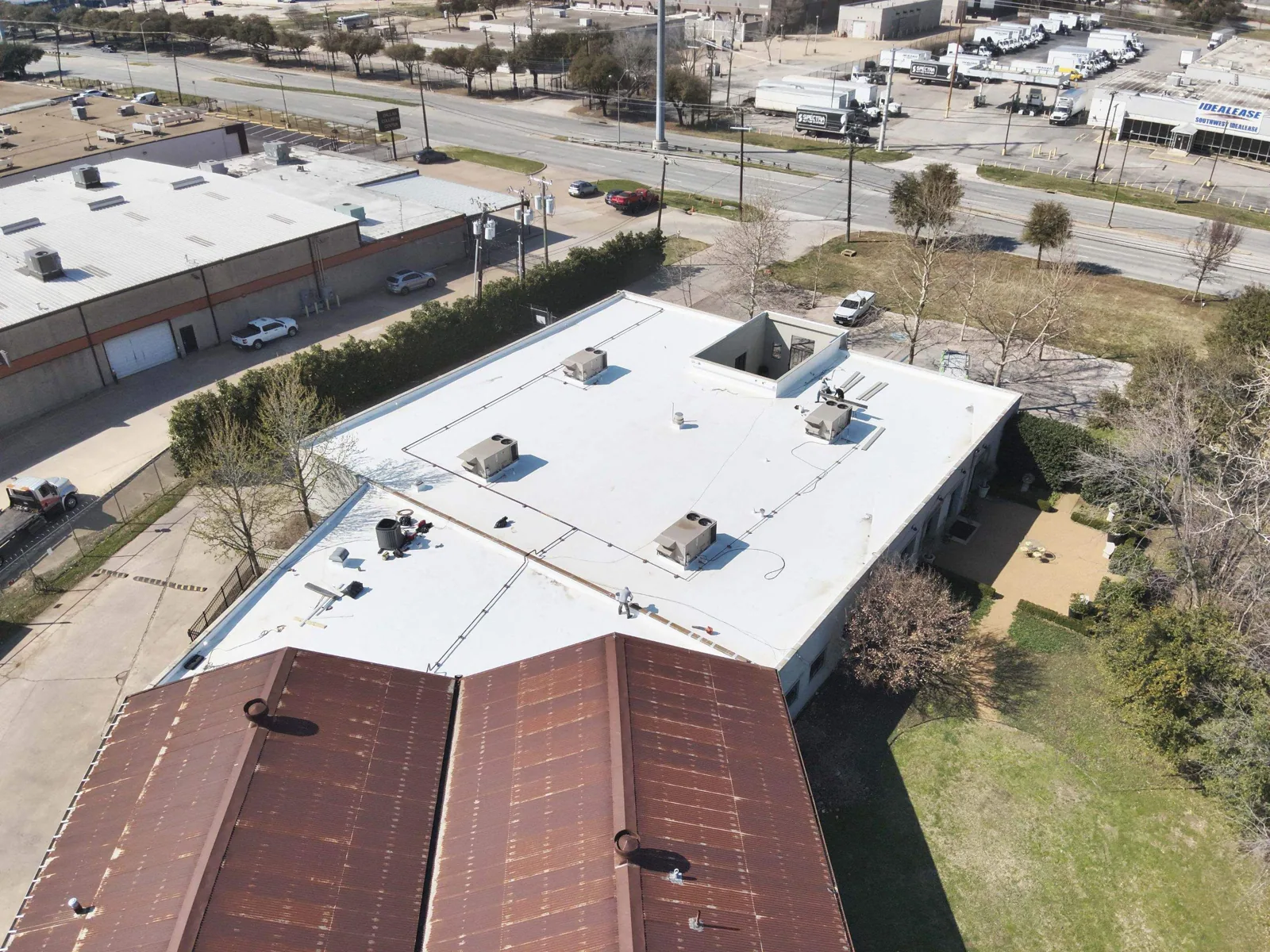
A recover can be evaluated if the existing roof is dry, securely attached, compatible with the new system, and within applicable limits. It does not correct concealed moisture or a weak substrate. A recover feasibility review compares those requirements with removal, deck access, and waste handling. If replacement is the better path, a replacement proposal states membrane or metal type, insulation, attachment, perimeter work, and drainage details.

Coating needs a compatible surface and strong adhesion after preparation. It is not a substitute for repairing a soft deck, wet insulation, or failed flashing. A coating suitability inspection checks these conditions before the owner considers that option. Each path has a different sequence and material requirement, and the scope should say which one is priced.

Coordinate With the Wider Work Plan

Stanley-Boge lies near major local routes, and new construction occurred within the district area in 2025. A manager coordinating nearby work should confirm the current delivery approach, staging locations, and any shared access or utility schedule directly with the site team. Stanley-Boge’s route context supports area orientation, while current access and construction timing must be confirmed with the property team. We use confirmed site conditions when planning equipment and material movement.

Roof timing and cost depend on removal depth, insulation replacement, deck repairs, edge details, equipment handling, staging, disposal, and weather. We put those drivers in the estimate and explain how a concealed condition would be approved if it appears after opening. A written condition record ties photos and priorities to specific zones for budget review.

For property managers responsible for more than one Idaho Falls location, compare records across Anderson Bush and Eagle Ridge without carrying an assumption from one roof to another. A scheduled maintenance visit can return to drains, exposed details, and repaired areas according to the actual assembly and agreed access rules.

Questions About Stanley-Boge District

No. Construction activity has occurred across Stanley-Boge; a building-level inspection and owner records establish the roof system and age. We inspect each roof and record the visible system, transitions, and any uncertainty that needs testing before proposing materials.

Yes, once access, staging, equipment, and sequence are confirmed with the project contacts. We identify any roof detail that another trade may affect and define who handles temporary removal or support. A final flashing check is included when work disturbs a roof penetration or curb.

It includes labelled roof zones, photographs, visible defects, drainage, edges, penetrations, access limits, and findings that need more investigation. The written report connects each recommended repair to an observed area and distinguishes confirmed work from allowances for concealed conditions.

We trace the water path and check the surrounding membrane, seams, flashing, attachment, substrate, and drainage. If the material around a small opening is sound, a localized repair may fit. Wet insulation, unstable deck, or repeated failure can shift the scope toward testing, removal, or replacement.

Current surface temperature, moisture, wind, precipitation, roof access, and the proposed product all matter. We define the work area that can be secured under actual conditions and explain what weather could change the sequence.

ServicesRoof SystemsIndustriesProperty TypesService AreasDamage RepairCapabilitiesManufacturersContactAboutRequest a Roof Assessment555-555-5555
Call us today555-555-5555