Hotel Roofing in Idaho Falls, ID Serving Idaho Falls & Eastern Idaho

Coordinate hotel roof repairs in Idaho Falls with guest access, rooftop equipment, drainage, and work phases planned around lodging operations.

Hotel Roofing in Idaho Falls, ID

Hotel Roofing

Idaho Falls moves through frequent freezing conditions and a hot summer roof season, so hotels need a roof plan that accounts for drains, seams, and equipment curbs across the year. In Idaho Falls, measurable precipitation occurs on about 84 days each year; a current forecast still governs hotel work scheduling. We inspect the assembly and identify how water is controlled before setting the work area and timing around guest access.

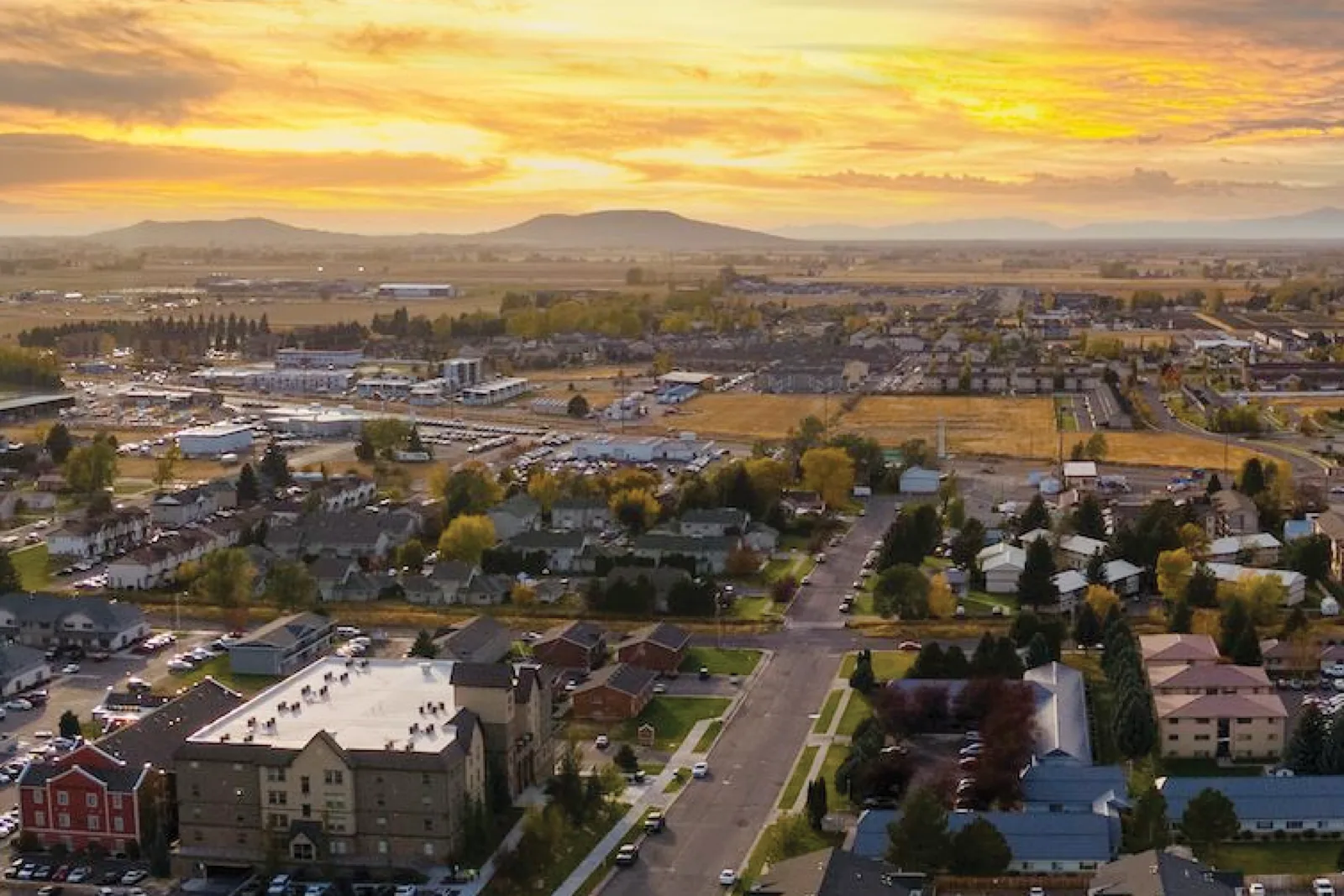
Idaho Falls serves regional travel, business, restaurant, and retail activity. Snake River Landing brings together event venues, offices, dining, and homes; Rexburg's University Boulevard district includes lodging, retail, offices, and commercial uses. These broad settings create different access and calendar questions. A hotel's guest routes, loading, event schedule, roof assembly, and mechanical systems must be confirmed at the property.

We document where water may enter, which rooms or shared spaces could be affected, and what needs immediate protection. The inspection checks seams, roof-to-wall transitions, drains, parapets, and rooftop equipment supports. A written scope identifies the affected zone, access limits, and any condition that needs further testing, so management can plan around the work.
Hotel Roofing in Idaho Falls, ID

Check the Roof Above Guest Areas

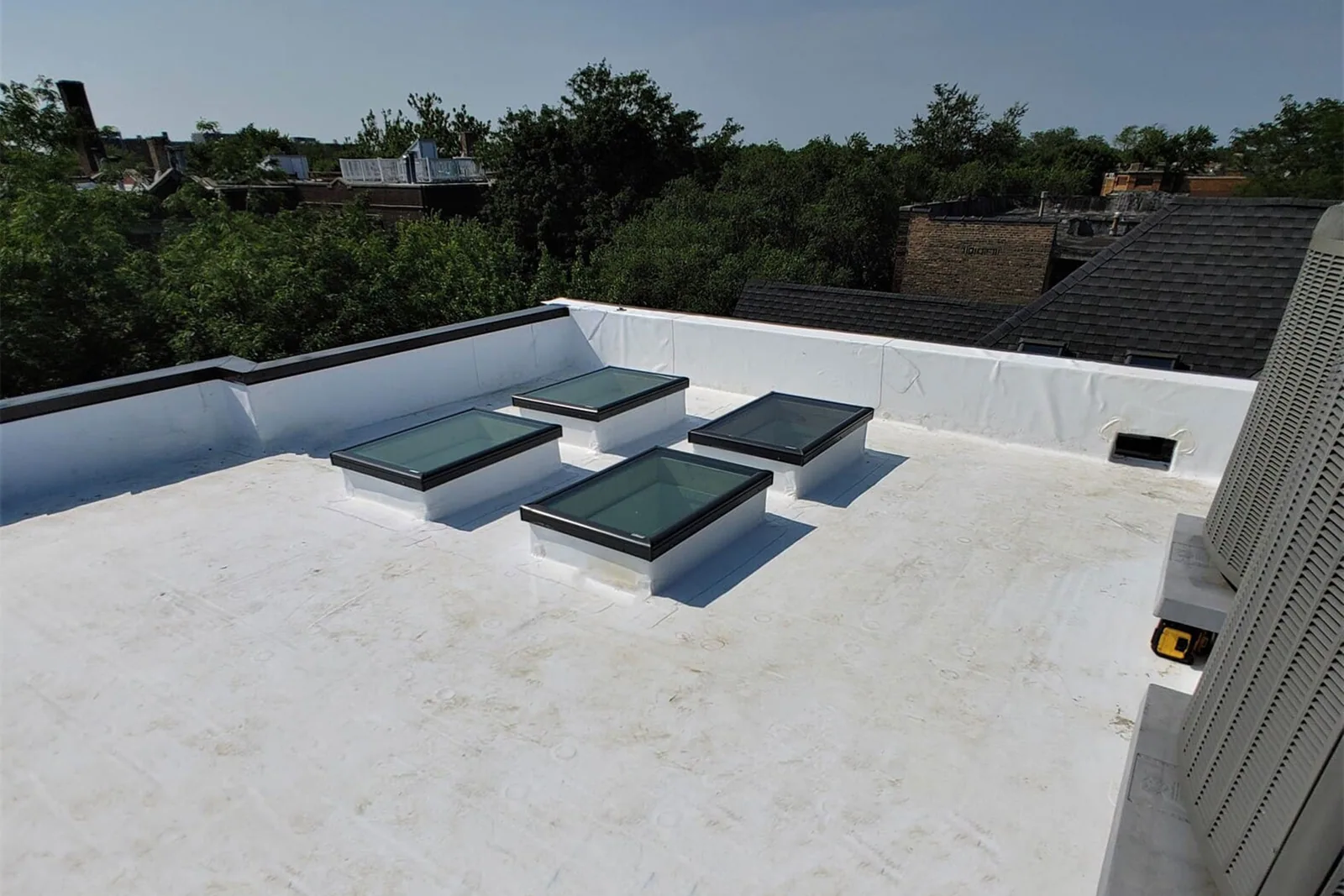
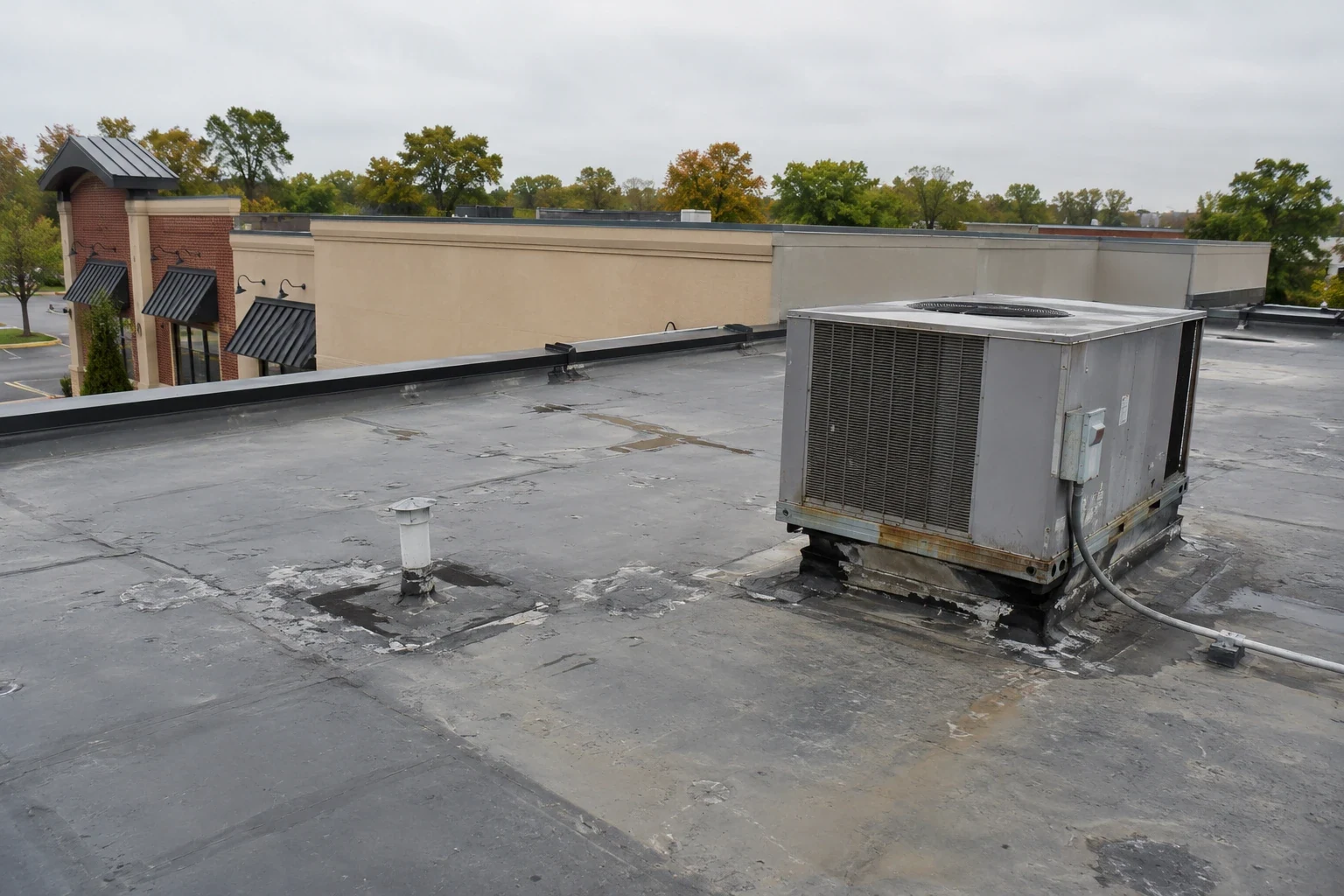
We identify the roof system and inspect seams, penetrations, drains, curbs, edge details, and previous repairs. Water may move through insulation or along the deck before appearing in a guest room or corridor. We compare an interior report with slope, parapets, equipment, and nearby flashing, then mark the likely entry point and any uncertainty. Photos give the manager a record that can be matched to a room or roof zone.

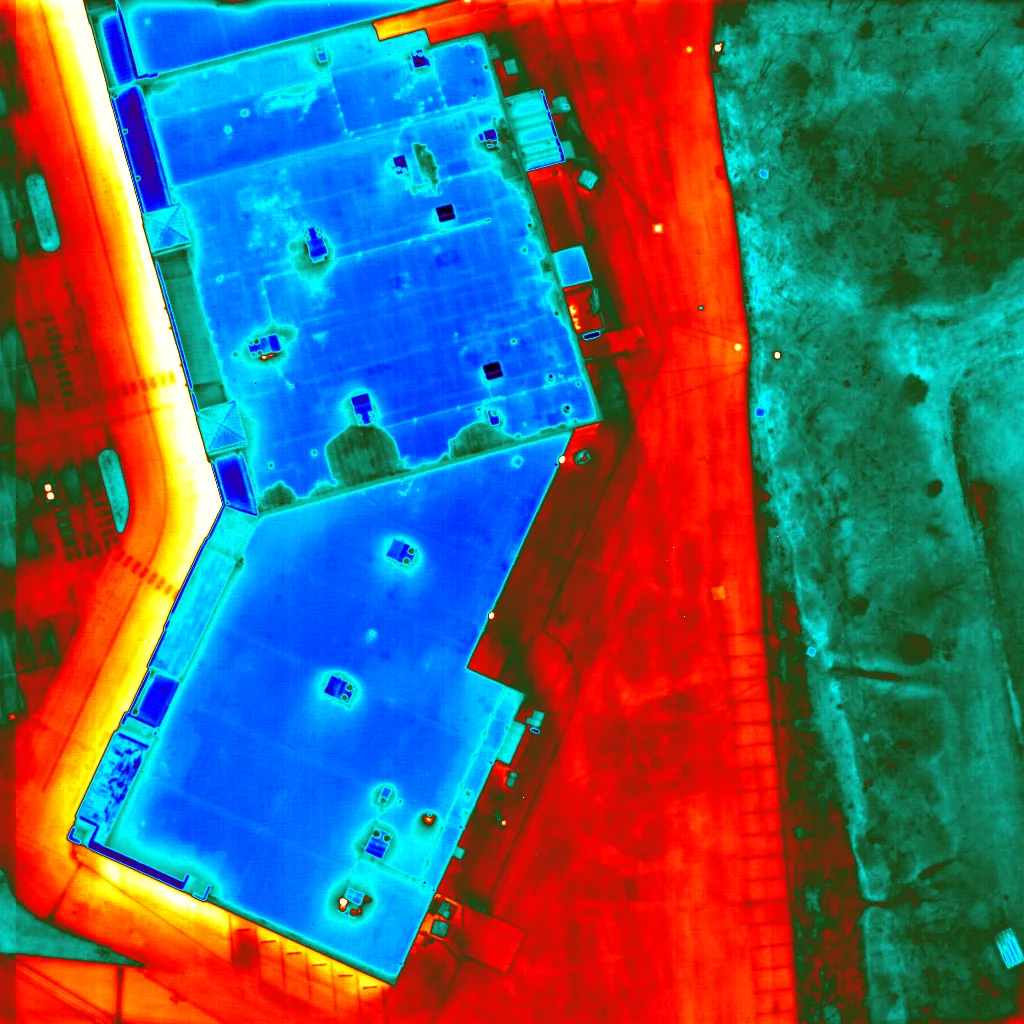
If the assembly may hold moisture, we identify a test area and note where the roof could not be accessed. A moisture survey can help map suspect insulation when conditions are suitable, with targeted confirmation before removal is included. If a leak is active, the scope separates interior protection from the permanent roof repair and states what stays unresolved.

Drainage needs a separate check from the membrane field. We follow low areas toward outlets, inspect bowls and scuppers, and look at the flashing where drains meet the roof. A blocked outlet or failed connection may need correction with a seam repair. The manager can then compare the repair to the water path rather than treat a stain as the full problem.

Maintain Guest and Staff Access

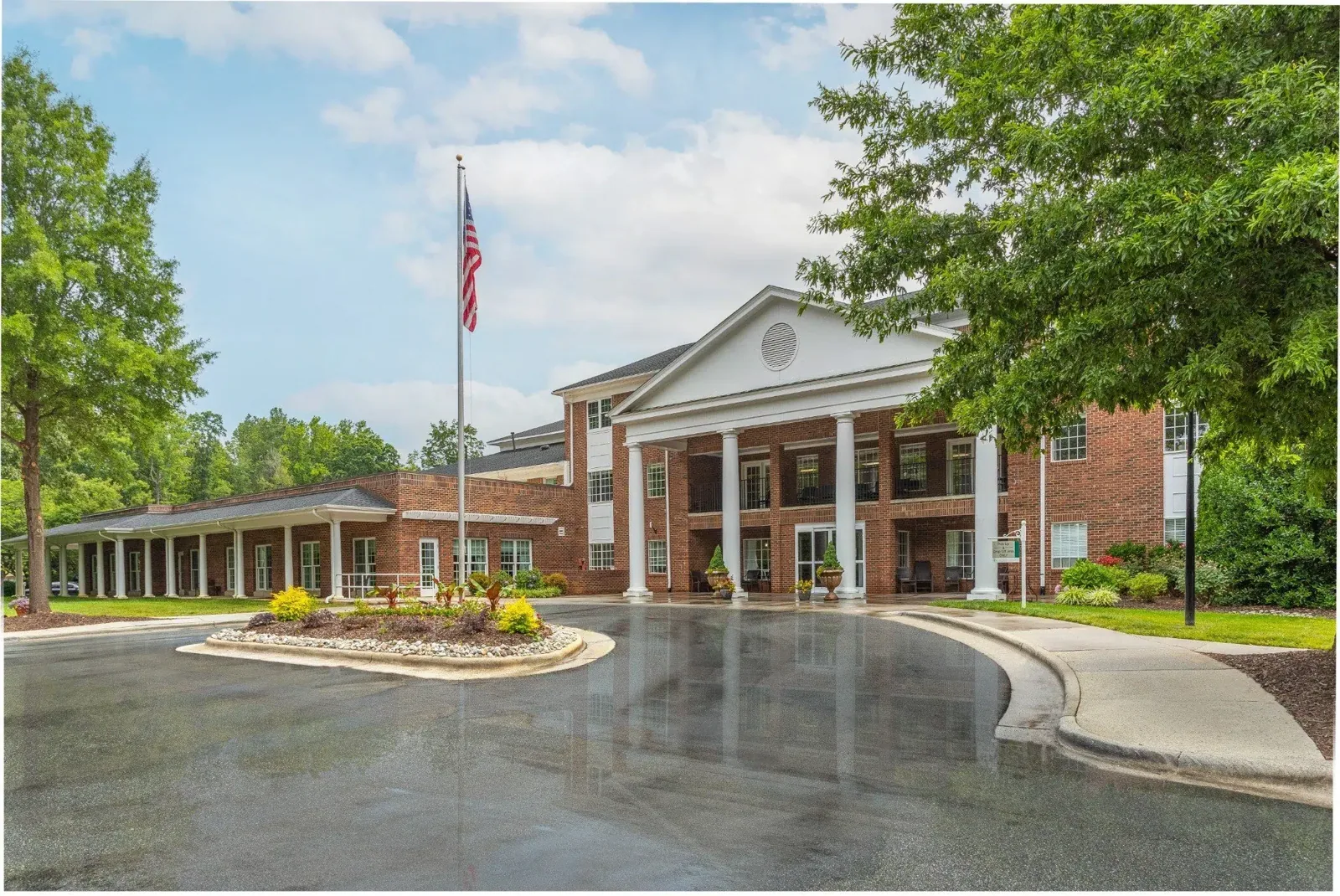
Hotel staff can identify guest entrances, loading zones, event calendars, kitchen or laundry routes, air intakes, and rooms that cannot be interrupted. We plan lift placement, material staging, debris routes, and any temporary closure with those conditions in mind. If a guest area remains in use below the work, we coordinate interior protection and notices before a roof section is opened. The occupied-building reroofing plan names work zones and schedule contacts.

Rexburg Downtown District combines central business, retail, and office activity. The University Boulevard district adds lodging and other mixed uses. Snake River Landing has event venues as well as residential and dining activity. We confirm guest access, service routes, event schedules, and quiet periods with hotel management before staging work. For roofing near the Rexburg Downtown District, we confirm loading, access, and planned events with the property contact.

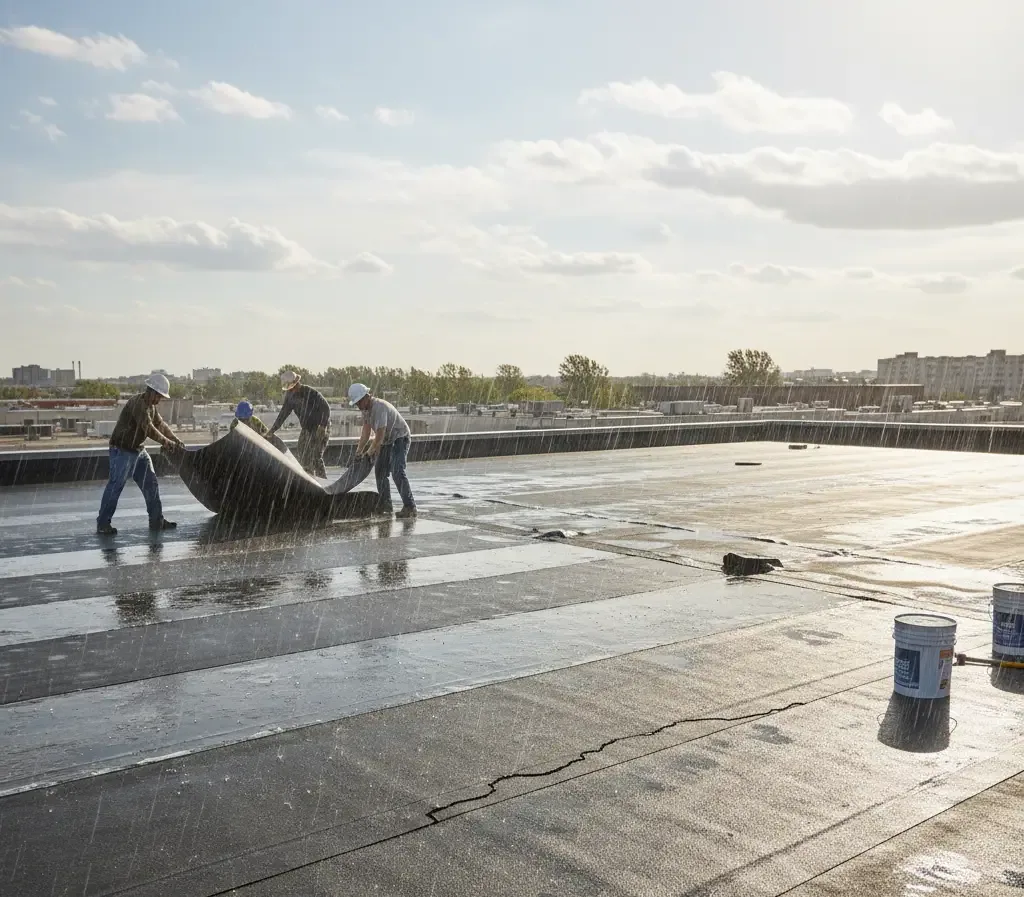
We limit each open area to the amount that can be prepared and secured within the scheduled shift. Temporary tie-ins protect the boundary if work pauses. The hotel facilities contact should approve access changes and identify how the crew pauses and secures the roof if weather or a concealed condition changes the sequence. That is especially useful when multiple guest areas depend on a shared entrance or mechanical system.

Plan for Temperature and Precipitation

Seasonal shifts can affect substrate temperature, drainage, and safe access. We review the current forecast alongside the selected system's application requirements before setting the daily work zone. A roof's actual temperature and moisture conditions require an onsite check.

May averages 1.57 inches of precipitation, the highest monthly amount in Idaho Falls. We plan temporary tie-ins and define the closure point before tear-off, so a weather interruption does not leave a broad roof section open. Snow or ice may obscure drainage or limit safe access. We document whether the condition is a blocked outlet, a damaged detail, or a temporary restriction before selecting permanent work.

Material availability, guest schedules, delivery access, permits, and concealed conditions also affect timing. We state those dependencies and ownership decisions in the proposal, including who receives notice when the work boundary changes. A schedule based on the inspection and operating plan is more useful than an unverified completion date.

Choose Repair or Renewal by Area

A limited defect may be repaired if surrounding material is dry and secure. Recurring leaks, broad wet insulation, weak attachment, or deck damage can point to a larger scope. A recover requires a stable existing roof that can support another assembly under project requirements. We identify the conditions supporting each option and note any testing needed before ownership chooses.

For an occupied hotel, the choice also includes where the work can be phased and whether a mechanical shutdown is needed. A single-ply roof system or another assembly should suit substrate, drainage, penetrations, and future service access. The actual scope determines which adopted Idaho Falls building and energy requirements apply.

A hotel with food service may need coordination around exhaust equipment, while an apartment roof plan can involve tenant notices and common areas. If kitchen exhausts affect flashing, the restaurant roofing scope addresses those details. The hotel recommendation remains based on its own roof assembly, use, and access needs.

Account for Access and Service Windows

Costs depend on roof height, equipment curbs, removal depth, wet insulation, deck condition, drainage work, edge details, and staging. Guest routes, lift restrictions, event timing, and protection of occupied rooms can add coordination. We separate the known work and access assumptions from allowances for concealed conditions, then identify the approval point for any added scope.

Schedule depends on how much roof can be closed each day, when deliveries can arrive, and whether systems need to be taken out of service. We state temporary water-control measures separately from permanent repair. A commercial roof repair can address a defined opening, while preventive maintenance can revisit drains and exposed flashing after work. Photos and repair limits give ownership a useful record for a future budget review.

For hotel roofs near Snake River Landing, surrounding event and dining uses may affect access planning, but the individual property sets the work calendar. We record completed details and remaining concerns for hotel management.

Questions About Hotel Roofing

We coordinate guest routes, event calendars, loading, air intakes, and any space that needs protection with hotel staff. The work plan identifies each zone and daily closure limit. If a route changes, the named contact can notify staff before guests use the affected area.

Seams, drains, curbs, parapets, roof-to-wall transitions, and prior patches all deserve review. Water can travel beneath the membrane, so the interior location does not always identify the entry point. We trace the route and document what is confirmed before setting the repair limit.

Phasing works when roof access, system details, weather, and temporary tie-ins support it. We define the daily work area and closure step, then coordinate access and protection with hotel operations. If the deck or insulation changes the plan, ownership approves the additional work before that area is covered.

We map curbs, exhausts, supports, service clearances, and penetrations during inspection. The scope identifies any planned shutdown or coordination with mechanical staff. Flashing can be corrected without assuming the equipment itself is defective, and work outside the roofing scope is identified separately.

A coating depends on a sound, dry, compatible surface and properly repaired details. It cannot correct wet insulation, an unstable substrate, or a blocked drain on its own. We inspect the assembly and compare coating with repair or replacement based on observed conditions.

ServicesRoof SystemsIndustriesProperty TypesService AreasDamage RepairCapabilitiesManufacturersContactAboutRequest a Roof Assessment555-555-5555
Call us today555-555-5555