Commercial Roofing in Eagle Ridge, Idaho Falls, ID Serving Idaho Falls & Eastern Idaho

Commercial roofing in Eagle Ridge begins with a property-level check of roof condition, drainage, access, and project coordination needs.

Eagle Ridge in Idaho Falls, ID

Eagle Ridge

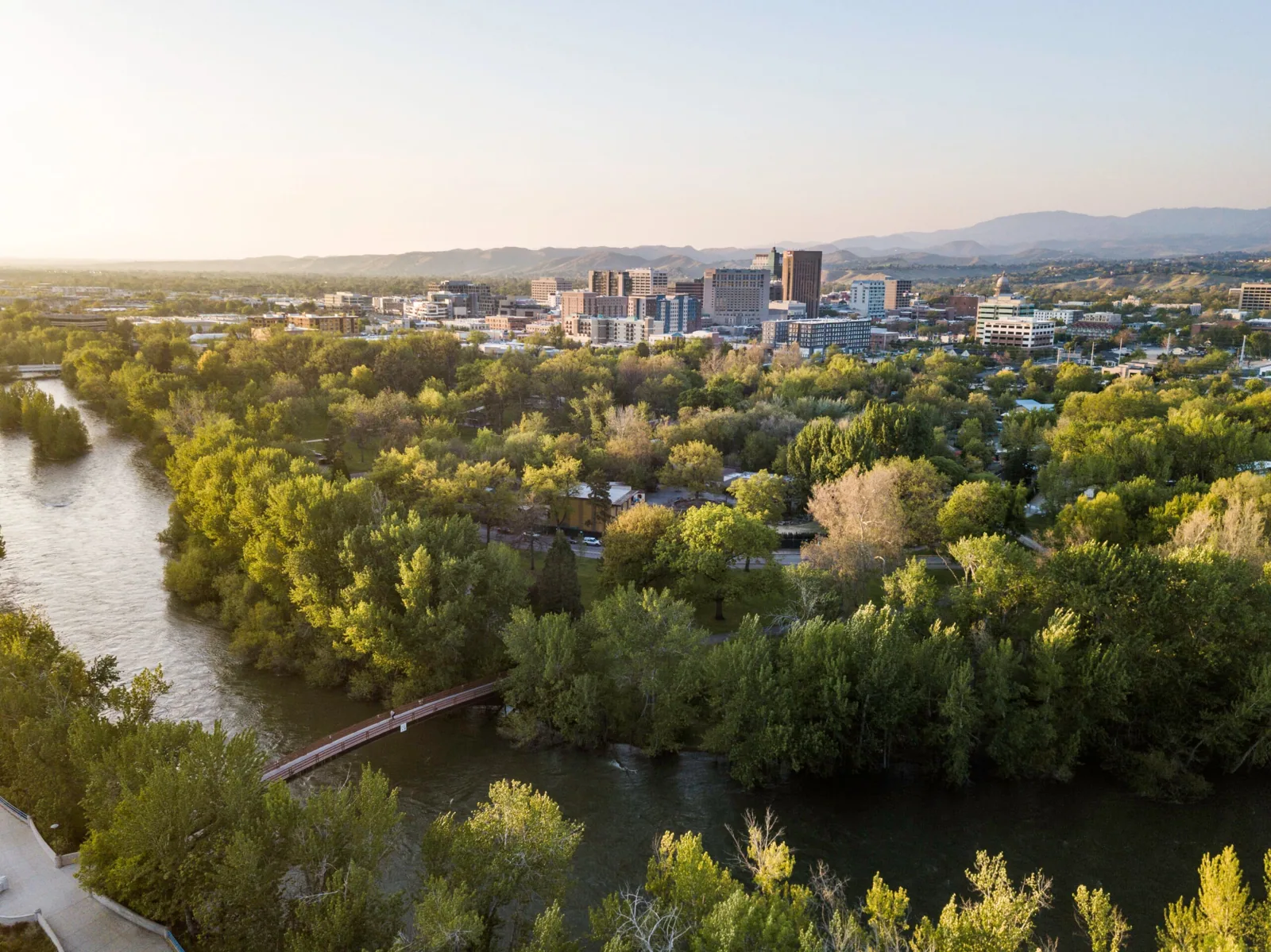
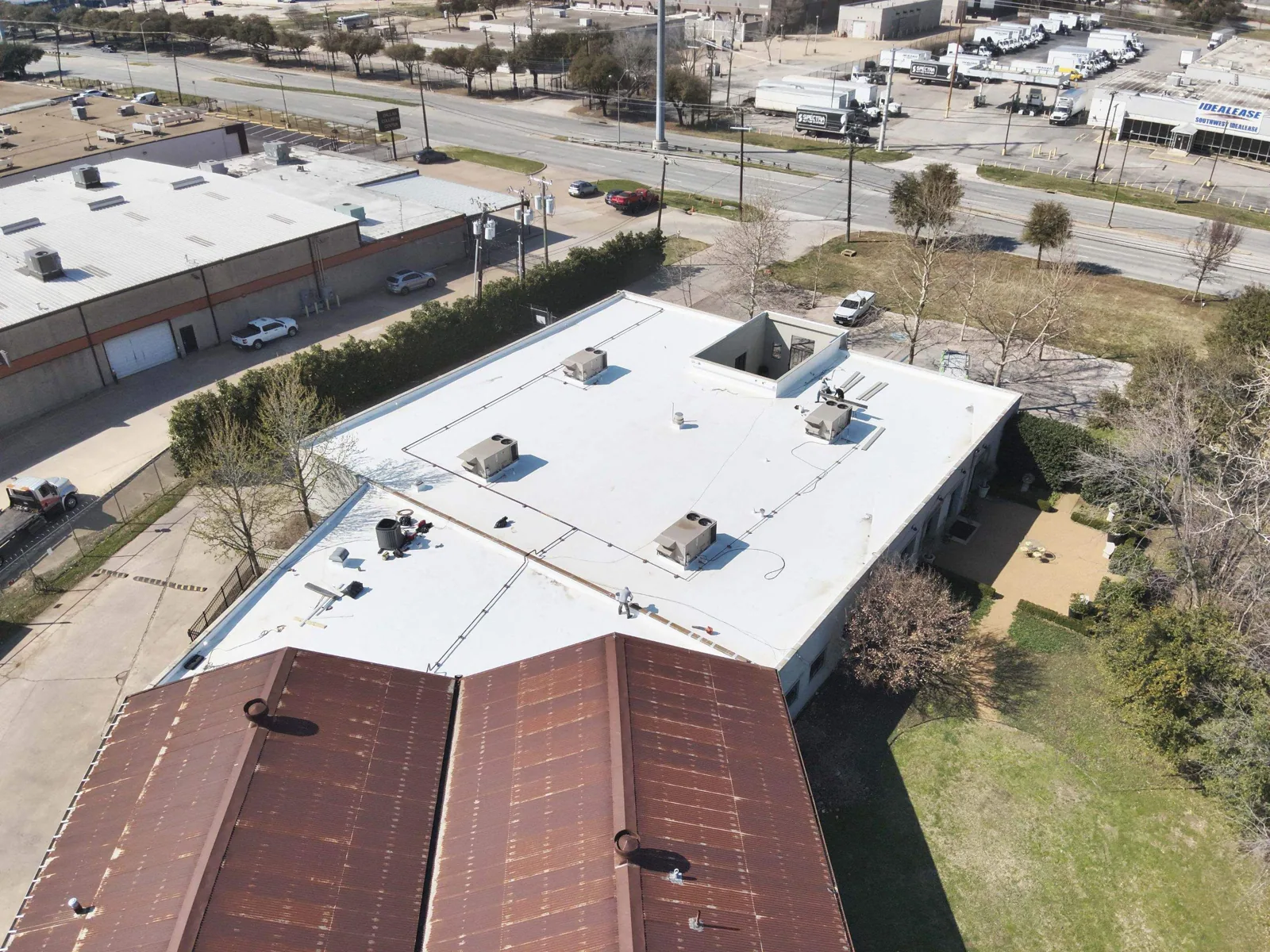
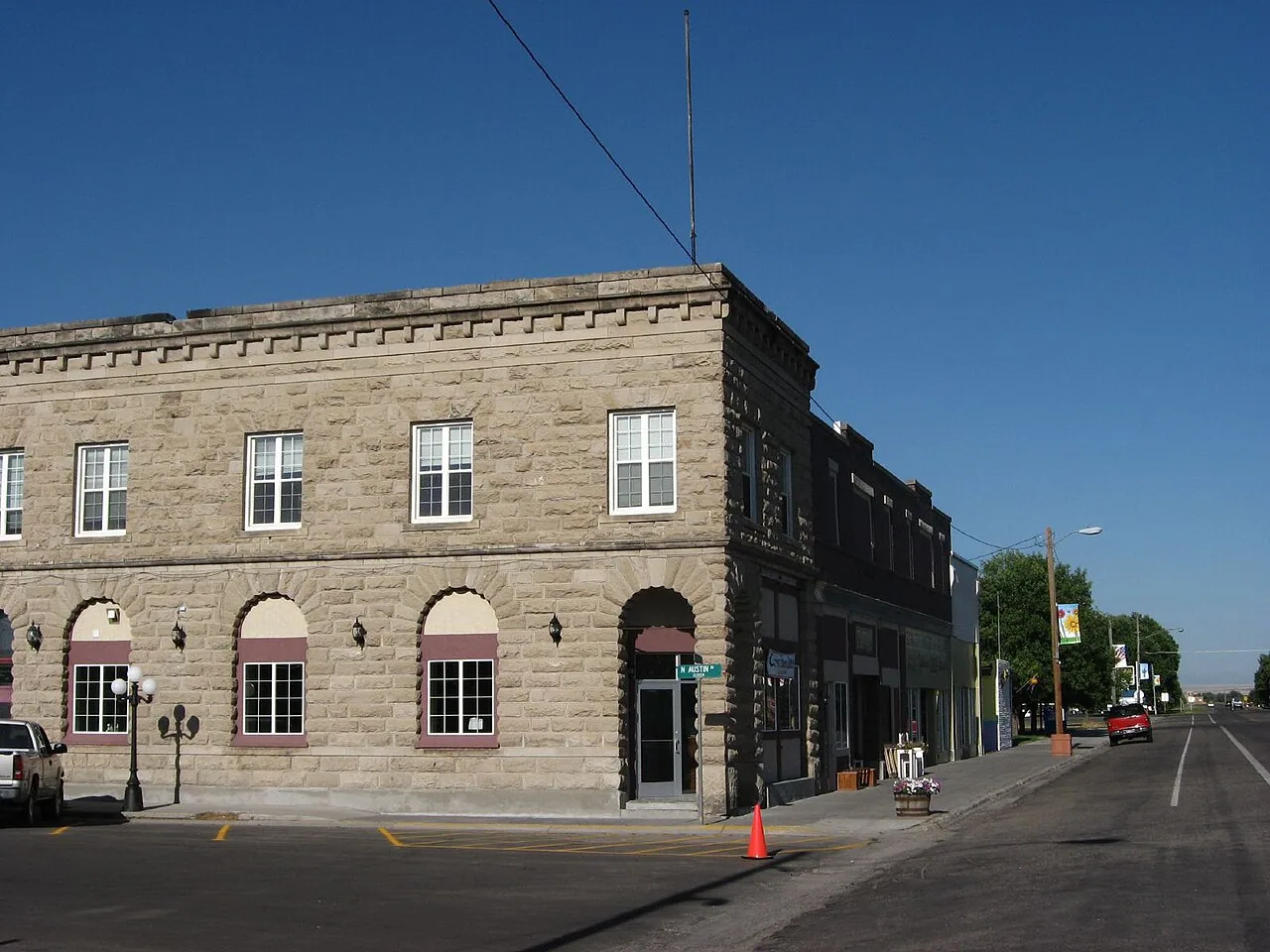
Winter movement can work at a seam long before a leak becomes obvious inside, so a commercial roof in Eagle Ridge needs a close condition check before a repair is priced. Eagle Ridge is an approximately 55-acre urban renewal district between the former Snake River district and River Commons. Area priorities include water, sewer, and street improvements. Eagle Ridge development and public improvements can shape construction access; confirm each building’s roof age, assembly, and condition before scheduling work.

For the Idaho Falls, the annual average includes 182.2 days with overnight lows of 32 degrees Fahrenheit or less. Check current roof-surface temperature and weather before setting the application window. We use them as a seasonal planning reference, then base the work window on current temperatures, material requirements, and the roof surface itself. An inspection gives ownership a specific record of what needs attention and which decisions can wait for planned work.
Eagle Ridge in Idaho Falls, ID

Coordinate Roofing With Site Improvements

Water, sewer, and street projects can affect delivery routes and staging. When roofing work happens alongside civil or utility work, the property team should confirm where deliveries can stage, whether access routes may change, and which drainage outlets must stay open. We confirm active construction, access limits, and staging with the property contact before the roof schedule is set. That discussion helps set a realistic sequence before tear-off, repair materials, or equipment arrive.

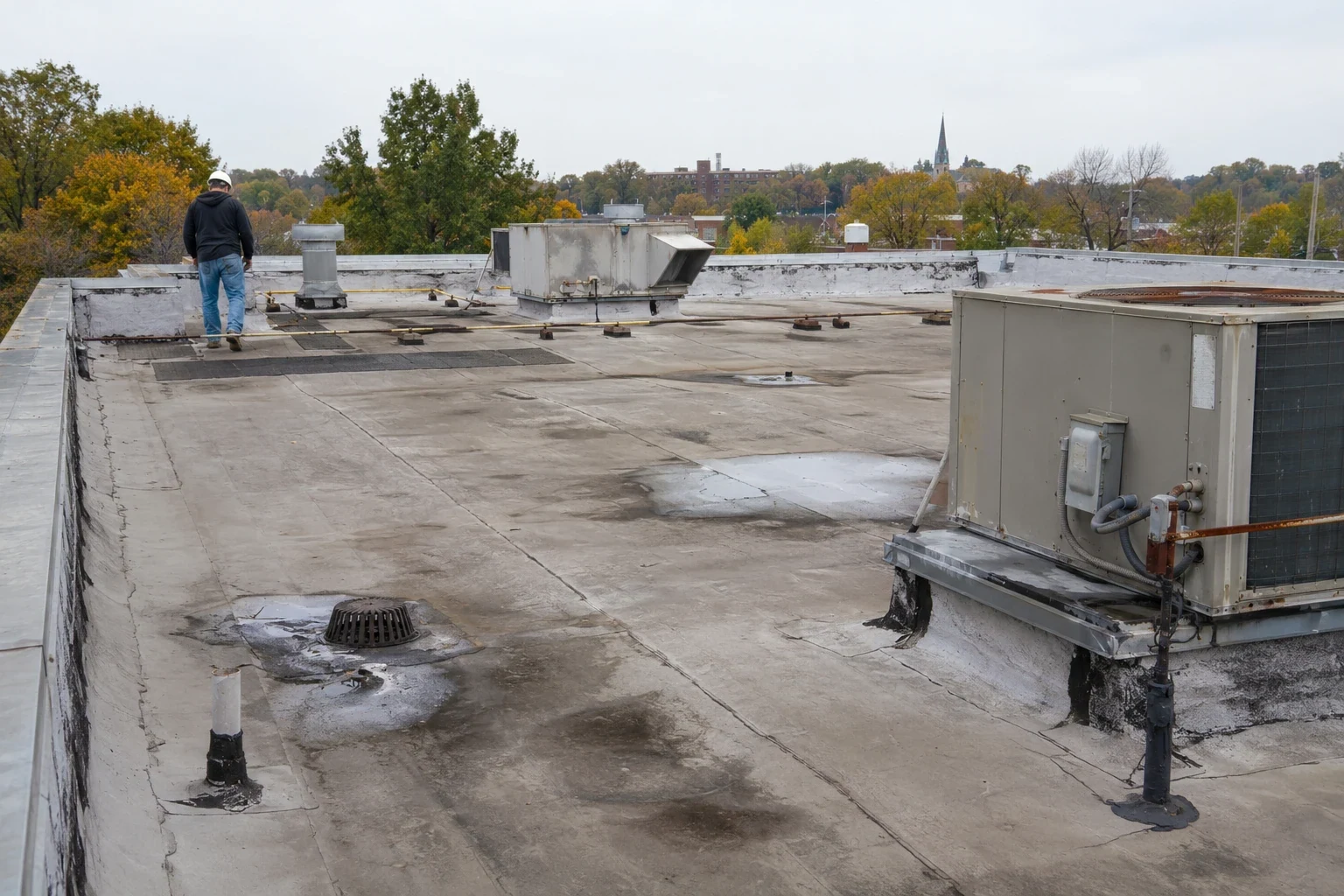
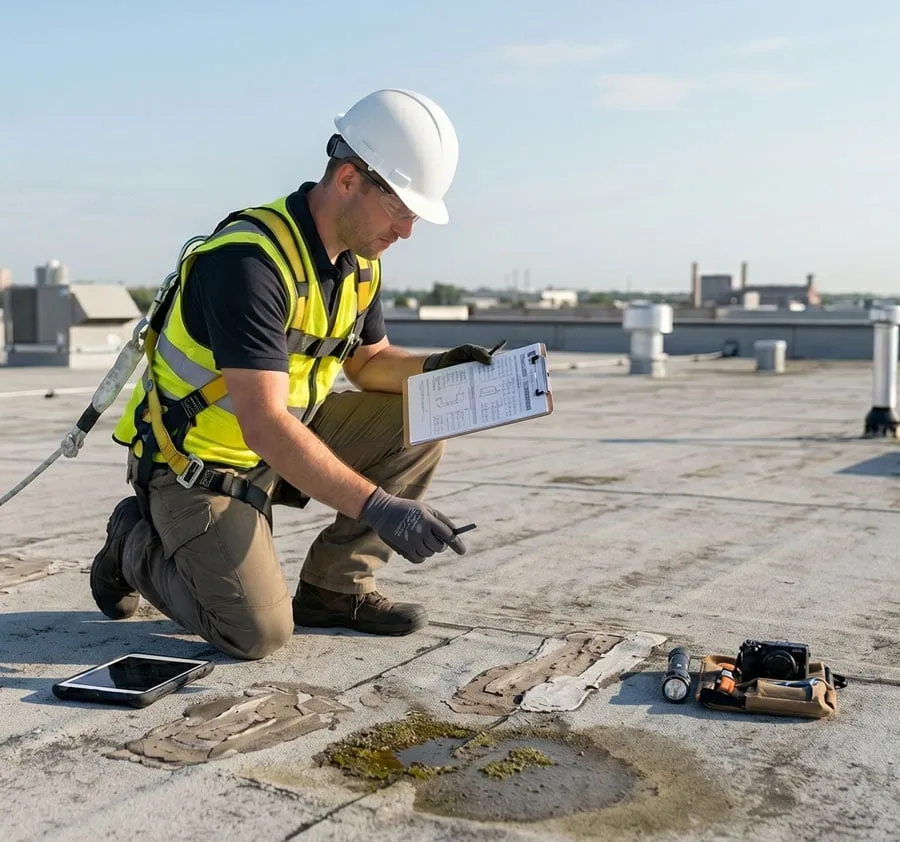
Eagle Ridge is an urban renewal district created in 2014, with a term through 2034. The district’s public-works history can affect access; inspect the actual roof assembly and condition before setting scope. During the first walk, we identify roof zones, access points, membrane or metal type, visible patches, edge details, penetrations, and drainage locations. Photos and concise notes give the manager a property-specific record to use with other project documents.

Where the roof sits over occupied space, the work plan needs daily closeout limits, noise coordination, protection for air intakes, and a way to keep doors and service routes usable. Our occupied-building roofing sequence sets those controls before work begins. If several properties are being coordinated nearby, compare conditions with the broader River Commons district and Snake River Landing area, while preserving a separate scope for each roof.

Build the Scope From What Is Visible

Water at a ceiling does not automatically point to the roof detail directly above it. We inspect drainage, seams, curbs, penetrations, edge metal, and transitions, then compare those observations with interior signs. Water can travel under a low-slope membrane before it shows inside. If the route remains unclear, moisture testing or a selective opening may answer the question. The report separates confirmed observations from items still requiring investigation.

A moisture survey can map suspect areas; use a selective opening when the repair decision depends on the layer beneath the membrane. A hands-on commercial roof inspection records accessible conditions, photographs, and limitations. The finding identifies the repair area, proposed material, preparation, and any unknown that could affect cost.

City permit guidance points applicants to 2018 building, existing-building, and energy-code editions. The proposed work and project conditions determine the applicable review. We describe whether the work is localized repair, a new assembly, or another change, then coordinate relevant roofing information with the owner’s project team. A condition report with labeled photos keeps that record organized.

Choose a Safe Weather Window

At Idaho Falls, the January mean is 20.4 degrees Fahrenheit and the July mean daily high is 86.6 degrees. Neither value predicts a workday; both show why a roofing scope needs conditions-based planning. Cold affects handling and adhesion, while high surface temperatures change safe movement and application. We check current roof conditions and product instructions before opening an area, then plan what can be secured by day’s end.

Idaho Falls’s May precipitation average is 1.57 inches, its highest monthly mean. That average cannot replace a forecast, but it supports a written dry-in plan. We define the daily closure point and protect opened areas if conditions change. Temporary water control is documented separately from permanent repair, so the owner can see what remains.

Emergency service remains reachable through every hour of the week, including holidays. We confirm safe access, control water where practical, and record the limits. A lasting repair may require dry conditions or further substrate investigation, and the scope makes that next step clear.

Compare the Repair Paths

A localized repair makes sense when the surrounding membrane, attachment, and substrate can support a sound tie-in. We check whether the defect is limited to one seam or flashing, and whether insulation or deck conditions suggest a wider issue. If the affected area is wet or unstable, a surface patch can hide rather than resolve the problem. The recommendation states what is repairable now and where selective removal or testing would improve confidence.

A recover needs a suitable, dry, secure existing assembly. A coating also needs compatibility and sound substrate; it cannot fix trapped moisture or a failed deck. The recover-versus-removal review lays out the conditions that control that choice. For broad deterioration, a replacement scope compares removal, insulation, edges, and drainage.

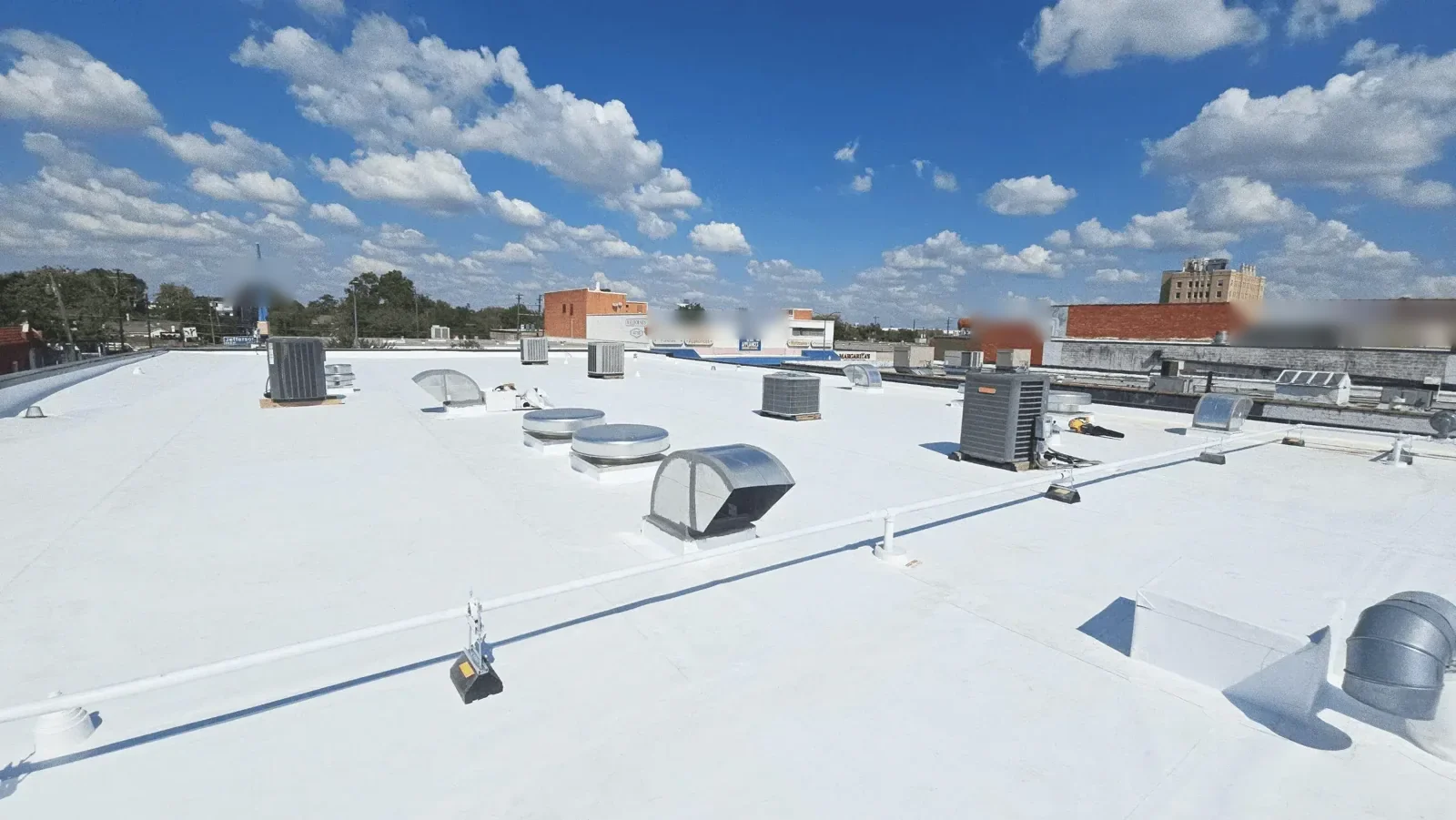
System choice follows the building. TPO, PVC, EPDM, modified bitumen, metal, and coatings have different seam and flashing details. We identify materials and transitions in writing. A modified bitumen assembly has different repair considerations from mechanically attached single-ply; the estimate should make the choice clear.

Keep the Record Current

After repair, record the roof zone, materials, changed details, and anything left for monitoring. A recurring check can revisit drains, seams, flashings, and equipment curbs before a small opening expands. District infrastructure priorities may affect capital coordination, but maintenance still depends on site conditions. A preventive maintenance program can follow the property’s assembly and access rules.

Cost and timing move with removal depth, insulation, deck correction, detail count, equipment handling, staging, disposal, and weather. The scope states assumptions and approval steps for concealed damage, separating known work from conditions that may change after opening.

Questions About Eagle Ridge

No. It identifies a district-level planning area and priorities for water, sewer, and street improvements. The roof scope comes from inspecting the individual building, documenting its assembly, and confirming current access and drainage conditions. We use the district context to coordinate conversations, not to assume a roof’s age or condition.

Confirm roof access, material staging, drainage discharge, rooftop service routes, and the sequence for any work near the building. We photograph existing conditions that could be affected and identify which roof details need protection. The property manager can then coordinate the roofing scope with the relevant site and project contacts.

We can plan around occupied operations when the site conditions allow it. The sequence identifies work zones, daily dry-in limits, noise periods, air-intake protection, and pedestrian or delivery routes. The manager confirms which functions cannot pause, and we set boundaries that keep the work area controlled while those operations continue.

The decision starts with moisture, attachment, deck condition, surface compatibility, drainage, and the extent of failed details. A coating is not a cure for wet insulation or a weak substrate. If those conditions are present, we compare selective repair, removal, and replacement, then document what testing is needed to resolve unknowns.

We provide a written condition summary tied to labeled roof areas, with photographs, completed work, limitations, and items that need follow-up. The record can also identify the system installed and the assumptions used for concealed conditions. That gives ownership a consistent basis for future maintenance and budget review.

ServicesRoof SystemsIndustriesProperty TypesService AreasDamage RepairCapabilitiesManufacturersContactAboutRequest a Roof Assessment555-555-5555
Call us today555-555-5555