Manufacturing Plant Roofing in Idaho Falls, ID Serving Idaho Falls & Eastern Idaho

Plan manufacturing plant roofing in Idaho Falls with a documented assembly review, production-aware phasing, and repair options tied to roof conditions.

Manufacturing Plant Roofing in Idaho Falls, ID

Manufacturing Plant Roofing

Idaho Falls manufacturing roofs must handle a winter cycle with frequent freezing alongside summer periods that can bring maximum temperatures of 90 degrees or more. Idaho Falls averages record 182.2 freezing-minimum days and 26.5 days with highs at least 90 degrees. Idaho Falls has frequent freezing conditions and a warm summer roof season; schedule around safe access, material limits, and the plant’s production calendar. We inspect the assembly, document exposed details, and set repair or replacement phases around production needs.

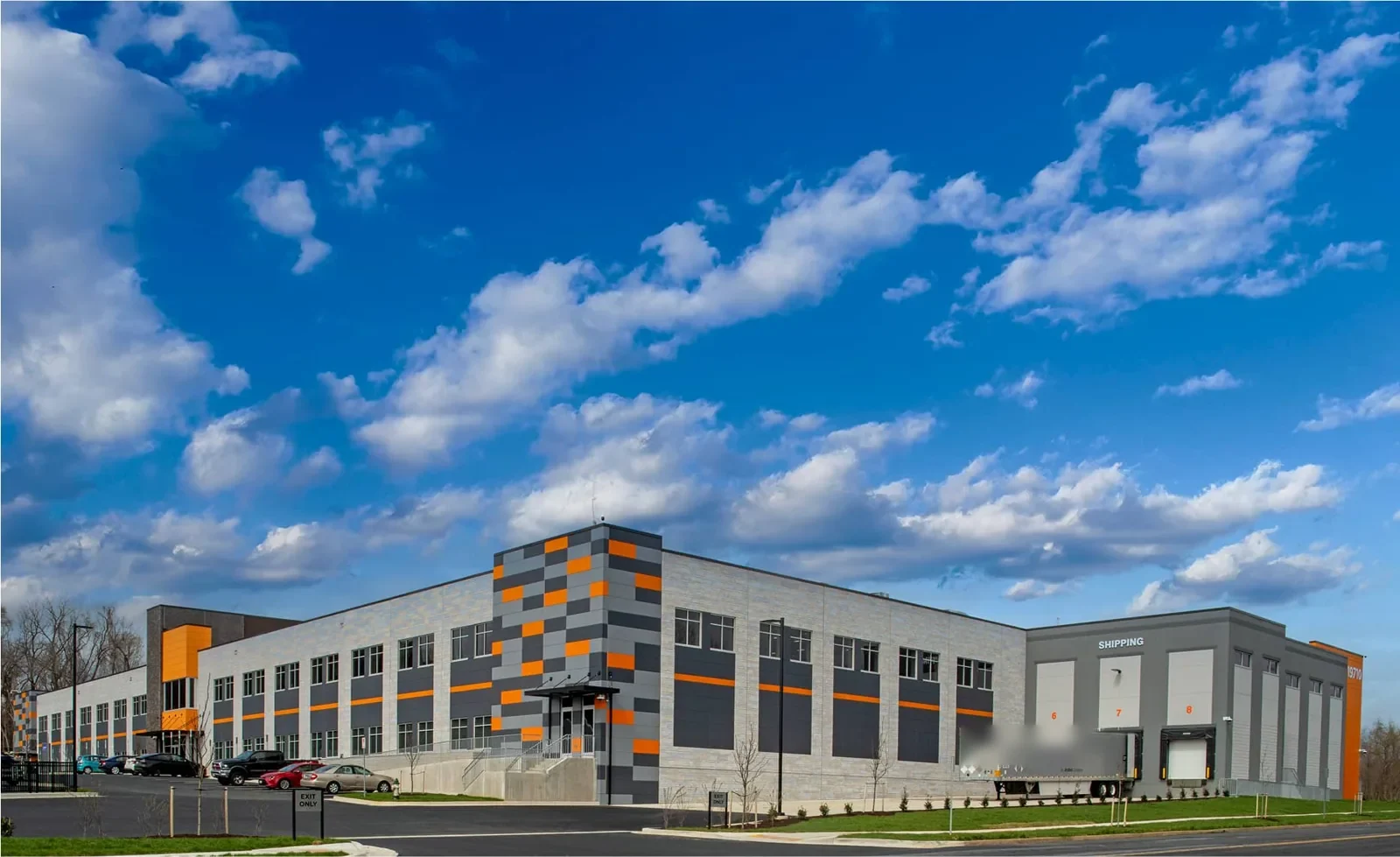
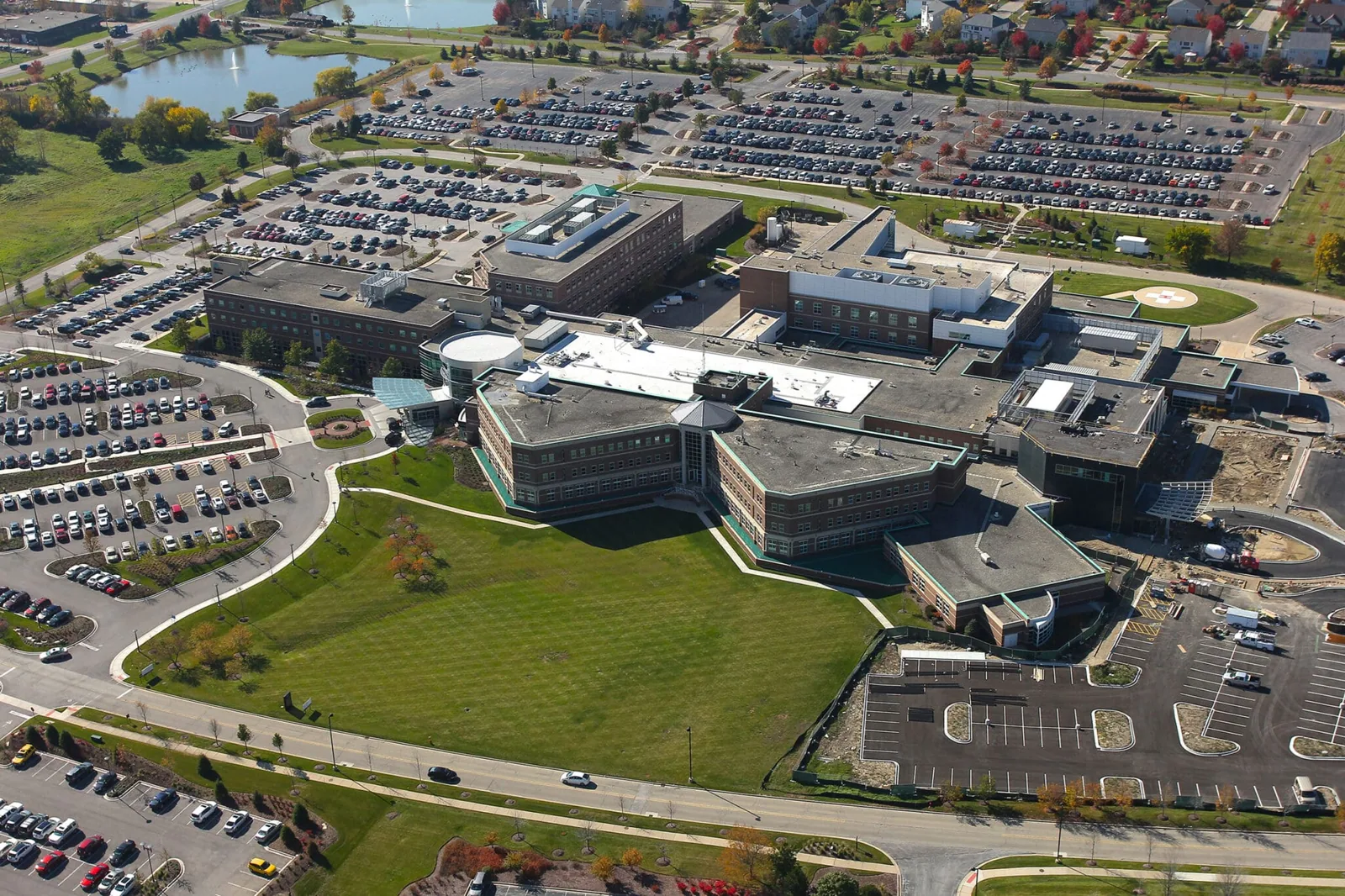
Idaho Falls industrial areas include manufacturing, fabrication, processing, storage, warehousing, wholesale distribution, and rail uses. The Idaho National Laboratory Research and Education Campus includes offices and laboratories, while College of Eastern Idaho has technical, classroom, and industry/trades buildings. These local uses illustrate why operating limits must be confirmed with each plant.

We map equipment curbs, exhausts, penetrations, and drains against reported interior signs, separating urgent water control from planned repairs. The record gives the manager a basis for action tied to the actual assembly.
Manufacturing Plant Roofing in Idaho Falls, ID

Trace Roof Conditions to Operations

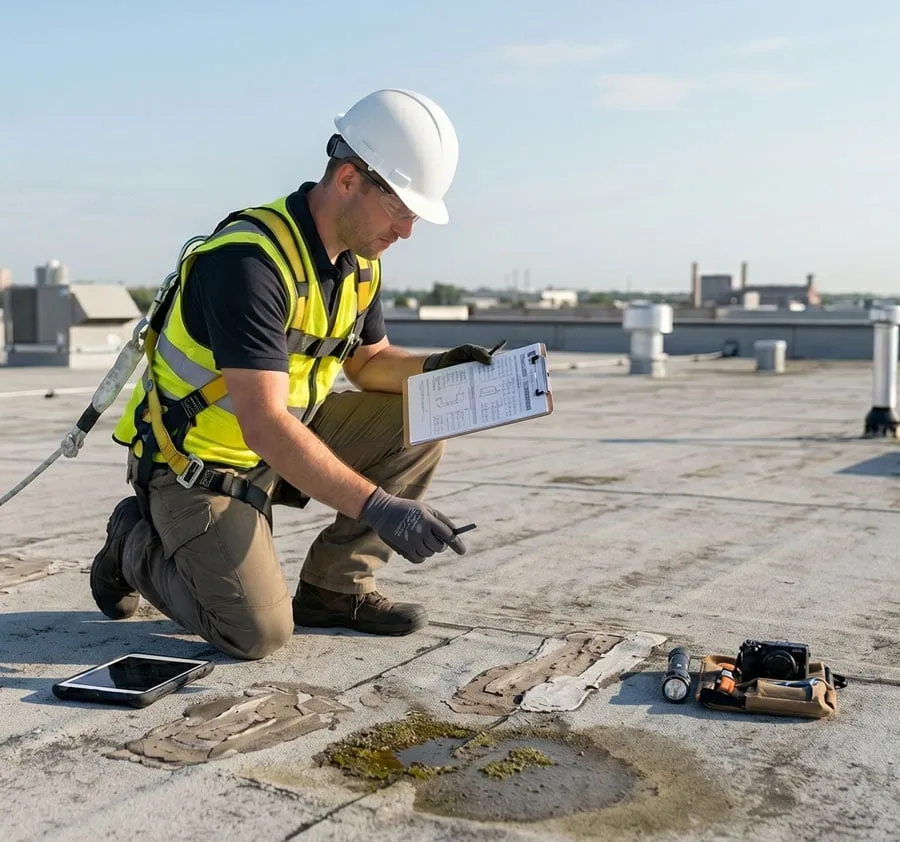
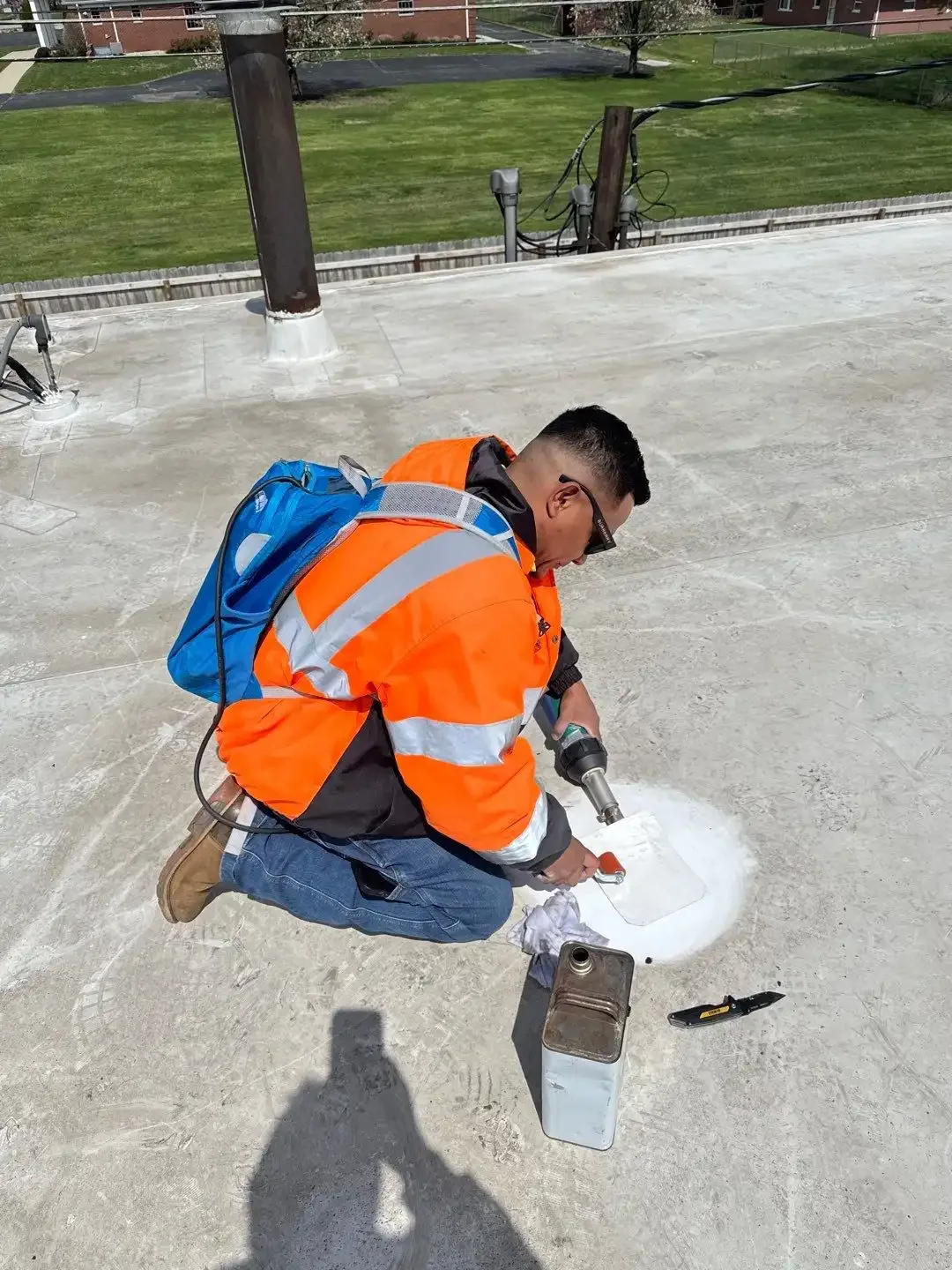
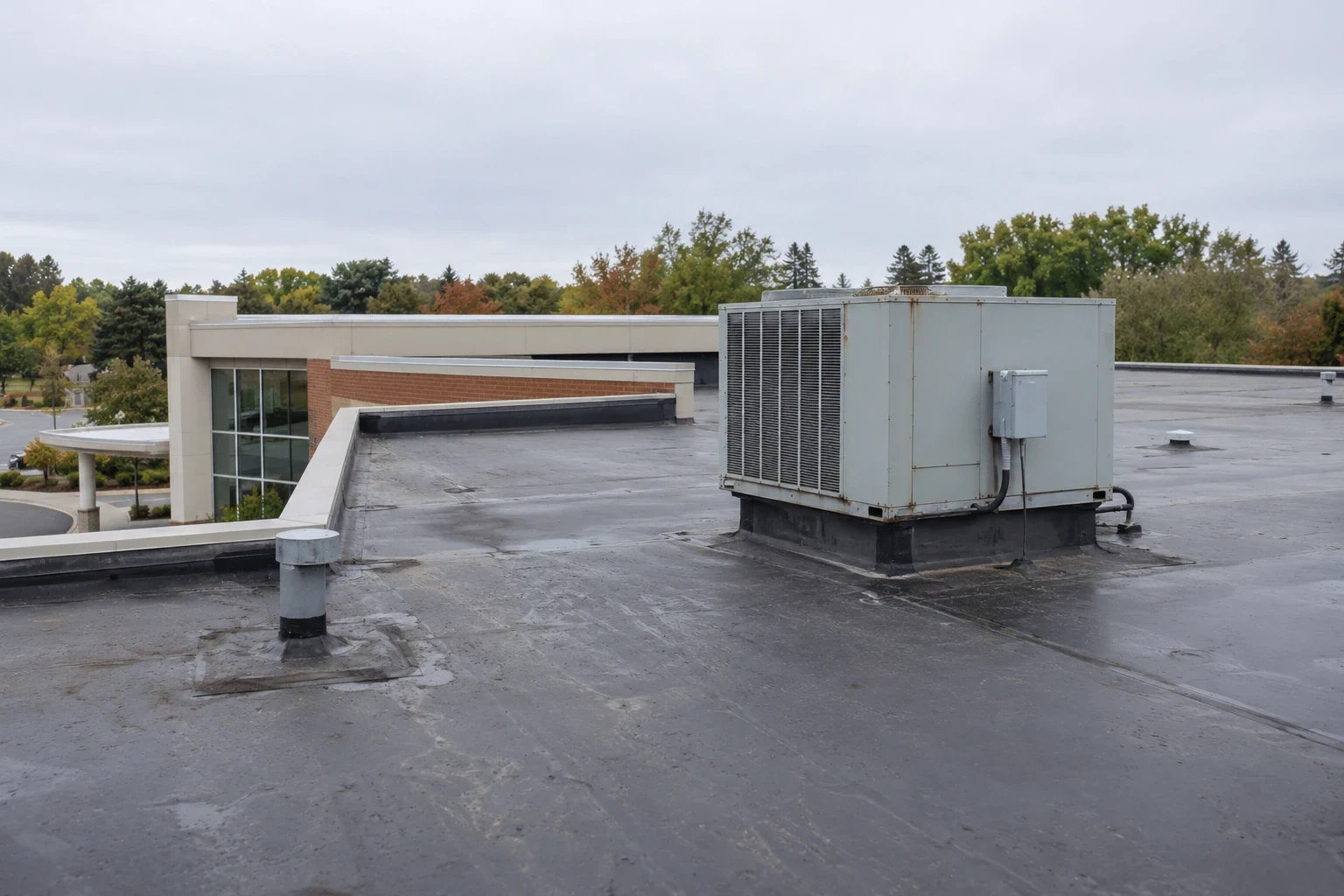
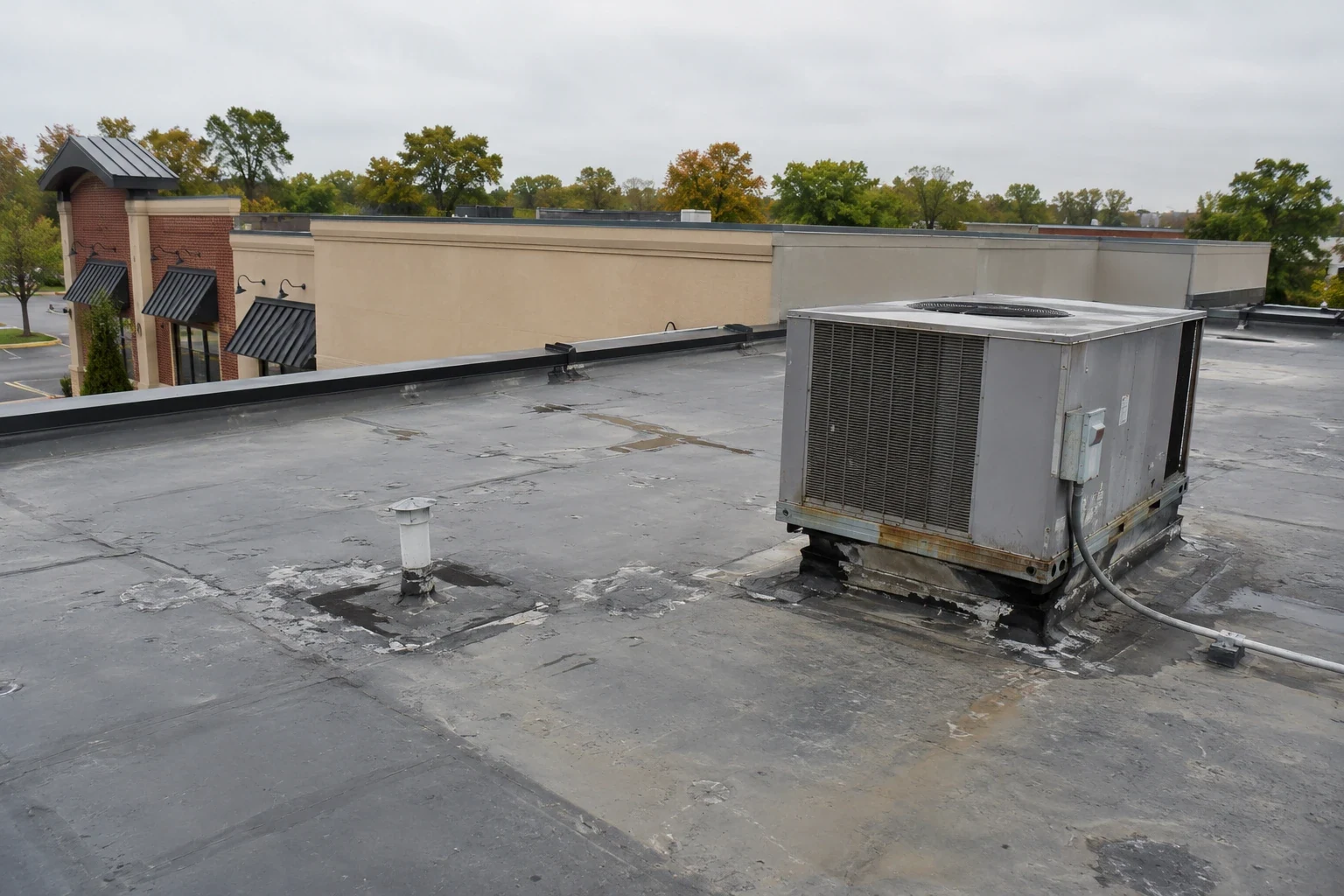
We identify the roof system and inspect seams, attachment, flashing, edge metal, penetrations, and prior repairs. Exhausts, process piping, and equipment access can interrupt the membrane, so we check transitions for movement, open laps, corrosion, or trapped water. If an interior report points to a particular production zone, we compare it with roof slopes and details, because water can travel before it reaches a ceiling or equipment area.

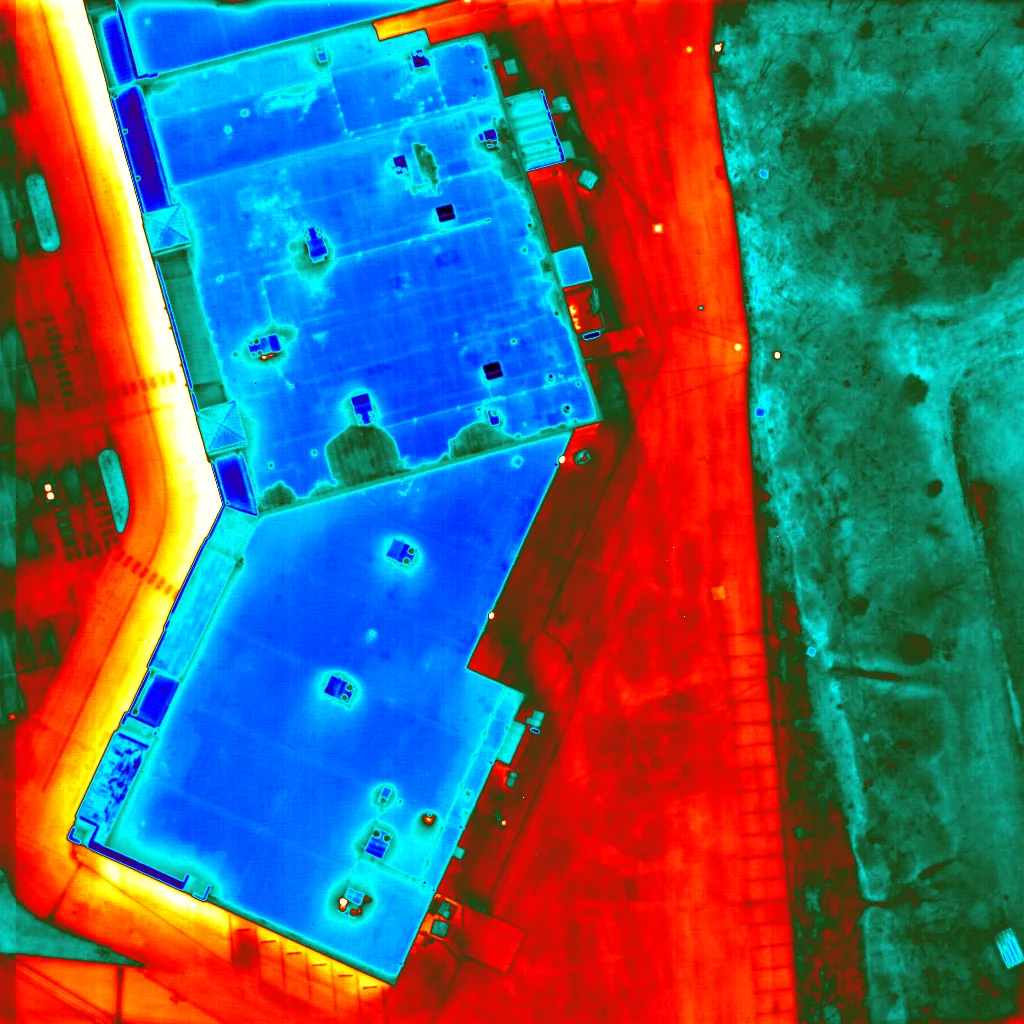
Moisture testing can show whether a defect is isolated or part of a larger concern. We mark suspected wet insulation and note where testing was not possible. An infrared moisture survey can help map suspect areas, followed by confirmation where needed.

The facility contact also identifies sensitive intakes, process restrictions, and periods when roof access is limited. The Idaho National Laboratory Research and Education Campus has offices and laboratories, and the College of Eastern Idaho campus includes labs and technical classrooms. Those nearby uses reinforce the need to protect active interiors. We record each plant's own restrictions before choosing a sequence. Snake River Landing has offices, dining, residential uses, and event venues, a different operating mix that also requires building-specific access planning. For roof projects across Idaho Falls, the operating plan follows the property.

Phase Work Without Losing Control

Production schedules set the work boundary. We phase sections that can be prepared and closed within the shift, identifying staging, lifts, debris handling, and intake protection. Facility staff can mark zones where noise, dust, or a temporary shutdown would conflict with production.

Idaho Falls industrial areas include rail and street connections that can affect loading, lift placement, and debris routes. Where deliveries or rail movement are active, our occupied-building reroofing plan records work zones and restrictions. Warehouse roofing also needs dry-in controls, while a plant sequence must account for process systems.

Water control remains the priority at every transition. We limit tear-off to the area that can be made watertight, protect the day boundary, and inspect tie-ins before leaving. If a weather change compresses the window, the crew should have a defined stop point. That protects the interior and helps operations understand when the next phase can proceed.

Set Seasonal Limits Before Mobilization

Winter and summer conditions in Idaho Falls put different limits on roof work. Idaho Falls's Idaho Falls climate averages can help frame the season, while the roof-level forecast and product instructions decide whether a shift can proceed. We examine substrate moisture and temperature, check safe access, and size the active work area for a dependable dry-in. The property manager can then coordinate planned work with production rather than relying on a calendar assumption.

May brings the highest monthly mean precipitation in Idaho Falls averages, at 1.57 inches. We identify material staging, pause points, and closure steps. A snow and ice roof review can distinguish drainage blockage from physical damage.

Permits, access, material lead time, shutdowns, and concealed conditions also affect schedule. We identify owner decisions and who can approve a change. A field record lists inspected roof areas, visible materials, weather limits, and inaccessible zones. Facilities staff can connect the roofing sequence to shutdown planning without treating an untested section as sound. If production operations change before mobilization, we revisit the work boundary before opening the roof.

Choose a Scope That Fits the Assembly

Production impact matters when selecting the extent of roof work. An isolated membrane opening with stable surrounding material may be corrected in place. When inspections reveal wet insulation across zones, loose attachment, damaged deck, or repeated seam trouble, we map a wider scope and describe the added disruption. The facility can weigh those choices alongside production windows.

The project team confirms applicable requirements before specifying changes to an existing roof assembly. Project requirements depend on the roof and the work proposed. A modified bitumen system may be compared with other options using the substrate, penetrations, drainage, and operating limits as criteria. The written scope identifies interfaces instead of treating one product as suitable for every plant.

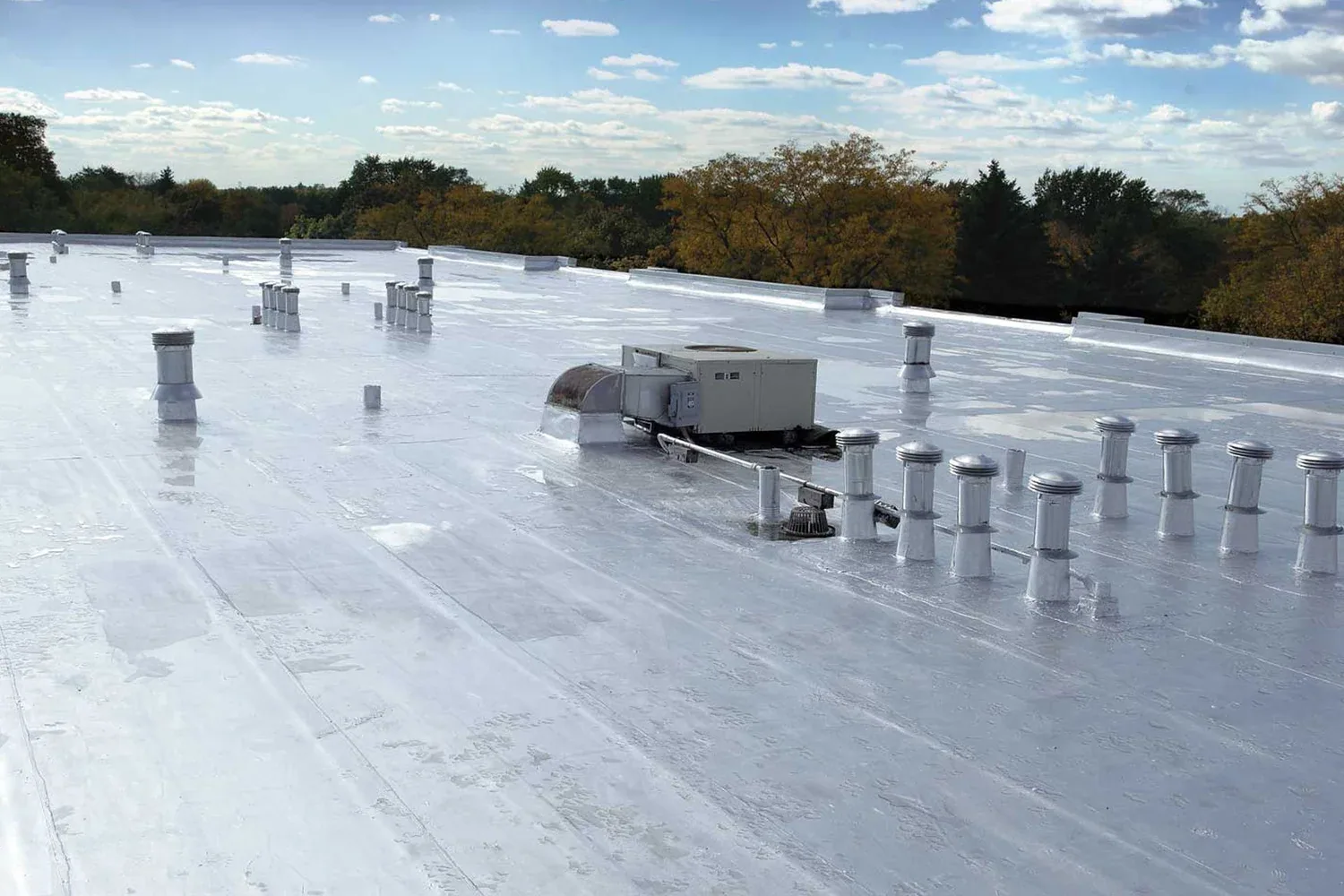
We inspect curbs, exhausts, conduits, and supports. A sound membrane field can coexist with failed transitions, so we mark each detail and note any equipment coordination required. New insulation, cover board, and attachment can change curb heights or detailing at existing penetrations. We identify where transitions may need rebuilding instead of covering, then note whether adjacent equipment work should share the access window. When a leak has reached an active room, we separate immediate protection from permanent correction and record what approvals each step needs. That keeps temporary water control from replacing a needed assembly repair.

Separate Roofing From Process Work

Cost drivers include tear-off depth, insulation, deck condition, penetrations, edges, drains, lift access, and operating restrictions. We separate those items and explain how concealed conditions are approved. When repair and replacement are viable, we compare scope and disruption without promising an unverified service life.

A line shutdown, limited access, or maintenance window can change cost and timing. We coordinate included protections with facility staff. Commercial roof repair suits a contained defect, while distribution center roof planning focuses on freight access.

After repair, maintenance can track flashing, seams, drains, and equipment details. A photo record supports work orders and budget review while distinguishing roof observations from process-system issues.

Questions About Manufacturing Plant Roofing

Curbs and pipe penetrations need review where movement or service access can stress flashing. We inspect exhausts, conduit supports, and seams, identify failed details and any equipment protection, then trace the water path. We identify the failed detail and any equipment protection needed, then trace the water path.

A shutdown may create access, subject to weather, material conditions, and the daily dry-in limit. We agree on the work area and readiness needs with plant staff. The approval process for concealed damage should be set before mobilization.

A replacement decision follows moisture, attachment, deck, seams, flashing, and repeat repairs. Broad wet insulation can support replacement; a defined opening with sound surrounding material may be repaired. We note untested areas and needed investigation.

A coating requires a compatible substrate. It will not correct loose flashing, wet insulation, moving supports, or poor drainage. We rebuild failed details and consider a coating only when the assembly is suitable.

Idaho Falls directs applicants to the 2018 building, existing building, and energy codes. The project team evaluates which requirements apply to the building and scope.

ServicesRoof SystemsIndustriesProperty TypesService AreasDamage RepairCapabilitiesManufacturersContactAboutRequest a Roof Assessment555-555-5555
Call us today555-555-5555