Commercial Roofing in Anderson Bush District, Idaho Falls, ID Serving Idaho Falls & Eastern Idaho

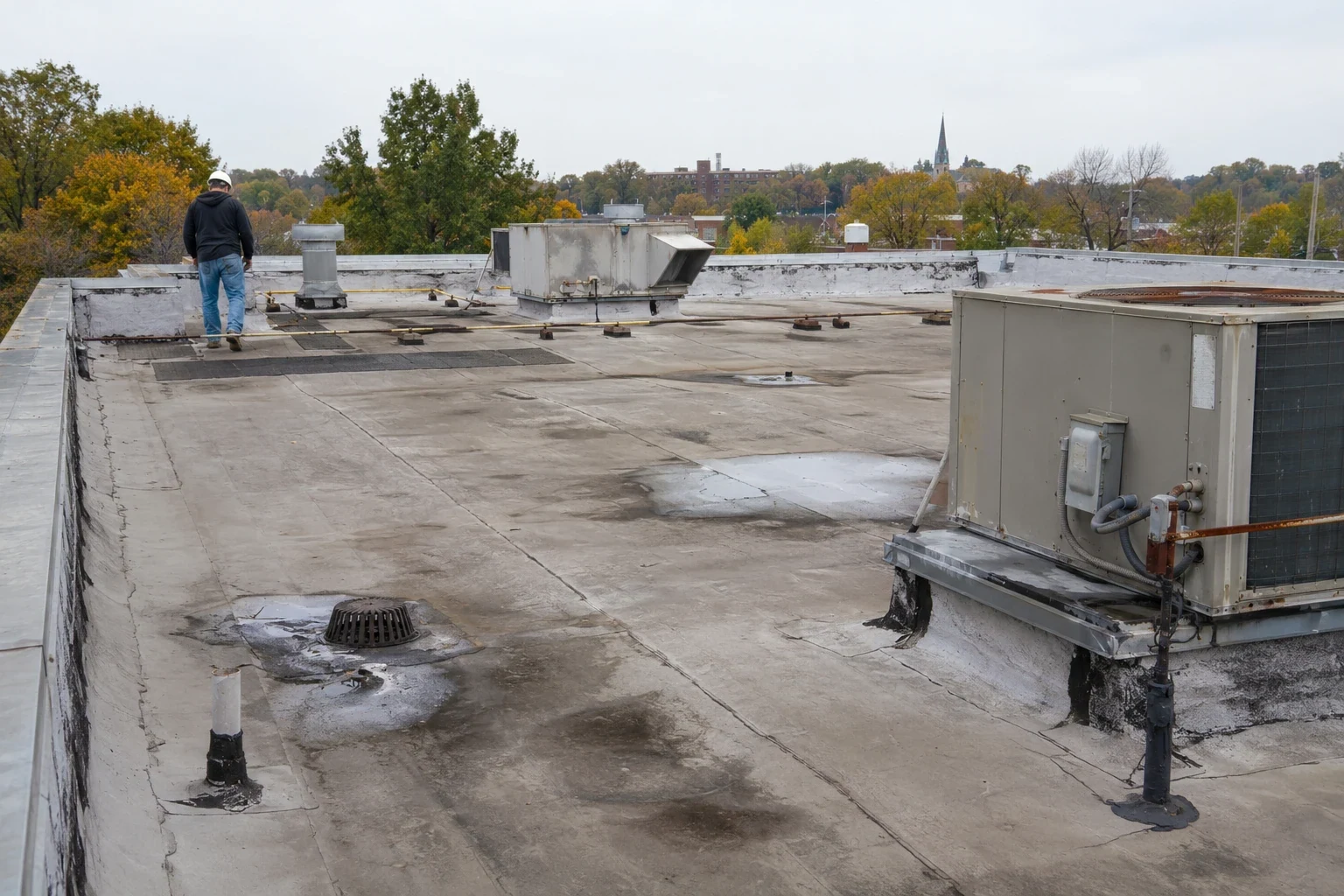
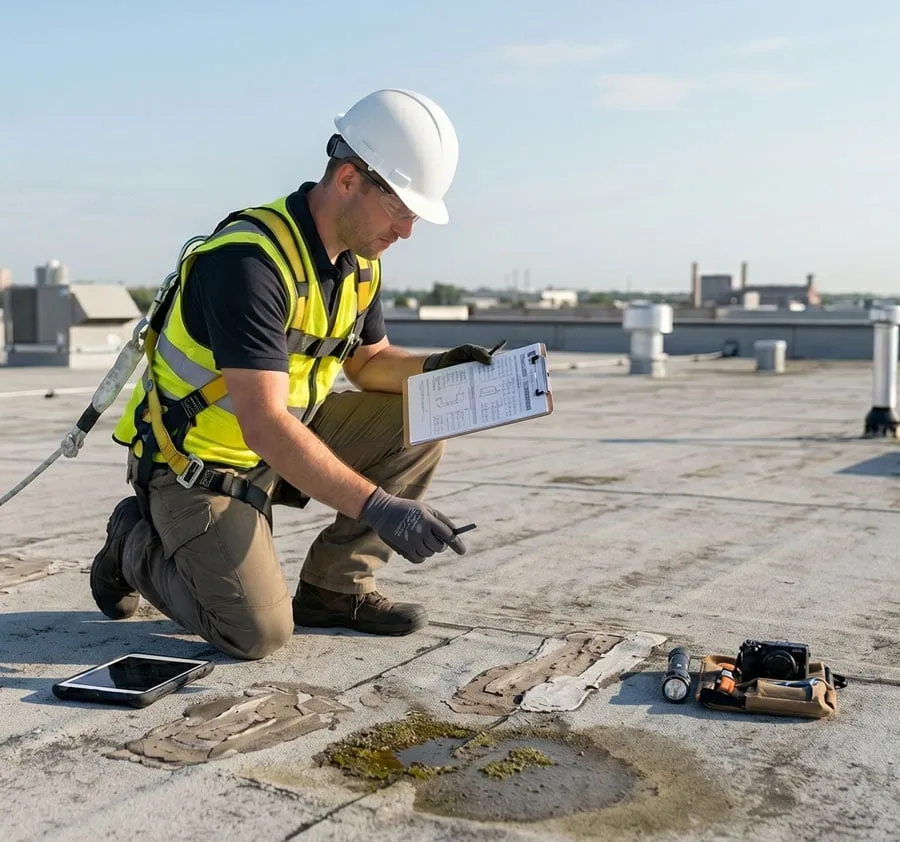
Commercial roofing in Anderson Bush starts with an inspection of roof zones, drainage, access, and tie-ins before repair or replacement is scoped.

Anderson Bush District in Idaho Falls, ID

Anderson Bush District

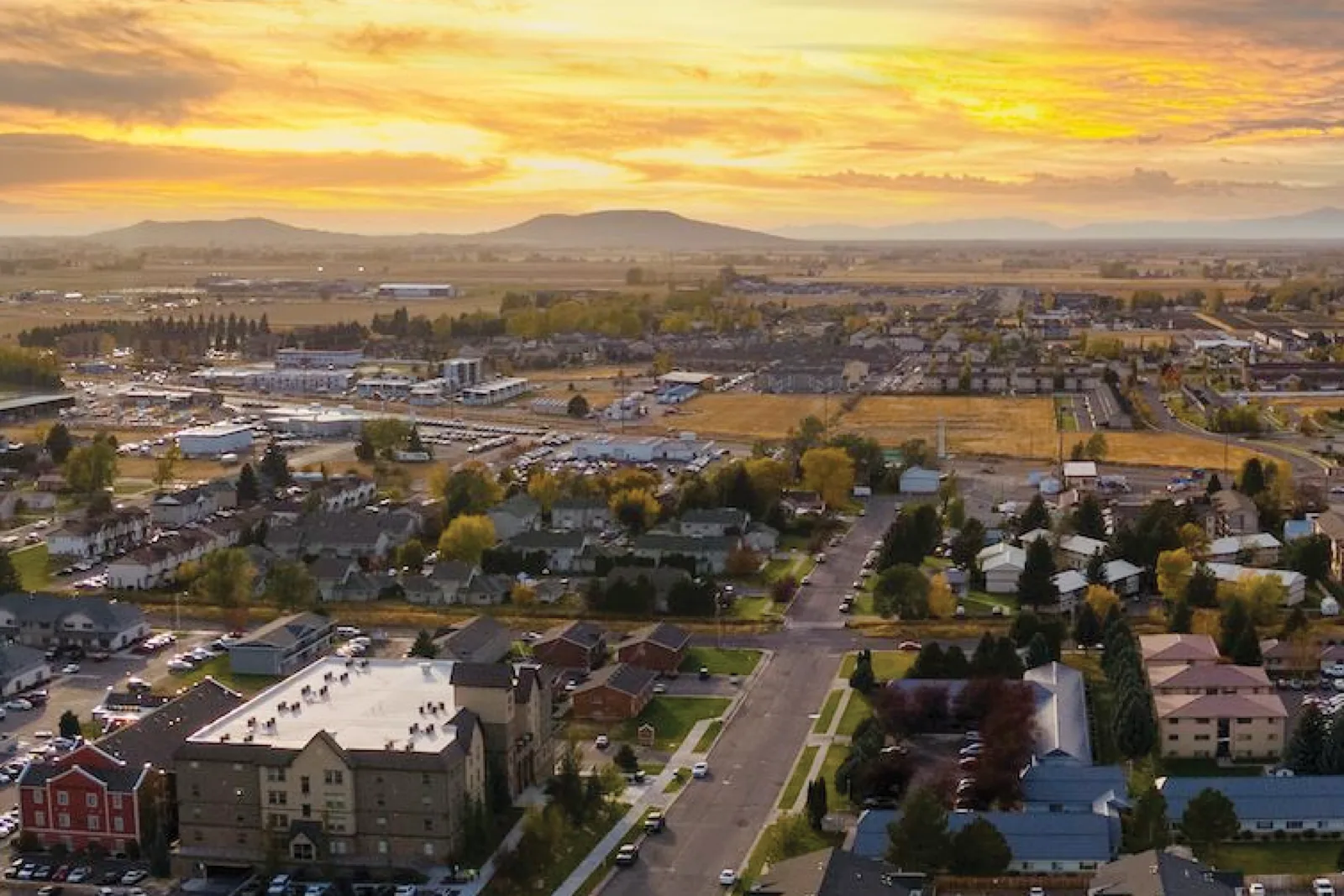
A new roof project in an active district needs the existing roof recorded before equipment, occupants, or other trades change the work area. Idaho Falls identifies Anderson Bush as an urban renewal district created in 2023, around Anderson Street and the US Highway 20 and Science Center Drive area. Several multifamily buildings were completed in the broader Anderson Bush district area during 2024 and 2025. Anderson Bush includes commercial and multifamily development. Confirm each property’s operating use, roof assembly, access route, and condition before setting a repair or reroof sequence.

Idaho Falls’s long-term series records 182.2 annual days on which the low reaches 32 degrees Fahrenheit or colder. It helps managers plan around seasonal material limits and secure daily closeout. We inspect the actual assembly, note exposed details and drainage, then give ownership a written scope that separates immediate water control from planned work.
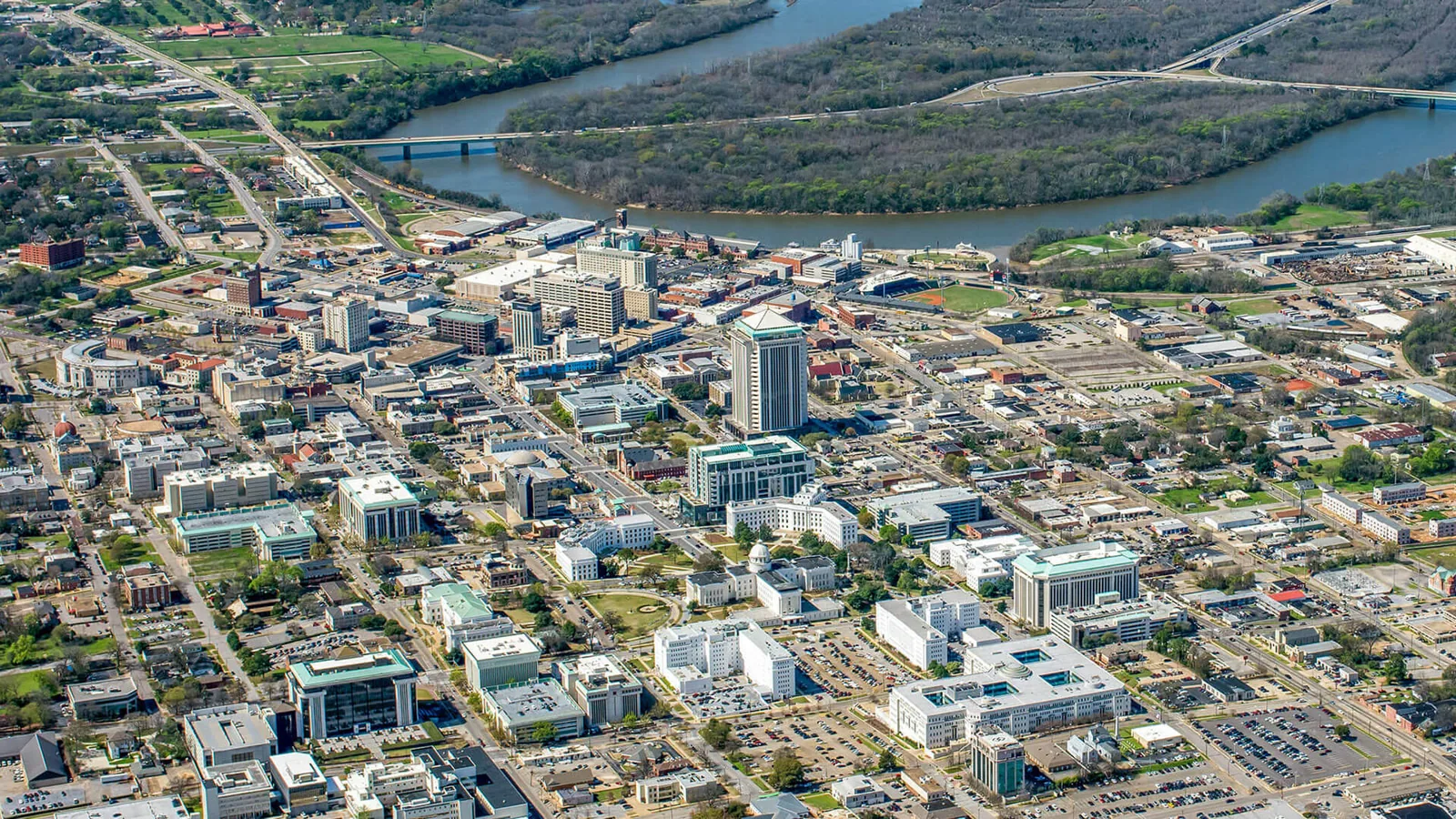
Anderson Bush District in Idaho Falls, ID

Plan Around Occupancy and Access

Multifamily construction in the broader district area makes coordination a sensible part of a roofing conversation, but an inspection must confirm the building and its current use. We ask which entrances, pedestrian routes, deliveries, and roof access points must remain available. The work plan identifies staging, debris controls, air-intake protection, and the daily dry-in line. Managers can then tell occupants and other trades which areas are affected and when a roof zone will be closed again.

Anderson Bush sits near the US Highway 20 and Science Center Drive area, with Anderson Street also used to identify the district. The property contact confirms the delivery approach and site rules. We review lift placement, material movement, rooftop equipment, and tie-ins affected by concurrent construction. An occupied-building roofing sequence sets these boundaries before mobilization.

We also ask how the owner wants conditions grouped for budget review. A building with multiple roof zones may have a mix of repairable seams, aging flashing, and areas that need testing. The inspection record labels each zone, photographs the visible issue, and identifies its limits. A commercial roof inspection gives the estimate a common reference and avoids treating a single stain as proof of an entire roof failure.

Read the Assembly Before Selecting Materials

Roof material should be identified before repair products are specified. We inspect membrane or metal, seams, attachment, edges, penetrations, curbs, drains, and prior patches. Different roof sections are recorded separately. A moisture survey can locate suspect areas, though concealed layers may still require confirmation. The report distinguishes visual observations from conclusions that need a test opening.

Water often travels from the entry point before reaching a ceiling. We trace uphill from interior evidence and examine transitions, equipment supports, wall connections, and the drainage path. A leak repair evaluation should state the likely source, repair boundary, preparation, and conditions that could change the result. If the source remains uncertain, we identify the next investigation step rather than promise a permanent correction from a surface patch.

Idaho Falls references the 2018 building, existing-building, and energy-conservation code editions for project review. Review depends on the proposed scope. We describe whether work is a localized repair, recover, or assembly replacement, then provide roofing information to the owner’s design team for applicable review. This makes it easier to coordinate insulation changes, attachment, drainage work, and edge details before the project is priced.

Protect the Daily Work Boundary

Long-term Idaho Falls averages put January’s mean at 20.4 degrees Fahrenheit and July’s mean daily high at 86.6 degrees. Cold affects adhesives and membrane handling; high surface temperatures can affect safe movement and application. We check actual site conditions and manufacturer instructions before opening each area, then set a daily boundary that can be returned to a weather-tight state.

May precipitation averages 1.57 inches at Idaho Falls, the highest monthly average. Before tear-off, check the live forecast and roof surface, then set the daily dry-in boundary and protection method. The crew and property contact know what can remain open, how materials are protected, and how a weather change affects the sequence. Emergency response is available 24 hours a day for urgent water entry, holidays included. We record temporary control separately from permanent repair.

Winter checks focus on edges, penetrations, and any detail where meltwater could meet an open seam before freezing. We consider safe access and roof conditions before work is attempted. A snow and ice damage assessment can separate a seasonal protection step from a repair that needs a suitable installation window.

Compare the Available Roofing Paths

A localized repair can fit a defect when adjacent material, attachment, and substrate remain sound. If moisture, movement, or widespread failure is present, selective removal may be needed to understand the assembly. A recover can avoid some removal only when the existing roof is dry, secure, compatible, and allowed by project requirements. We state what the inspection supports and what condition would change the recommendation.

Replacement adds access to concealed layers but also affects debris handling, staging, noise, and daily closure. A commercial roof replacement scope identifies membrane or metal type, insulation, cover board, fastening or adhesion, perimeter securement, flashing, and drainage. It also identifies allowances for concealed damage and the owner’s approval step if conditions differ after opening.

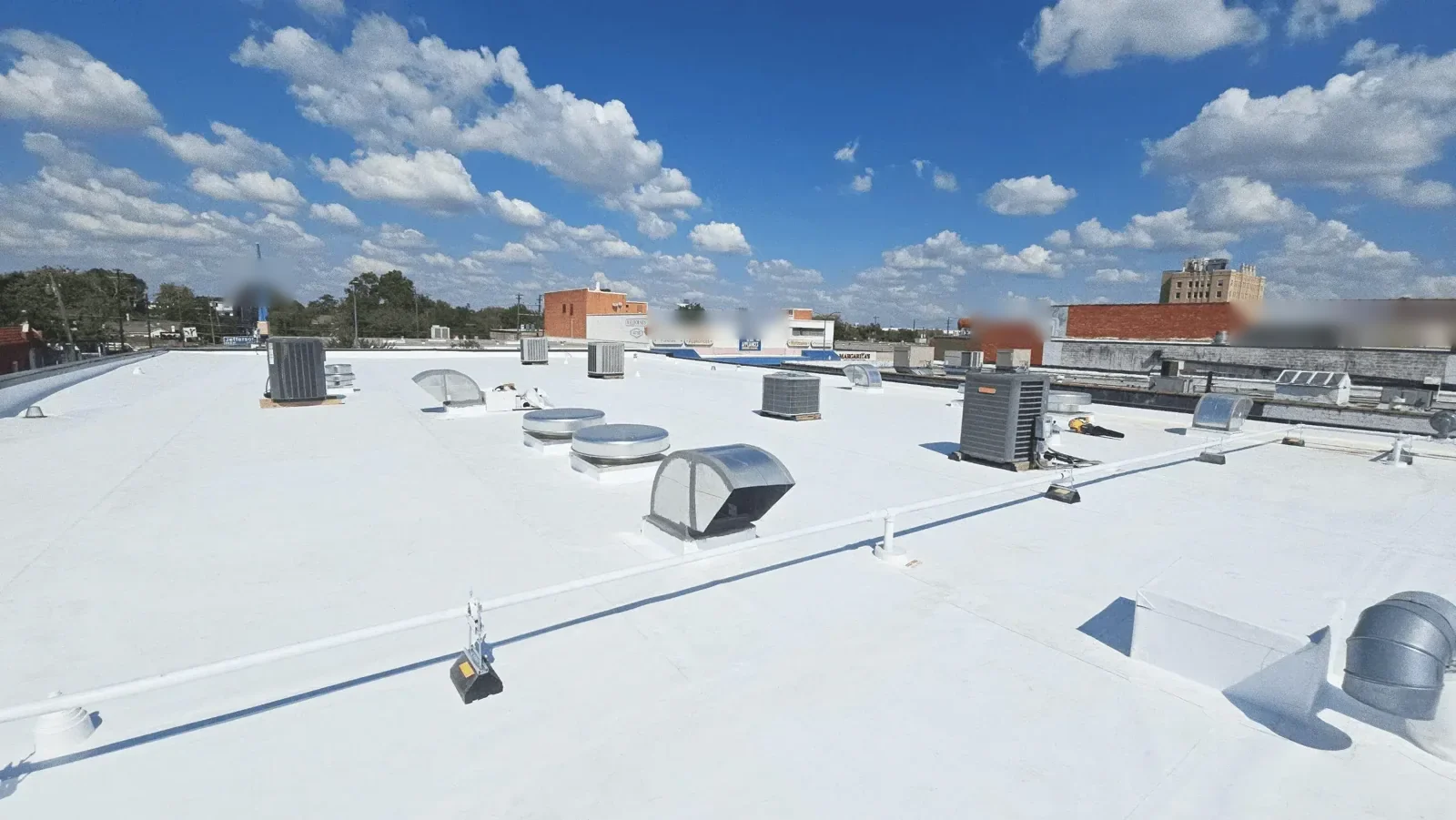
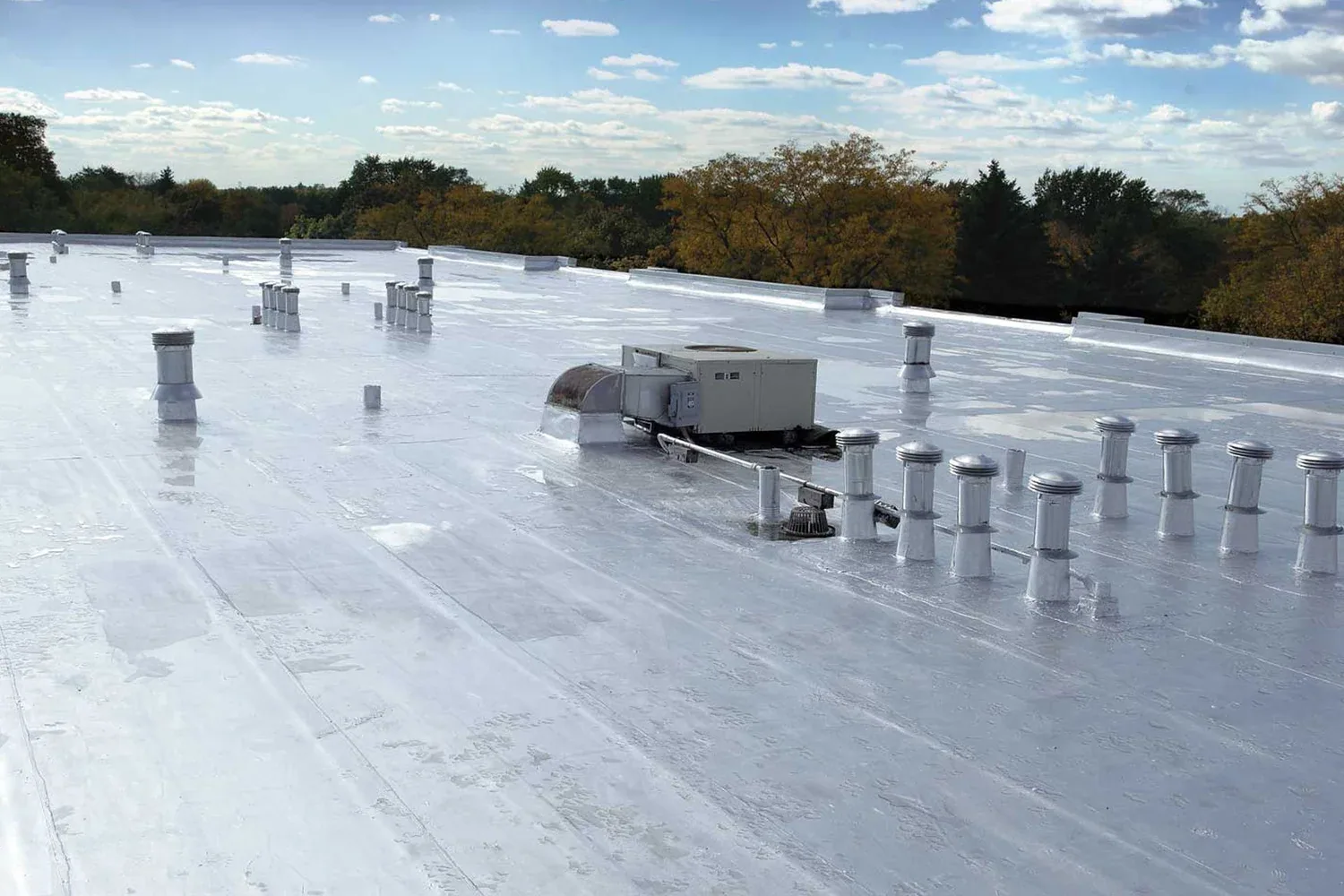
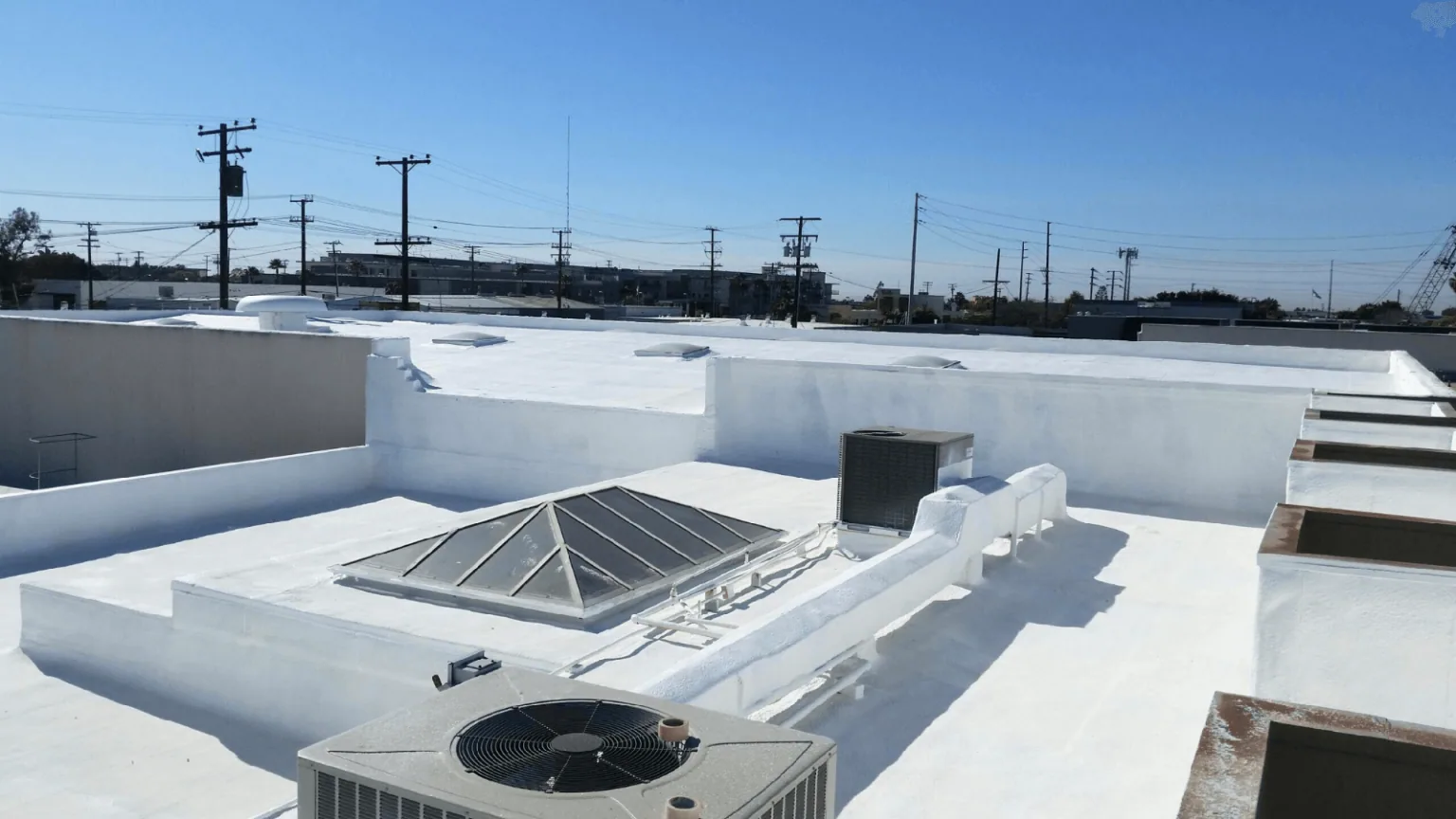
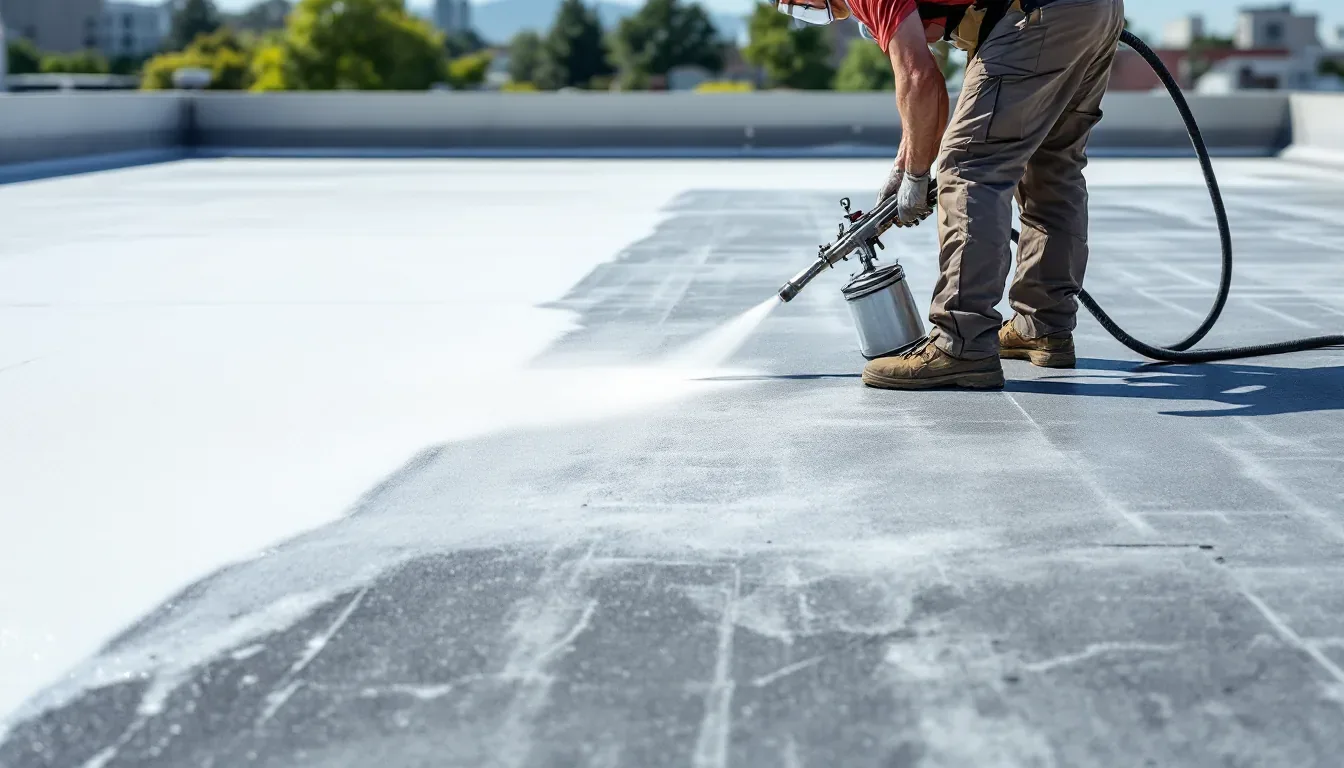
Coating is another option only when the substrate and existing surface are compatible and sufficiently dry. Surface preparation, adhesion, flashing, drainage, and repair needs have to be part of the evaluation. A roof coating assessment should not use a coating to cover wet insulation or a weak deck. If those conditions do not fit, we explain why a repair or replacement scope is more appropriate.

Turn Findings Into a Workable Budget

Cost and schedule depend on the area involved, removal depth, insulation, deck repairs, number of details, equipment coordination, access, staging, disposal, and weather. We list known work separately from conditions hidden beneath the assembly. That lets ownership compare repair, recover, and replacement without treating allowances as confirmed damage. A condition report with photographs connects observations to labeled zones.

Multifamily development makes resident access and occupied-building coordination important, while the roof inspection establishes each assembly and its condition. Each site gets its own inspection. An agreed maintenance program can revisit drains, seams, curbs, and edge conditions after the first repair or installation, while leaving room to adjust the next visit to actual findings.

The same property-specific process applies across Jackson Hole Junction and River Commons. The district context may help identify the service area, but roof access, assembly, and condition determine the job. We keep those facts visible in the written scope so a manager can set the next decision with confidence in what was actually observed.

Questions About Anderson Bush District

No. Multifamily construction expanded across the broader district in 2024 and 2025. For an individual building, confirm its roof age and assembly from owner records and field conditions. We inspect the building in question and document its actual condition.

Provide safe access, known roof plans or repair records, and any current operating or construction constraints. We confirm equipment, drains, entrances, and areas that cannot be interrupted. The inspection then records roof zones, observed conditions, photographs, and any limits that affect the recommendation.

Yes, when the owner’s schedule and site access support it. We identify roof zones or separate structures, set daily closure points, and state what is included in each phase. Each building still needs a separate condition record, since roof systems and repair histories may differ.

Not necessarily. Recover depends on a dry, secure, compatible assembly and may not resolve concealed moisture or deck problems. Removal costs more in handling and disposal but exposes underlying conditions. We compare the paths using the inspection, project requirements, and identified allowances.

Emergency response is available around the clock, weekends and holidays included. We confirm safe access, assess the area, and apply practical temporary water control where conditions allow. The report identifies the next investigation or permanent repair so temporary work is not confused with final correction.

ServicesRoof SystemsIndustriesProperty TypesService AreasDamage RepairCapabilitiesManufacturersContactAboutRequest a Roof Assessment555-555-5555
Call us today555-555-5555