Commercial Roof Coating Restoration in Idaho Falls, ID Serving Idaho Falls & Eastern Idaho

Evaluate roof coating restoration in Idaho Falls with substrate, moisture, drainage, and adhesion checks before selecting a compatible coating system.

Roof Coating Restoration in Idaho Falls, ID

Roof Coating Restoration

Summer roof heat in Idaho Falls makes coating work a decision about both the existing surface and the day of application. Idaho Falls averages capture both a long freeze season and recurring summer days at 90 degrees or hotter. Idaho Falls shifts from freezing winters to hot summer roof surfaces; measure the substrate and check application limits before selecting a coating window. A restoration coating can renew a sound roof assembly; it cannot make wet insulation dry or stabilize a membrane that has already failed. We inspect before recommending the system.

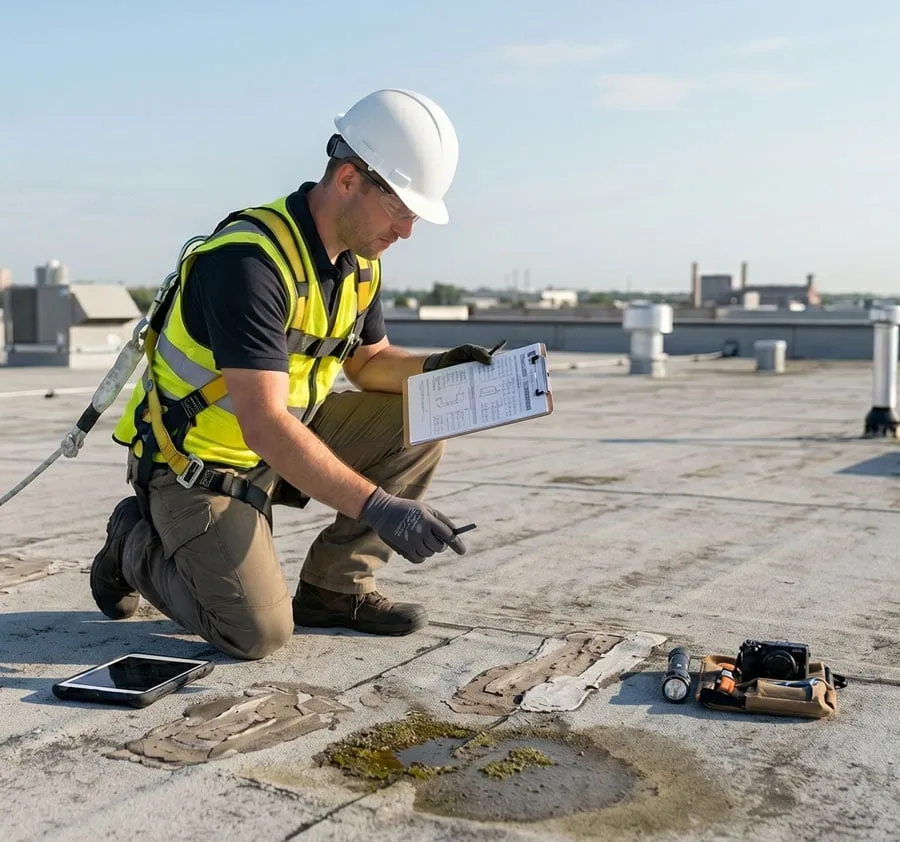
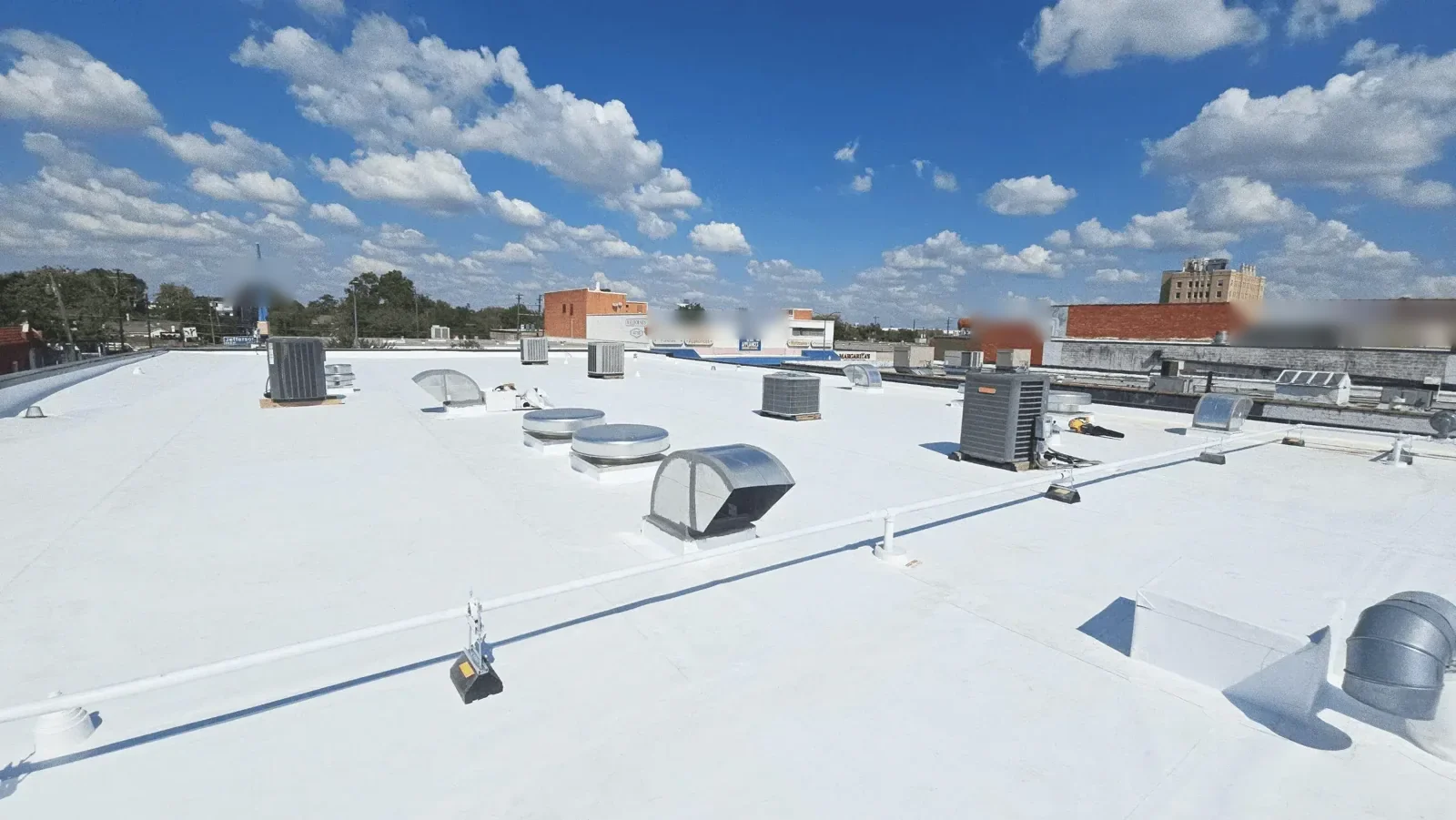
The evaluation checks roof type, surface condition, seams, flashing, attachment, drains, and prior repairs. We look for ponding, moisture, loose material, and places where a coating would bridge a movement joint or conceal a defect. Test patches can show whether the proposed product bonds after the required cleaning and preparation. In Snake River Landing, office, dining, residential, and event uses make work sequencing important; whichever property is being considered, the roof's actual assembly and its building operations determine whether coating is appropriate.
Roof Coating Restoration in Idaho Falls, ID

Start With a Dry, Sound Base

A coating follows the shape and condition of the roof below it. We inspect the membrane or metal, mark splits and punctures, check seams and flashing, and identify areas that need repair before application. Moisture testing may be needed to confirm whether insulation is dry. A coating over wet material can trap moisture and leave the underlying failure in place. If the surface has widespread deterioration, weak attachment, or movement at the deck, a coating is not the right corrective scope. The owner should see those findings before comparing restoration with replacement.

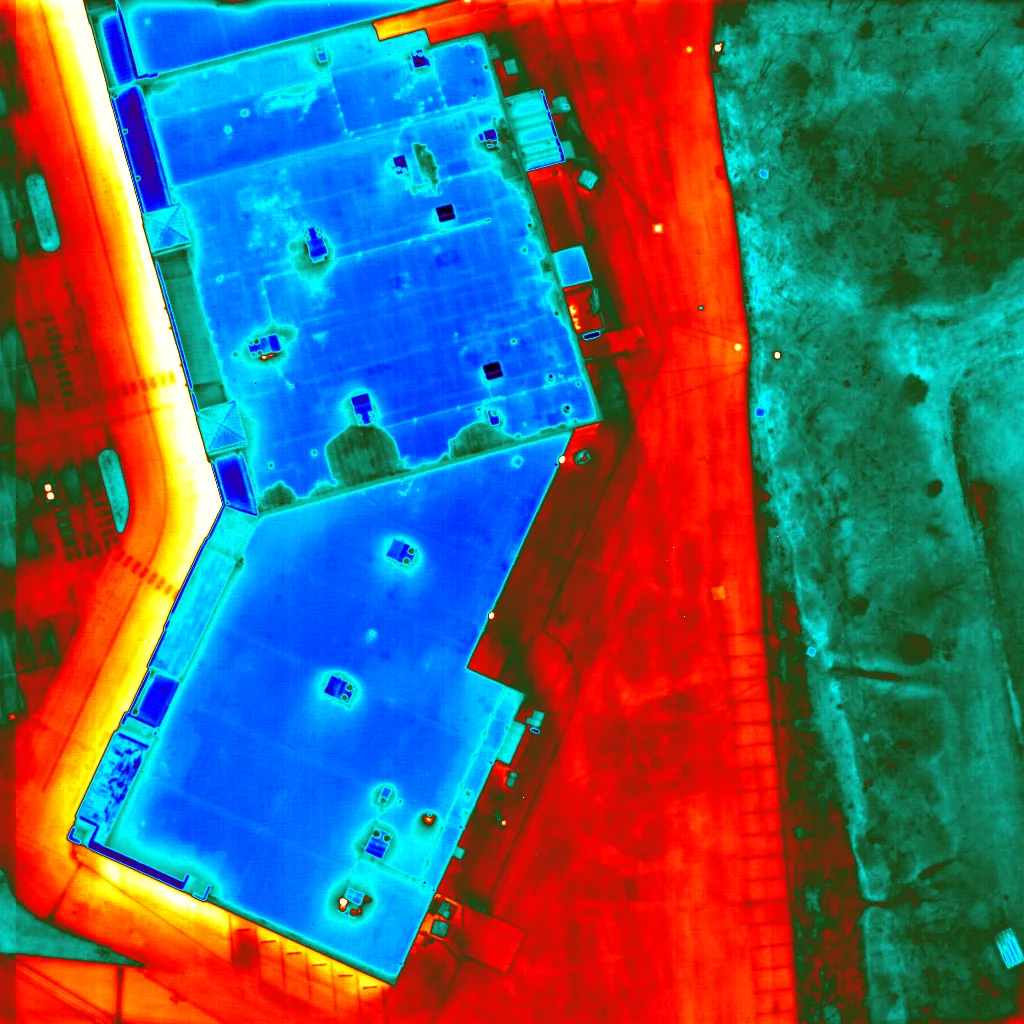
Drainage also determines suitability. We note how water reaches drains and scuppers, whether outlets are clear, and whether ponding reflects a low area or failed connection. A coating can follow an existing slope; it does not create a new one. We inspect parapets, curbs, skylights, and penetrations because transitions need compatible reinforcement or flashing work. A hands-on inspection documents the assembly and defects, and a moisture survey can investigate suspected wet areas before the coating decision is made.

Match the Coating to the Assembly

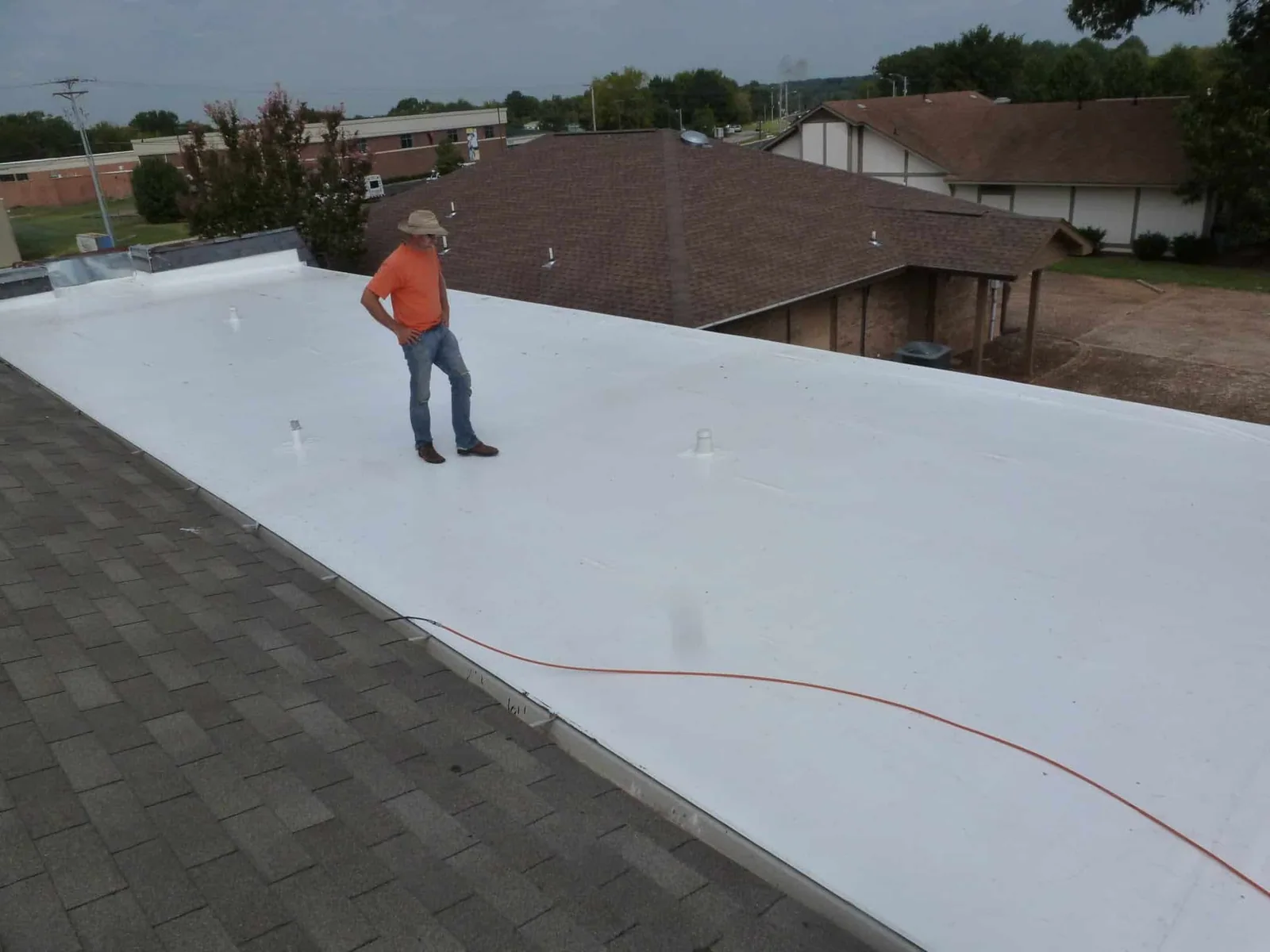
Coating systems differ in chemistry, reinforcement, and application conditions. Silicone and acrylic products do not behave the same on every surface or in every drainage setting. We identify the existing membrane, check compatibility, and review the manufacturer's published preparation and application limits for the selected system. We do not choose a product from a color sample or assume an old coating is compatible with a new layer. A test patch and written specification make the material choice more defensible.

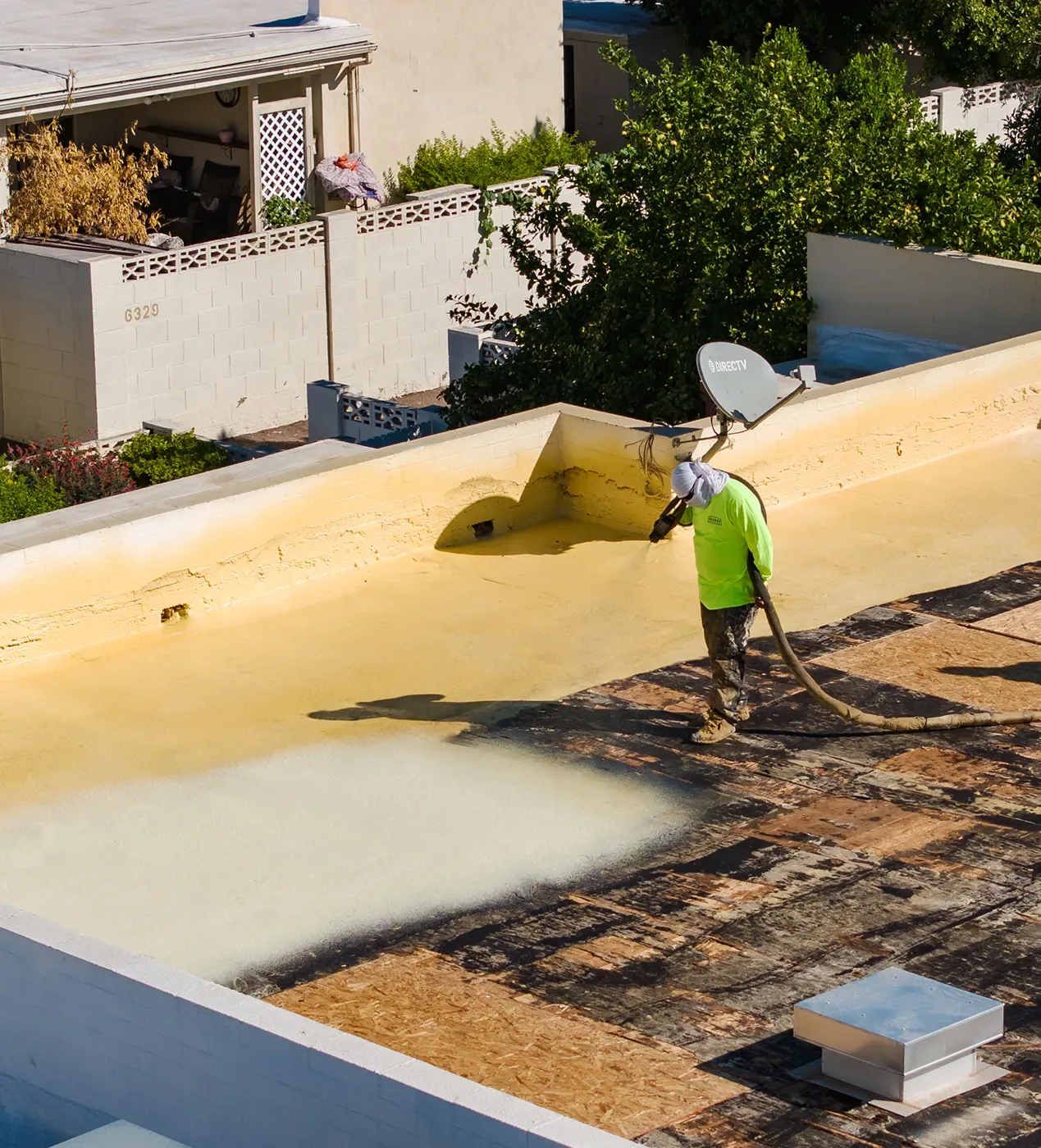
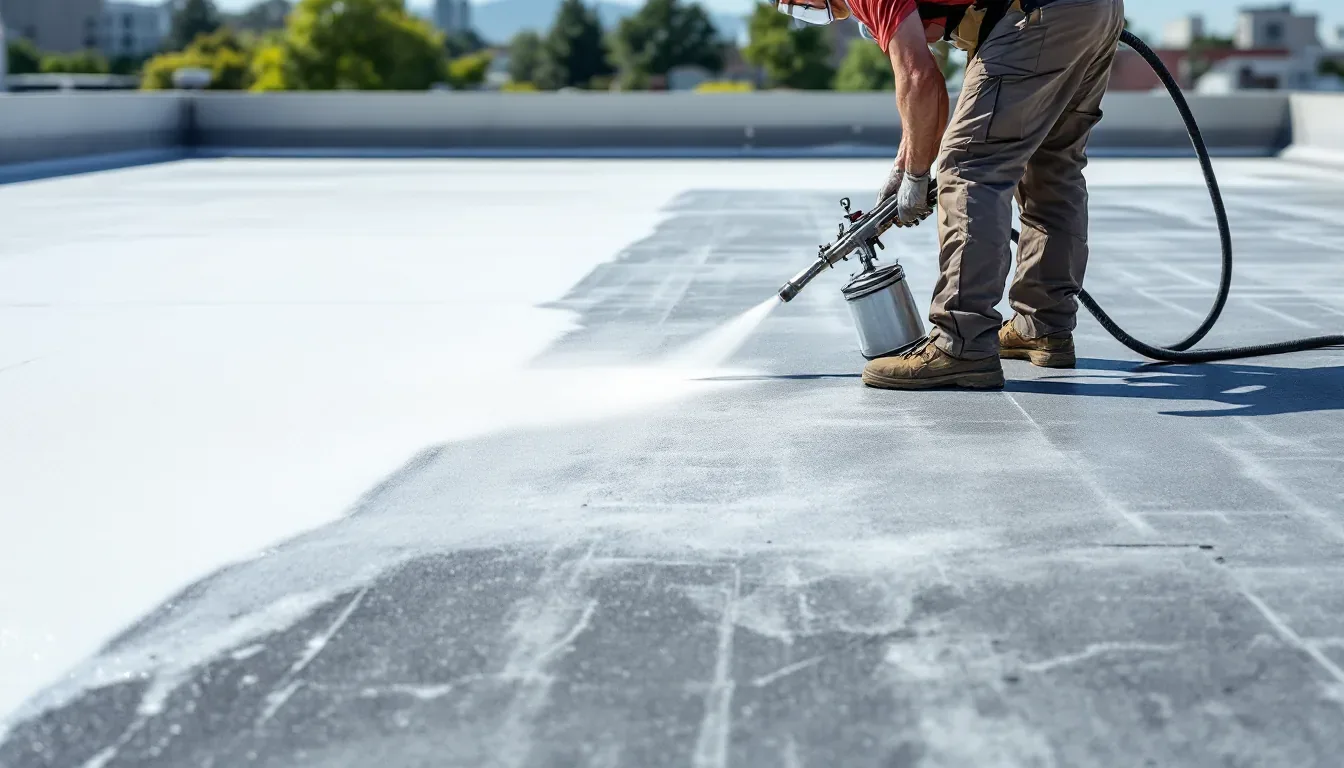
Preparation often includes cleaning, removal of loose coating, repairs at seams and penetrations, and reinforcement at selected details. The scope should identify surface preparation, primer if required, reinforcement, application areas, and how the coating ends at drains, edges, and equipment. An elastomeric silicone system and an acrylic coating assembly have different strengths and limits. We compare those properties against the roof's water exposure, substrate, and maintenance needs rather than calling one option universal.

Respect the Weather Window

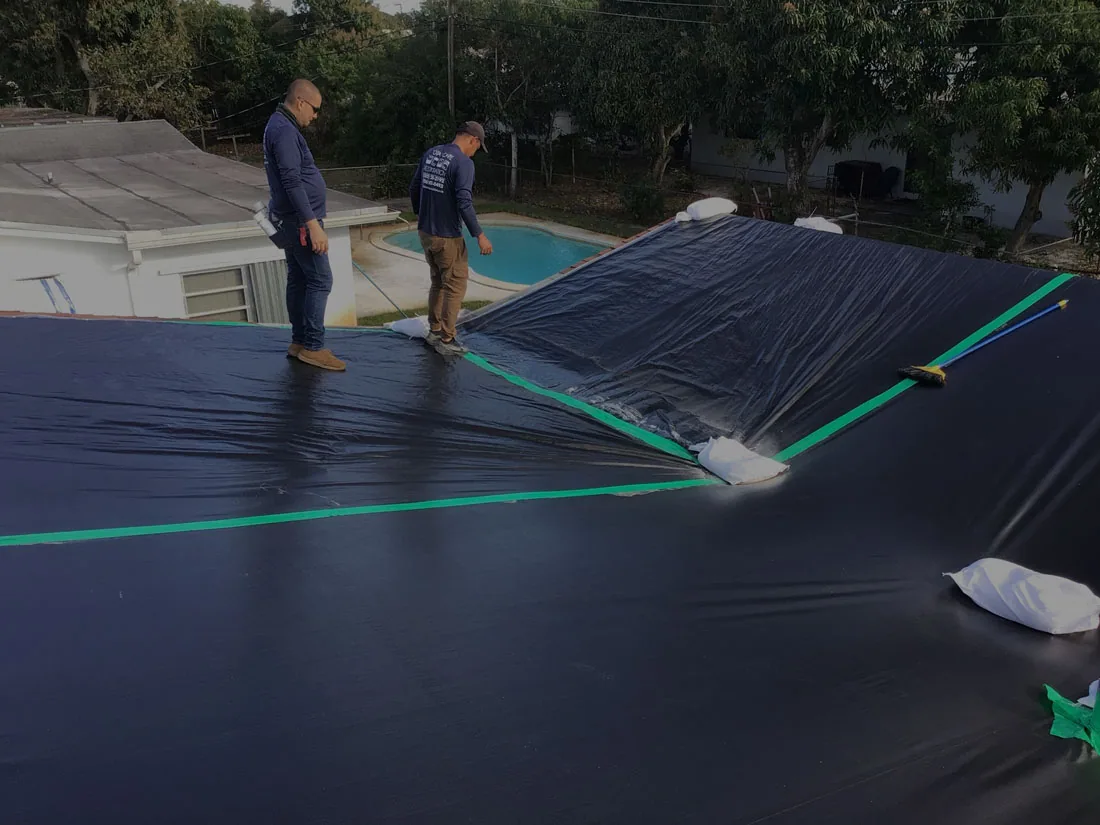
Application temperature, surface moisture, wind, precipitation, and cure conditions matter. Idaho Falls averages put the annual temperature mean at 44.2 degrees and yearly precipitation just over ten inches. Check the active forecast, substrate moisture, surface temperature, and coating instructions before beginning application. We schedule around the product requirements and current surface conditions, and we avoid applying over moisture or before rain when the system needs a dry cure window. The plan should allow time for cleaning, repairs, coats, and inspection between steps.

Winter exposure matters after installation too. The coating must remain bonded and intact as temperatures swing, while drains and edges still control water. We record substrate defects that could reopen, define the repairs included, and provide a maintenance schedule for later checks. A heat and UV assessment can help identify surface wear that needs repair before coating. If a roof has damage from snow or ice, we investigate the affected detail rather than simply cover it with a new layer.

Define What Restoration Includes

A coating proposal should spell out the roof areas included, preparation method, repairs, reinforcement, coating type, application rate per product requirements, and the conditions that stop work. It should also identify exclusions, such as wet insulation, deck repair, replacement of failed drains, or areas inaccessible during inspection. We document any test patches and explain how the surface performed. If a repair extends beyond the initial boundary, the manager receives photographs and a separate approval request before added work is performed.

Occupied buildings need a schedule for odors, noise, air intakes, material staging, and access. Idaho Falls includes health-care, retail, offices, restaurants, education, and manufacturing uses. A College of Eastern Idaho classroom or laboratory building will have different active periods from a warehouse or commercial storefront. We coordinate with the facility contact to protect entrances and maintain operations where the scope allows. The occupied-building work plan sets zones and notices before crews mobilize.

Compare Restoration With Replacement

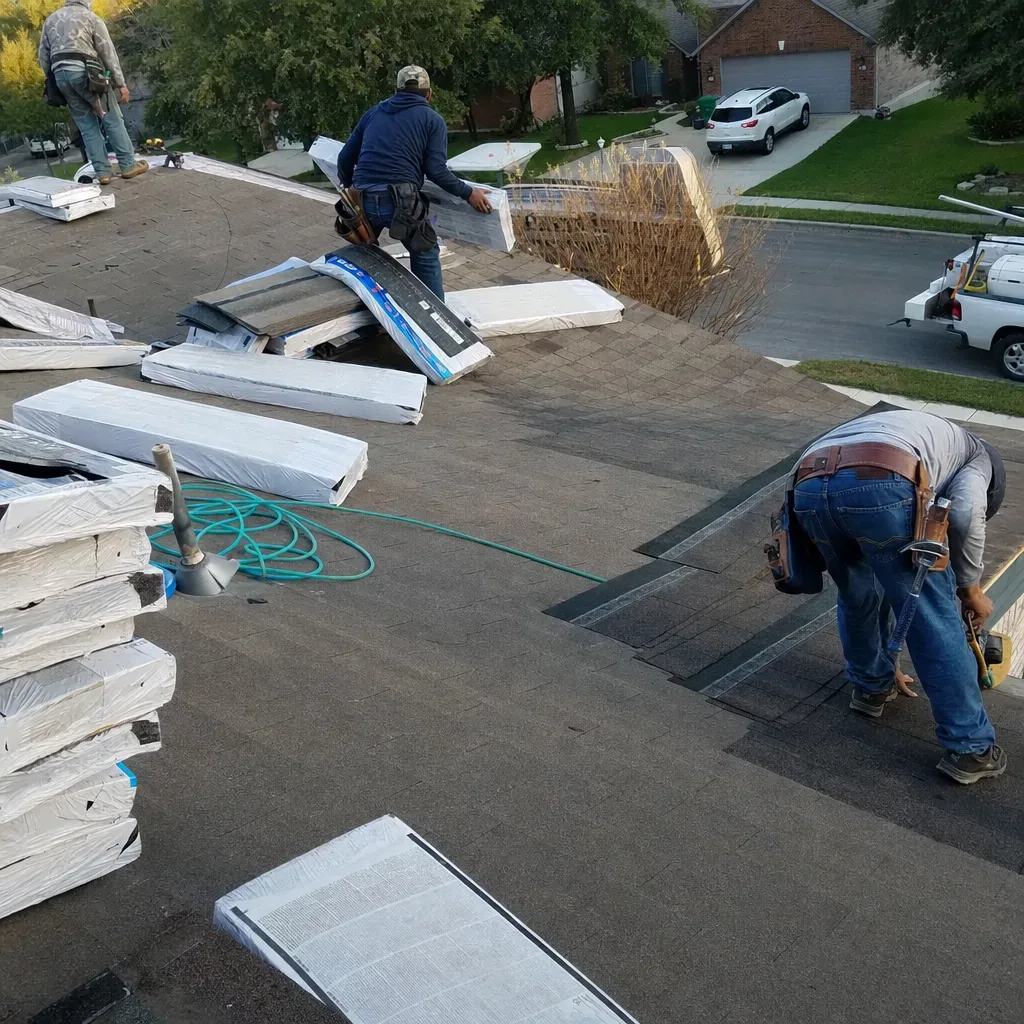
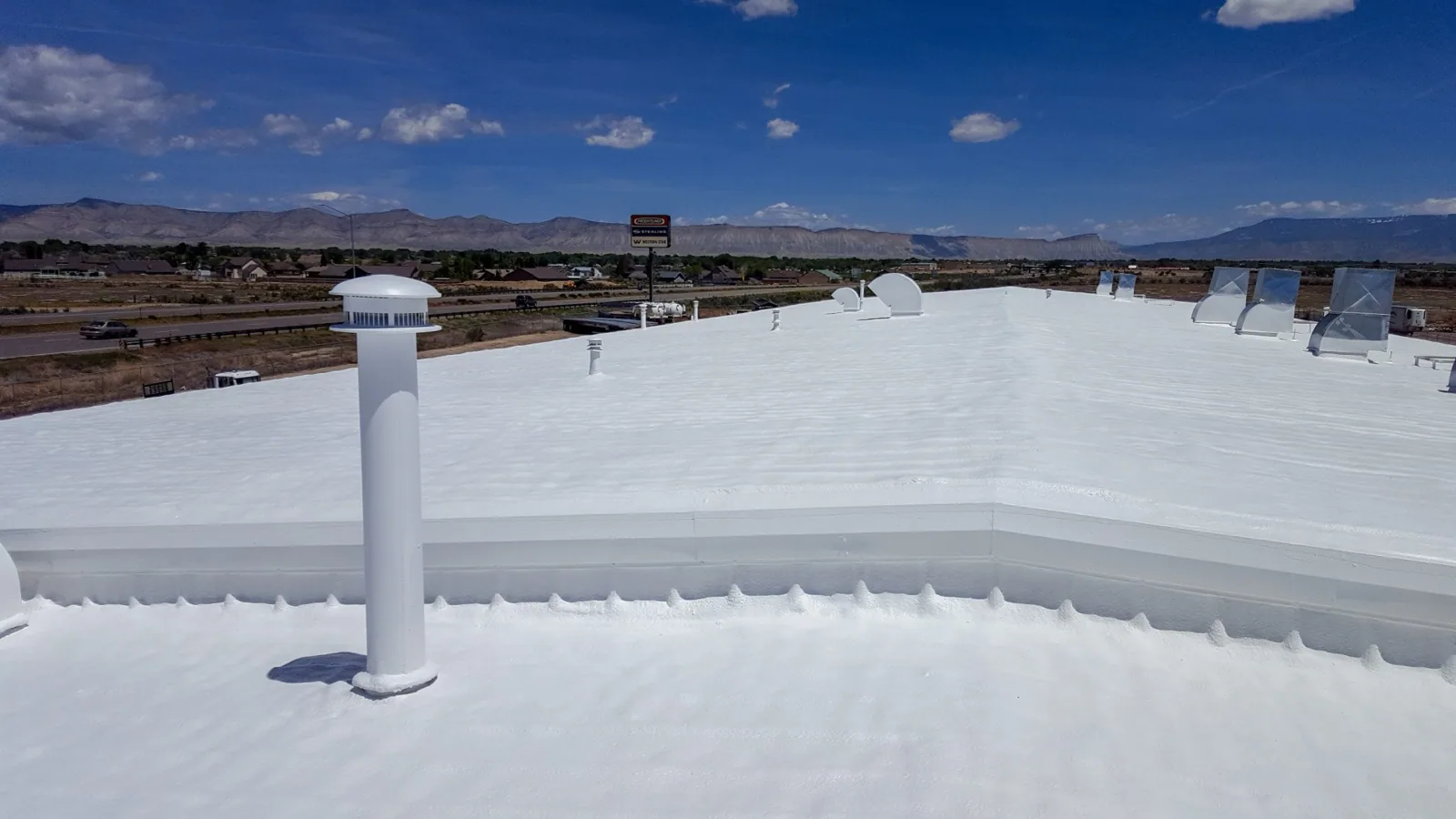
Coating restoration can fit when the underlying roof is sound, moisture is controlled, seams and transitions are repairable, and the proposed coating is compatible. Replacement may be more appropriate when the assembly is wet, attachment is failing, or repairs would leave broad defects untreated. We document the condition and explain the basis for each option. A coating's initial cost is only one part of the decision; preparation, repairs, access, testing, drainage, and future maintenance all affect the budget and the service plan.

The schedule depends on testing, repairs, material availability, weather, and the number of application steps. We identify those items and explain any limits on walking or rooftop equipment use while the coating cures. Riverwalk is a broad city renewal area with a mixed-use future land designation, but roofing needs remain specific to each building. A Riverwalk District property review still starts with roof observations, not its planning label. If coating is unsuitable, a replacement evaluation can compare full removal with the restoration option.

Questions About Roof Coating Restoration

No. The substrate must be sound, compatible, and sufficiently dry, and the assembly needs repairable seams and transitions. We inspect attachment, drainage, moisture, and old repairs, then use testing where visual review cannot answer the question. If the roof has widespread wet insulation or failing attachment, coating can conceal the problem rather than correct it.

We identify the existing surface, water exposure, drainage, compatibility, and application limits before comparing systems. Product data and a test patch can help confirm preparation and adhesion. We explain how the options fit the roof and what maintenance each will need, without treating either chemistry as suitable for every building.

A coating alone does not correct a settled roof or blocked outlet. We inspect slope, drains, scuppers, and surrounding flashing, then specify drainage or substrate correction if needed. The proposal should distinguish water-flow work from the coating area so the owner knows which condition each part addresses.

Moisture, surface contamination, repair findings, rain, temperature, wind, and cure time can change the work window. We schedule preparation and application to the selected product requirements, and we document a hold when conditions are not suitable. The building calendar and access restrictions can affect the sequence as well.

The inspection record should identify membrane or metal type, moisture results, repairs, surface preparation, drainage, and adhesion testing where used. We state any excluded areas or unresolved conditions and explain the basis for proceeding. That gives the manager a clear starting condition and a defined restoration scope.

ServicesRoof SystemsIndustriesProperty TypesService AreasDamage RepairCapabilitiesManufacturersContactAboutRequest a Roof Assessment555-555-5555
Call us today555-555-5555