Commercial Roof Maintenance in Idaho Falls, ID Serving Idaho Falls & Eastern Idaho

Maintain commercial roofs in Idaho Falls with planned drain, seam, flashing, and penetration checks tied to winter exposure and the building calendar.

Roof Maintenance in Idaho Falls, ID

Roof Maintenance

Idaho Falls weather gives a roof a long freeze season and a hot summer surface period, so small drain or flashing concerns deserve a place on the maintenance calendar. Idaho Falls averages counts 26.5 annual afternoons at or above 90 degrees, against a long winter freeze cycle. We inspect the assembly, clear and check water paths, and record the exposed details that need follow-up before the next seasonal change.

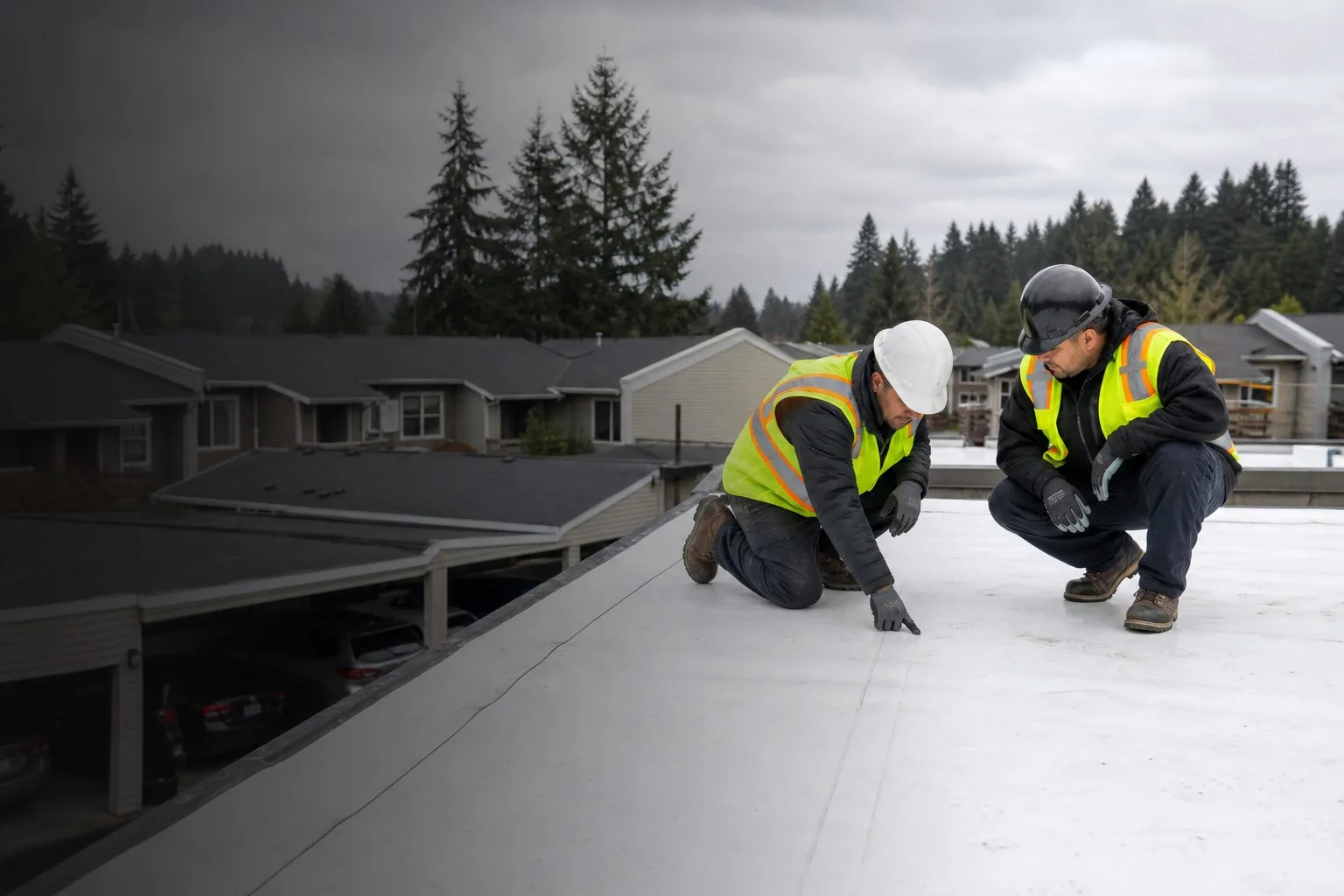
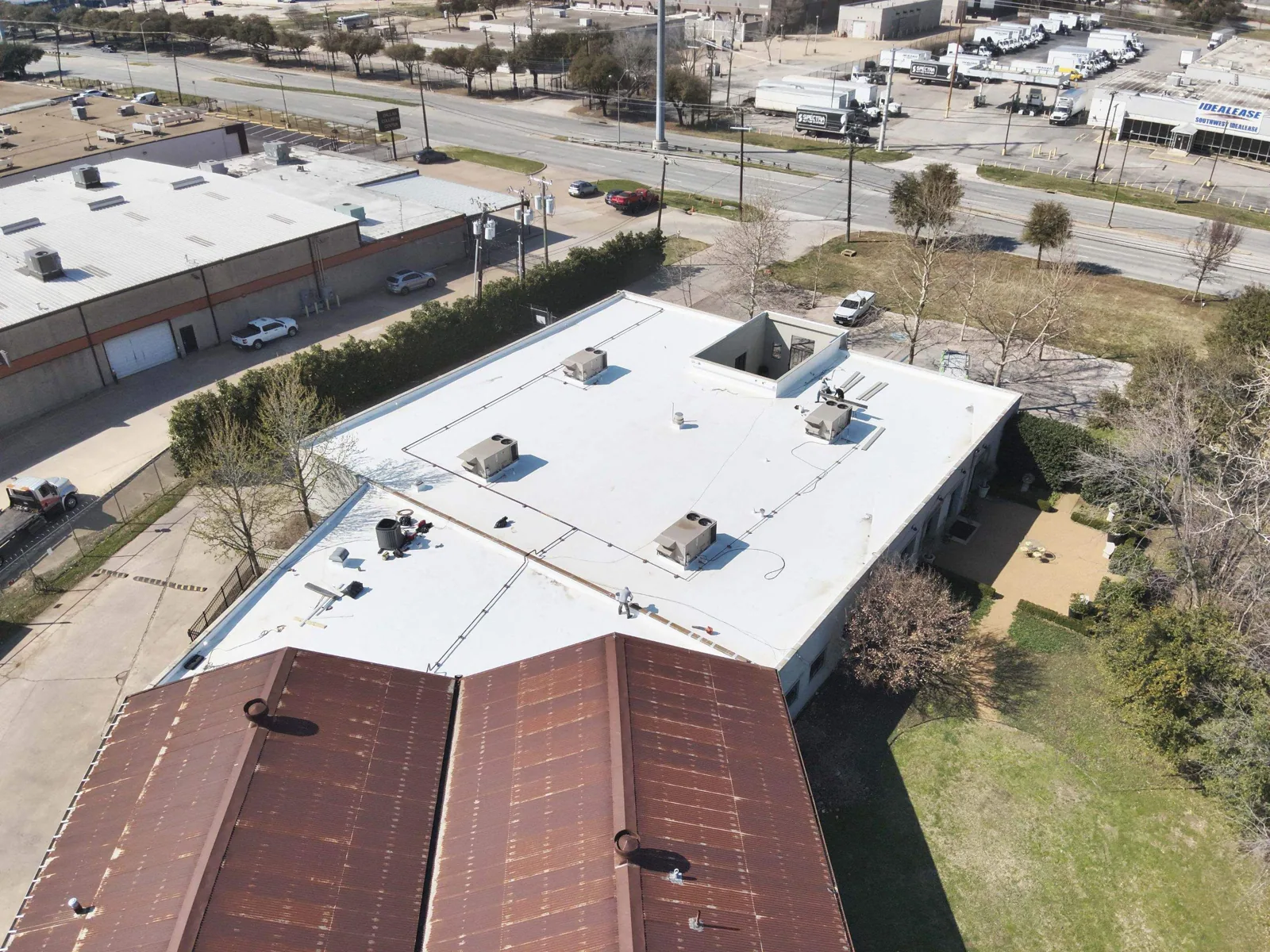
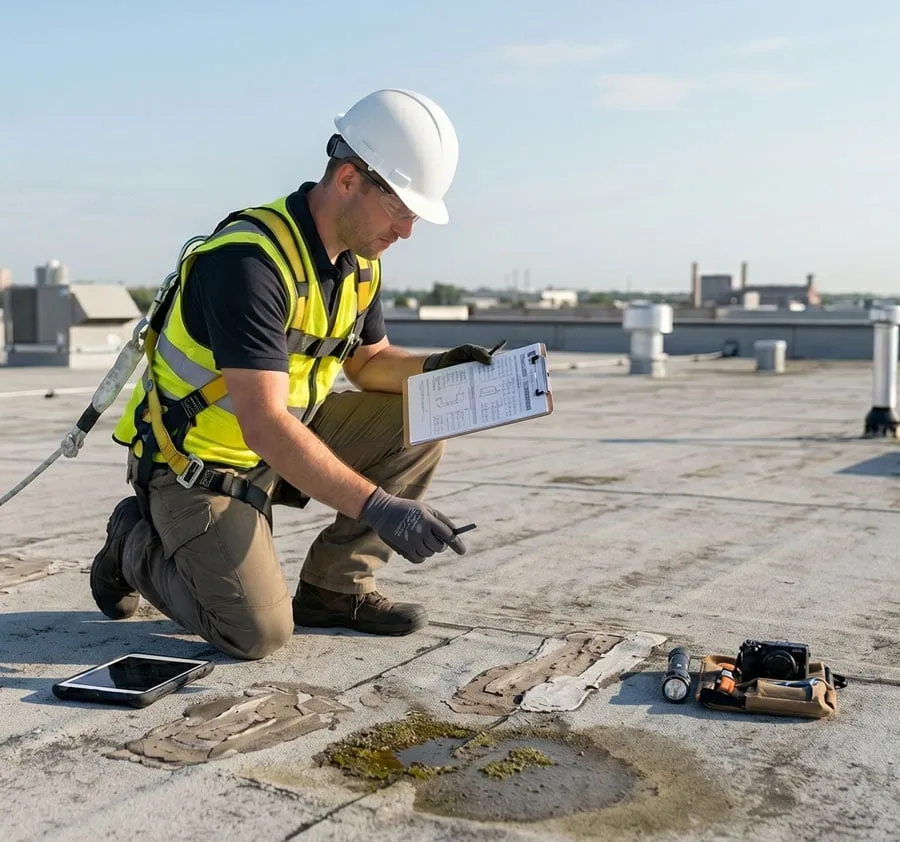
A maintenance visit is useful when it produces a short, prioritized work list. We check membrane seams, edge metal, penetrations, equipment curbs, drains, scuppers, and past repair areas. We note debris or standing water and distinguish routine cleaning from a defect that needs repair. The service schedule should match the building, roof type, access and operating calendar, not an arbitrary interval. In the Hitt Road and 25th South corridor includes retail, medical, professional, and technology uses. Confirm delivery routes, roof access, and operating hours with each property before setting a maintenance visit.
Roof Maintenance in Idaho Falls, ID

Set Visits Around the Roof

Inspection timing can follow seasons, known trouble spots, construction activity, or a leak history. A visit before winter can document open laps and exposed flashing; a spring check can look for changes after snow and thaw. We adjust the plan when a building has roof equipment work or a new penetration, because that work can disturb nearby membrane. The calendar should also account for safe access and weather. We record areas that cannot be reached and schedule another look when conditions permit rather than assume they are sound.

At each visit, we compare current findings with earlier photos and repair notes. If the same seam or curb has changed, the owner can decide whether to correct it now or monitor it through a defined interval. We record drainage condition, debris, and any signs of recurring ponding. For a roof with limited remaining life, a condition inspection can define whether maintenance remains useful or capital work belongs on the plan. This keeps a small maintenance item from being confused with a replacement recommendation.

Keep Water Moving

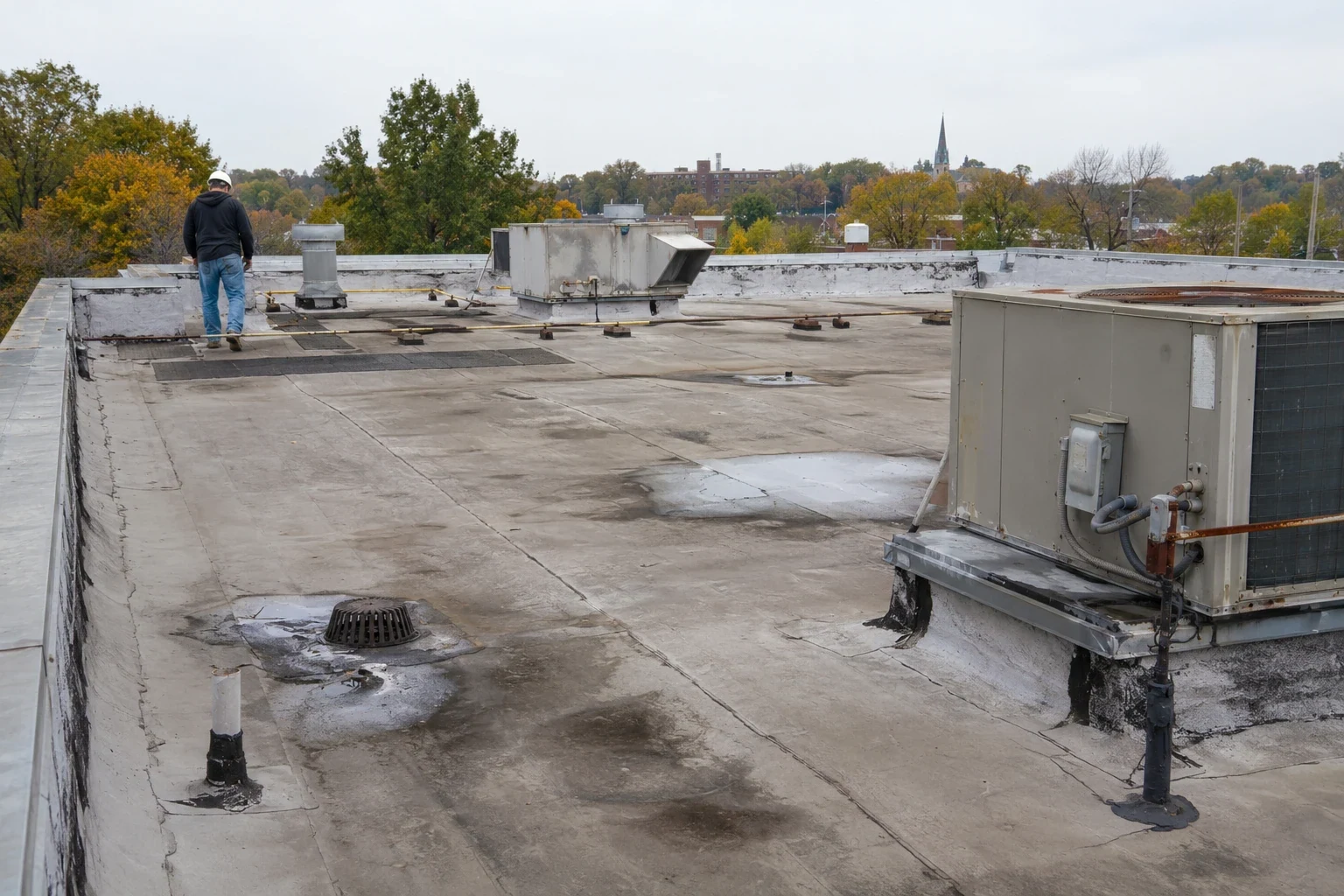
Drains and scuppers need more than a quick glance. We remove accessible debris, inspect the outlet and surrounding flashing, and check whether the roof surface can direct water toward the opening. A blocked strainer, low area, or loose drain connection can leave moisture against the membrane. We document the condition and separate clearing from repairs to slope, outlet, or flashing. If water stands after an outlet is clear, the next step may require a closer look at insulation or deck levels, not repeated debris removal.

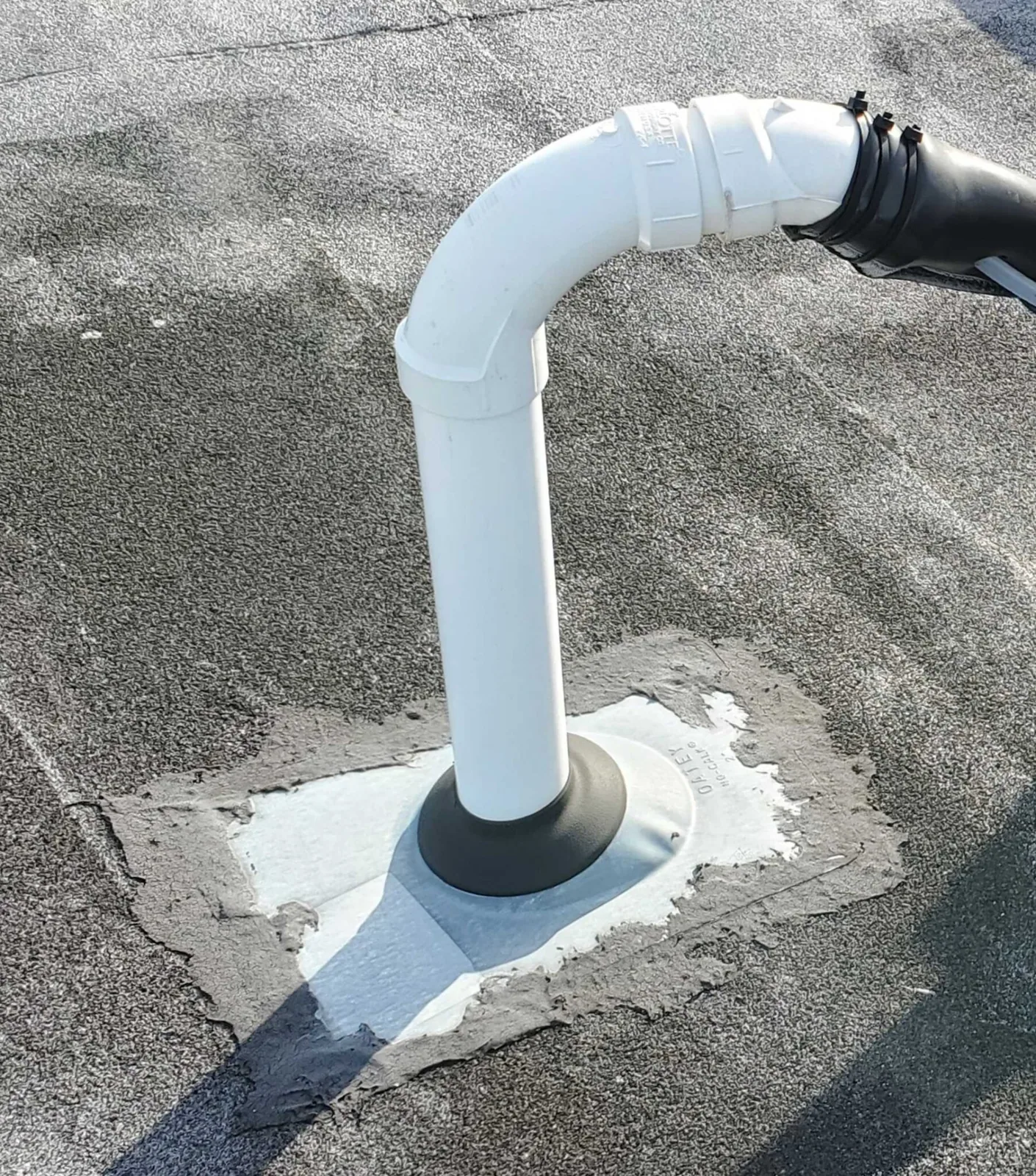
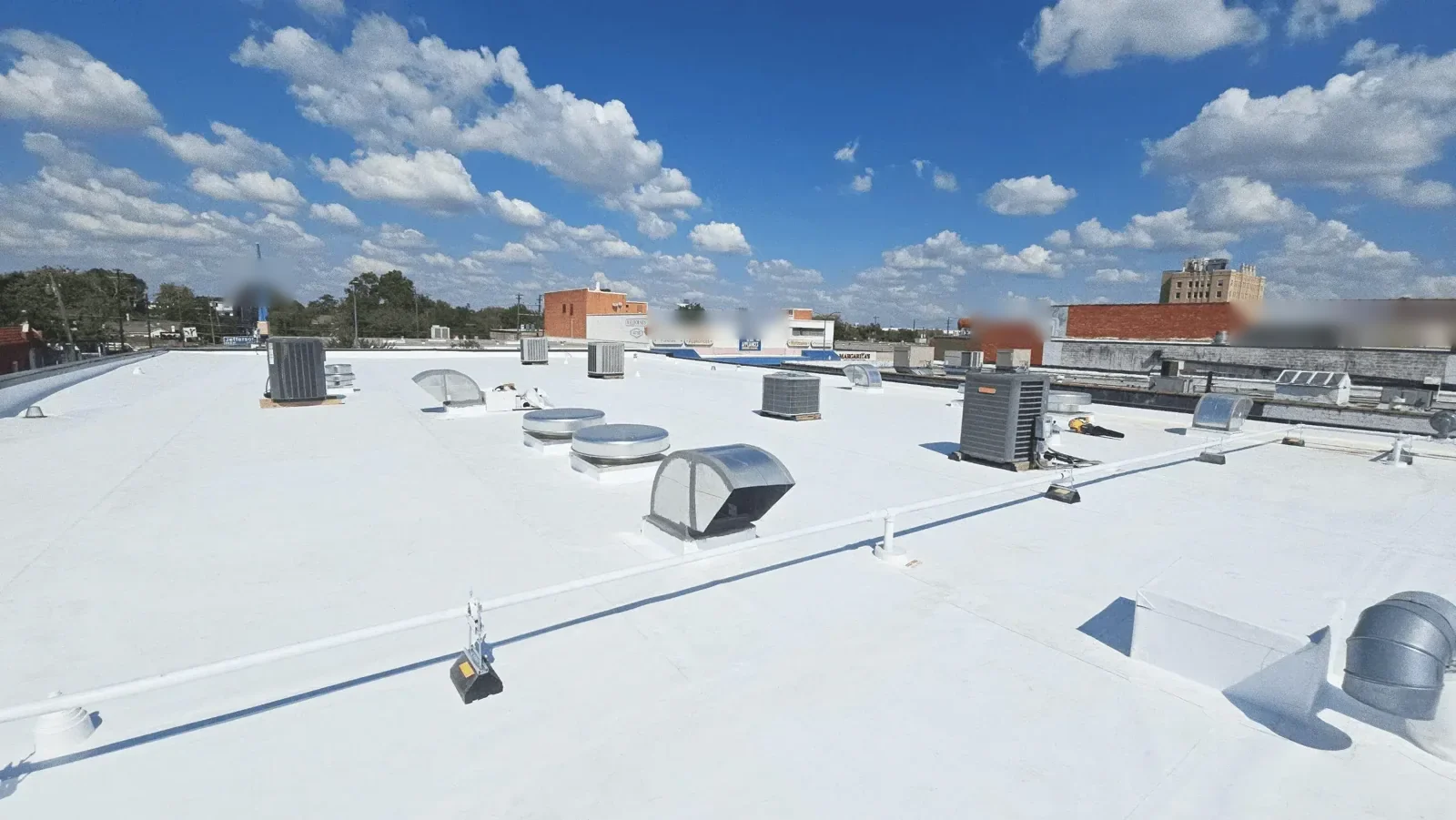
Edge conditions and penetrations are also part of routine care. We inspect coping, edge metal, sealant joints, pipe boots, equipment curbs, and skylight transitions for movement, splits, or loss of attachment. Equipment service can leave fasteners, conduit supports, or service traffic close to the membrane. We note the location and repair method so building staff can coordinate with the trade that disturbed the area. A drain and scupper correction or penetration flashing repair can be scoped separately when inspection finds a defect beyond routine maintenance.

Fit the Work to Building Operations

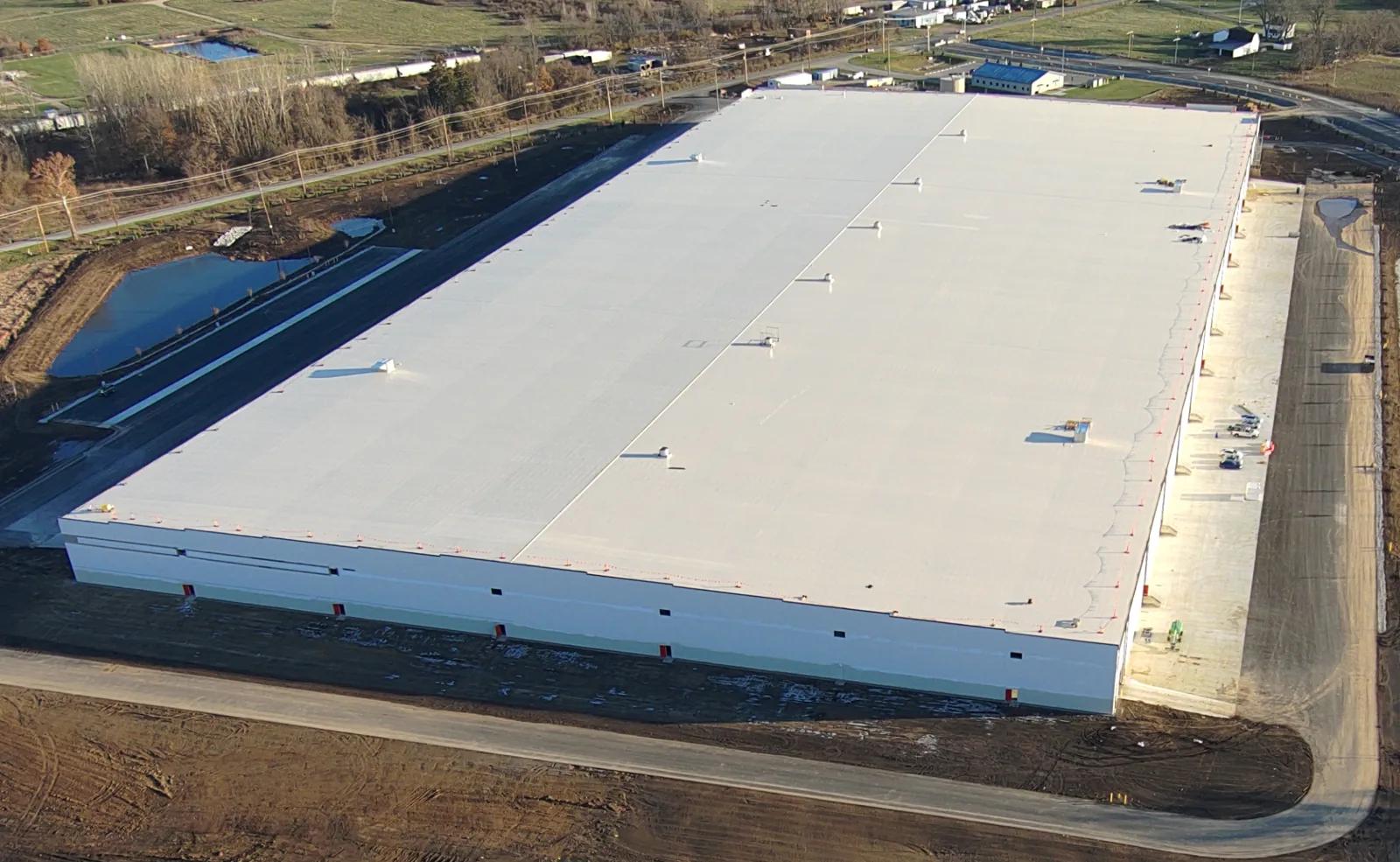
Idaho Falls includes manufacturing, processing, warehousing, distribution, and railroad-related activity; maintenance routes should match each facility’s access and operating needs. A maintenance plan for an operating warehouse may need a different roof route and staging approach than one for a storefront or office. We confirm entrances, roof access, loading activity, sensitive equipment, and any work restrictions with the facility contact. If a visit requires temporary access to a production or tenant area, we agree on the sequence before moving materials. The written plan should say who receives the findings and who approves repairs.

College of Eastern Idaho's campus includes classroom, laboratory, health-care education, mechanical, and industry/trades buildings. At education or health-care properties, the maintenance route should account for active rooms and the people below. We identify rooftop units and air intakes that need protection, and we coordinate any work that could interrupt equipment. The result is a roof plan that respects building use as well as membrane condition. For a broader regional portfolio, Idaho Falls commercial service can be organized by property and roof assembly rather than by one blanket schedule.

Keep Findings Useful

Each service visit produces a dated record with roof zones, observed conditions, photos, maintenance completed, and items still requiring attention. We separate urgent water control from planned corrections, note access limits, and carry unresolved conditions to the next review. This gives a property manager a traceable repair history and helps new facility staff see what changed. A maintenance log is not a warranty or a promise that no leak will occur; it is a practical record of what was observed and handled.

We can group findings by priority: items affecting active water control, repairs that should be planned soon, and conditions to monitor. If we find wet insulation or a broad failure, additional testing may be needed instead of routine patching. Our photo condition report preserves a clearer baseline, while planned repair work can close issues found during the visit. That separation helps ownership budget the work without losing track of the roof's current condition.

Budget for Conditions, Not Calendar Labels

Maintenance cost changes with roof access, height, number of drains and penetrations, debris, repair materials, and the size of the area that needs attention. A planned program can group service visits and small repairs, but it should not turn every finding into an automatic extra. We describe what the visit covers and price a repair separately when it falls outside routine cleaning or inspection. The manager can compare a recurring maintenance plan with the roof's needs and identify which items may call for capital funds.

Timing depends on access, safe weather, facility operations, and material conditions. Idaho Falls averages show May as the wettest month by mean precipitation at the Idaho Falls, which can inform seasonal planning without predicting a specific leak. We can set an inspection before or after that period according to the building's needs. Snake River Landing includes offices, restaurants, residential uses, and event venues; a mixed-use roof portfolio may call for staggered access and tenant notices. The schedule should state the visit window, deliverable, and approval point for repairs.

Questions About Roof Maintenance

We inspect the field membrane, seams, edges, penetrations, equipment curbs, drains, scuppers, and prior repair areas. We remove accessible debris, record photos, and separate routine upkeep from a defect that needs a repair scope. The visit record should identify access limits and any follow-up testing, not simply say that the roof was checked.

The interval should fit the roof system, leak history, drainage, access, equipment activity, and the owner's operating calendar. A property with recurring debris or active rooftop work may need a different schedule from a roof with fewer interruptions. We review the condition and set the visit frequency with the manager instead of applying one interval to every building.

A maintenance plan cannot promise that a roof will stay leak-free. Regular checks can identify debris, open details, or changes before they grow, but severe weather, hidden conditions, and new building work can still create problems. We document what we observe and give the owner a clear repair or monitoring recommendation.

We photograph and locate the condition, then explain whether it needs immediate water control, testing, or a planned repair. A maintenance visit should not bury a larger issue in a routine service line. We provide a separate scope when the work involves membrane replacement, wet insulation, flashing reconstruction, or drainage correction.

Yes. We coordinate roof access, material movement, equipment protection, and work timing with the facility contact. Idaho Falls industrial properties can include warehousing, manufacturing, and rail-related operations; other sites may be retail, health care, or education. We set a route and notice plan that fit the actual building.

ServicesRoof SystemsIndustriesProperty TypesService AreasDamage RepairCapabilitiesManufacturersContactAboutRequest a Roof Assessment555-555-5555
Call us today555-555-5555