TPO Roofing in Idaho Falls, ID Serving Idaho Falls & Eastern Idaho

Compare TPO roofing options in Idaho Falls with seam, insulation, drainage, and edge details reviewed against the local winter and summer work windows.

TPO Roofing in Idaho Falls, ID

TPO Roofing

Idaho Falls’ freeze season gives way to roof surfaces that can exceed 90°F in summer. Repeated temperature changes put TPO seams, flashings, and edge details under stress. We inspect attachment and application conditions before defining the membrane scope.

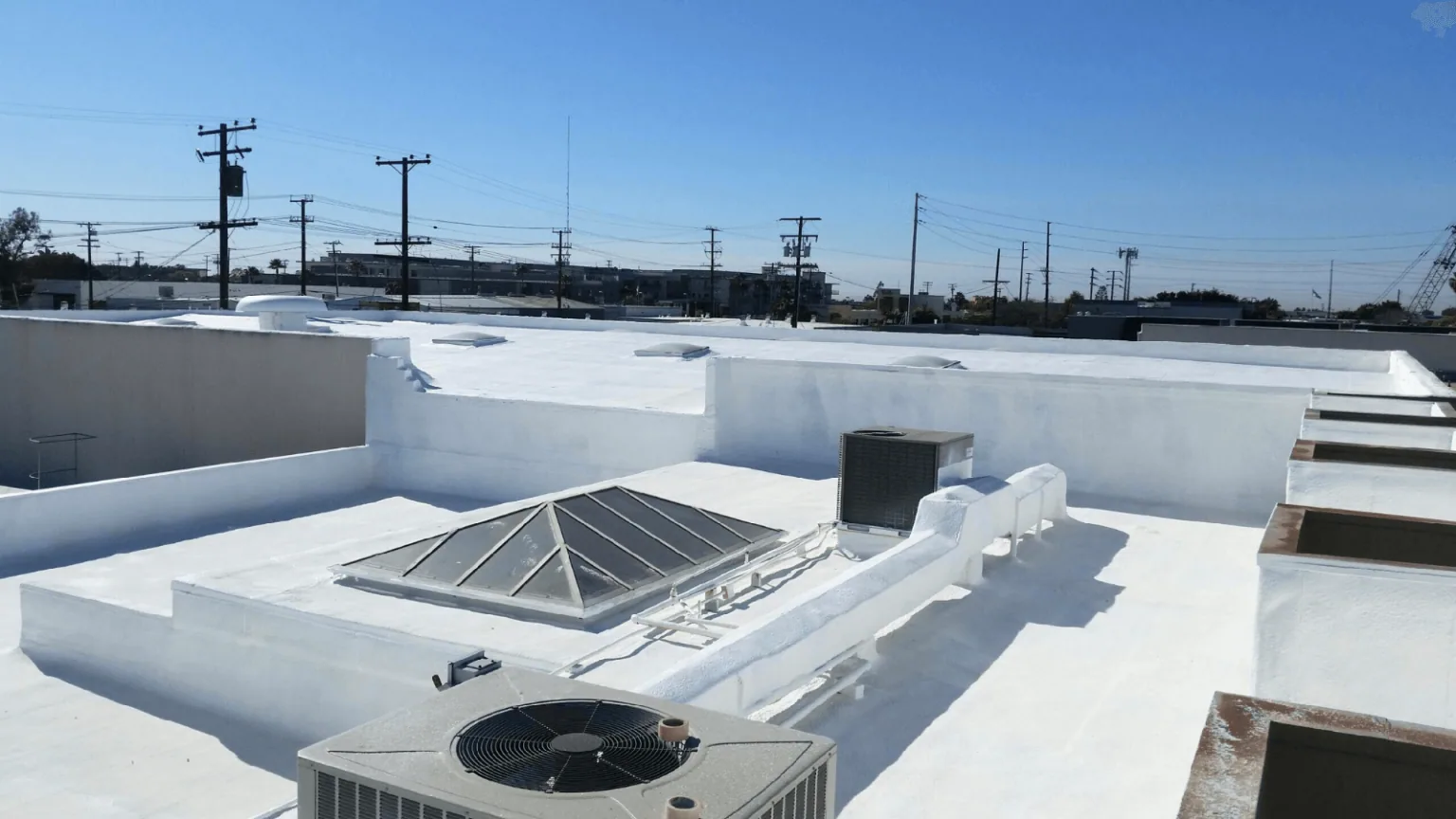
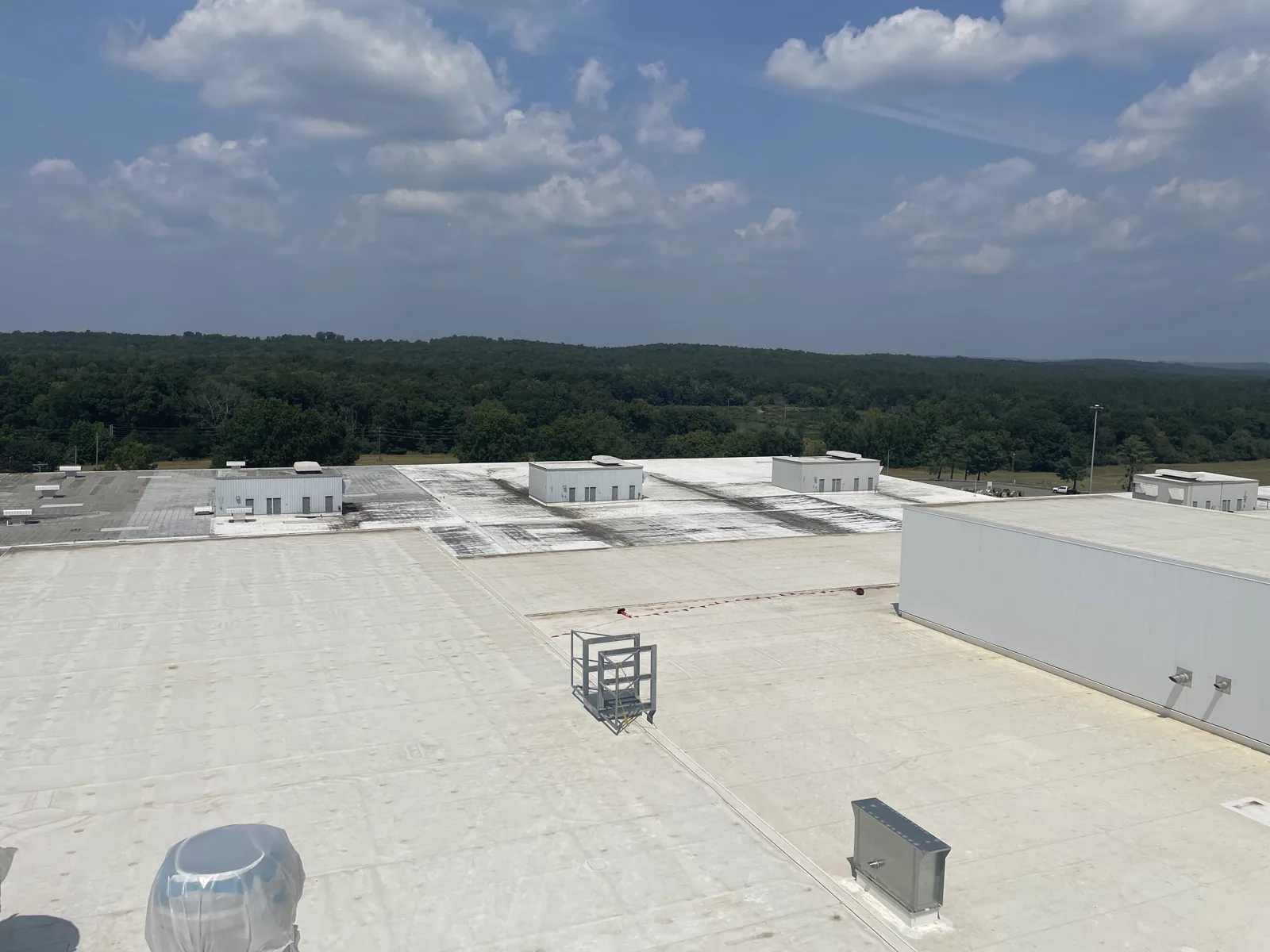
TPO is a thermoplastic single-ply membrane joined at heat-welded seams. Its service depends on compatible details, secure edges, and welds fused across the lap. We check insulation, cover board, penetrations, and drainage before recommending repair or a new assembly. The Idaho Falls Warehouse District mixes storefronts with warehousing and light industrial uses, so the building's access and staging needs set the sequence.
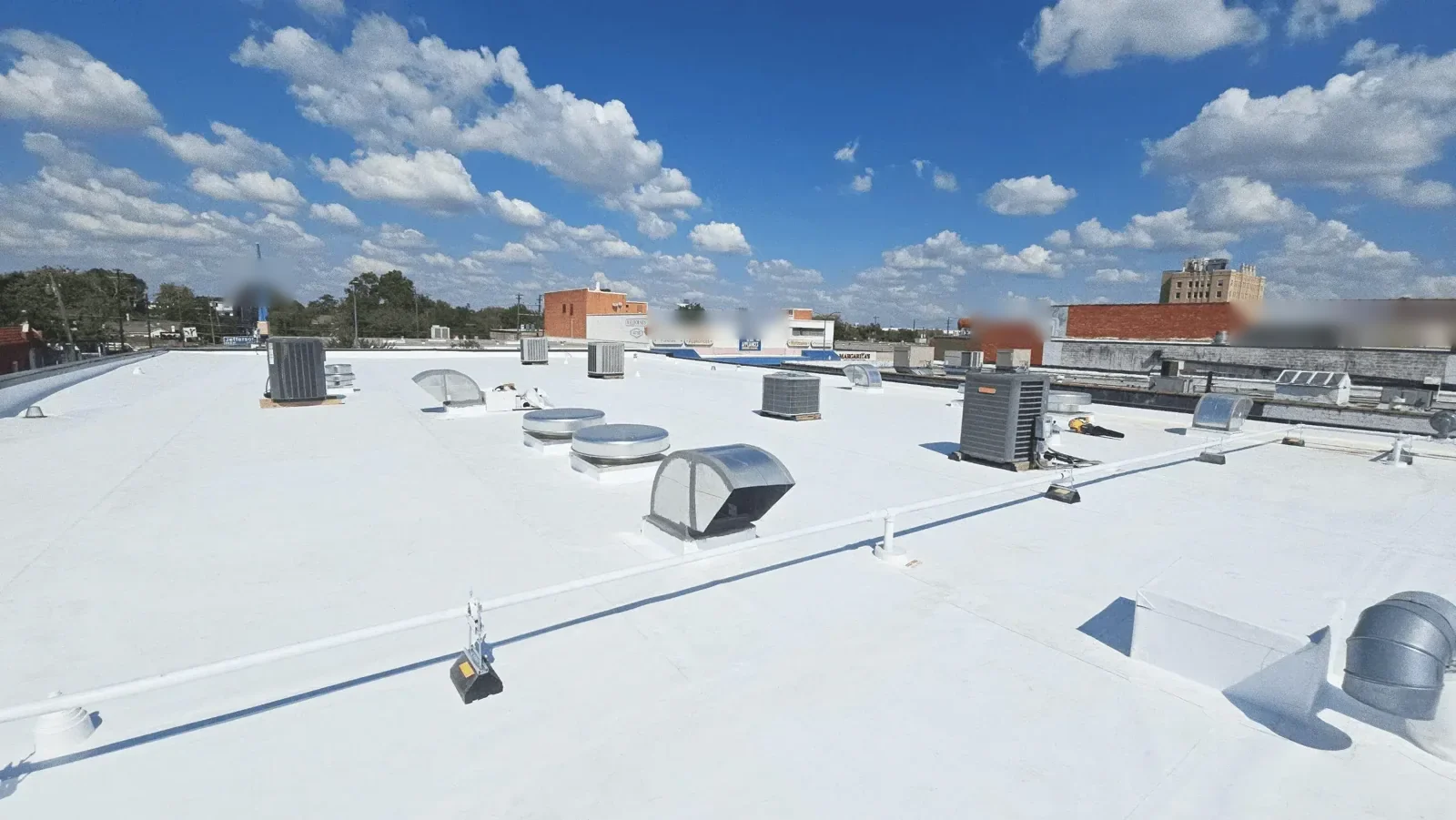
TPO Roofing in Idaho Falls, ID

Read the Seams and Transitions

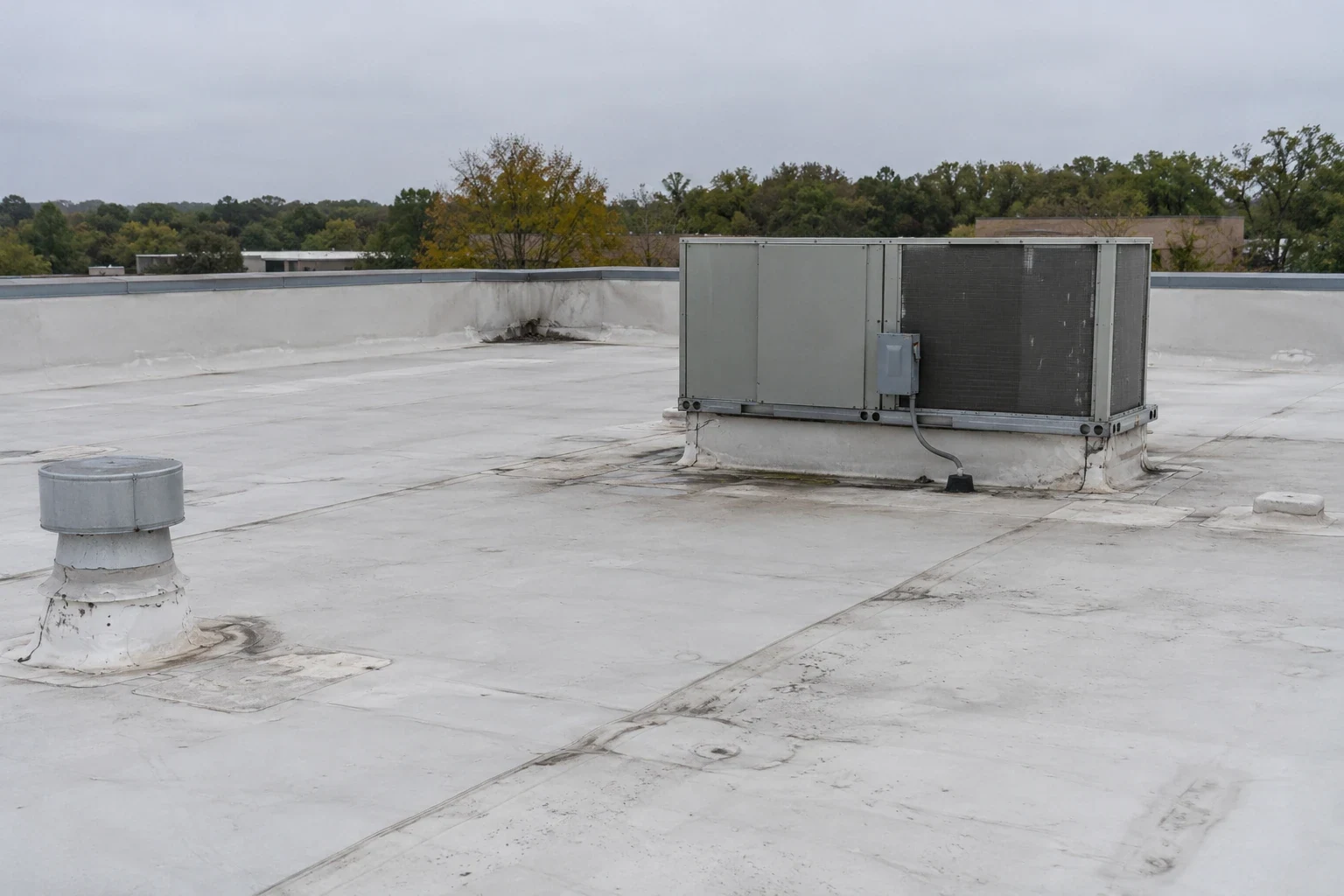
A TPO surface can look intact while a seam or penetration begins to separate. We check welds for contamination, open laps, and membrane tension, then probe suspect areas as needed. Curbs, pipes, drains, and parapets require transitions that keep water out. We map each finding and separate an isolated defect from a wider pattern that may need more investigation.

Perimeter geometry, wind load, edge metal, and attachment work together. A sound field seam cannot correct loose edge securement. We inspect corners, fascia, coping, and wall transitions. Wet insulation or a damaged deck should not be covered without addressing the condition. A hands-on roof inspection records what is visible before repair, recover, or replacement is chosen.

A Weld Is a Process

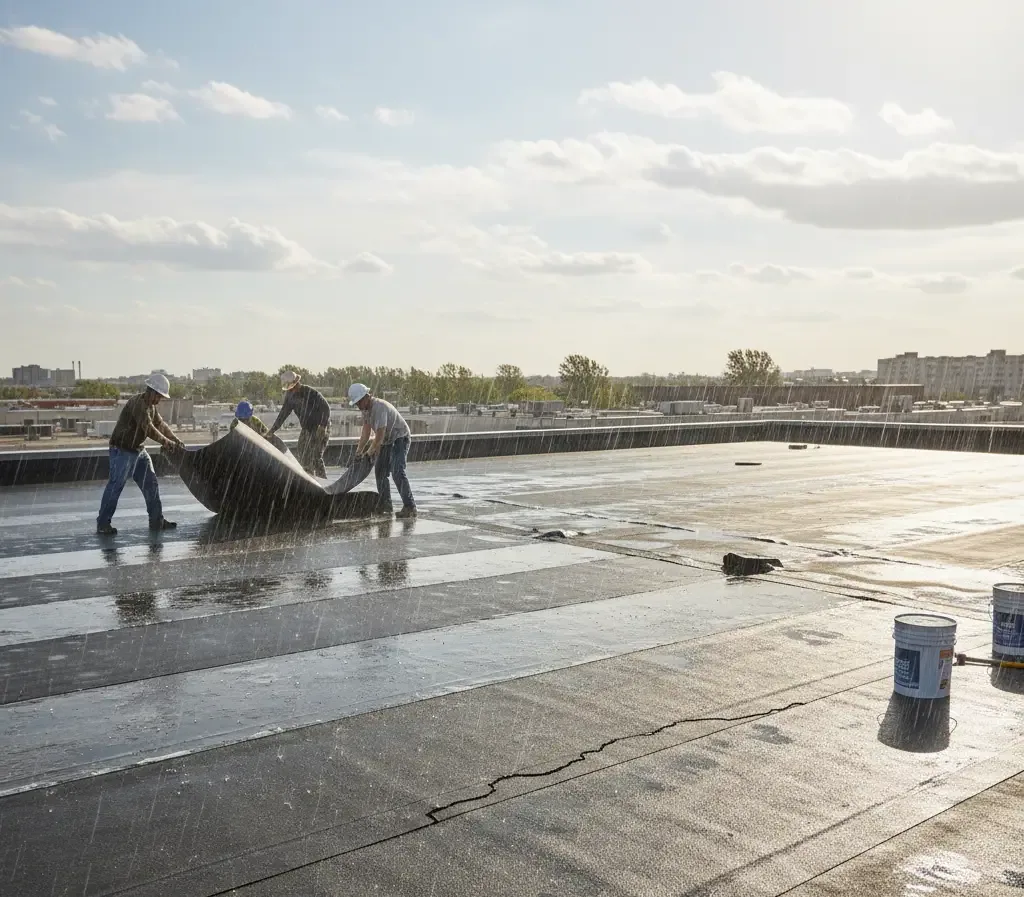
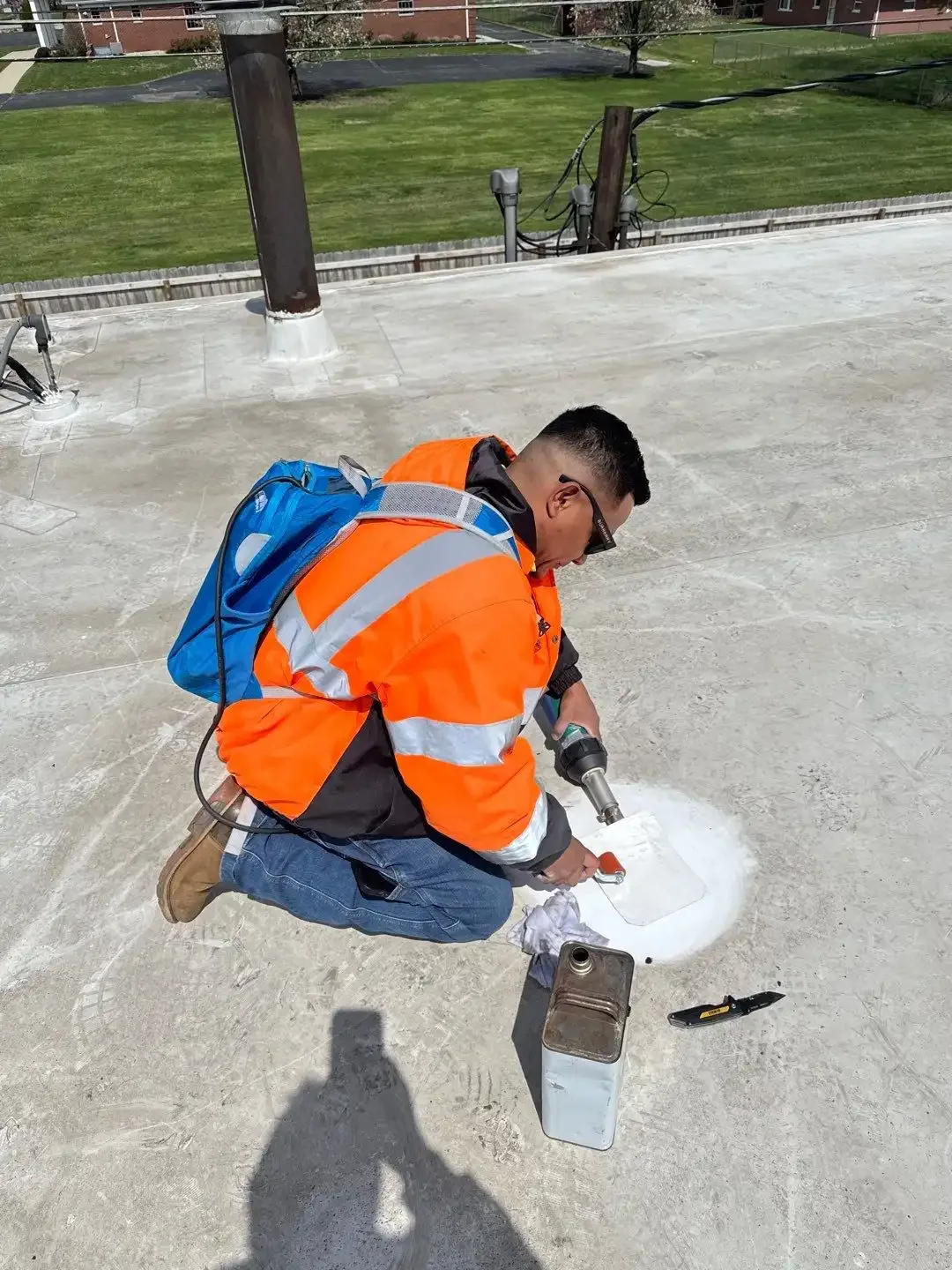
Heat welding fuses compatible TPO surfaces, with results affected by cleanliness, equipment settings, travel speed, temperature, and wind. A test weld confirms the setup for the material and work conditions. We check continuity as installation proceeds and correct weak areas before they are covered. The closeout record should show where tests were made and what adjustments followed.

A patch needs sound material around the defect and a complete welded perimeter. A narrow cover over a moving seam or wet area can fail again if the cause remains. We define the damaged area, prepare the surface, and decide whether local work restores the seam or a broader section needs replacement. That boundary keeps the budget tied to the condition found.

When a repair reaches an older sheet, we check whether the cleaned surface accepts a consistent weld before completing the patch. The repair boundary should avoid ending on a weak lap or stretched area. Marking test locations and recording the completed tie-in gives the next inspection a specific seam to revisit.

Match the Full Assembly

A membrane is only one layer of the roof decision. We compare insulation, cover board, attachment, deck capacity, vapor conditions where relevant, and existing layers. Before bidding, we compare the proposed TPO assembly with the project drawings and scope, then coordinate design or permit questions with the GC and architect. The specification should name layers, fastening, perimeter details, penetrations, and drainage changes so bids can be compared.

A mechanically attached or adhered assembly may suit a low-slope roof, depending on deck, wind design, use, and approved details. A recover requires dry, secure layers within applicable limits. We check moisture, attachment, and drainage before recommending it. Extensive wet insulation or deck deterioration may support full roof replacement. A PVC membrane system or EPDM assembly may also fit when its requirements match the project.

Plan for the Building Calendar

The Idaho Falls Warehouse District includes Broadway and Maple storefronts, plus warehousing and light industrial uses along Yellowstone Avenue and Pancheri Drive. A loading lane, tenant entrance, or railroad-related operation may affect staging. We map work zones with the property contact, keep access routes clear, and limit daily tear-off to the area that can be dried in safely.

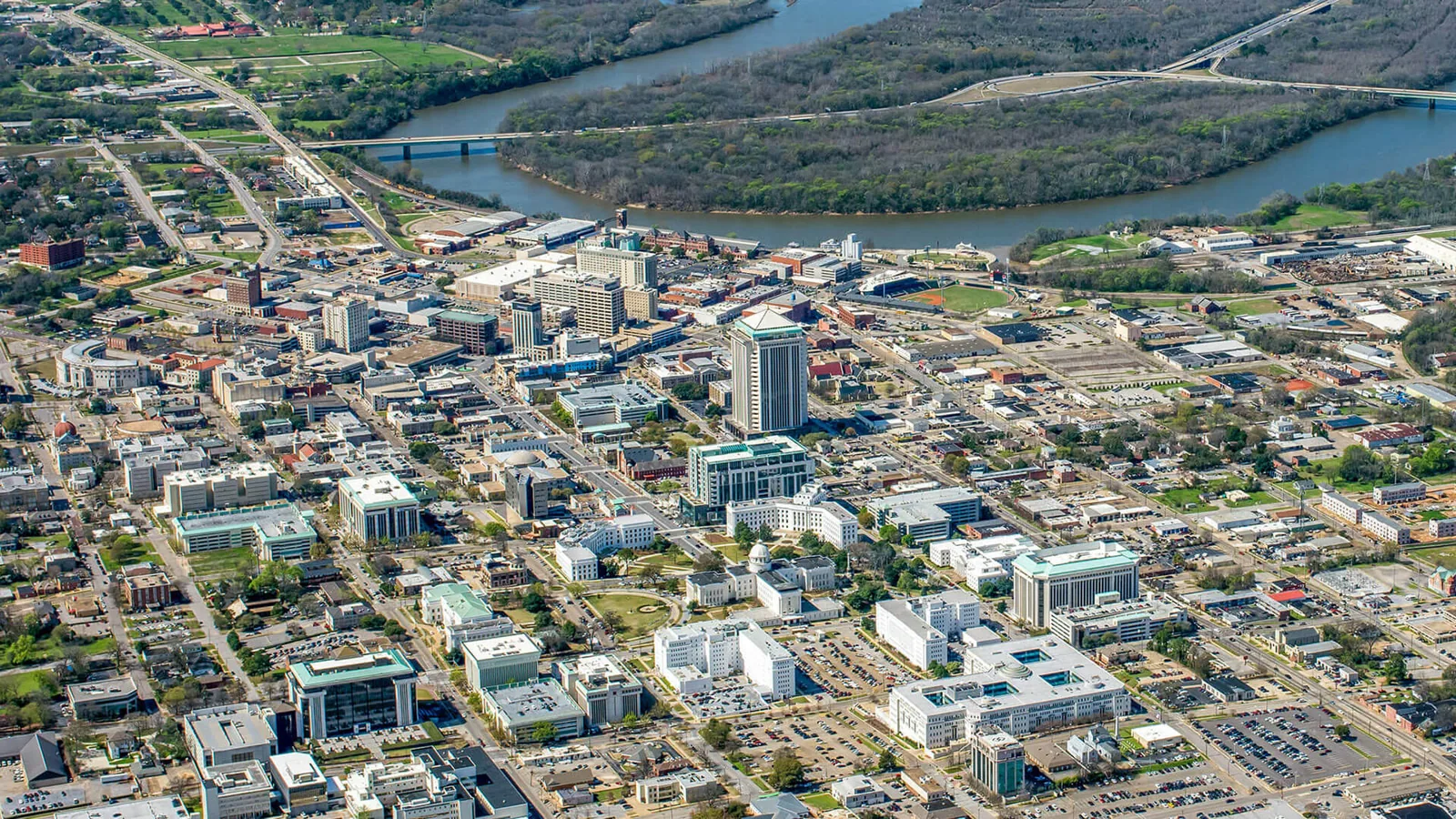
Snake River Landing is a mixed-use district between the Snake River and Interstate 15, with offices, dining, residences, and event venues. An occupied building may need air-intake protection, coordinated equipment shutdowns, and notice for affected entrances. We divide work into areas that can close that shift and record temporary tie-ins and weather holds. An occupied-building reroofing sequence sets those boundaries before tear-off.

Keep the Membrane Serviceable

Debris, foot traffic, later trade work, and seasonal movement can affect a TPO roof. Maintenance checks cover seams, flashing, edge metal, drains, overflow routes, and equipment supports. Idaho Falls averages its highest monthly precipitation in May, so clearing outlets before the wetter spring period deserves a place on the maintenance calendar.

Mechanical contractors should use designated paths, keep tools clear of membrane edges, and report dropped hardware or cuts. A visit can separate age-related wear from damage after trade work. If standing water recurs, we trace drainage rather than assume a membrane defect is the only cause. A planned maintenance program keeps the condition record current for budget review.

Price What the Roof Requires

Cost changes with removal, insulation, cover board, attachment, edge work, drainage corrections, access, and penetrations. Repair scope also depends on moisture below the surface and material compatibility. We list these drivers instead of burying them in one allowance.

Cold can limit welding; summer heat changes handling and work pace. We state the weather window, protection limits, inspection points, and schedule decisions. Emergency response runs around the clock when an opening needs urgent water control. A final inspection records completed seams and remaining items.

For a planned project, we identify which roof areas can be completed together and which need separate mobilization or tenant coordination. That detail can affect access, lift placement, disposal, and the amount of temporary protection needed. A documented scope gives ownership a way to compare the assembly and sequence, not only the membrane line item, before approving the work window.

Questions About TPO Roofing

A lifted edge, open lap, fish-mouth, puncture, or failed weld deserves a close check, but the visible line may not show how far the weakness extends. We probe the affected seam, inspect nearby flashing and drainage, then define a repair boundary on sound membrane. If defects recur in several areas, a broader condition review can keep the repair plan from treating each symptom separately.

A reflective surface can reduce solar absorption, but it does not replace insulation, ventilation design, drainage, or a sound assembly. We review the roof layers, building use, and energy requirements before selecting a membrane. Idaho Falls sees both summer heat and frequent freezing nights, so the full assembly and its cold-weather details remain part of the decision.

A recover may be considered when the existing assembly is dry, secure, compatible, and within applicable layer and code limits. We inspect for wet insulation, weak attachment, damaged deck, and drainage problems first. If those conditions are present, covering them can leave the cause in place. The written scope should state what testing was done and what concealed conditions remain uncertain.

Each curb, pipe, and drain needs a compatible transition that keeps the membrane continuous and allows future service. We inspect curb height and condition, existing flashing, drain bowls, and overflow paths, then coordinate with mechanical trades if equipment must move. A unit replacement can disturb nearby membrane, so the work plan should identify who restores each roof detail and how that repair will be checked.

Product requirements, temperature, wind, and precipitation set the workable window. We check the current forecast, keep each tear-off phase within a reliable dry-in limit, and pause when the assembly cannot be completed as specified.

ServicesRoof SystemsIndustriesProperty TypesService AreasDamage RepairCapabilitiesManufacturersContactAboutRequest a Roof Assessment555-555-5555
Call us today555-555-5555