Commercial Roofing in University Boulevard and South 12th West District, Rexburg, ID Serving Idaho Falls & Eastern Idaho

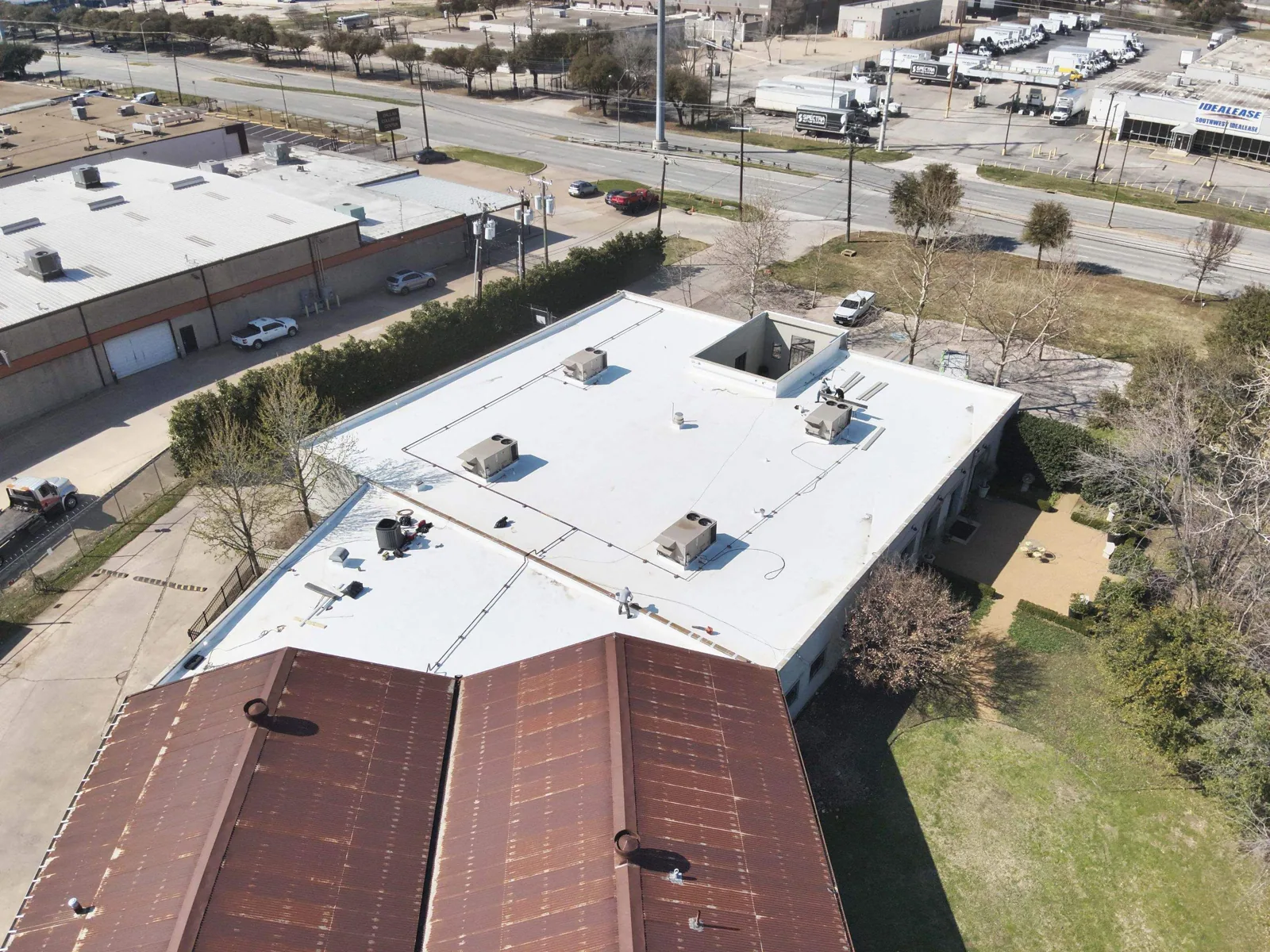
Roofing in Rexburg’s University Boulevard district starts with an inspection of the building, drainage, access, and project sequence.

University Boulevard and South 12th West District in Idaho Falls, ID

University Boulevard and South 12th West District

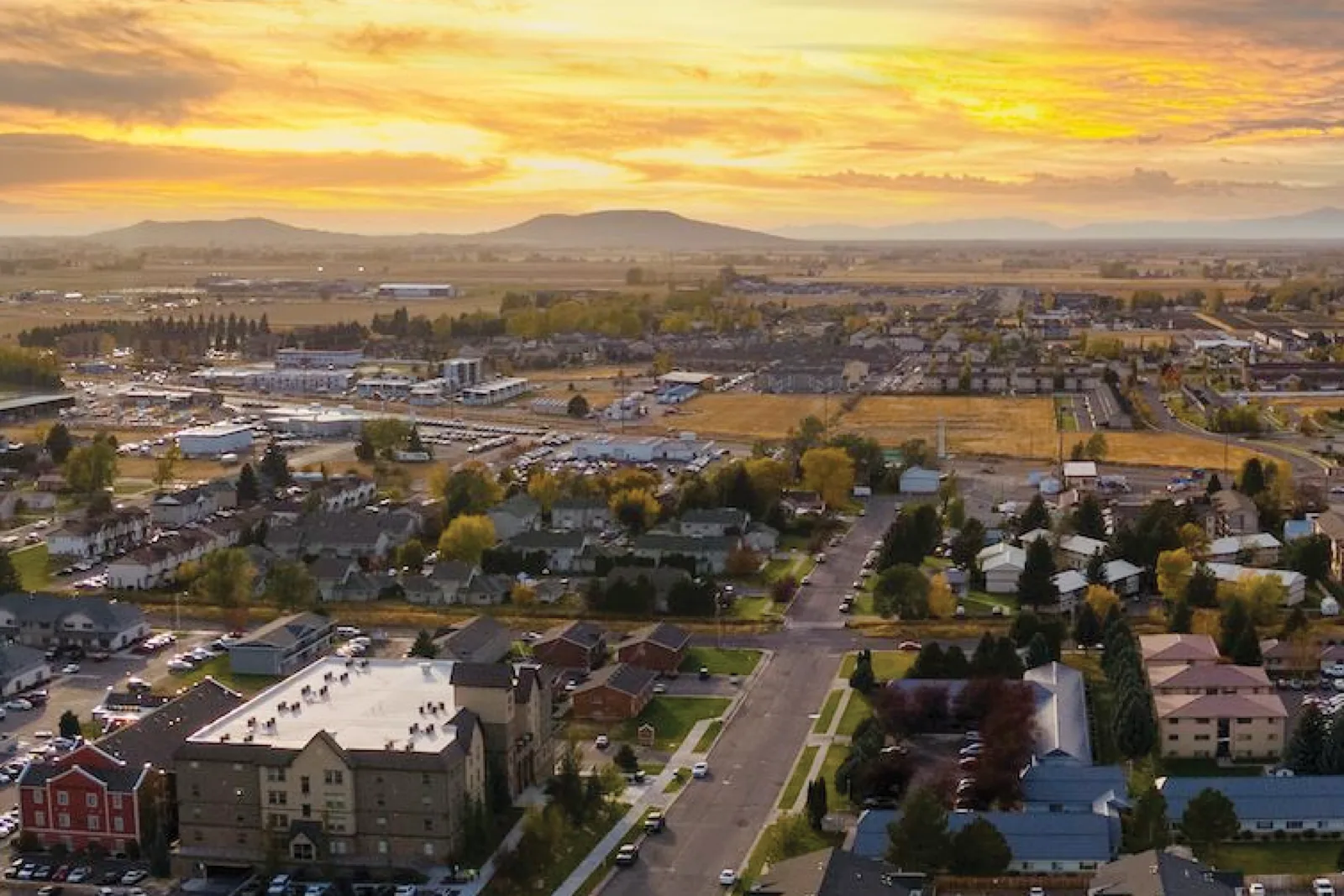
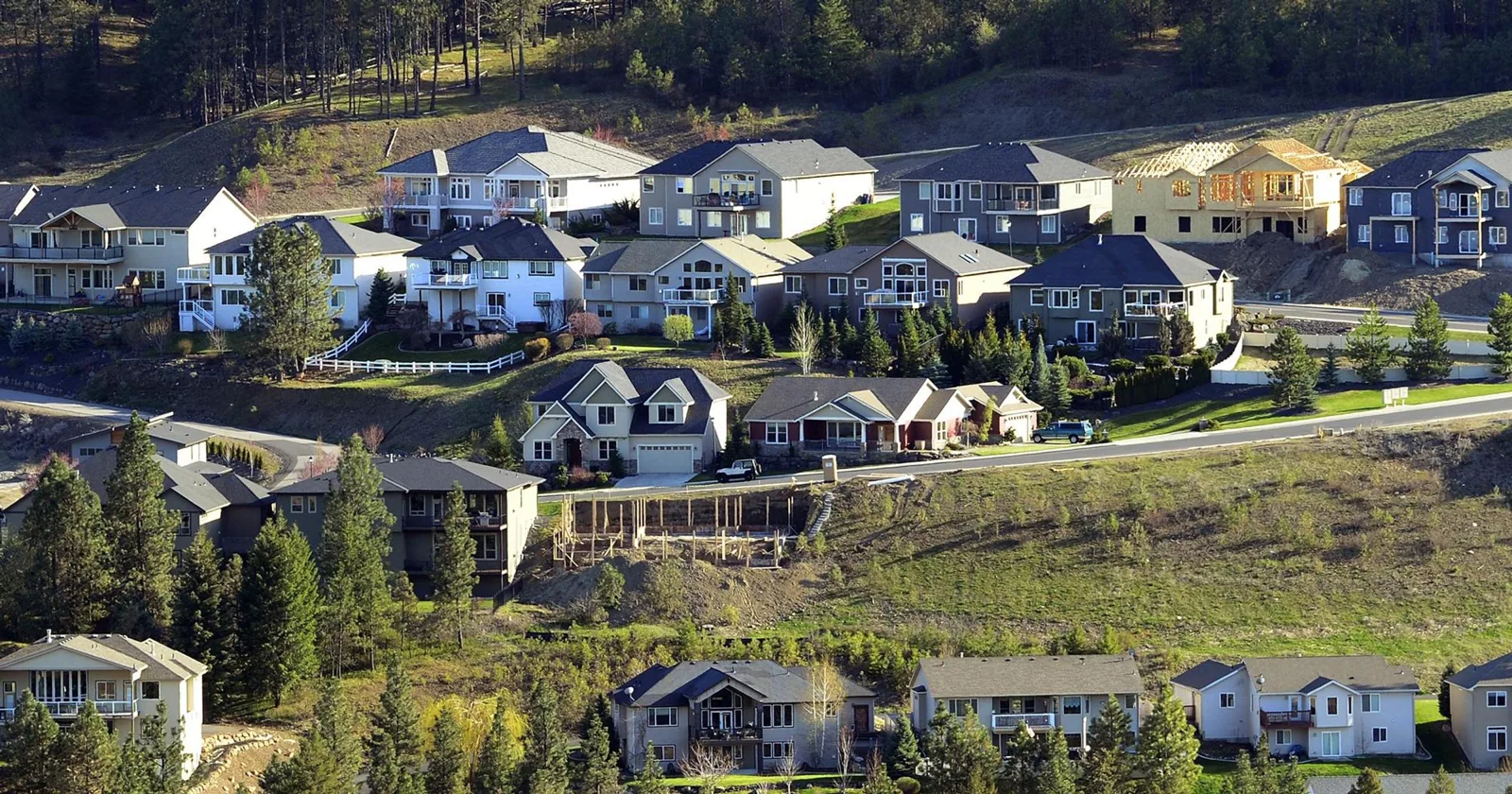
A commercial roof near University Boulevard needs a scope that accounts for the building’s intended use and the roof assembly actually installed. The University Boulevard district spans South 12th West, Pole Line Road, Morningside, and University Boulevard, with residential, lodging, retail, office, commercial, and industrial areas connected by street and utility infrastructure. We inspect each roof before setting materials or sequence.

In the Idaho Falls climate averages, 182.2 days annually have a minimum temperature at freezing or lower. It is a regional planning reference rather than a University Boulevard observation. We use it to frame seasonal planning, then check current roof temperature, moisture, wind, and the installation requirements for the selected system. The written scope makes weather limits and daily closure points clear.
University Boulevard and South 12th West District in Idaho Falls, ID

Confirm Use and Access Before Work

The district includes a mix of future land uses and public street and utility improvements. Before roofing work, confirm current building use, occupancy, and access with the property contact. Then document staging, equipment routes, deliveries, and spaces that need uninterrupted service.

When a building remains occupied, the crew’s sequence needs clear limits for entrances, noise, air intakes, debris, and daily closure. The occupied-building work plan establishes which roof zone can be opened and who confirms its weather-tight closeout. If mechanical or utility work precedes roofing, the estimate identifies responsibilities for support, disconnection, and the final flashing inspection.

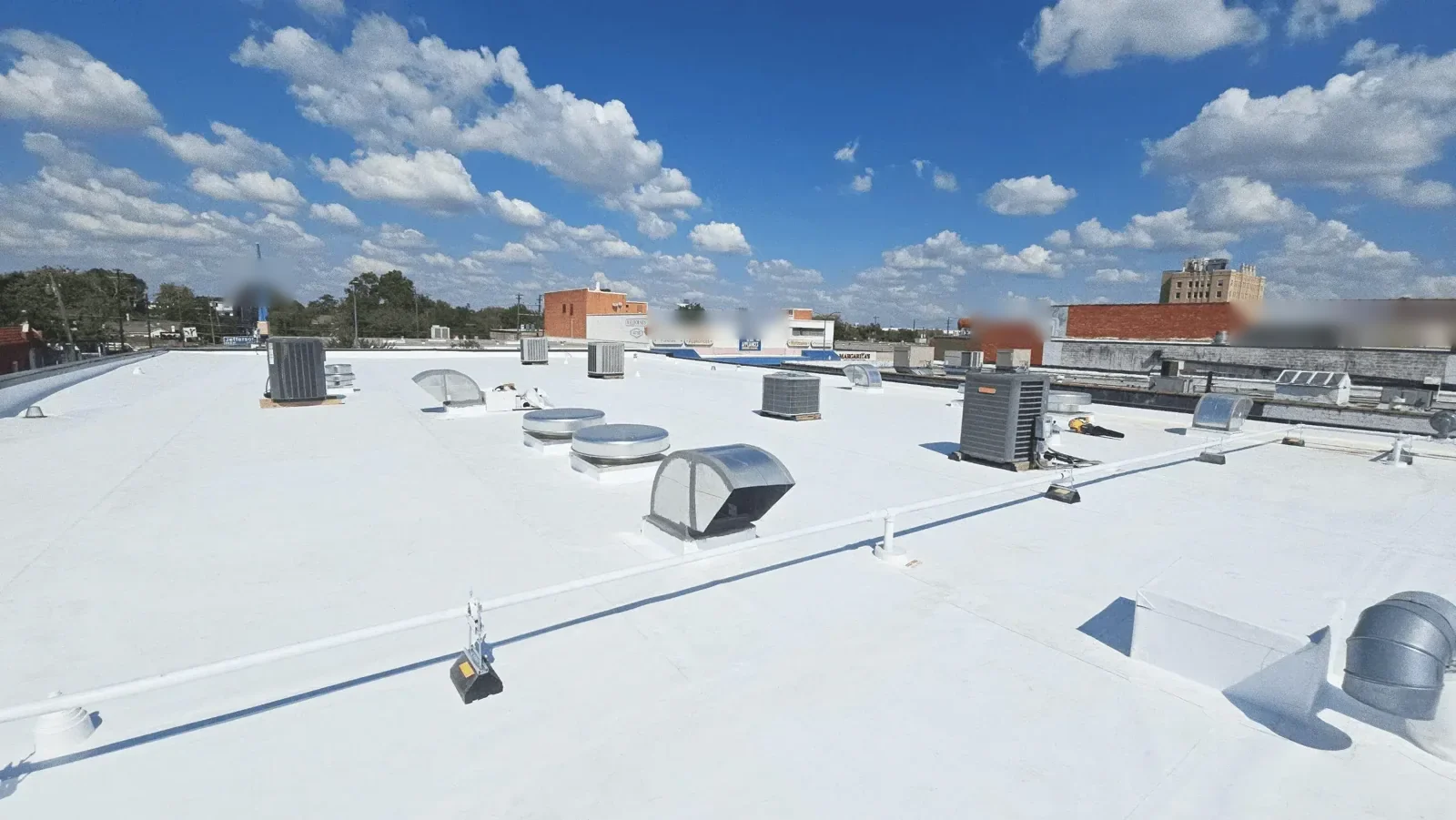
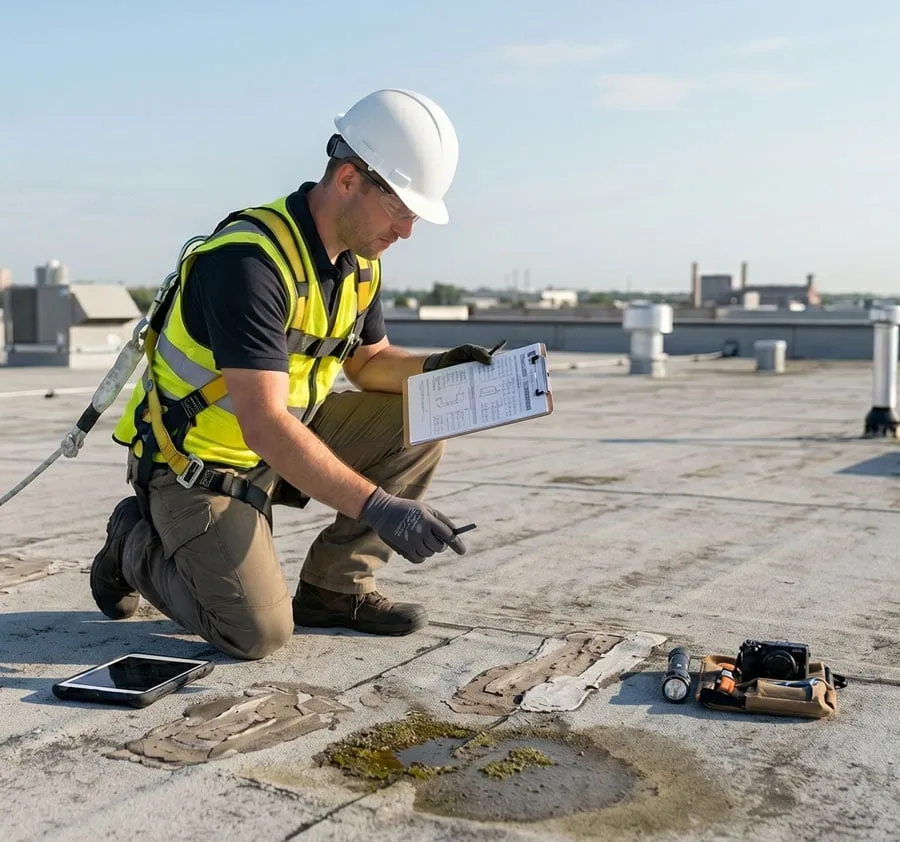
For each zone, we record system type where visible, seams, edges, curbs, drains, penetrations, patches, and the condition of accessible substrate. A commercial roof inspection attaches photographs and notes to a labeled area. If concealed layers may change the repair scope, recommend a selective opening or moisture survey so the owner can choose the next step.

Check Transitions Before Naming the Repair

Rooftop additions and service changes can leave different assemblies across one footprint. We inspect the field surface and the transitions where curbs, parapets, walls, skylights, equipment supports, and edges meet it. A seam that looks closed from above may still have poor attachment or moisture beneath it. The inspection records the visible condition and calls out any test needed before choosing a repair product.

At a leak, we compare interior signs with the roof details above and upslope. Water can migrate beneath a membrane and emerge away from the source. We check drainage paths and adjacent details before limiting the repair boundary. The drain and scupper assessment documents outlets, overflows, clamping details, and low areas, while the leak scope explains whether the issue is maintenance, a local defect, or an unresolved assembly condition.

The planned land uses include lodging and residential as well as office, commercial, retail, and industrial uses. Each has different occupancy and equipment considerations if present at the property. We ask which areas stay active and identify any operations that shape access. A location-specific Downtown Rexburg plan or North Interchange project receives its own property walk rather than inheriting a recommendation from this district.

Choose the Work Window From Conditions

Idaho Falls averages 20.4°F in January and a July daily high of 86.6°F; verify the live forecast and roof-surface conditions before setting a work window. We use those Idaho Falls averages as seasonal context, then check conditions at the Rexburg property. A Rexburg roof needs a current surface check; the foreman uses the local forecast, moisture, and product limits to set the daily closure point. Low temperatures can limit adhesive use or membrane handling; heat affects safe movement and installation. We check current conditions and the product instructions, then set the amount of roof that can be opened and secured in the work period.

Among Idaho Falls’s monthly precipitation averages, May is highest at 1.57 inches. That average cannot replace a forecast. We agree on the dry-in boundary, material protection, and what condition pauses tear-off before work starts. For urgent water intrusion, an emergency crew can respond 24 hours a day, with weekends and holidays included; the written record distinguishes temporary control from permanent repair. We record temporary water control as a separate step from permanent repair.

Seasonal inspections look at exposed seams, edges, flashing, and drains after winter conditions. A snow and ice roof review can help distinguish movement or entry at a detail from a temporary concern. Access and the present surface determine when the lasting repair can be installed.

Set the Repair Boundary

A patch may fit a limited defect when nearby material is sound and can take a compatible tie-in. We inspect the membrane or metal, attachment, substrate, flashing, and water path before recommending it. If wet insulation, deck movement, or repeated seam failure appears, a surface repair may not address the cause. The report states what is confirmed and what requires selective removal or testing.

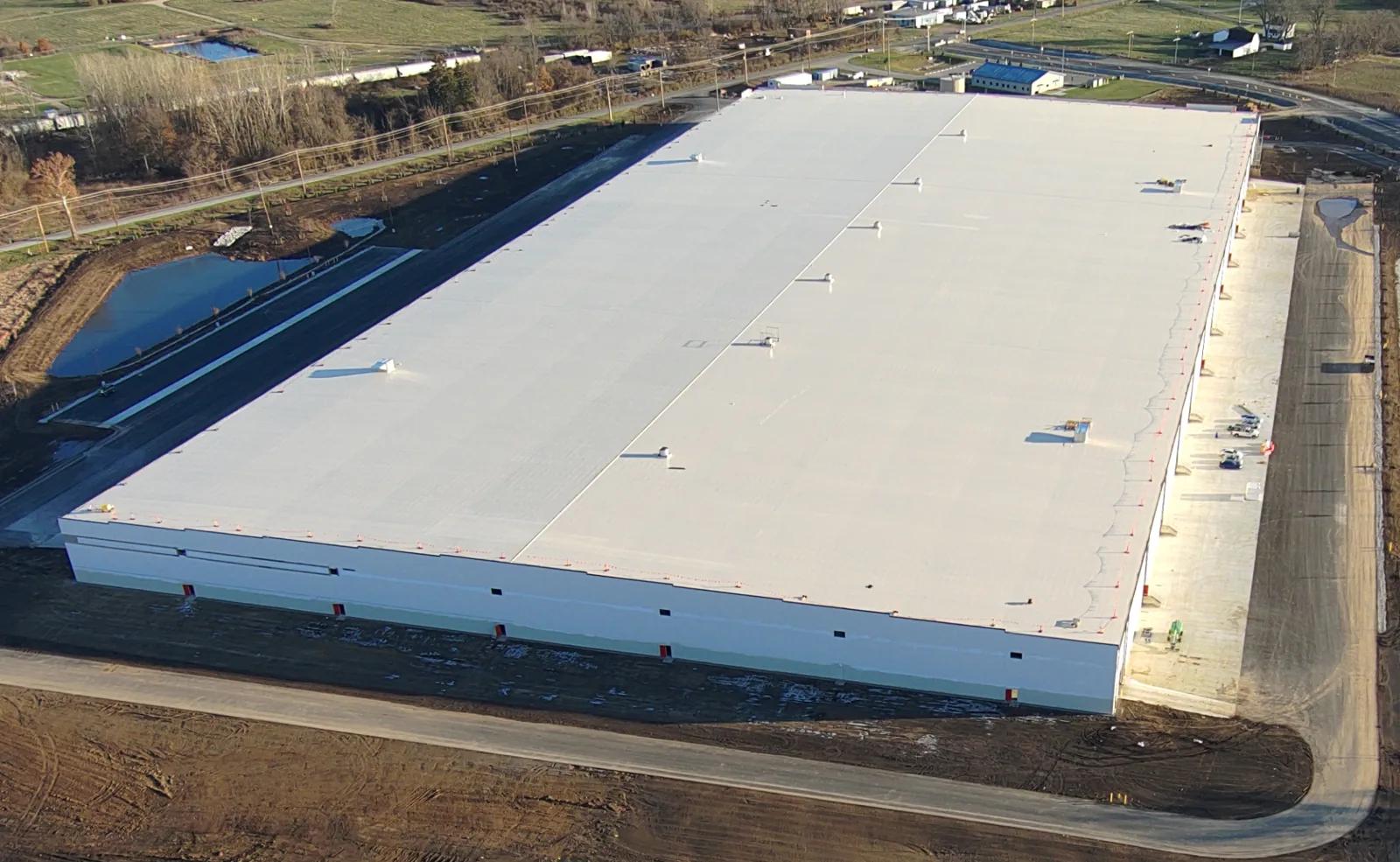
A recover depends on a dry, stable, secure roof and a compatible new assembly. It will not fix moisture trapped below the existing surface. A recover-versus-removal evaluation compares the existing layers with removal and substrate access. If a replacement is more appropriate, the replacement proposal identifies insulation, cover board, membrane or metal, attachment, perimeter, flashings, and drainage details.

Coating can be considered only if the substrate is sound, the surface is compatible, and preparation can support adhesion. It does not correct failed attachment, wet insulation, or a weak deck. We identify repairs needed before restoration and state the work area and weather limits. The estimate should let ownership compare alternatives with the same roof-zone record.

Carry a Clear Record Into Budget Review

The district’s mix of future uses can shape development discussions, but the roof budget follows observed conditions. Pricing and duration reflect how many roof layers must come off, substrate repairs, the number of transitions, lift and delivery logistics, occupied-area protection, waste handling, and a workable forecast. We list defined work separately from concealed-condition allowances and explain how owner approval works if the opening reveals something different.

Each repair note should connect to a photograph and roof zone, including what was left in service and what needs follow-up. A roof condition report gives the manager a stable reference for capital planning. After installation or repair, preventive maintenance can revisit drains, seams, edges, and penetrations using the property’s access rules and assembly details.

University Boulevard is a district service location within Rexburg, not a single institutional property. Where the same ownership also has a building in Rexburg, keep separate records and estimates. That allows a portfolio budget to compare needs without assuming each roof uses the same system or needs the same work.

Questions About University Boulevard and South 12th West District

No. It lists planned land uses, including residential, lodging, retail, office, commercial, and industrial categories. The property manager confirms current occupancy and operations. We inspect the building’s actual roof and set access and sequencing around the site requirements provided.

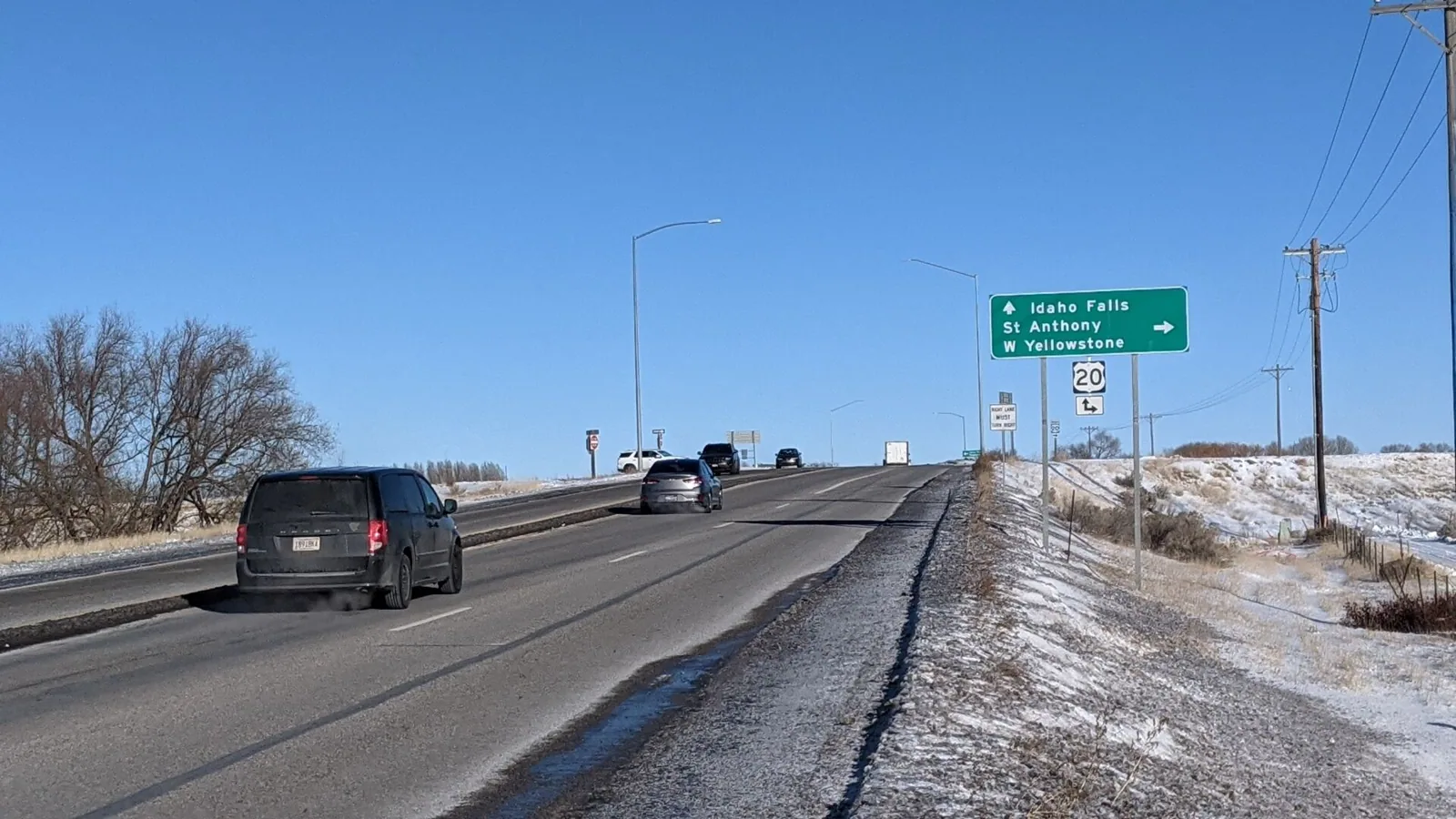
Rexburg’s plan names South 12th West, Pole Line Road, Morningside, and University Boulevard as references for the broad district. Before mobilizing near University Boulevard, confirm the active delivery route and inspect the property’s roof details and access. We verify access at the property before dispatch.

We confirm what utility or mechanical work may touch the roof, who handles equipment movement, and when flashing can be closed. The roofing sequence includes a final detail inspection after the related work, so responsibility does not stop at installation of the equipment.

Only when the current layers are dry, stable, attached, compatible, and within project limits. Moisture or weak substrate can make a recover unsuitable. We document the checks and compare it with selective removal or replacement before recommending an assembly.

A useful report includes labeled roof zones, photos, observed defects, access limits, completed repairs, and questions still requiring testing. The estimate separates defined work from allowances and identifies timing drivers such as staging, equipment coordination, weather, and removal depth.

ServicesRoof SystemsIndustriesProperty TypesService AreasDamage RepairCapabilitiesManufacturersContactAboutRequest a Roof Assessment555-555-5555
Call us today555-555-5555