EPDM Roofing in Idaho Falls, ID Serving Idaho Falls & Eastern Idaho

Evaluate an EPDM roof in Idaho Falls by seam bonds, flashing, insulation, drainage, and winter exposure before setting a repair or replacement scope.

EPDM Roofing in Idaho Falls, ID

EPDM Roofing

Long cold stretches put seam bonds and flashing on an EPDM roof through repeated movement. Idaho Falls averages document a substantial freeze season, a useful climate frame for inspection and repair planning without describing conditions at every property. We look for shrinking edges, open seams, loose terminations, and water paths, then record the conditions that should shape a repair decision.

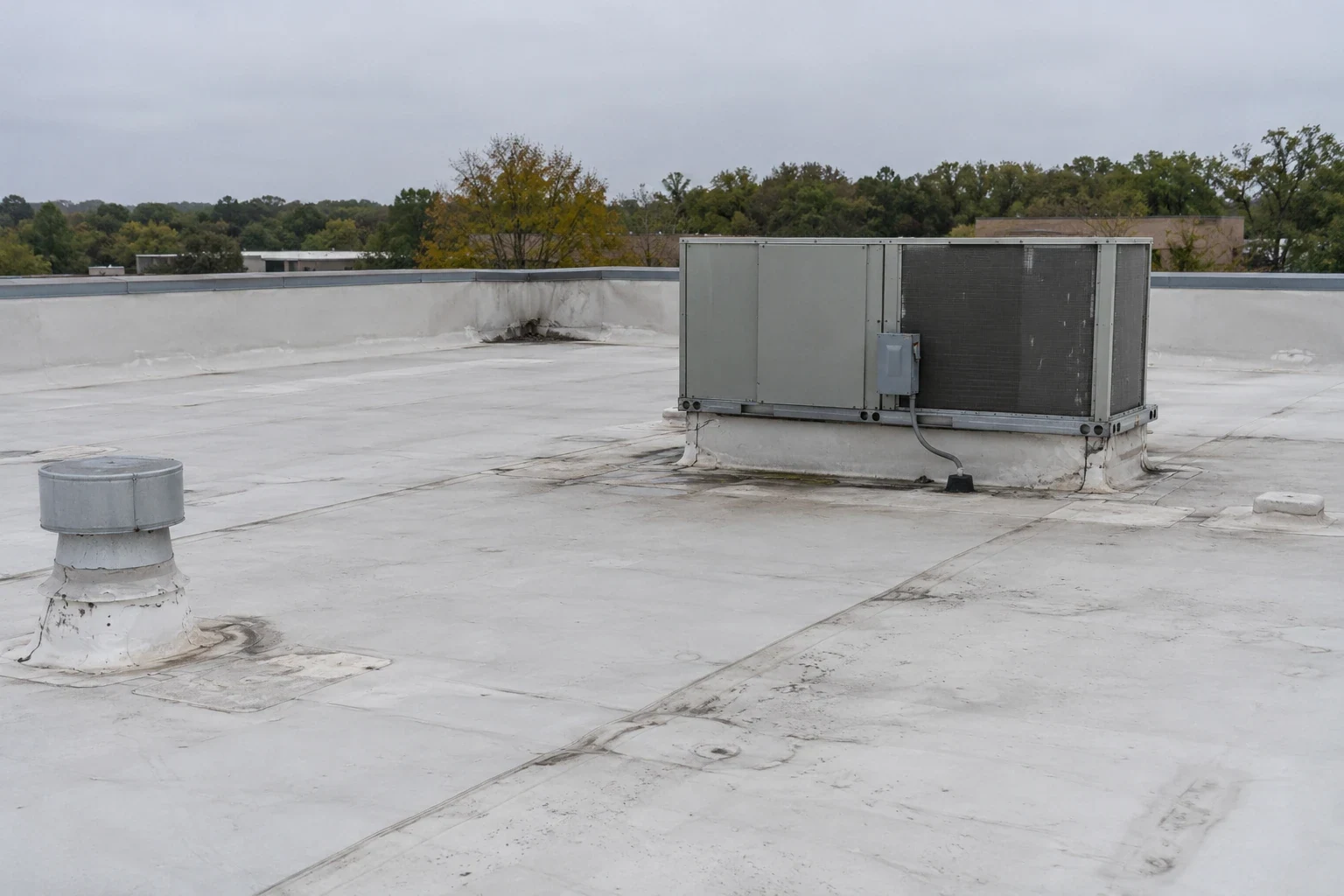
EPDM is a flexible rubber membrane used on low-slope roofs. Seams are commonly made with adhesive or seam tape, so surface preparation and pressure matter in a way that differs from a heat-welded sheet. We identify the installed assembly, check where seams meet flashings, and examine insulation and drainage before deciding whether localized work will hold. The Idaho Falls Warehouse District has storefronts as well as warehousing and light industrial activity; a site's use sets access and sequencing needs, not its membrane type.
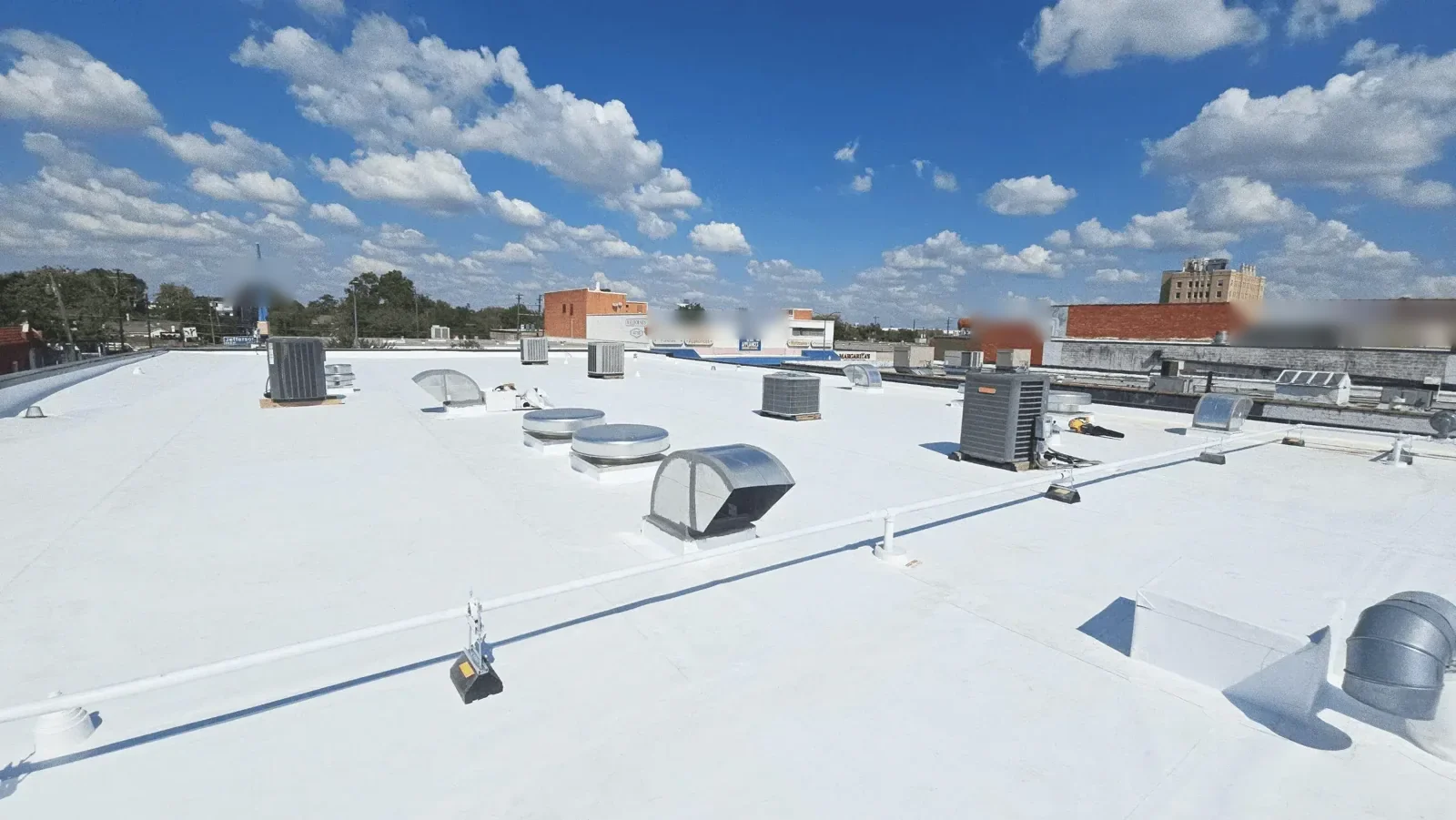
EPDM Roofing in Idaho Falls, ID

Find the Failure Path

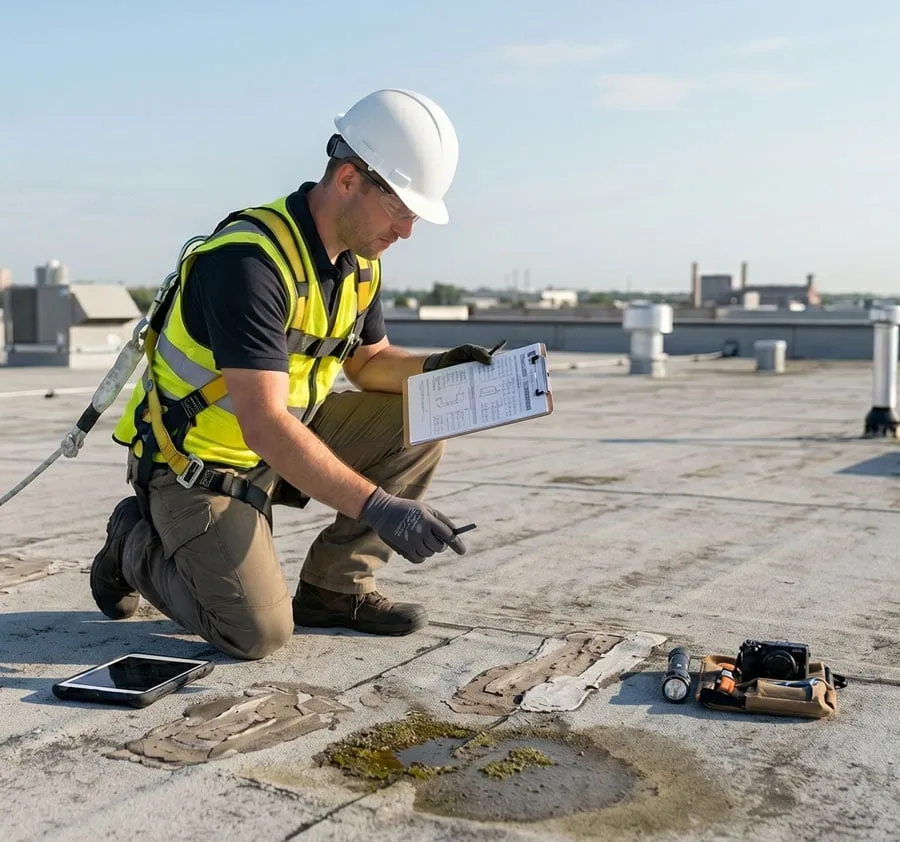
EPDM defects can start at an edge, splice, curb, pipe, or old repair. We inspect for open laps, loose flashing, splits, punctures, wear, and movement around roof openings. An interior stain may sit away from the entry point, so we trace the water path instead of patching the nearest mark. The report ties each sign to a roof area and identifies remaining tests.

We check the material around a proposed repair. Dirt, oxidation, residue, or an old coating can prevent a new bond. Moisture in insulation will remain after a top-side patch. We mark the affected boundary and explain whether a local repair, test opening, or replacement study fits. A condition inspection with photos helps ownership compare the options.

Prepare the Bonding Surface

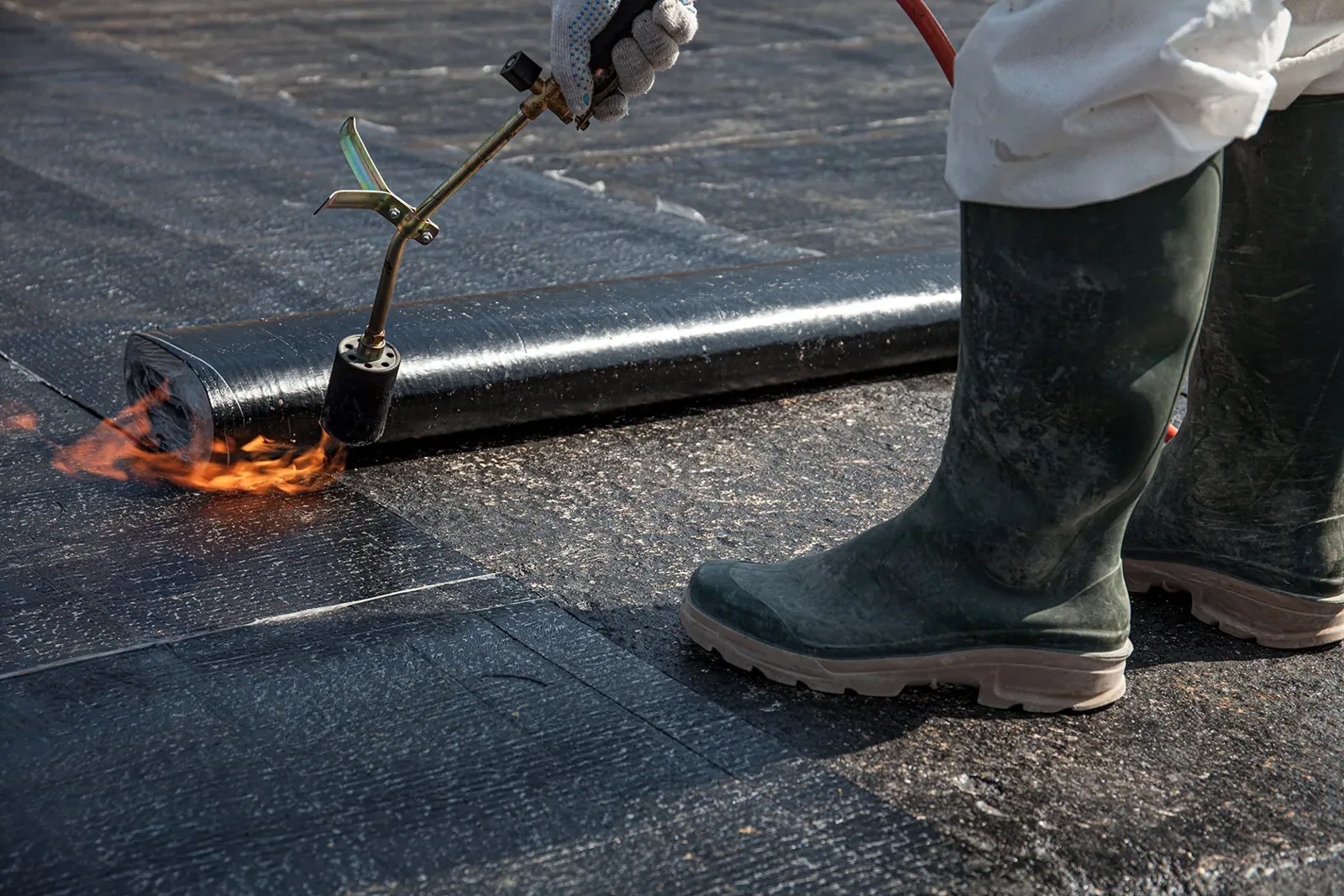
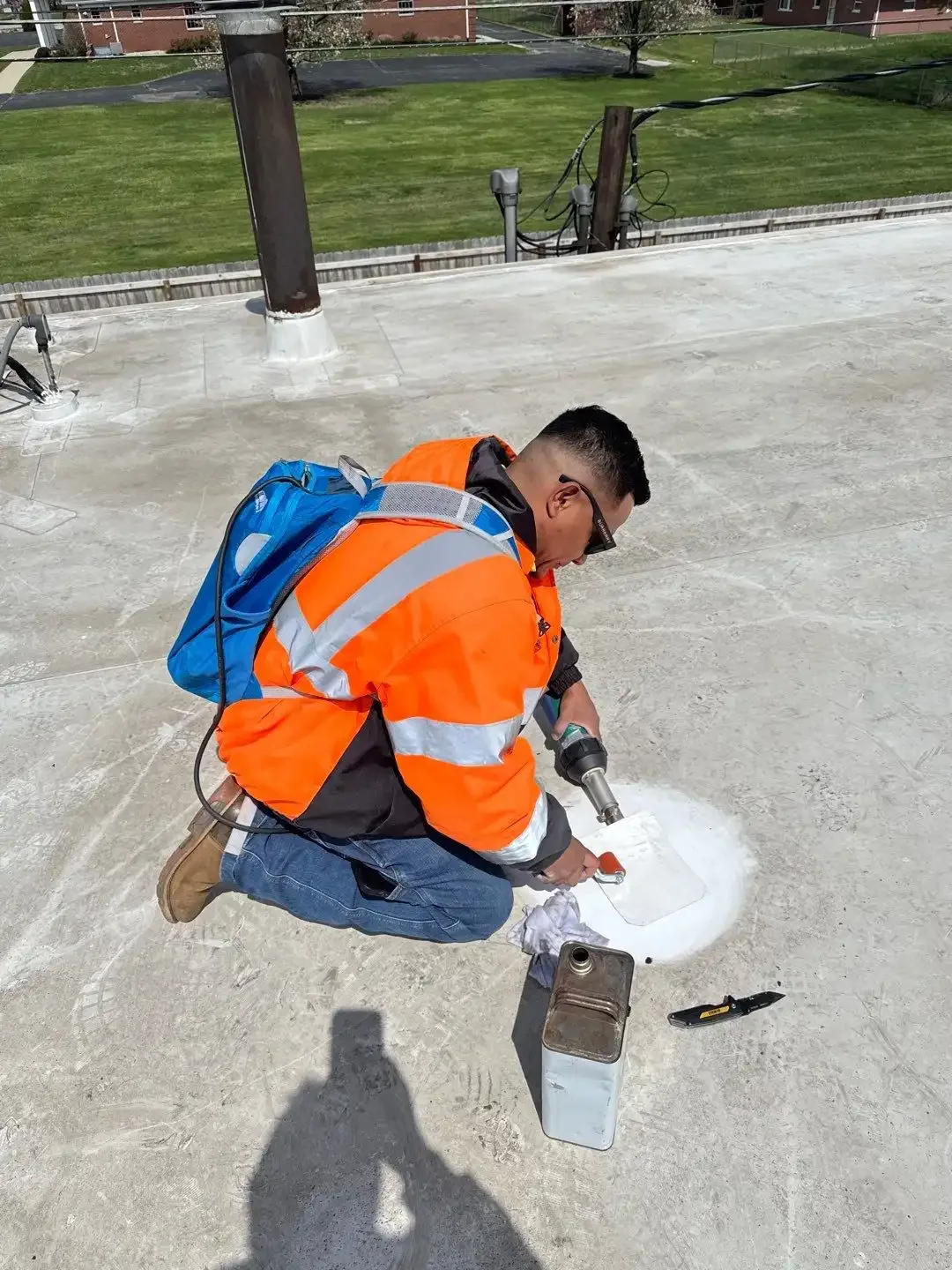
An EPDM lap relies on specified adhesive or seam tape and prepared contact areas. We clean the surface, allow the primer or adhesive to reach its required condition, align the sheets, and roll the joint with even pressure. Joining at the wrong time or over residue can leave a closed-looking seam with a weak bond. The record identifies the materials and areas treated.

Pipe boots, curbs, drains, walls, and corners need compatible flashing details. We check whether an accessory is cracked, stretched, loose, or poorly terminated and look for continuing movement below it. A patch should reach stable material with a checkable finished edge. If the same defect reopens, the detail or surrounding assembly may need correction instead of another patch layer.

A seam repair also needs a stable lap width and an edge that can be inspected after the material is rolled. We keep the surface clean and dry through preparation, then check the finished joint for lifted corners or missed contact. If the existing sheet is brittle or contaminated, the repair detail may need to extend farther.

Compare Repair, Recover, and Replacement

When failures are isolated and surrounding EPDM remains flexible and attached, repair can preserve useful service. Wider seam separation, repeated shrinkage, wet insulation, or a compromised deck changes that calculation. We inspect the assembly, map moisture indicators, review the number of existing layers, and consider whether the substrate can accept another system. A recover may reduce removal only if the roof is dry, secure, and within applicable code and capacity limits.

Idaho's adopted schedule uses the 2018 building and existing-building codes, with Idaho-specific energy provisions. The proposed work and the building official's review determine which requirements apply. The proposal identifies removal, insulation, cover board, attachment, flashing, and edge work. Compare an asphaltic modified-bitumen assembly or thermoplastic TPO membrane based on the building's use and project design, not an assumption that one sheet type fits every roof. Replacement planning can include insulation and cover-board corrections when the inspection supports them.

Set Work to the Weather Window

Cold affects adhesive handling, membrane flexibility, and access. We follow system limits rather than treating climate averages as a daily forecast. Summer heat changes the roof surface and material handling. Before work, we confirm conditions, test the prepared bond when needed, and limit removal to the area that can be protected that day.

Idaho Falls averages record puts the highest monthly precipitation average in May. Drainage review and temporary tie-ins belong in spring planning. Downtown and South Downtown form one City Core planning area, where parking and streetscape conditions may affect delivery and pedestrian control. A site walk sets lift placement and entrances. A phased reroof plan keeps logistics tied to each work zone.

Keep the Repair Record Useful

Maintenance revisits laps, termination bars, edge metal, patches, drains, and penetrations. Dated photos show whether a seam is stable or gradually opening. Clear debris without dragging it over the sheet, and give service trades a path that avoids fragile details. Identify who restores the membrane after new equipment work.

Separate current openings from deferred wear and planned capital items. Idaho Falls industrial areas include warehousing, wholesale distribution, and rail uses, so access rules vary by property. A maintenance plan tracks visible conditions; add selective testing when concealed layers could change the repair decision. The Warehouse District and Riverwalk area have different settings, and site rules need confirmation.

Build a Scope From the Findings

EPDM repair cost depends on the defect area, access, surface preparation, flashing complexity, material compatibility, and whether moisture or deck damage lies below. A repair that needs a lift or work around active equipment has different logistics from a ground-accessible area. We separate these drivers in the estimate, identify assumptions, and state what concealed findings could change the work.

Timing depends on material condition, temperature, precipitation risk, and access coordination. If an opening threatens interior damage, emergency response is available around the clock to address urgent water control; permanent repairs still depend on a safe, compatible work window. The closeout record identifies completed locations, remaining concerns, and any follow-up inspection needed. That leaves the property manager with a usable starting point for the next budget review.

Questions About EPDM Roofing

We first confirm that the membrane is EPDM and that the surrounding sheet can accept a repair. The work area is cleaned and prepared, the specified adhesive or tape is applied under its installation conditions, and the lap is aligned and rolled. We inspect the finished bond and document the section treated. A contaminated or unstable base can call for a larger correction.

The specific repair material sets the temperature and substrate limits. We verify the actual surface and air conditions, protect the work area, and use a temporary water-control measure if a lasting bond cannot be made safely that day.

We inspect the termination, edge metal, attachment, and nearby sheet to see whether the separation is local or part of a broader movement. Simply adding sealant over an active separation may not restore securement. The scope should state whether the edge detail is being repaired, rebuilt, or referred for a larger assembly decision.

A recover can be considered when the existing system is dry, stable, compatible with the new assembly, and within applicable layer and structural limits. We check moisture, attachment, deck condition, drainage, and existing roof layers before recommending it. If those checks reveal widespread wet insulation or weakness, removal may provide the more direct route to a sound substrate.

First, protect occupants and interior contents from active water, then arrange emergency water-control work. Our response is available around the clock, including holidays. We document the exposed area and temporary protection, then schedule compatible permanent work when access and material conditions allow it. The record should keep urgent protection distinct from the final repair scope.

ServicesRoof SystemsIndustriesProperty TypesService AreasDamage RepairCapabilitiesManufacturersContactAboutRequest a Roof Assessment555-555-5555
Call us today555-555-5555