Commercial Roofing in the US Highway 91 Corridor, Blackfoot, ID Serving Idaho Falls & Eastern Idaho

Roofing in Blackfoot’s US-91 corridor starts with a roof-specific inspection, access check, and plan for drainage and seasonal closure.

US Highway 91 Corridor in Idaho Falls, ID

US Highway 91 Corridor

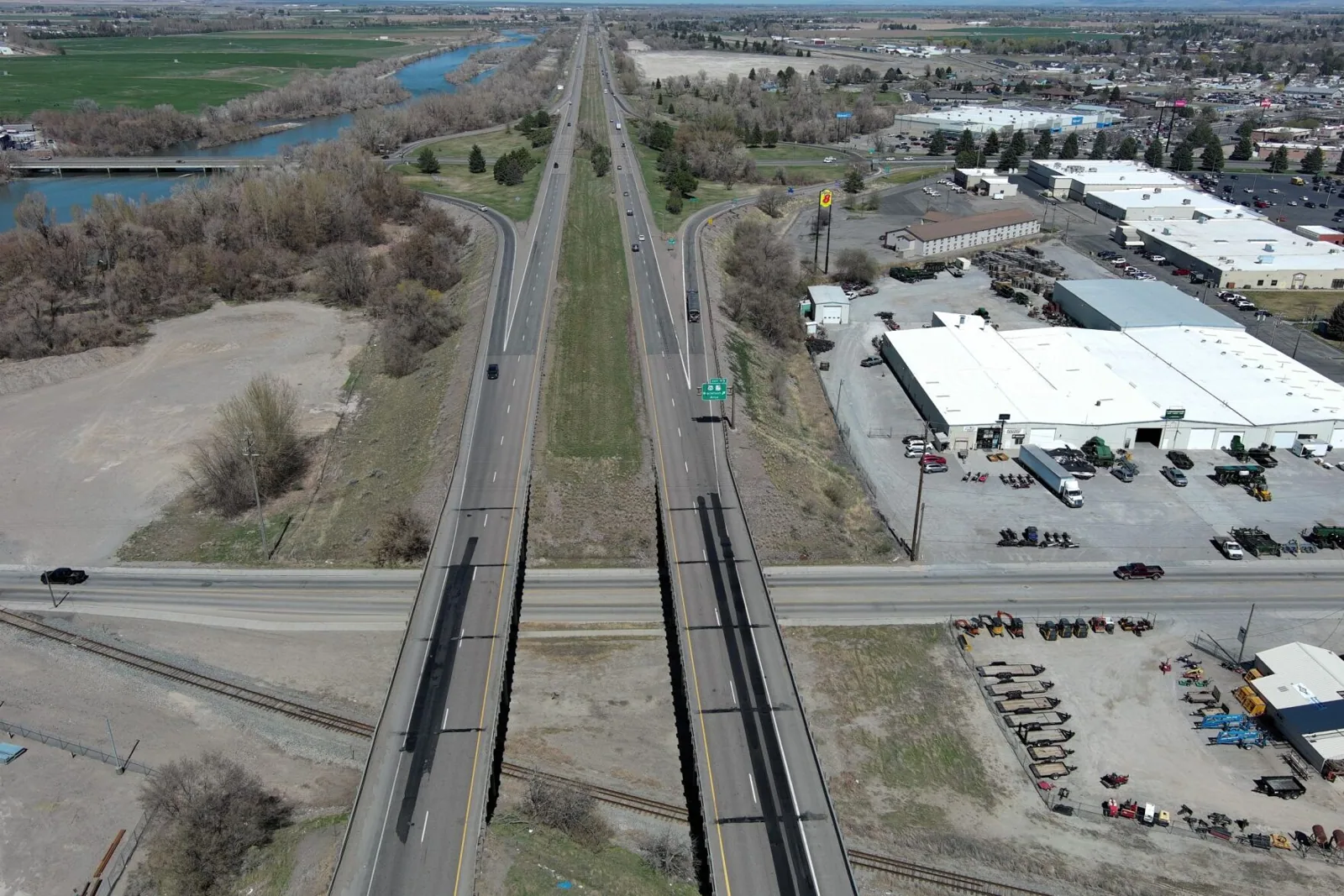
A hot roof surface can narrow the safe window for movement, preparation, and installation, so temperature belongs in the work plan. Blackfoot’s US Highway 91 corridor runs through the heart of the city, with Idaho 26 and Idaho 39 serving regional connections. Those routes define a broad service area; we confirm property access and inspect the roof itself. We confirm site approach, assembly, and operating limits with the property manager before mobilization.

In Blackfoot, check current roof conditions and set the work limit against the selected product’s application requirements. Cold can affect adhesive and membrane handling; surface heat can affect safe movement and installation. We check the job-day forecast and roof surface, then compare them with the selected system’s instructions to set a weather window and daily dry-in limit.

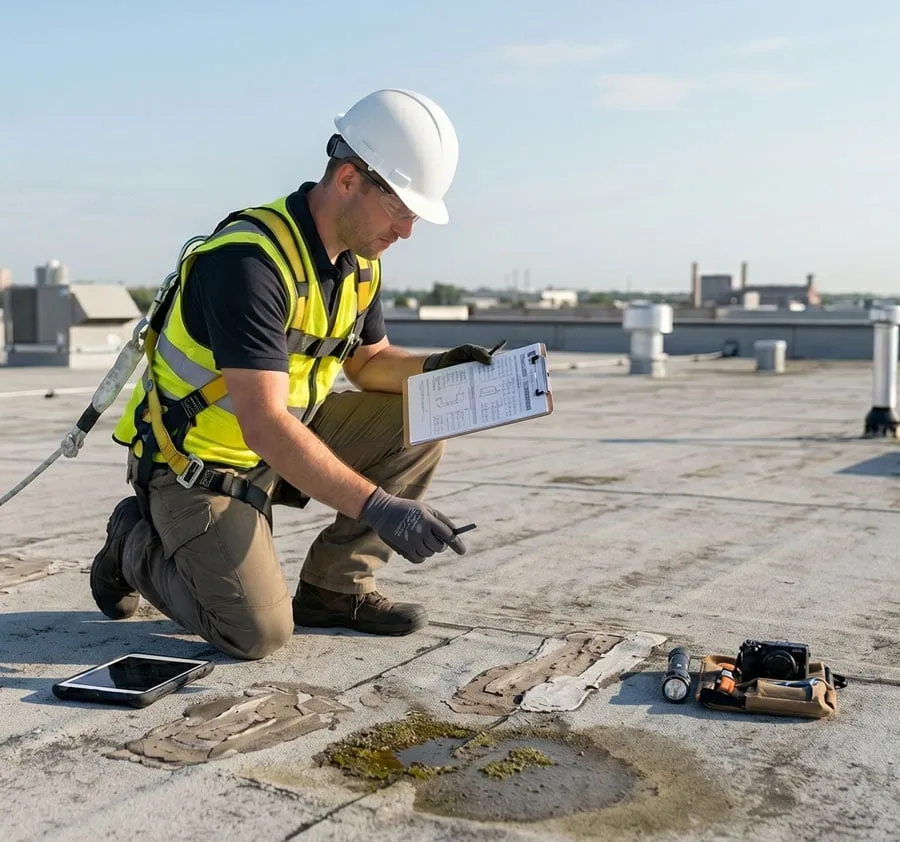
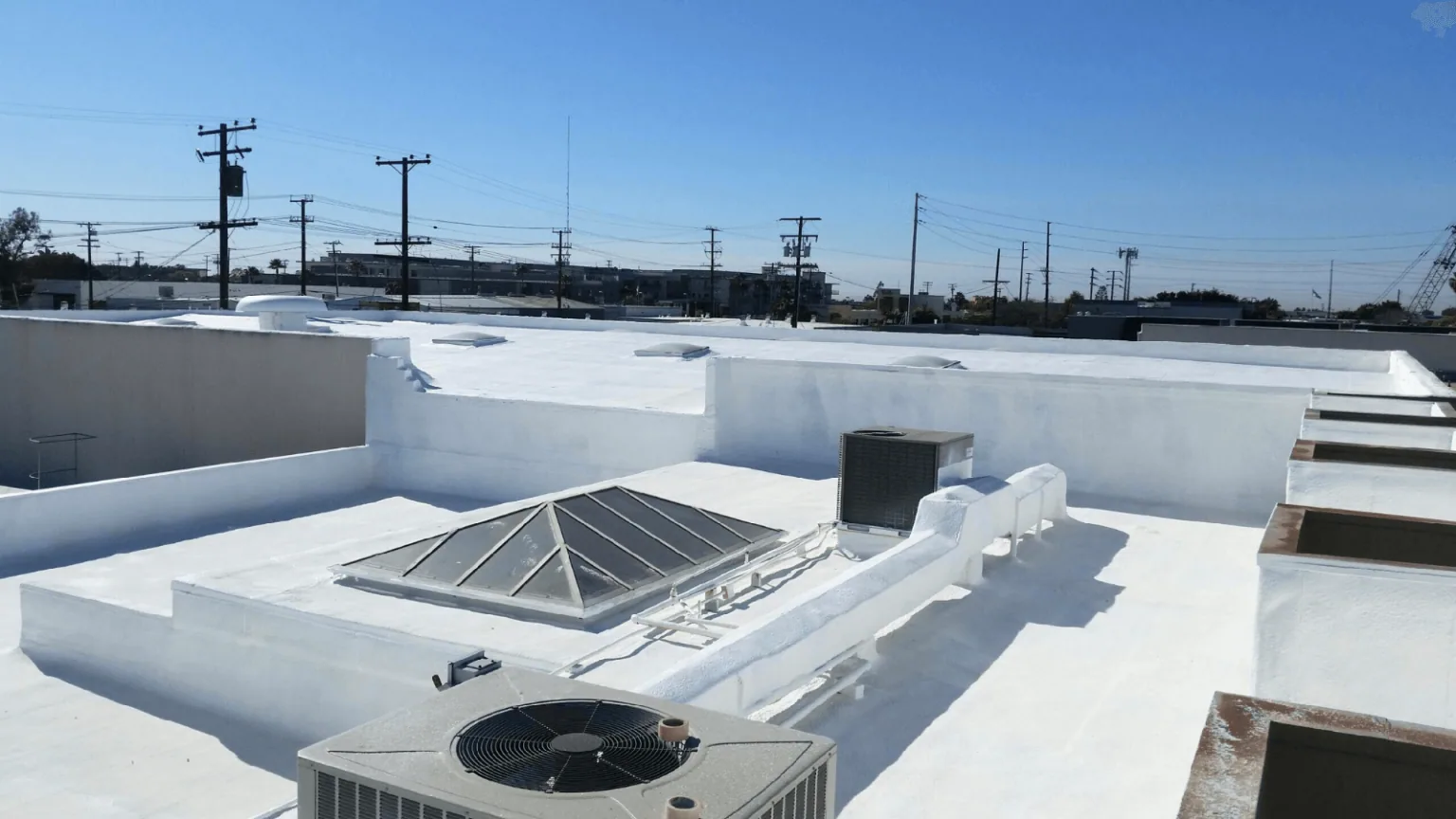
At the first walk, we mark the affected roof zone, identify seams, edges, penetrations, and drains, and note where visibility or access is limited. The report ties findings to photographs so ownership can compare immediate repair with planned work.
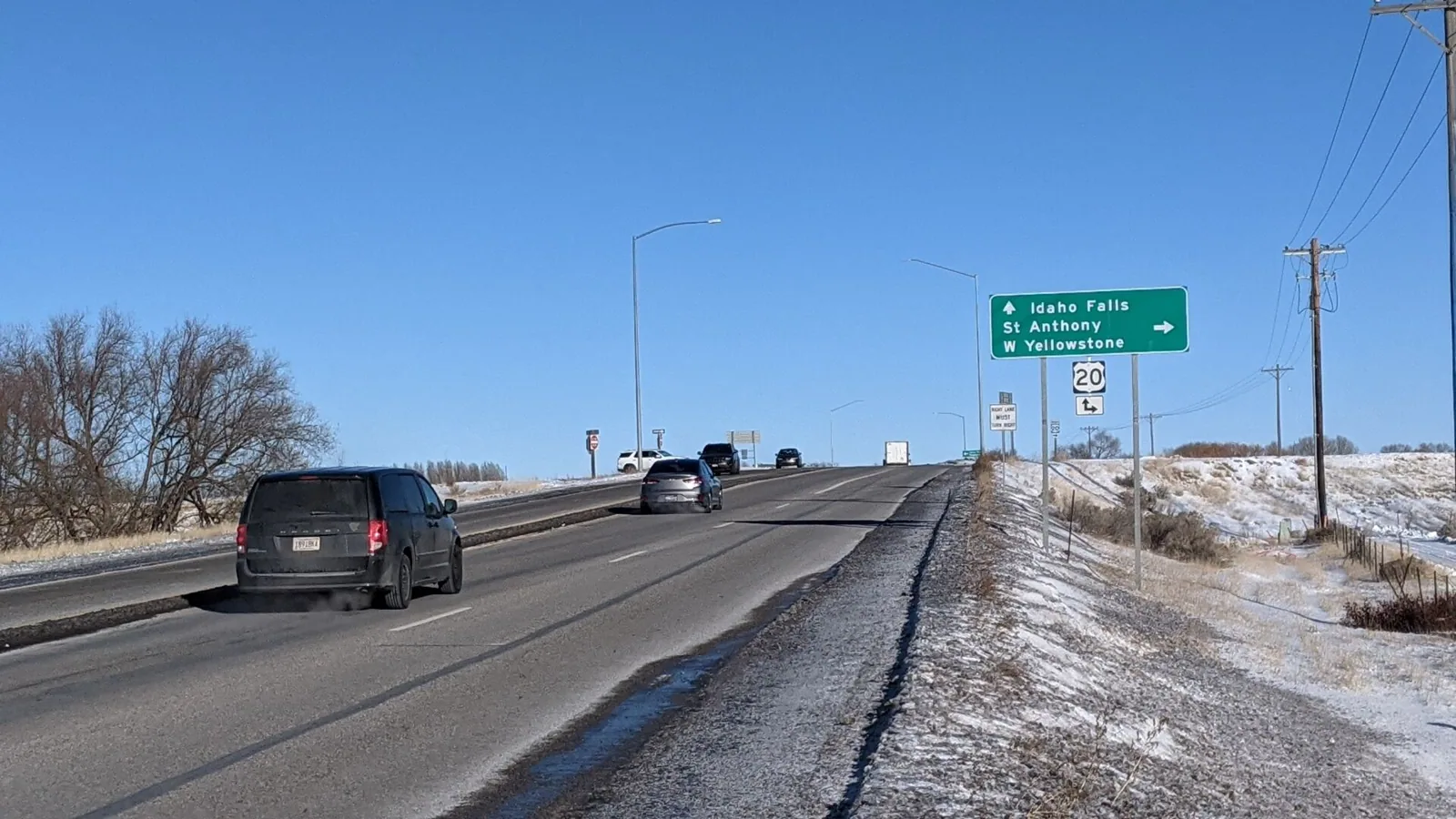
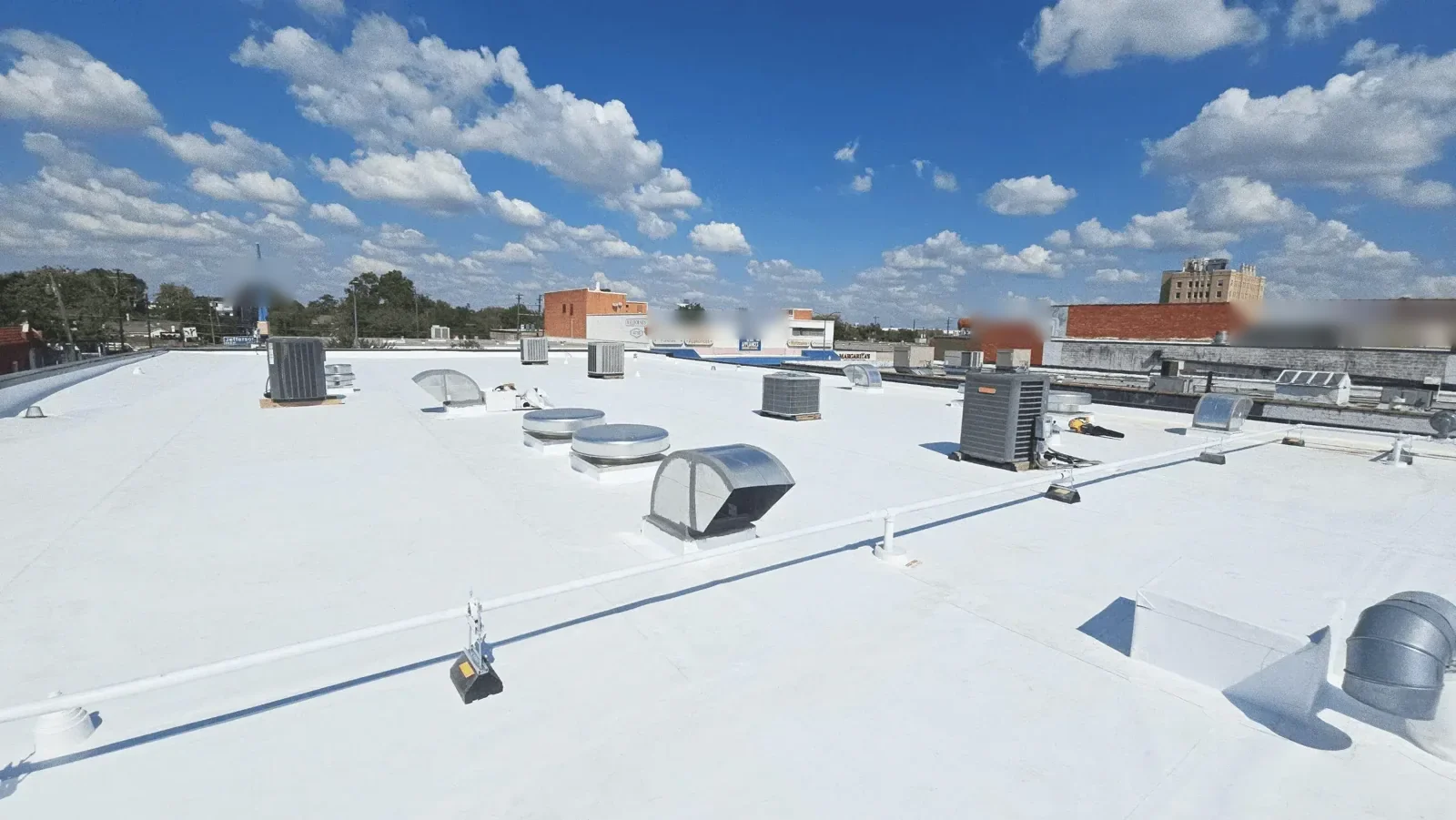
US Highway 91 Corridor in Idaho Falls, ID

Make the Roof Condition Specific

At each Blackfoot property, we identify the roof assembly, access, and operating limits before estimating work. We inspect each property’s membrane or metal, attachment, insulation where visible, transitions, rooftop supports, drainage, and prior repair areas. A roof with additions can have different assemblies and slope changes within the same footprint. We label those areas separately and identify anything that needs testing before final pricing.

A commercial roof inspection records the observed system and defect boundary. If moisture may extend under the surface, a survey can help determine whether a selective opening is worthwhile. The estimate distinguishes a confirmed leak route from a suspected one and describes the next step when more evidence is needed.

Blackfoot’s economy includes agriculture and agricultural products. Along US-91, confirm property use, deliveries, and roof assembly before setting the work sequence. The manager tells us whether deliveries, equipment, customers, or other work will continue during roofing. We then place protection, staging, noise, and work-zone limits into the sequence.

Verify the Approach and Work Zone

US Highway 91 runs through the city, while Idaho 26 connects toward Arco and Idaho 39 serves the Aberdeen area. These routes help locate Blackfoot and the corridor, but access for a job must be confirmed at the property. We verify where materials can be received, how equipment reaches the roof, which doors or lanes stay in service, and what staging limits affect the crew.

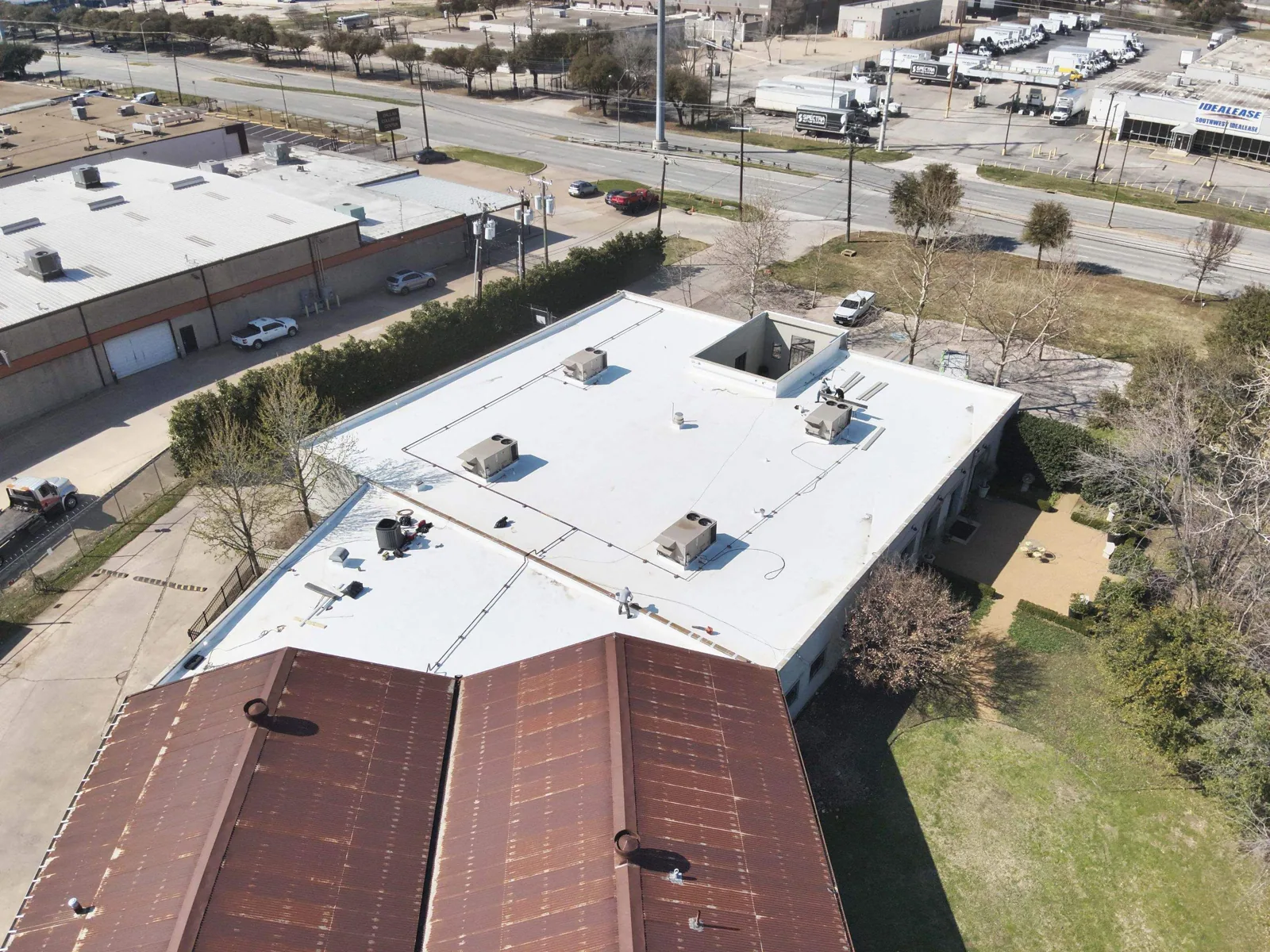
An occupied-building roof plan sets work zones and the daily closure point for an active property. We coordinate rooftop equipment, air intakes, interior protection, and any mechanical work that touches a curb or pipe. The estimate names trade handoffs so a flashing detail is not left open after another contractor modifies the assembly.

Commercial and industrial property owners in Blackfoot should confirm permit needs for the proposed roof scope with their design team before work begins. That is useful municipal context, not a permit decision for a particular project. We describe the roof scope, record the building-specific assumptions, and coordinate review with the property’s design or permitting team where the proposed work requires it.

Trace Water From the Interior Sign

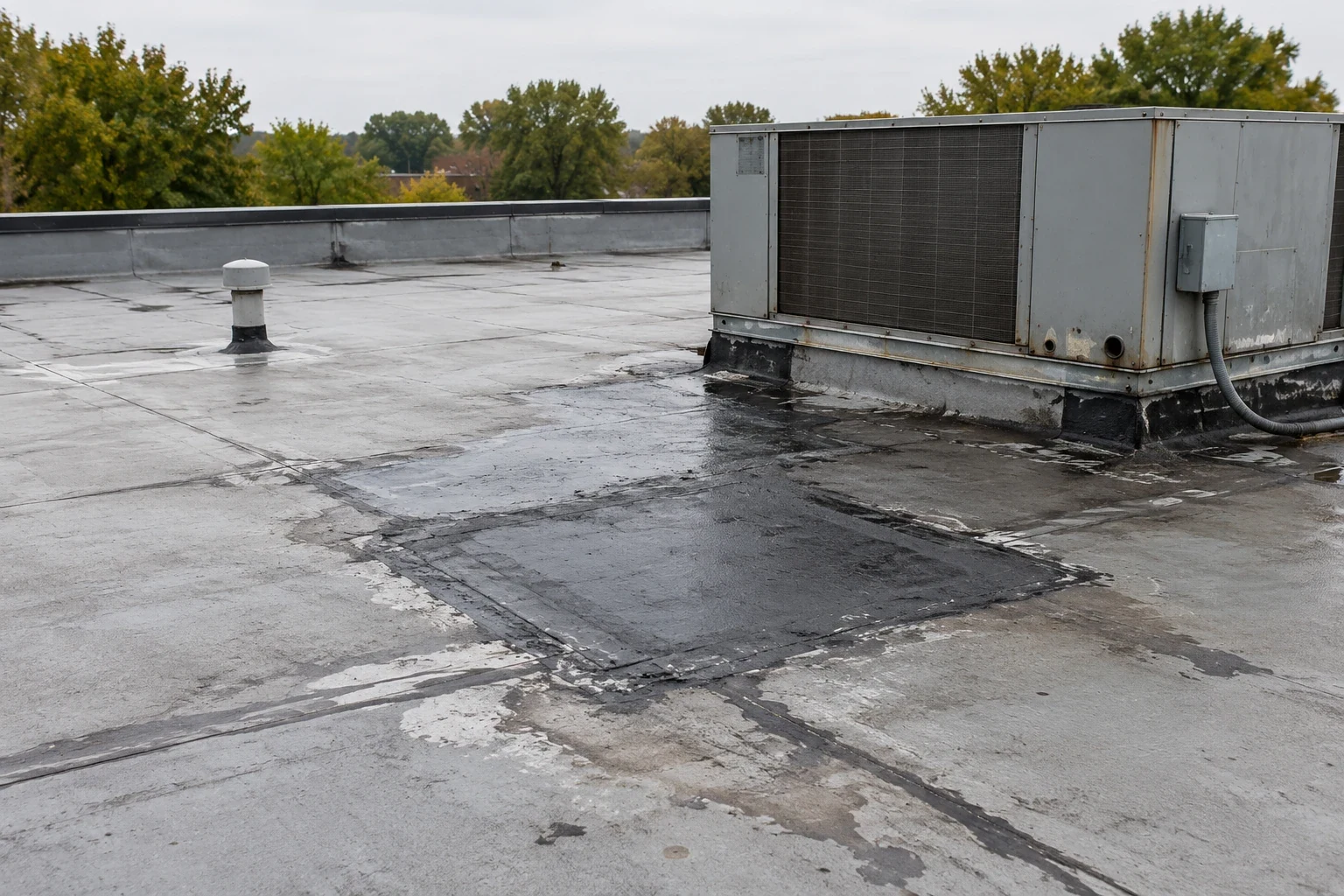
A water mark inside is one clue in a larger path. We inspect above and upslope, checking field seams, wall transitions, equipment curbs, skylights, edges, drain bowls, scuppers, and overflow routes. Moisture can move below a membrane or through insulation before appearing in a room. When the first roof walk leaves the water path unclear, we identify a moisture test or selective opening that can refine the repair boundary.

Drainage review considers the outlet, surrounding slope, membrane transition, and any low area that holds water. Clearing a blocked drain is different from correcting recurring ponding related to the roof assembly. A leak investigation records the confirmed opening and any remaining uncertainty, while the drainage scope sets roof-level work apart from design questions.

When water enters urgently, emergency response is available any time, holidays included. We verify safe access, use temporary protection where practical, and state what drying or testing must precede a permanent tie-in. The report keeps that immediate step separate from lasting repair.

Protect Each Open Section

Idaho Falls averages 84.3 days each year with measurable precipitation; May has the highest monthly average at 1.57 inches. We check current weather and the roof surface before exposing material. Cold can affect adhesive and membrane handling; summer heat changes safe foot traffic and application conditions. The crew checks actual temperature, wind, and surface moisture against product instructions before setting the amount of roof to open.

Before opening a Blackfoot roof, check current weather, roof-surface condition, and product instructions. We specify the temporary tie-in, protect material, and agree on when work pauses. After winter, a snow and ice damage review can help distinguish an exposed-detail repair from a concern requiring more inspection.

Cost and duration depend on tear-off depth, insulation and deck repairs, edge and penetration count, access, staging, equipment movement, disposal, and weather. We separate defined scope from concealed-condition allowances. If an opened area reveals a different substrate, the owner reviews that documented finding before approving a change.

Select a Path That Fits the Assembly

A localized repair can work when the defect is limited and nearby material is sound enough for a compatible tie-in. We inspect attachment, seams, flashing, edges, substrate, and drainage. Repeated leaks, wet insulation, or a weak deck can make a patch inadequate. We document the visible boundary and identify whether further testing is needed before proposing broader work.

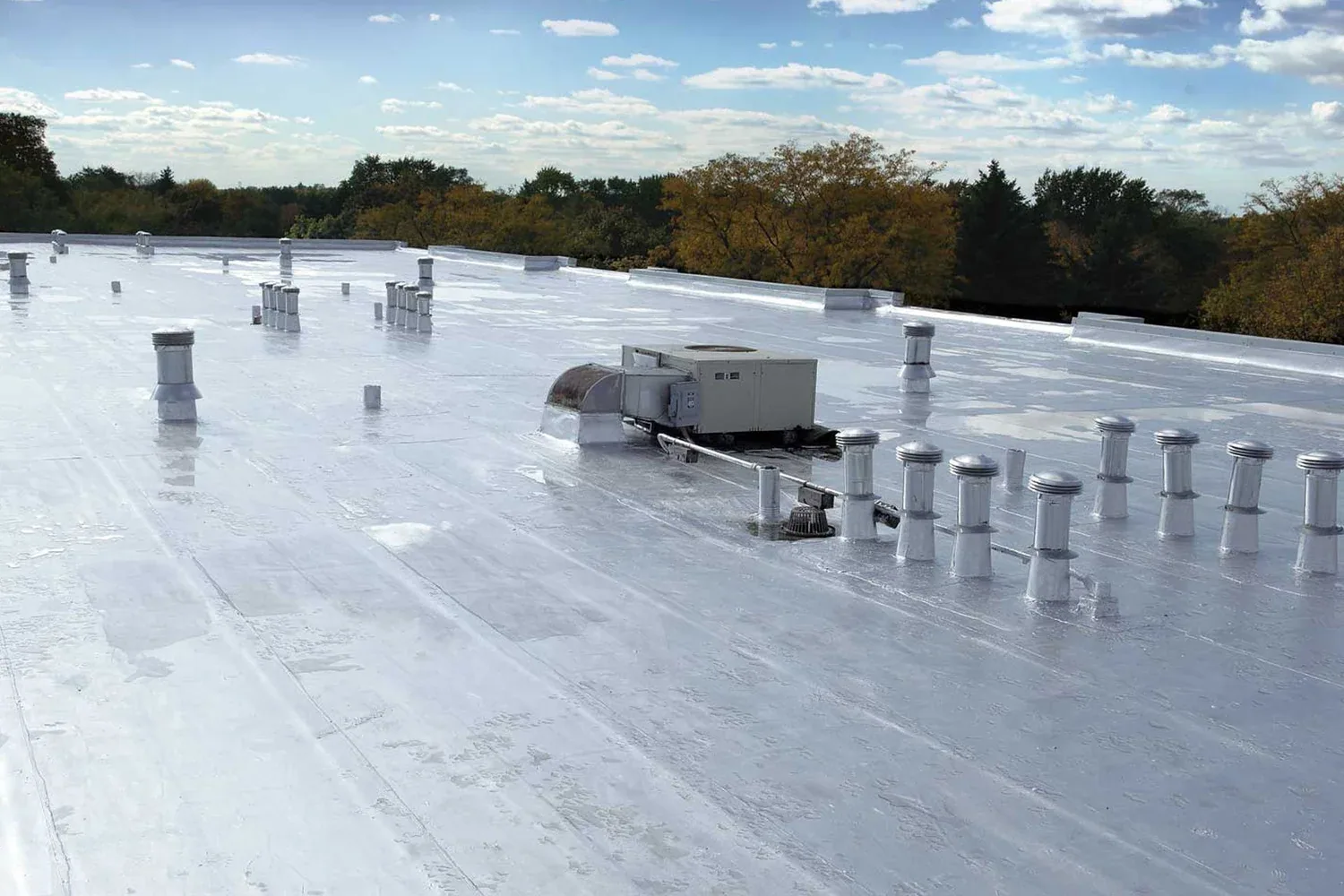
A recover is considered when the roof is dry, secure, compatible with another layer, and within project limits. The recover feasibility review compares it with removal and access to the deck. A replacement scope states the assembly and work at edges, penetrations, and drains. Coating requires suitable substrate and preparation; it cannot correct trapped moisture or structural weakness.

The roof system and work sequence follow observed conditions, not the road that identifies the service area. We list material, preparation, repair boundaries, access, and weather limits in the estimate. That lets ownership compare a repair with a larger capital project using the same documented facts.

Carry the Findings Forward

The final record should preserve zone photos, the work completed, materials, access conditions, and any area that was not visible. A maintenance visit can later revisit drains, seams, edges, and penetrations based on the installed assembly and operating rules.

The corridor is part of Blackfoot, and the wider Blackfoot service area covers the municipality. A separate building in Shelley requires its own inspection, access review, and estimate. We keep the recommendation tied to the roof that was inspected.

For budget review, the scope identifies work needed to stop water, items suitable for planned maintenance, and conditions that need more evidence. Photographs and a clear approval process help the next manager or owner understand the repair boundary without treating temporary protection as a finished roof repair.

Questions About US Highway 91 Corridor

It identifies a broad Blackfoot service corridor. We verify the property’s actual approach, roof access, delivery, staging, and current site restrictions with its contact before setting the work sequence.

No. Idaho Falls averages provide seasonal context for Idaho Falls. We check the forecast, roof-surface conditions, and product instructions before opening or tying in the assembly.

A localized repair may fit when the defect is limited and adjoining material is sound. We inspect the assembly and drainage, then state whether moisture, attachment, or deck conditions call for testing or a larger scope.

We identify the curb, pipe, or support that crosses the work zone and note the handoff needed for final flashing. The schedule includes that responsibility so the new tie-in can be checked before closeout.

Keep the roof-zone photos, installed materials, repairs, access limits, and remaining concerns. A later inspection can compare the same areas and distinguish current findings from an older temporary measure.

ServicesRoof SystemsIndustriesProperty TypesService AreasDamage RepairCapabilitiesManufacturersContactAboutRequest a Roof Assessment555-555-5555
Call us today555-555-5555