Commercial Roofing in Riverside District, Idaho Falls, ID Serving Idaho Falls & Eastern Idaho

Roofing in Riverside District begins with a building-specific inspection, drainage review, and work plan tied to current access and project conditions.

Riverside District in Idaho Falls, ID

Riverside District

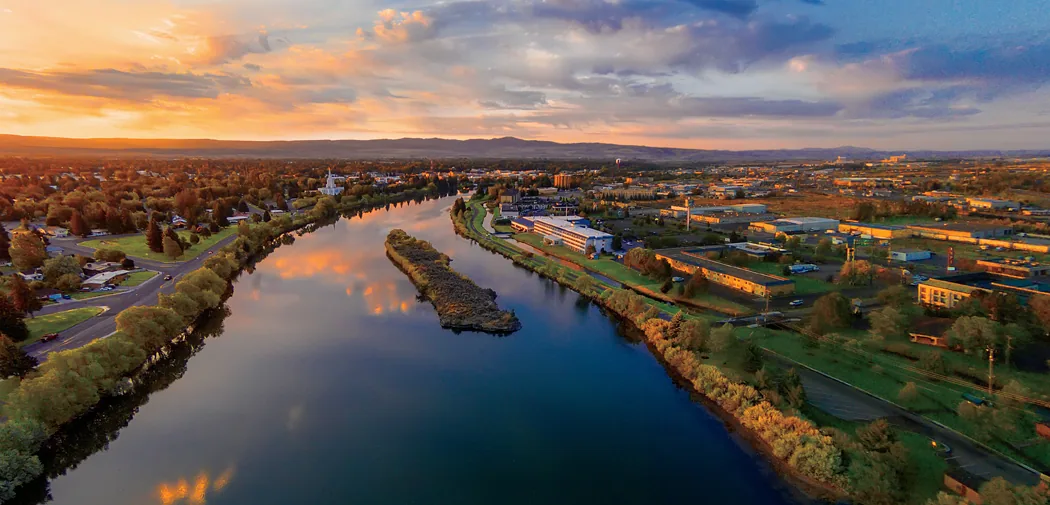
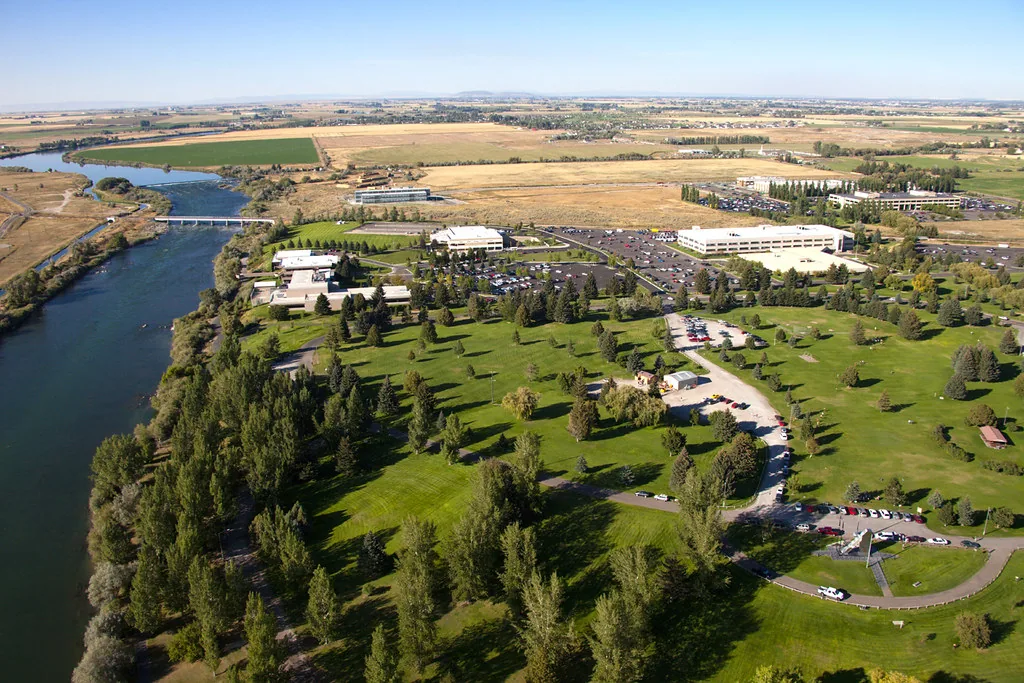
A broad study area can help a property manager coordinate capital work, but a roofing recommendation still comes from the building and its assembly. Idaho Falls established the Riverside District in November 2025 with a term through 2045. The Riverside District follows the Snake River urban core and includes several adjacent renewal districts. Its renewal process evaluates infrastructure and development conditions at an area scale, not for one facility. We keep that planning context separate from the property-specific roof record.

For Idaho Falls, the Idaho Falls climate averages counts 182.2 annual days with a low at freezing or below. It matters to seasonal planning because temperature affects preparation, material handling, and how much roof can safely stay open. We inspect current conditions and explain what can be handled as urgent water control and what requires a planned scope.
Riverside District in Idaho Falls, ID

Keep Area Planning and Roof Scope Distinct

The Riverside District evaluates infrastructure and development conditions across its broad study area. That is different from a roof assessment, which needs access to a particular building and observations of its membrane or metal, seams, drainage, flashings, and interior evidence. We do not infer roof age or use from the renewal process. The inspection identifies what is visible, where access was limited, and which layers remain unknown.

When ownership is coordinating multiple properties, a shared naming convention for roof zones makes reports easier to compare. Each photo should point to a labeled area, and each recommendation should distinguish repair, testing, and replacement questions. A commercial roof inspection can establish that baseline before a capital review or other construction changes site conditions.

Building Division materials in Idaho Falls direct applicants to 2018 building, existing-building, and energy-code references. Project requirements depend on scope. The proposal identifies repair, recover, or assembly change, then supplies the project team with the roofing details needed for its review. That prevents the estimate from assuming a permit path where the project still needs a determination.

Check the Details That Control Water

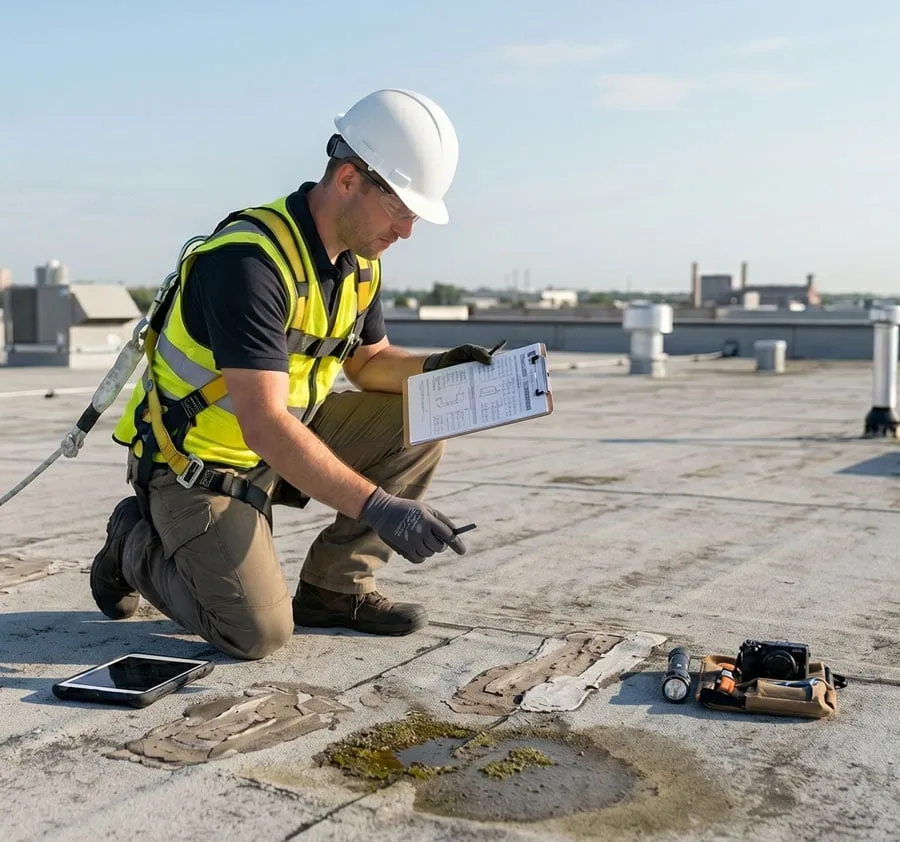
A leak can enter at a seam, curb, edge, or wall transition and travel before it appears inside. We start with the interior sign, follow the drainage path, and inspect nearby penetrations and field details. If the roof build-up may hold water, a moisture survey can help identify suspect zones. A selective opening may still be needed to confirm the substrate or deck. The report states what the inspection established and what remains uncertain.

Drainage review includes strainers, drain bowls, scuppers, overflow provisions, nearby seams, and low areas. Debris may call for maintenance; recurring ponding can involve slope, compressed insulation, or outlet design. A roof drainage assessment separates work we can scope at the roof from issues that may need broader engineering or site coordination.

The Riverside District study area includes adjacent renewal districts, a factor for teams coordinating work across the area. We confirm actual property access, delivery staging, roof routes, and any work by other trades. A roof edge or curb detail disturbed by mechanical work needs a final flashing check, and an occupied-building sequence should include that responsibility before work begins.

Stage Work for Seasonal Conditions

Idaho Falls’s long-term January mean is 20.4 degrees Fahrenheit, and its July mean daily high is 86.6 degrees. At the property, we check roof-surface temperature, moisture, wind, and product limits before opening a work area. Cold can limit adhesive use and membrane handling; high surface heat affects safe access and application. We check temperature, moisture, wind, and system requirements before opening a work area, and choose a closure point the crew can protect.

May’s monthly precipitation average is 1.57 inches at Idaho Falls. We identify how far removal can progress, what needs temporary protection, and where a roof must be closed before the shift ends. When water entry requires urgent attention, emergency response is available at all hours, weekends and holidays included. Temporary protection stays distinct from permanent repair in the written record.

Winter inspection after freeze and thaw should look at seams, edges, drains, and any flashing that may have moved. We assess safe access before starting work. A snow and ice roof evaluation can document whether the owner needs immediate water control or a permanent repair when conditions allow.

Compare Repair, Recover, and Removal

A local repair is strongest when the defect is limited and the adjacent roof can support a compatible tie-in. We look at membrane or metal condition, attachment, substrate stability, flashing geometry, and water flow. If moisture is present below the surface, a patch may cover the symptom without correcting its cause. The scope describes the repair boundary and any testing needed to confirm that the surrounding assembly is sound.

A recover requires a dry, secure, suitable existing assembly and compliance with applicable project limits. It cannot resolve trapped water or an unstable deck. A recover-versus-removal review explains how those findings affect the decision. If full replacement is justified, a replacement scope identifies insulation, cover board, membrane or metal, attachment, edges, flashing, and drainage.

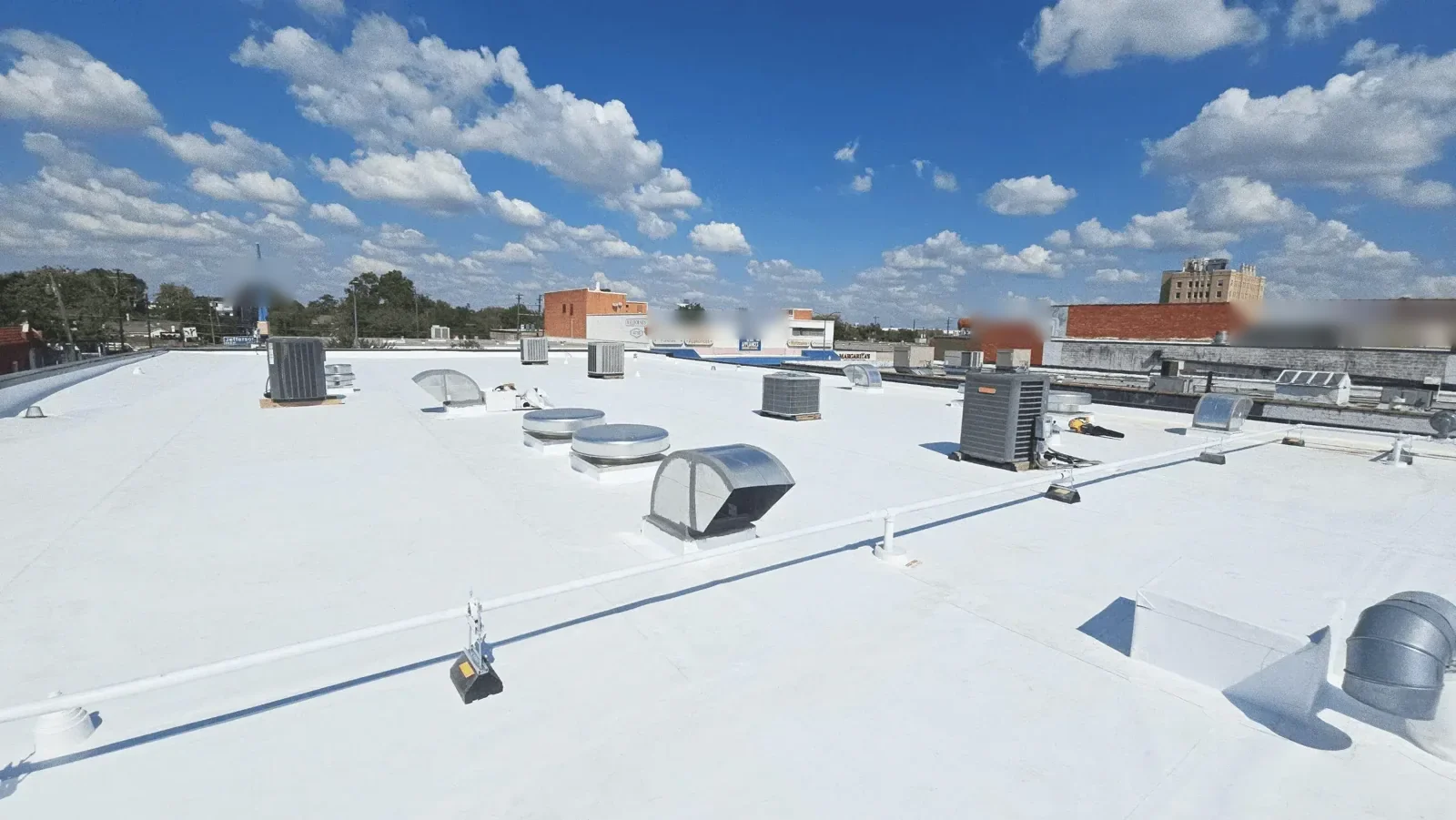
A coating can be considered only if the substrate is compatible, dry, and adequately prepared. It will not repair a weak deck or solve a drainage problem by itself. The coating restoration review checks adhesion, details, and preparation before we recommend that path. The estimate then separates what is included from any surface or substrate repair required first.

Make the Report Useful at Review Time

Budget and sequencing reflect the roof area, tear-off extent, insulation, substrate repairs, perimeter details, equipment needs, material handling, and forecast. Our estimate distinguishes defined repairs from hidden conditions and shows how approval works when an opening changes the scope. That keeps a contingency from being mistaken for a confirmed defect.

A condition record should show completed work, remaining exposure, inspection limits, and the next decision. Photos and zone labels help ownership compare a repair with phased replacement. A condition report can serve as that reference. After the work, a maintenance program can track drains and repaired details without assuming that an area-scale redevelopment plan describes roof performance.

Riverside District is a broad service-area location within Idaho Falls. Managers overseeing other city properties can also request roof work in Riverwalk District or Snake River West; each building still receives its own inspection, photo record, and estimate.

Questions About Riverside District

No. The Riverside District study area follows the Snake River urban core and considers infrastructure and development across adjacent renewal areas. A building-level inspection verifies use, roof assembly, drainage, and current condition before the scope is set. We inspect each property separately and base the recommendation on observed findings.

Yes, when the current project sequence and access rules are confirmed. We identify staging, roof routes, drainage outlets, and any other trade work that could affect flashing. The estimate states coordination assumptions and calls for a final check where a trade disturbs a roof detail.

We document active water entry, exposed details, drainage limits, and any moisture or deck condition that could worsen if left open. The scope ranks work by its observed effect and separates permanent repair from temporary protection. If a broader investigation is needed, the report names it before final system selection.

Yes. The inspection can identify roof zones, visible defects, photographs, access limits, and areas needing testing. We then distinguish immediate water control from planned repair, recover, or replacement options so the owner has a defensible basis for budget review.

The roof assembly, area, removal depth, equipment coordination, staging, access, weather, and daily closure limit all affect timing. Idaho Falls averages is broad context; current site conditions determine the work window. We state those assumptions and explain which changes could shift the sequence.

ServicesRoof SystemsIndustriesProperty TypesService AreasDamage RepairCapabilitiesManufacturersContactAboutRequest a Roof Assessment555-555-5555
Call us today555-555-5555