Document Roof Damage in Idaho Falls
Arrange an inspection to record the damaged area, establish immediate water control, and prepare a written repair scope.
Address commercial roof damage in Idaho Falls with documented findings, immediate water control, and a repair scope matched to the affected assembly.
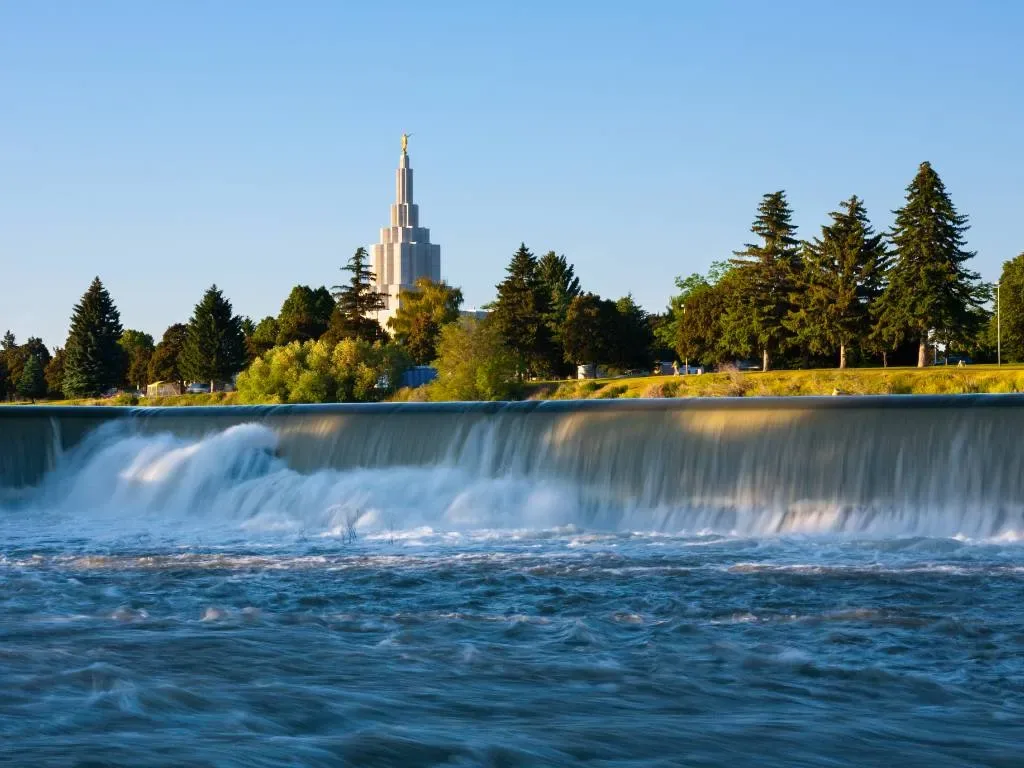
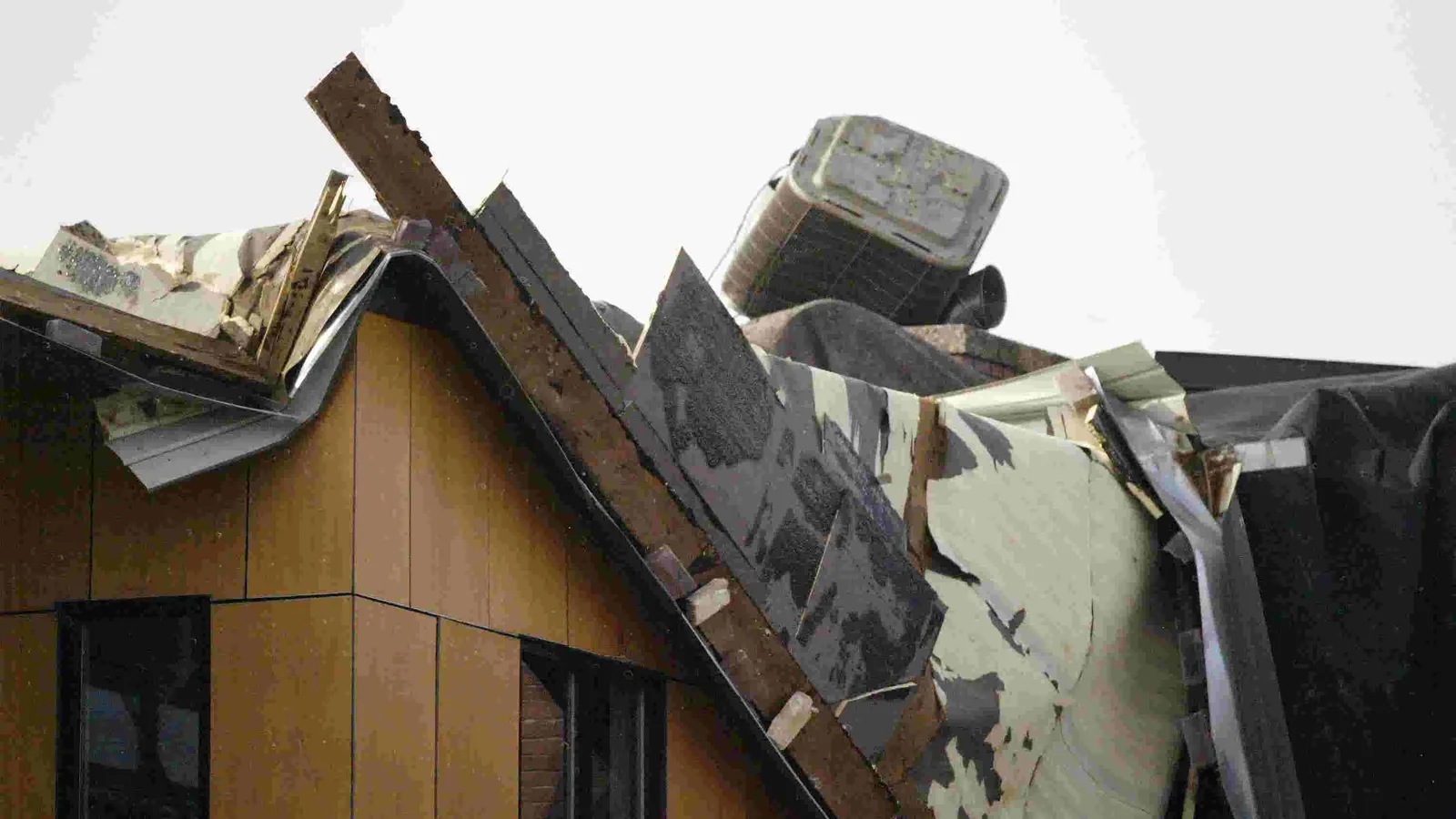
Inspect wind-damaged commercial roofs in Idaho Falls, secure exposed areas, and document repair boundaries, flashing, edges, and follow-up work.
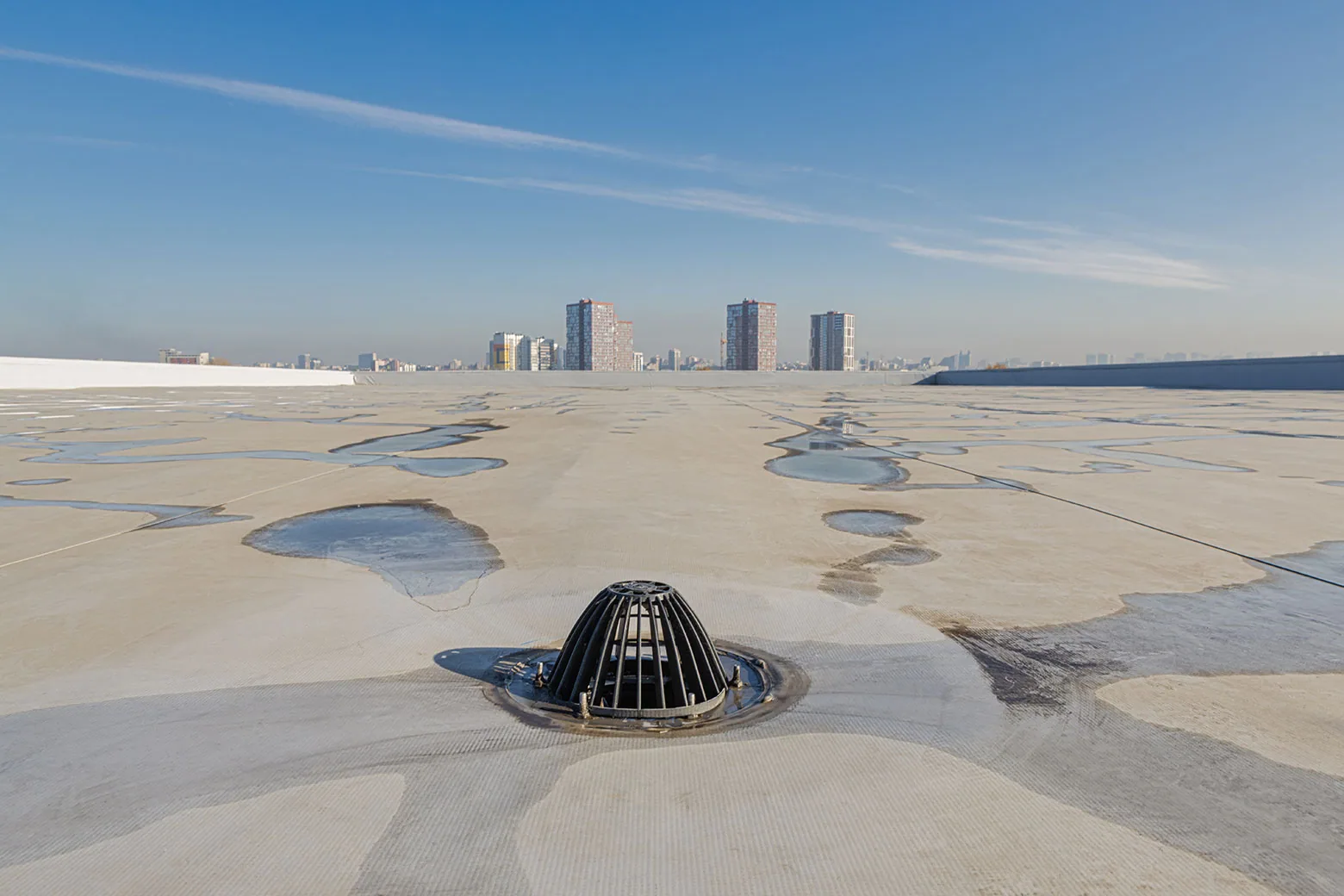
Trace ponding water on Idaho Falls commercial roofs, inspect drainage and insulation, and define repair or correction scopes with photos.
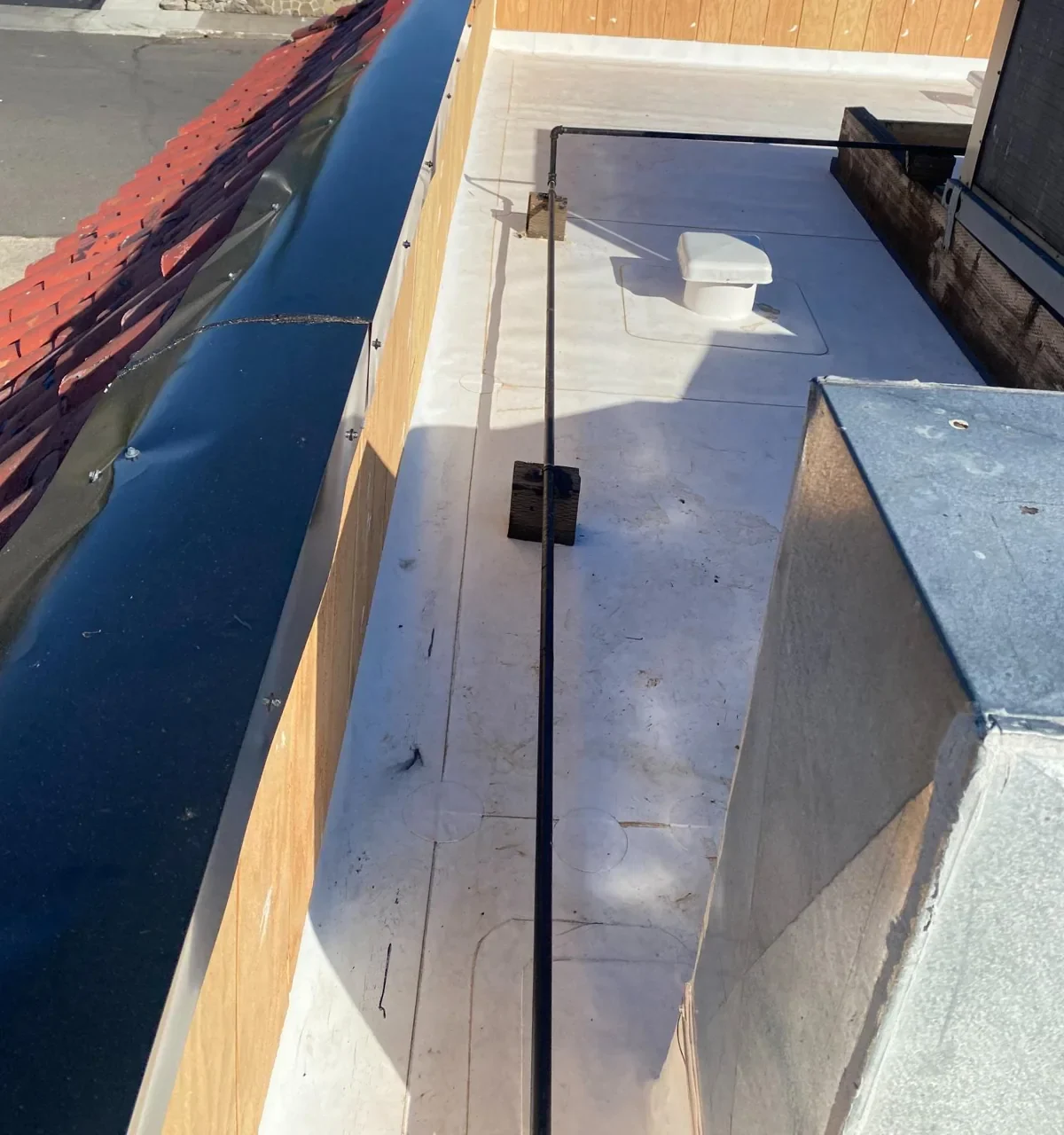
Repair commercial roof flashing in Idaho Falls by tracing the transition, checking adjacent materials, and documenting a sound tie-in scope.
Repair open seams on commercial roofs in Idaho Falls with system-specific preparation, documented tie-ins, and clear moisture limits.
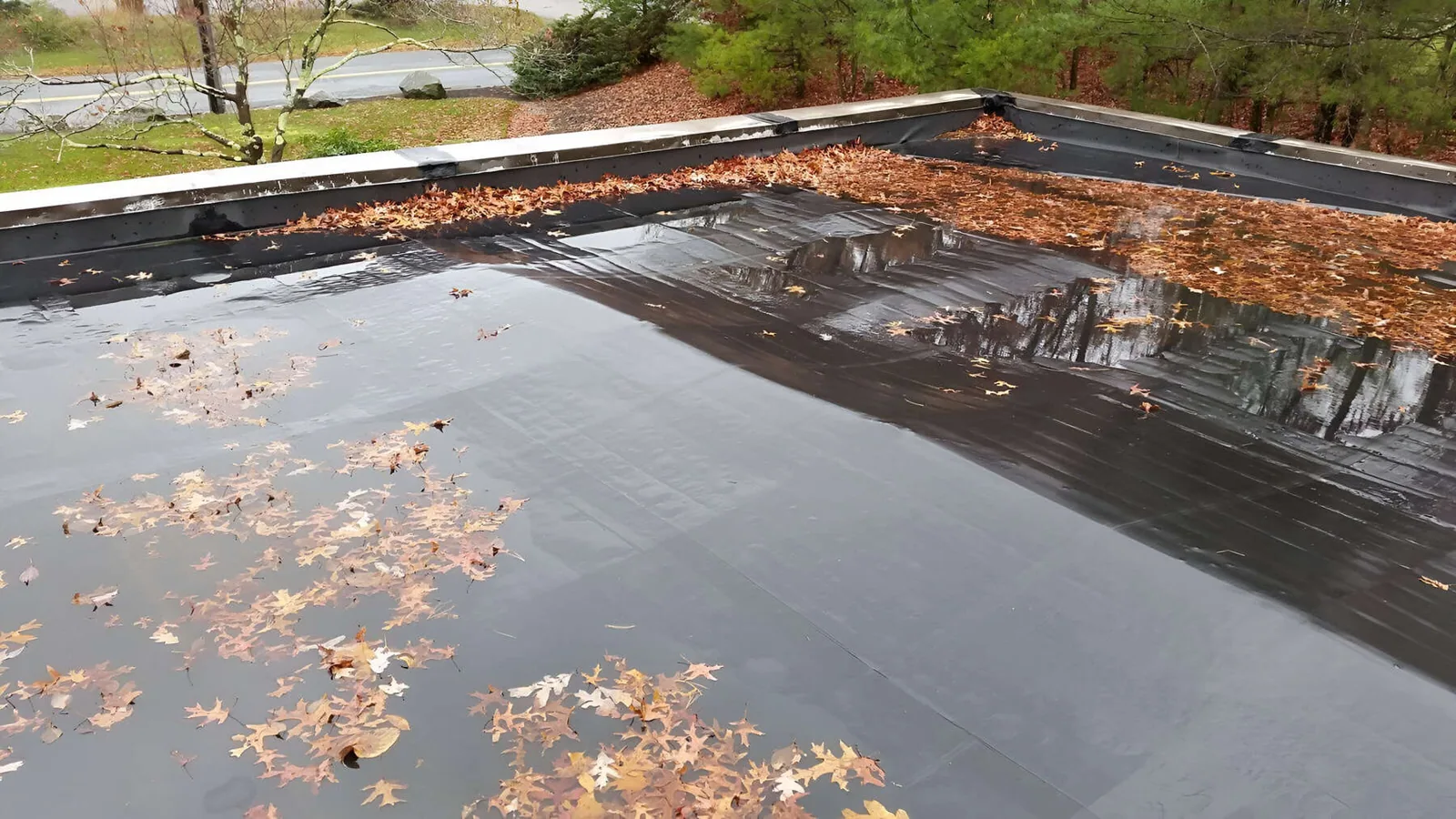
Locate and repair commercial roof membrane punctures in Idaho Falls, check substrate and moisture, and document safe rooftop access changes.
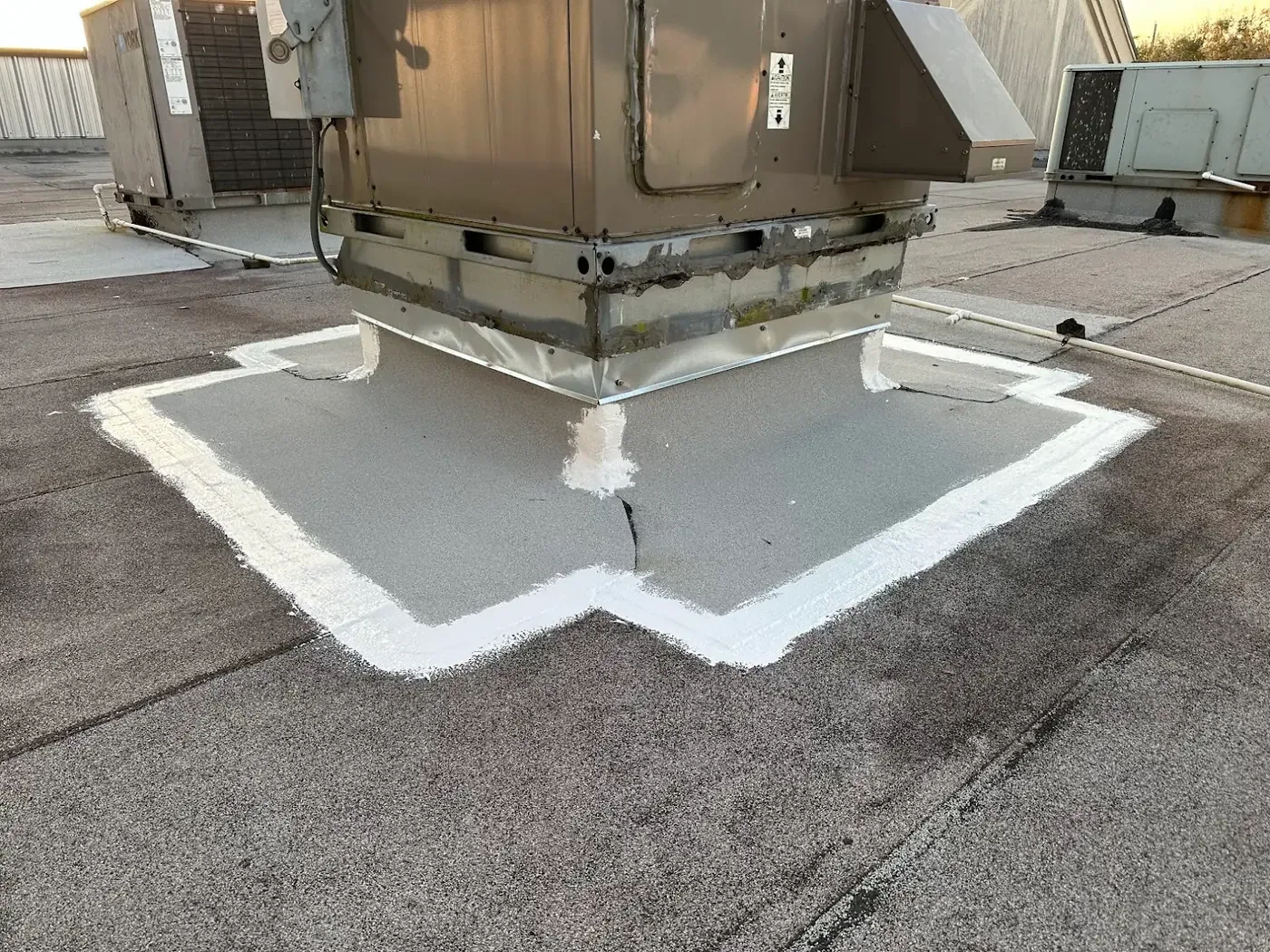
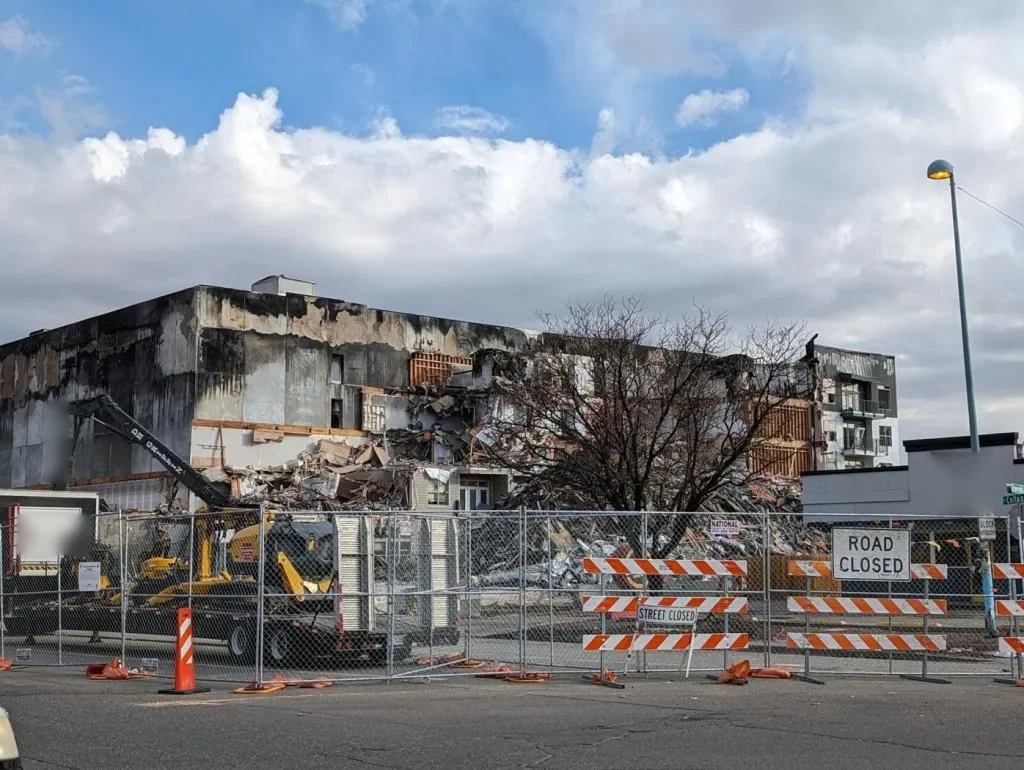
Assess fire-affected commercial roofs in Idaho Falls, document heat and water conditions, protect openings, and define repair or replacement scopes.
Assess commercial snow and ice roof damage in Idaho Falls, check drainage and flashing, and document safe access, water control, and repair options.
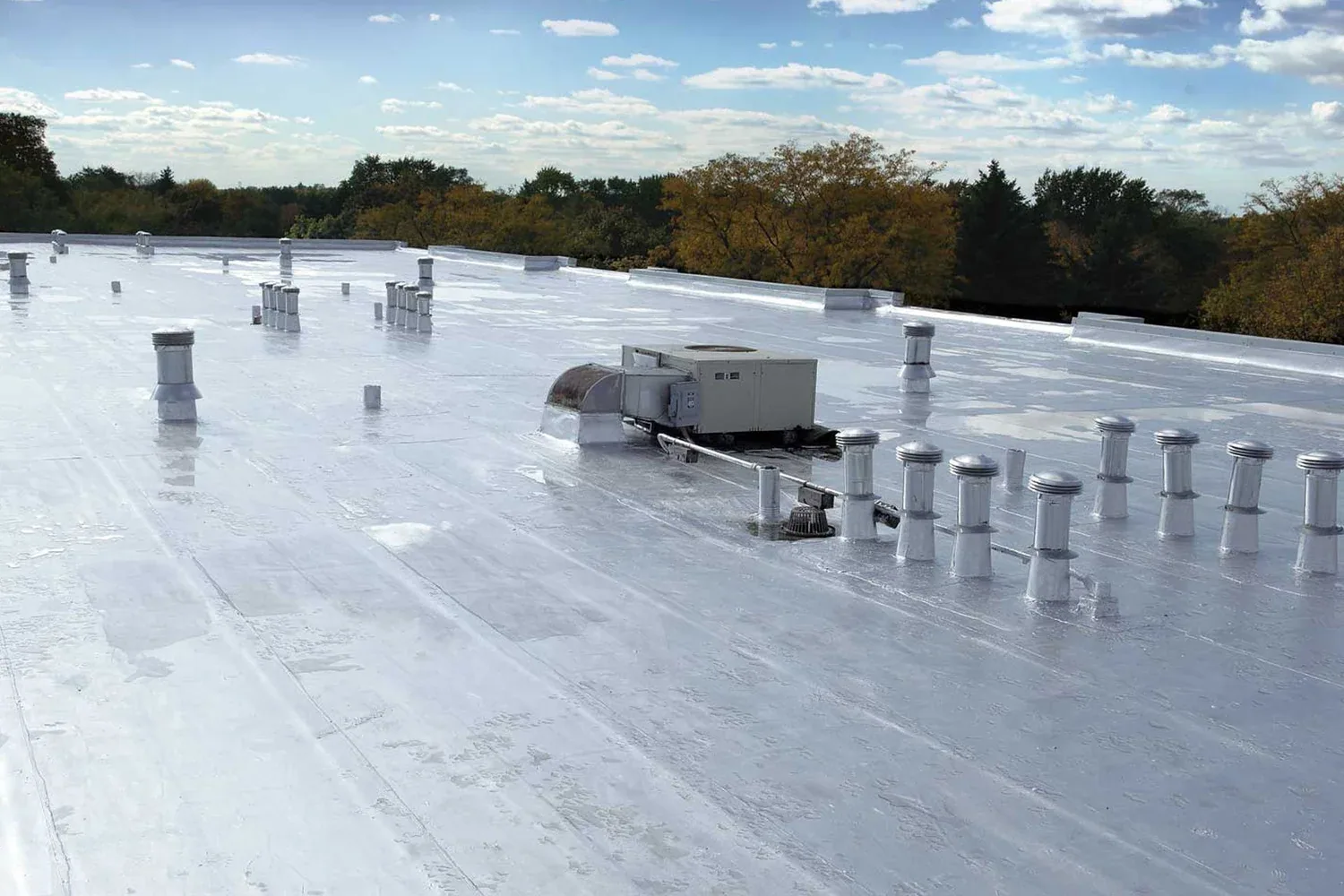
Assess heat and UV wear on Idaho Falls commercial roofs, check coatings and membranes, and plan compatible repair or restoration work.
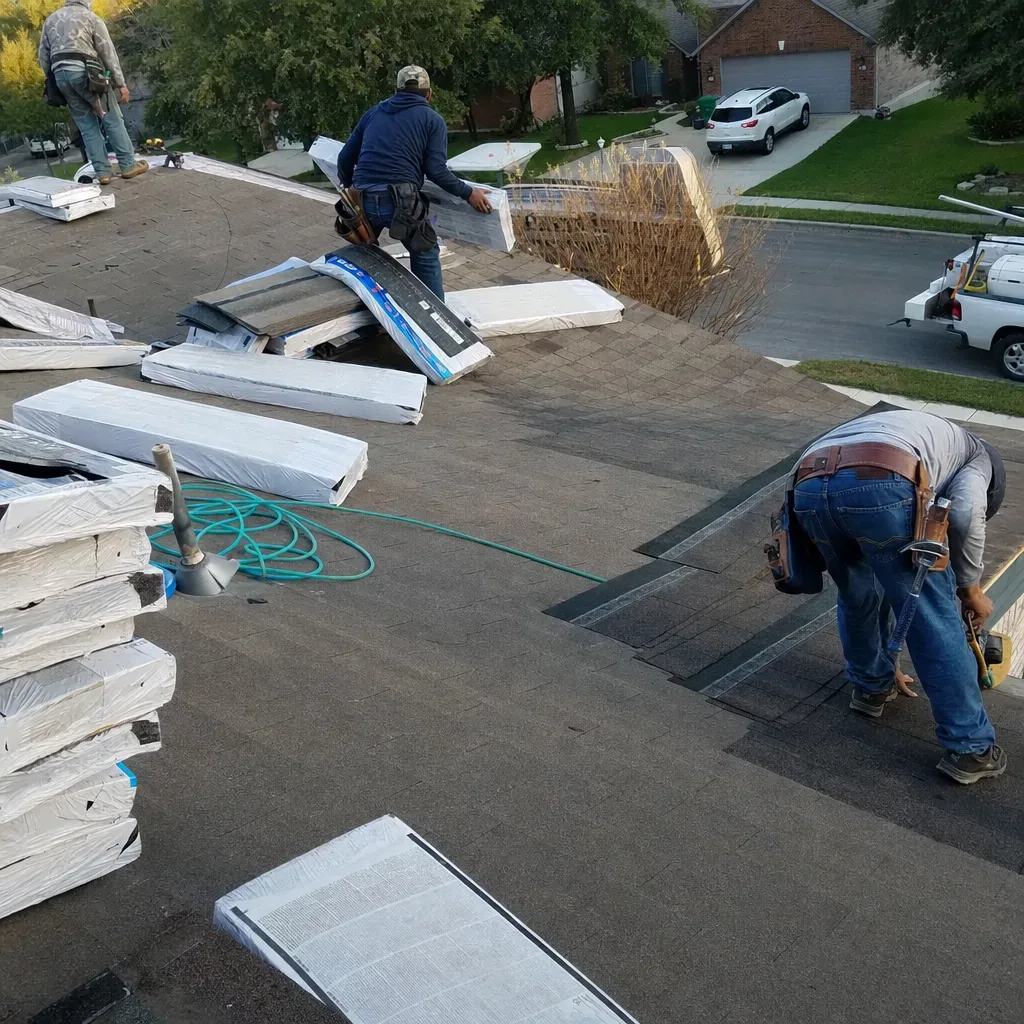
For an active leak, our emergency response covers any hour, including holidays and weekends. We confirm safe access and control water where conditions allow. Photographs and zone notes distinguish temporary protection from a lasting tie-in, so the owner knows which work is still open.
A wind-damage inspection checks perimeter securement, edge metal, flashing, and displaced material. A snow and ice review looks for exposed transitions and conditions revealed by meltwater. The finding should describe what is visible and where further testing would change the scope.
A leak can travel beneath the surface before showing indoors. The roof review checks seams, curbs, wall transitions, skylights, penetrations, drains, and scuppers in the area connected to the interior sign. If more than one path remains possible, we explain whether an inspection of failed flashing or moisture survey would narrow the repair area.
Other findings need system-specific attention. A seam failure is checked against material and attachment; a membrane puncture needs a compatible patch and sound substrate. Fire-related damage may require a broader opening and coordination before the roof can be closed; the fire damage scope records what must be evaluated.
Standing water may follow a blocked outlet, but recurring ponding can involve slope, insulation, or deck conditions. A ponding-water evaluation records how water reaches the drain and whether the surrounding assembly needs more investigation. In a market where freezing and thawing recur, a trapped-water issue should be understood before a roof is sealed or coated.
Summer exposure also affects surface condition. Idaho Falls averages 26.5 days annually with highs at or above 90 degrees. A heat and UV assessment checks wear, seams, coatings, and exposed details without assuming heat alone caused a leak.
Repair size and timing depend on the damaged area, membrane or metal type, wet insulation, deck access, flashing complexity, equipment, staging, and weather. We list confirmed work separately from concealed conditions. If opening the roof reveals a different assembly, the owner receives the finding and approval request before the scope grows.
Downtown Idaho Falls and the broad Jackson Hole Junction area have different property settings, but the same principle applies: inspect each roof and tie repair recommendations to its evidence. A commercial leak repair can address the entry detail, while a full roof inspection can help determine whether adjacent zones need attention.
The immediate priorities are safe access and water control. We document the affected area, protect it where conditions permit, and distinguish that temporary step from the permanent repair and any testing still needed.
A ground view helps identify displaced material or debris; follow with a safe roof inspection of edges, seams, drains, and penetrations. We inspect accessible areas, photograph the affected zones, and note any area that needs closer evaluation.
No. We inspect the outlet, overflow route, membrane, insulation, slope, and deck evidence. The documented cause and repair boundary determine whether maintenance, a local correction, testing, or a larger project is appropriate.
Temperature, moisture, wind, and the chosen system’s installation limits determine whether a repair can be prepared and closed. Idaho Falls averages frame seasonal planning, while the actual roof and weather guide the work window.