Commercial Roofing in Firth, ID Serving Idaho Falls & Eastern Idaho

Commercial roofing in Firth begins with a documented roof inspection, clear drainage findings, and a scope tied to the property’s actual needs.

Firth in Idaho Falls, ID

Firth

A commercial roof problem is easier to scope when the inspection separates visible conditions from questions that need testing. In Firth, we map the reported symptom to the roof, document transitions and drainage, and note access limits. The record supports a choice among repair, further diagnosis, and replacement.

Firth maintains municipal rules for business licensing, building regulations, and land use. Public works services include water, sewer, garbage, and streets. Coordinate any municipal utility work with the roofing schedule, and inspect the property directly to document roof system and condition. We inspect the roof and describe the work so the owner can confirm any applicable review.

For seasonal context, the Idaho Falls annual mean temperature average is 44.2 degrees Fahrenheit, with 10.07 inches of average annual precipitation. Those are market-Idaho Falls values. Current roof conditions and material instructions guide when to open a section and how to secure its tie-in.
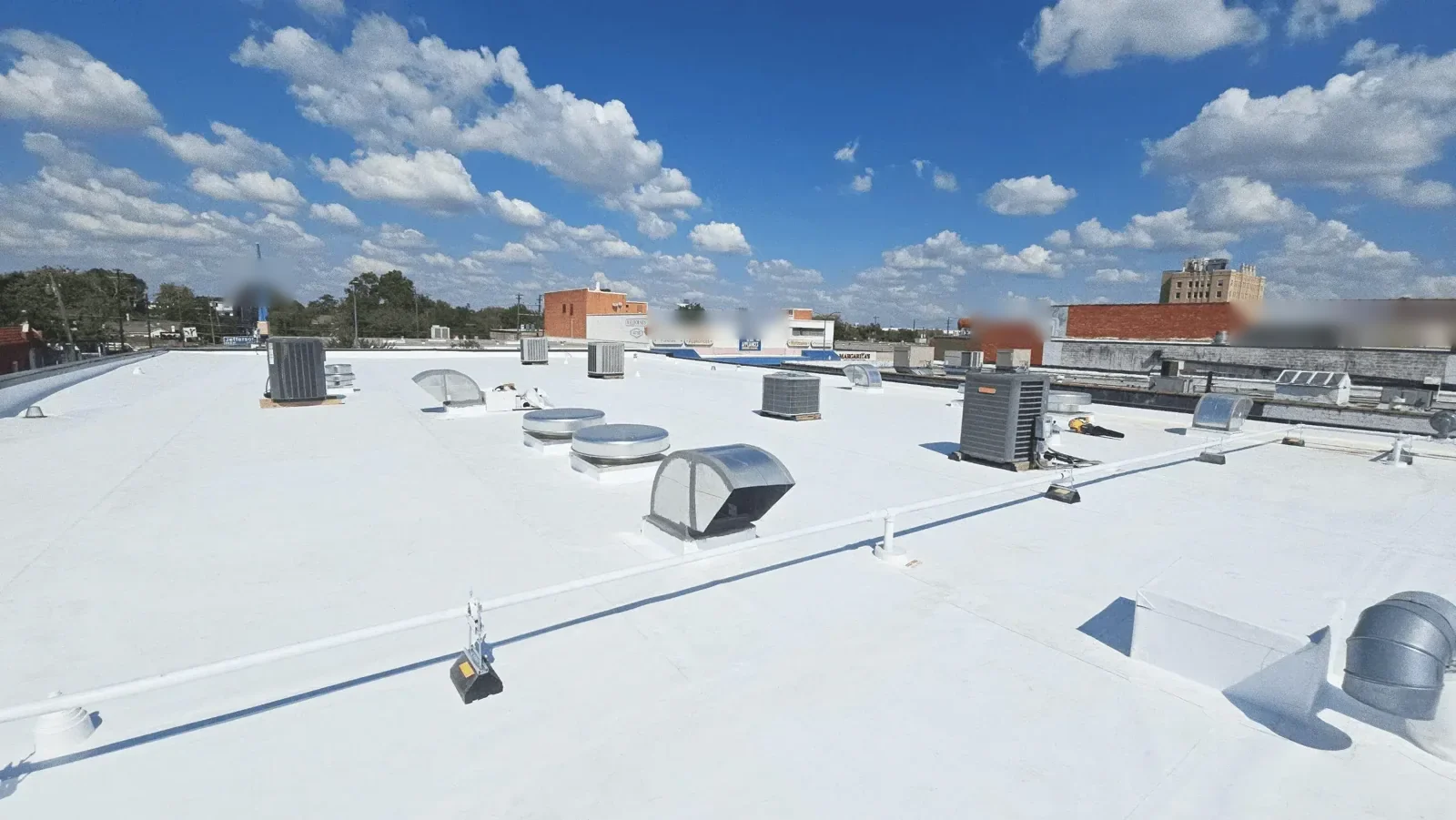
Firth in Idaho Falls, ID

Start With the Roof You Have

We do not infer a roof assembly from a city name. The inspection records visible membrane or metal, attachment, seams, flashing, parapets, curbs, penetrations, drains, scuppers, and evidence of earlier work. Additions can differ from the original roof, so we label zones separately when materials or details change. Equipment, locked access, or unsafe surfaces are noted as limitations rather than treated as inspected areas.

A commercial roof inspection gives the property manager photographs, roof-zone notes, and a summary of observed conditions. If moisture may extend below the surface, we explain whether infrared review or a selective opening would answer the next question. The report distinguishes a confirmed defect from a suspected route and states why the recommended test could change the scope.

A roof map also helps distinguish a repair that belongs to one detail from a condition affecting several sections. We note how water approaches each outlet, whether flashing connects cleanly to the field material, and where old repairs interrupt the current surface. If the owner needs a bid comparison, consistent zone labels make it easier to compare included work and exclusions line by line.

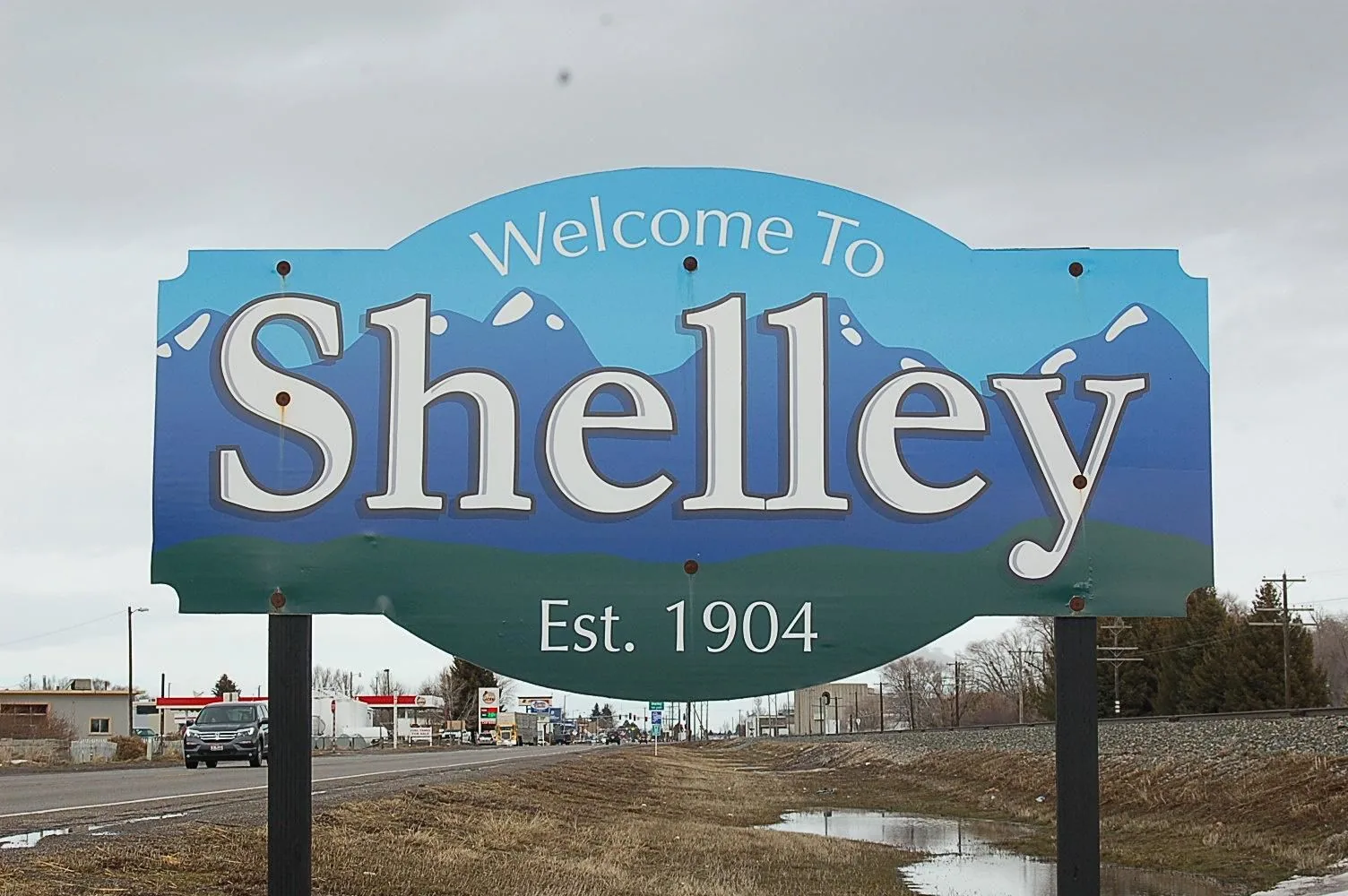
When an owner also manages a building in Shelley, the condition and estimate stay specific to each roof. Keep each building’s assembly, repair boundary, and access plan in its own inspection record before comparing portfolio needs.

Coordinate the Work With the Property Team

Firth’s local rules address business licensing, building regulations, and land use. The owner or design professional should confirm what review applies to a proposed roofing scope. Our proposal explains the work area, assembly, insulation assumptions, edge and flashing details, drainage changes, and any structural question that needs design input.

Public works service descriptions include water and sewer, along with garbage and streets. A roof project has its own drainage details. We inspect the roof drains, scuppers, overflow routes, and surrounding membrane rather than assuming municipal service resolves a roof-level issue. If piping or equipment work crosses the roof, we identify the curb or penetration handoff that another contractor must coordinate.

For occupied properties, the occupied-building plan defines access, staging, material movement, entrance protection, equipment clearance, and the amount of roof that can be opened and dried in during a shift. The manager can provide delivery windows, operating constraints, and any work-area restrictions before mobilization.

Trace Leaks and Verify Drainage

Interior water staining can be offset from the roof defect. We compare the reported location with transitions, curb corners, skylight joints, terminations, and the nearest drainage path, then check the likely route. If several paths remain possible, the next step may be targeted moisture mapping or a small inspection opening.

At each outlet, we inspect the drain bowl or scupper throat, strainer, overflow path, membrane tie-in, and the roof surface feeding it. Debris removal may be enough for a maintenance issue; recurring ponding can indicate slope, insulation, or deck concerns. The drainage repair scope states which roof details can be corrected and whether further evaluation is needed.

Active leaks can be handled by emergency response at any hour, including weekends and holidays. We confirm safe entry, protect the affected area, and record what remains for a permanent repair. If the assembly is damp or the deck is concealed, drying, testing, or owner approval may be needed before close-in.

Set the Work Limit for the Conditions

Cold-weather planning uses the product’s written limits and the roof’s measured condition, rather than assuming every winter day has the same effect on installation. The crew confirms the surface is suitable before deciding how far to proceed.

Rainfall frequency is a Idaho Falls climate averages, not a reliable day-of schedule. Before removal starts, the work plan identifies the roof section that can be closed safely, the protection available, and when the crew should pause.

Hot surfaces call for attention to traction, material handling, and application limits. We use actual roof readings and product instructions to decide if the planned method remains suitable.

Schedule and price reflect the number of roof transitions, removal layers, substrate repairs, equipment relocations, debris handling, and staging limits. The estimate identifies assumptions and reserves concealed repairs for an approval step after photos document the opened condition.

Choose a Scope That Matches the Evidence

A localized correction is appropriate only if the defect boundary is understood and the adjacent assembly can hold a reliable detail. We examine whether the material is bonded, whether the substrate is dry, and whether the connection can be rebuilt without trapping water.

A recover requires checks for moisture, attachment, compatibility, and project limits. The recover evaluation compares overlay and removal. A replacement plan defines assembly, insulation, edges, drainage, and concealed-work approvals.

A fluid-applied restoration depends on dry, stable material and details that can be prepared correctly. If the roof has trapped moisture or movement at a joint, those conditions need attention before coating is considered. The scope states surface preparation and the areas excluded.

Keep a Record for the Next Inspection

The closeout package should preserve dated photographs, the work boundary, products installed, and any detail intentionally left for monitoring. If another contractor must finish a roof penetration, that responsibility stays visible in the record.

A preventive maintenance visit can revisit drains, seams, flashings, penetrations, and prior repairs. The checklist follows the installed roof and the property’s access rules. Repeat photographs and dated notes give the manager a way to compare condition and schedule work before a small defect becomes an interior interruption.

Firth is part of the Shelley-Firth area served by a shared rural fire district. A separate property in Shelley or Idaho Falls still needs its own roof record.

Questions About Firth

Municipal water and sewer services are distinct from the roof’s drains, scuppers, and overflow paths. We inspect the roof-level system and identify whether maintenance, repair, or a design question is involved.

The owner or design professional confirms which municipal review applies. Our written scope describes the roofing work and identifies structural, trade, or access dependencies that may need coordination.

We trace from the interior sign to roof details above and upslope, then inspect transitions and drainage. If visual evidence remains inconclusive, we explain whether testing or a selective opening would help.

No. They describe long-term conditions at the market Idaho Falls. Before work, we check current weather and the roof surface, then follow the installation limits for the materials being used.

The record can include repaired zones, materials, photographs, access limits, and details requiring follow-up. It distinguishes temporary water control from permanent repair and notes unresolved coordination items.

ServicesRoof SystemsIndustriesProperty TypesService AreasDamage RepairCapabilitiesManufacturersContactAboutRequest a Roof Assessment555-555-5555
Call us today555-555-5555