Silicone Roof Coatings in Idaho Falls, ID Serving Idaho Falls & Eastern Idaho

Review silicone roof coating in Idaho Falls by adhesion, substrate moisture, drainage, details, and the repair work needed before recoating.

Silicone Roof Coatings in Idaho Falls, ID

Silicone Roof Coatings

Spring rain puts outlet details on the review list before a silicone roof coating is applied in Idaho Falls. Idaho Falls averages place May at the top of the monthly precipitation averages, while measurable precipitation occurs on 84.3 days annually. We inspect the existing roof, identify wet or unstable areas, and decide whether the base can accept another layer.

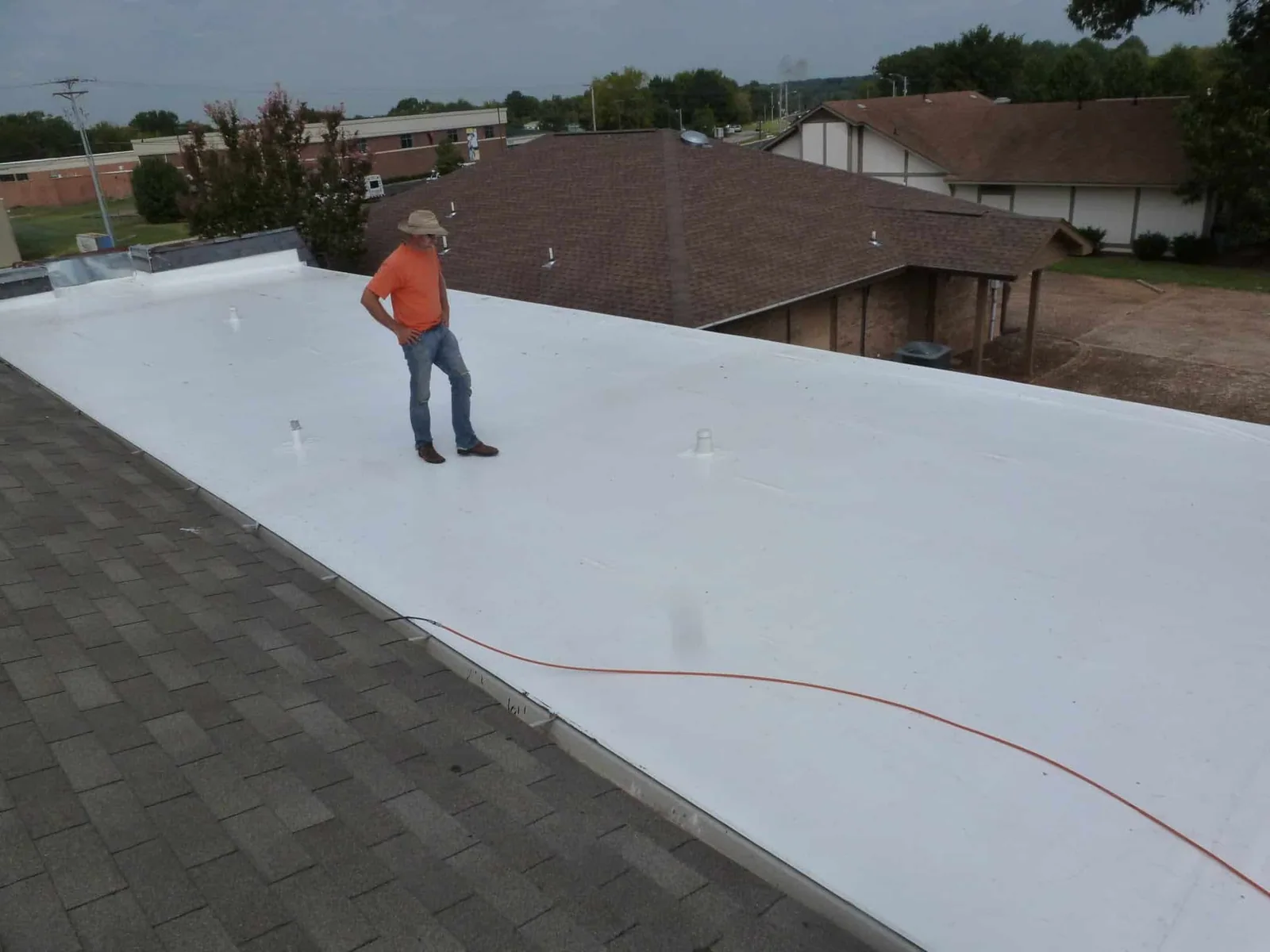
Silicone is a liquid-applied coating used to protect a compatible existing roof. It can provide a continuous surface over prepared material, but it does not rebuild a weak deck, dry wet insulation, or correct failed drainage. We check adhesion, coating thickness where known, seams, flashings, drains, and penetrations before recommending restoration. The existing membrane and the new coating must be compatible, and repairs should be complete before the full surface is coated. That evidence guides the budget choice.
Silicone Roof Coatings in Idaho Falls, ID

Confirm the Roof Can Be Coated

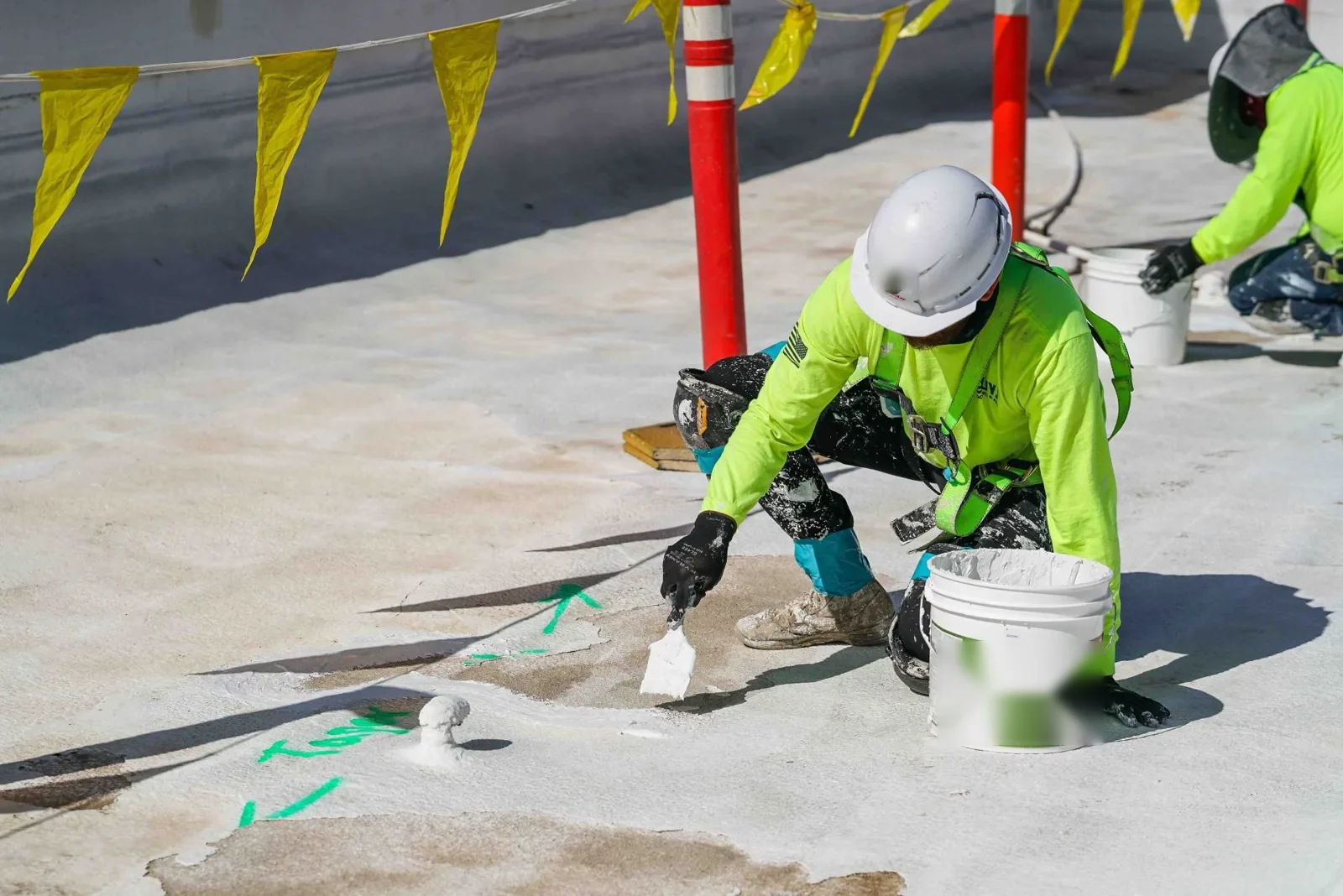
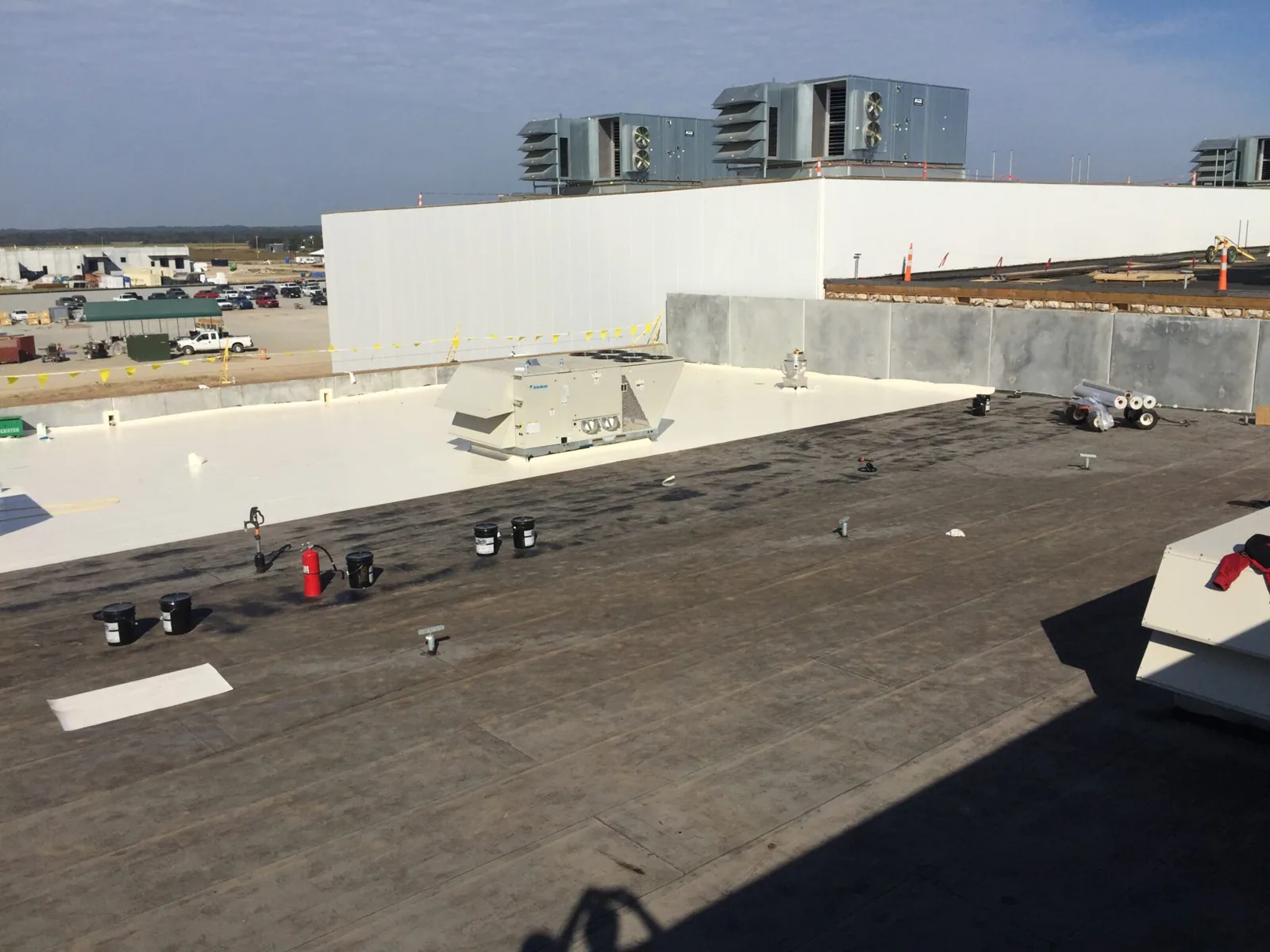
A coating job begins with a substrate survey. We look for blisters, open seams, loose surfacing, corrosion, ponding, wet insulation, and previous coating layers. The surface must be clean and sound enough for the specified primer or coating to adhere. A test patch may help assess adhesion where the assembly history is unclear. We identify areas that need removal or repair and do not use a new film to cover a condition that requires a deeper correction.

Roof type matters. Metal, single-ply, modified bitumen, and built-up surfaces each present different preparation and detail needs. The proposal identifies cleaning, primer, reinforcement at transitions, and the repairs required before coating. If moisture or deck deterioration is found, a coating may not be the right next step. A coating restoration inspection should explain how the existing assembly will be prepared and where the application stops.

Separate Ponding From Structural Problems

Silicone coatings tolerate standing water better than some coating types, but persistent ponding still deserves investigation. We check drains, scuppers, overflow routes, slope, and the deck for settlement or deflection. A coating does not create slope or make a blocked outlet work. The written scope should separate coating preparation from drainage or structural corrections so the property manager sees what each item addresses.

Idaho Falls sees both a long freeze cycle and warm summer conditions. Water that remains around a drain can complicate winter exposure, while spring precipitation puts outlets back in use. We clear and assess drainage before coating, then confirm that the new surface will not bridge a drain or obstruct an overflow. A drain and scupper repair may be required before the coating is applied. Photos of the prepared drains and repaired transitions should be included in closeout.

Apply a Continuous Film

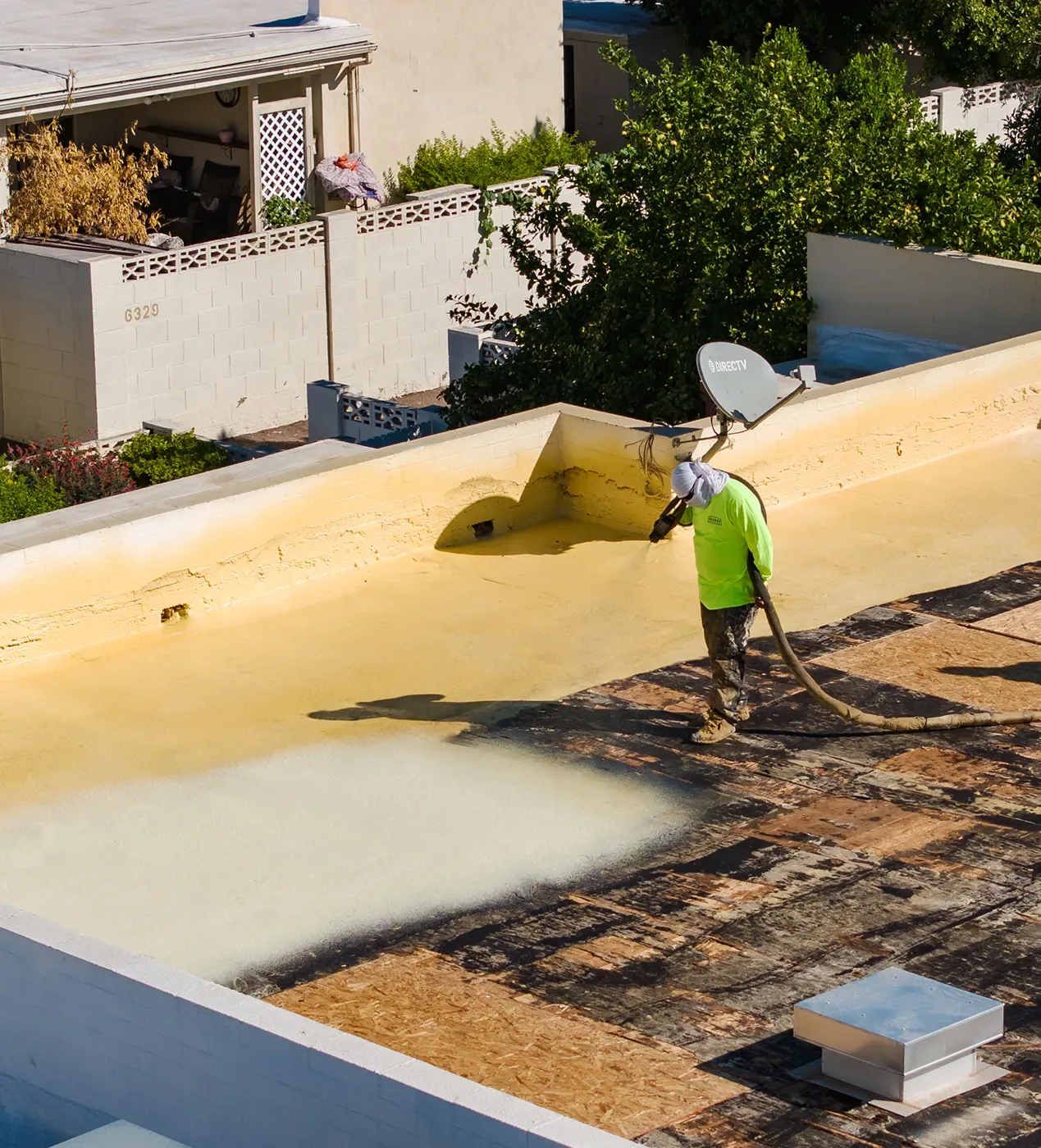
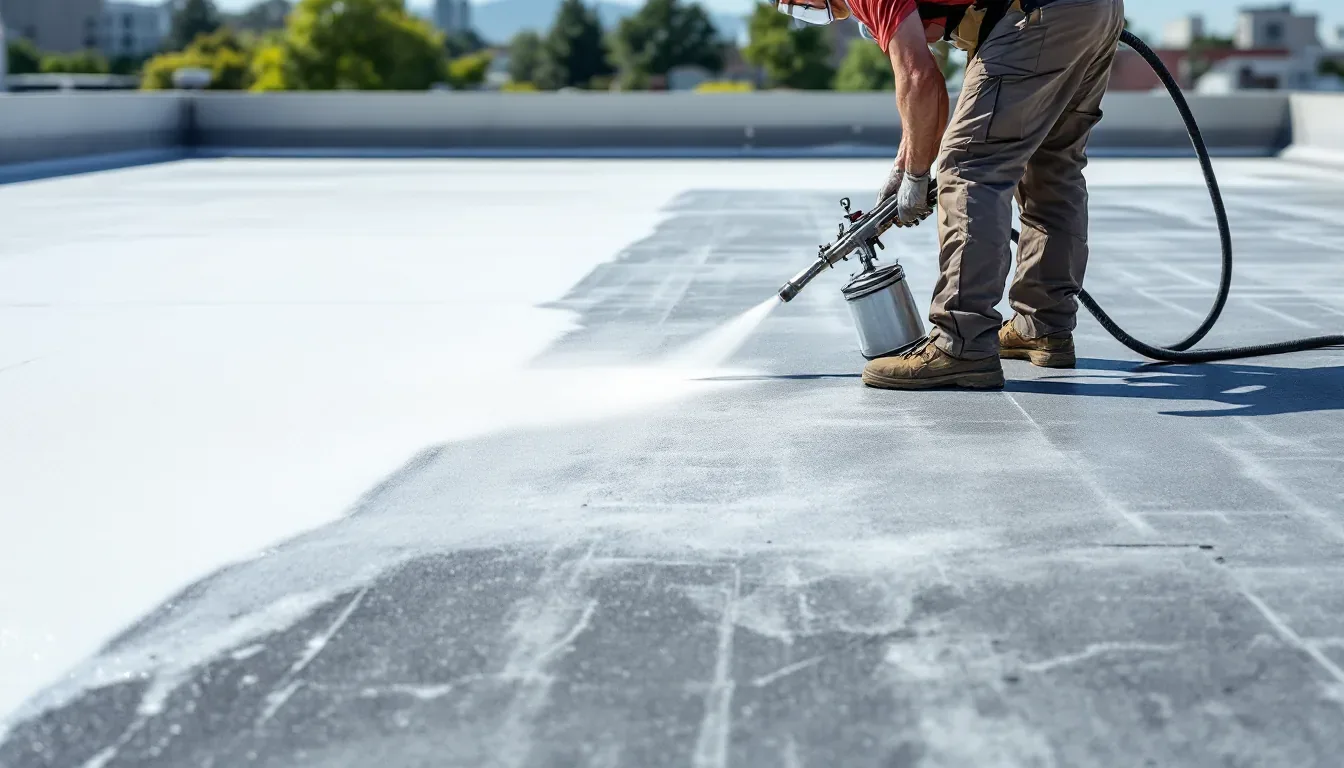
Coating quality depends on mixing, surface condition, temperature, humidity, application rate, and cure time. The crew prepares the surface, reinforces specified seams and transitions, and applies the material in a uniform layer according to product instructions. We document material and coverage checks for the areas treated. Overspray protection and access planning matter near rooftop equipment, air intakes, vehicles, and occupied spaces.

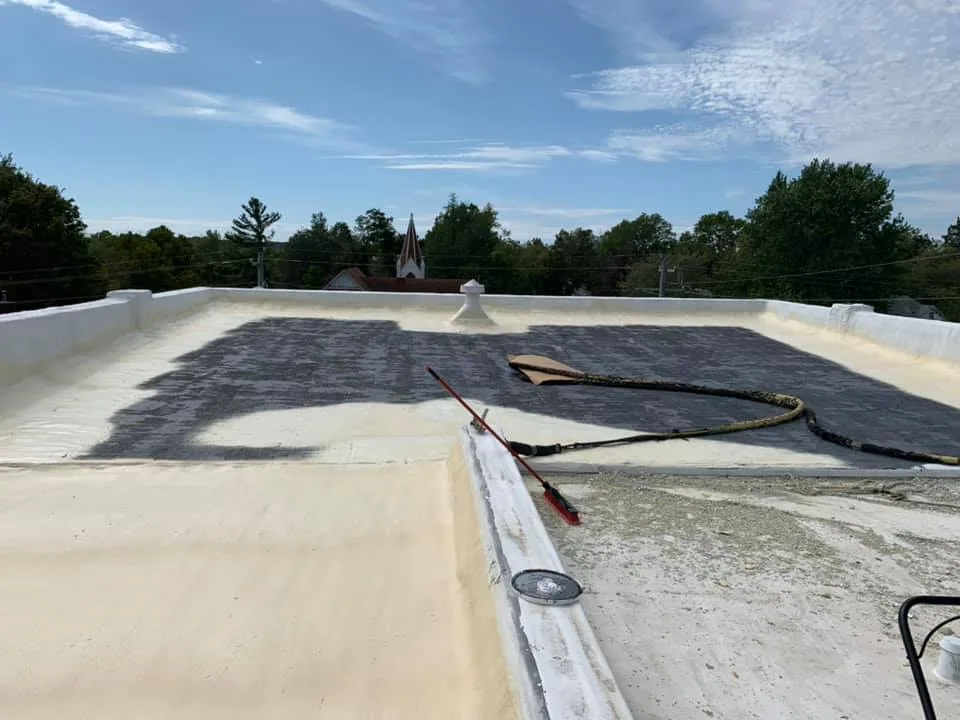
Application can be staged by roof area, but each section needs a clean boundary and a plan for weather exposure. Idaho Falls averages 26.5 days a year with highs at or above 90 degrees, while the same record shows a long freezing season. That climate context underscores the need to verify actual surface and air conditions before application. The coating must have the specified cure window before rain, foot traffic, or equipment work begins.

Compare Silicone With Other Coatings

Silicone and acrylic coatings differ in water exposure, adhesion, application requirements, and maintenance. Acrylic systems generally need appropriate slope and drainage to avoid long-term ponding; silicone may be considered where ponding is more persistent, but it still requires a sound substrate and open outlets. We compare the product requirements with the roof condition rather than pick a coating by label alone.

Ammon combines regional retail activity with employment targets spanning medical, research, communications, and technology. The Ammon area therefore includes different property uses, not a uniform roof type. Rexburg's North Interchange district is a broad multi-jurisdiction area planned for commercial, industrial, retail, residential, and government uses. That district's access and drainage conditions still need a property-level survey. Compare a compatible acrylic coating or a new TPO assembly where the base condition, slope, and project needs support it.

Repair Before Recoating

Cracks, open seams, loose flashing, corroded metal, and leaking penetrations need correction before a field coating hides them. We repair each defect with materials compatible with both the base roof and the coating system. Reinforcing fabric or extra coating cannot substitute for rebuilding a failed curb or fixing a moving joint. The scope maps these repairs and states what remains outside the coating work.

If the surface has multiple coatings, we examine adhesion between layers and whether the existing film is secure. A peel or blister may require removal back to a sound boundary. When damage reaches insulation or deck, targeted opening and replacement may be necessary. A documented roof inspection can distinguish a coating renewal from a broader repair or replacement. Maintenance should later check the coating at drains, seams, edges, and high-traffic paths.

Set the Renewal Scope

Cost depends on cleaning, primer, repair quantity, coating material, coverage, access, overspray controls, and the number of transitions. Substrate moisture or unstable layers can add removal work and change the schedule. We state those drivers and identify whether the estimate includes roof drainage correction, metal work, or only coating-related preparation.

A coating project extends the service of a suitable roof only when preparation and maintenance are part of the plan. The closeout should note product, application areas, repairs, weather conditions, and remaining limitations. A maintenance schedule can track wear and recurring ponding; new equipment work should follow the roof access rules. If the roof cannot be made sound enough to coat, we compare replacement with another assembly rather than force a restoration scope.

Questions About Silicone Roof Coatings

It may be considered for a compatible roof with ponding, but the substrate still has to be sound and drains must function. We inspect for wet insulation, settlement, open seams, and blocked outlets before recommending a coating. The proposal should state any drainage or structural work separately.

We review the existing membrane and prior coatings, check surface cleanliness and condition, and use a test area when needed. The specified primer and preparation method must match the substrate. If existing layers are loose or contaminated, they may need removal before new coating can be applied.

A coating can protect a prepared surface, but it does not resolve every leak path. We repair seams, penetrations, flashing, and drainage defects before coating the field. If water is in the insulation or deck, that material may require an opening and replacement rather than a top layer.

The interval depends on the product, coating thickness, exposure, traffic, drainage, and maintenance history. Set recoating intervals from adhesion, surface condition, drainage, exposure, and the maintenance history of the installed system. The roof record should identify the material and application areas so future inspections can determine when wear or repair makes renewal appropriate.

The product instructions set surface temperature, air conditions, moisture limits, and cure time. Idaho Falls has a broad freeze-to-summer range, so we verify conditions at the roof and protect each open work area. Idaho Falls has a long winter freeze season and warm summer roof surfaces; check substrate temperature, moisture, wind, and product limits before application.

ServicesRoof SystemsIndustriesProperty TypesService AreasDamage RepairCapabilitiesManufacturersContactAboutRequest a Roof Assessment555-555-5555
Call us today555-555-5555