National Guard Armory Roofing in Idaho Falls, ID Serving Idaho Falls & Eastern Idaho

Coordinate National Guard armory roofing in Idaho Falls around facility access, readiness schedules, weather limits, and documented repair boundaries.

National Guard Armory Roofing in Idaho Falls, ID

National Guard Armory Roofing

Cold-weather application limits and freeze-thaw exposure put drains, seams, and metal edges on the roof calendar in Idaho Falls, ID. Idaho Falls averages 14.7 nights each year at zero degrees or colder, while hot summer afternoons also shape installation windows. For an armory or readiness center, roof work has to fit access control and readiness activity. For an armory or readiness center, roof work also has to fit access control and readiness activity. We inspect the assembly and define a work area that can be protected and secured at shift end.

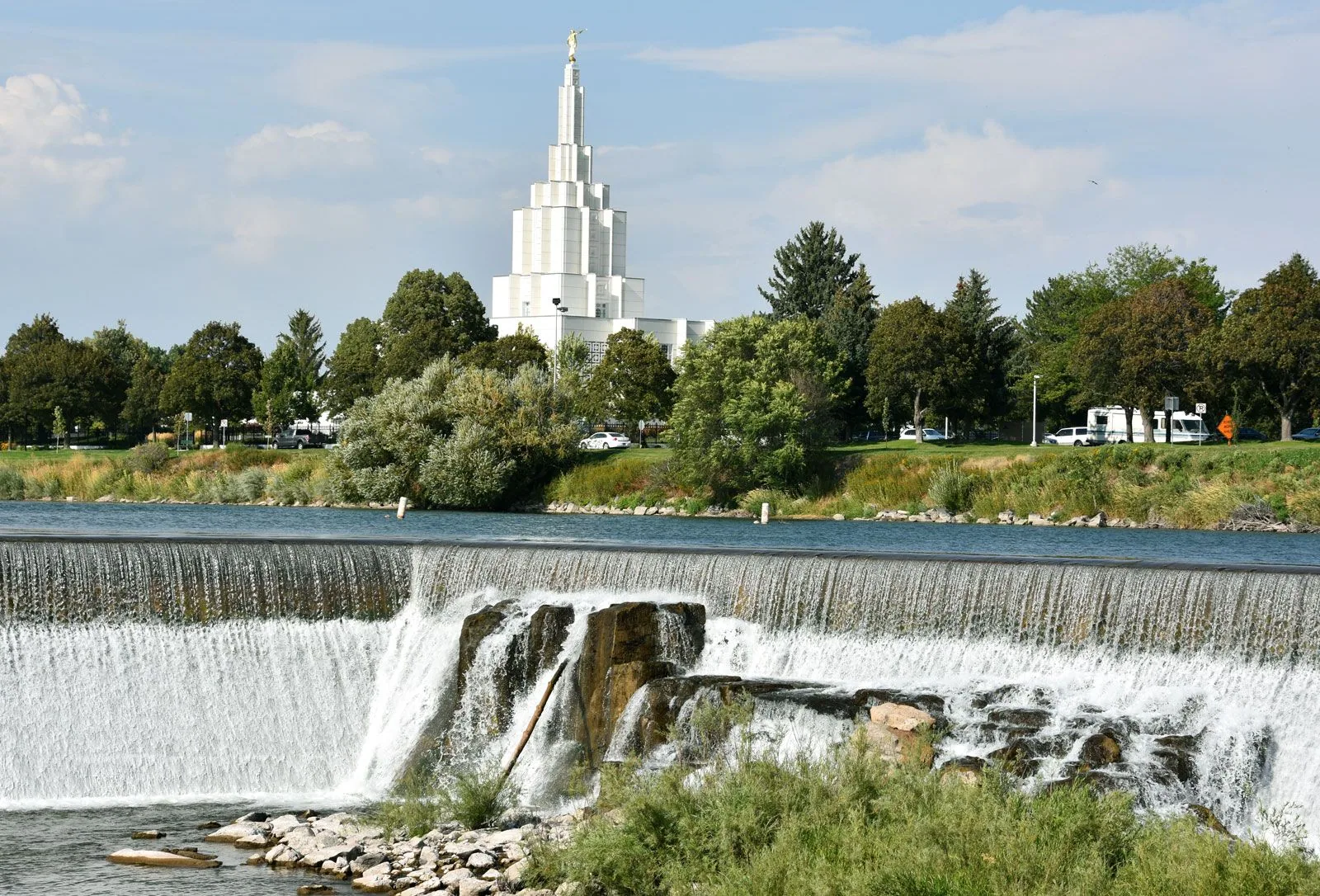
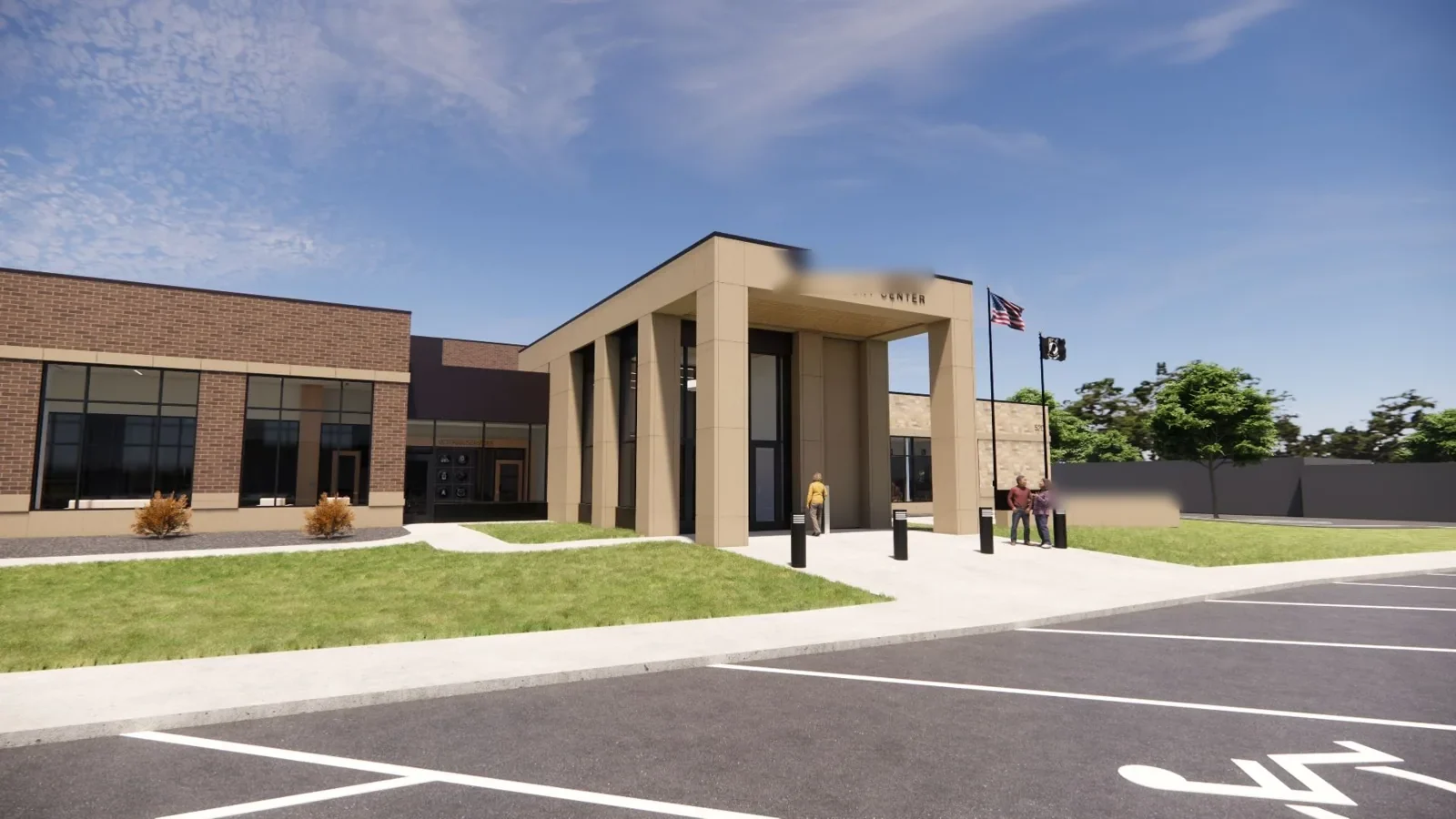
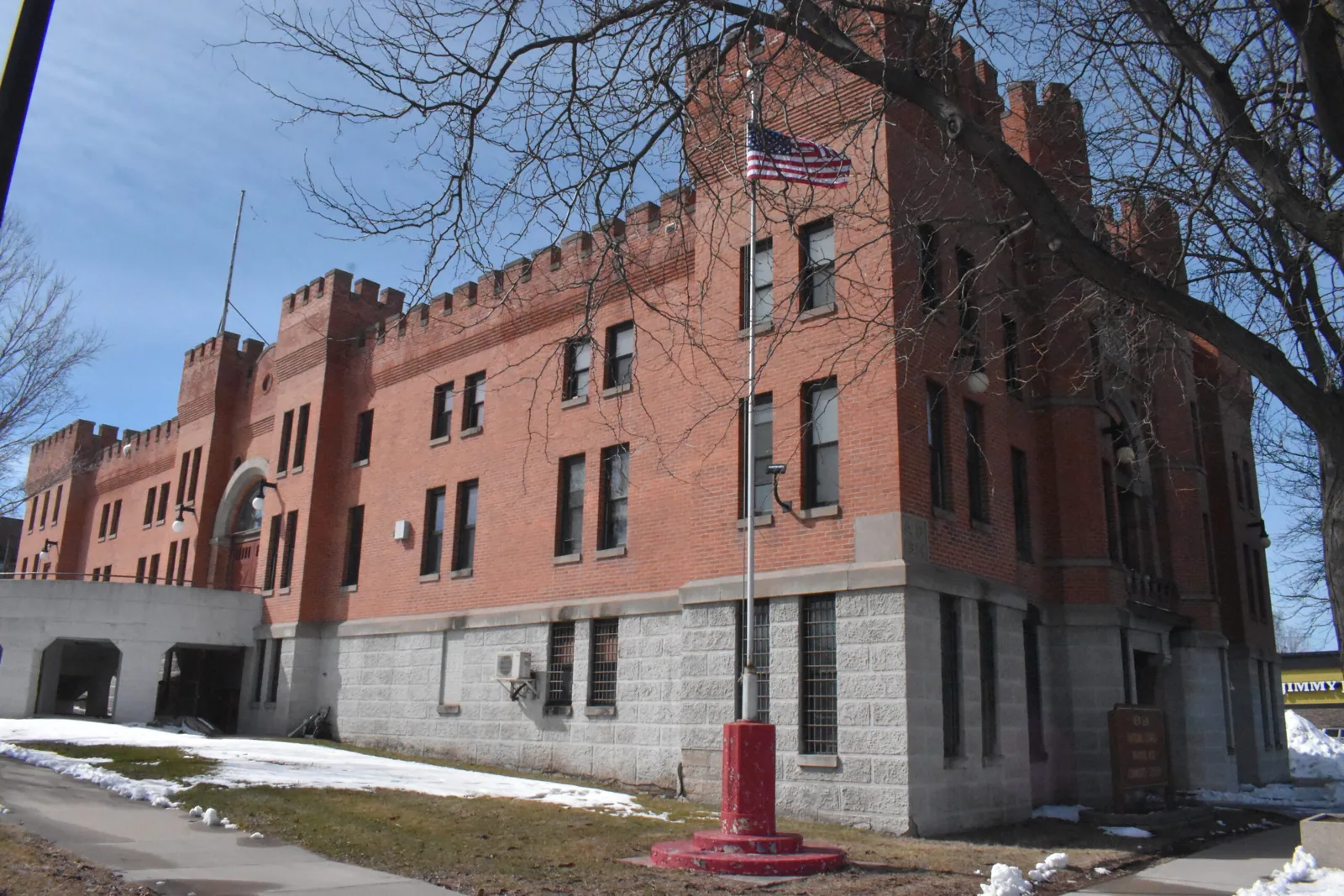
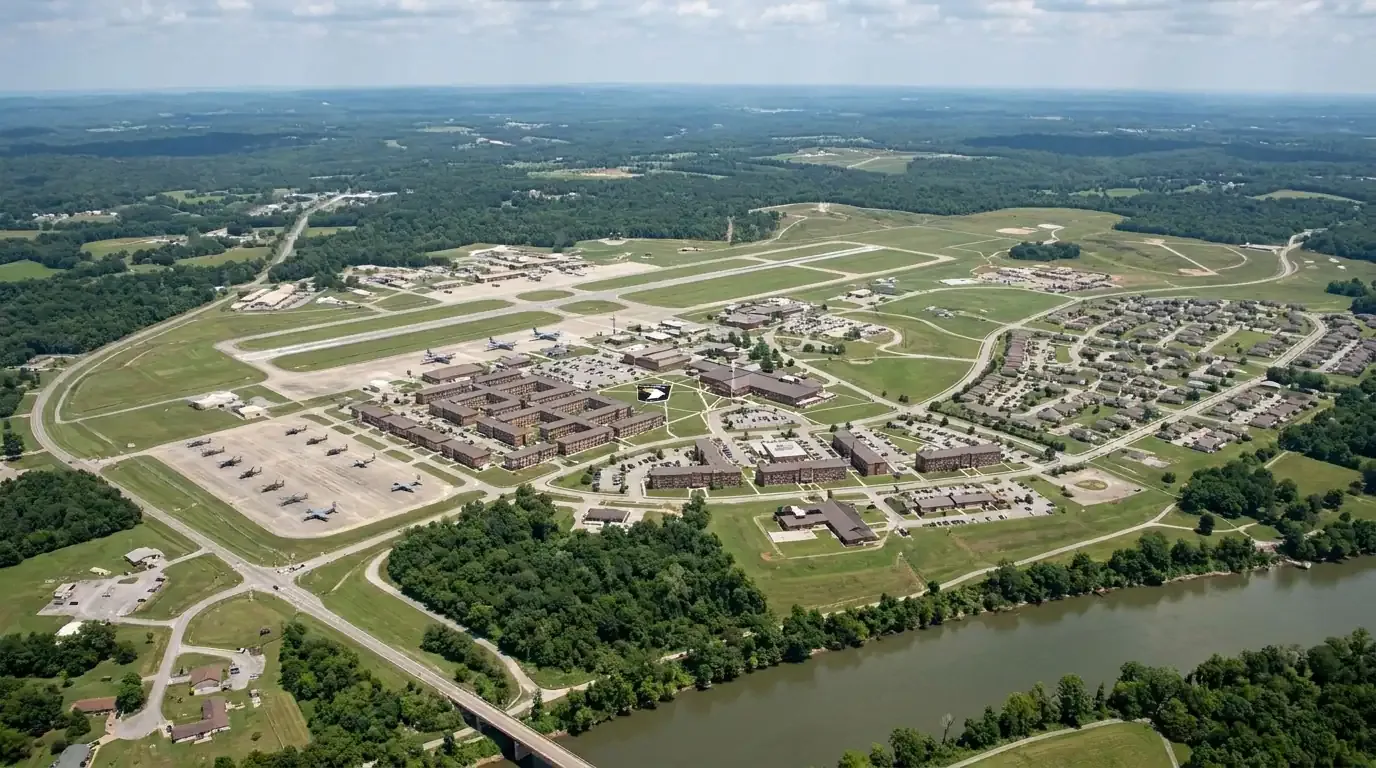
The Idaho Falls Armory and Readiness Center are part of the Idaho Army National Guard facility network, as are readiness centers in Rigby and Rexburg. These facilities support Guard use, and the Guard's mission includes combat readiness and domestic emergency response. The precise operating rules and roof assembly depend on the facility. We coordinate access, staging, escort or badging requirements, and work windows with the designated contact.

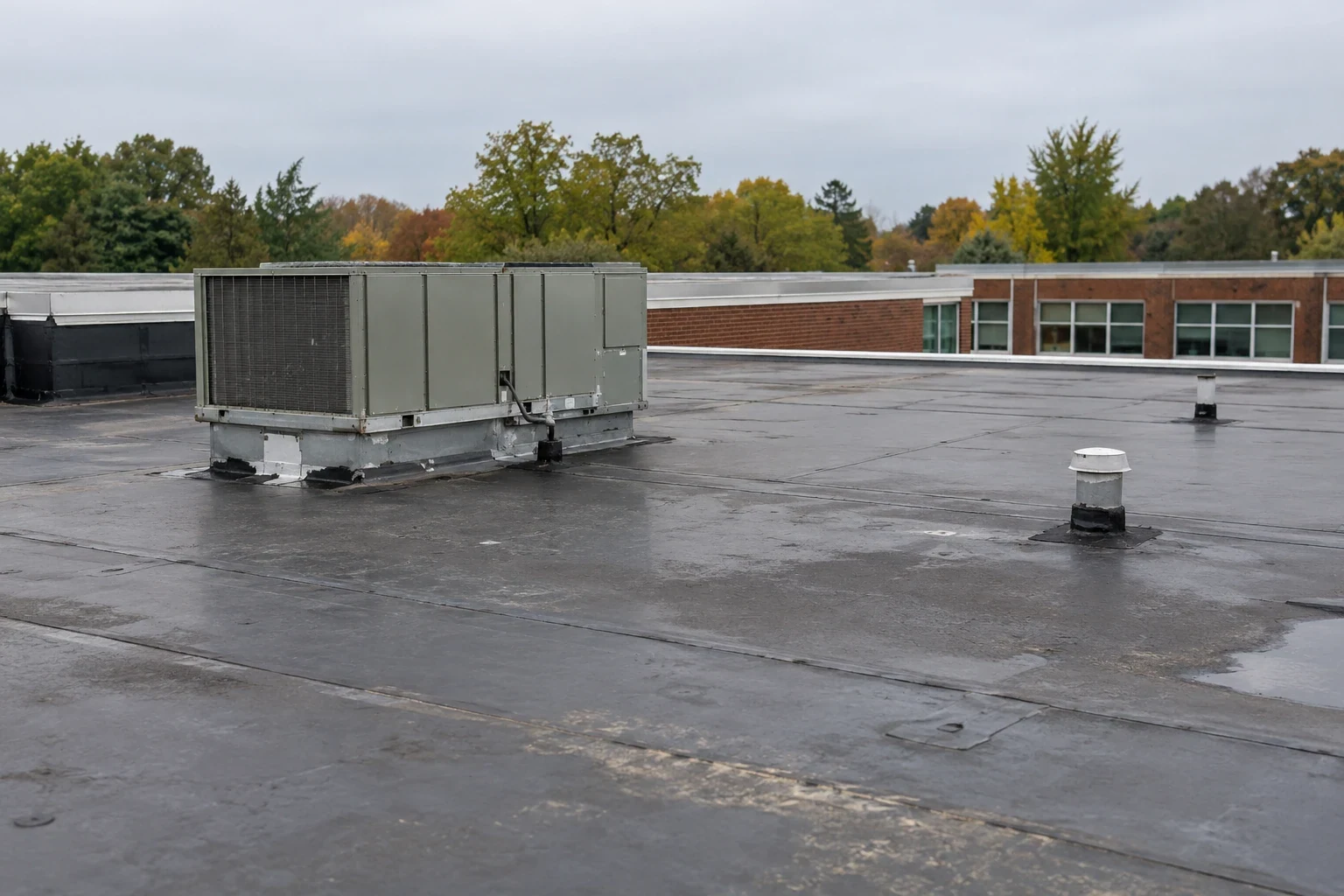
Inspection covers membrane or metal systems, seams, fasteners, drains, parapets, penetrations, curbs, and prior repairs. We compare roof evidence with interior signs and mark any section needing testing. The written scope separates temporary water control from permanent repair and identifies the approval point for any added work.
National Guard Armory Roofing in Idaho Falls, ID

Coordinate Access and Readiness Activity

Before material delivery, the facility contact identifies entry requirements, escorts, restricted areas, vehicle routes, equipment clearances, and any operation that cannot be interrupted. We use those directions to plan lift placement, staging, crew movement, and debris removal. A site-specific access procedure takes priority over assumptions based on another armory or public building.

An installation roofing sequence can record badging or escort steps, permitted work hours, daily access, and the person who approves a changed boundary. We set an open-roof limit the crew can close in the planned shift and name how a pause will leave the area protected. If an owner decision or concealed condition changes the sequence, the designated contact receives the finding before the next section opens.

Idaho Falls is linked to regional routes by Interstate 15 and US Highway 20; the airport approach also connects from I-15 and West Broadway/US-20 links downtown with the airport and Idaho National Laboratory. Those connections can inform delivery planning, but actual entry and staging rules come from the facility. For roof work in Idaho Falls, we verify route and access requirements before setting mobilization.

Inspect the Assembly Before Selecting a Scope

Water can follow a seam, penetrate at a curb, or move along a deck before appearing inside. We inspect the roof system, attachment, edges, drains, and penetrations, then compare those details with the location and timing of reported moisture. Photos show where a defect was observed and which nearby detail was checked. If the reported area was inaccessible, the limitation remains part of the finding.

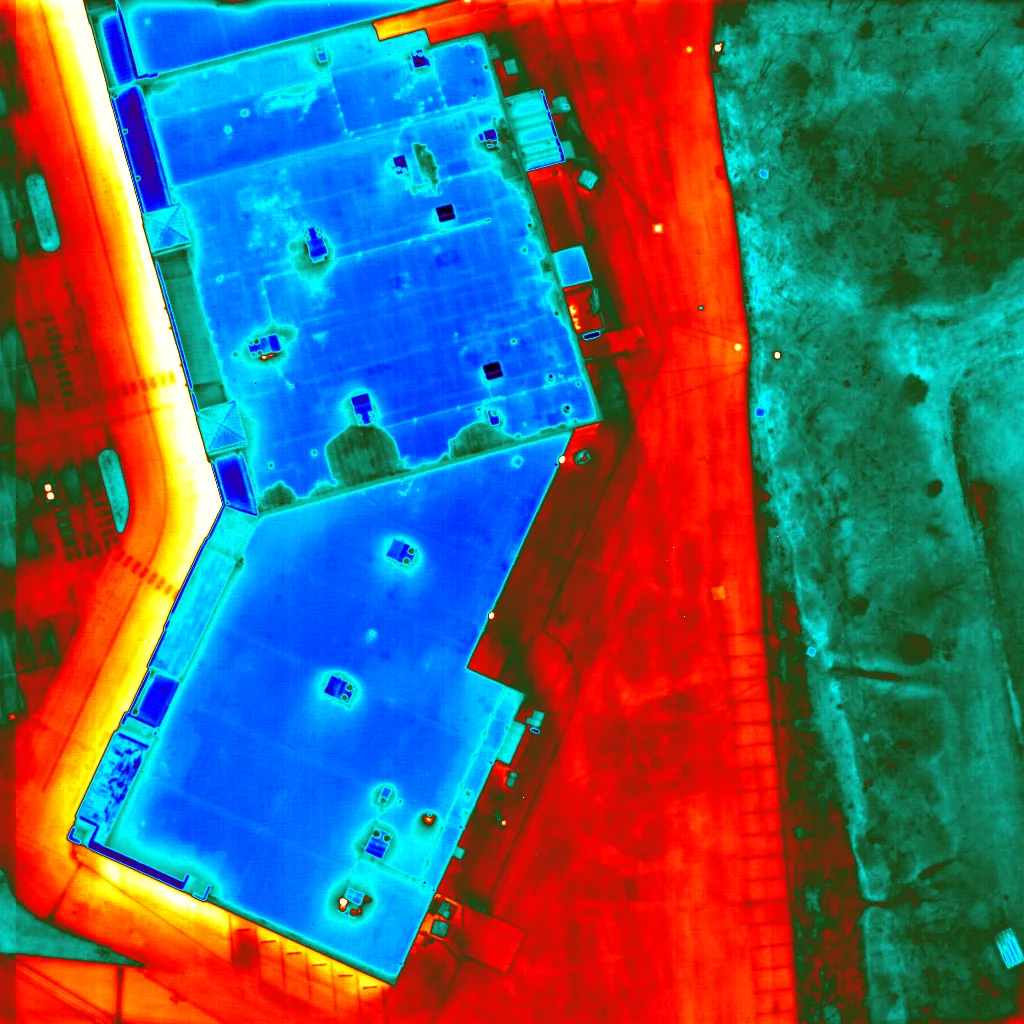
Thermal patterns across a low-slope roof can identify suspect zones when conditions support useful readings. An infrared survey can guide selective checks before removal. We review drains, scuppers, overflow provisions, and low areas separately so the repair covers each confirmed water path. We document what the roof confirms and what testing remains.

Idaho's adopted building and existing-building codes include 2018 editions, and the Idaho Energy Conservation Code applies to qualifying work. The authority review determines project requirements. We describe the existing roof and proposed scope so the facility can coordinate applicable approvals before materials are ordered.

Protect the Roof Through Each Weather Window

Roof surface temperatures differ from daily air readings. Cold can restrict some repair materials, and summer heat changes handling and crew exposure. We check the substrate, product requirements, and current forecast before choosing an area the crew can close safely.

The roof plan needs a secure dry-in boundary before removal. Snow or ice can cover an outlet or restrict access; we record what could be inspected and schedule a follow-up when conditions permit reliable evaluation.

Readiness calendars, delivery timing, facility access, material lead times, and concealed conditions can also change the work period. We state those dependencies and name the approval point before mobilization. The scope includes a secure stop point so a weather or mission schedule change does not leave a broad roof section exposed.

Build Repair Details for the Roof System

An isolated puncture or termination problem may suit a focused repair if surrounding materials remain sound. Moisture across several roof zones, weak attachment, or structural deck damage can shift the decision to renewal. We show which findings support each option and identify any test the owner should approve first. A recover is priced only after confirming the existing assembly, attachment, and project limitations support an added layer.

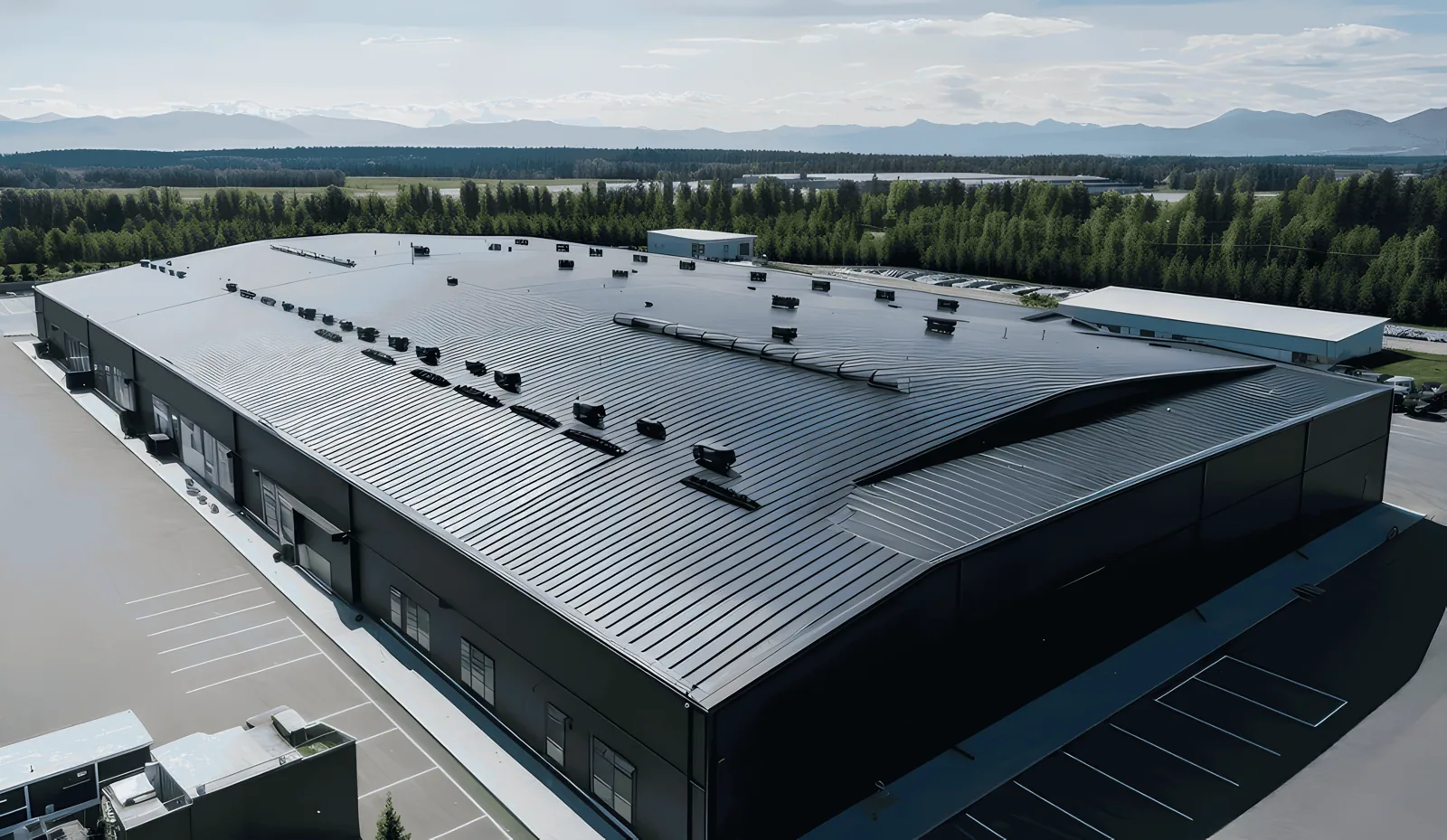
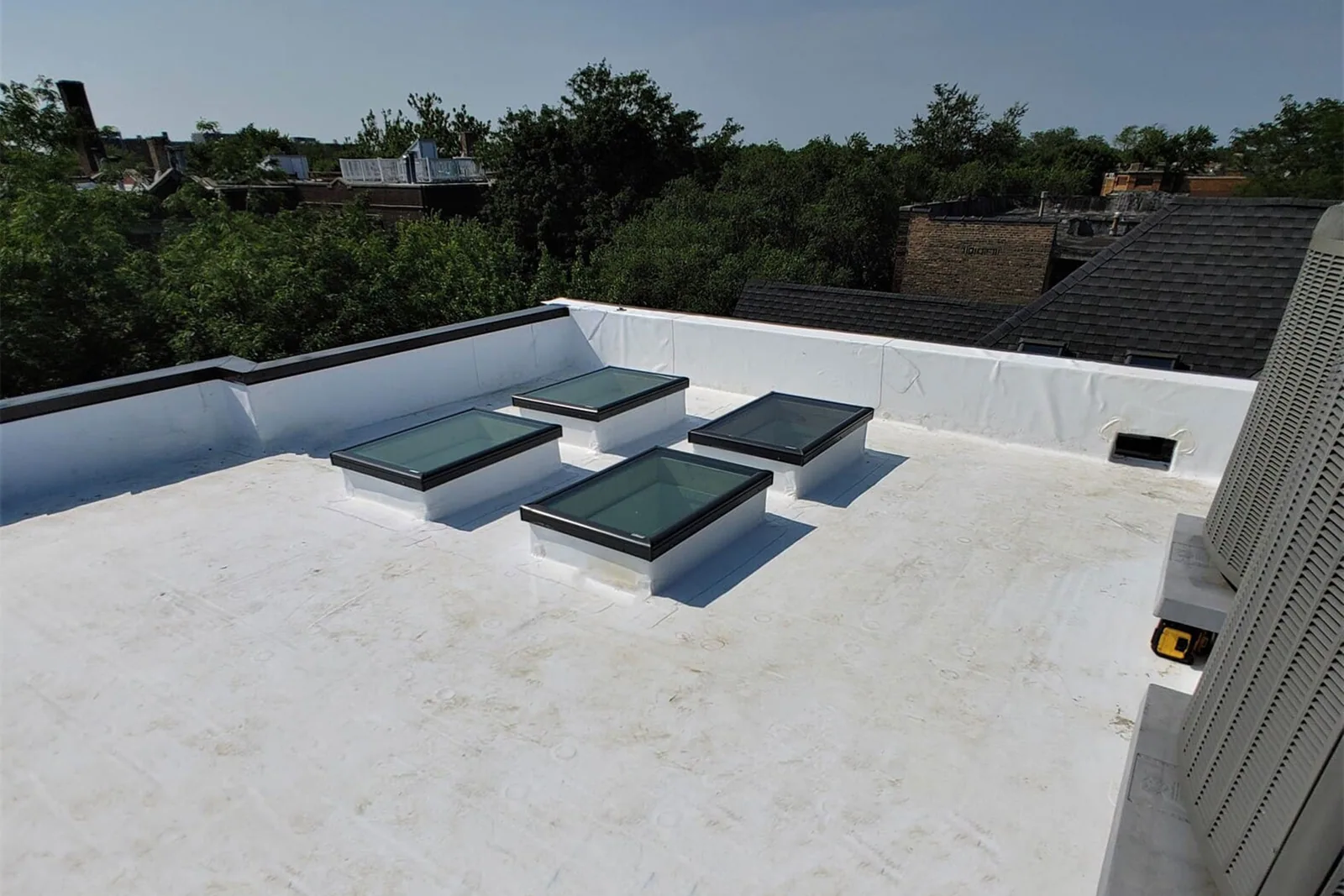
A standing seam metal system or low-slope membrane needs compatible attachment, seams, perimeter work, and drainage details. Work on a National Guard facility may have design and documentation requirements that call for coordination with the owner and applicable Unified Facilities Criteria for roofing. We do not substitute a generic detail for the actual roof specification.

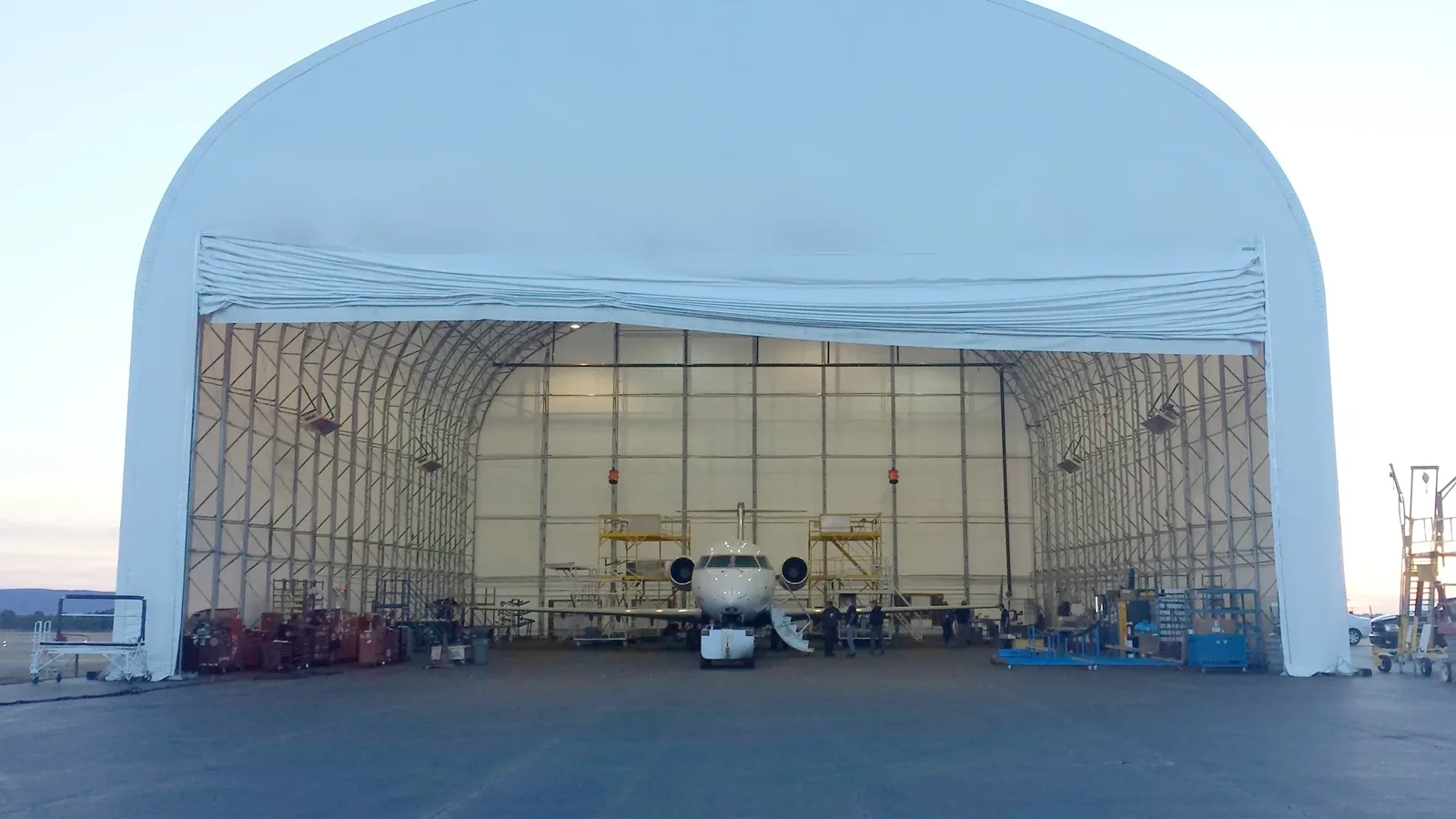
For government building roofing, public access can drive staging and route control; a hangar roof scope may involve aircraft clearances. An armory or readiness center has its own controlled-access and readiness procedures. The inspection and facility direction determine the approved sequence.

Separate Emergency Protection from Permanent Repair

If active water entry threatens equipment, stored materials, or a readiness area, around-the-clock emergency response is available, including holidays. The immediate step controls water while the permanent repair follows a roof inspection and approved scope. We document what the temporary measure protects, what remains exposed, and whether access or weather limits the next step.

Budget drivers include roof height, removal depth, insulation and deck work, drainage, edge details, access, and staging. The proposal marks observed scope and identifies who authorizes changes discovered during removal. That gives facility staff a clear basis for comparing repair, recovery, and replacement options.

A preventive maintenance visit can track seams, drains, curbs, and exposed flashing after work. A roof condition report preserves photos, access limits, completed areas, and items needing follow-up. The record identifies whether a roof area was inspected and who owns the next decision.

Idaho Falls, Rigby, and Rexburg readiness centers belong to a broader regional service context, but each facility retains its own access procedures. The closeout states the work area, materials installed, drainage corrections, and any remaining concern, giving the facility a documented record for operations and the next budget review.

Questions About National Guard Armory Roofing

The facility contact sets entry, escort, badging, staging, and restricted-area requirements before mobilization. We follow those steps and name who can approve a change to the work boundary. The plan also identifies a safe closeout if access is paused during the shift.

Work can be sequenced around facility operations when the approved access window and roof conditions support it. We coordinate the daily area with the designated contact and identify what can remain in use. A concealed defect or weather change may require an owner decision before work resumes.

It should record the assembly, seams, penetrations, drainage, visible damage, interior reports, access limits, photos, and testing needs. We label the repair boundary and state what remains uncertain. That lets the facility compare immediate protection with permanent scope.

Repeated leaks, widespread moisture, attachment problems, or deck deterioration can support a broader renewal. A limited defect may remain repairable when surrounding materials are sound. We identify the evidence and any test that could alter the decision.

We begin by controlling active water entry and protecting affected areas where access allows. After that step, we inspect the assembly, document temporary measures, and identify permanent repairs that need approval or safe weather conditions.

ServicesRoof SystemsIndustriesProperty TypesService AreasDamage RepairCapabilitiesManufacturersContactAboutRequest a Roof Assessment555-555-5555
Call us today555-555-5555