Commercial Roofing in Yellowstone Square, Idaho Falls, ID Serving Idaho Falls & Eastern Idaho

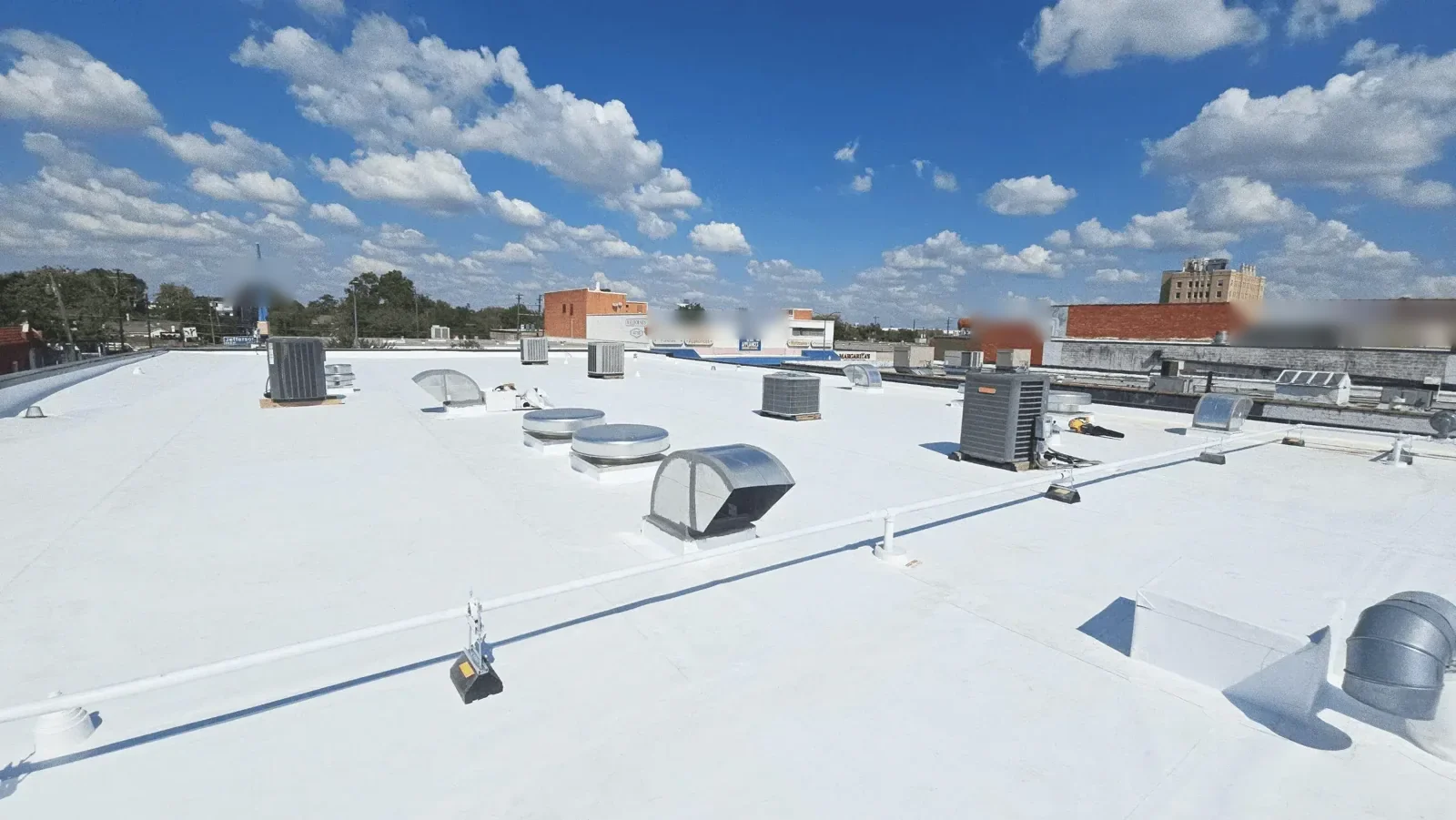
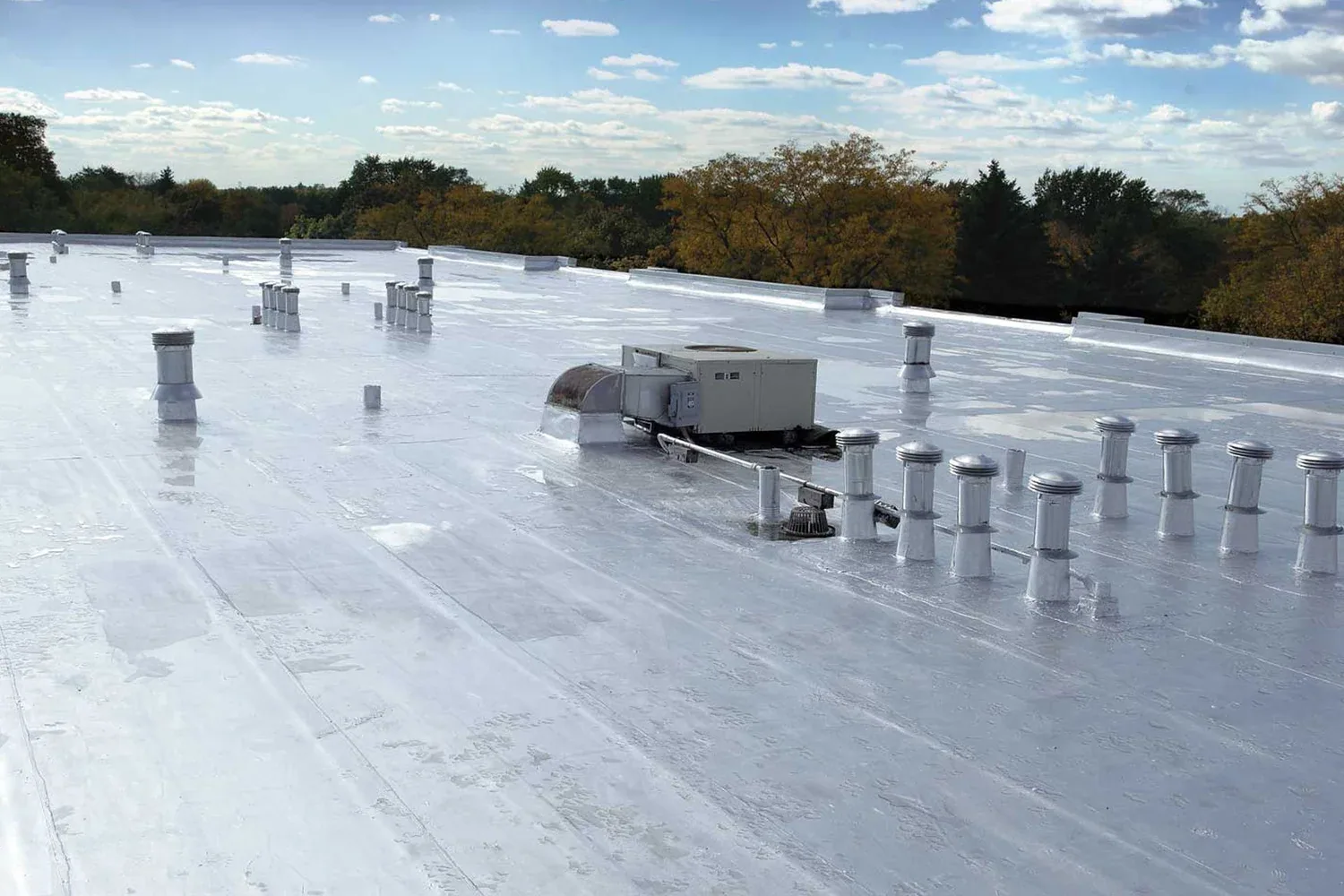
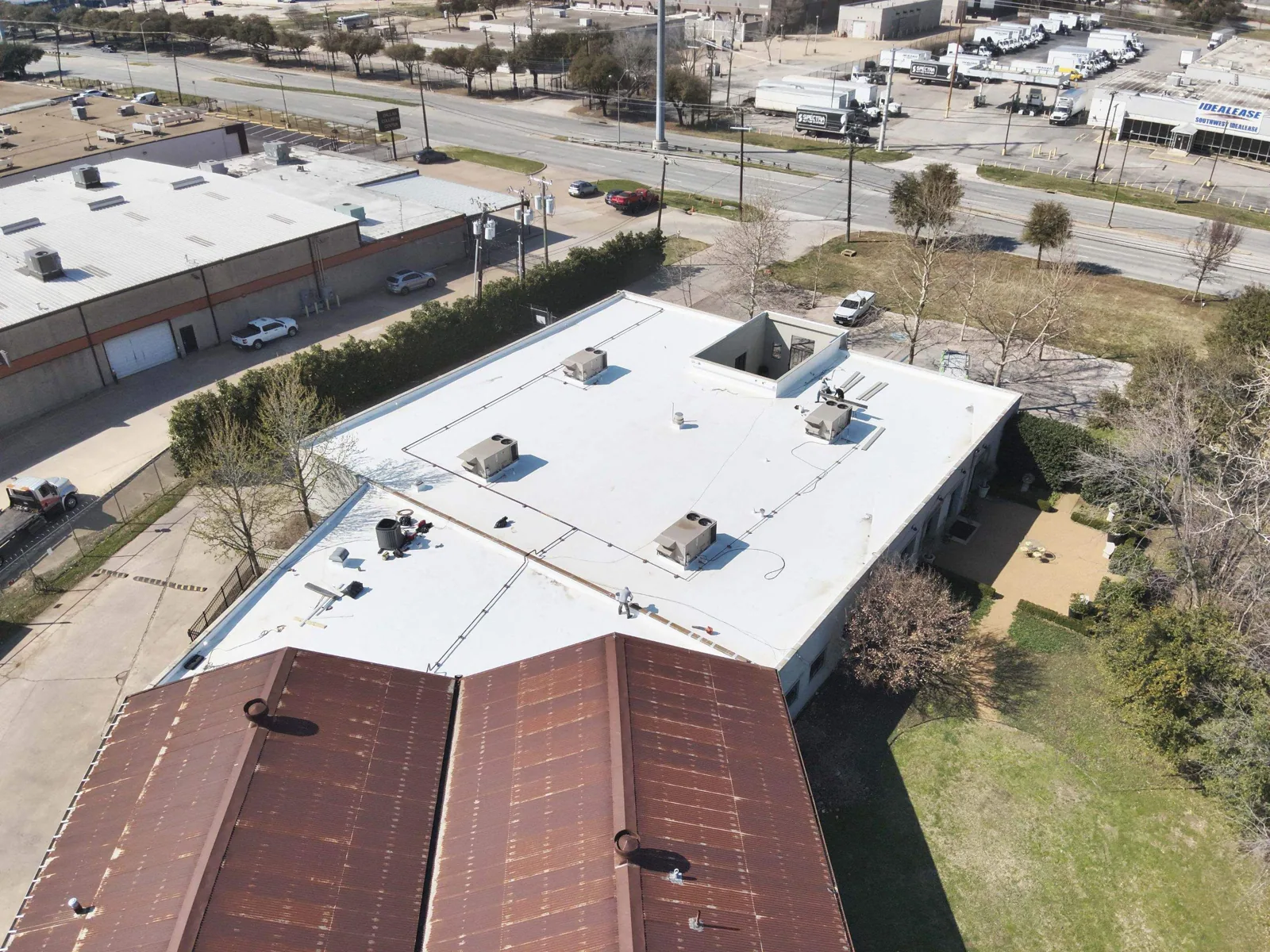
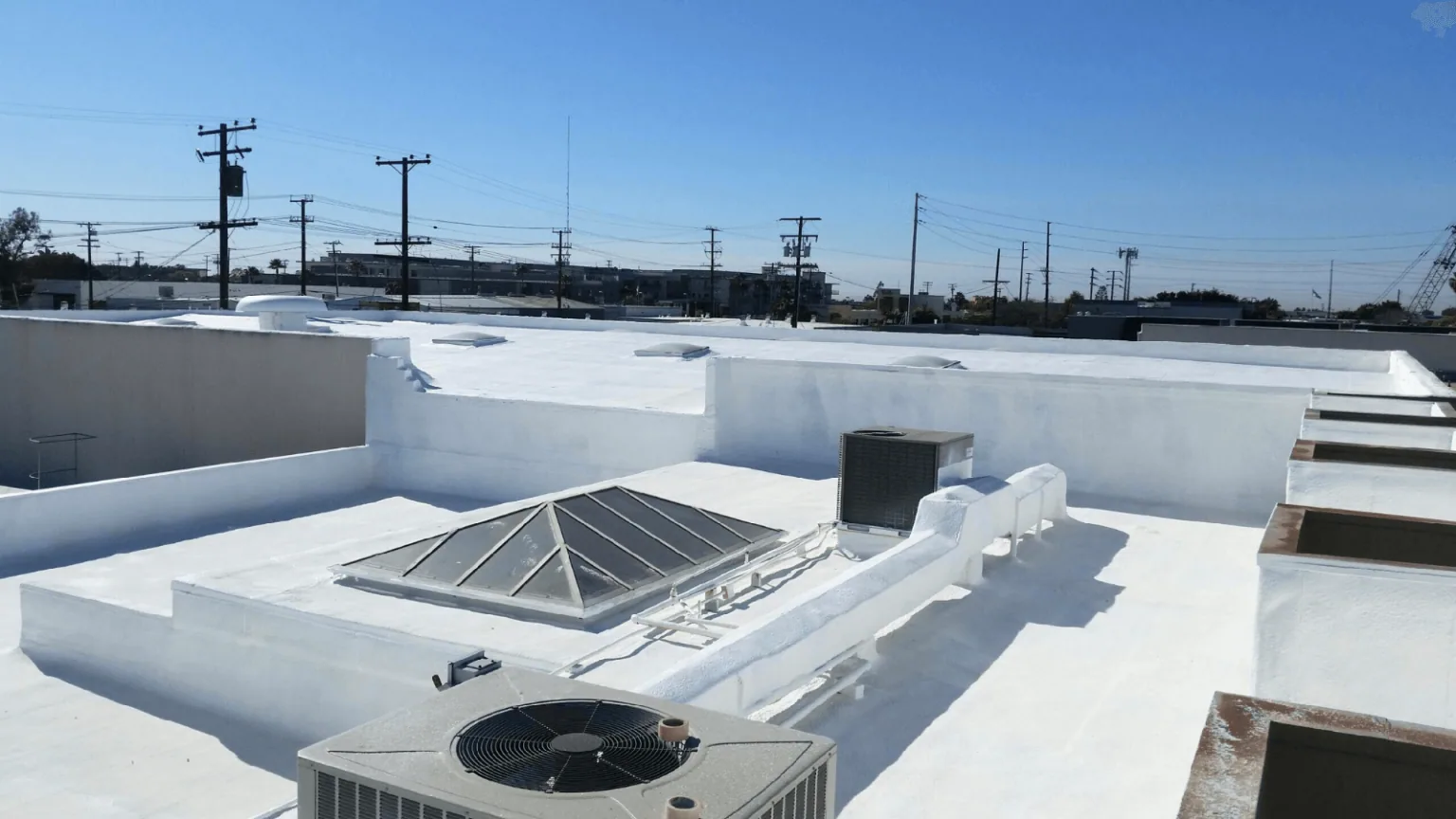
Roofing in Yellowstone Square starts with the building’s actual roof condition, drainage, access, and coordination needs before repairs are scheduled.

Yellowstone Square in Idaho Falls, ID

Yellowstone Square

New stormwater infrastructure can affect how roof outlets connect to site drainage; confirm the property’s actual discharge path before changing drains. Yellowstone Square is an Idaho Falls renewal district created in 2024, around Yellowstone Highway, Anderson Street, and Hemmert Avenue. Stormwater infrastructure, street connectivity, and development support are among the Yellowstone Square redevelopment actions. Yellowstone Square includes stormwater and street-connectivity improvements; inspect each building’s roof outlets and trace drainage to the property’s discharge point.

At the Idaho Falls, Idaho Falls averages record freezing or colder minimums on 182.2 days in a year. Use the current forecast and roof-surface check to set the application window at the property. We inspect the roof surface, edges, seams, penetrations, and outlets, then document where water moves and what the building needs before a manager weighs repair against planned work.
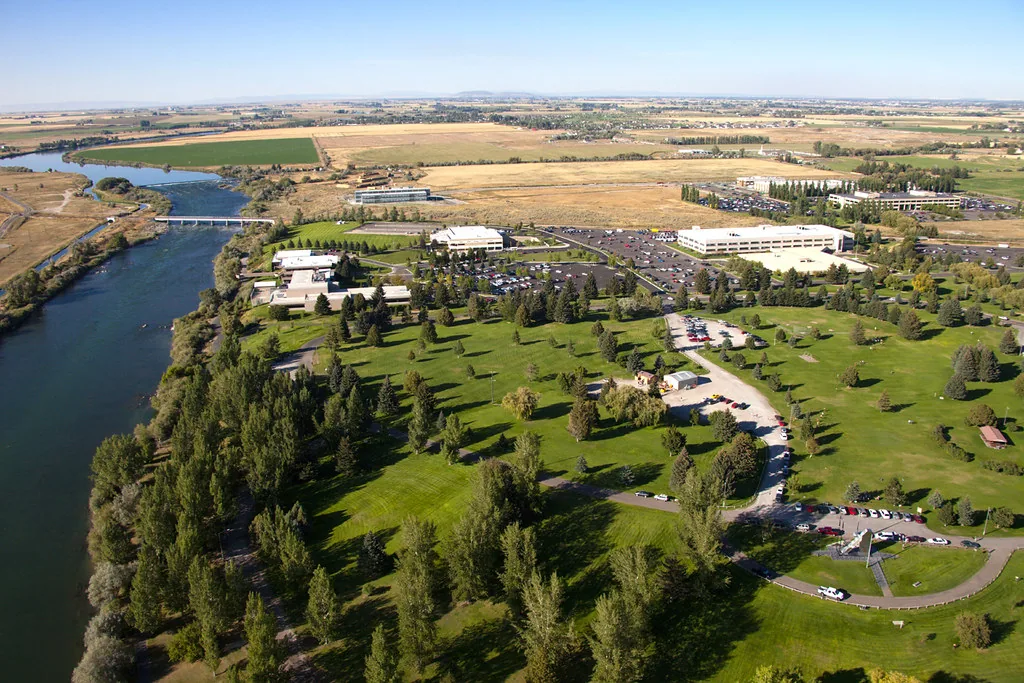
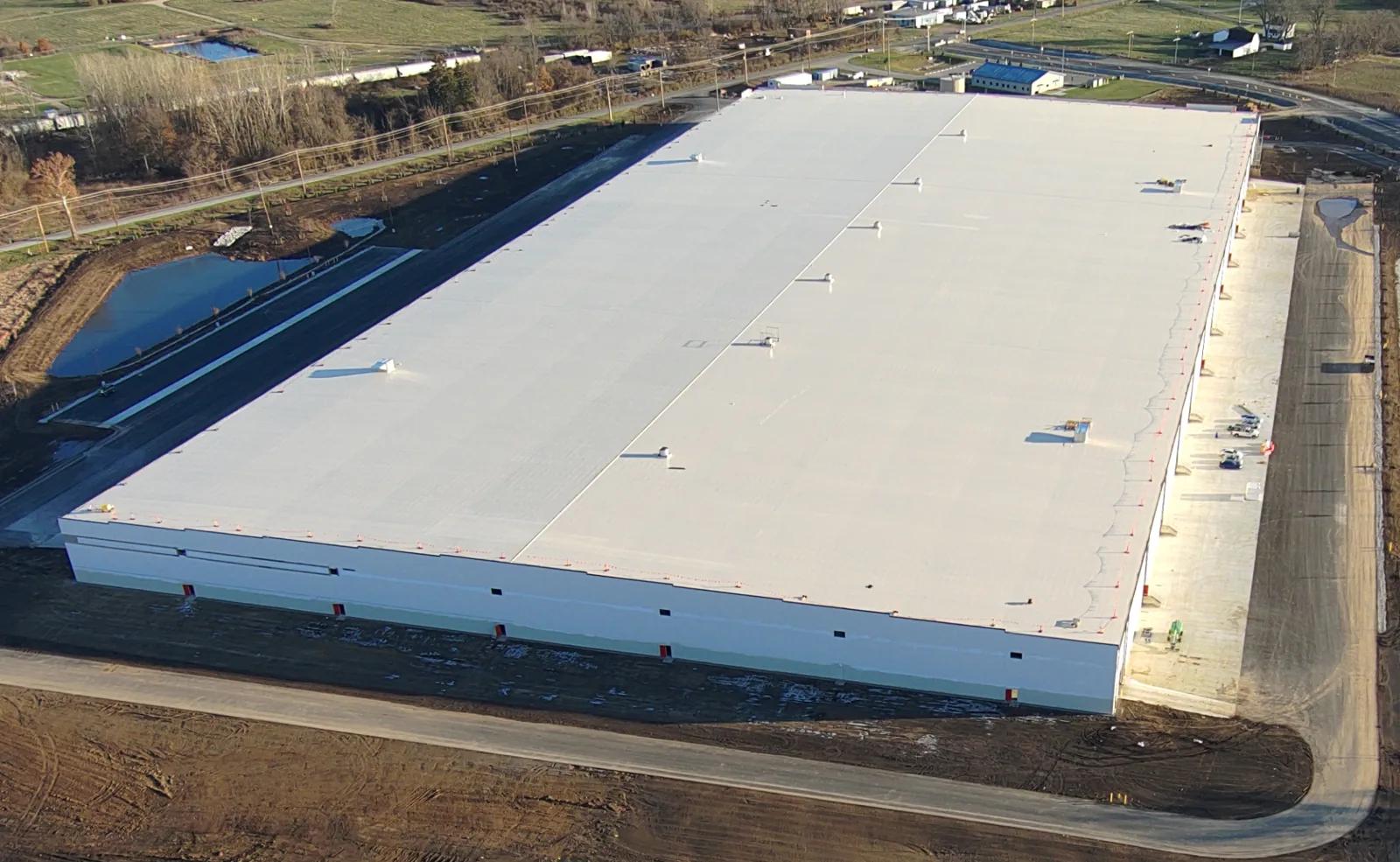
Yellowstone Square in Idaho Falls, ID

Check the Water Path First

A district stormwater plan and a roof drainage plan meet at the building outlet, but they answer different questions. We inspect strainers, drains, scuppers, overflow routes, roof slope, and the membrane around each outlet. The site walk records whether water is moving freely, whether debris is present, and whether recurring ponding needs further evaluation. A drain and scupper inspection keeps roof-level findings separate from site or municipal drainage work.

Yellowstone Square centers on Yellowstone Highway, Anderson Street, and Hemmert Avenue. Those broad references help a property manager locate the district and coordinate with nearby work, but they do not provide a building access route or a current construction schedule. We confirm delivery approach, staging, roof access, and any utility or street work with the site contact before materials arrive. This protects the work sequence from relying on a planning map as a live field instruction.

Interior staining is another clue to trace rather than a repair location by itself. Water can run below the membrane before it appears inside, so we compare the interior sign with nearby seams, curbs, wall transitions, and low points. When the path is uncertain, a moisture survey or selective opening may help identify the wet area. The commercial roof inspection records what is visible and what needs confirmation.

Document the Assembly and Its Limits

Two roof areas can have different layers even when they sit on the same building. We identify membrane or metal where visible, note attachment and prior repairs, and label transitions between additions or roof zones. Drains, edges, penetrations, curbs, and skylights receive separate attention because a detail failure may need a different repair from field damage. We also record access limits and areas that need testing.

City permit guidance directs applicants to the 2018 code editions for building, existing structures, and energy use. Applicability follows the work proposed. We state whether the estimate covers a patch, recover, or new assembly and coordinate roofing information with the owner’s project team. That avoids carrying a maintenance assumption into work that changes insulation, drainage, attachment, or perimeter securement.

A labeled condition record helps ownership compare a small repair with a larger budget request. Each photograph should tie to a zone and finding, with recommendations separated from unresolved questions. A written condition record shows what was repaired, what remains in service, and what needs a later check without treating a hidden layer as confirmed damage.

Set the Weather Window

In Idaho Falls, January averages 20.4 degrees and July’s mean high is 86.6 degrees. Freezing weather and hot roof surfaces change how crews handle membrane, adhesives, and safe access. We check the actual roof and product instructions, then decide how much area can be opened and secured before the work period ends.

May has the highest monthly precipitation average at Idaho Falls, 1.57 inches. Before opening the roof, confirm conditions for the scheduled shift and the selected system. It makes the dry-in boundary worth setting before tear-off, along with protection for materials and a clear stop point if weather changes. If water entry is urgent, the emergency response team can be reached at any hour, including weekends and holidays. We document temporary water control apart from the permanent repair decision.

Winter follow-up should look at exposed seams, edges, and flashings where meltwater may reach an opening before temperatures fall again. A snow and ice damage assessment records whether the condition calls for immediate protection, a lasting repair, or another inspection under safer access conditions. The finding, not the calendar alone, guides timing.

Choose the Repair Path

A localized repair is reasonable when the defect is limited and surrounding materials can support a compatible tie-in. We check membrane condition, seam attachment, substrate, flashing geometry, and drainage before recommending a patch. Wet insulation, a loose deck, or broad deterioration can point to selective removal or additional testing. The scope identifies which finding supports the proposed work and what would change the plan if concealed conditions appear.

A recover may fit when the existing layers are dry, sound, securely attached, and eligible under project requirements. It cannot correct trapped moisture or weak attachment. A recover feasibility review compares those conditions with removal and replacement. If the roof needs a larger project, a replacement evaluation sets out the new assembly, insulation, edges, flashing, and drainage details.

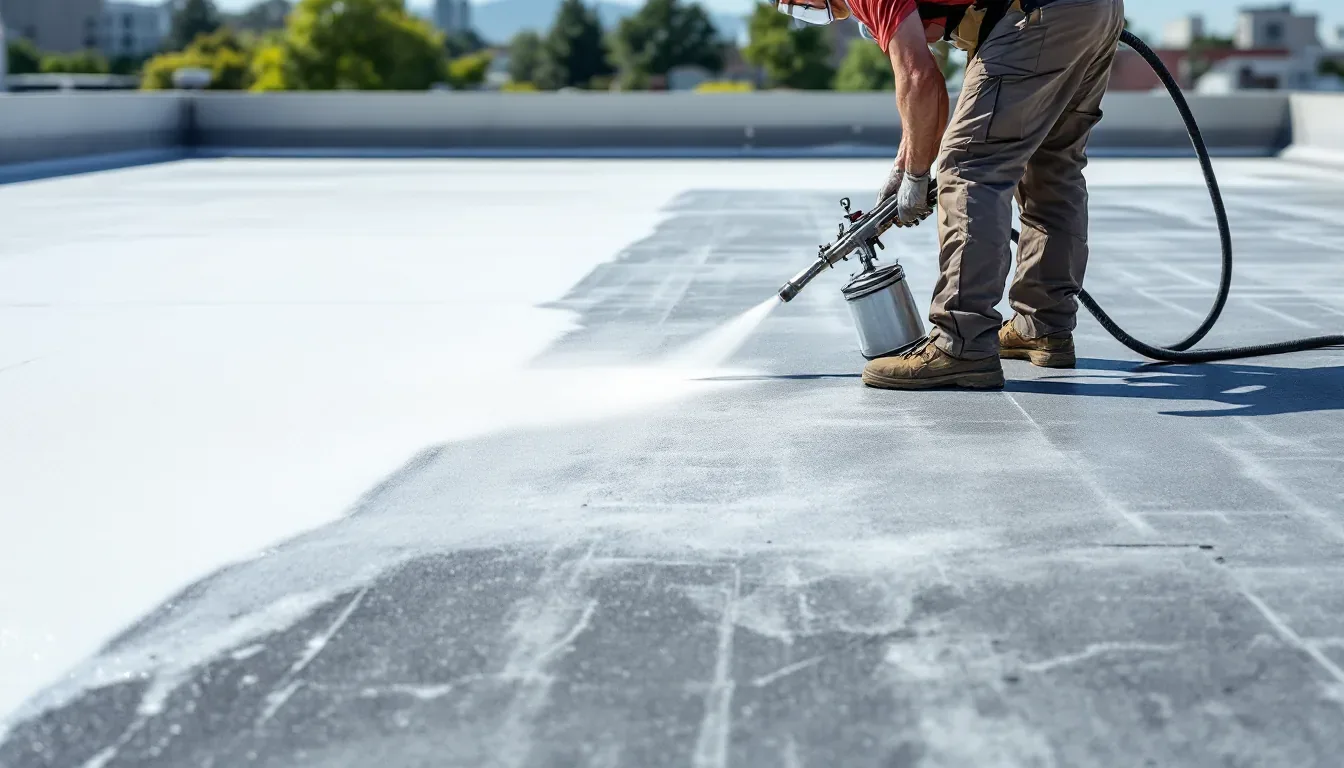
Coatings need a compatible surface, sound attachment, adequate preparation, and dry substrate. They are not a way to hide a drainage problem or failed deck. A coating restoration assessment checks adhesion and details before the owner considers that option. We state where a coating fits and where repair or replacement addresses the condition more directly.

Coordinate Roof and Site Work

Stormwater, street connectivity, and development support are active considerations in Yellowstone Square. For a building project, we confirm whether current work affects staging, site drainage, delivery access, or the order of other trades. The district covers several uses and access conditions, so confirm staging, deliveries, and roof entry with the property contact. The roofing sequence is based on verified access and the owner’s operating requirements.

When operations continue below, agree on work zones, air-intake protection, entrance routes, debris handling, and the daily weather-tight line. An occupied-building reroof sequence can record those controls before materials arrive. Managers coordinating other locations may also use the broader Idaho Falls service area or Anderson Bush district, while keeping each building’s roof record separate.

Cost and timing vary with removal depth, insulation, deck repair, number of details, equipment movement, staging, waste handling, and weather. A written scope identifies known work and how concealed conditions will be approved. After repair, planned maintenance can revisit drains, seams, edges, and repaired areas at a schedule suited to the actual assembly.

Questions About Yellowstone Square

The roof scope covers outlets, slope, membrane details, and the visible connection to site drainage. We inspect each component and separate roof repairs from any civil work that may need another contractor.

Verify the current approach, staging area, access limits, and any active road work with the property contact. We confirm these details before dispatch and follow the building’s delivery rules.

We check drains, strainers, scuppers, overflows, slope, membrane tie-ins, and nearby low areas. The notes distinguish debris clearing from damaged components or recurring ponding that may need more investigation. Photos connect each finding to a roof zone for the estimate.

The decision depends on current surface temperature, moisture, wind, and product requirements. We set a safe work boundary, protect the open area, and explain what must wait for a suitable installation window.

We look at how widespread the defects are, whether insulation or deck conditions are sound, how well the assembly is attached, and whether drainage can function. The report compares a limited repair with recover or removal and identifies testing needed before a final decision.

ServicesRoof SystemsIndustriesProperty TypesService AreasDamage RepairCapabilitiesManufacturersContactAboutRequest a Roof Assessment555-555-5555
Call us today555-555-5555