College and University Roofing in Idaho Falls, ID Serving Idaho Falls & Eastern Idaho

Coordinate college and university roof projects in Idaho Falls with phased access, equipment protection, campus scheduling, and documented assembly findings.

College and University Roofing in Idaho Falls, ID

College and University Roofing

Idaho Falls has a mean July daily high of 86.6 degrees, alongside a long season of freezing conditions. That climate range makes the campus roofing calendar a decision about both material conditions and access. We inspect seams, curbs, drains, and service routes, then set work zones that can be protected before classes, labs, or summer programs resume. An academic roof can run warmer or colder than regional air readings, so we check the building itself.

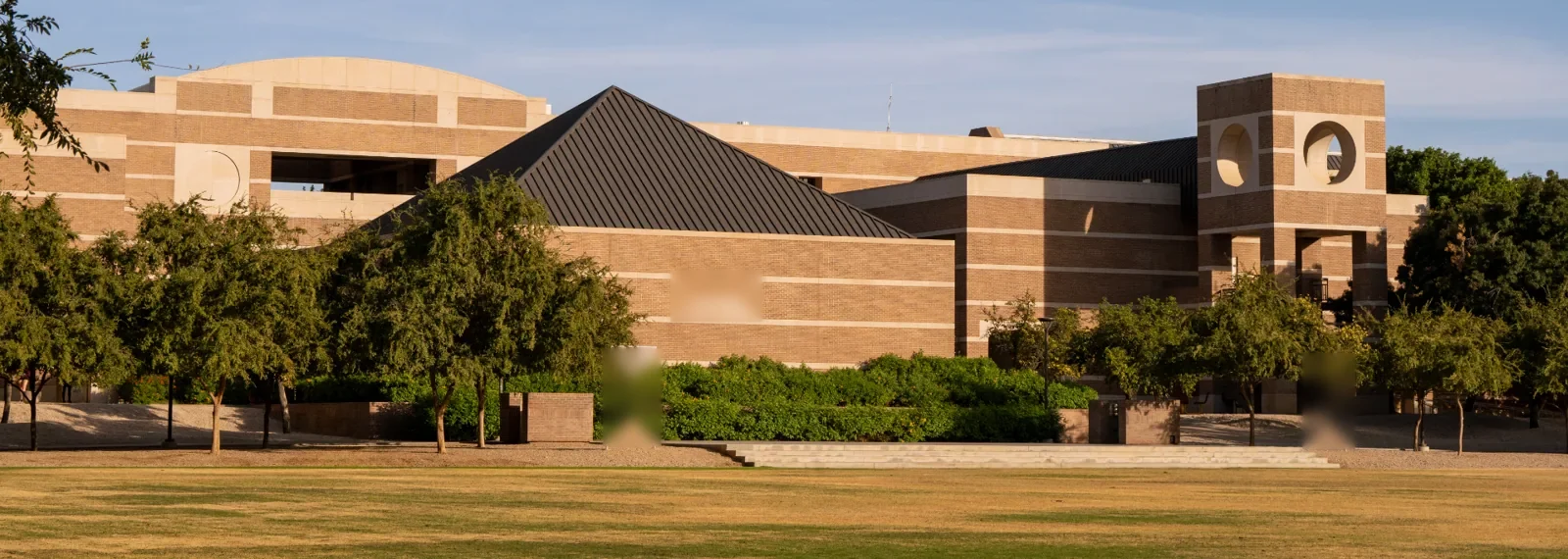
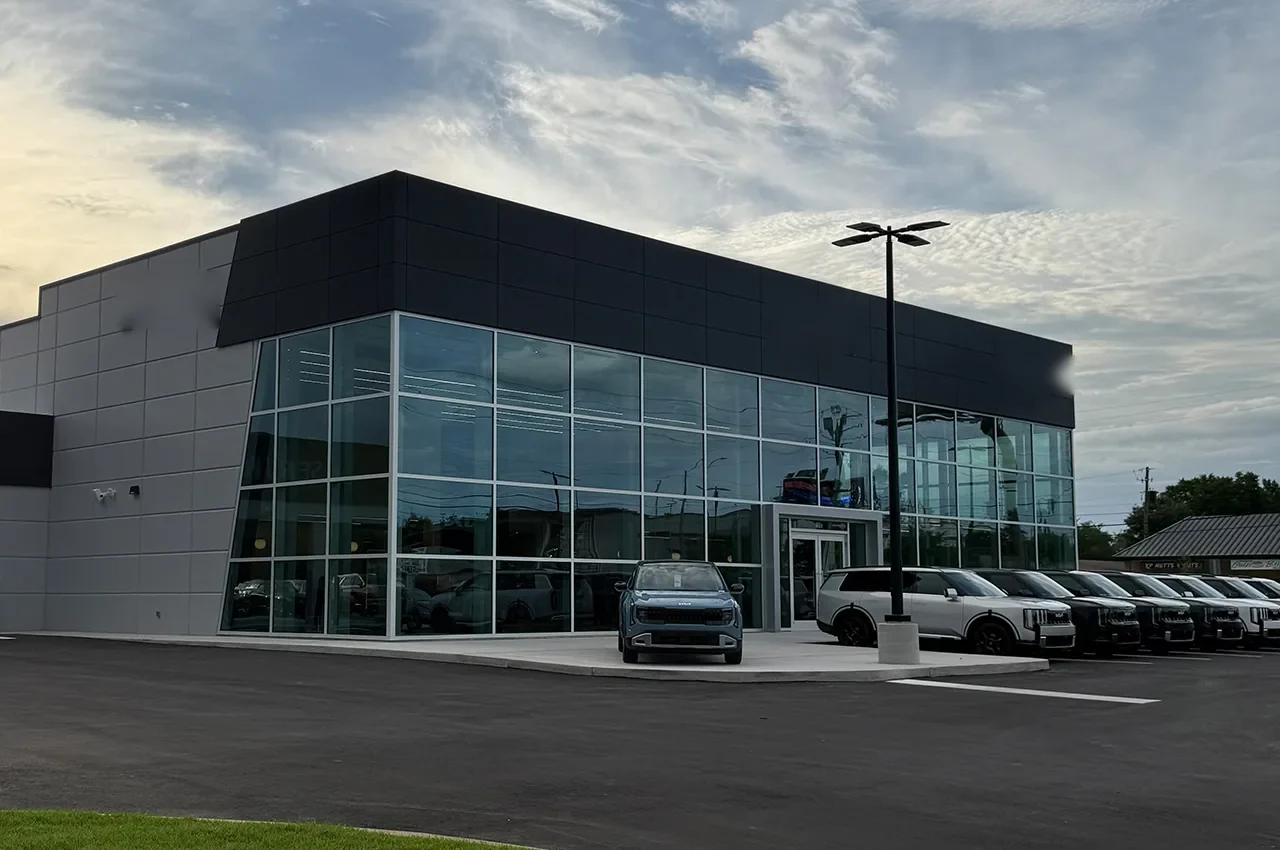
College of Eastern Idaho's campus includes mechanical, multipurpose, healthcare education, technical, classroom-laboratory, future-technology, and industry/trades buildings. Its Future Tech Building adds classrooms, advanced labs, and collaborative space. That variety means a campus roof plan has to account for each building's equipment, rooms, access controls, and use. We inspect each campus roof assembly and document its material, drainage, penetrations, and condition before recommending work.

The Rexburg North Interchange District spans multiple jurisdictions and includes commercial and industrial uses. The Rexburg Downtown District has mixed-use, retail, commercial, and office objectives. Idaho Falls industrial and mixed-use areas bring different delivery routes; campus access still follows class, laboratory, and event schedules set by the institution. We coordinate with facilities staff to map roof routes, staging, and interior protection before a section is opened.
College and University Roofing in Idaho Falls, ID

Keep Findings Separate by Building

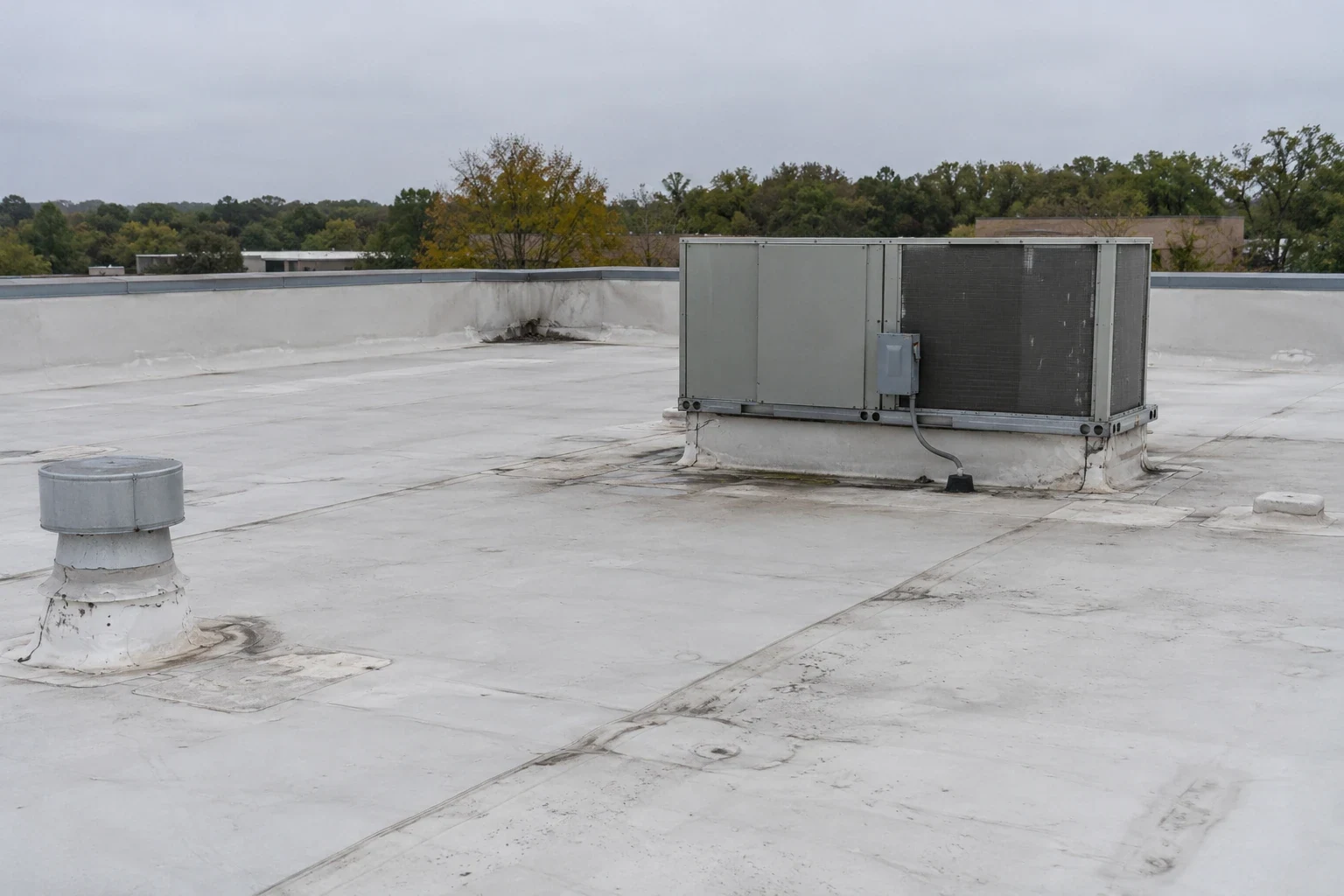
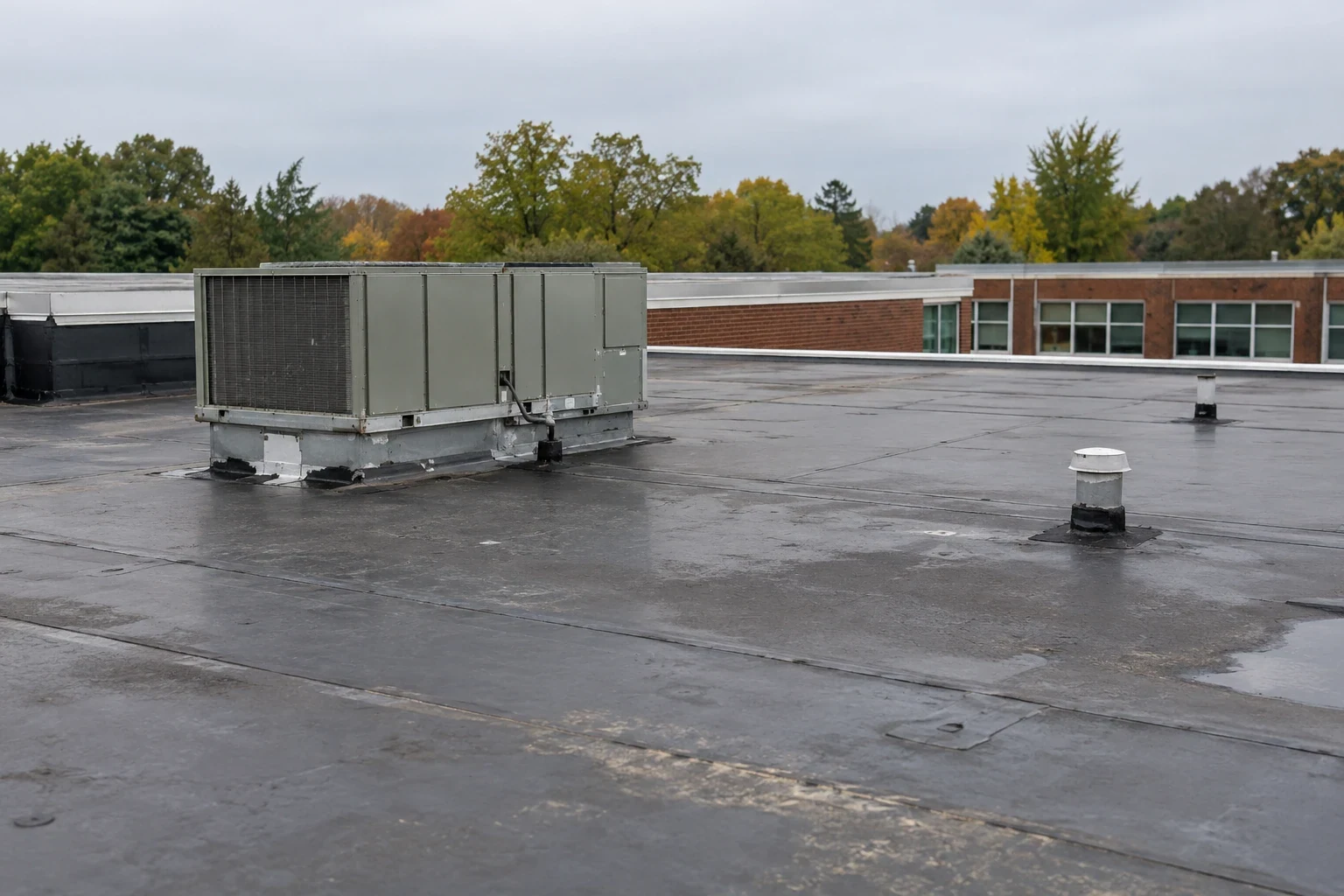
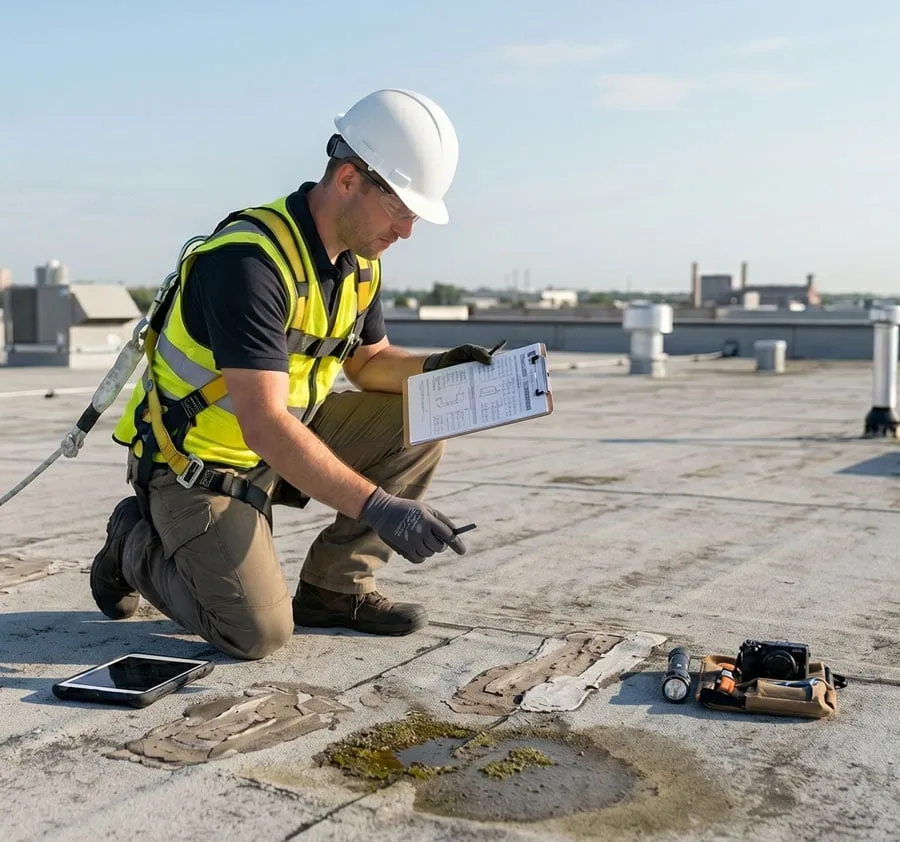
A campus may include different membrane systems, metal sections, additions, and repair histories. We identify each roof system and inspect seams, drains, curbs, skylights, and equipment supports. If an interior report points to a classroom or lab, we trace the route instead of assuming the roof above it is the source. Photos support repair and capital planning.

Where moisture beneath a membrane is suspected, testing helps establish whether wet insulation is contained or widespread. When readings suggest trapped moisture, we record the roof zones where results differ from dry material. Selective openings can confirm insulation condition before choosing a repair limit; any section that could not be examined remains an explicit unknown.

We also review drainage separately from membrane condition. A clear outlet does not solve a settled area or a damaged drain connection, and a patch at one seam may not correct overflow at another roof zone. The owner receives a list of observed problems by area, so approvals can be made without rolling every campus roof into one undifferentiated project.

Sequence Around Academic Use

Facilities staff identify class calendars, lab access, loading paths, air intakes, and rooms where noise needs coordination. We plan staging and divide work into roof sections that can be closed safely. If a campus is occupied, our occupied-building reroofing plan records work zones, interior protection, and who can approve a schedule change.

Rexburg's University Boulevard area includes planned lodging, office, retail, commercial, and industrial uses. Those plans inform regional context, while campus gates and operating rules control a specific job. For roof work near Rexburg's University Boulevard district, we confirm delivery access and staging with facilities staff.

Some work can be arranged during a term break, but the available window must fit tear-off, substrate review, installation, and closeout. A concealed deck condition may require an owner decision before the roof can be closed. We note that point in the sequence, define the temporary protection, and identify who can authorize added work without interrupting unrelated buildings.

Set Limits for the Weather Window

Idaho Falls averages measurable precipitation on 84.3 days each year, with May receiving an average of 1.57 inches. Installation conditions at the building and the selected system's requirements set the daily limit. We size the area so a crew can prepare and close it during the agreed shift instead of leaving a broad section exposed.

Annual precipitation averages 10.07 inches in Idaho Falls. That background makes temporary water control worth specifying, though the daily forecast sets the work limit. We identify a safe stop point, roof protection, and the contact who approves a restart. Winter ice can also obscure drains or make roof access unsafe, so we document whether the finding is blockage, physical damage, or a temporary condition.

Materials, academic calendars, permits, equipment coordination, and hidden conditions can move the schedule. We list dependencies and ownership decisions before work begins.

Choose Work by Assembly

A focused repair may suit a limited defect with sound material around it. Broad moisture, multiple recurring failures, poor attachment, or a damaged deck can point to larger work. A recover is an option only after confirming the current assembly is dry, stable, and able to support another layer under applicable requirements. We present the supporting observations and identify any testing that could change the scope.

For a campus scope, facilities staff and the authority having jurisdiction confirm which adopted provisions apply to the planned work. A TPO roof assembly or another system should suit substrate, drainage, penetrations, and future access. Material alone cannot correct a structural concern or blocked drain.

A campus improvement may also involve rooftop equipment or a change in building use. We document curbs, flashing, and supports that need coordination with mechanical or construction teams. Compare school roof planning for class-day and summer break scheduling, while office building roof work covers tenant routes and shared building services. Each facility retains its own roof-specific scope.

Build a Campus-Wide Budget Record

Cost depends on the roof system, removal depth, wet insulation, deck repair, drainage, edge details, access, and the number of penetrations. A lab or classroom may also need interior protection or a planned equipment shutdown. We separate those known items from concealed-condition allowances and show supported alternates by building area. This helps ownership compare phased repairs with a broader renewal plan.

Timing changes when the work must fit between terms, coordinate with building renovations, or preserve access to active spaces. We identify the daily work boundary and the approval point for hidden conditions. If a leak needs immediate attention, a commercial roof repair scope can be separated from future replacement. A written roof condition report can help facilities staff carry the findings into the next capital review.

For campus roofs in Idaho Falls or Rexburg, the closeout should record completed areas, remaining concerns, photos, and any section not reached. A maintenance program can revisit drains, seams, and exposed flashing across the planned portfolio. The report remains specific to each assembly even when ownership manages several buildings.

Questions About College and University Roofing

A term break can help if it is long enough for the assembly, access, material delivery, and any substrate repairs. We define daily closure limits and identify which findings could require owner approval. If the inspection points to uncertain deck conditions, the sequence should include time to address them rather than rely on a fixed finish date.

Each report separates assembly conditions by building and roof area. That keeps system type, moisture, drainage, access, and repair history distinct. Ownership can compare urgent corrections with planned renewal without applying one building's conditions to the rest of the campus.

Facilities staff set access and operating restrictions. We coordinate staging, noise, air-intake protection, and any work near equipment or sensitive rooms, then divide the roof into closable sections. Name the facilities contact who can approve a schedule change when a class, laboratory, or event needs the roof area kept clear.

Curbs, drains, exhausts, skylights, seams, and addition transitions need inspection. Interior signs are compared with slope and assembly conditions because water can travel before appearing in a room. Testing helps establish whether insulation or deck repair is part of the scope.

Widespread moisture, recurring failures, weak attachment, or deck damage may justify replacement. A localized defect with sound surrounding layers can remain a repair candidate. We document the affected area, the evidence, and any needed testing so ownership can set priorities by building.

ServicesRoof SystemsIndustriesProperty TypesService AreasDamage RepairCapabilitiesManufacturersContactAboutRequest a Roof Assessment555-555-5555
Call us today555-555-5555