Commercial Roofing in Pancheri East Bank, Idaho Falls, ID Serving Idaho Falls & Eastern Idaho

Roofing in Pancheri East Bank begins with an inspection of the actual assembly, drainage, access, and coordination needs for planned work.

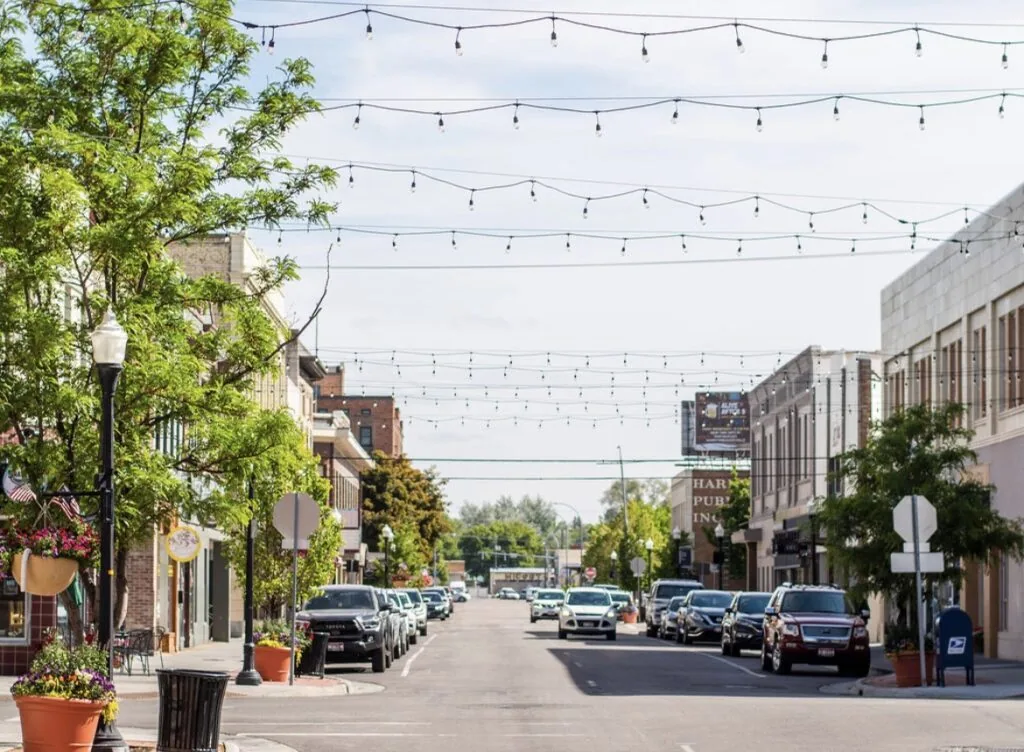
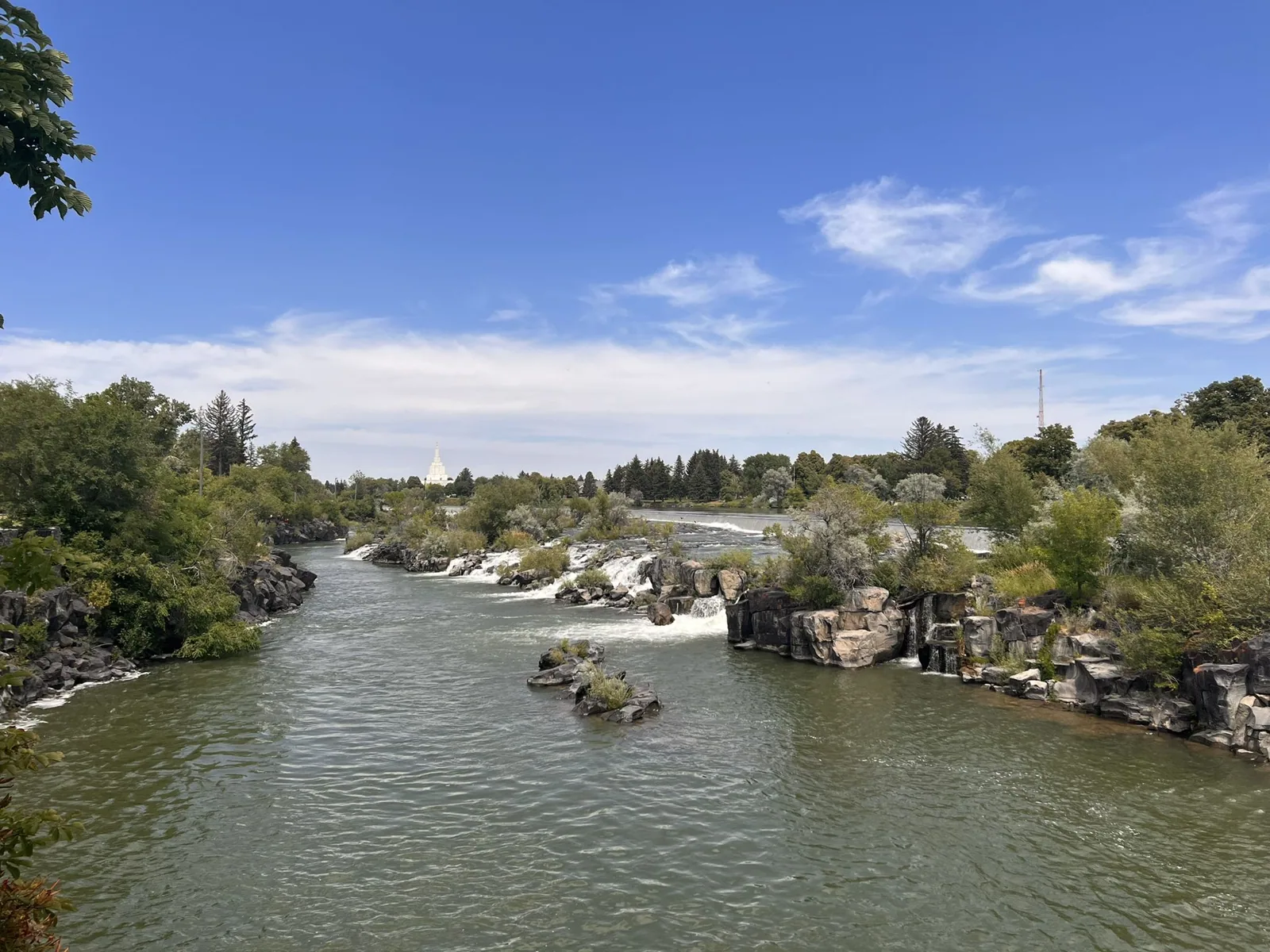
Pancheri East Bank in Idaho Falls, ID

Pancheri East Bank

A roof that must stay weather-tight through a redevelopment schedule needs a scope that starts with the existing assembly, not the district history. Pancheri East Bank is an Idaho Falls urban renewal district created in 2022. Idaho Falls approved the district in November 2022 and finalized an owner participation agreement in January 2023. For a manager planning property work here, that timeline makes coordination worth discussing, while the building inspection still controls every roofing recommendation.

Idaho Falls averages record 182.2 annual days with minimum temperatures at or below freezing. Cold can affect preparation and material application, so a roof opened for repairs needs a dependable daily closure plan. We document the finding and sequence the work around current site conditions.
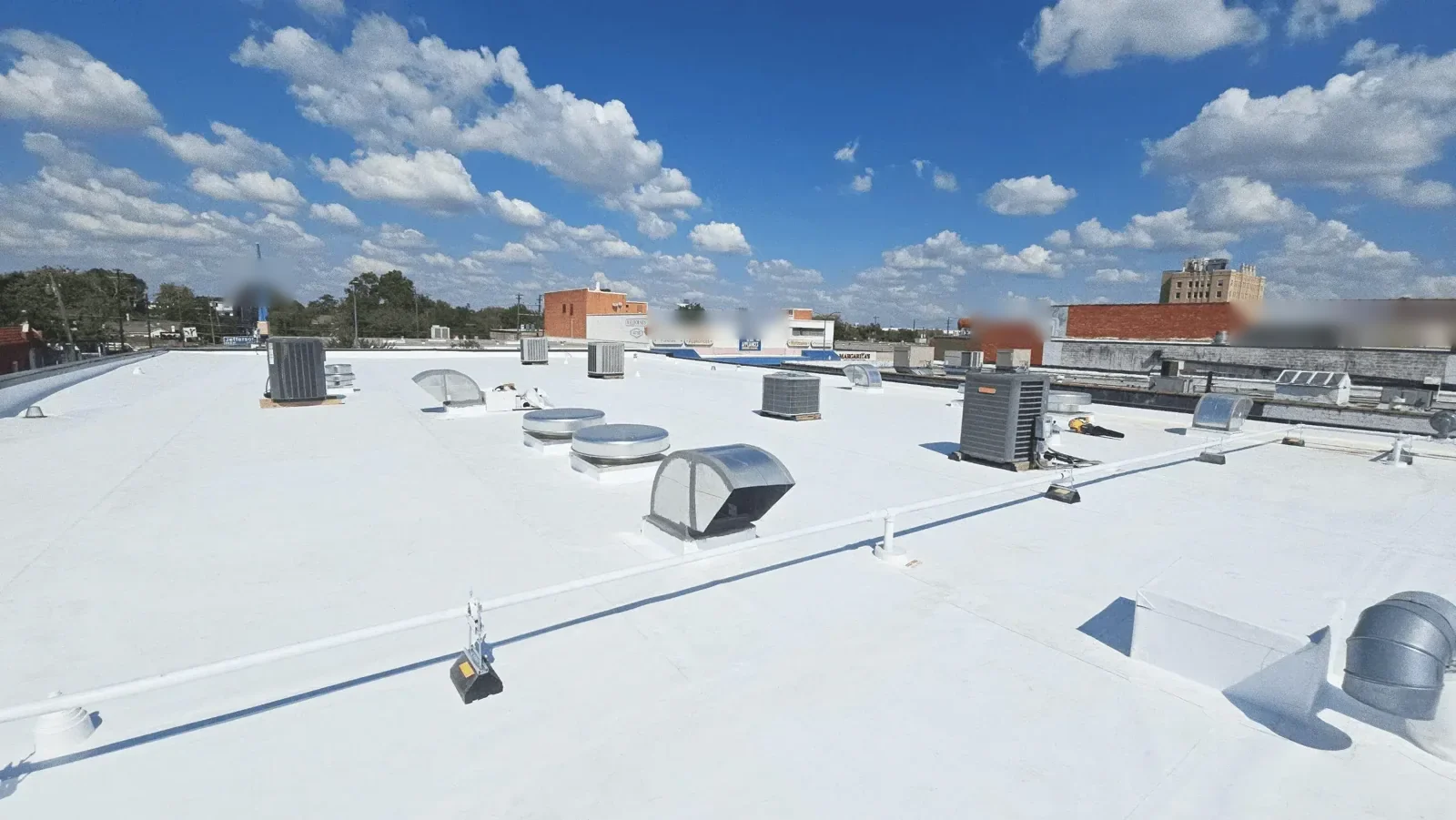
Pancheri East Bank in Idaho Falls, ID

Separate District History From Roof Evidence

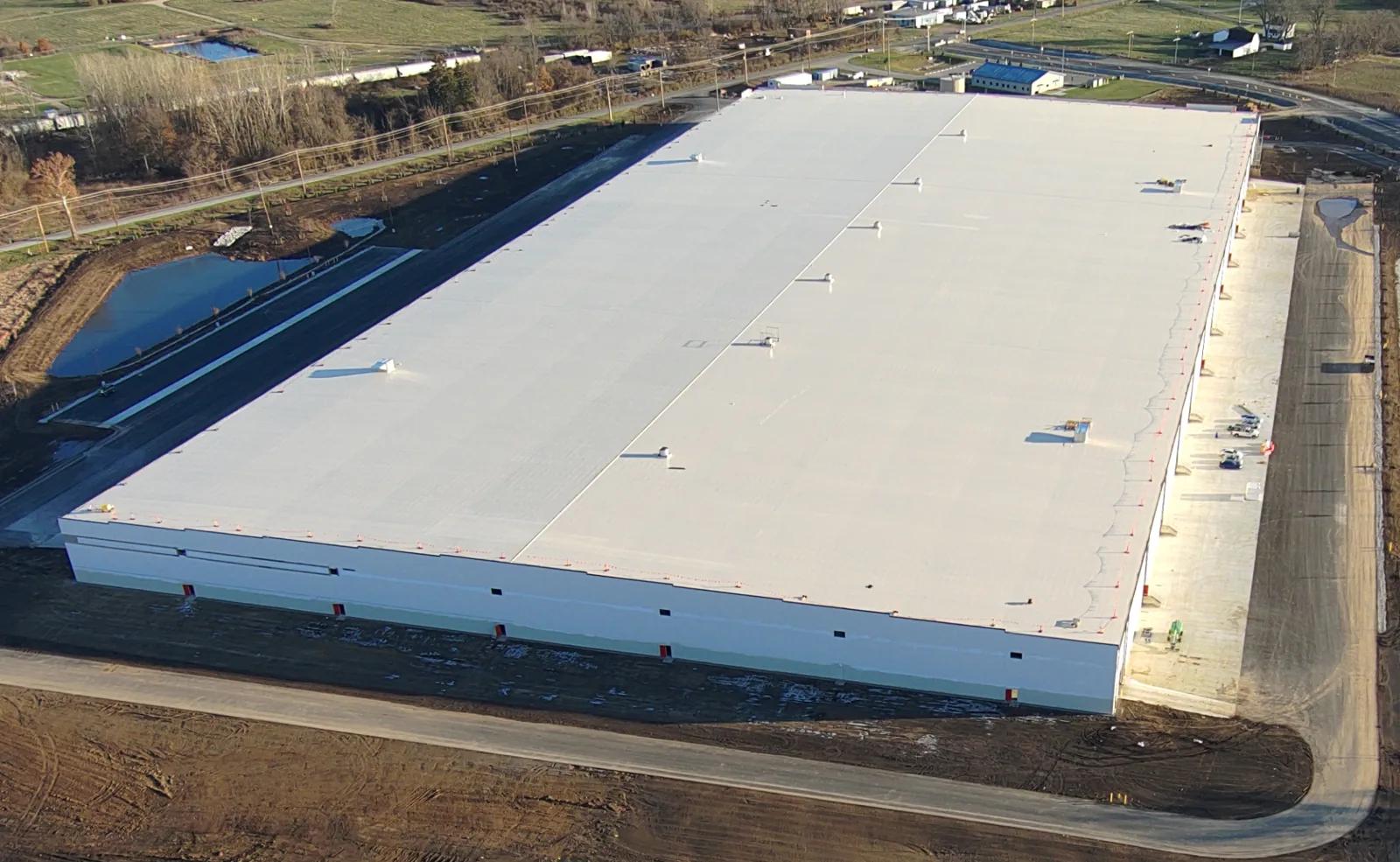
A former plant building was demolished, and hotel plans were under review in 2023. Newer and existing buildings sit within the broader area; verify current occupancy, roof system, and construction status with the property contact. We inspect the property under consideration and record its present conditions, what must be protected, and which items remain design or construction questions.

The Pancheri East Bank district term runs through 2042. Renewal status can make project coordination relevant, but it does not dictate the roofing scope. We confirm access, staging, drainage, rooftop equipment, and the sequence for other trades. If utility or mechanical work will touch the roof, the estimate identifies responsibilities and the flashing inspection needed after that work.

A roof survey divides the surface into zones and labels seams, penetrations, edges, drains, prior repairs, and areas needing testing. The commercial roof inspection describes observed conditions rather than inferring age or assembly from past property use.

Build the Sequence Around Active Work

Redevelopment can link roof access, mechanical equipment, drainage, deliveries, and occupancy. We confirm open routes and other-trade schedules with the site contact. The daily plan names the roof zone, dry-in point, material handling, and temporary protection. An occupied-building roofing sequence keeps the work zone clear to building staff.

A replacement or addition may need a project-specific code review. Idaho Falls references the 2018 building, existing-building, and energy codes. We state the roofing work and coordinate assembly information with the design team instead of assuming repair, recover, and replacement share identical requirements.

Drain, scupper, overflow, or slope changes can affect insulation, flashing, and tie-ins. We check the route from roof field to outlet and note debris, deformation, or recurring ponding. A drainage repair scope separates cleaning and repairs from a broader design question.

Find the Cause Before Covering It

Interior staining may start near a seam or flashing, but the mark alone does not locate the defect. We trace upslope, check penetrations and equipment curbs, and compare the membrane with interior signs. Water can travel through insulation before appearing inside. If the evidence is inconclusive, a moisture survey or selective opening may improve the repair plan.

We check attachment, contamination, seam integrity, edge metal, and prior patches. A local repair can work when the adjacent material is sound and compatible. Wet or loose substrate may require removal, drying, deck correction, or another assembly decision.

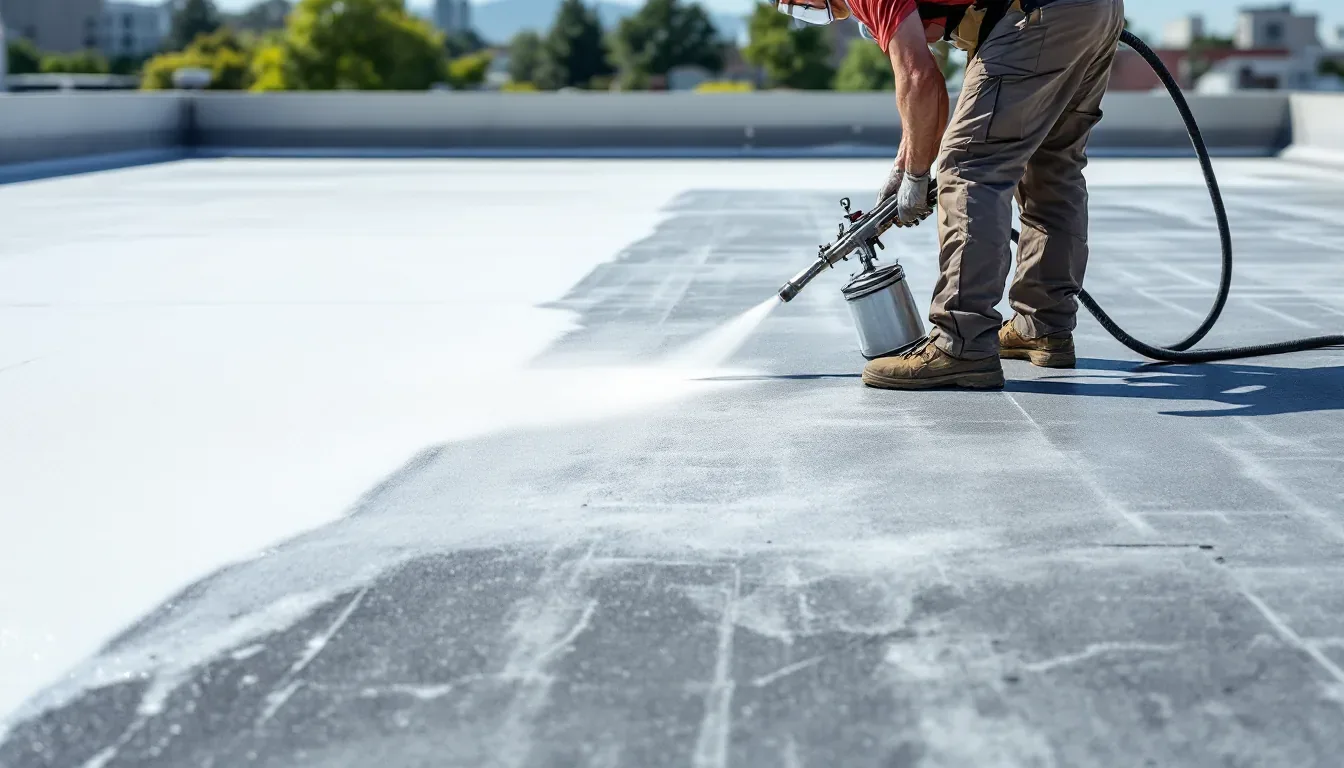
A coating needs a compatible, clean, dry surface; it cannot make weak attachment or concealed moisture sound. The coating restoration evaluation checks preparation, adhesion, flashing, and drainage before we recommend it.

Protect the Work as Conditions Change

Idaho Falls averages put the January mean at 20.4 degrees Fahrenheit and July mean daily high at 86.6 degrees. Before work, measure roof temperature and moisture, check wind and the live forecast, and set a boundary the crew can close safely. Cold affects membrane handling and adhesion; hot surfaces affect movement and application. We set the open area using actual temperature, wind, moisture, and product requirements, then secure it at closeout.

May precipitation averages 1.57 inches, Idaho Falls highest monthly average. Set the daily dry-in limit using the current forecast and roof conditions before removal begins. A property with active water entry can request emergency response at any hour, including holiday and weekend periods. We confirm safe access, control water where practical, and list the permanent follow-up.

Winter checks cover edges, penetrations, and seams exposed to meltwater before temperatures fall again. A snow and ice damage review records seasonal measures separately from permanent repairs.

The inspection record should show which zone can be opened, the temporary closure detail, and the point at which the crew must stop if conditions shift. A redevelopment schedule can change, so access and other-trade dependencies should be reconfirmed before the work area is exposed. The estimate separates those coordination items from the roof repair itself.

Choose a Scope That Matches the Project

Repair, recover, and replacement solve different conditions. A repair fits a limited defect with sound surrounding material. Recover needs a dry, attached assembly and compatible system. Removal exposes concealed layers and deck but adds disposal and sequencing. We explain which findings support each path and what needs testing.

For a new assembly, we identify membrane or metal, insulation, cover board, attachment, perimeter securement, flashing, and drainage. A replacement proposal shows those elements and concealed-damage allowances. Cost and timing also depend on equipment, occupancy, delivery, staging, weather, and daily closure limits.

We photograph each zone, list repair priorities, and note uncertain findings for capital review. A written condition record can connect planned repairs to a larger project; maintenance can revisit drains, edges, and tie-ins after the work. Photos should identify the same roof zones used in the estimate, so ownership can compare completed repairs with items held for a later phase.

Keep the Next Decision Clear

A former plant building was demolished, and hotel plans were under review in 2023. Plans and site conditions change, so our scope describes the current roof and the owner’s stated project sequence. That keeps the record useful as design and occupancy evolve.

Managers coordinating across Idaho Falls can use the same inspection method in River Commons or Eagle Ridge, while each property keeps its own photos, findings, access rules, and estimate. A preventive maintenance plan can track repaired details at an agreed interval.

Questions About Pancheri East Bank

It provides district context only. A former plant building was demolished, and hotel plans were under review in 2023. Confirm current construction and inspect the roof assembly at the building before extending a scope from one nearby project. We inspect the current property and base the scope on observed conditions.

Yes, after responsibilities and sequence are confirmed. We identify rooftop equipment, penetrations, drainage, access routes, and the details that another trade may disturb. The roofing scope states who handles disconnection or support and calls for a flashing check after the related work is complete.

A recover needs a secure, dry, compatible existing assembly that can support the proposed system within applicable limits. Moisture, weak attachment, deck damage, or unresolved drainage can point toward selective removal or replacement. We document the checks behind the recommendation and identify any testing still needed.

We set roof zones, daily closure points, debris controls, entrance routes, and air-intake protections with the property manager. The sequence notes which spaces remain in use and how conditions will be communicated. Site-specific operating needs determine the work plan.

Removal depth, insulation, deck repair, flashing count, equipment coordination, access, staging, disposal, and weather all affect the scope. We list known work and allowances separately, then explain how concealed conditions are approved if they appear after opening. That gives ownership a clear basis for scheduling and budget review.

ServicesRoof SystemsIndustriesProperty TypesService AreasDamage RepairCapabilitiesManufacturersContactAboutRequest a Roof Assessment555-555-5555
Call us today555-555-5555