About Commercial Roofing Idaho Falls A Local Commercial Roofer for Idaho Falls & Eastern Idaho

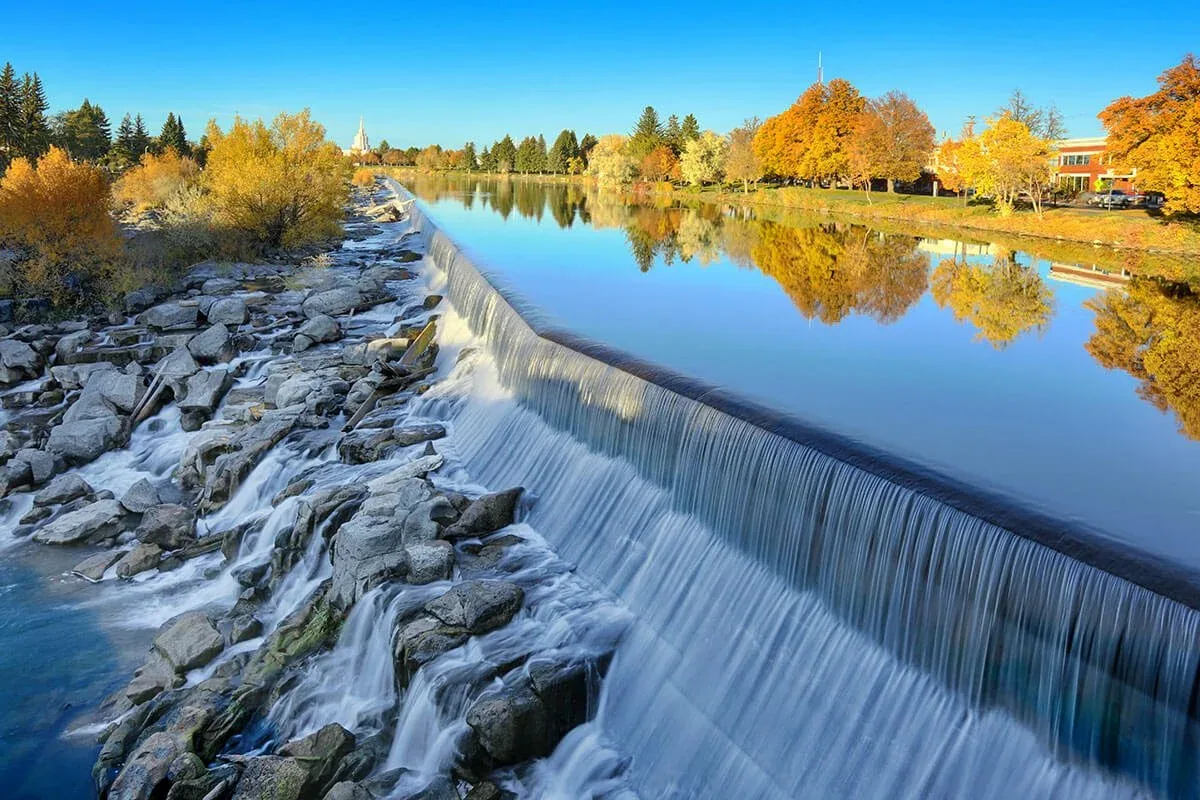
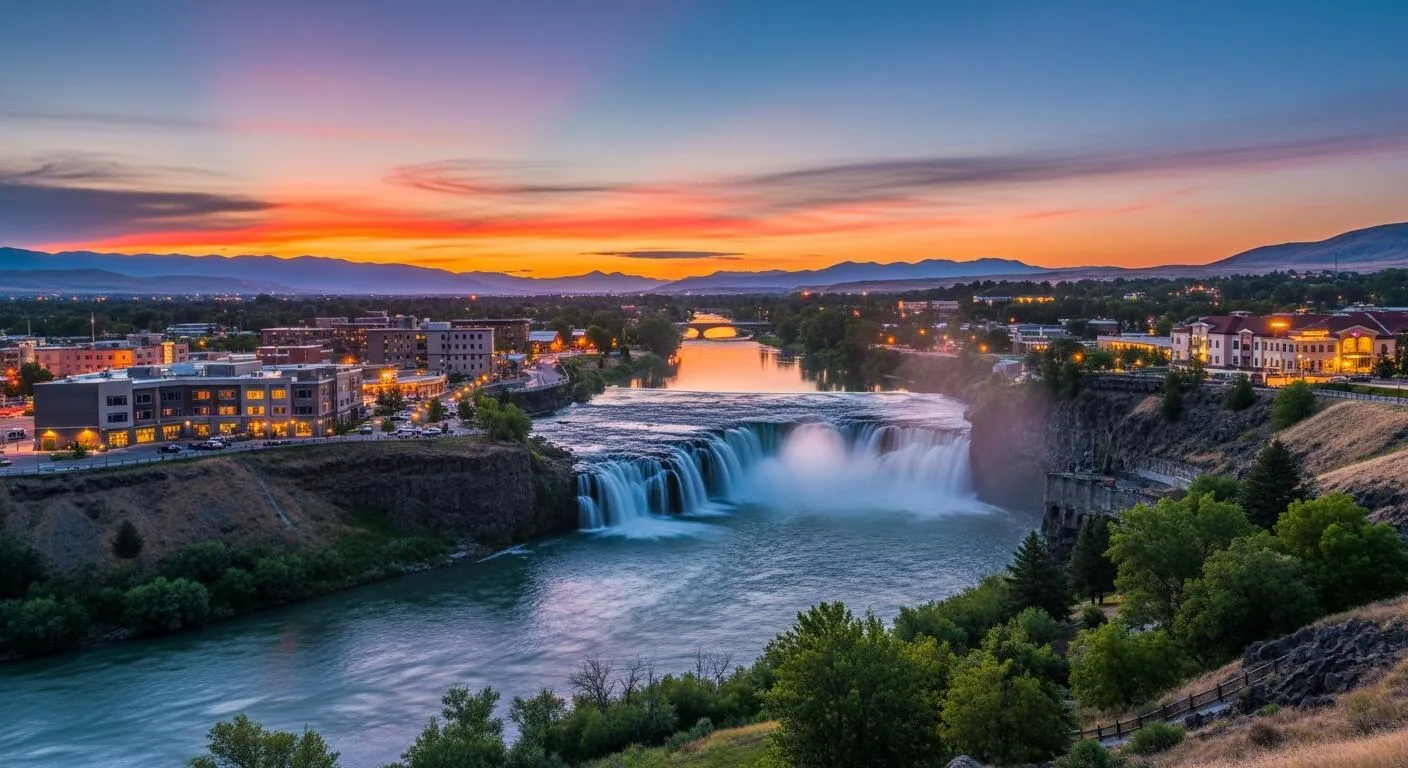
Idaho Falls at sunset

Who We Are

Zero-degree minimums occur on 14.7 days in the Idaho Falls climate averages, while May averages 1.57 inches of precipitation. Those Idaho Falls measures put attention on freeze-season details and the spring work window. The roof itself, not a climate average, tells us whether seams, flashings, drainage, or insulation need action.

Commercial Roofing Idaho Falls repairs, replaces, recovers, restores, coats, inspects, and maintains low-slope and metal commercial roofs. A hands-on roof inspection begins with the visible system, seams, flashings, edges, curbs, penetrations, outlets, rooftop equipment, and interior signs. The goal is a documented finding that tells ownership what is known, what remains uncertain, and which decision should come next.
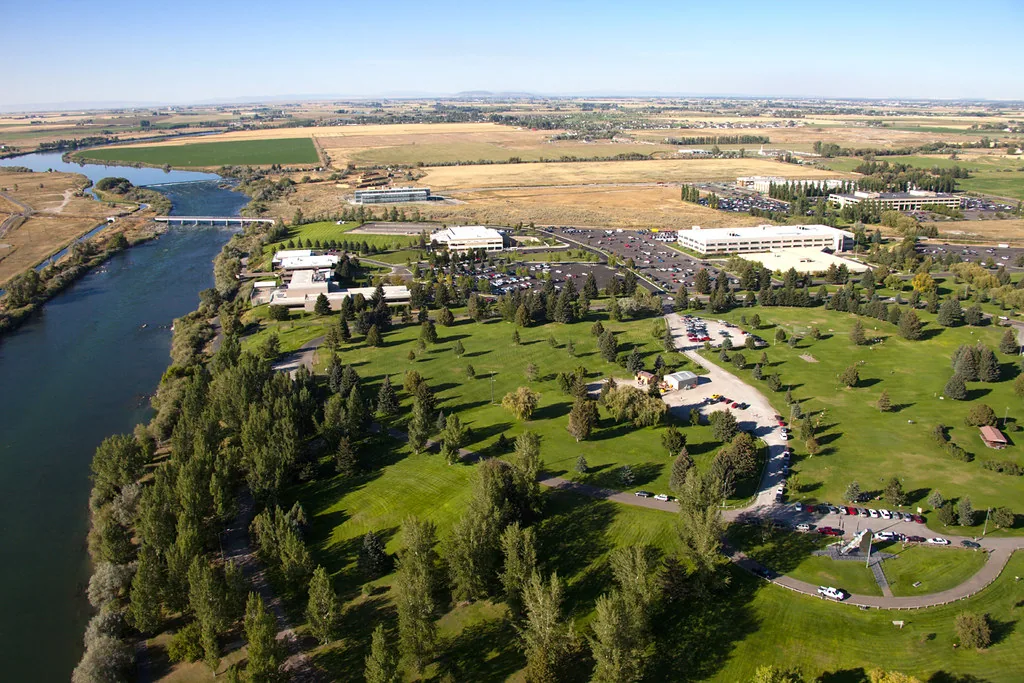
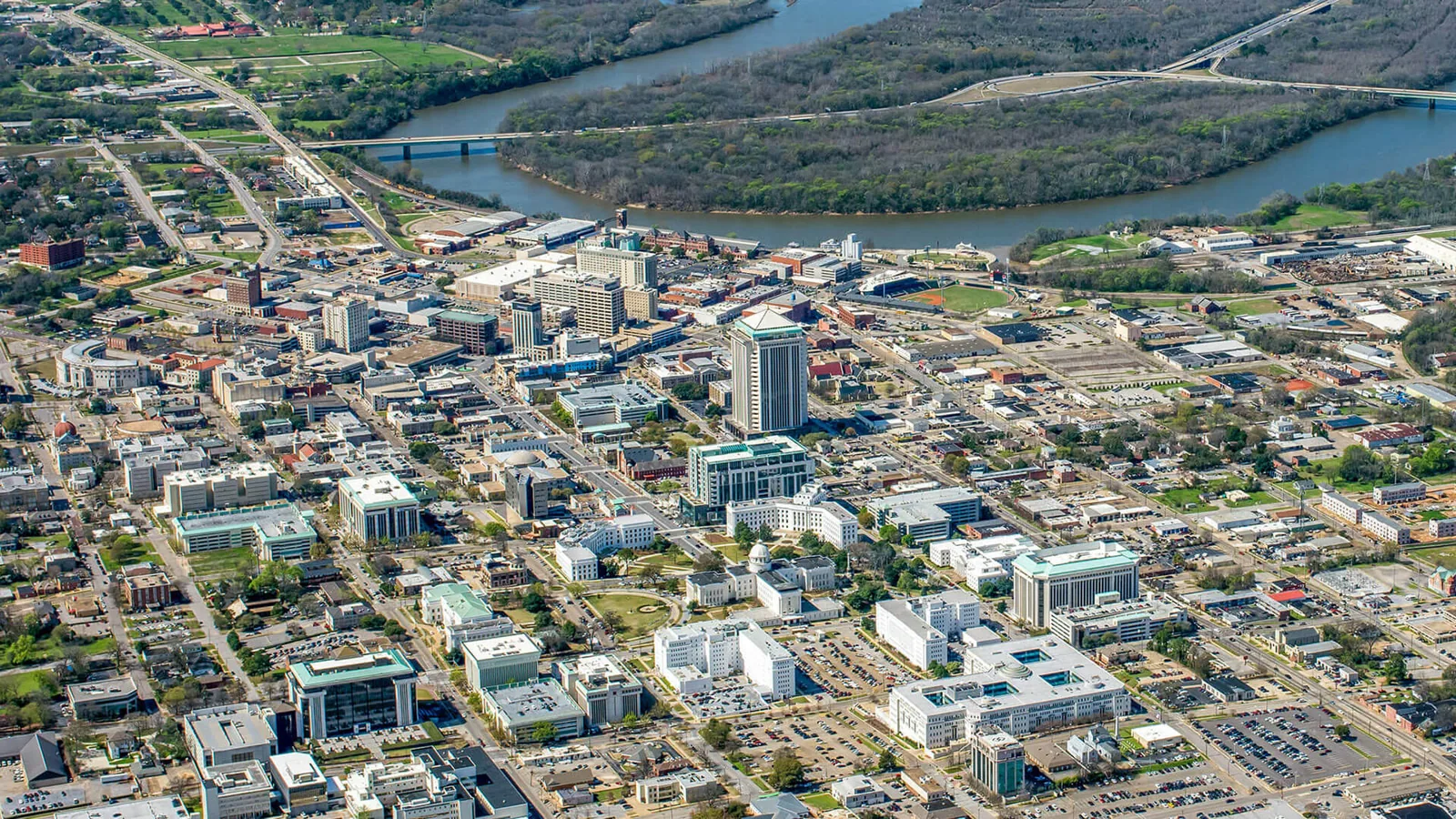
Idaho Falls business district along the Snake River

Connect the Interior Sign to the Roof

A leak path can run laterally through a roof assembly before it becomes visible indoors. We compare the reported area with the roof’s seams, wall transitions, curbs, penetrations, outlets, and repair history. When inspection leaves more than one plausible entry point, targeted moisture testing or a controlled opening can narrow the affected zone. The report labels observed damage and unresolved questions separately.

Active water entry can receive emergency response around the clock, holidays included. We confirm safe access, protect the affected area where conditions permit, and document temporary water control separately from permanent repair. A commercial leak repair should identify the detail being corrected and any testing or drying needed before the assembly can be closed.

Drainage gets its own review. We check the outlet, strainer, overflow path, adjacent membrane, and roof surface feeding the drain. A blockage may need maintenance; repeated ponding can involve slope, insulation, or deck conditions. The recommendation states whether a local correction is supported or more investigation is needed.

Match Materials to the Assembly

System choice follows what is installed, the roof’s shape, project design, and the condition of the substrate. We work with TPO, PVC, EPDM, KEE, modified bitumen, built-up roofing, standing-seam and retrofit metal, spray foam, and silicone or acrylic coatings. Each system has its own seams, attachment, flashing, preparation, and repair materials. We verify compatibility at transitions and additions rather than assuming that one label describes the whole roof.

A TPO assembly needs its heat-welded seams and perimeter details evaluated. Metal roofs call for attention to panels, fasteners or clips, movement, penetrations, and edges; a retrofit approach also depends on deck and framing conditions. Coatings require a compatible, prepared surface and a substrate suitable for application. None of those options corrects trapped moisture or a weak deck by itself.

A recover evaluation checks moisture, attachment, compatibility, and project limits before comparing a new layer with removal. Replacement can address a broader assembly, but the scope must identify insulation, membrane or metal, edge and penetration details, drainage, access, and the process for approving concealed repairs. We separate a repair that stops water now from work that can be planned with other building projects.

Plan the Work Around the Building

Roof work has to fit the property’s operating conditions. We confirm entrances, deliveries, staging, rooftop units, air intakes, interior contacts, and work zones before setting a sequence. An occupied-building plan identifies how much roof can be opened and secured during a shift, where temporary barriers go, and which trade must finish a curb or service line before final flashing can be inspected.

Idaho Falls serves healthcare, retail, restaurants, travel, business, education, and industrial activity. Idaho Falls includes manufacturing, storage, warehousing, wholesale distribution, and rail-related activity. College of Eastern Idaho includes classroom, laboratory, healthcare-education, technical, and industry/trades buildings. Those facts point to different coordination questions, not a common roof construction. We ask the property contact about current use and inspect the actual system.

For research and institutional work, Idaho National Laboratory’s in-town Research and Education Campus includes offices, laboratories, and national-security facilities. The work plan for any property depends on its own access and operating rules. We document restricted areas and identify whether the owner needs additional coordination before the crew mobilizes.

Work Across Distinct Commercial Areas

Downtown and South Downtown form an integrated Idaho Falls core area. Planning also treats the Warehouse District as a downtown subarea, while Snake River Landing is a master-planned area with offices, dining, homes, and event venues. For a roof in the Warehouse District or Snake River Landing, the building’s assembly and access set the repair boundary.

Regional service also reaches communities such as Rexburg and Shelley. Reports remain property-specific. Even when buildings face the same weather, each roof needs its own system record, leak history, and maintenance priorities. We preserve separate photographs and recommendations so managers can compare locations without carrying an unverified condition between them.

The project team should confirm permit and inspection requirements before changing an existing roof assembly. The property’s design team confirms which requirements apply to the proposed work. Our scope describes the roof assembly and changes under consideration, then identifies any structural, permit, or trade question that needs a separate answer.

Leave a Record That Holds Up Over Time

After a repair or reroof, closeout should identify the areas completed, material used, photographs, access restrictions, and conditions left for follow-up. A maintenance visit preserves a current record of the inspection, repairs completed, and any item left for observation. The next review can compare photographs and zone labels with the new roof condition.

For an owner managing several buildings, condition records can support work orders and capital planning. We distinguish immediate water control from permanent repair, maintenance from replacement, and confirmed findings from items requiring more testing. The estimate lists removal depth, insulation or deck work, flashing, equipment handling, staging, disposal, and weather as cost or timing factors. If opening the roof reveals a different substrate or wet material, the owner receives the finding before the scope expands.

The result is a practical record for a facility manager, property manager, asset manager, or general contractor. It supports a near-term decision while keeping longer-range work visible for the next budget review. The recommendation follows the inspected roof, not an assumed age, property type, or citywide condition.

Questions About Commercial Roofing Idaho Falls

We review accessible roof areas, identify the system where possible, check seams, edges, flashings, penetrations, drains, equipment, and compare those details with interior signs. The written record includes photographs, roof-zone labels, access limits, and next steps.

Yes. Inspection can compare a repair, recover, or replacement path by documenting moisture, attachment, drainage, substrate, and detail condition. We state what supports each option and what testing or design input remains open.

Emergency response is available at any hour, including weekends and holidays. We confirm safe access, apply temporary water control where conditions allow, and document the permanent repair separately so the owner can see what remains.

Removal depth, access, equipment, staging, trade coordination, weather, and the amount of roof that can be closed in a shift all affect timing. We identify the work boundary and secure end-of-day condition before opening the assembly.

Idaho Falls averages 182.2 freezing-minimum days a year and a July mean daily high of 86.6 degrees. At each property, inspect the roof and use current weather and system limits to set the work window. They help with regional seasonal context, while the site’s roof surface, current forecast, material instructions, and access conditions govern work planning.

ServicesRoof SystemsIndustriesProperty TypesService AreasDamage RepairCapabilitiesManufacturersContactAboutRequest a Roof Assessment555-555-5555
Call us today555-555-5555