Apartment Roofing in Idaho Falls, ID Serving Idaho Falls & Eastern Idaho

Plan apartment roof repairs and replacement around occupied units, shared access, drainage, and the needs of Idaho Falls property teams.

Apartment Roofing in Idaho Falls, ID

Apartment Roofing

An apartment roof serves more than the rooms directly below it. A leak can affect a shared stairwell, a top-floor unit, electrical equipment, or a route residents use every day. We start by finding the roof assembly, tracing reported water, and noting how residents and maintenance staff move through the property. The resulting scope gives ownership a practical sequence for repair or renewal.

Northgate Mile and 1st Street mix housing with businesses and public services, while Snake River Landing includes residences, offices, dining, and event venues. Those broad settings help frame local property needs, but an individual building still determines access, drainage, and work limits. We verify roof conditions at the property instead of assuming that nearby development shares its construction or maintenance history.

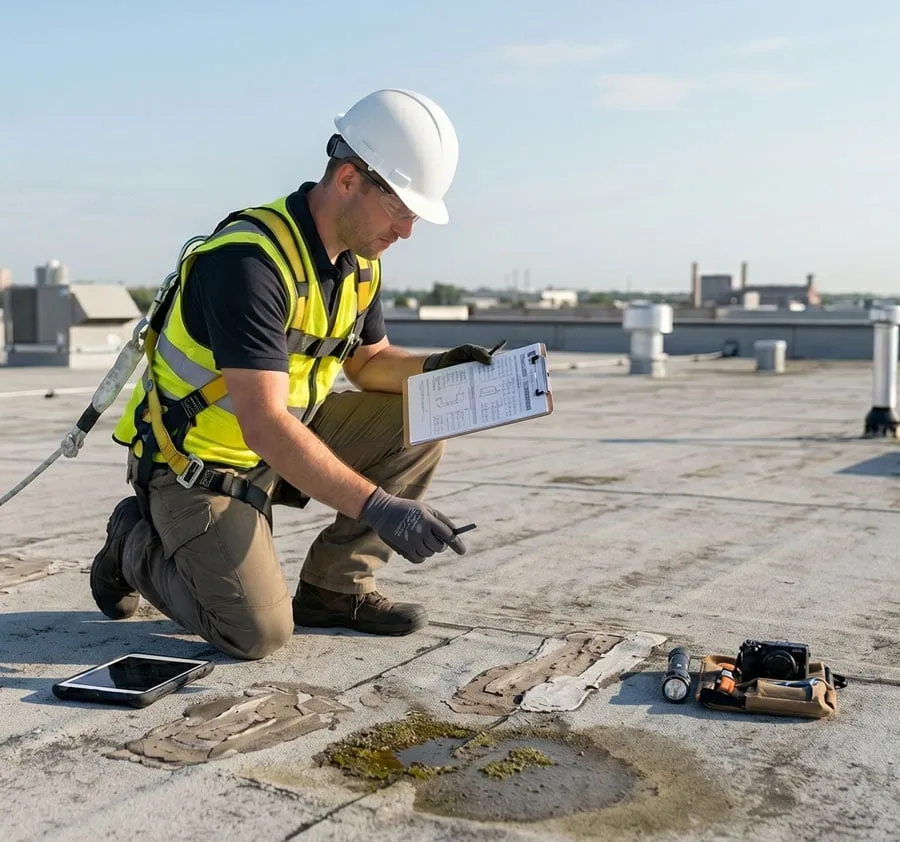
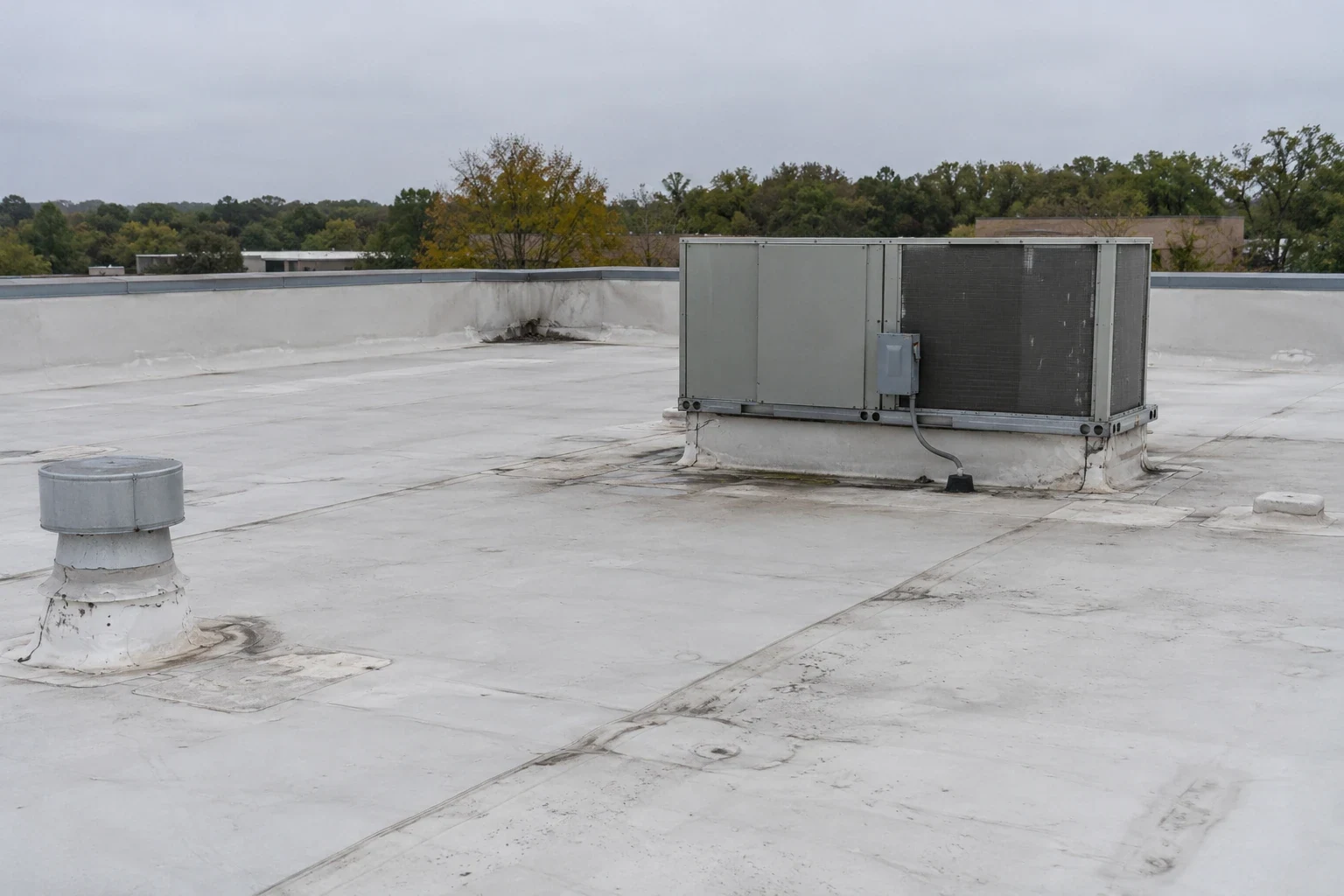
Inspection covers membrane or other roof covering, seams, penetrations, parapets, drains, scuppers, and transitions at walls and equipment curbs. We compare roof evidence with interior reports and identify areas that need testing. The written scope distinguishes confirmed defects from concealed conditions before work begins.
Apartment Roofing in Idaho Falls, ID

Trace the Water Path

A ceiling stain is a useful clue, but it may sit some distance from the opening above. Water can travel along a deck, beneath insulation, or beside a pipe before becoming visible. We inspect the likely roof zone and neighboring details, then record the route that appears consistent with the evidence. Photos and notes let the property team compare the finding with a unit or common-area report.

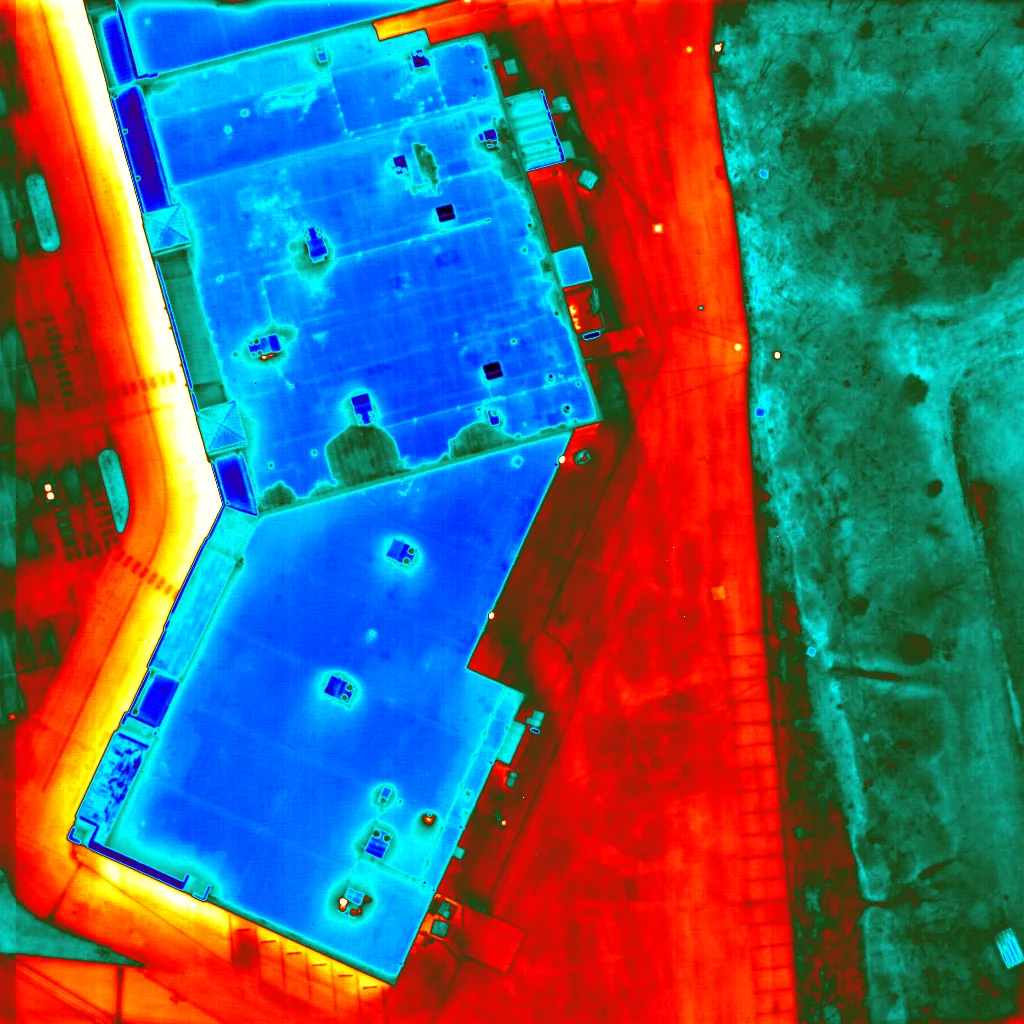
We look for open seams, aged patches, loose termination, damaged flashing, ponding, and outlets that do not drain freely. Curbs and pipe penetrations need particular attention where sealant or flashing has been disturbed. When moisture may extend under the covering, an infrared moisture survey can help locate suspect areas under suitable conditions. Testing and any limits on access are explained before a larger section is opened.

Inspection also considers the roof's edge and the way water leaves the building. We follow low points to drains or scuppers and check whether the surrounding flashing is secure. A repair that closes one seam but leaves a damaged outlet connection can leave the underlying path unresolved. The recommendation identifies the defect, the proposed boundary, and any adjacent detail that should be monitored.

Plan Work Around Occupied Homes

Before staging begins, we coordinate with the property contact on resident notices, parking, service access, entrances, and any area that must remain clear. The manager can identify quiet periods, maintenance access, and routes used by residents with mobility needs. We then place material and debris handling where they do not unnecessarily interfere with those paths.

A phased occupied-building reroofing plan can define the active roof zone, daily closure boundary, and person authorized to approve an access change. Temporary tie-ins are part of the sequence, not an assumption that an unfinished area can remain exposed. If a concealed deck condition changes the work, the owner receives the finding and scope before that section is covered.

Northgate Mile and 1st Street brings housing, employment, businesses, and public services together in mixed-use nodes. South Downtown Idaho Falls is part of an integrated city-core district with Downtown Idaho Falls. We confirm delivery access, resident communication, service routes, and staging with the apartment property manager before work begins. For Northgate Mile and 1st Street area projects, that conversation sets the practical work sequence.

Account for Idaho Falls Weather

In Idaho Falls, overnight lows reach freezing or below on about 182 days in an average year. A roof surface can vary from the regional air temperature. Freeze and thaw conditions make drainage, flashing, and temporary protection important parts of an inspection. We consider the selected materials' installation requirements and current conditions when setting a work area.

Idaho Falls averages 10.07 inches of precipitation each year, with measurable precipitation on about 84 days. May is the wettest month, averaging 1.57 inches. A roof project therefore needs a defined closeout point for each day. We prepare temporary water control before opening an assembly, and we limit exposed work to the area that can be secured as planned.

Cold weather can constrain some repair materials or roof-system applications. A July mean daily high of 86.6 degrees also makes surface and substrate conditions relevant during warm-season work. The daily forecast and product requirements govern scheduling. We communicate if weather changes the sequence.

Choose a Scope That Fits the Assembly

A localized opening may call for a focused repair when surrounding materials remain sound. Repeated leaks, widespread moisture, brittle seams, or deteriorated insulation can support a broader rehabilitation or replacement discussion. We compare the extent of known damage with test results and note whether additional investigation is needed before selecting a scope.

Recovery over an existing roof depends on the assembly's condition, attachment, and applicable project requirements. It should not be used to hide wet or unstable materials. If replacement is under consideration, removal depth, deck condition, edge details, drainage, and rooftop penetrations all affect the work. A TPO roof system may suit some buildings, while other assemblies can fit different substrates or operating needs.

Idaho Falls has adopted 2018 code editions for new building work, existing structures, and energy efficiency. The project review confirms which provisions govern the work. We document the anticipated roof scope and coordinate questions that need confirmation. For a property with several roof sections, office roofing and medical-office roofing considerations may help illustrate different access demands, but neither substitutes for evaluating the apartment's own assembly.

Build a Useful Maintenance Record

Budget depends on roof area, height, removal layers, wet insulation, deck repairs, drain work, edge metal, and the amount of staging required. Resident access and protection needs can affect sequencing. Our proposal separates observed work from allowances for concealed conditions and states what approval is required if opened areas reveal additional damage.

A maintenance visit can document drains, seams, flashings, penetrations, and prior repairs before a small issue affects additional units. The preventive roof maintenance program can provide a repeatable inspection record, while commercial roof repair addresses a defined defect. Owners can use a roof condition report to track photos, repair limits, and recommendations across budget cycles.

We identify completed work, remaining items, and details to monitor. This record helps when management changes or a repair returns for review. In Downtown Idaho Falls and at Snake River Landing, the surrounding uses may include housing, offices, dining, and public activity; each property's records should still reflect its own roof layout, water paths, and service history.

Questions About Apartment Roofing

The property manager and roofing lead agree on notices, routes, staging, and daily work boundaries before materials arrive. The plan identifies who can answer questions and how a schedule or access change will be shared. Each building's communication needs are confirmed with its management team.

Often a defined defect can be repaired when nearby materials are dry and secure. We inspect the surrounding seams and transitions to see whether the opening is isolated or part of a wider pattern. The written scope states the repair limit and any conditions that warrant additional testing.

Drains, scuppers, seams, curbs, penetrations, edges, and past patches all merit attention. We also check where walls meet the roof and whether water can reach each outlet. A recorded maintenance visit helps compare conditions over time instead of relying on memory.

Phasing depends on roof layout, weather, material requirements, and how each area can be closed and protected. We set a manageable daily boundary, coordinate access with the property contact, and use temporary tie-ins at transitions. Any new concealed condition is documented before the plan expands.

Removal depth, roof height, insulation and deck condition, drainage, edge details, and access all influence cost. We separate known repairs from allowances for conditions that cannot be confirmed before opening the assembly. The proposal also identifies resident-protection and staging assumptions.

ServicesRoof SystemsIndustriesProperty TypesService AreasDamage RepairCapabilitiesManufacturersContactAboutRequest a Roof Assessment555-555-5555
Call us today555-555-5555