Commercial Roofing in the Warehouse District, Idaho Falls, ID Serving Idaho Falls & Eastern Idaho

Commercial roofing in the Idaho Falls Warehouse District needs a roof-specific repair scope, with access and material staging planned for the property.

Warehouse District in Idaho Falls, ID

Warehouse District

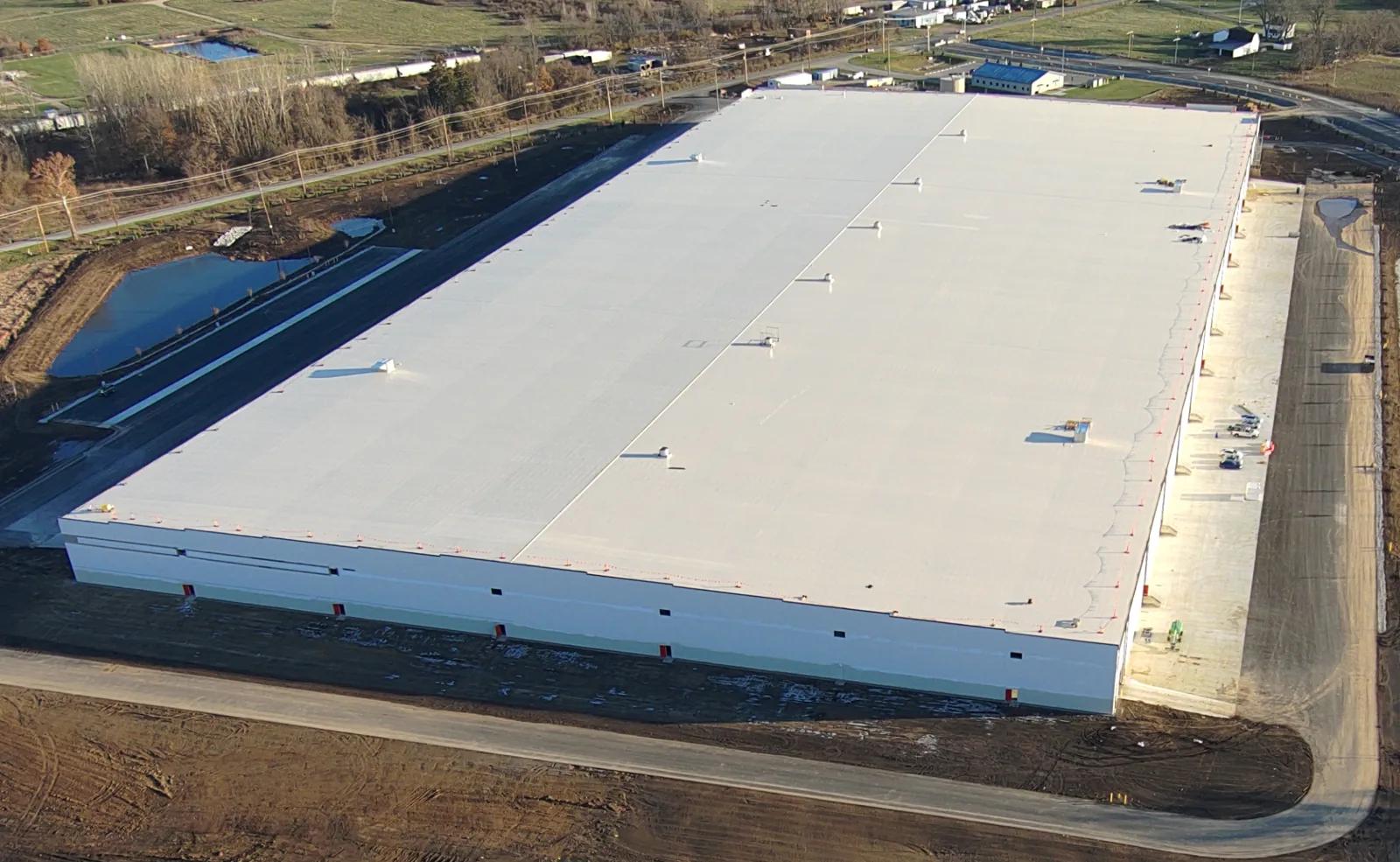
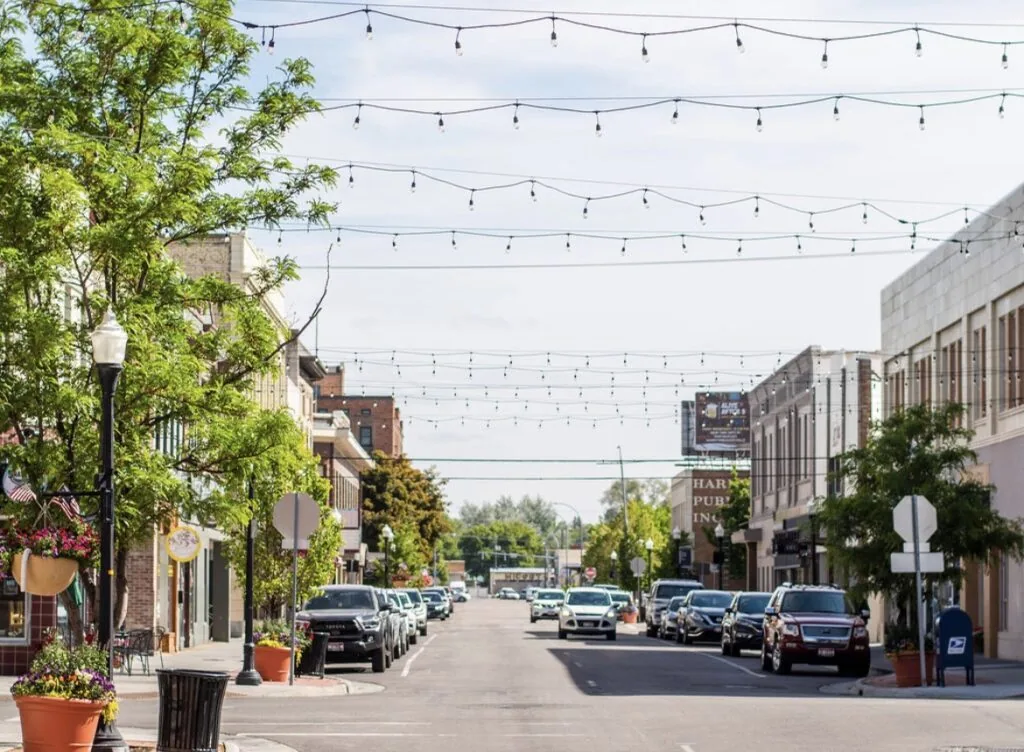
The Idaho Falls Warehouse District, Idaho Falls, ID includes storefronts along Broadway and Maple, with warehousing and light-industrial uses along Yellowstone Avenue and Pancheri Drive. That mix makes a roof plan partly an access problem: a delivery route or active work area can change where materials are staged and which roof section can be opened first. We inspect the assembly, document the affected details, and coordinate the work boundary with the property manager before proposing a repair or larger project.

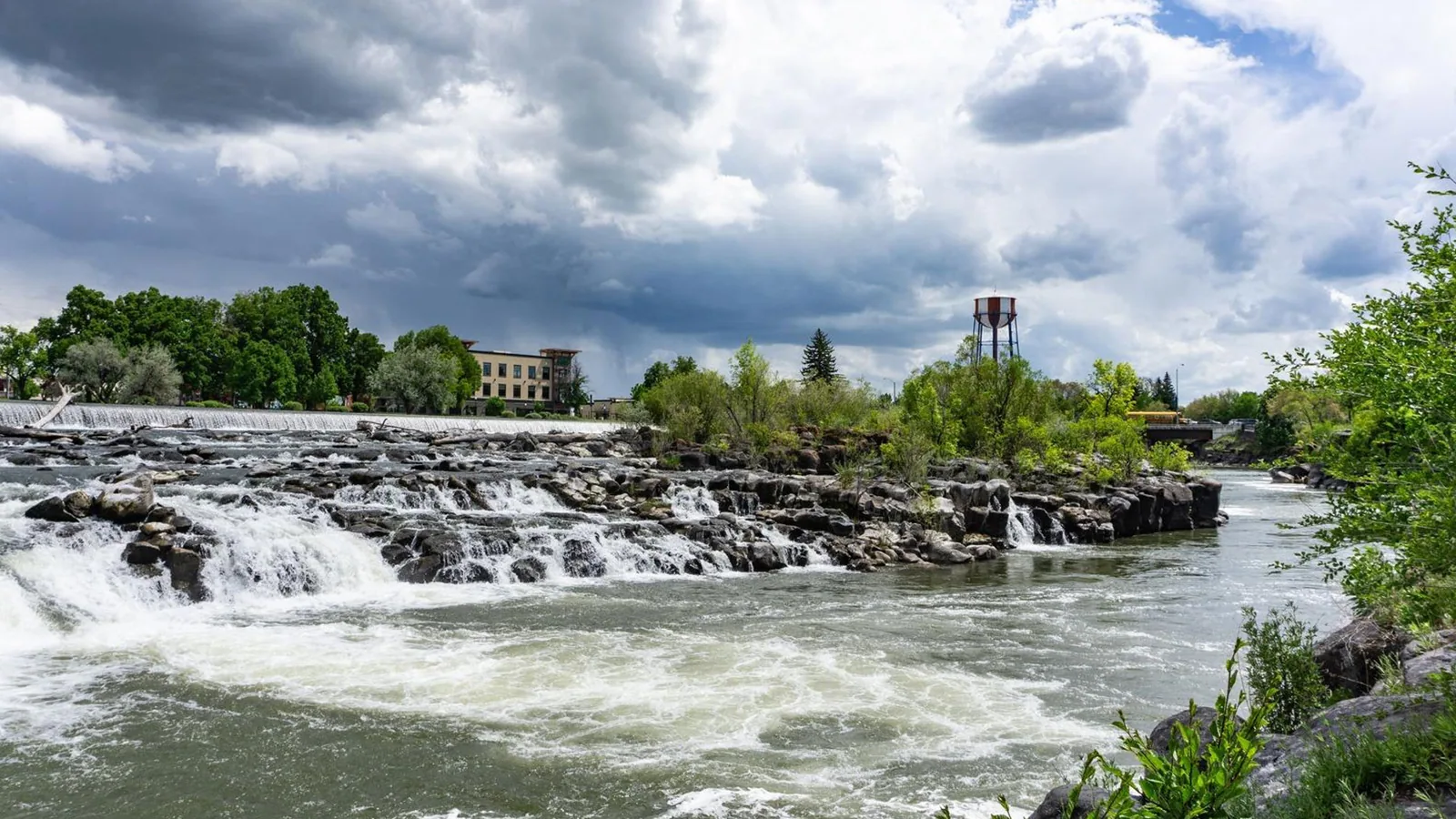
The Idaho Falls Warehouse District sits east of the Snake River between Broadway and Pancheri Drive. It has also identified the area as a gap in broader downtown and Snake River redevelopment planning. Those are district-level facts, not a description of a particular roof. We confirm roof type, drainage, attachment, and access at the actual building, then make the scope fit its operations.

Idaho Falls has a wide temperature range. Idaho Falls averages show 182.2 days annually with lows at or below freezing, and 26.5 days with highs reaching 90 degrees or more. Those city climate patterns affect planning for surface preparation and daily closure. Current conditions and the materials specified for the roof set the work window.
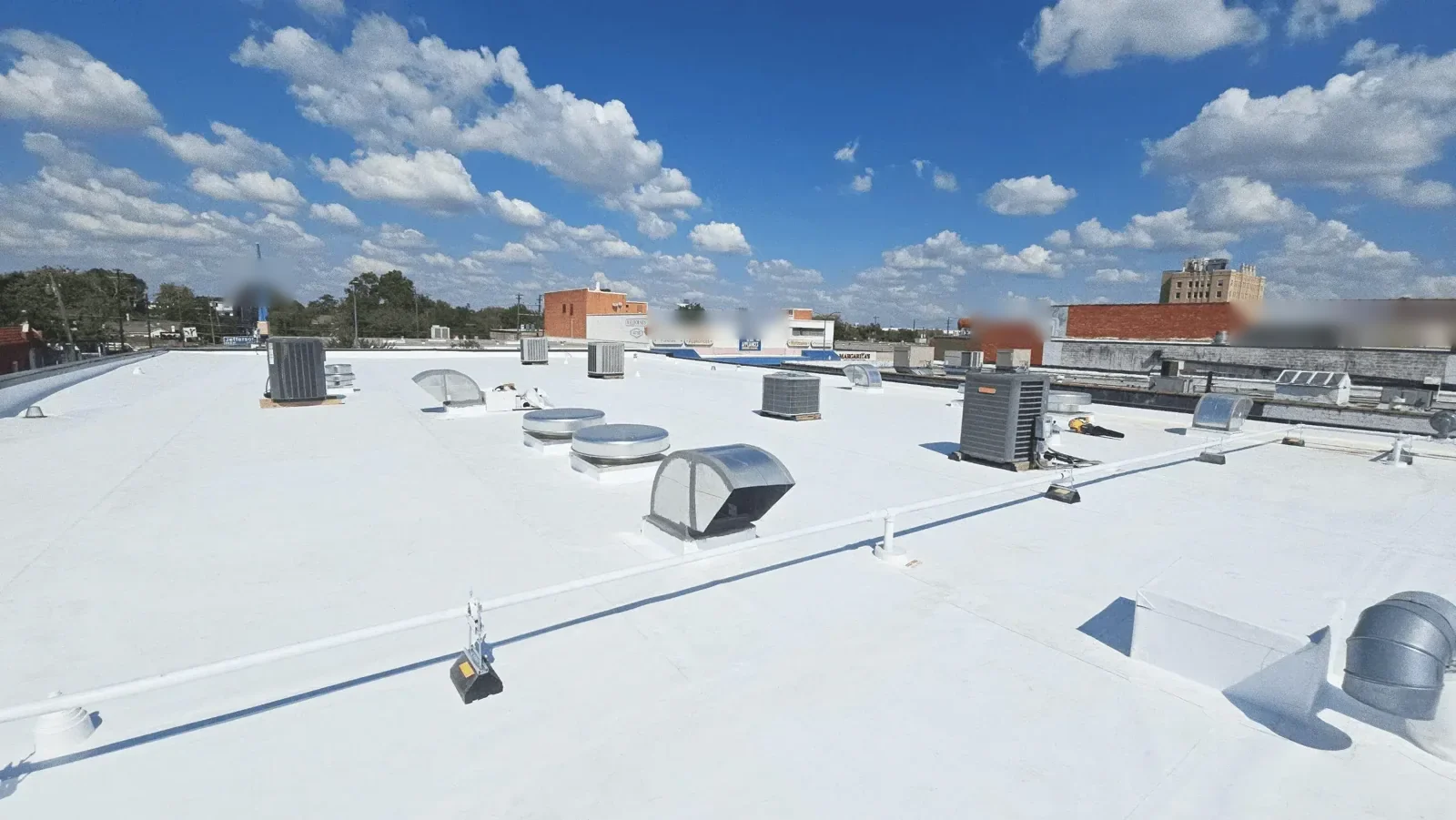
Warehouse District in Idaho Falls, ID

Inspect the Roof Zone and Its Work Route

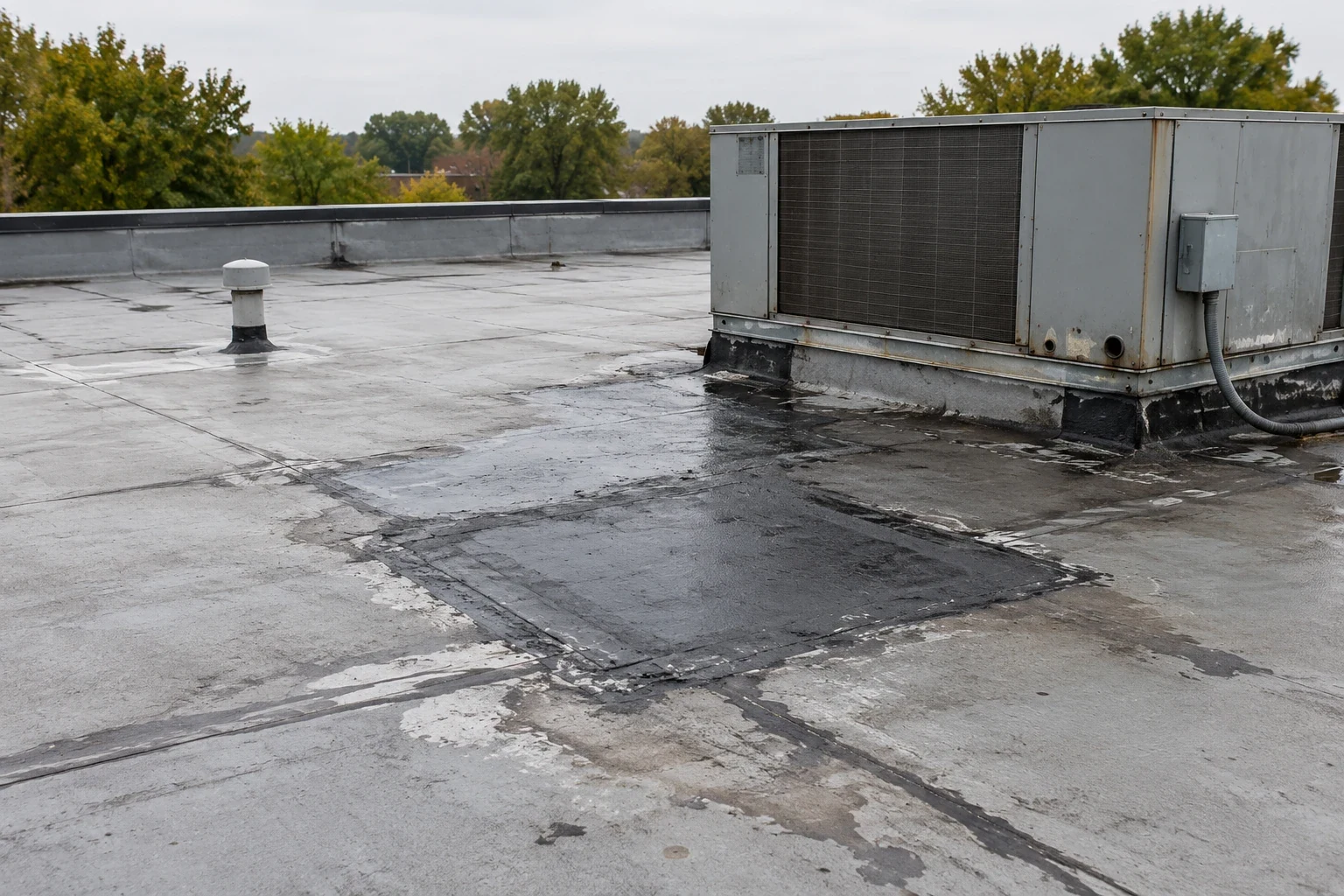
Start where the problem is reported, then inspect the adjacent membrane, flashing, seam, penetration, and drainage path. A leak may travel below the surface before reaching an interior space. We compare the interior sign with the roof slope and exposed details, record the likely path, and mark any area that needs testing. The initial finding stays specific to the section inspected rather than being generalized to every roof area on the property.

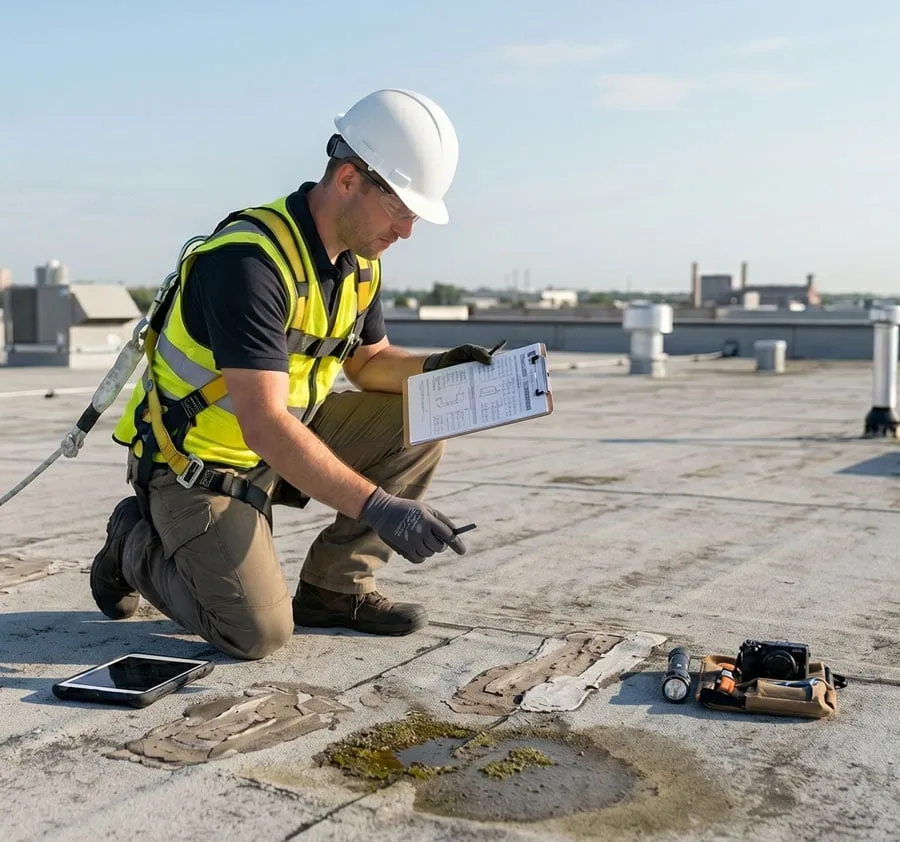
The district combines storefront and warehouse settings; confirm each building’s roof system and coordinate work around its deliveries and public access. We verify membranes, coatings, metal panels, or built-up layers from records and accessible conditions. The commercial roof inspection can document photos, visible wear, access limits, and maintenance priorities. If moisture could sit beneath the surface, selective testing may be needed before choosing recover, coating, or replacement.

We also inspect the route used for materials and equipment. The district follows broad commercial streets, while delivery access depends on the individual property and its operating rules. We confirm the staging point, roof entry, and any route that must stay available. That allows the estimate to reflect actual access instead of assuming a clear loading area.

Keep Water Moving Off the Roof

Storefronts, warehouse uses, and light industry in the district make drainage checks useful, but the roof tells us what needs repair. We inspect drain bowls, scuppers, overflow paths, low spots, and the membrane around each outlet. Water held against a seam can stress the detail; a damaged drain connection can direct water into the assembly. We separate a blocked outlet from a slope or substrate problem because each one calls for different work.

The drain and scupper repair scope may include clearing, correcting a connection, or coordinating a slope adjustment with roof work. We record nearby flashing and edge conditions so the repair does not stop at the visible outlet. When water appears inside, the leak investigation compares the reported location with roof details and identifies which conclusion is confirmed and which remains a test question.

May typically brings about 1.57 inches of precipitation in Idaho Falls, more than any other month. That figure describes the market city rather than an individual parcel. We use the broader pattern to plan protection and closure, then inspect the actual drains and water path before sizing the work area.

Choose Work That Fits the Existing Layers

A repair can be narrow when the failure sits at one seam, curb, or penetration and the surrounding assembly remains sound. Wet insulation, loose attachment, deck deterioration, or recurring leaks may require a wider response. We document the visible limit, identify any opening needed to verify concealed material, and compare a patch with section replacement, recover, or full removal. The owner sees what evidence supports the choice.

Roofing cost changes with the material already present, removal depth, substrate work, flashing, edge details, and access. Equipment relocation and interior protection can add coordination. If the property stays active during the project, the occupied-building plan defines work zones and expected closures. We also identify whether a separate trade is needed before a curb or rooftop line can be reflashed.

Emergency response can be provided at any hour, including weekends and holidays, for urgent roof conditions. We assess safe access, control water where conditions allow, and record the temporary step separately from permanent work. If moisture testing or material confirmation must come first, the follow-up scope says what remains unresolved and what evidence is needed to proceed.

Coordinate With the Broader Downtown Area

The Warehouse District is identified by the city as a downtown subarea and a gap in wider redevelopment planning. Downtown and South Downtown are covered together in the City Core Plan. When public-facing access or phased work matters, coordinate with the manager and document the roof condition at each building before staging crews. We set staging, pedestrian protection, debris handling, and operating limits with the site contact.

The Downtown Idaho Falls service area and South Downtown area are other broad commercial locations. The Snake River Landing district is a mixed-use area elsewhere in the city. Each property receives its own inspection and access plan. For a roof project with active tenants or services, we identify which entrances and systems need to remain available before the crew opens a section.

Weather can change the number of details that can be completed in one shift. We set a closure line, protect exposed materials, and tell the manager which roof zone is finished or awaiting a return. When another trade works at a penetration or curb, the scope states who completes each step and when the roofing tie-in will be reviewed.

Keep Repairs Traceable

Closeout records should name the roof zone, material observed, work performed, photographs, access limits, and remaining concerns. If a test opening was used, include what it showed and how the repaired area was closed. Those notes help the next inspection distinguish a recurring issue from a separate failure or later equipment change.

A maintenance visit can revisit seams, drains, flashings, and prior repair boundaries. A condition report can preserve findings for a budget review. If the roof shows widespread moisture or repeated failures, replacement planning can compare a larger scope with the repair history.

The written proposal should state what is included, which surfaces will be opened, how water control will be handled, and what needs separate approval if concealed damage appears. It should also identify staging and timing constraints for the building.

Questions About Warehouse District

The Idaho Falls Warehouse District is a downtown subarea east of the Snake River, between Broadway and Pancheri Drive. Storefronts are identified along Broadway and Maple, with warehousing and light-industrial uses along Yellowstone Avenue and Pancheri Drive. We use that district context for service geography, then verify roof and access conditions at each property.

We inspect the reported area, nearby seams, penetrations, drains, curbs, and transitions. Water can travel below the roof surface before showing indoors. We document the likely route and state which details are confirmed, whether moisture testing is needed, and where a permanent repair should begin.

No. Identify the roofing material during the site inspection, then match repairs to the assembly actually installed. We review records and inspect exposed edges and details to identify membrane, coating, metal, or layered construction before recommending a compatible repair.

We coordinate staging, roof entry, deliveries, debris, pedestrian protection, and any equipment or tenant limits with the property contact. Work can be divided by roof zone, with a daily closure line and a plan for protecting completed areas.

Material type, repair area, removal depth, moisture testing, insulation, deck condition, flashing, equipment access, and interior protection all affect the scope. We list those factors and identify any concealed condition that may change the work after opening.

ServicesRoof SystemsIndustriesProperty TypesService AreasDamage RepairCapabilitiesManufacturersContactAboutRequest a Roof Assessment555-555-5555
Call us today555-555-5555