Shopping Center Roofing in Idaho Falls, ID Serving Idaho Falls & Eastern Idaho

Plan shopping center roof repair in Idaho Falls around tenant access, drainage, rooftop equipment, and the seasonal limits of the roof assembly.

Shopping Center Roofing in Idaho Falls, ID

Shopping Center Roofing

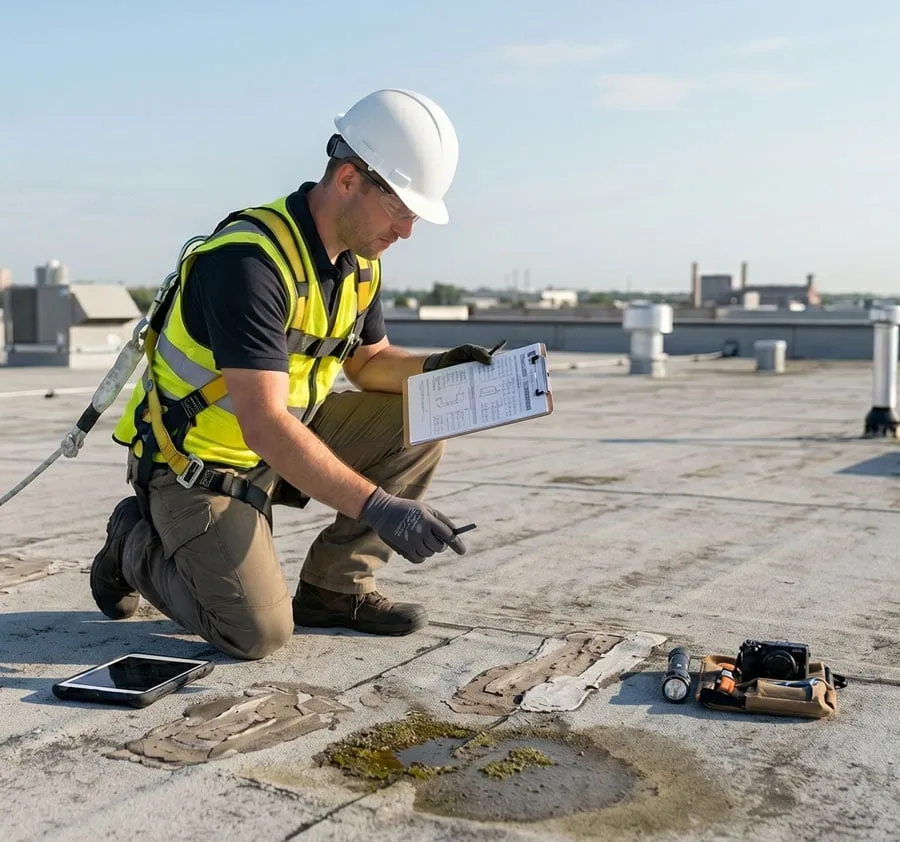
Retail roofs in Idaho Falls face a cold winter cycle and hot summer periods, so drains, seams, and tenant-facing edges need a work plan that protects occupied space. Idaho Falls averages 10.07 inches of precipitation annually, and May averages 1.57 inches. Before each workday, we check the current forecast, roof-surface condition, and product requirements to set the exposed work area. We inspect the assembly, trace reported water, and define which work is urgent and which can be planned.

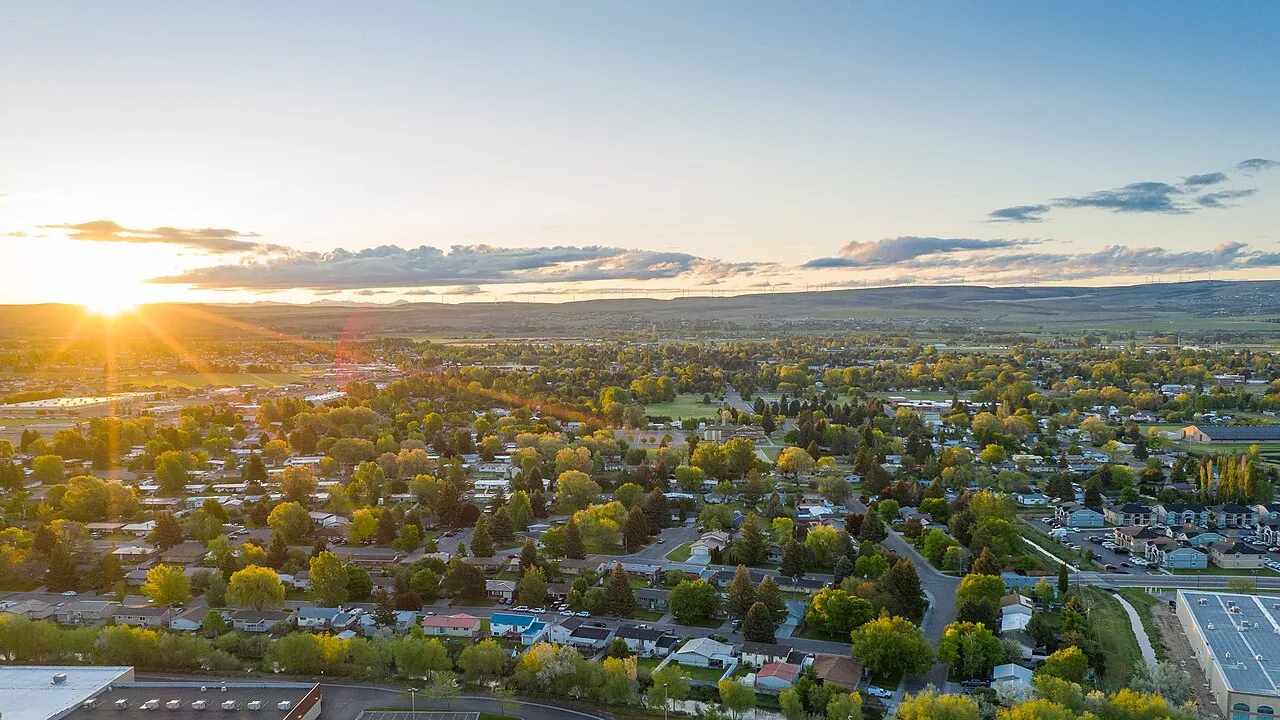
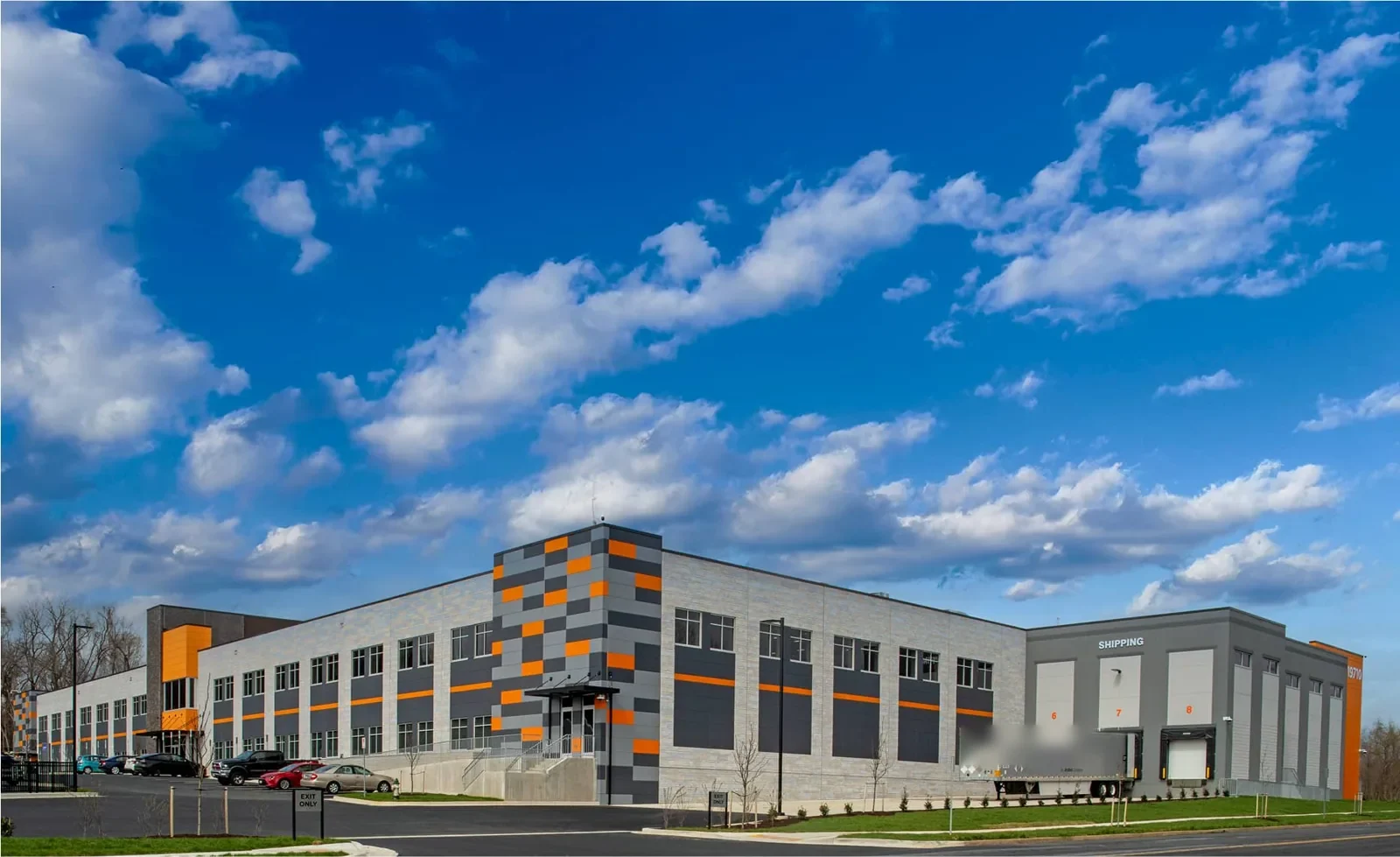
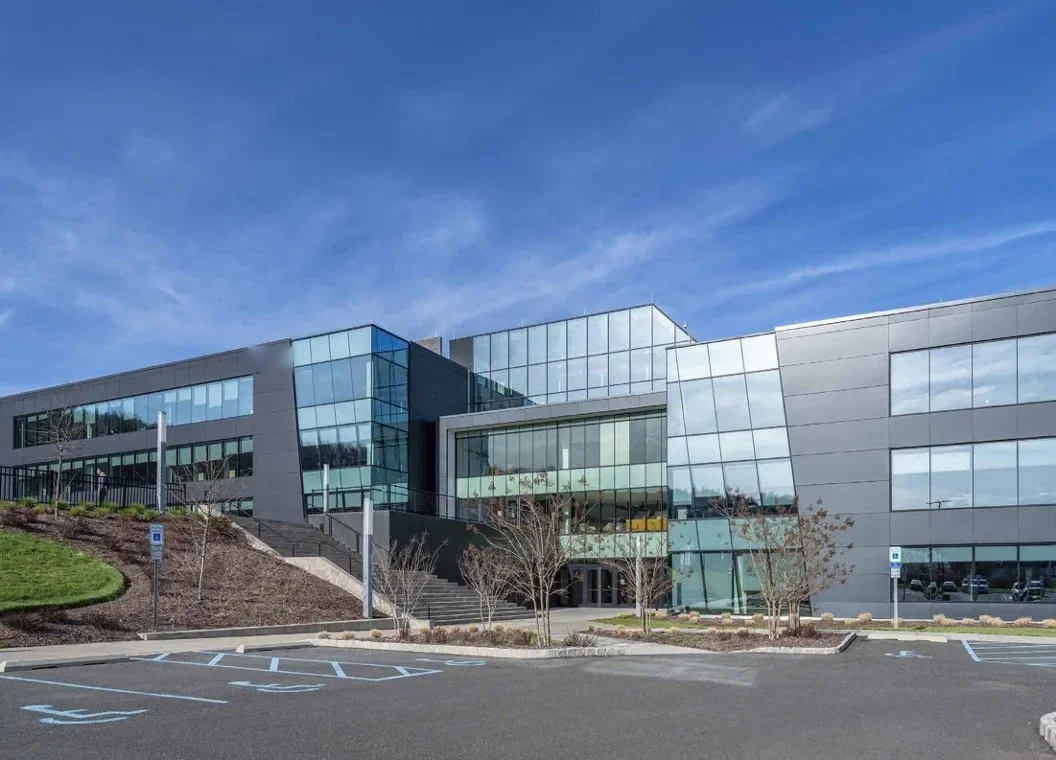
Idaho Falls’ regional economy includes retail, dining, entertainment, and travel. Ammon serves as a regional shopping destination, with commercial areas spanning medical, professional, and technology uses. Snake River Landing adds a mixed-use district with offices, dining, residences, and event venues. These locations show the variety of nearby commercial settings, while each center's roof, tenant mix, loading, and access need individual review.

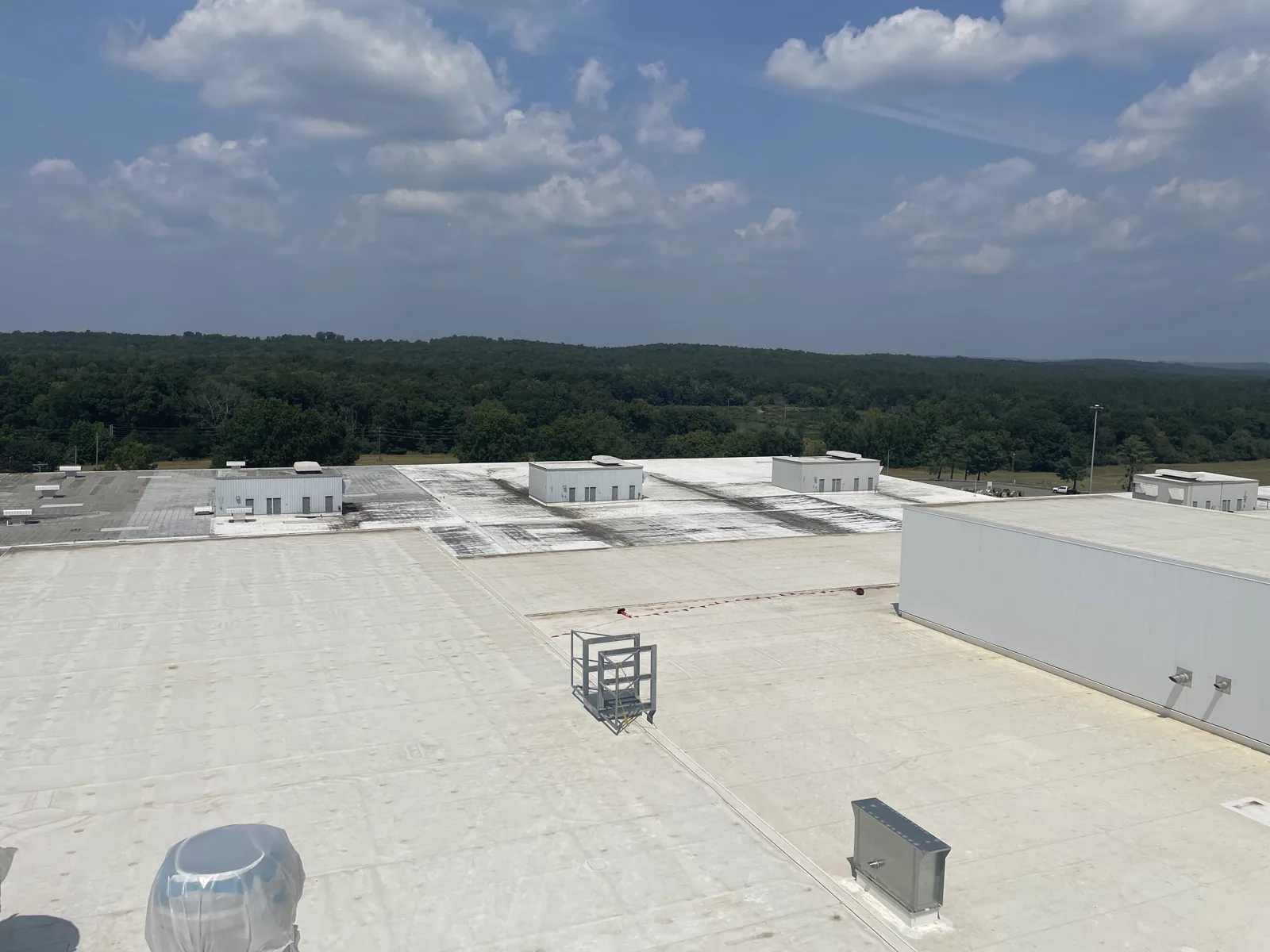
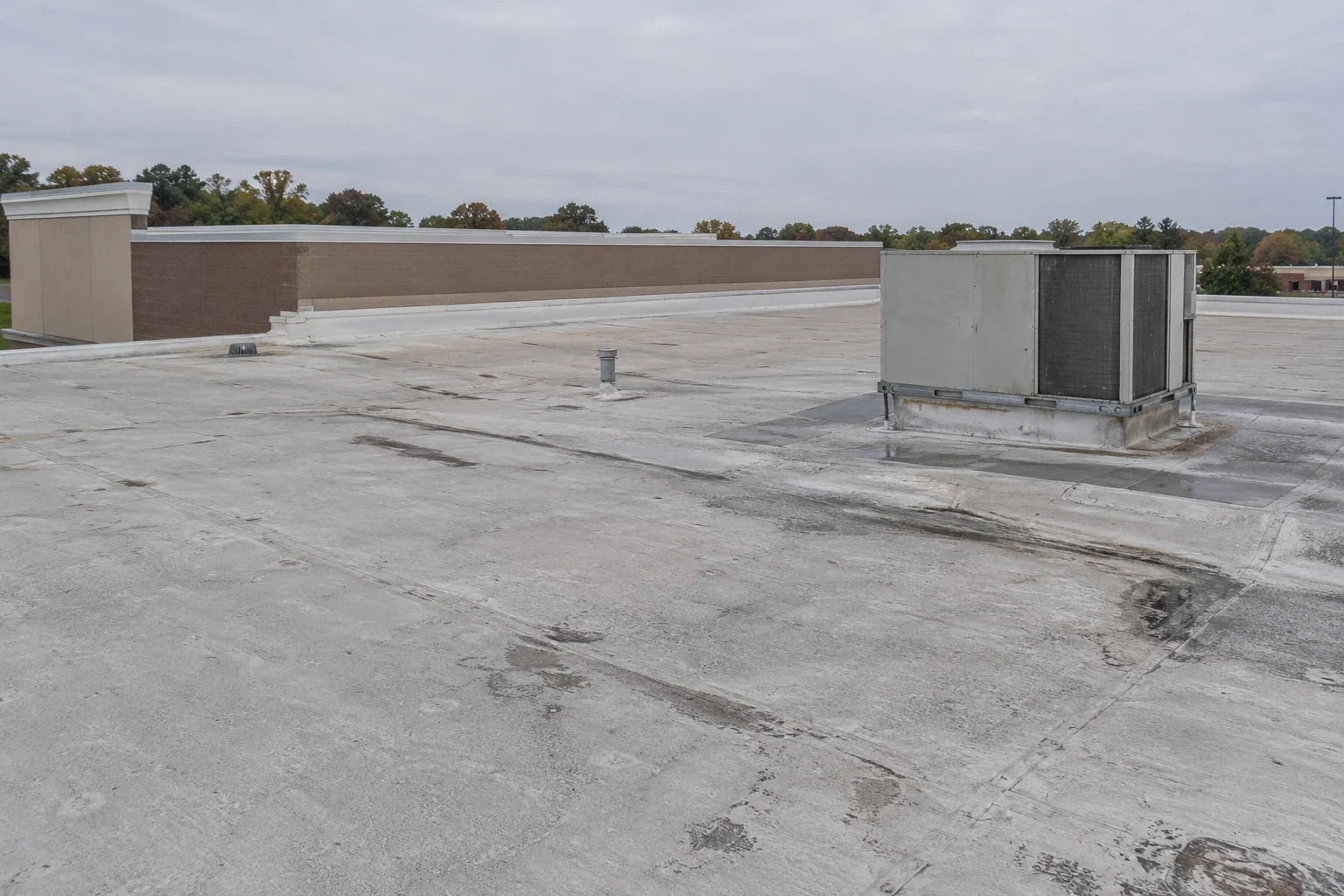
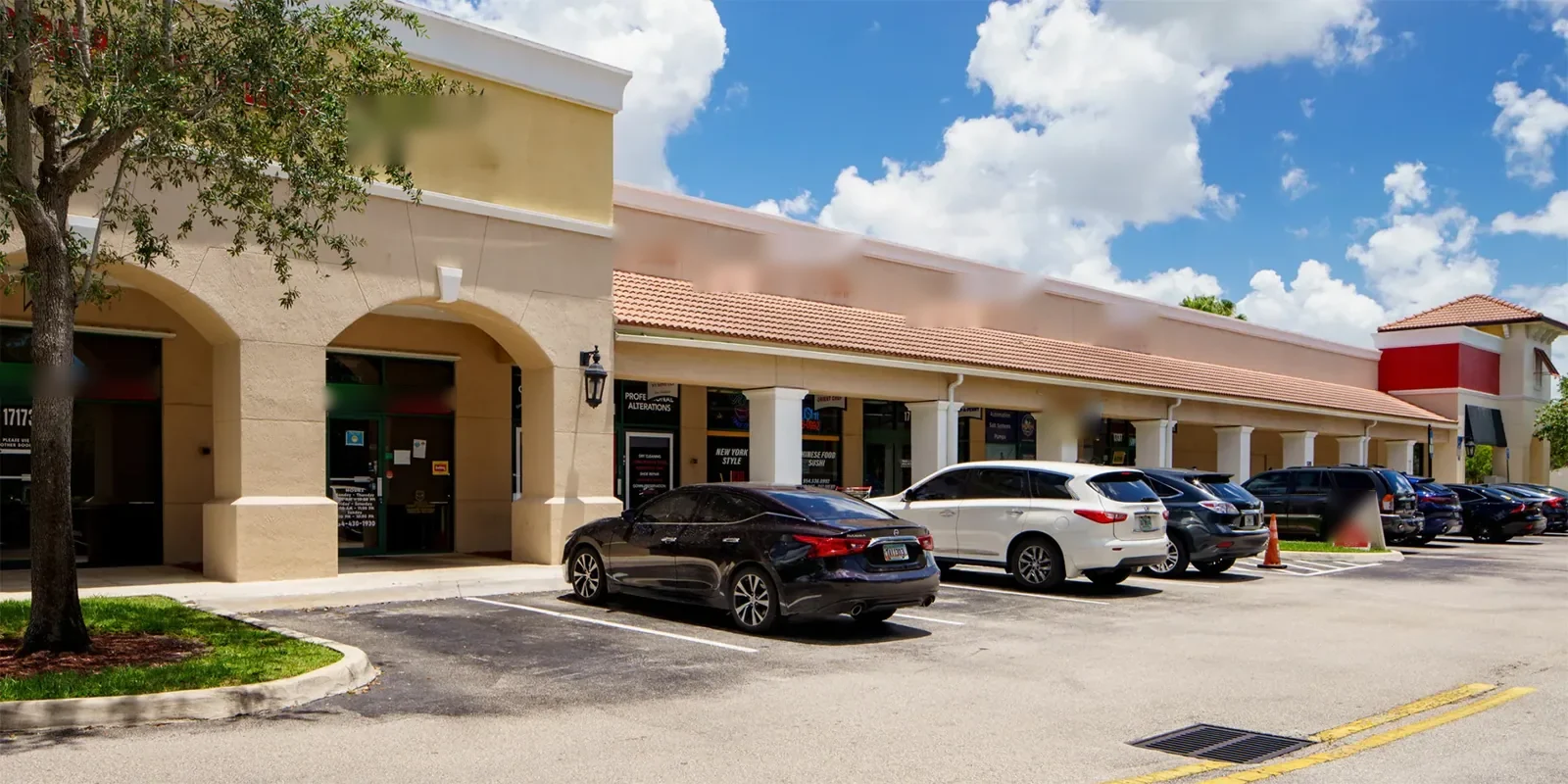
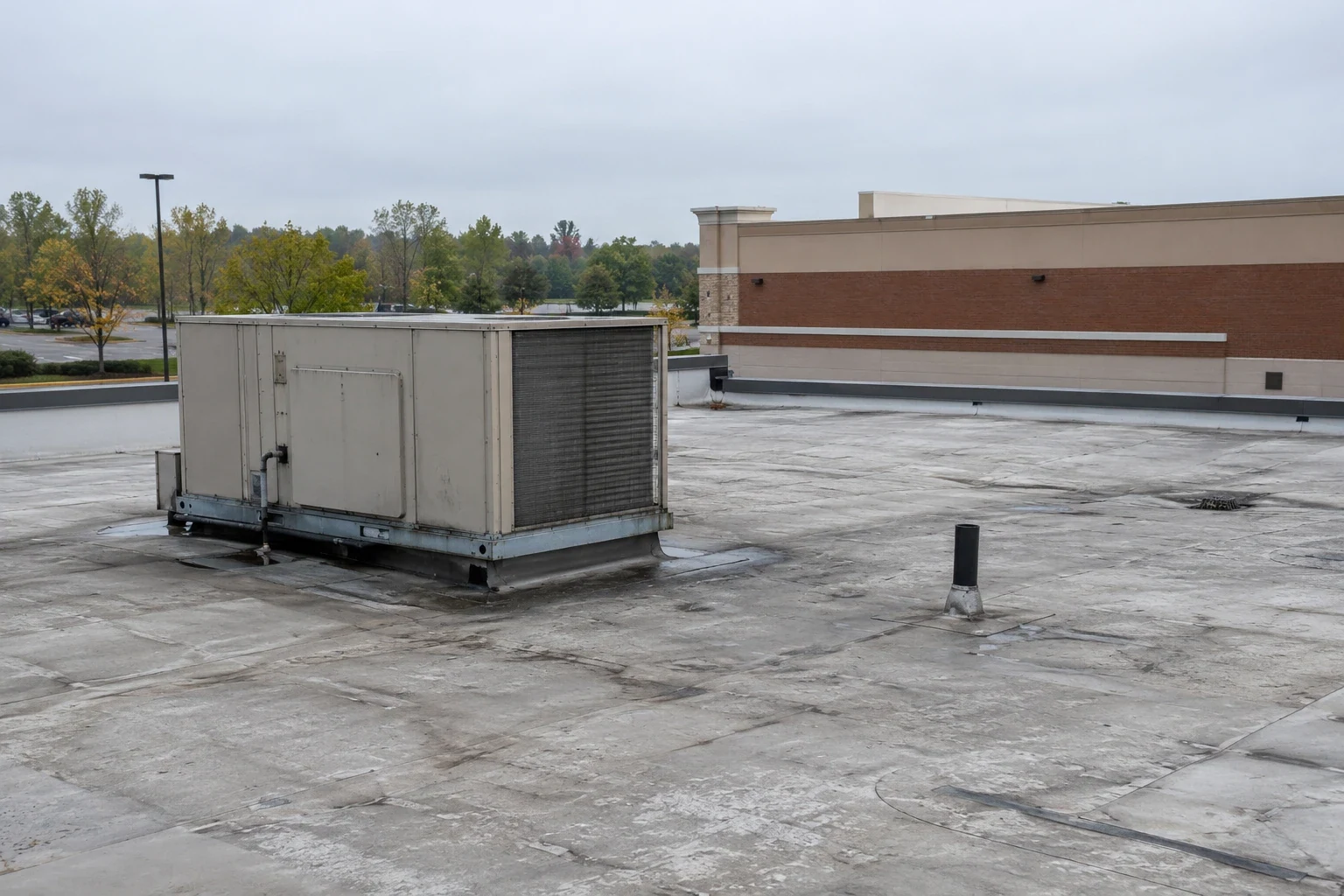
Shopping centers may have multiple roof sections, shared parapets, service corridors, rooftop units, and tenant entrances below. We map those conditions, photograph defects, and note how staging or temporary closures could affect customer routes. The property manager can use that record to compare a targeted repair with broader restoration or replacement.
Shopping Center Roofing in Idaho Falls, ID

Trace Conditions Across the Center

We identify the roof system, look for open seams and failed flashing, and follow drainage toward outlets and overflow paths. A retail suite's ceiling mark may be several roof bays from the opening, so we compare interior reports with slope, curbs, penetrations, and prior work. We also inspect parapets and shared walls where movement or metal transitions can interrupt the membrane. The report separates confirmed water entry from areas needing further testing.

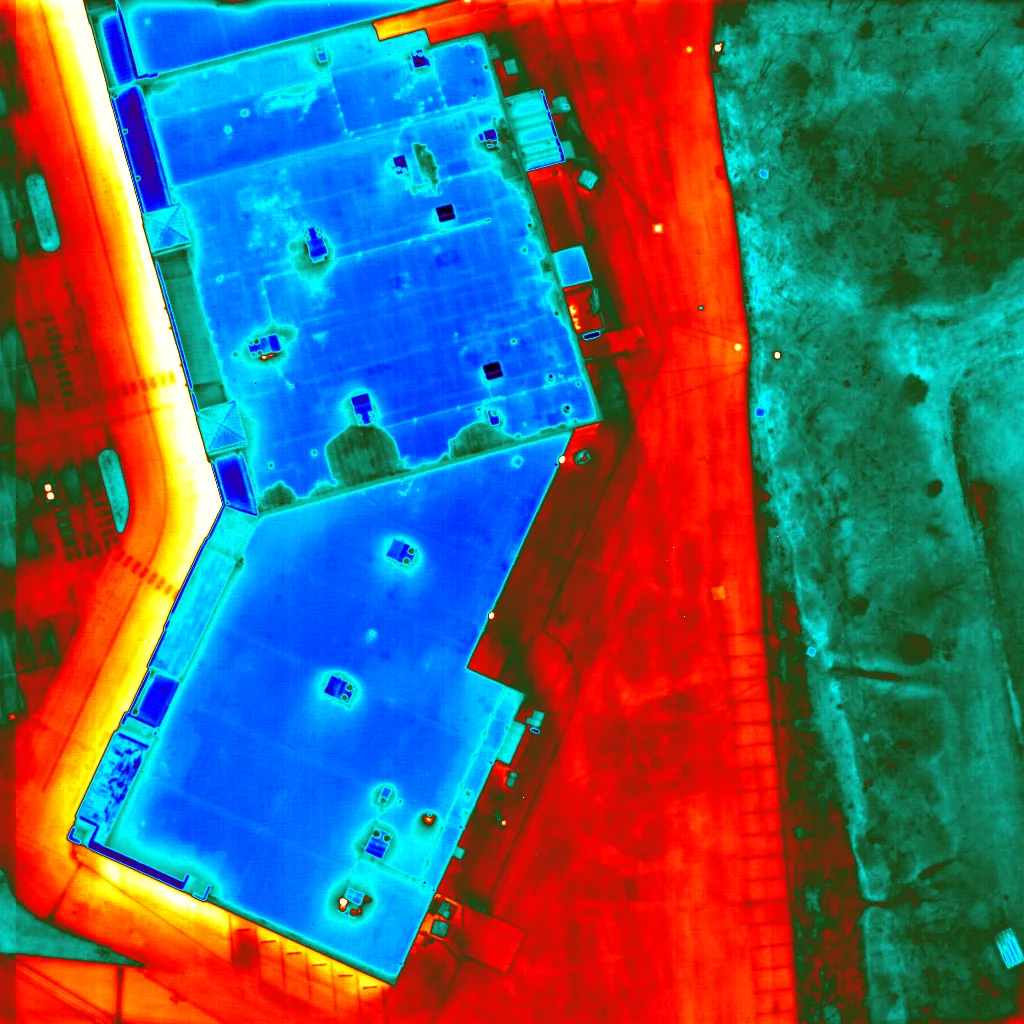
Moisture beneath the surface changes the repair boundary. We check suspect insulation, note any limit to access, and determine whether targeted testing is appropriate. A moisture survey can map areas for confirmation when weather and roof conditions support useful readings. The scope should say which material is wet, how much is affected, and whether an adjacent tenant area needs protection during removal.

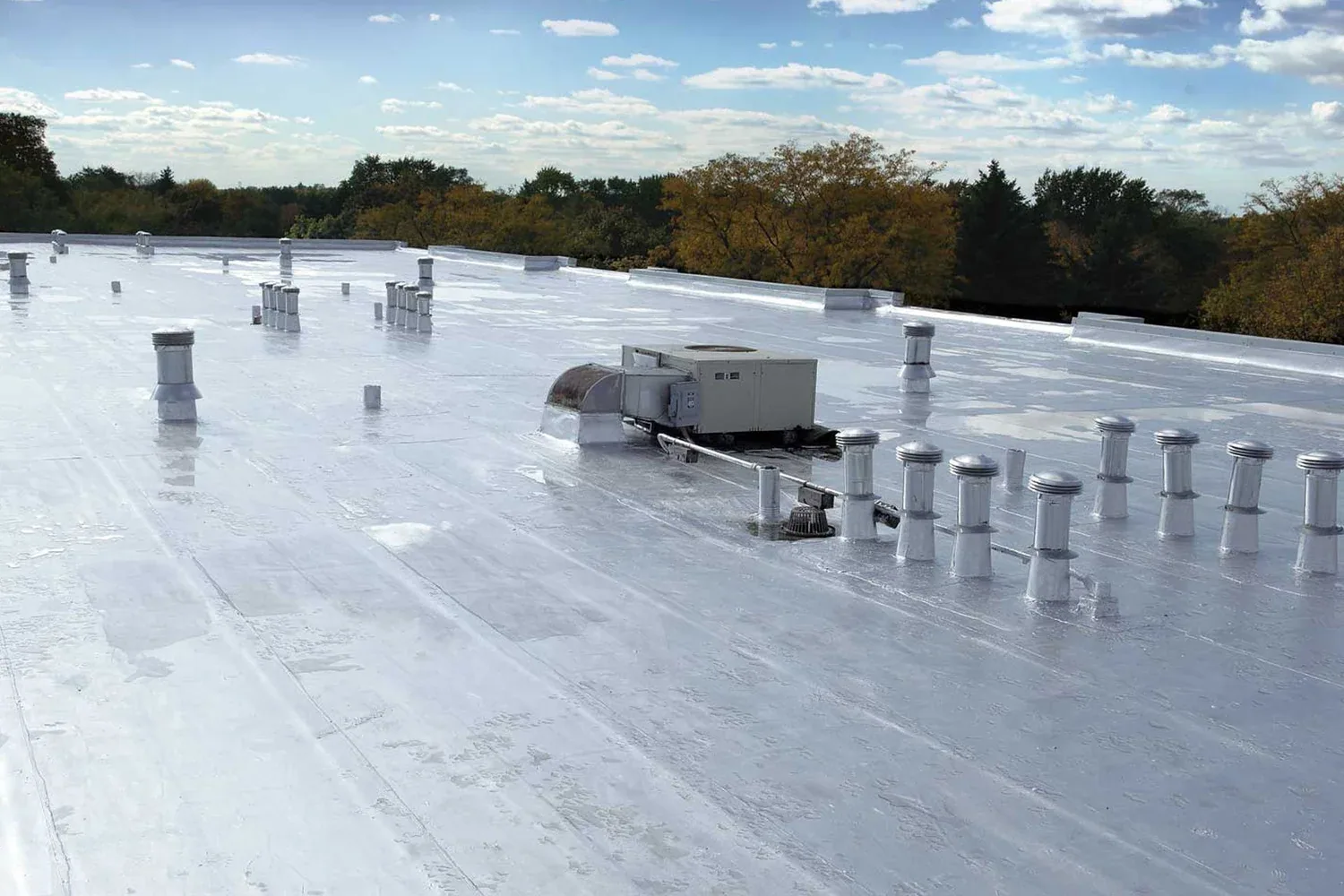
Drainage work is separate from membrane repair when outlets are blocked, connections fail, or water cannot reach the drain. We check bowls, scuppers, overflow points, and the surrounding flashing, then list any correction beside the roof-area finding. That lets ownership address the cause and the visible damage in one coordinated scope.

Coordinate the Tenant Side

Before work starts, the center manager can identify loading hours, customer entrances, accessible routes, food-service areas, air intakes, and any tenant that needs advance notice. We map lift placement, material staging, debris routes, and areas requiring a temporary closure. If a suite stays open below, we coordinate interior protection and the time needed for noisy work. An occupied-building reroofing sequence gives tenants and facilities staff a defined contact for changes.

Ammon identifies the Hitt Road and 25th South route as a key connection for its commercial areas. That broader setting can inform delivery discussions, but center driveways and tenant access remain property-specific. For an Ammon commercial property, we confirm where equipment can stage without blocking customer or service traffic.

A phased project can protect one portion of the center while another is repaired if roof access and tie-ins allow it. We name the zone open each day, how it is secured, and who may approve a weather or tenant-related change. Without those boundaries, an apparently small repair can interrupt more suites than the roof condition requires.

Set the Work Window

Idaho Falls averages a July daily high of 86.6 degrees and an annual mean temperature of 44.2 degrees. Actual roof temperatures differ. They help frame the seasonal range that can affect product handling, substrate condition, and crew safety. We check the selected system's installation limits and the actual forecast, then choose a daily work area the crew can close.

Measurable precipitation occurs on about 84 days each year, and May has the highest monthly average. A replacement phase needs a dry-in plan that can withstand a change in weather. We set temporary tie-ins and a clear stop point before removal. During winter, snow or ice can restrict access or hide a drain defect; the snow and ice roof assessment can distinguish blocked flow from damage that needs permanent repair.

Permits, material delivery, tenant scheduling, and concealed substrate conditions can also move the calendar. We identify those dependencies and the owner decisions needed before mobilization. The scope sets conditions for proceeding rather than suggesting a fixed finish date before the assembly is inspected.

Choose a Repair or Larger Scope

A localized seam or flashing failure may be repaired when the surrounding assembly remains sound. Several leaks, wet insulation across sections, weak attachment, or deck damage can point to broader renewal. A recover is considered only when the existing roof is dry and stable enough to support another layer under project requirements. We document what the inspection confirms and what testing remains.

Project teams confirm which of Idaho Falls' adopted building and energy code editions apply to the proposed work. A PVC roof system or another membrane should match the substrate, drainage, penetrations, and expected access for maintenance. Inspect membrane layers, attachment, insulation, and drainage before choosing repair, recover, or full removal.

A connected shopping-center roof can span several tenants and additions; map each roof zone and record its own seams, drainage, and prior repairs. We mark findings by roof zone and keep shared parapets, party walls, and service areas in view. A big-box retail roof plan may have a different access footprint, while grocery store roofing can include refrigeration details that call for separate equipment coordination.

Make the Scope Work for Ownership

Estimate drivers include removal depth, insulation, deck, drains, edge metal, curbs, roof height, and staging. Tenant routes, customer access, lift placement, and interior protection can add coordination. We separate those known items from allowances for hidden conditions and state what needs approval before the work expands. That gives ownership a fair comparison across repair and replacement options.

Timing may depend on tenant notices, event calendars, delivery windows, weather, and which areas can be closed each shift. We document those constraints, define temporary water protection, and identify contacts for schedule changes. A roof condition report can support a capital review with photos and roof-area labels, while planned maintenance can track drains, seams, and exposed flashing after work.

At a center with shared tenant entrances or service corridors, sequence disruptive work around approved access and keep customer paths clear. Identify who can authorize a temporary closure, protect active equipment, and mark the daily dry-in boundary. After the repair, roof-zone photographs help management schedule drain, seam, and flashing follow-up.

Questions About Shopping Center Roofing

It can when roof zones, customer routes, air intakes, loading, and interior protection are coordinated. We identify any closure in advance and name a facility contact who can approve a change. A daily work boundary keeps the exposed area within what can be prepared and closed safely.

Compare roof areas, materials, drainage corrections, removal depth, access assumptions, and allowances for concealed conditions. We tie each item to an inspection finding and show which work is urgent versus planned. That makes alternate scopes easier to compare across tenant areas.

Several conditions can contribute: failed flashing, open seams, blocked drains, settled insulation, or a damaged connection. Water can move before it appears inside, so we trace the route and inspect adjacent details. The repair scope addresses the cause as well as the interior sign.

The property manager identifies delivery windows, event dates, entrances, and restricted staging. We coordinate lift and debris routes with those needs, then record the schedule contacts and stop points. A weather change or concealed condition can prompt a revised phase before another roof area is opened.

A coating is appropriate only when the existing surface and substrate are suitable. It will not dry wet insulation, repair a failed drain connection, or correct loose flashing by itself. We inspect those conditions and explain whether restoration, repair, or replacement is supported.

ServicesRoof SystemsIndustriesProperty TypesService AreasDamage RepairCapabilitiesManufacturersContactAboutRequest a Roof Assessment555-555-5555
Call us today555-555-5555