Commercial Roofing in Roberts, ID Serving Idaho Falls & Eastern Idaho

Commercial roofing in Roberts accounts for the building’s agricultural setting, access conditions, drainage, and the winter weather window.

Roberts in Idaho Falls, ID

Roberts

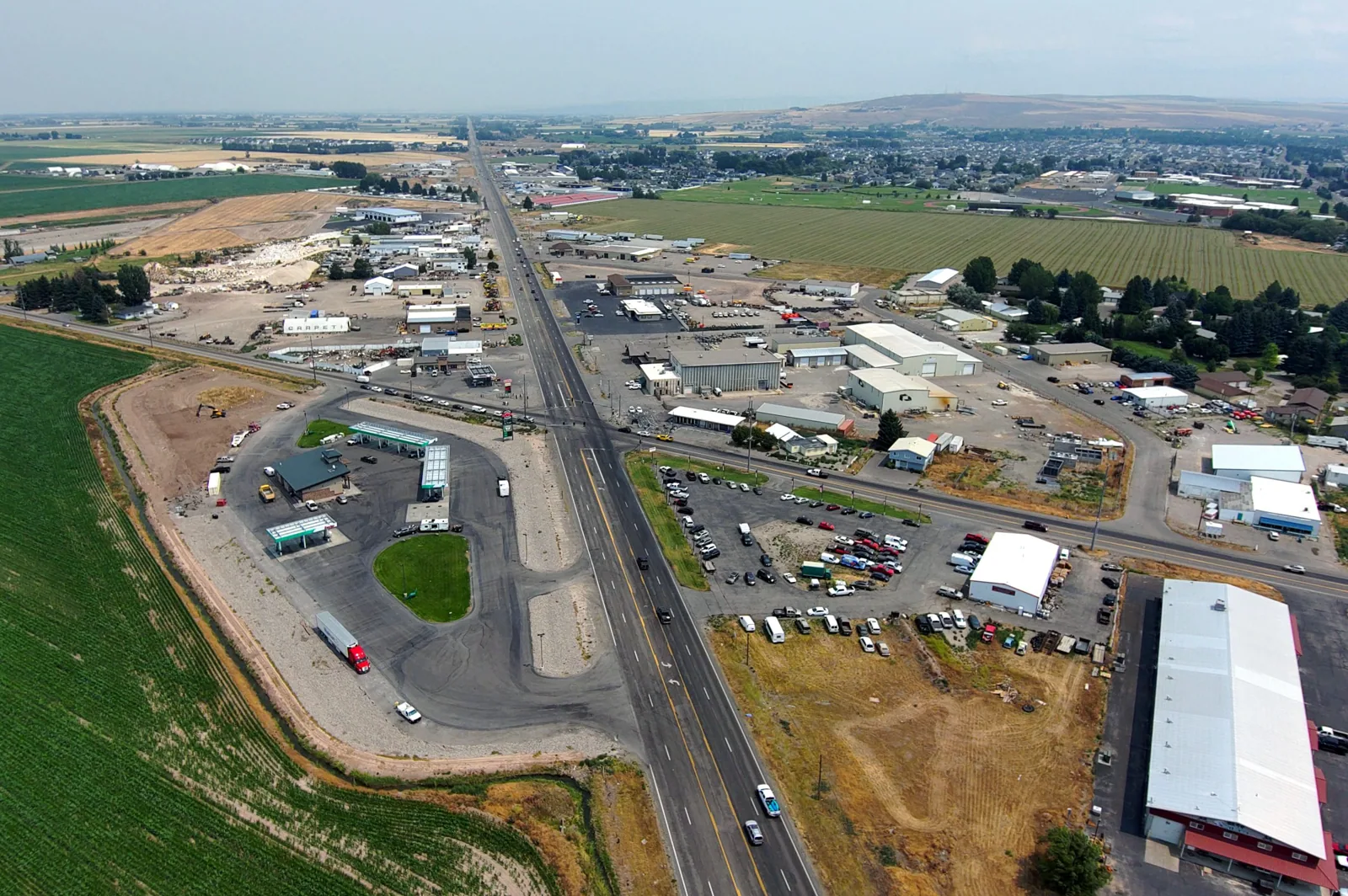
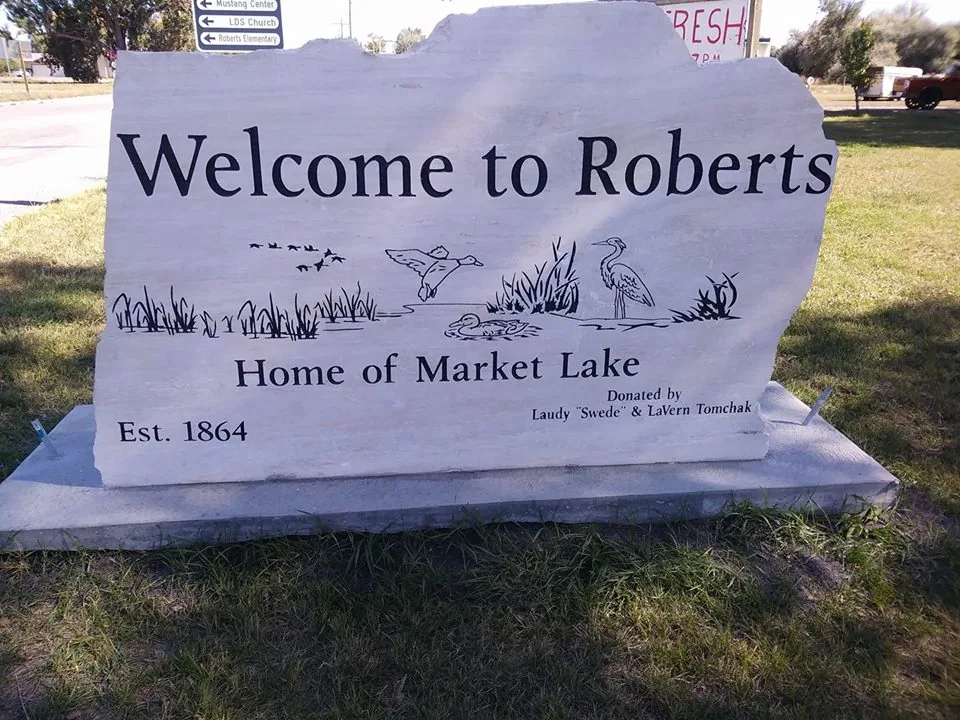
A cold-night cycle can leave a seam, curb, or drain working through repeated temperature changes. Roberts is an agricultural community between the Snake River and Market Lake Wildlife Management Area, with farming and ranching among its primary industries. Local businesses include a grocery store, gas station, and restaurants. For a commercial roof, we inspect the actual assembly, trace drainage, and confirm access and operating needs with the property contact.

Current weather, roof-surface conditions, and system instructions set the work boundary for each shift. We check temperature, wind, and moisture before opening a section and define how it will be closed safely.

Roberts is a Jefferson County community near Idaho Falls. We confirm delivery, safe access, and interior protection with the property contact, then record those conditions in the scope.
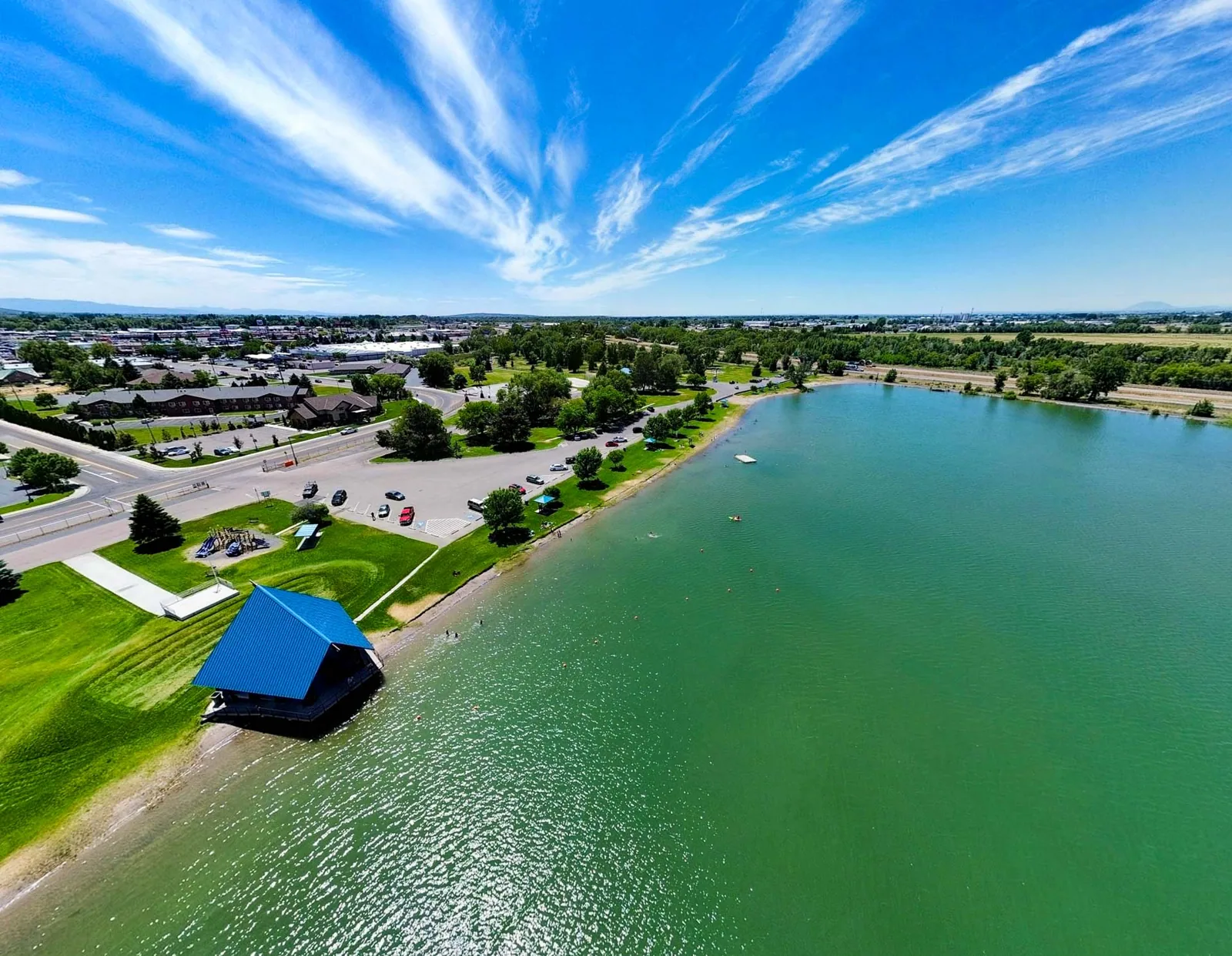
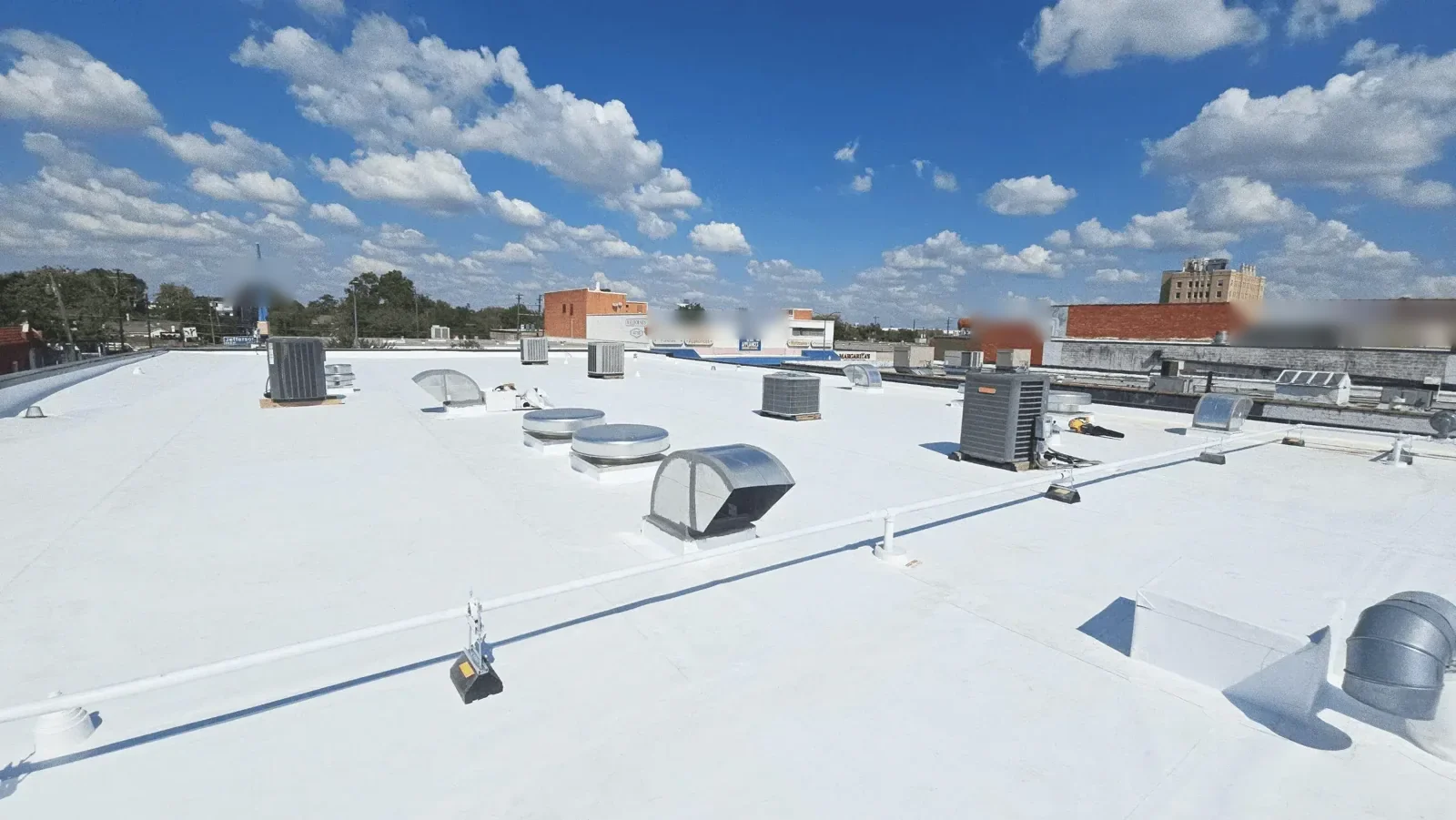
Roberts in Idaho Falls, ID

Start With the Roof Assembly

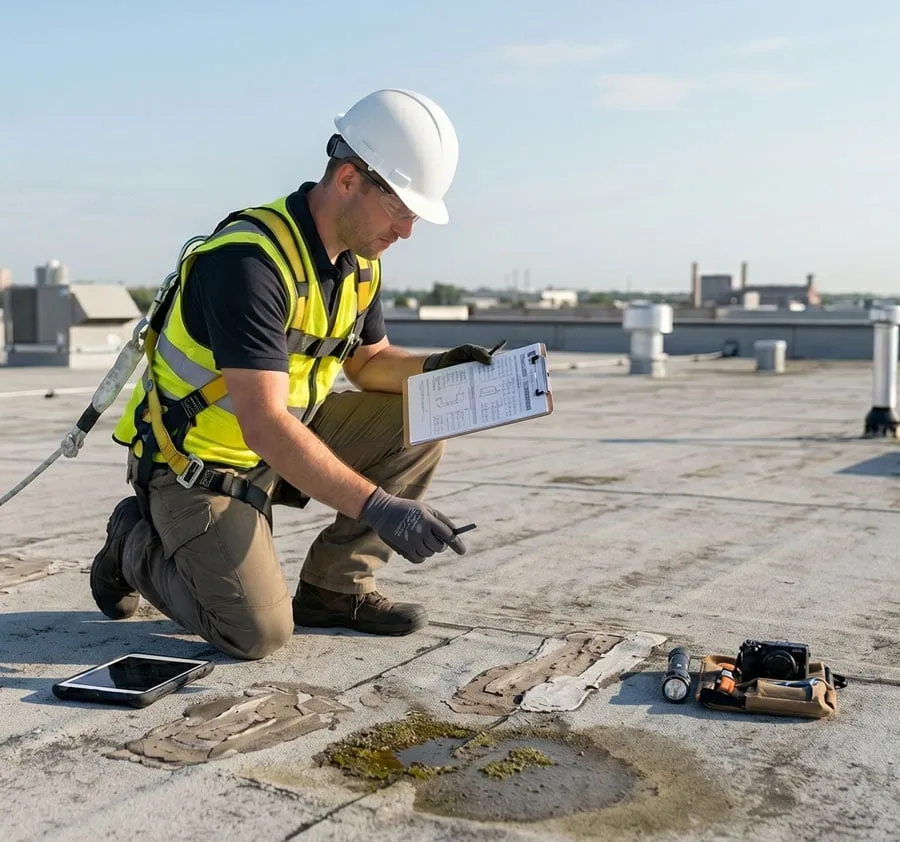
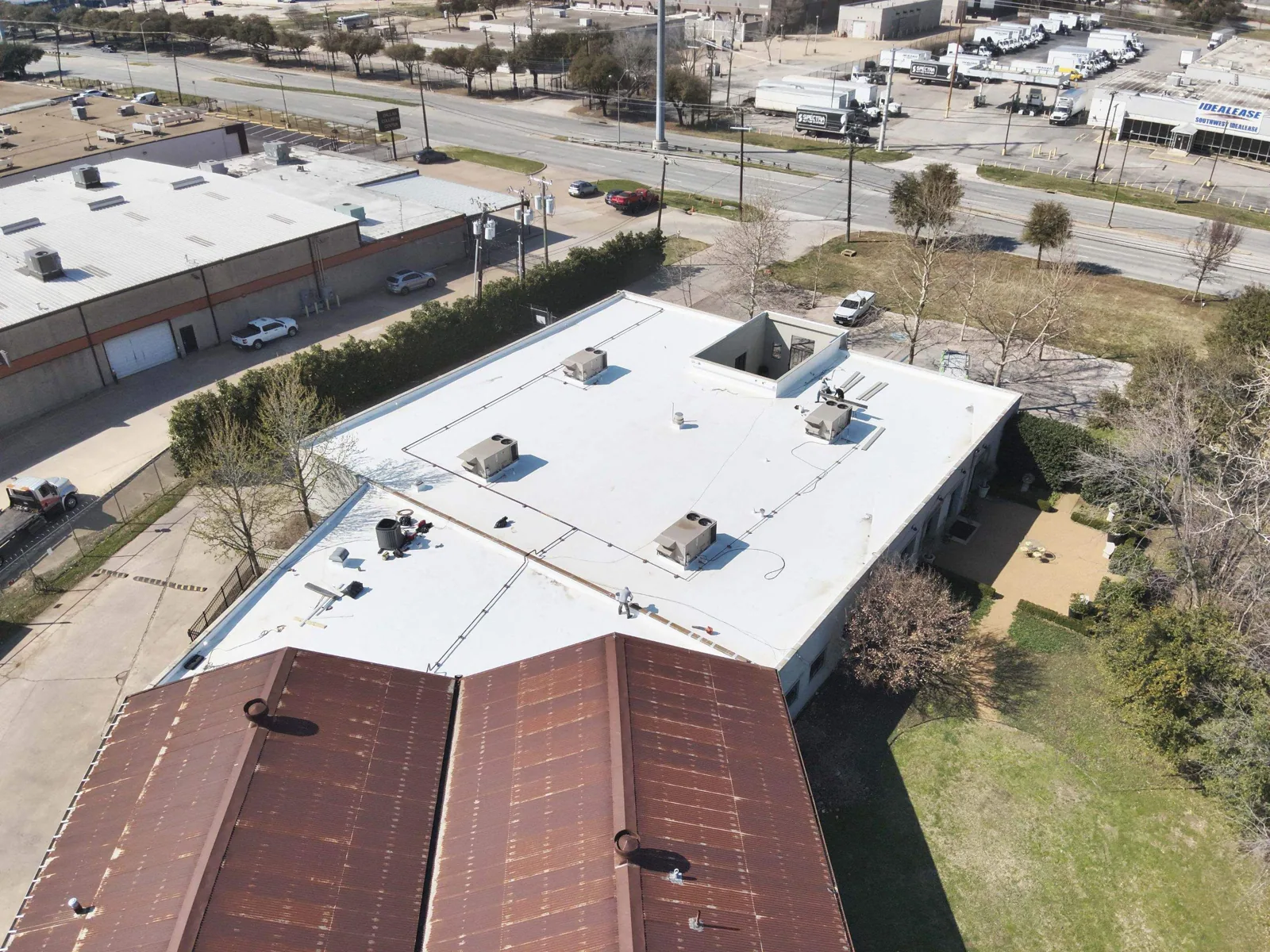
A reliable recommendation begins with what is present, not with the town’s business mix. We identify membrane or metal where visible, note how the roof is attached, and mark seams, flashings, edges, penetrations, drains, and prior patches. An addition can create a change in height or drainage, so each section gets its own label. If access is limited, the report says which area could not be inspected and what testing would resolve the question.

A commercial roof inspection ties photographs to roof zones and separates confirmed findings from suspected moisture. If a drone or infrared survey points to a selective opening, we state what that step should confirm before it is approved.

Roberts’ agricultural activity includes storage and service needs; inspect the roof system and drainage at each property before recommending work. We ask which doors, deliveries, and service routes must remain available, then include those operating limits in the work sequence.

Coordinate Work With Site Activity

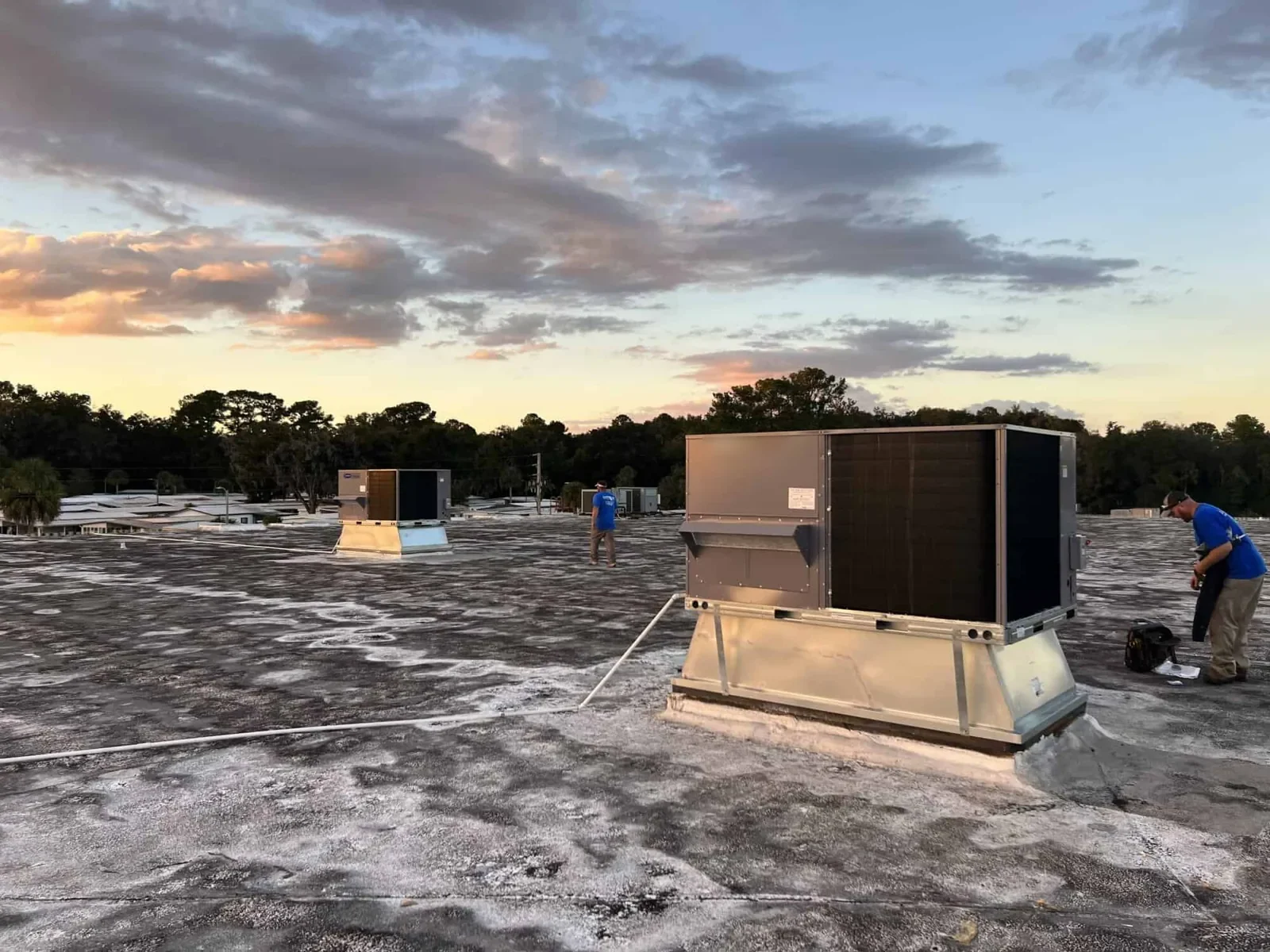
Before staging material, we confirm roof access, equipment placement, delivery timing, work hours set by the property, and any areas below that need protection. The manager identifies doors or service routes that must remain open. We map roof zones and set the daily dry-in limit before staging.

For an occupied property, the work sequence for an active building accounts for entrances, air intakes, equipment, debris, and trade handoffs. Before mobilization we assign responsibility for any curb, pipe, or support changed by another contractor. The broader service area also includes Downtown Idaho Falls.

The Snake River and Market Lake Wildlife Management Area identify the broader Roberts setting. We still verify drainage, adjacent construction, and safe approach with the property manager.

Follow Water Beyond the Interior Sign

A leak may show far from the detail that admitted water. We start at the interior sign, then inspect above and upslope across seams, parapets, wall transitions, skylights, curbs, and outlets. Water can travel under a membrane or through wet insulation before it reaches a ceiling. If a roof walk leaves the water route unresolved, propose moisture testing or a selective opening to narrow the affected zone.

The property contact identifies spaces that need shielding while we trace the source. We document that protection apart from roof repair and keep temporary water control separate from permanent work. The leak investigation records the confirmed opening and what remains uncertain.

Drainage review covers strainers, bowls, scuppers, overflow routes, low areas, and membrane transitions. A blockage may call for maintenance; recurring ponding can point to slope, insulation, or deck conditions.

Set the Weather Window

In the Idaho Falls climate averages, daily maximums reach 90 degrees or higher on an average of 26.5 days per year. That is seasonal context; the actual roof surface and forecast determine safe movement and application. Cold periods also matter: we review temperature, moisture, wind, and the instructions for the selected membrane or coating before opening the assembly.

Idaho Falls climate averages reports measurable precipitation on 84.3 days annually and a May monthly mean of 1.57 inches. We agree on the dry-in line, temporary protection, and the condition that stops tear-off before work begins. When urgent water entry needs attention, emergency roof response is available day and night, weekends and holidays included; the report states what remains after temporary control.

A winter follow-up can check seams, edges, flashing, and outlets for movement or trapped water. A snow and ice condition check records whether the detail needs repair or further inspection.

Choose a Repair or a Larger Scope

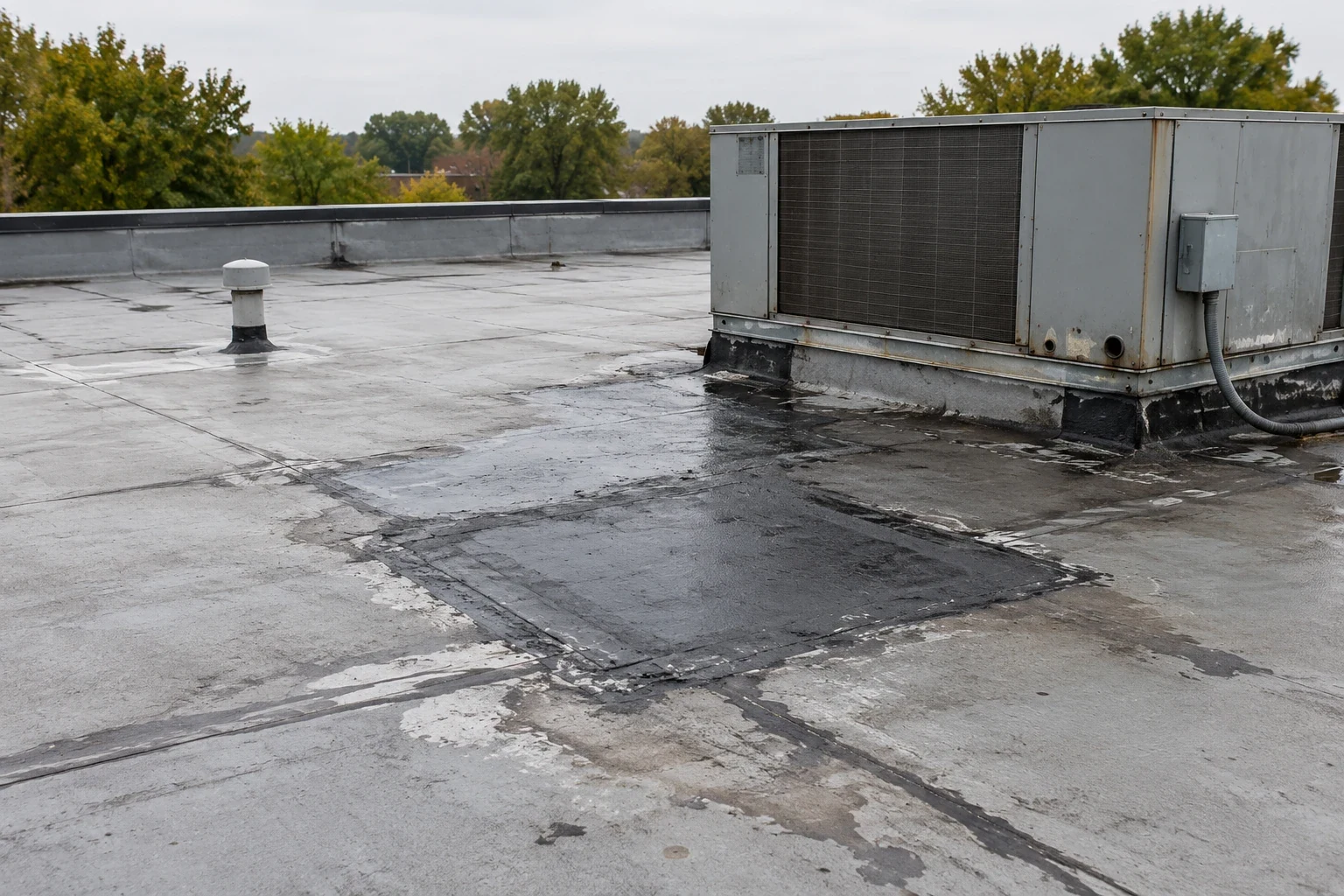
A localized patch can make sense when the opening is limited and the surrounding material will accept a compatible tie-in. Wet insulation, a weak substrate, or repeated failure across separate roof zones can change the recommendation. We check attachment, surface condition, flashing, drainage, and prior repairs, then state which findings are confirmed and what would need testing after an opening.

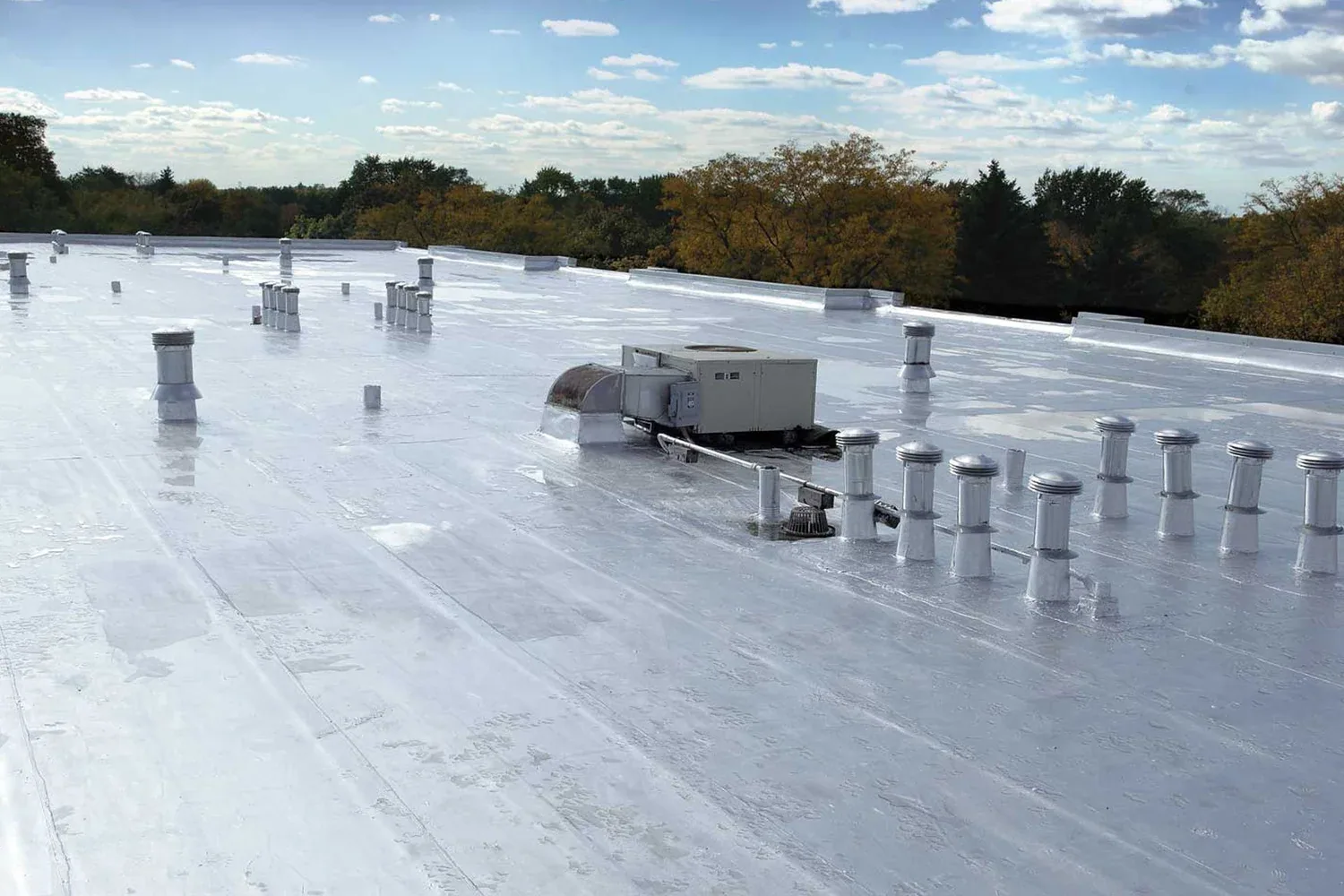
Recover is considered only when the existing roof is dry, secure, compatible with the new assembly, and within project requirements. The recover evaluation compares that path with removal and access to the deck. If replacement is justified, the replacement estimate defines tear-off, the selected system, edge transitions, penetrations, and drainage details. A coating option also needs sound substrate and a compatible prepared surface.

Budget and duration follow roof area, layers to remove, insulation and substrate repair, transition details, equipment movement, delivery setup, debris handling, and forecast. Concealed conditions remain in a separate allowance until inspected.

Keep the Next Budget Review Grounded

The closeout record should show what was repaired, which zones remain in service, the materials used, and where access or testing limited the inspection. Photographs tied to roof areas make later comparisons useful. A maintenance visit can revisit drains, exposed edges, seams, and prior patches according to the actual assembly and the property’s operating rules.

Farming and ranching are part of Roberts’ economy, with the Snake River and Market Lake as nearby geographic references. A separate property in Rigby needs its own inspection record and estimate.

A written scope makes repair and capital planning easier to compare. It identifies the work that stops water now, the portions that can wait for a suitable weather window, and the concealed conditions that require approval. That gives a property manager a defensible next step without turning an uncertain roof condition into a fixed assumption.

Questions About Roberts

No. Farming and ranching shape local operations; verify the building’s membrane or metal, attachment, and condition during the inspection. We inspect the property itself and record the visible assembly before selecting a repair or replacement path.

We confirm entrances, service access, deliveries, rooftop equipment, and any interior areas that need protection. Then we divide the work into zones, set the daily dry-in point, and identify trade handoffs before material is staged.

Water can move through insulation or below a membrane before it shows inside. We inspect above and upslope from the interior sign, then use a targeted moisture test or opening when the repair boundary depends on concealed conditions.

It is a nearby market reference, not a Roberts forecast. We use Idaho Falls cold, heat, and precipitation averages to frame planning, then base the actual work window on current conditions and the selected system’s instructions.

The scope should identify the removal area, assembly, insulation or deck work, edges, penetrations, drainage, access, and concealed-condition process. We document known work separately from items that cannot be confirmed until the roof is opened.

ServicesRoof SystemsIndustriesProperty TypesService AreasDamage RepairCapabilitiesManufacturersContactAboutRequest a Roof Assessment555-555-5555
Call us today555-555-5555