Commercial Roofing in the Northgate Mile and 1st Street Area, Idaho Falls, ID Serving Idaho Falls & Eastern Idaho

Commercial roofing near Northgate Mile and 1st Street in Idaho Falls begins with roof-zone inspection, weather planning, and a practical access sequence.

Northgate Mile and 1st Street Area in Idaho Falls, ID

Northgate Mile and 1st Street Area

Northgate Mile and 1st Street, Idaho Falls, ID cover corridors and neighborhoods northeast of Downtown. the area around Northgate Mile and 1st Street includes two business districts and nearby neighborhoods with redevelopment and infill potential. For a roof project, that setting makes building access and the order of work worth confirming before material arrives. We inspect the actual assembly, mark areas with water or surface failure, and coordinate the sequence with the property contact.

The adopted area vision calls for mixed-use nodes, new businesses, amenities, housing, employment, and public services. Those are planning directions, not proof of a building’s use or roof construction. We do not assume a roof is membrane, metal, or a particular age from the neighborhood plan. The property inspection establishes what is present, which details need repair, and whether a larger project should be considered.

Idaho Falls weather adds a seasonal constraint. Idaho Falls averages record 182.2 days a year with minimum temperatures at or below freezing and 26.5 annual days with highs at or above 90 degrees. Those Idaho Falls figures help with scheduling, while actual roof temperature, moisture, and wind govern daily preparation. We plan for a secure closure line each shift.
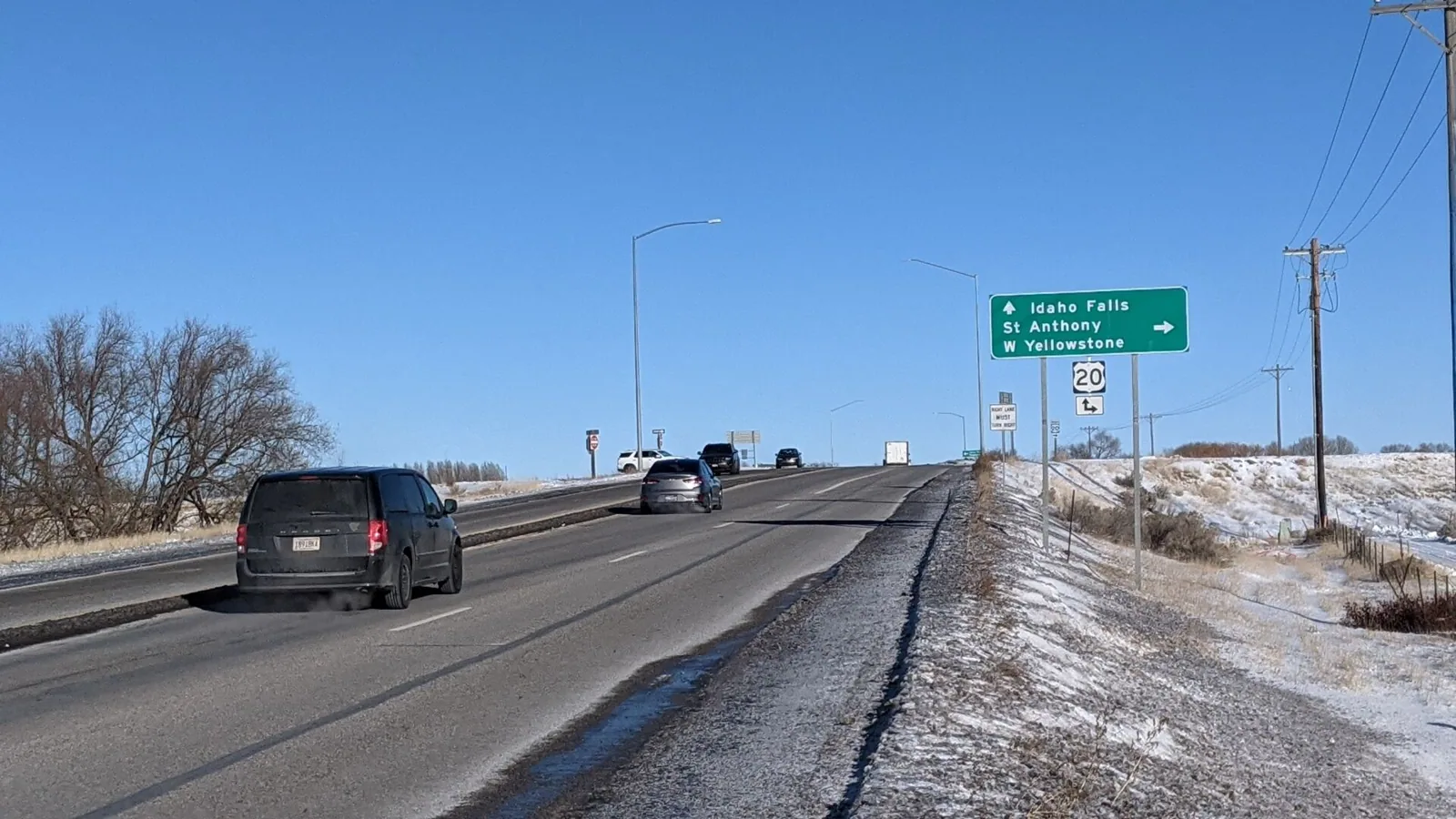
Northgate Mile and 1st Street Area in Idaho Falls, ID

Separate Roof Zones Before Pricing

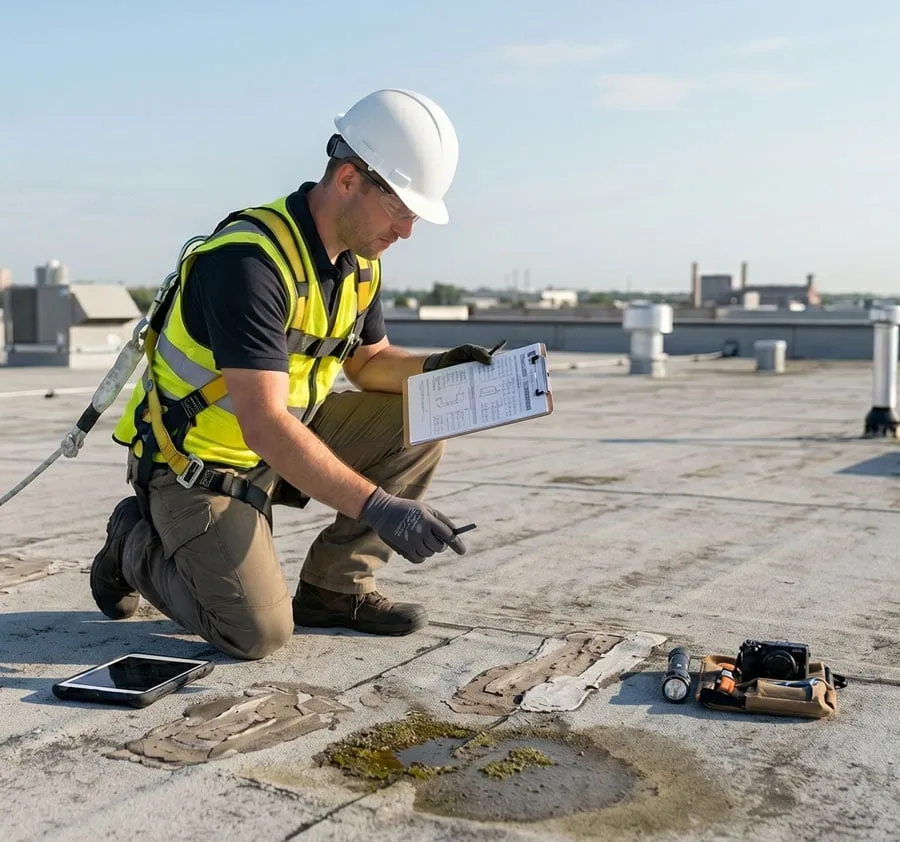
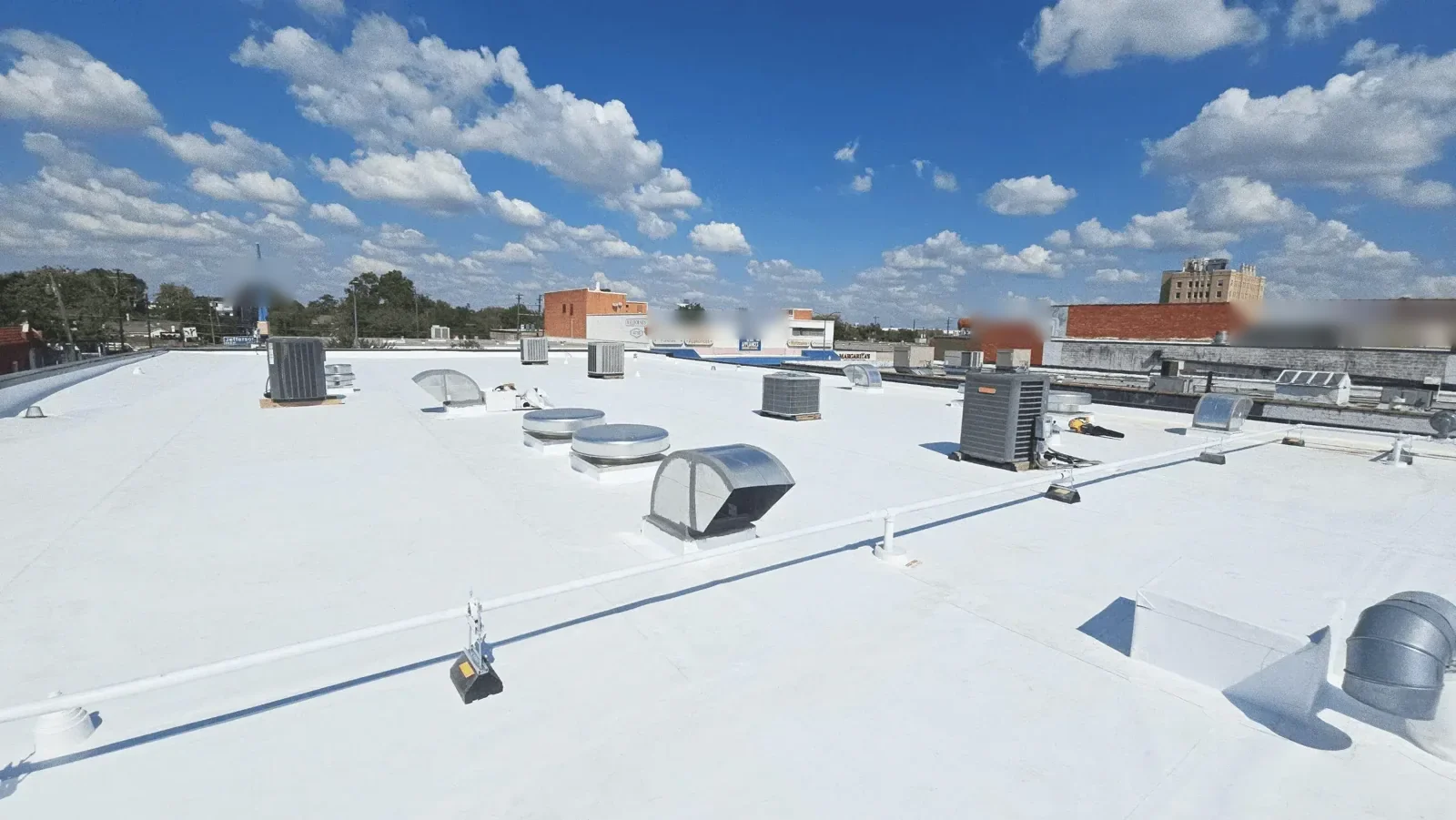
A commercial building may include additions, earlier repairs, or several roof elevations. We label the area under inspection and note the membrane or metal, exposed seams, wall transitions, drains, curbs, and rooftop equipment. When the same interior sign could match more than one path, we compare the roof slope and details rather than assuming the nearest seam is the source.

The commercial inspection records accessible conditions and the limits of the walk. We photograph visible issues and identify where testing could change the repair choice. If wet insulation or poor attachment is suspected, a selective opening or moisture survey may be needed. We keep that testing separate from the repair scope until the owner has a finding and a defined area.

Northgate Mile and First Street combine business districts, nearby homes, and room for redevelopment; confirm building access and service routes before staging roofing work. That mapping does not specify the construction of an individual roof. We rely on project records and physical inspection to identify the existing system and any constraints around neighboring work. The estimate then follows observed material, access, and required protection.

Set the Daily Work Boundary

Freezing nights and hot summer afternoons affect more than product handling. Cold, surface moisture, or wind can change preparation and tie-in conditions. We check the forecast, roof surface, and installation requirements before opening a section. The work area stays within what can be prepared and protected, with temporary water control defined before tear-off or repair begins.

A roof emergency can be addressed around the clock, including weekend and holiday calls. We confirm safe access, identify what needs immediate water protection, and document the temporary step separately from permanent work. If a wet substrate, loose layer, or failed transition needs further review, the follow-up scope states what must be checked before a lasting repair.

At an occupied property, we coordinate roof entry, staging, deliveries, equipment shutdowns, and the areas below the work. The occupied-building sequence can identify entrances, active rooms, and sections that need to remain available. If another trade needs access at a curb or penetration, we agree on the handoff and inspect the finished flashing tie-in.

Match the Fix to the Failure

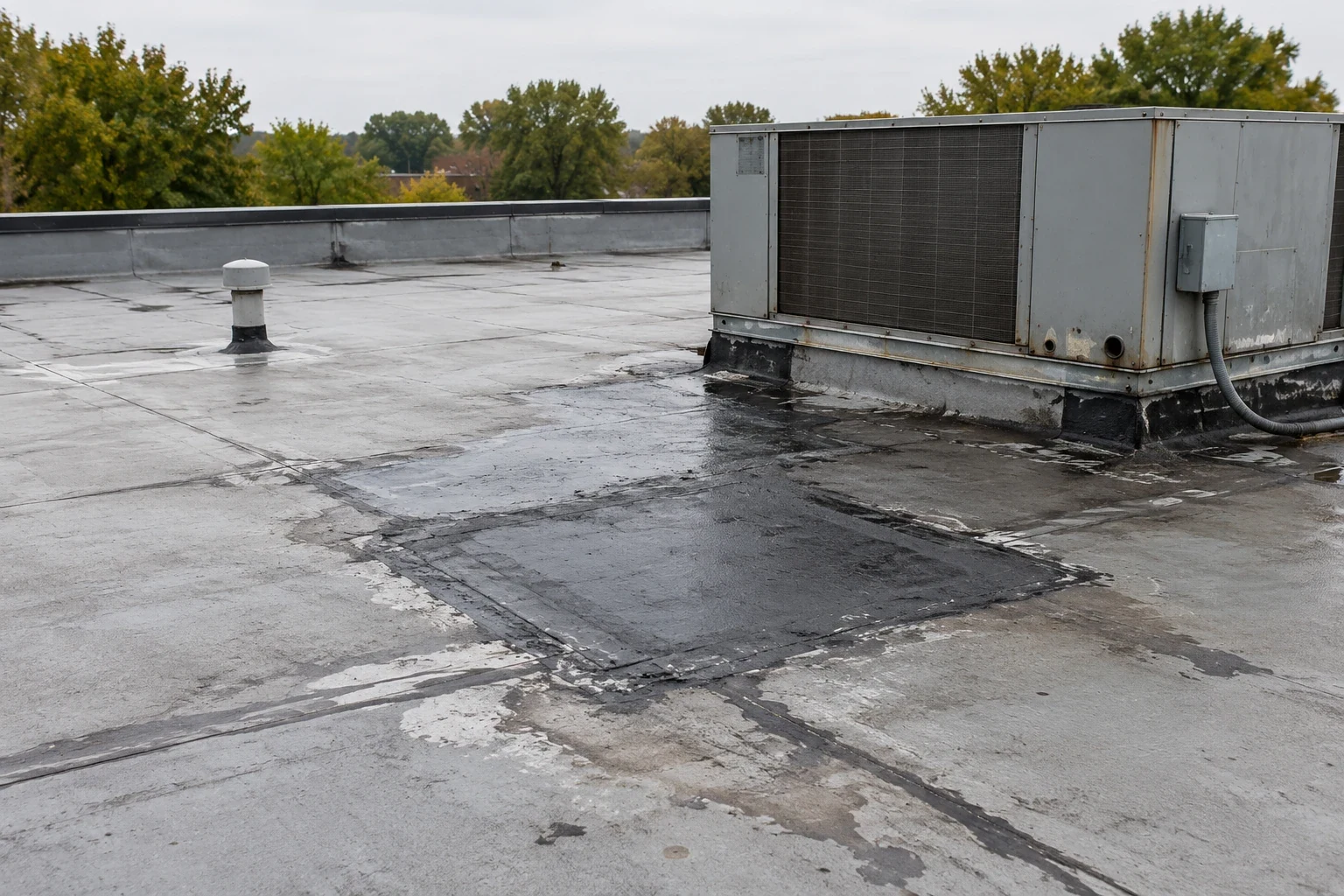
A split seam, puncture, loose flashing, or blocked drain calls for a different repair detail. We inspect the surrounding roof material and substrate, then confirm whether the problem stops at one location or extends into insulation and deck. A surface patch over damp or poorly bonded material can conceal an unresolved issue, so the work boundary needs to include what testing or removal shows.

For a reported leak, the leak investigation connects interior evidence with seams, outlets, penetrations, and roof transitions. Drainage work may call for the drain and scupper review, especially when standing water appears near an outlet. We list each correction and identify any item that requires owner approval after the roof is opened.

When a roof has repeated failures, moisture across several zones, or damaged attachment, we compare localized repairs with section replacement, recover, or full tear-off. Cost depends on removal depth, insulation, substrate work, edge details, equipment, and access. Timing depends on weather, delivery, permits, and how the property needs to operate. We identify those drivers instead of assuming one method fits every building.

Work Within a Changing Commercial Area

The Northgate Mile and 1st Street area includes business districts and nearby neighborhoods with redevelopment and infill potential. Its vision includes mixed-use nodes and services as well as employment and housing. That broader planning context may affect how a property manager thinks about staging and continued access, but the building and the project schedule determine the roofing method.

Downtown Idaho Falls is another planned commercial area, and Downtown and Snake River Landing are distinct service locations with their own surrounding uses. We do not treat those area names as descriptions of a property’s roof. Each site receives a roof-level inspection, documented findings, and an access plan developed with the person responsible for the building.

If work must proceed in phases, we identify each zone, the temporary tie-in, and the route for crews and materials. For a multi-section building, we coordinate drainage and finished edge details as the sequence moves forward. The manager gets a clear list of completed areas and remaining items before the next work period is planned.

Leave Findings Ready for the Next Budget Review

A useful record includes the roof area, system observed, photographs, repair boundary, materials used, access limitations, and any condition that remains unconfirmed. If the owner approves testing or a change after tear-off, that finding should be described before it is covered. Keeping the record by zone helps a later inspection compare the same details.

Preventive maintenance can revisit drains, seams, flashings, edge details, and equipment transitions. A roof condition report can preserve the observations for a capital discussion. If repairs no longer address the extent of moisture or recurring defects, a replacement evaluation can compare options with the existing roof record.

Before work is approved, the written scope should state access needs, weather protection, testing, repair or replacement limits, and what will trigger a change request. That gives the property manager a practical basis for scheduling, budget review, and coordination with other work in the Northgate Mile and 1st Street area.

Questions About Northgate Mile and 1st Street Area

The area around Northgate Mile and 1st Street covers corridors and neighborhoods northeast of Downtown. It identifies two business districts and nearby neighborhoods with redevelopment and infill potential. We use that broad geography for service coverage, then inspect each property separately.

No. Changing uses in the area make it important to verify each building’s roof assembly, access rules, and repair history before estimating work. We review available records and inspect the actual membrane, metal, seams, flashings, drainage, and attachment before recommending a repair or replacement.

We check current surface conditions, forecast, and system instructions, then size the open area to the work that can be completed and protected. The daily plan identifies a closure point and what temporary protection is needed if work pauses.

Emergency response is available around the clock, holidays and weekends included. We assess access and immediate water-control needs, then document any temporary measure separately from permanent repairs or follow-up testing.

We record the roof zones, materials, completed details, photographs, access limits, and remaining maintenance items. Any condition that could not be confirmed stays listed for follow-up, so it does not disappear into a general completion note.

ServicesRoof SystemsIndustriesProperty TypesService AreasDamage RepairCapabilitiesManufacturersContactAboutRequest a Roof Assessment555-555-5555
Call us today555-555-5555