Commercial Roof Replacement in Idaho Falls, ID Serving Idaho Falls & Eastern Idaho

Plan commercial roof replacement in Idaho Falls with a documented tear-off scope, drainage review, and schedule shaped by winter exposure and summer heat.

Roof Replacement in Idaho Falls, ID

Roof Replacement

Idaho Falls, ID moves from a January mean near 20 degrees to July afternoons that average 86.6 degrees, a range that makes roof replacement a decision about both assembly and work window. Repeated freezing can expose weak seams, curbs, drains, and edge metal before summer heat changes the membrane again. We inspect the field and its transitions, record what has failed, and separate tear-off needs from work that may remain. For a medical, retail, office, or industrial property, the scope also needs to fit the building calendar, access rules, and temporary water-control plan.

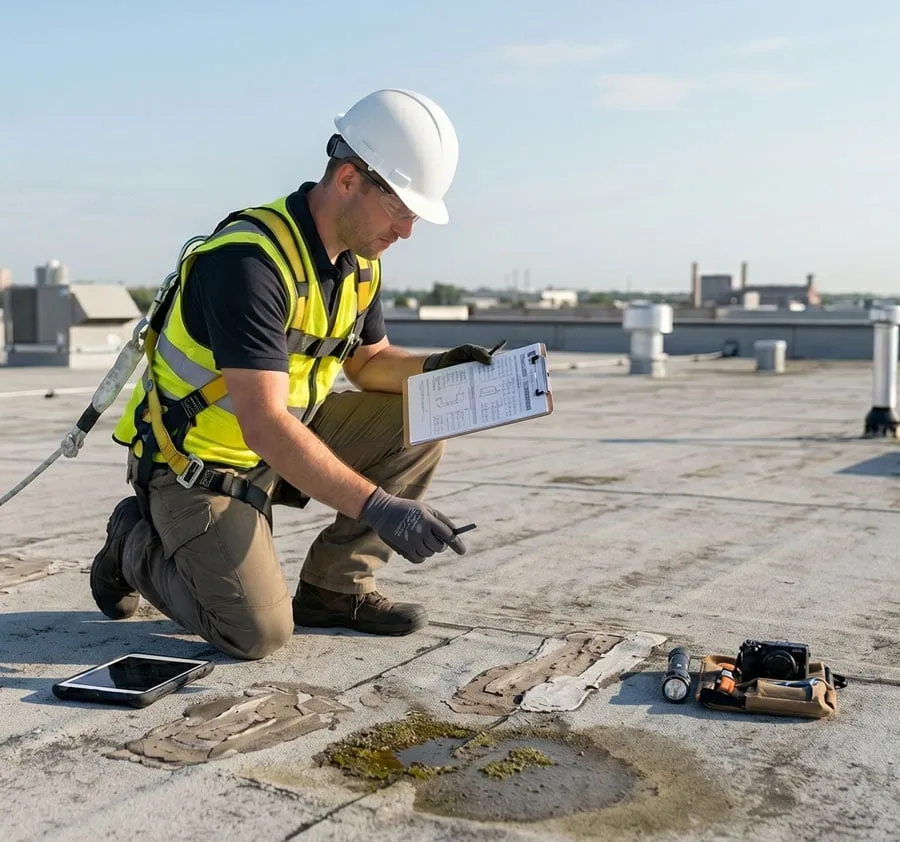
A replacement begins with evidence, not a material choice. We map wet or deteriorated areas, check attachment and insulation, note penetrations, and look for drainage problems that would remain beneath a new membrane. Industrial areas in Idaho Falls support manufacturing, processing, storage, warehousing, wholesale distribution, and rail uses. Each property still needs its own access and operating plan. A loading area may need to stay open while another portion is stripped. Our occupied-building reroofing approach sequences work by area and identifies decisions needed before tear-off.

For broad Idaho Falls commercial districts, the first step is still a roof-specific survey. A field survey documents the existing membrane, deck condition, and drainage path before the replacement assembly is designed. The estimate should grow from those observations and state what will happen if concealed damage appears.
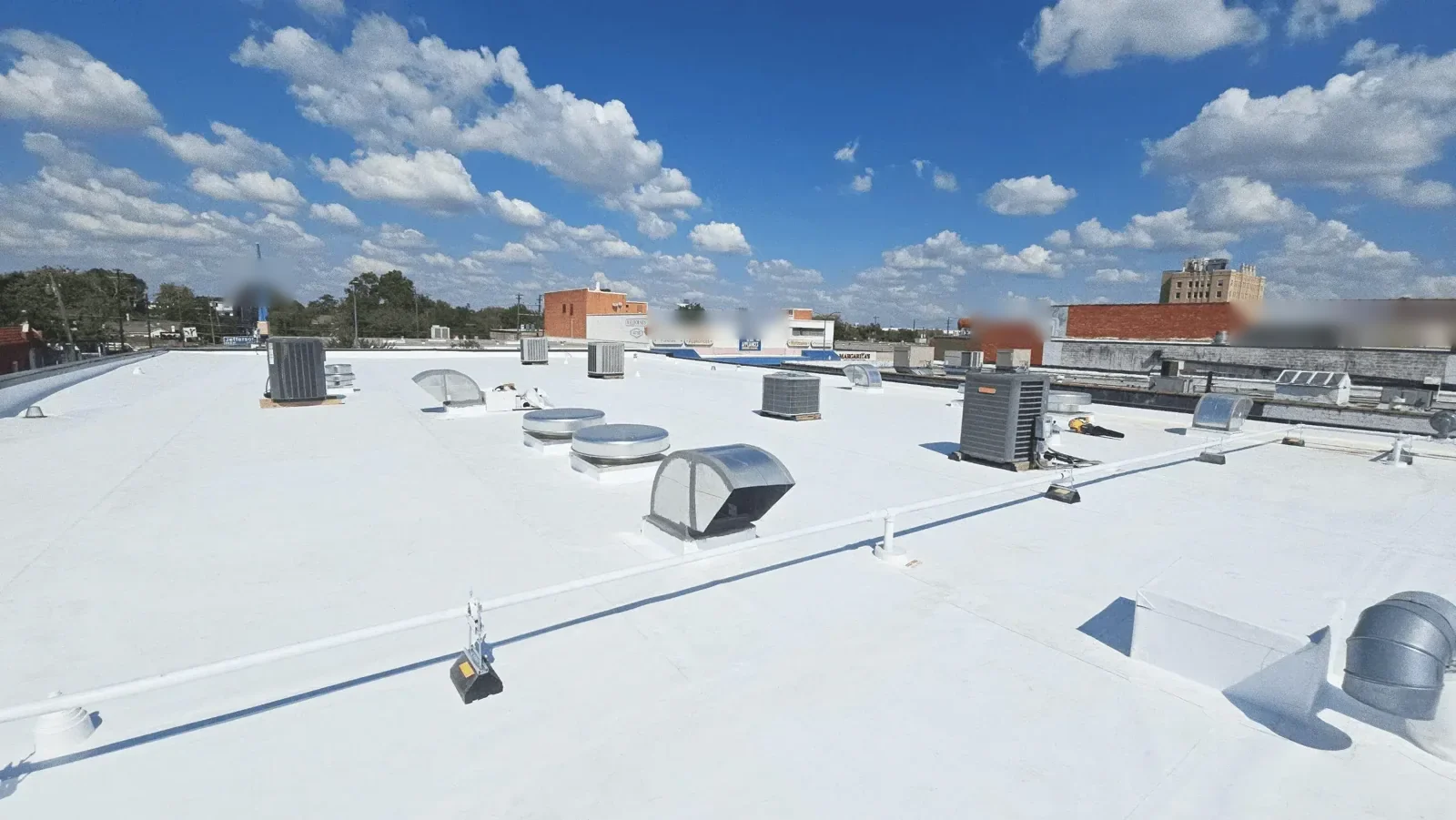
Roof Replacement in Idaho Falls, ID

The Assembly Sets the Scope

Two roofs with the same age can call for different plans. We identify the existing membrane or metal, count the layers where accessible, inspect seams and flashing, and test suspect areas when the assembly requires it. A surface split does not by itself tell us whether insulation below is dry; a persistent interior mark can point to water that has traveled from a curb or drain. We document each finding with its location and condition, then explain whether it supports repair, recover, or full removal. That record gives ownership a defensible basis for the project budget.

Drainage deserves its own line in the review. Ponding may reflect blocked outlets, settled insulation, or a deck condition, and replacement can preserve the same problem if the cause is not addressed. We look at drain bowls, scuppers, overflow paths, and the slope leading to them. The inspection also checks parapets, edge attachment, penetrations, and rooftop equipment supports because those interfaces interrupt the field membrane. A drain and scupper repair scope may need to precede or accompany the reroof. The estimate should state which corrections are included and which require owner approval.

Choose a Work Window With the Weather

Idaho Falls averages show 182.2 days a year with minimum temperatures at freezing or lower and 26.5 days with highs of at least 90 degrees. Before replacement, we confirm the roof surface, forecast, and product temperature limits for the planned work window. May is Idaho Falls wettest month by mean precipitation, at 1.57 inches. We size each tear-off phase so the crew can close it against changing conditions rather than leave a broad field exposed.

Snow and thaw can obscure drains or complicate material handling. Our snow and ice damage assessment separates seasonal water-control concerns from physical damage. A health-care building or College of Eastern Idaho classroom and lab facility also needs a sequence that protects entrances, air intakes, and active rooms. Before work begins, the plan names staging limits, debris routes, protected areas, and who approves a schedule change.

Compare Replacement and Recover Options

Full replacement removes existing layers so the substrate can be examined and corrected. It fits when moisture is widespread, the deck needs repair, the layer count blocks another assembly, or details cannot be made reliable above the old system. A recover can reduce removal, but only when code, capacity, attachment, and moisture conditions allow it. Our recover-versus-tear-off review weighs those limits against the findings. A single-ply roof system may suit some low-slope buildings, while metal requires a different detail plan at seams and fasteners.

The specification should identify insulation, cover board, membrane, flashing, edge securement, and each transition at curbs and drains. Idaho Falls applicants are directed to the 2018 International Building Code, International Existing Building Code, and International Energy Conservation Code. We review project requirements with the team and keep permit decisions specific to the actual assembly and building.

Keep Operations Moving

Construction planning matters as much as the roof section. We divide the work into zones, set staging areas, protect HVAC intakes, and coordinate shutdowns before equipment is disconnected. At a warehouse, loading and rail-serving activity may shape the daily sequence. Idaho Falls industrial and manufacturing areas connect to streets and rail facilities; confirm delivery access, lift placement, and loading needs at the building. A pre-job meeting can settle access, noise, lift placement, and temporary closures for the actual property. The roof conditions and facility calendar, not the district label, set the sequence.

Each phase needs a water-control plan. Tear-off stays within the area the crew can prepare and dry-in that shift; temporary tie-ins protect the boundary between new and existing roof. We track live penetrations and coordinate their flashing as work progresses. The Snake River Landing district has offices, dining, residential uses, and event venues, while Northgate Mile includes business districts and nearby neighborhoods. Those different settings call for a site-specific plan for entrances, occupied zones, deliveries, debris, and weather holds. Concealed damage is documented and approved before added work proceeds.

Make the Estimate Comparable

Replacement cost changes with removal depth, deck repairs, insulation, access, edge work, drainage corrections, and temporary protection. Curbs and rooftop units add detail work; active operations can change staging and disposal. We list those drivers separately so a manager can compare base work, alternates, and uncertain conditions during a capital review.

Timing depends on permits, material availability, safe access, weather, and concealed deck conditions. We identify decisions that could move the schedule and tie the sequence to building operations. If a full reroof is not justified yet, a hands-on roof inspection documents current condition and priorities. A maintenance program after installation can track drains, seams, and exposed flashing before small defects become water-control problems.

Questions About Roof Replacement

A useful estimate identifies the roof areas, existing layers where known, removal depth, insulation and membrane assembly, flashing details, drainage work, and allowances for concealed deck conditions. It should also explain access, staging, daily dry-in limits, debris handling, weather holds, and inspection points. We can mark each item as base work, alternate, or owner decision so a manager can compare bids without treating unlike scopes as equal.

Yes, with a written sequence that protects people and building systems. We divide the roof into manageable sections, coordinate noisy or disruptive work, protect air intakes, and confirm how deliveries and emergency routes remain open. The Idaho Falls industrial district includes manufacturing, processing, storage, and wholesale uses, while downtown and Northgate Mile have different access patterns. The site contact helps us set workable boundaries before mobilization.

A recover may fit when the existing assembly is dry, secure, within applicable layer limits, and able to support the new system. A wet substrate, weak attachment, damaged deck, or unresolved drainage issue can make removal the sounder choice. We inspect those conditions and explain what is known, what needs testing, and what the applicable building review requires before recommending either path.

The local Idaho Falls climate averages show frequent freezing conditions and a hot summer period, so temperatures can affect material handling, application, and safe access. The daily work boundary follows the current forecast and the assembly’s installation requirements. We set a weather window with the assembly requirements in mind, stage tear-off to maintain dry-in, and adjust the daily work area when conditions make an exposed roof unsafe.

We stop at the affected area, photograph and describe the condition, and give the owner a defined repair choice before covering it. The estimate should state how concealed damage is priced and approved. This keeps a structural or substrate finding from becoming an undocumented addition and lets the project manager understand its effect on the work sequence.

ServicesRoof SystemsIndustriesProperty TypesService AreasDamage RepairCapabilitiesManufacturersContactAboutRequest a Roof Assessment555-555-5555
Call us today555-555-5555