Grocery Store Roofing in Idaho Falls, ID Serving Idaho Falls & Eastern Idaho

Coordinate grocery store roof repair in Idaho Falls with attention to refrigeration equipment, water control, delivery access, and occupied sales areas.

Grocery Store Roofing in Idaho Falls, ID

Grocery Store Roofing

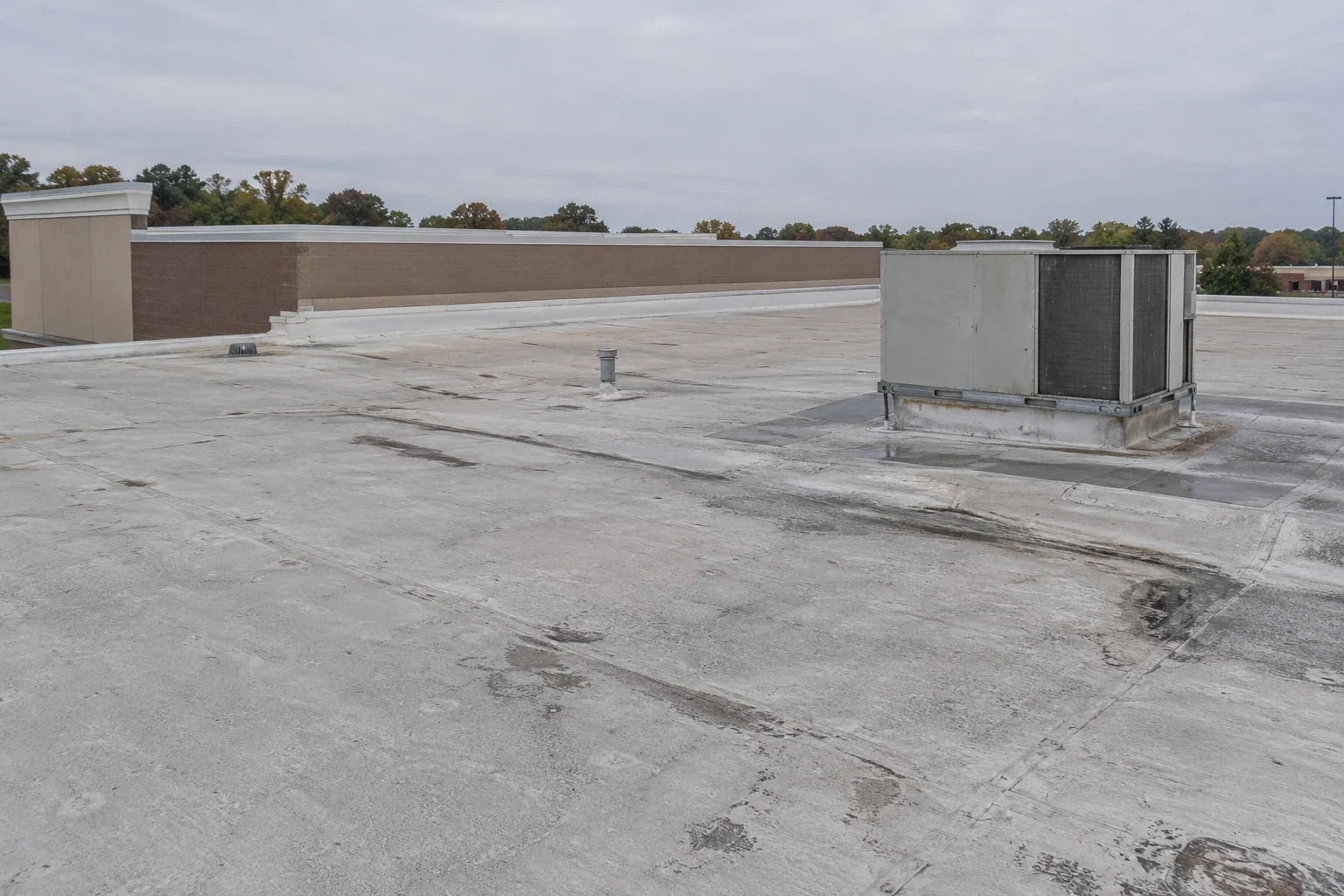
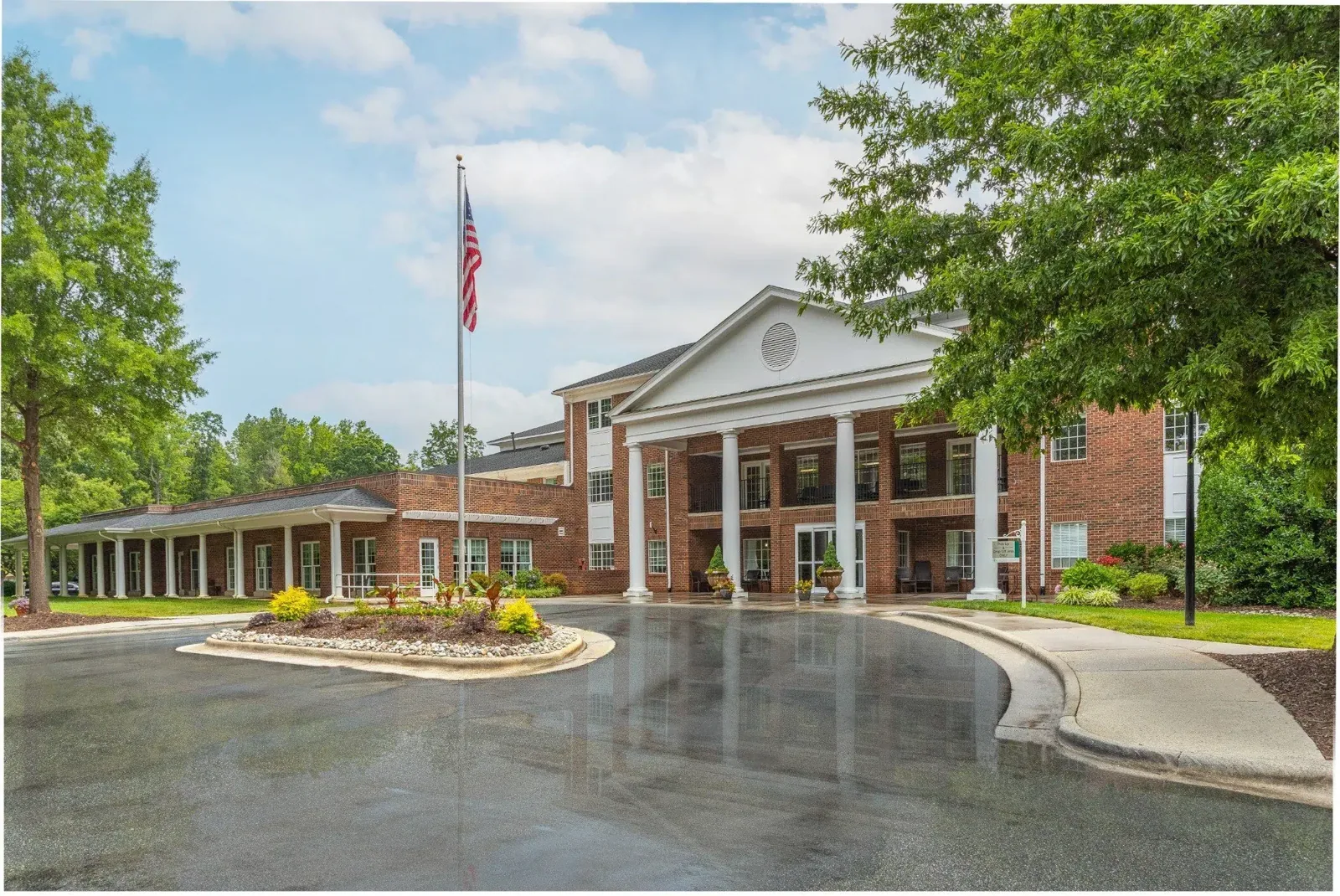
Grocery roof work has to protect a building where refrigeration, receiving, and public access continue to matter during repairs. Idaho Falls moves through repeated freezing periods and a hot summer roof season, so seams, drains, curbs, and equipment supports need a schedule tied to the assembly. Idaho Falls averages include frequent freezing conditions and warm summer days, but the daily forecast governs work at a store. We inspect the roof and identify how to control water before work is opened above active areas.

Idaho Falls is a regional center for retail, restaurants, travel, and business. The Blackfoot US Highway 91 corridor runs through the city's commercial core, and agriculture is a regional economic foundation. The Idaho Falls Warehouse District combines storefronts with warehousing and light industry. Those settings frame delivery planning, while each store's roof and access need individual review.

A leak above a cooler, sales floor, receiving bay, or back-of-house room may follow a path from another roof zone. We map drains, curbs, exhausts, service lines, and seams against interior reports. The scope separates roof defects from refrigeration or condensate work and identifies immediate water control.
Grocery Store Roofing in Idaho Falls, ID

Separate Roof Water From Equipment Condensate

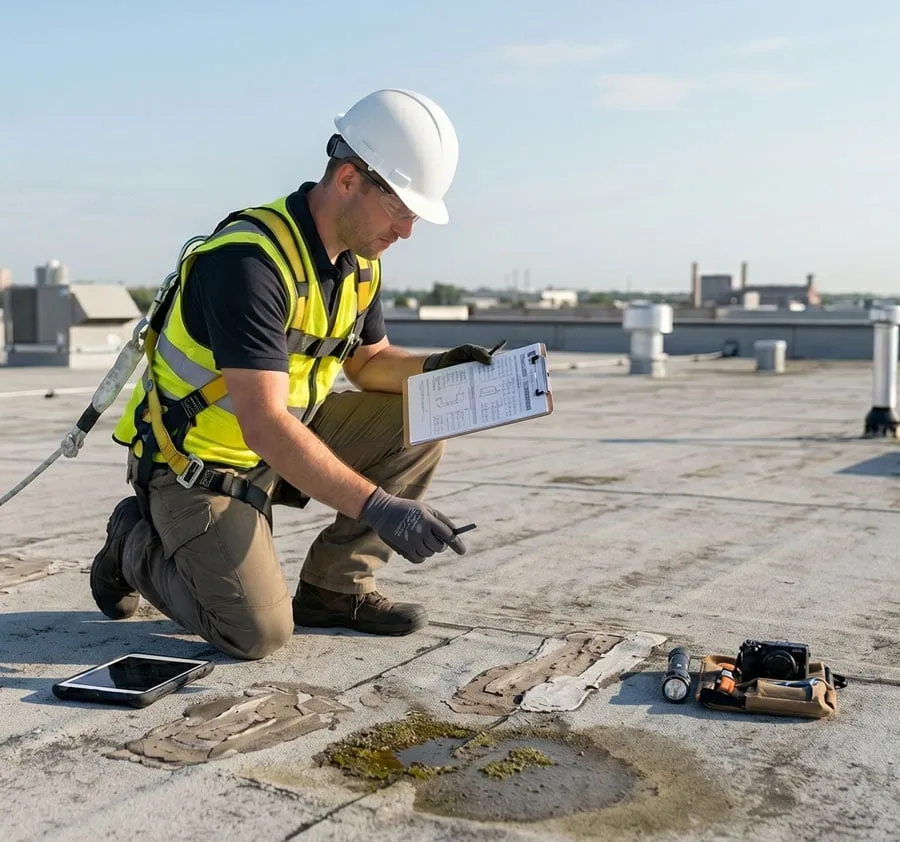
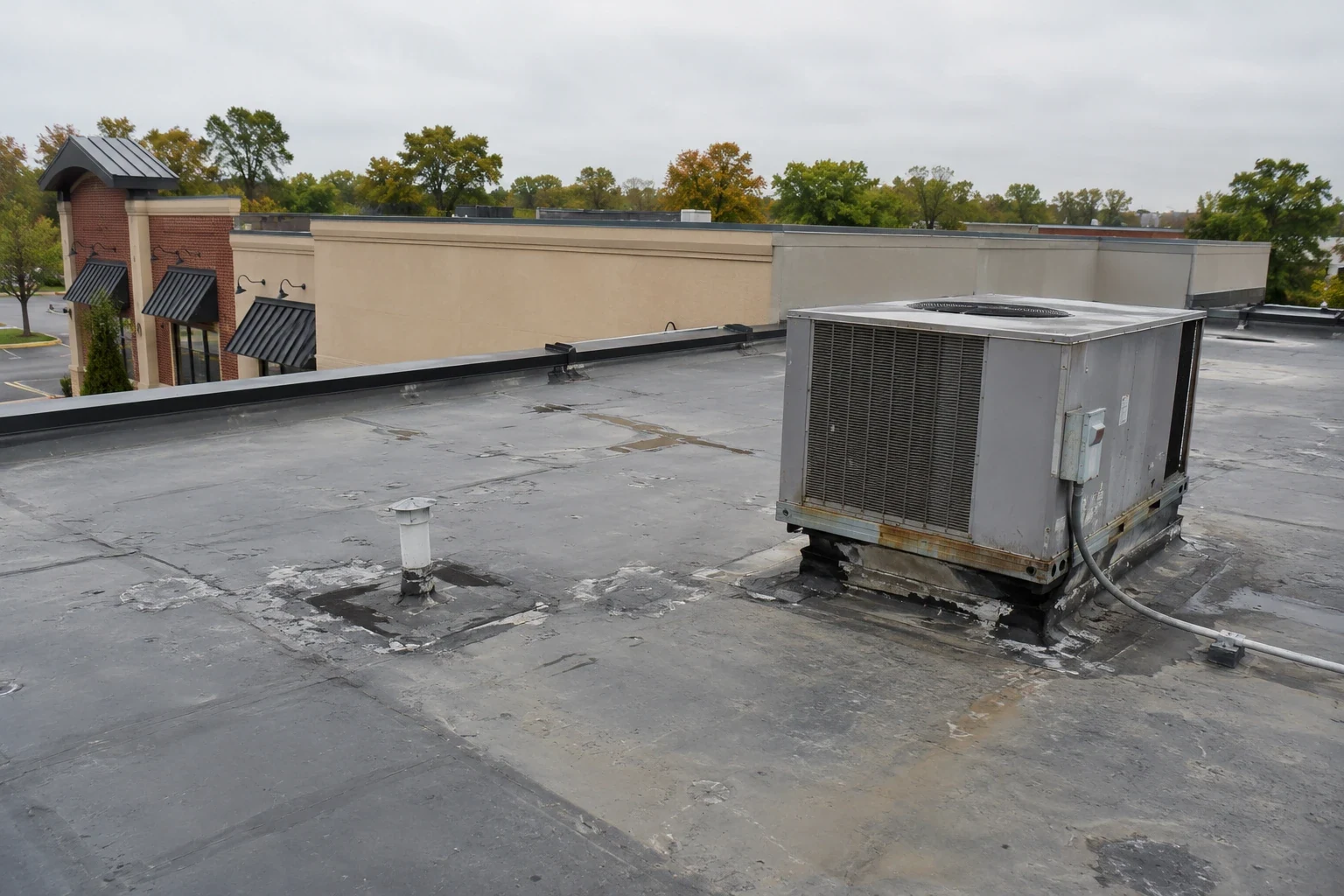
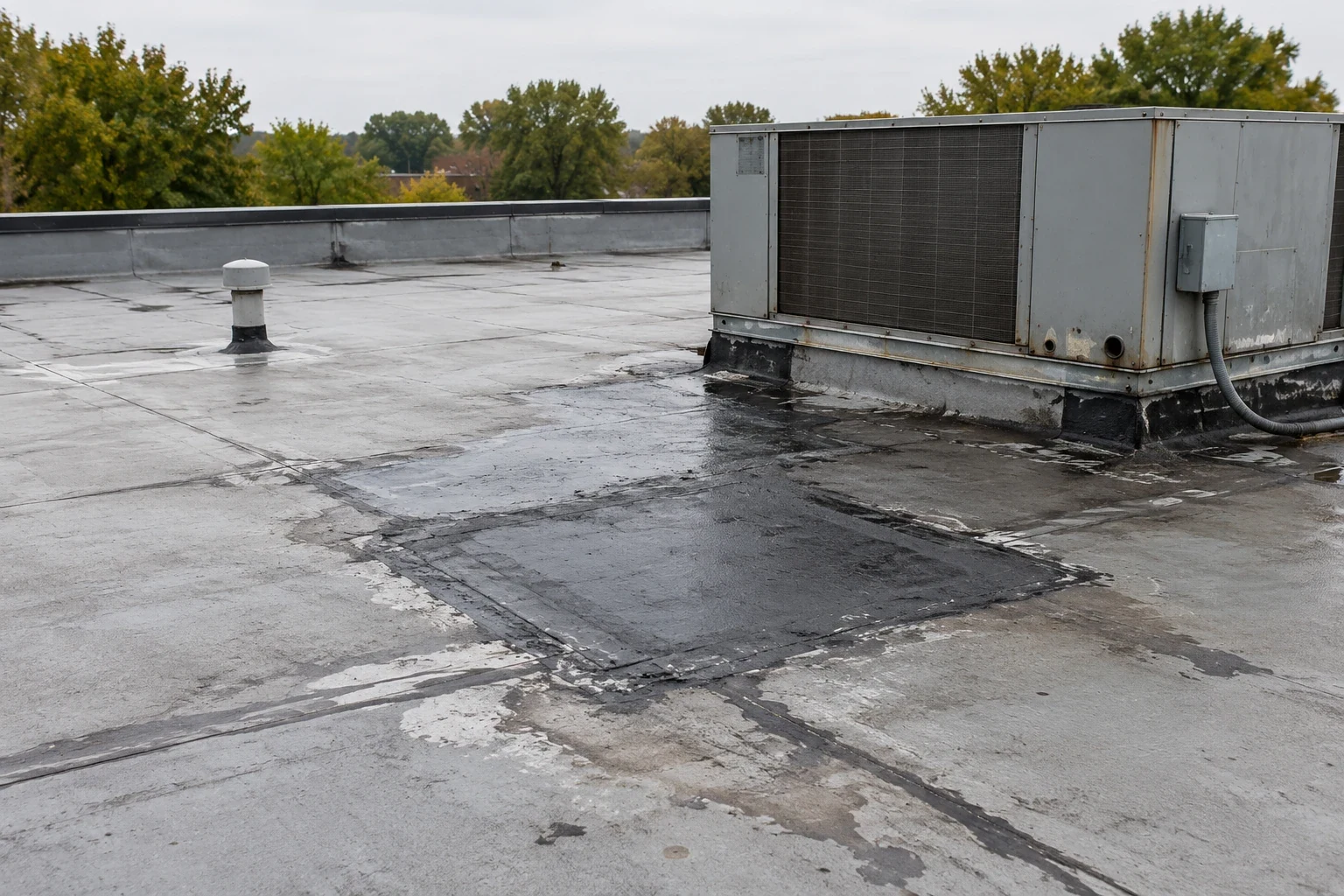
We identify the membrane or metal, then inspect seams, curbs, parapets, drains, and patches. A wet ceiling near refrigeration equipment can have more than one cause. We compare its timing and location with roof slope, flashing, and service points before assigning a source.

Moisture can spread beyond the opening. We mark suspect insulation and any test limits. A leak investigation traces the route, while drain and scupper repair can address a failed outlet. The finding separates confirmed causes from open questions.

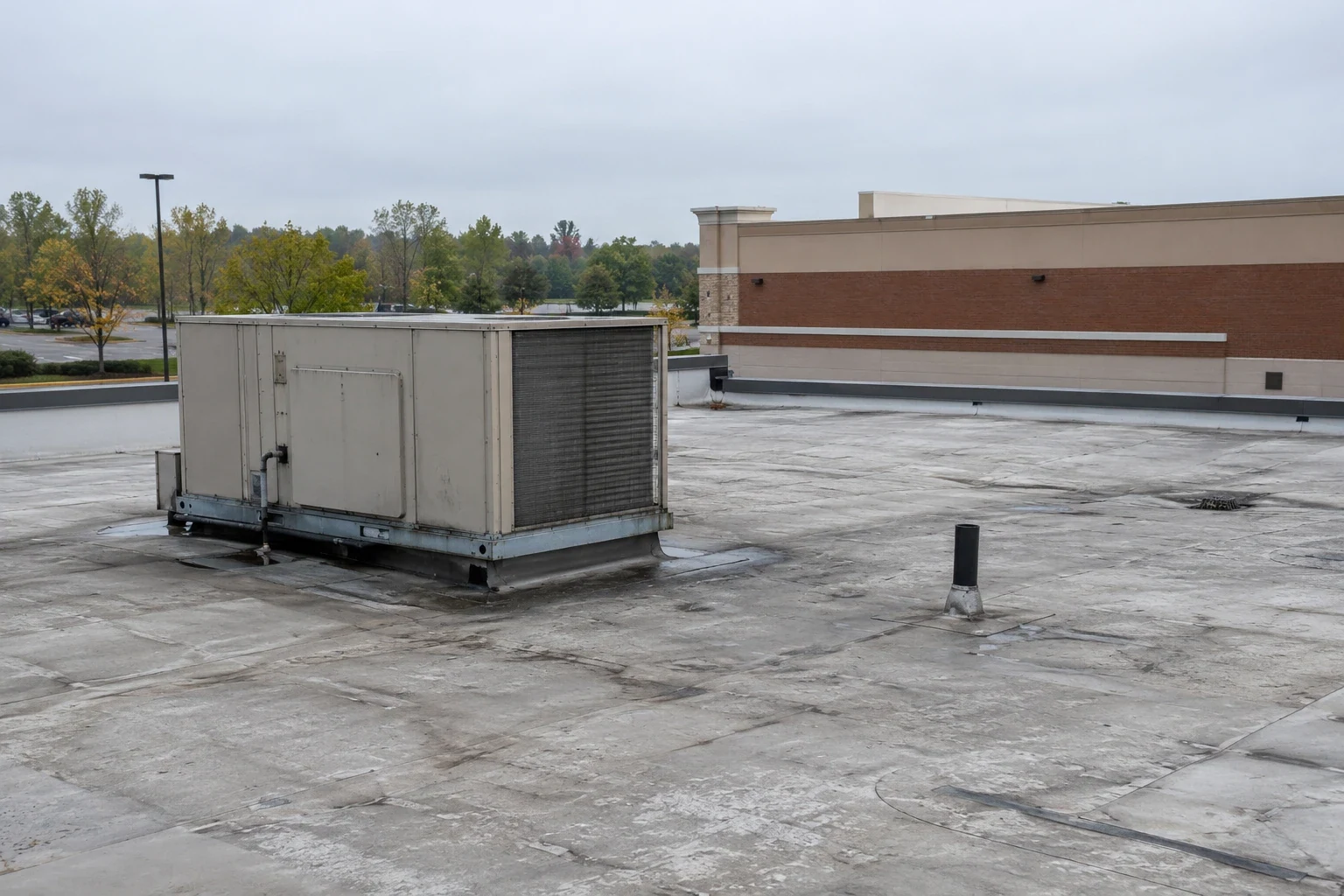
Curbs, refrigeration lines, exhausts, and conduits need accessible flashing. We coordinate with store facilities staff and separate mechanical work from the roofing scope, giving ownership a clear trade boundary.

Keep Deliveries and Sales Areas Moving

Before mobilization, the store manager identifies receiving hours, truck paths, customer entrances, accessible routes, air intakes, and rooms where interior protection is needed. We coordinate lifts and material staging away from delivery movement and define any temporary restriction in advance. For work above an active sales floor, the written sequence sets controls for dust, debris, and potential water entry. Our occupied-building roofing sequence records the boundaries and schedule contact.

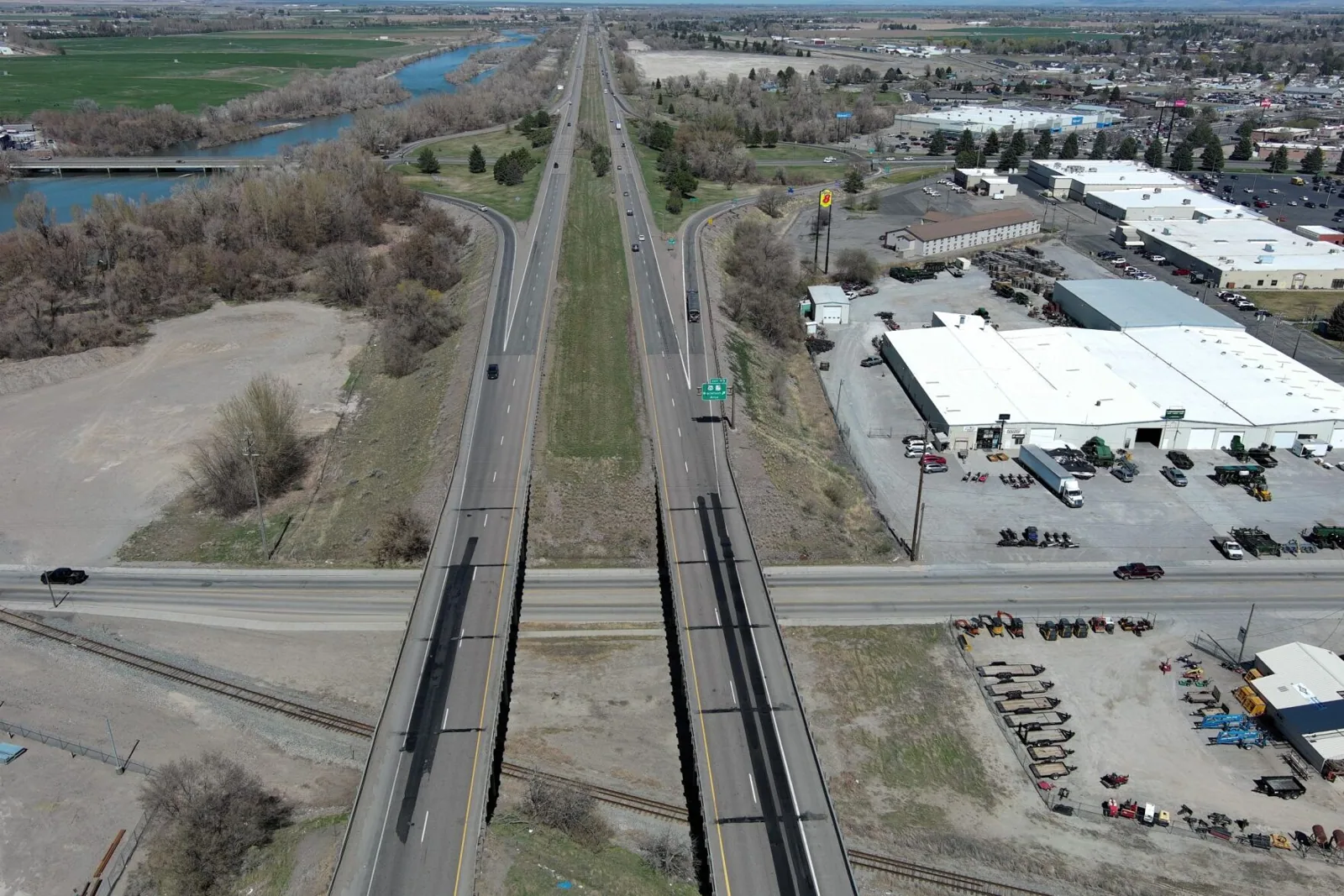
Idaho 26 and Idaho 39 extend from Blackfoot toward surrounding communities, linking regional trips with local commerce. For properties near the Blackfoot US Highway 91 corridor, we check receiving and equipment access before setting a work zone.

Daily closure matters. We limit the open section to what can be inspected and covered during the shift, then protect tie-ins between new and existing material. If a hidden condition or weather change delays progress, the facility contact knows where work stops and what remains temporary. This helps the store maintain water control without confusing an interim cover with a permanent repair.

Respect the Local Work Window

Idaho Falls moves from repeated freezing conditions to hot summer periods. Each store roof needs its own inspection and current-weather check. They make the selected system's temperature limits and the condition of the substrate relevant to scheduling. We check the forecast, material requirements, and access conditions before setting the daily work boundary.

Freeze and thaw can affect exposed seams, drain connections, and flashing where water remains. We inspect the flow path and note whether a blockage, low area, or failed detail contributes to the problem. If ice restricts safe access, we record what can be seen and what needs another inspection when safe access returns.

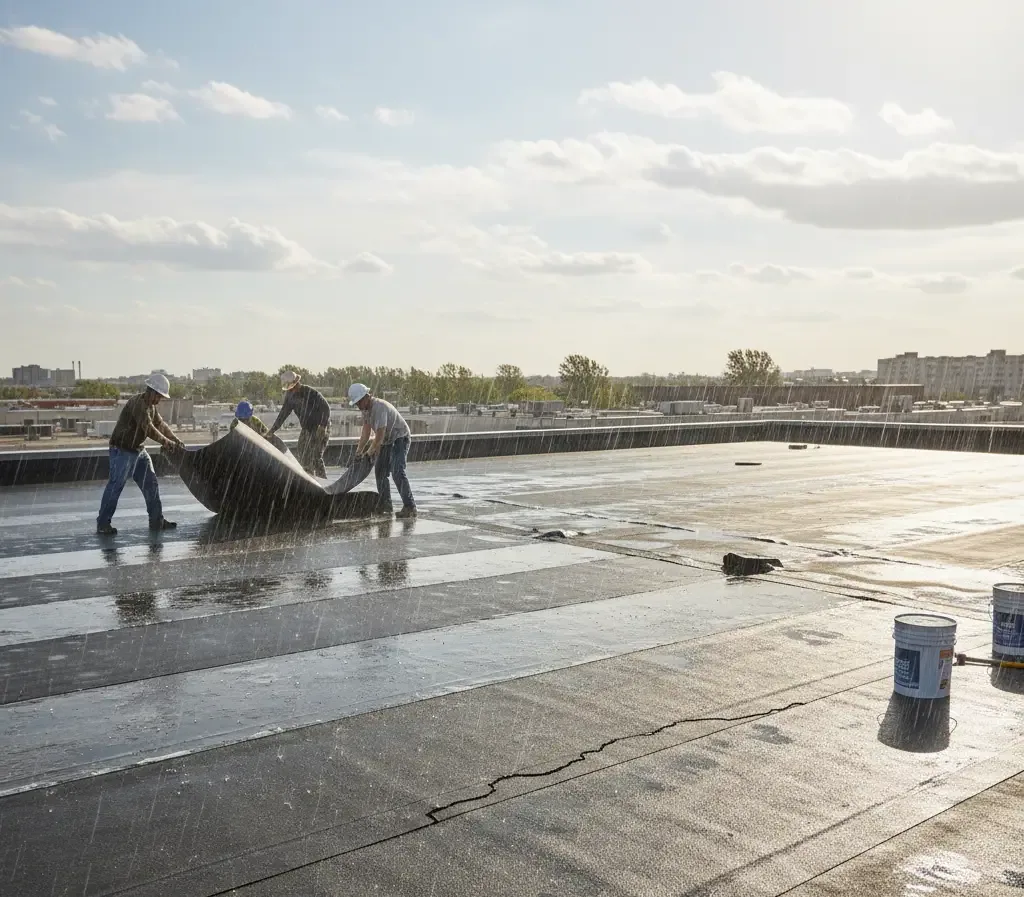
Material delivery, permits, refrigeration coordination, and access can all affect timing. The scope identifies dependencies and owner decisions. A weather hold should have a clear stop point and temporary protection, so a scheduled repair does not leave an exposed section above food storage or a sales area.

Choose a Repair That Fits the Roof

A defined flashing or seam defect may be repaired when the nearby assembly remains dry and secure. Broad moisture, recurring openings, poor attachment, or deck deterioration can point to wider renewal. A recover depends on the existing assembly, layer limits, and ability to support new roofing. We document findings and needed testing.

Idaho Falls applies adopted building, existing-building, and energy-code editions; the project team confirms which requirements govern the specific scope. The project team evaluates which requirements apply to the specific scope. An EPDM roof assembly or another system should be considered against existing substrate, drainage, penetration details, and service access. A membrane choice does not correct a failed drain or an equipment interface that needs rebuilding.

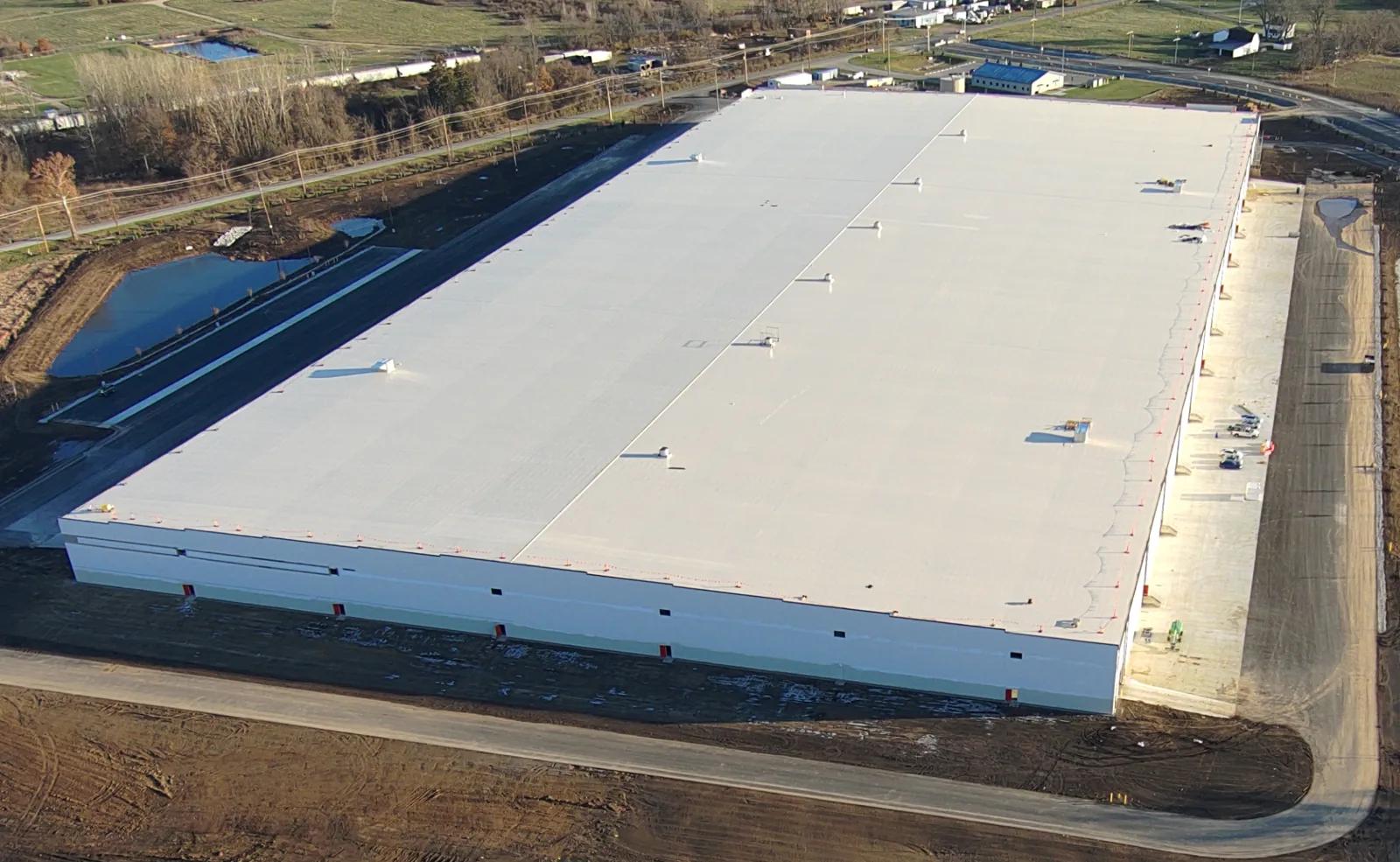
For stores with a broad open retail area, big-box roof planning considers staging and wide work zones. A nearby restaurant roof scope may have exhaust-intensive areas and different service timing. Each grocery building still needs a roof-specific inspection that distinguishes refrigeration needs from membrane work.

Make Roof and Store Costs Clear

Estimate drivers include insulation removal, deck repair, drains, flashing, equipment curbs, roof access, and the need to keep receiving or customer routes open. A large section can contain many penetrations, each with its own detail work. We list known items separately and define how concealed conditions are measured and approved. If the leak requires immediate control, that temporary step is shown apart from permanent correction.

Schedule depends on the daily dry-in limit, material availability, equipment coordination, and store operations. We identify what could change the sequence and who can approve that change. A maintenance plan revisits outlets, seams, and curbs; a roof condition report preserves photos for budgeting.

Idaho Falls and the Blackfoot corridor provide regional context, while the store survey sets the scope. We provide a written scope based on the actual roof, equipment access, and operating plan, giving ownership a clear comparison between repair and planned renewal.

Questions About Grocery Store Roofing

We compare timing and location with roof slopes, curbs, seams, drains, and equipment service points. Condensate or piping can be a separate source, so the inspection records what evidence supports a roofing cause and what should be checked by the mechanical team. We do not cover an uncertain source with a surface patch.

The sequence depends on access, noise, air intakes, receiving, and the daily closure limit. We coordinate those conditions with store staff, define any area restrictions, and identify interior protection before opening the roof. If a weather hold changes the plan, the facility contact receives the updated work boundary.

Curbs, service penetrations, supports, flashing, seams, and nearby drainage all affect water control. We note whether access or an equipment shutdown is needed and distinguish roofing work from mechanical tasks. A curb may need new flashing even when the equipment itself remains in service.

Broad wet insulation, repeated failures, weak attachment, or deck deterioration may support a replacement review. A contained opening surrounded by sound material may be repaired. We document the area and test limits so the manager can compare the capital options from the actual roof condition.

Freezing conditions can affect access, product application, and drainage. We check the actual forecast and roof surface before choosing the work area. A field inspection and the selected material requirements determine whether a repair can proceed safely under current conditions.

ServicesRoof SystemsIndustriesProperty TypesService AreasDamage RepairCapabilitiesManufacturersContactAboutRequest a Roof Assessment555-555-5555
Call us today555-555-5555