Schedule a Roof Inspection in Your Area
We will inspect the property, document the assembly and access conditions, and prepare a written scope based on the roof findings.
Commercial roof service across Idaho Falls and nearby cities begins with a property-specific inspection, access plan, and documented work scope.
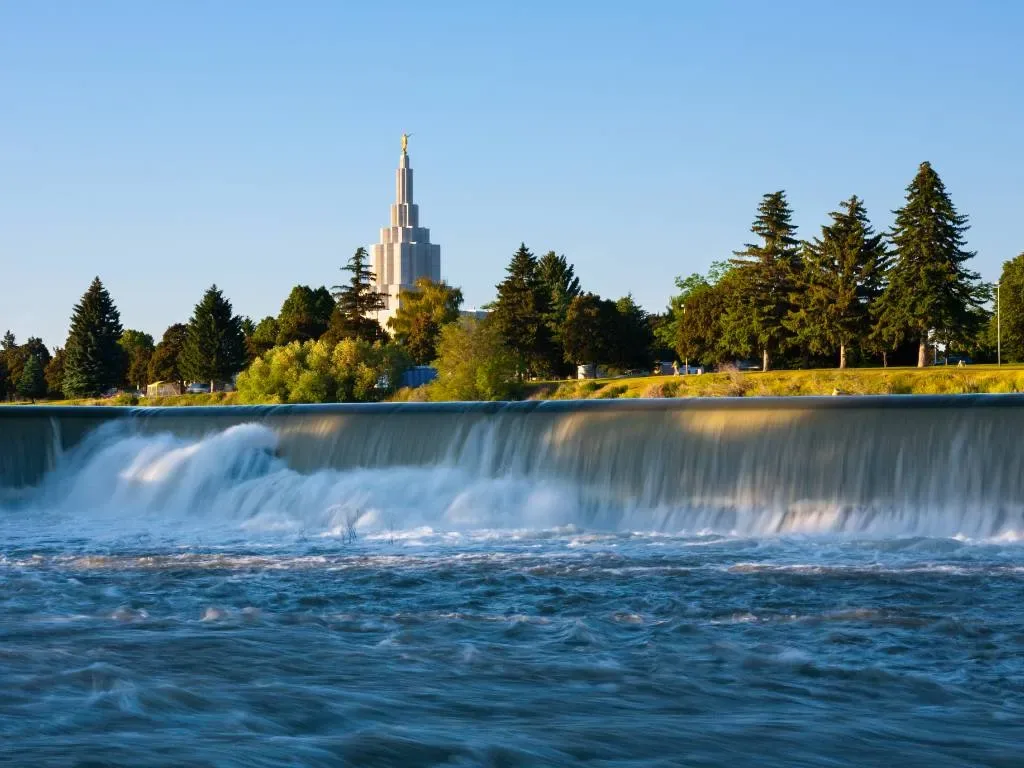
Commercial roofing in Idaho Falls starts with a close look at seams, drains, insulation, and access, followed by a written repair or replacement scope.
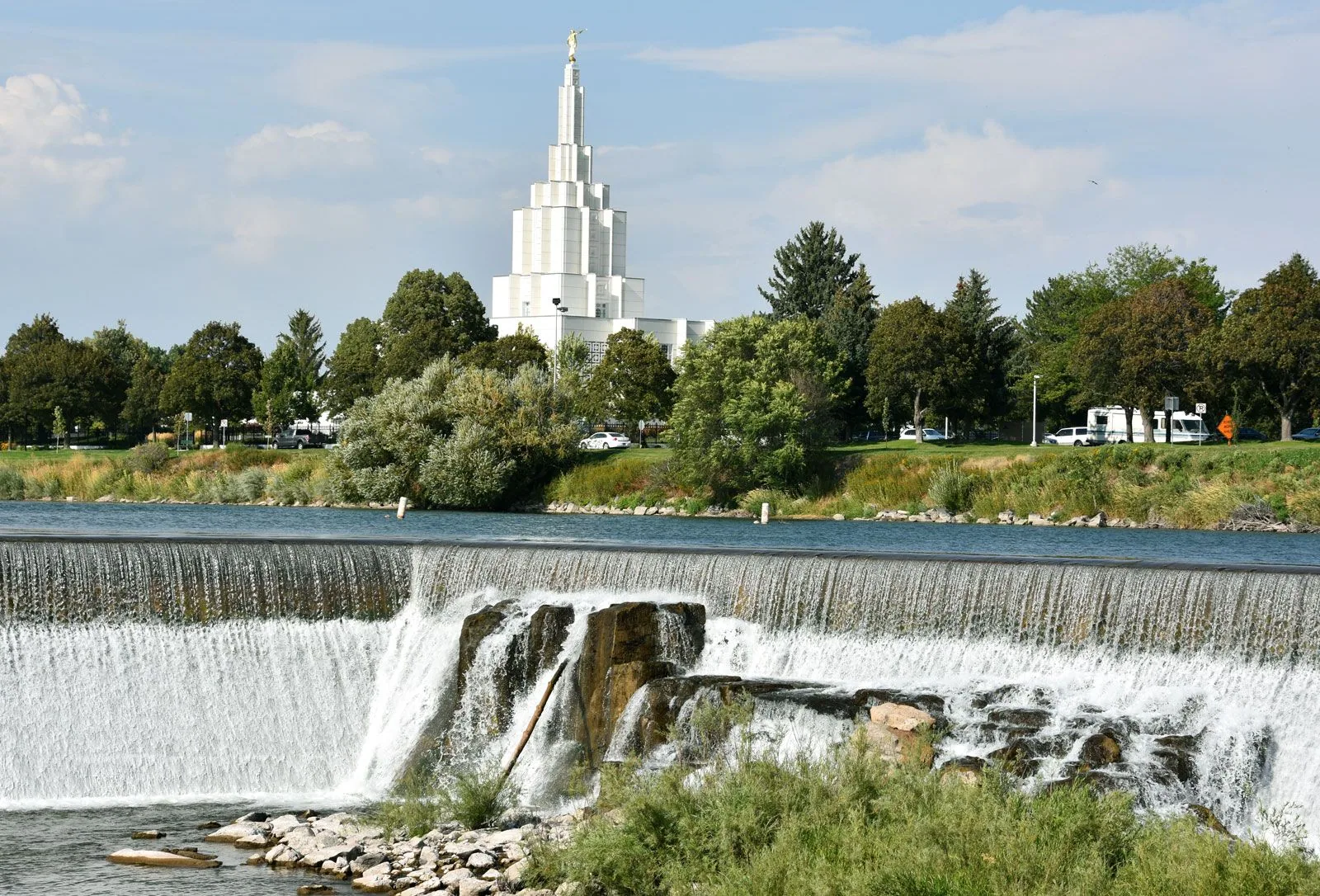
Plan commercial roof repair in Downtown Idaho Falls with detail checks, weather-aware work areas, and a written scope that accounts for building access.
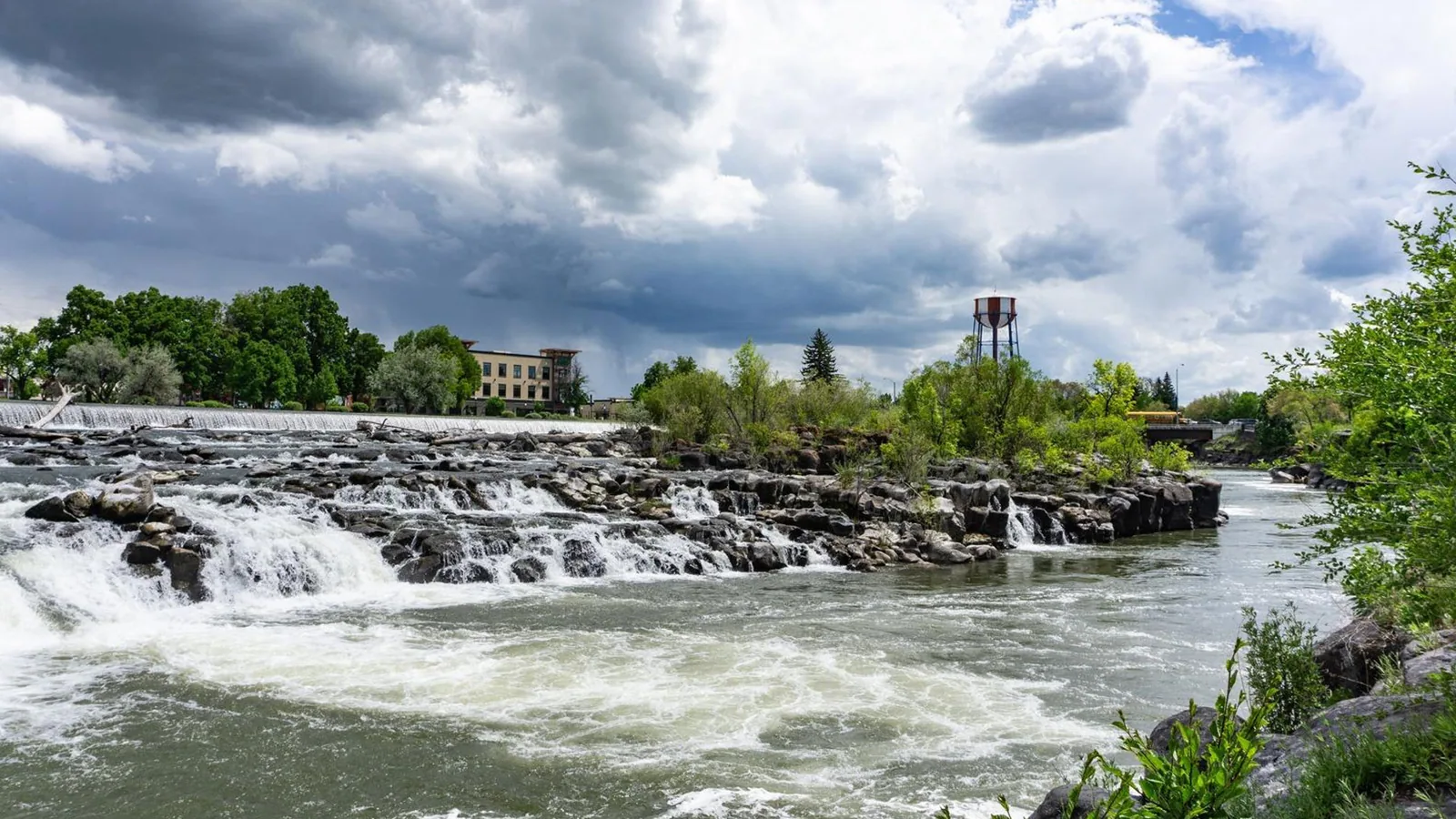
Commercial roofing in South Downtown Idaho Falls starts with roof-zone findings, careful access planning, and a repair scope suited to the building.
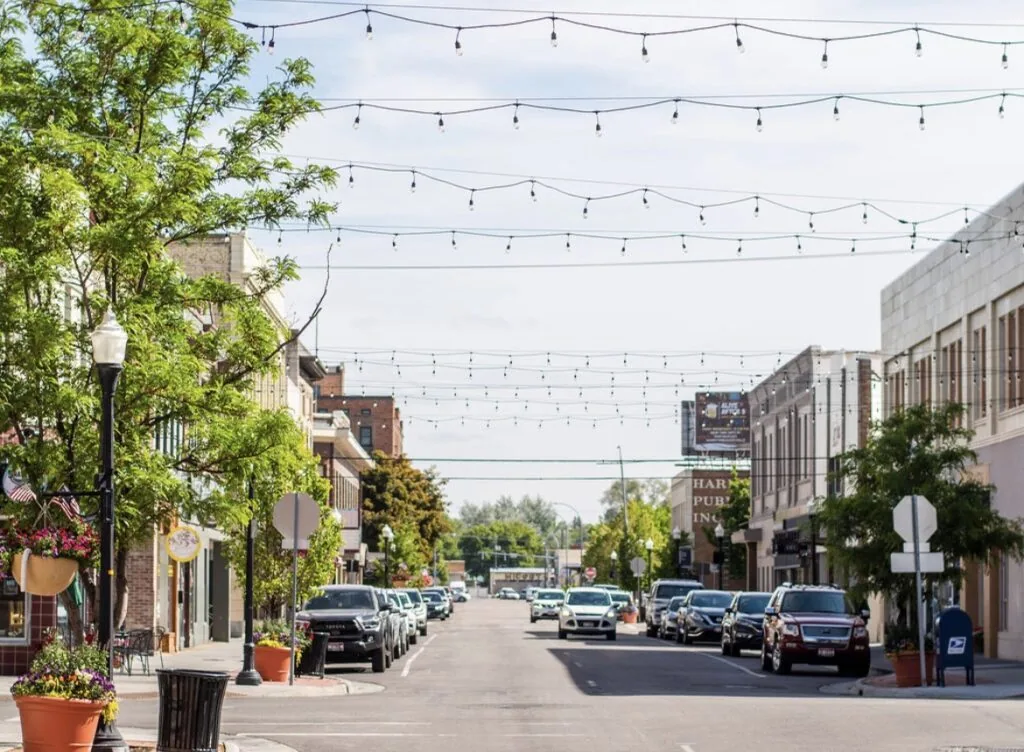
Commercial roofing in the Idaho Falls Warehouse District needs a roof-specific repair scope, with access and material staging planned for the property.
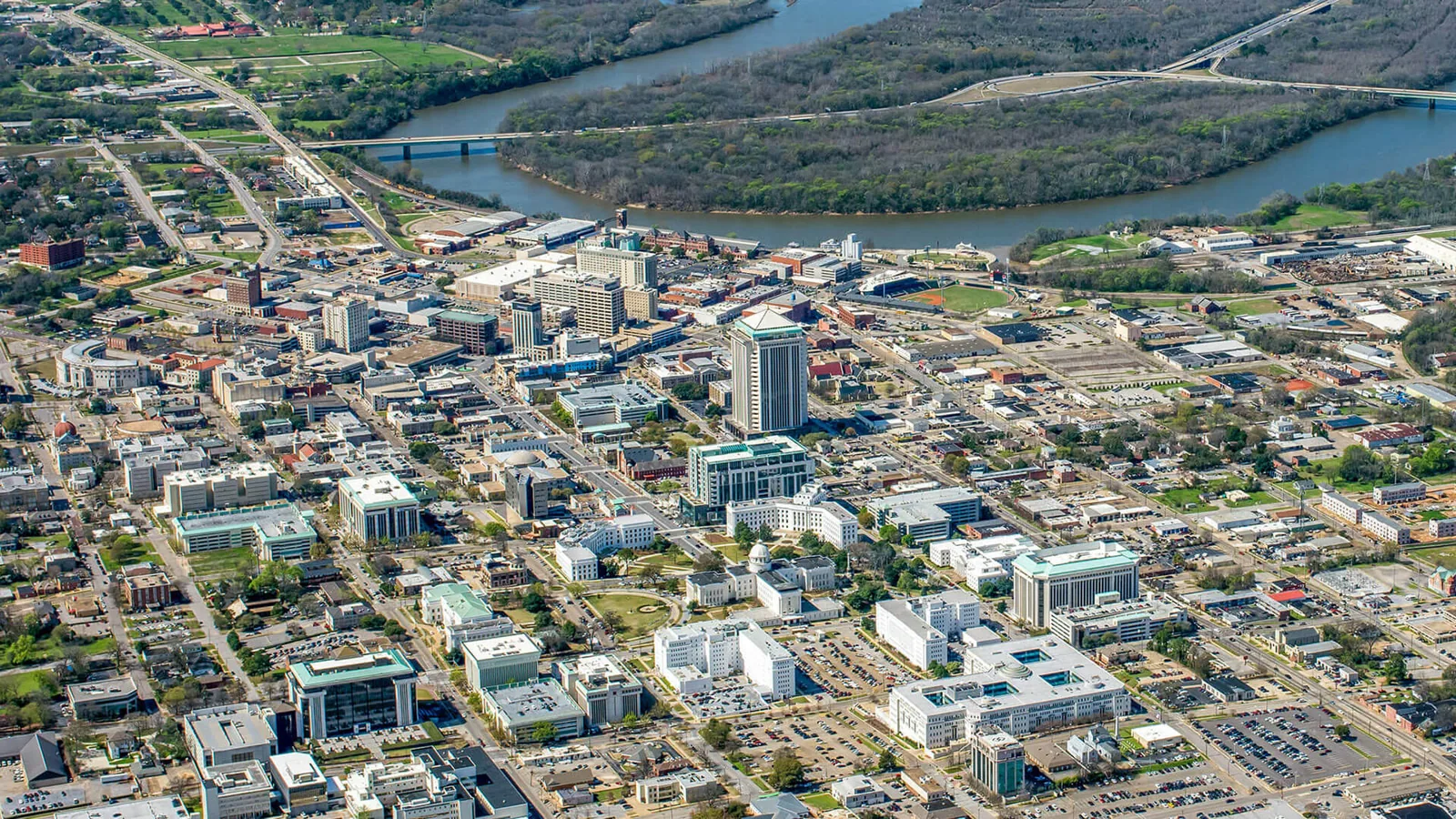
Commercial roofing near Northgate Mile and 1st Street in Idaho Falls begins with roof-zone inspection, weather planning, and a practical access sequence.
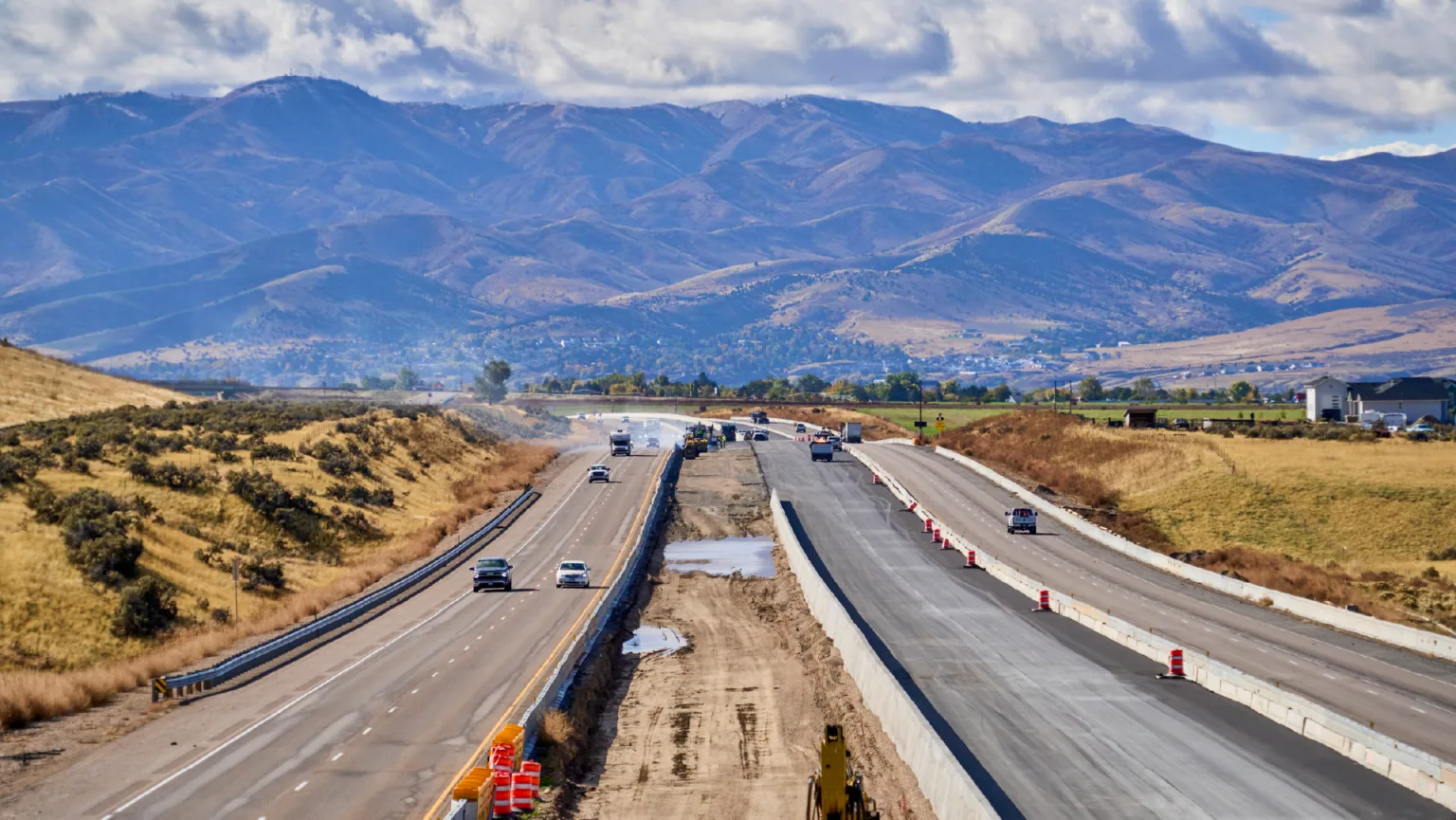
Commercial roofing in Snake River Landing starts with verifying the roof assembly, drainage, and access plan for its mixed-use property setting.
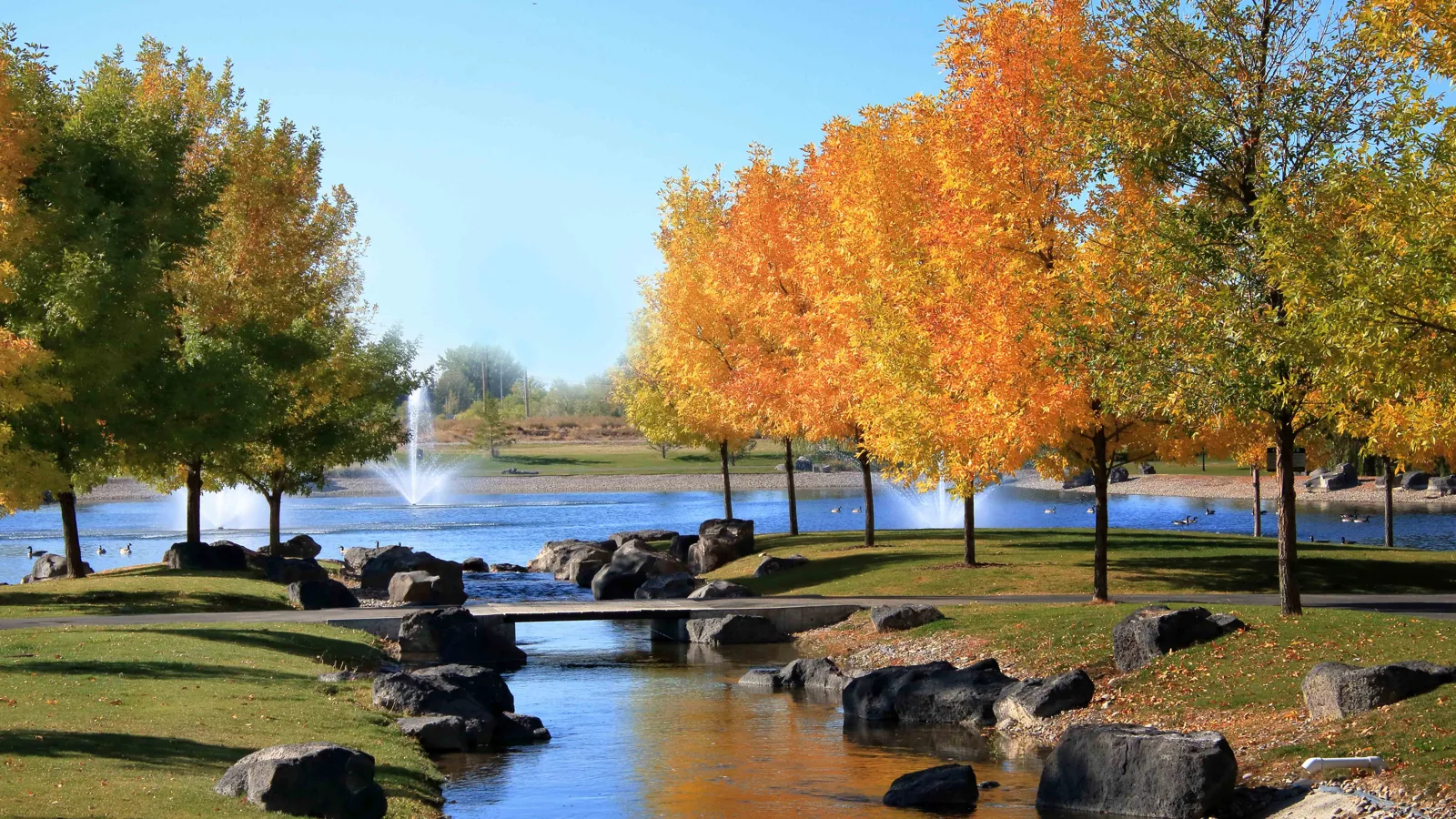
Commercial roofing in River Commons calls for clear drainage, flashing, and access checks before repair or redevelopment work is priced.
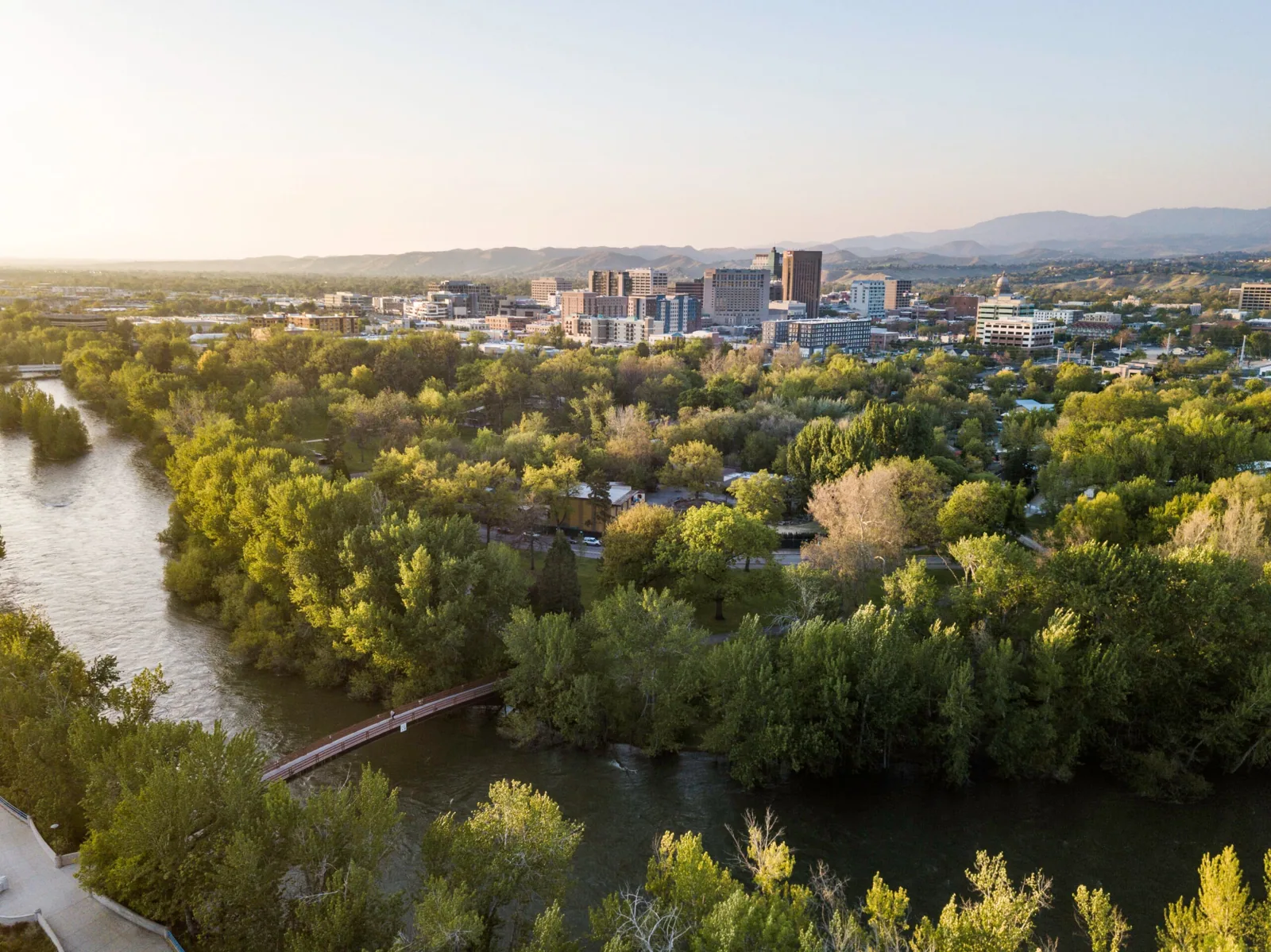
Commercial roofing in Eagle Ridge begins with a property-level check of roof condition, drainage, access, and project coordination needs.
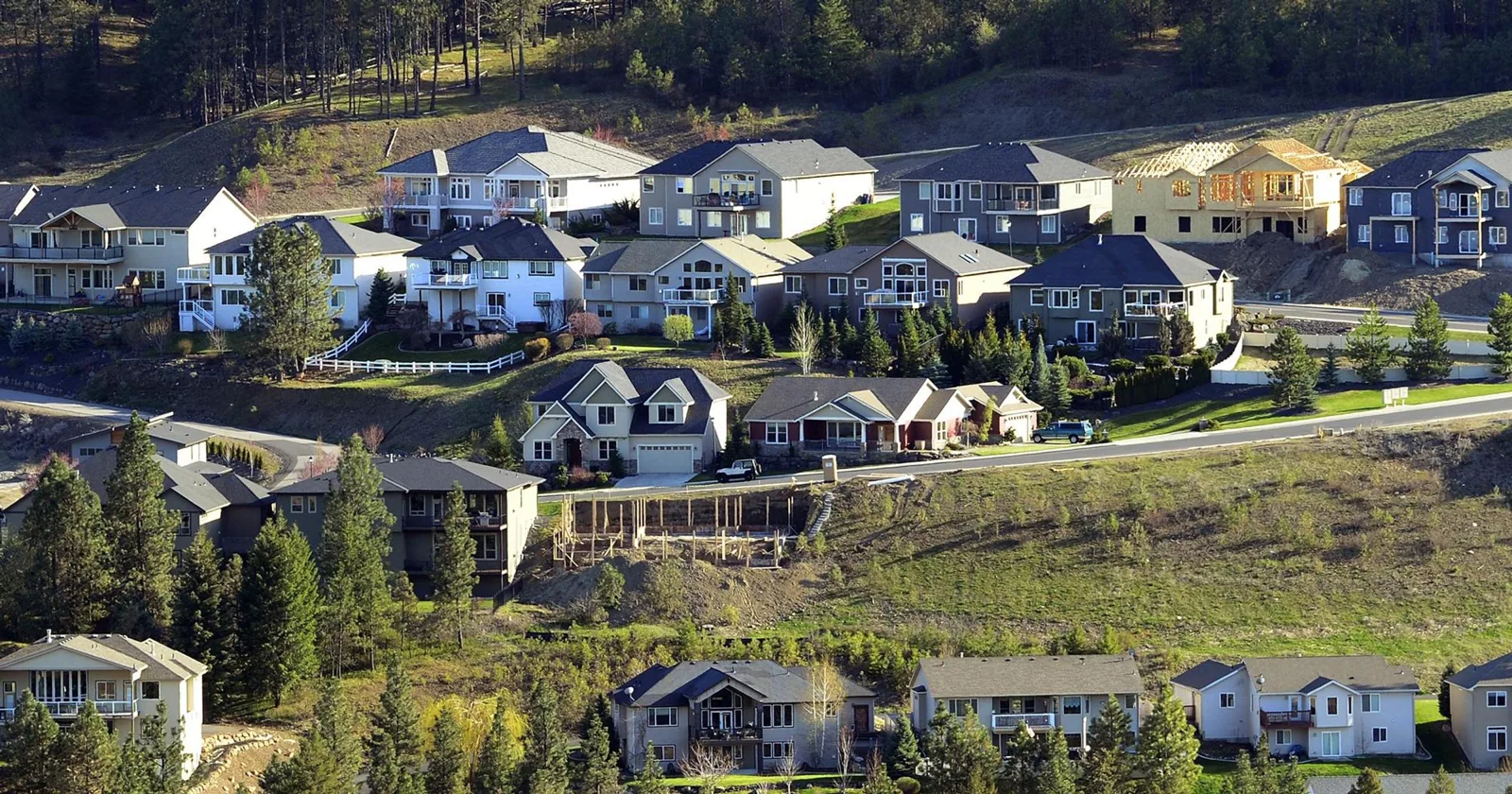
Roofing in Jackson Hole Junction starts with a close inspection of commercial roof zones, drainage, flashing, and access before scope and schedule are set.
Roofing in Pancheri East Bank begins with an inspection of the actual assembly, drainage, access, and coordination needs for planned work.
Commercial roofing in Anderson Bush starts with an inspection of roof zones, drainage, access, and tie-ins before repair or replacement is scoped.
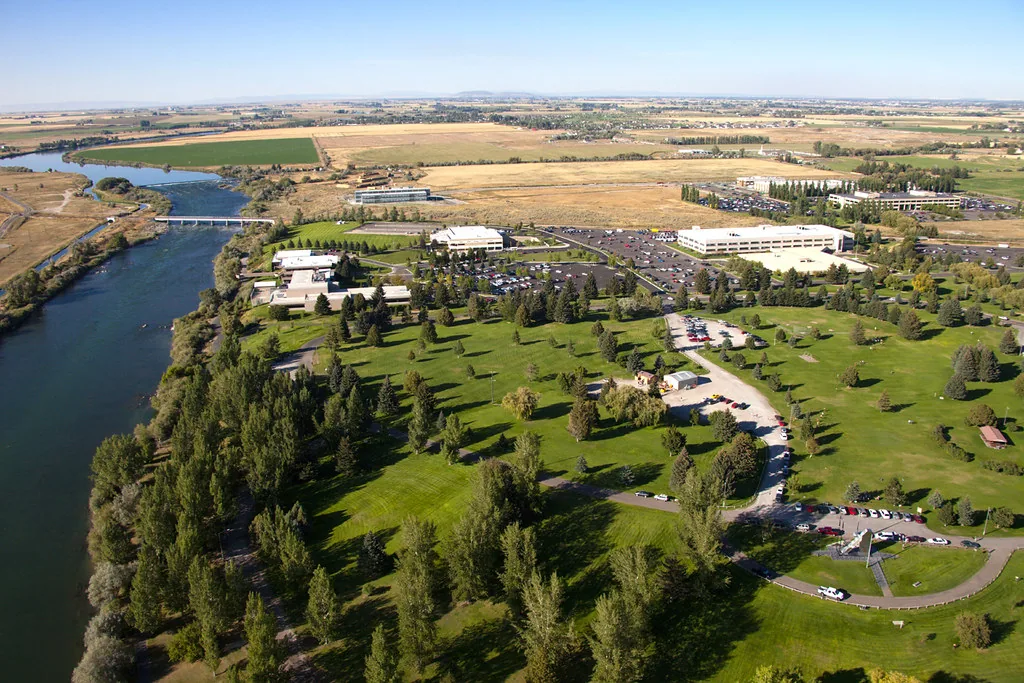
Roofing in Stanley-Boge begins with a documented inspection of the roof assembly, drainage, and access before repair timing or replacement is set.
Roofing in Yellowstone Square starts with the building’s actual roof condition, drainage, access, and coordination needs before repairs are scheduled.
Commercial roofing in Snake River West starts with a roof-by-roof condition record, drainage review, and work plan based on verified access.
Roofing in Riverside District begins with a building-specific inspection, drainage review, and work plan tied to current access and project conditions.
Roofing in Riverwalk District begins with a property-specific review of drainage, roof details, access, and phasing before work is priced.
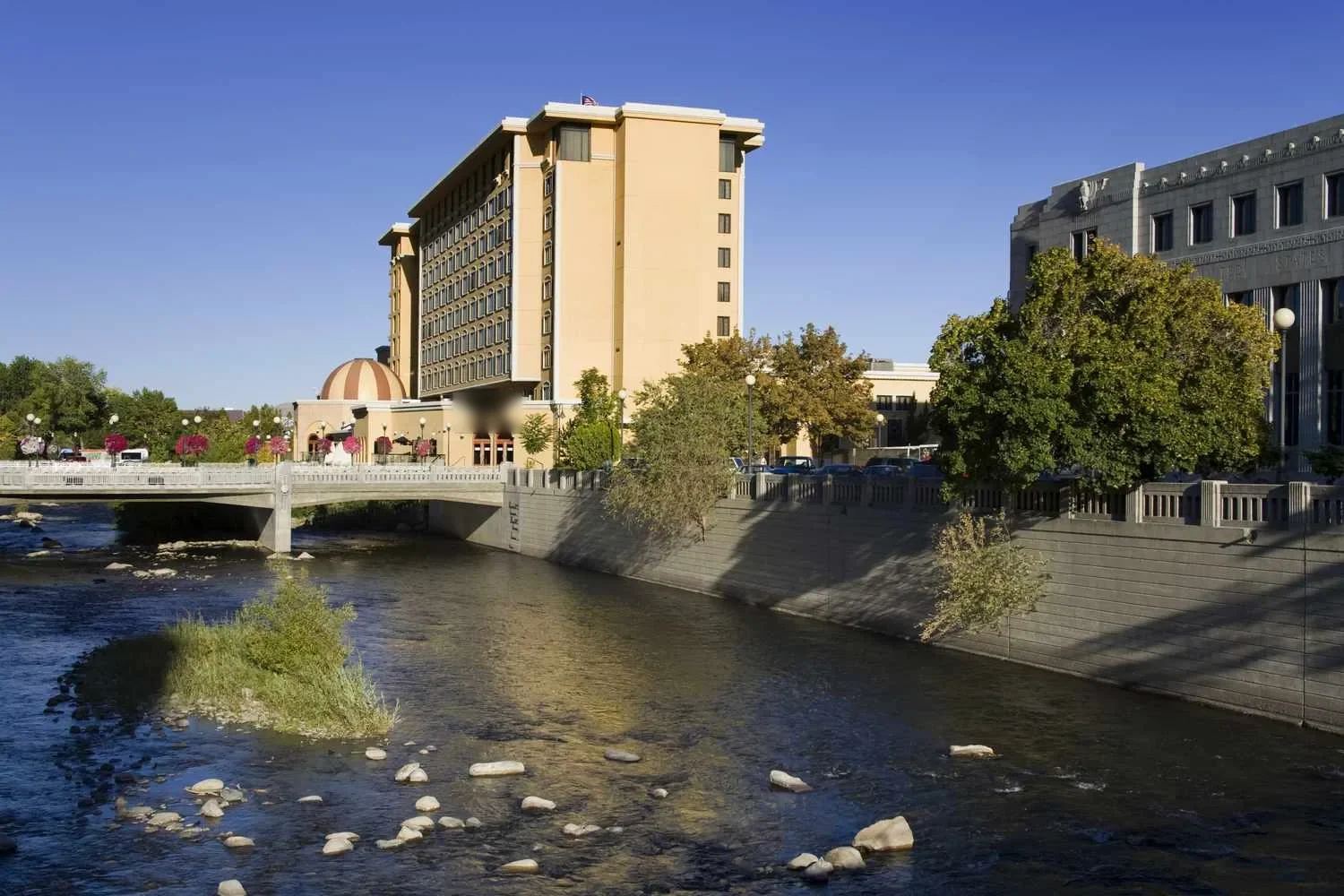
Commercial roofing in Ammon supports retail and planned medical, research, communications, and technology uses with roof scopes based on inspected conditions.
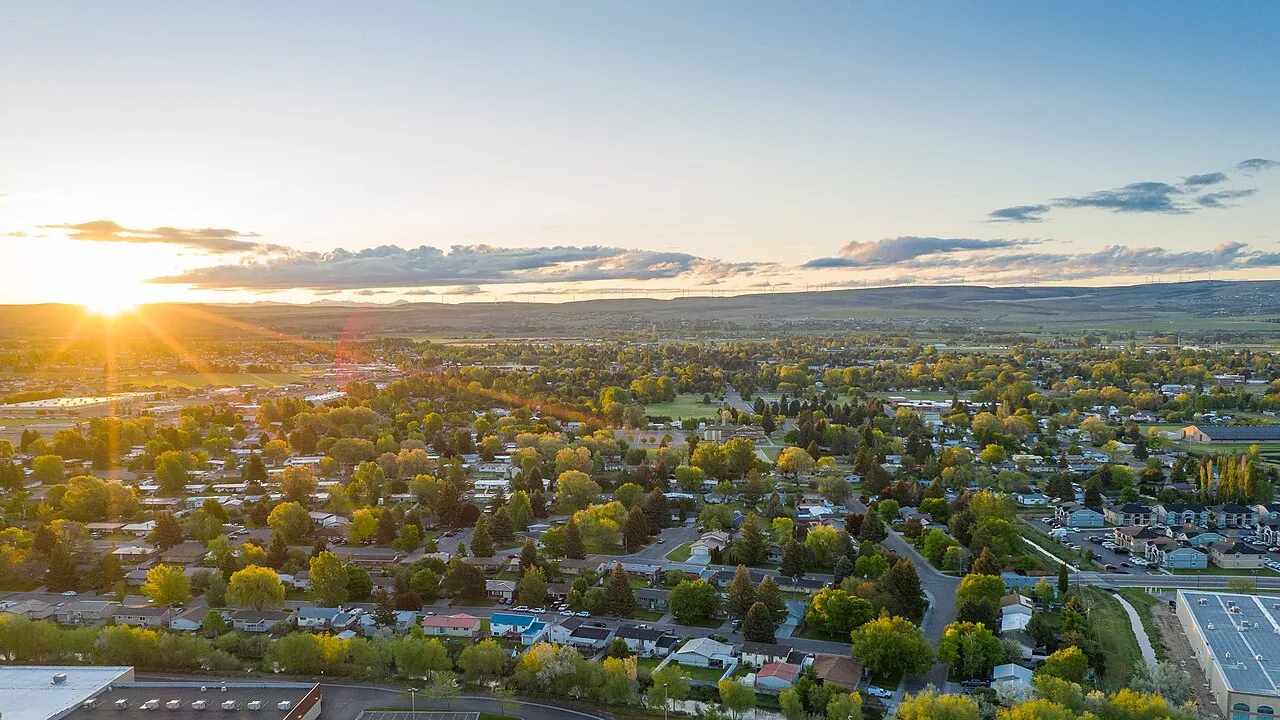
Commercial roofing along Hitt Road and 25th South begins with a roof condition, access, and drainage review for the individual property.
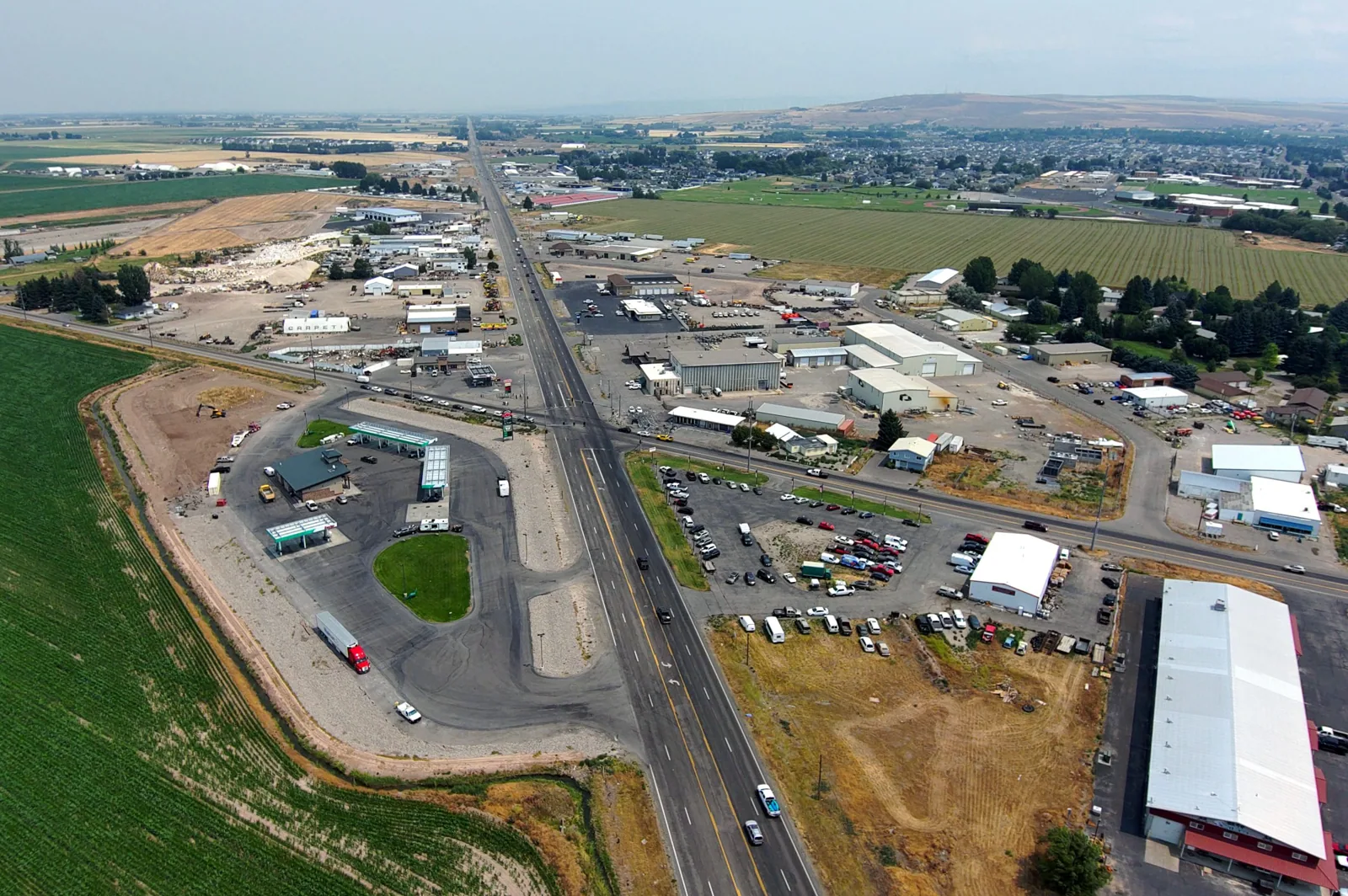
Commercial roofing in Rexburg begins with a property-level inspection, drainage review, and work sequence suited to active operations.
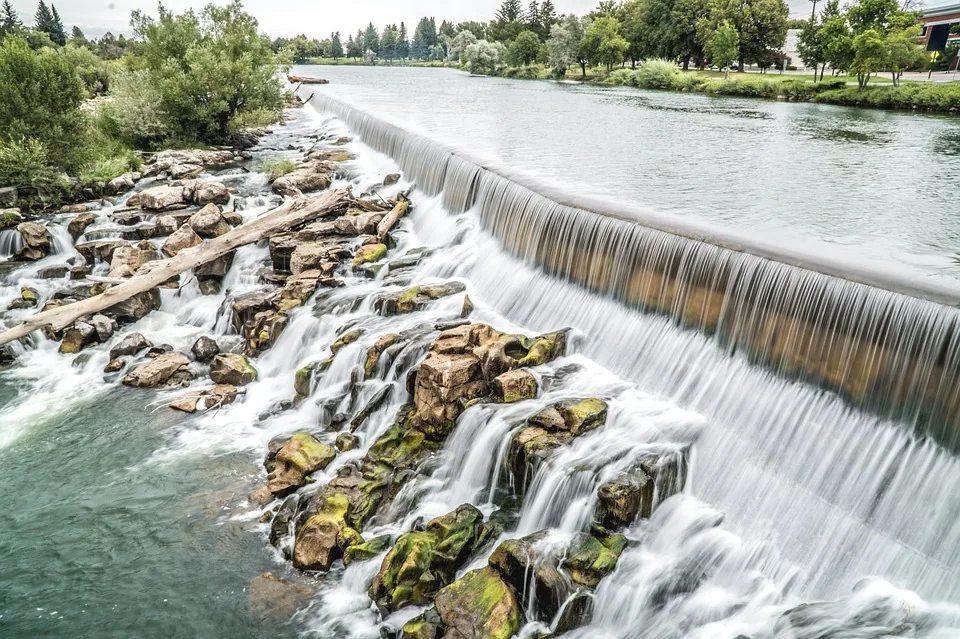
Roofing in the Rexburg Downtown District starts with a documented review of the roof, drainage, access, and sequence for occupied commercial space.
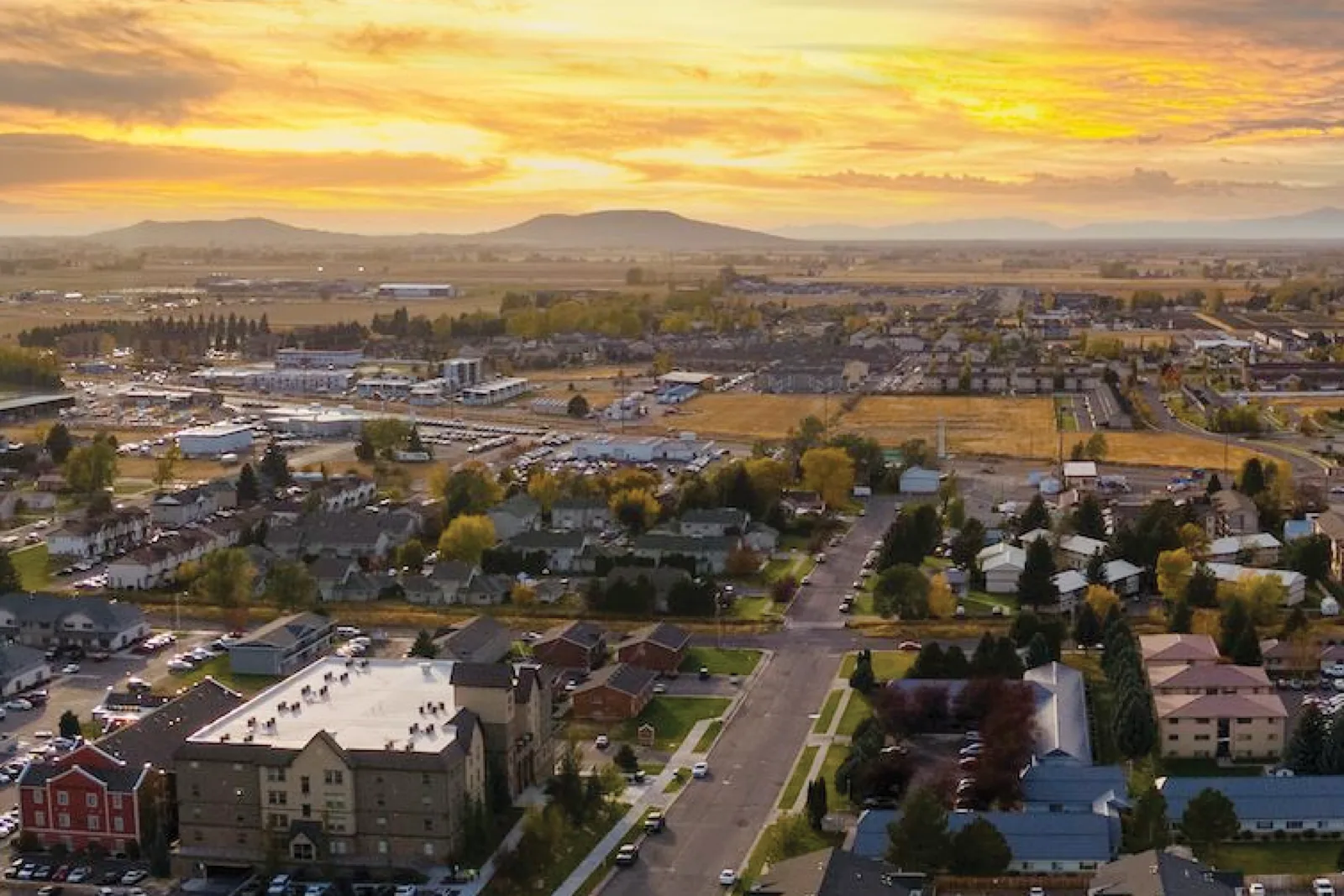
Roofing in Rexburg’s University Boulevard district starts with an inspection of the building, drainage, access, and project sequence.
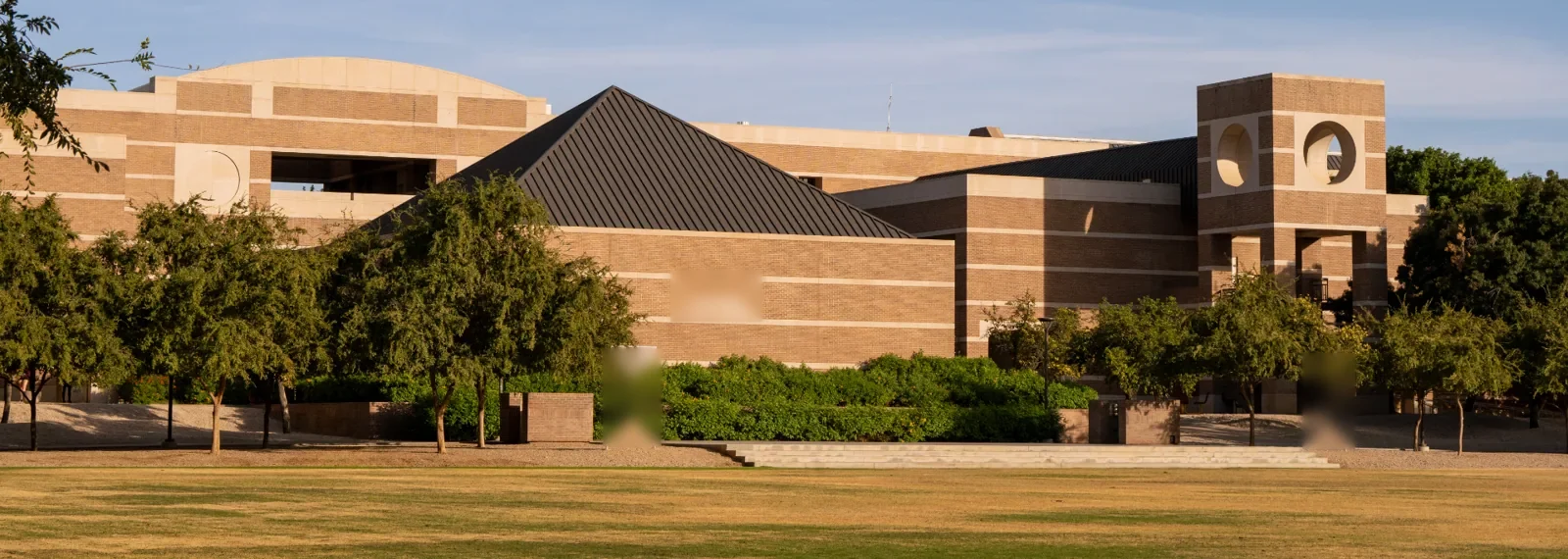
Commercial roofing in Rexburg’s North Interchange district starts with a roof inspection, drainage review, and access plan for the individual site.
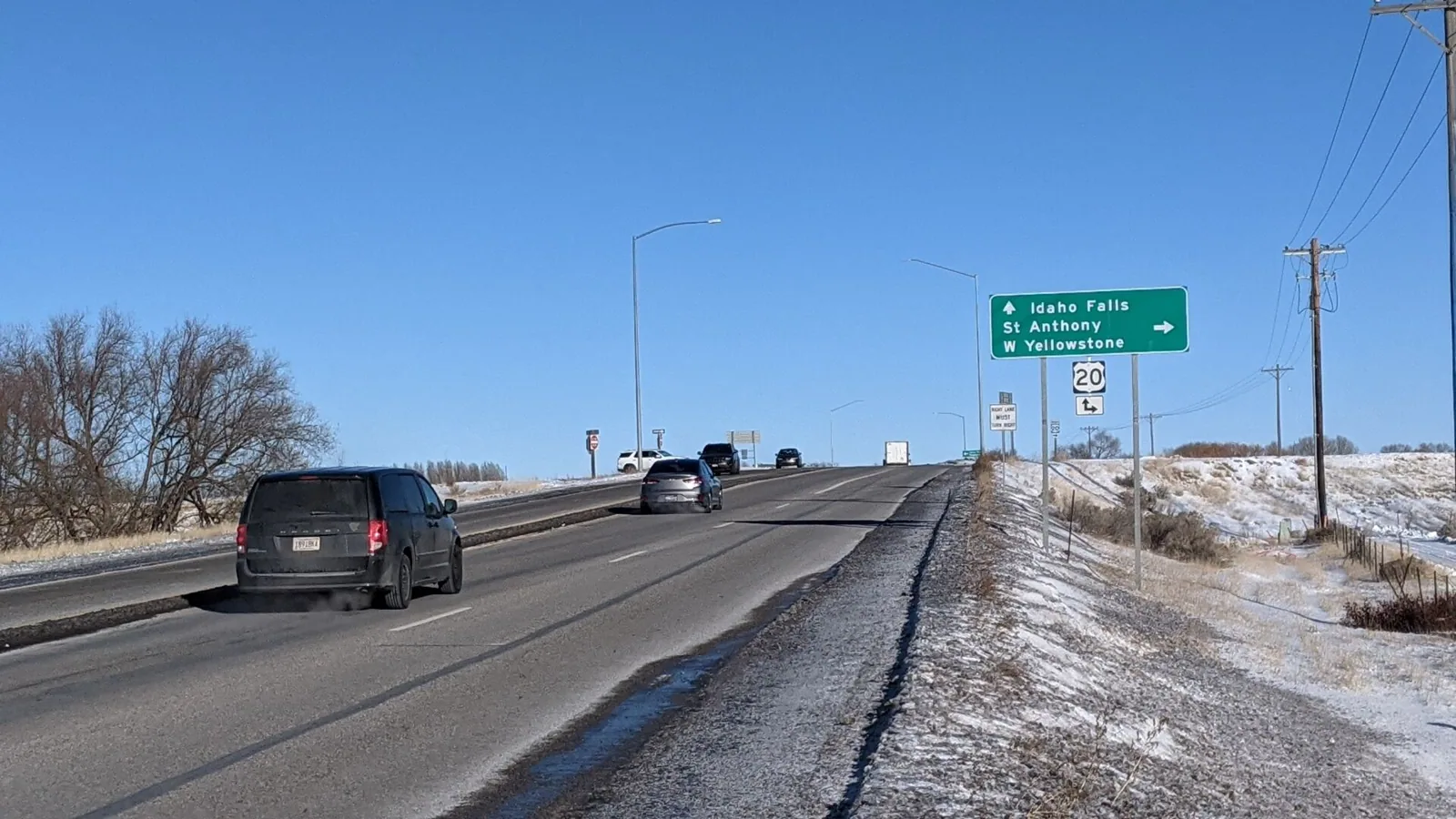
Roofing in Rexburg’s North Central district starts with a building-specific inspection, access review, and written repair or replacement scope.
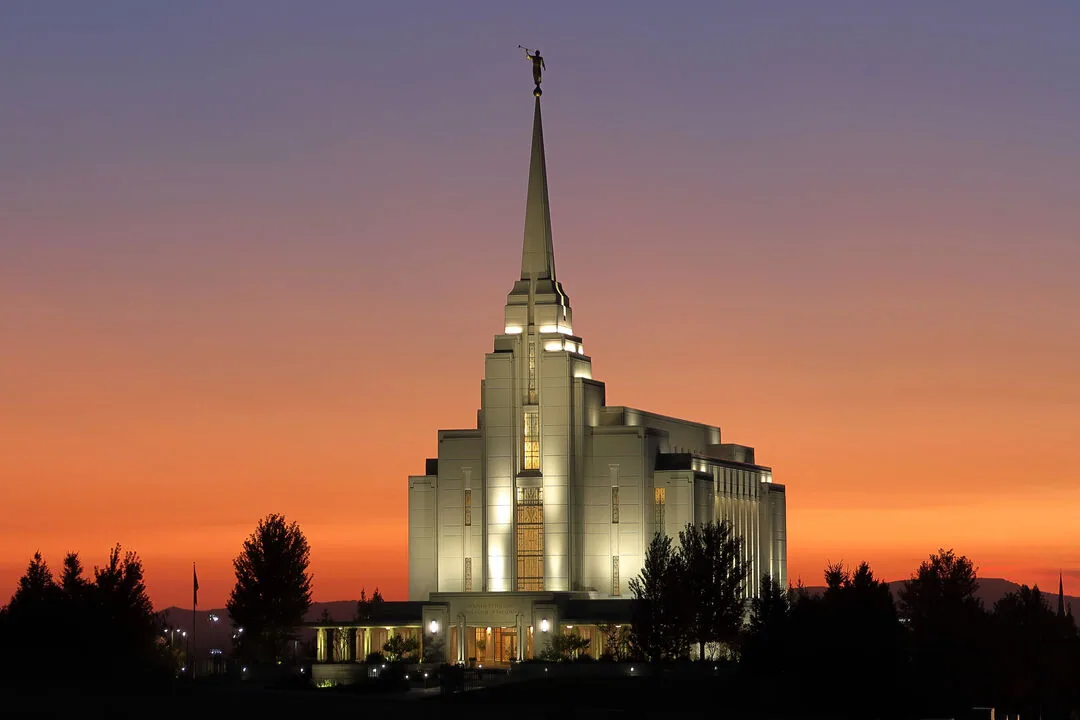
Commercial roofing in Rigby starts with a close inspection of the assembly, drainage, access, and work sequence for the property’s use.
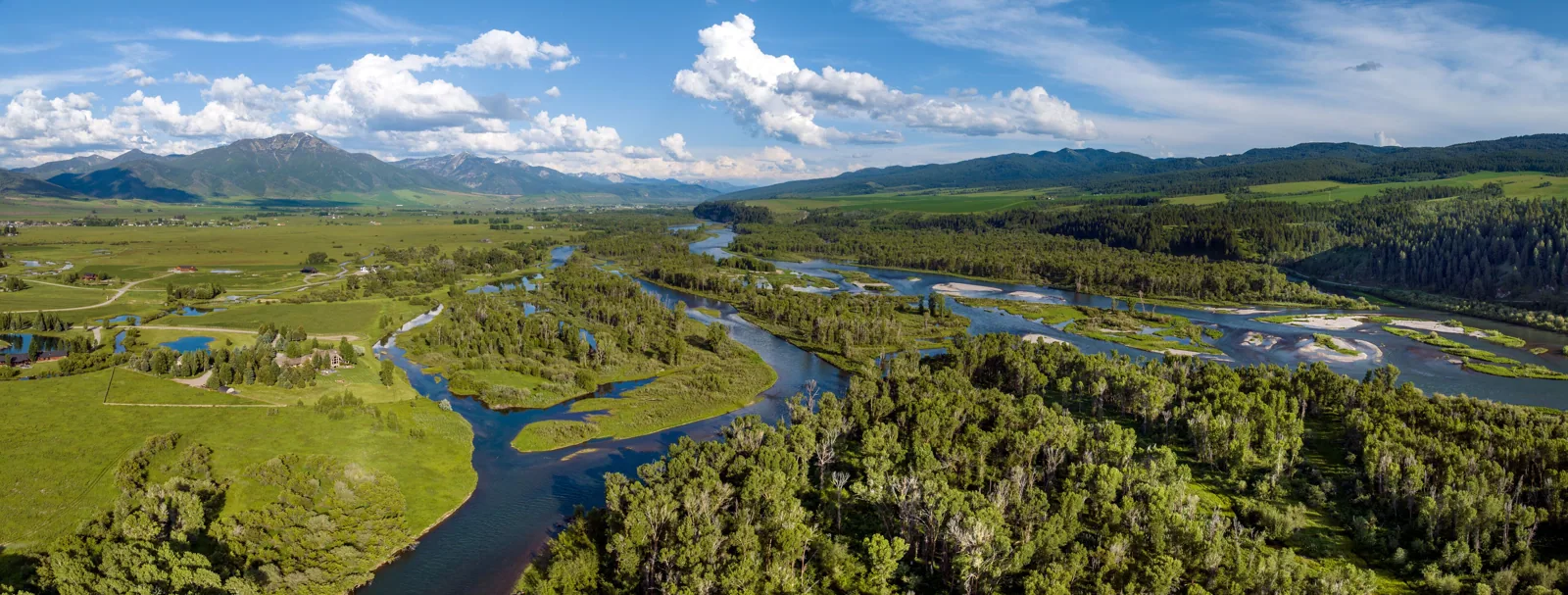
Commercial roofing in Downtown Rigby starts with access, drainage, and close inspection of the roof assembly above its historic retail and service core.
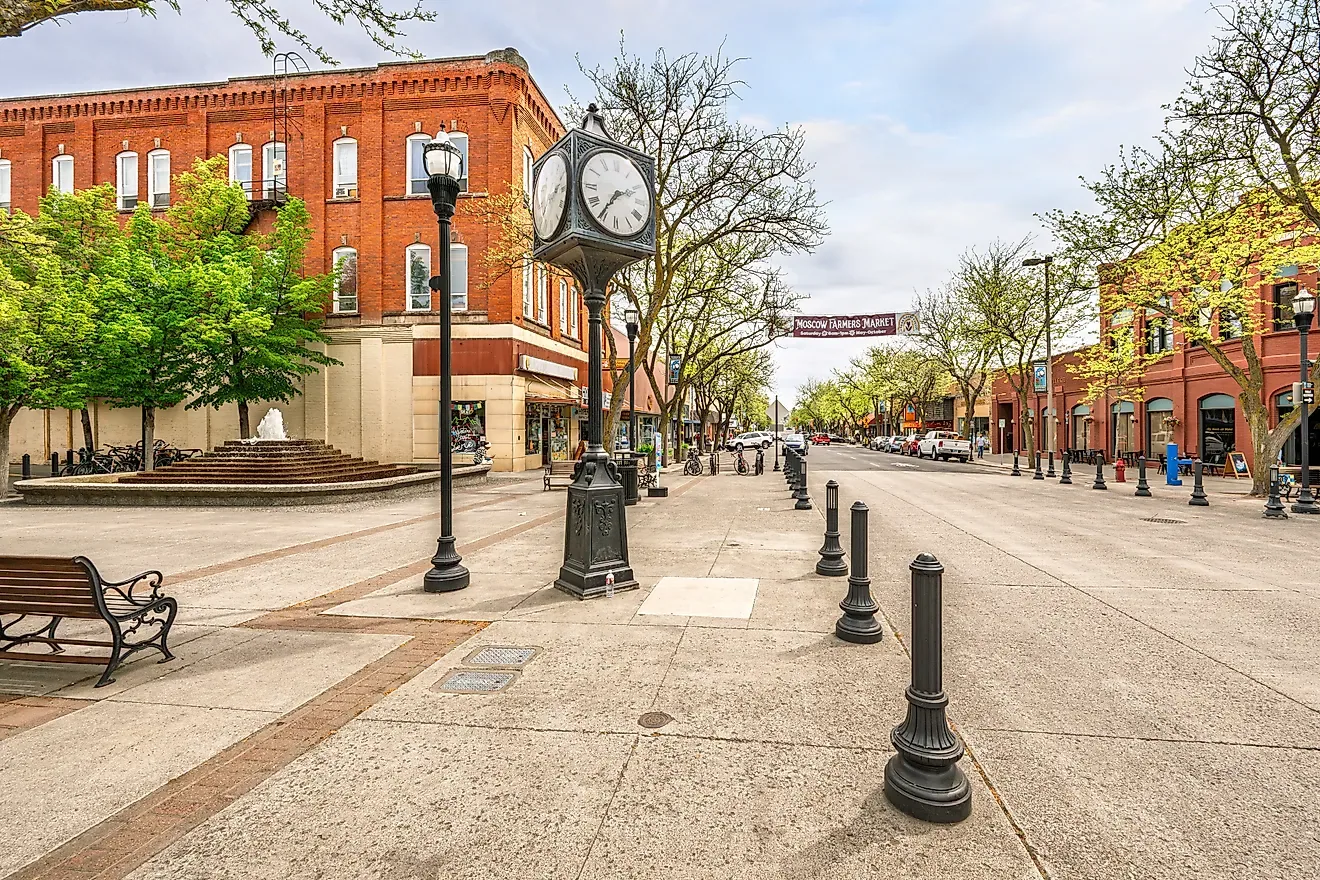
Commercial roofing in Roberts accounts for the building’s agricultural setting, access conditions, drainage, and the winter weather window.
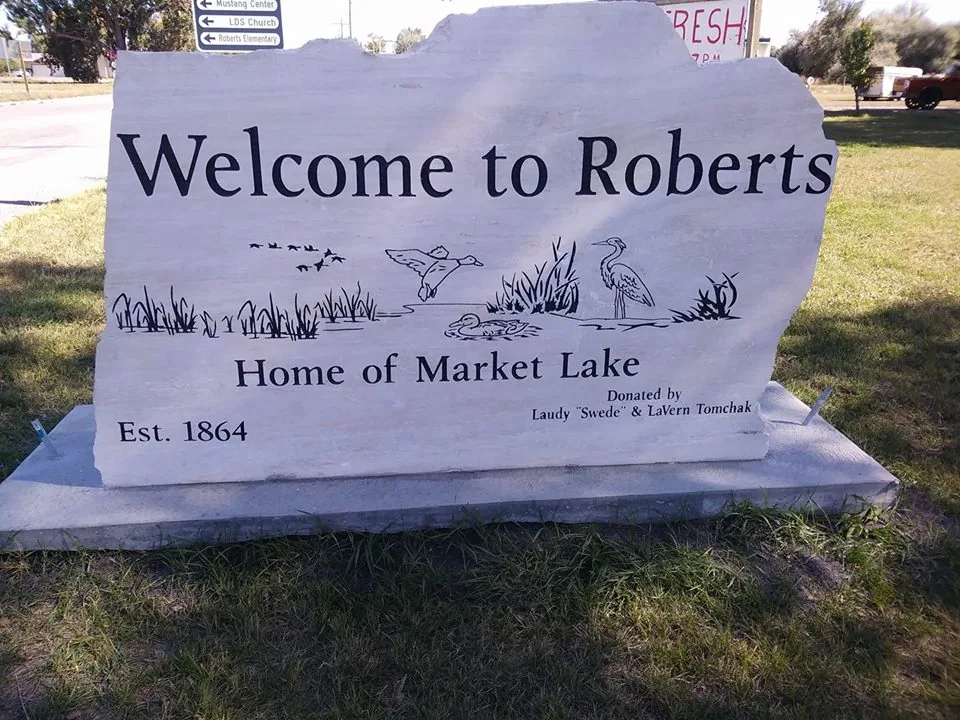
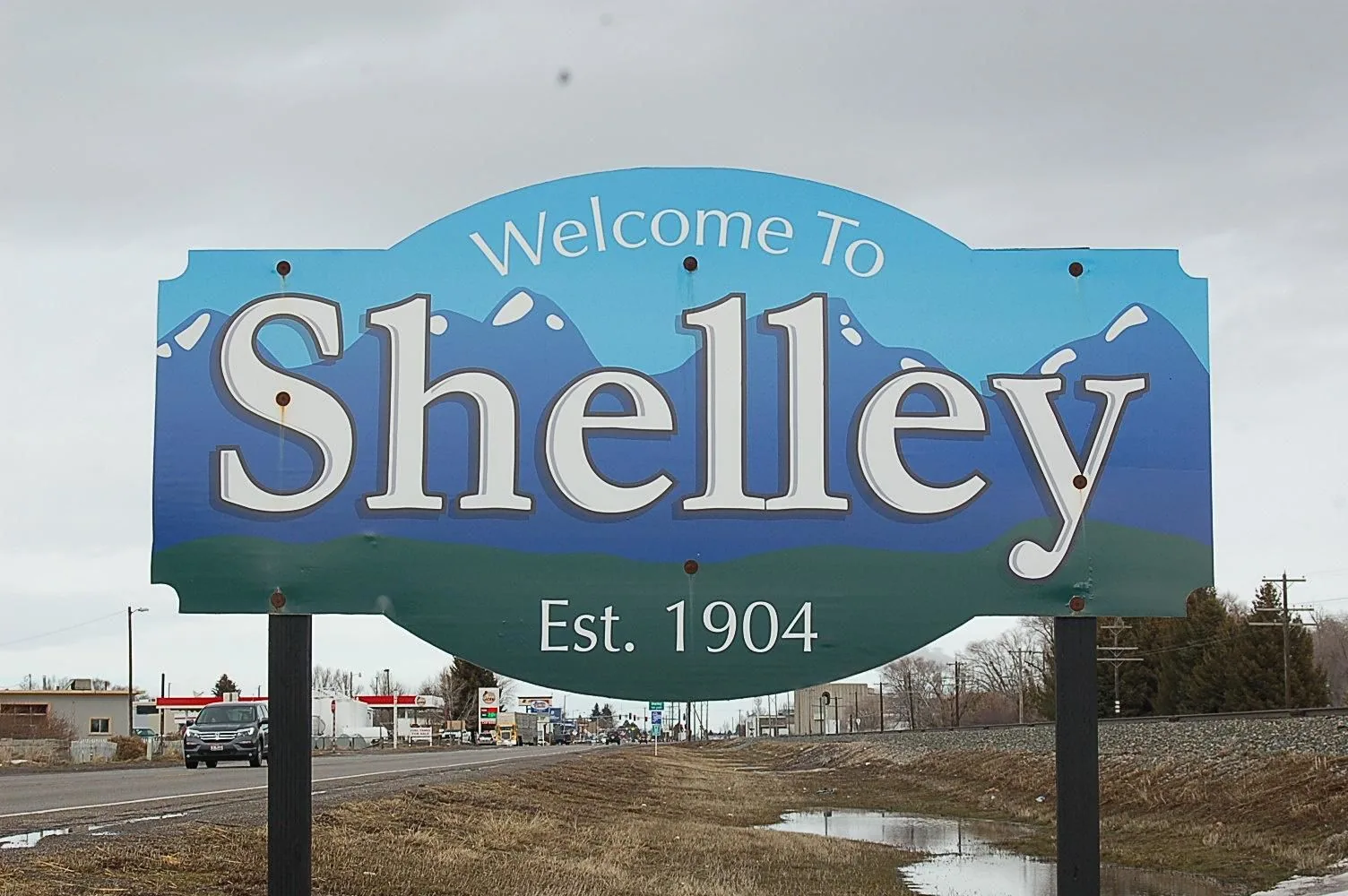
Commercial roofing in Shelley connects local food, medical, and agricultural uses with a roof-specific inspection and weather-aware repair plan.
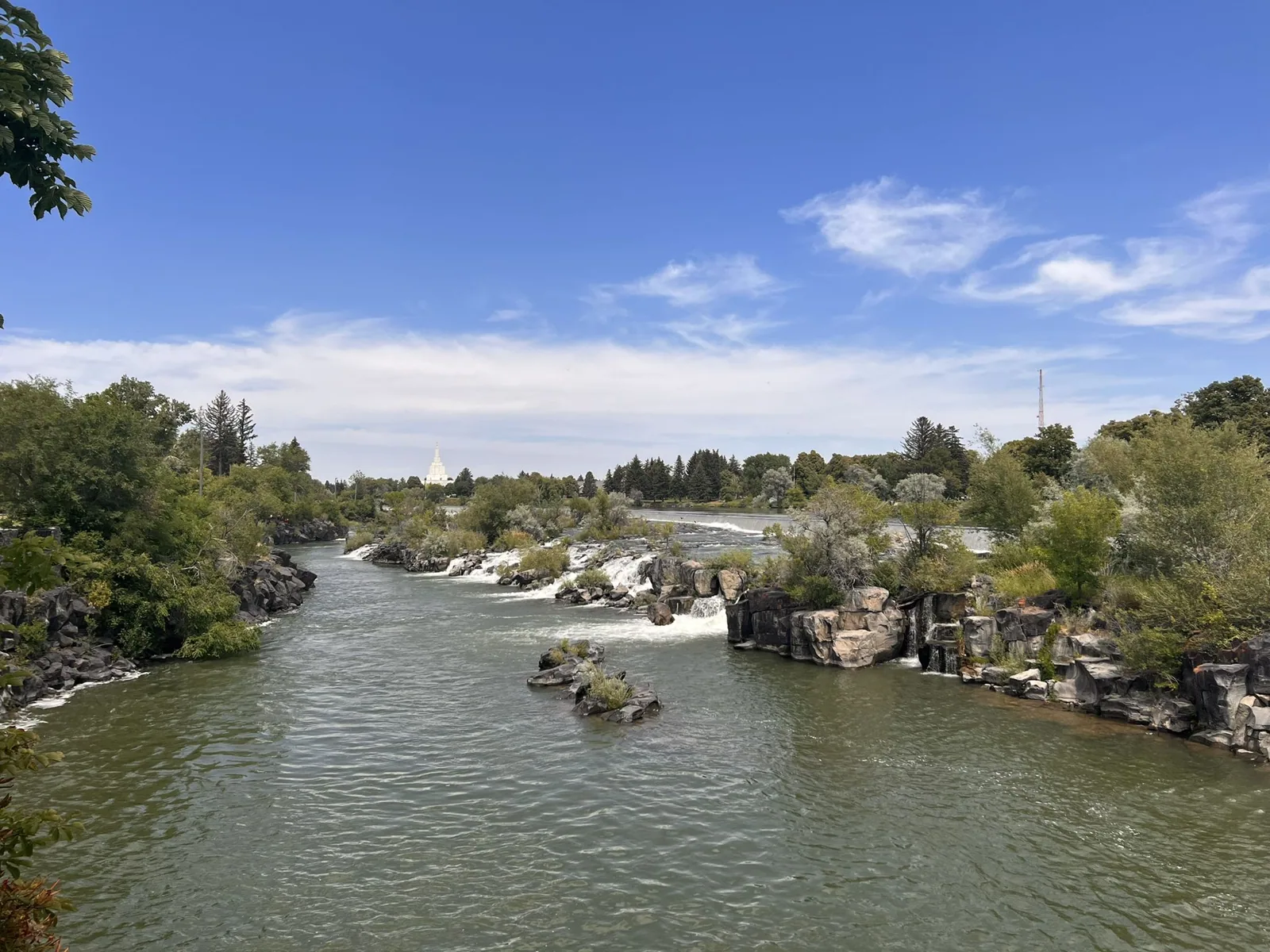
Roofing in Shelley’s commercial core starts with storefront access, drainage, and a roof-specific scope for retail, service, and food-related operations.
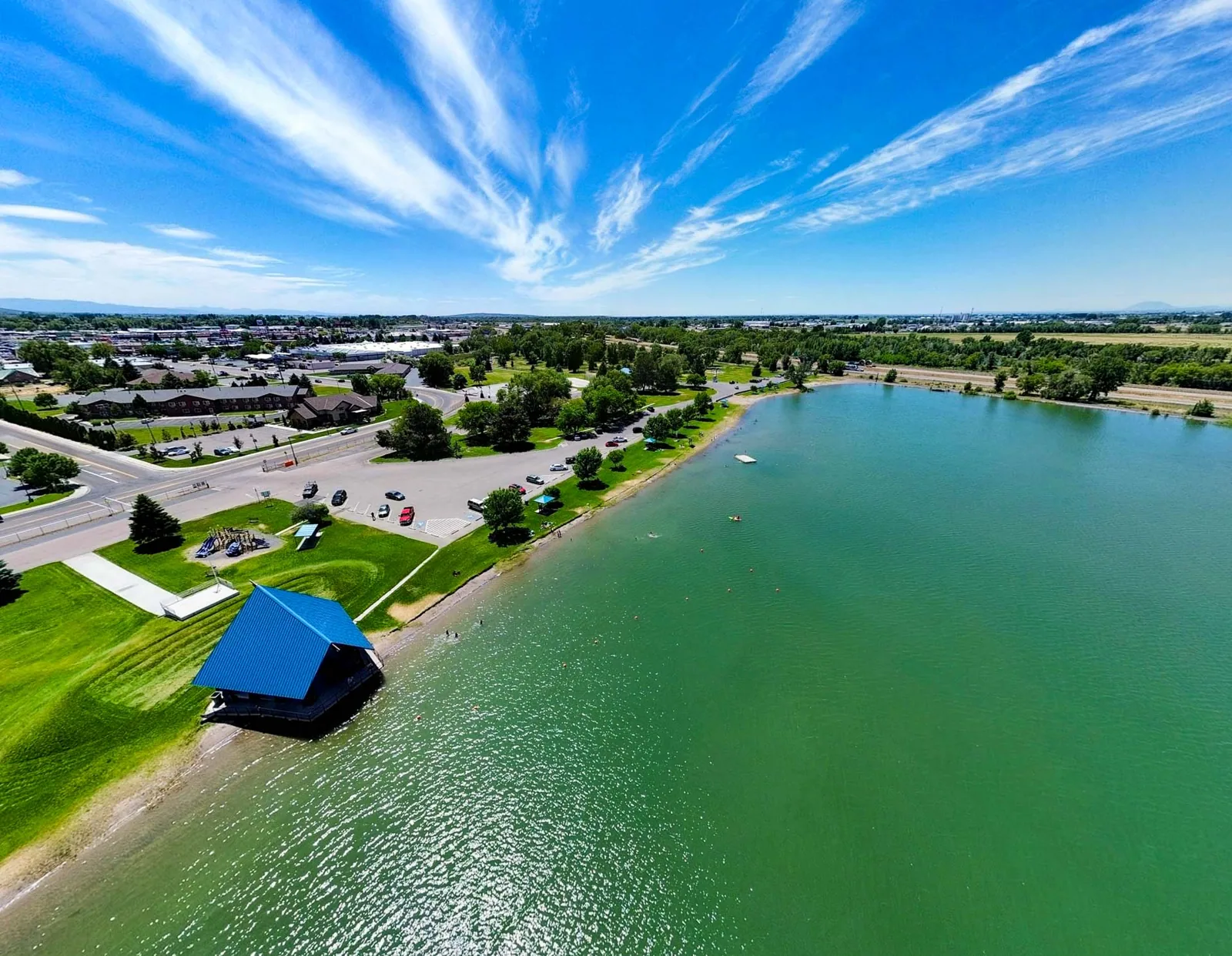
Commercial roofing in Blackfoot connects the city’s agricultural economy and regional roads with roof-specific inspection, drainage, and work planning.
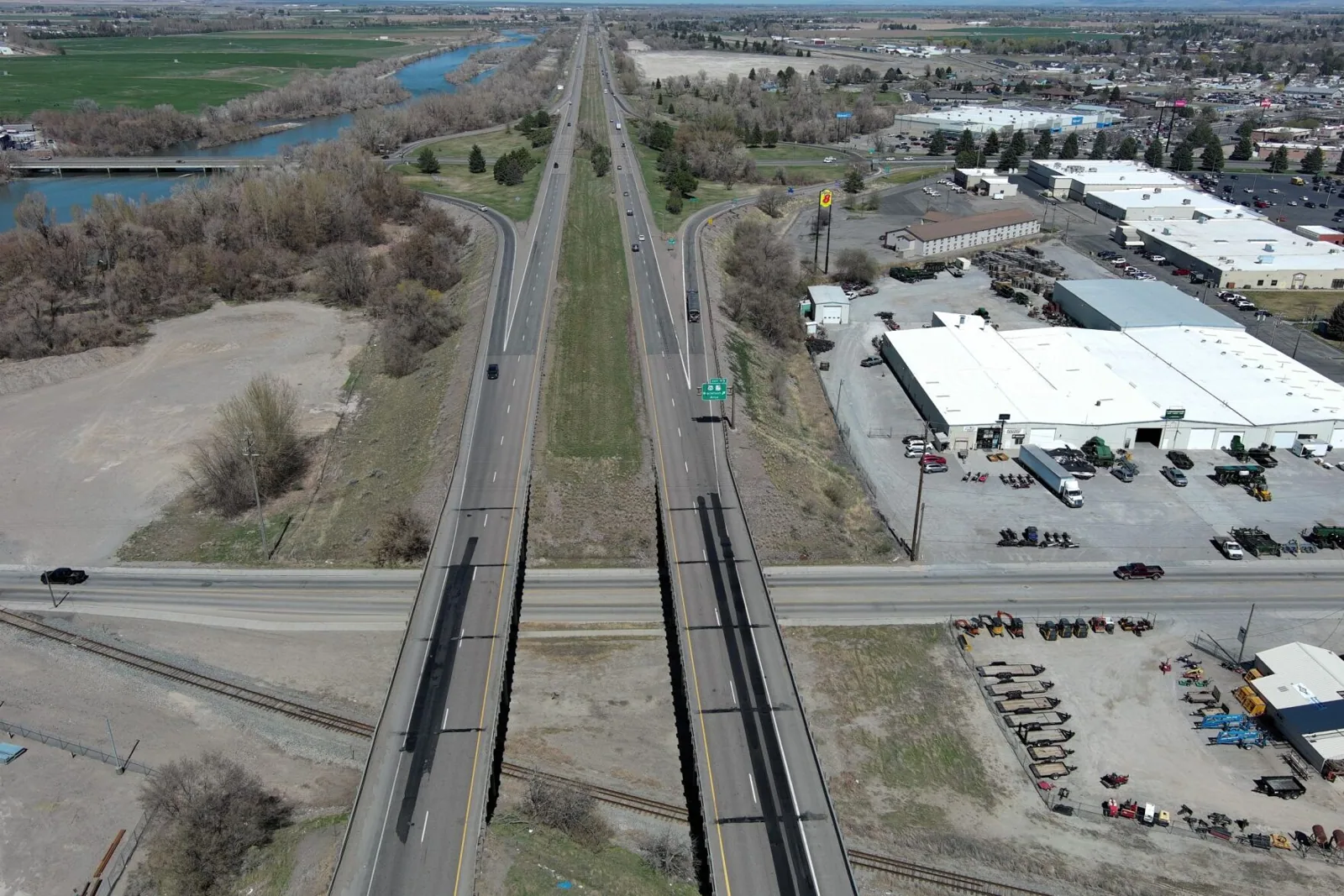
Roofing in Blackfoot’s US-91 corridor starts with a roof-specific inspection, access check, and plan for drainage and seasonal closure.
Commercial roofing in Sugar City ties roof inspection and repair planning to Center Street, Idaho 33 growth, and the regional US 20 junction.
Roofing in Sugar City Business Park starts with a building-specific inspection, access review, and weather-aware scope for repair or replacement.
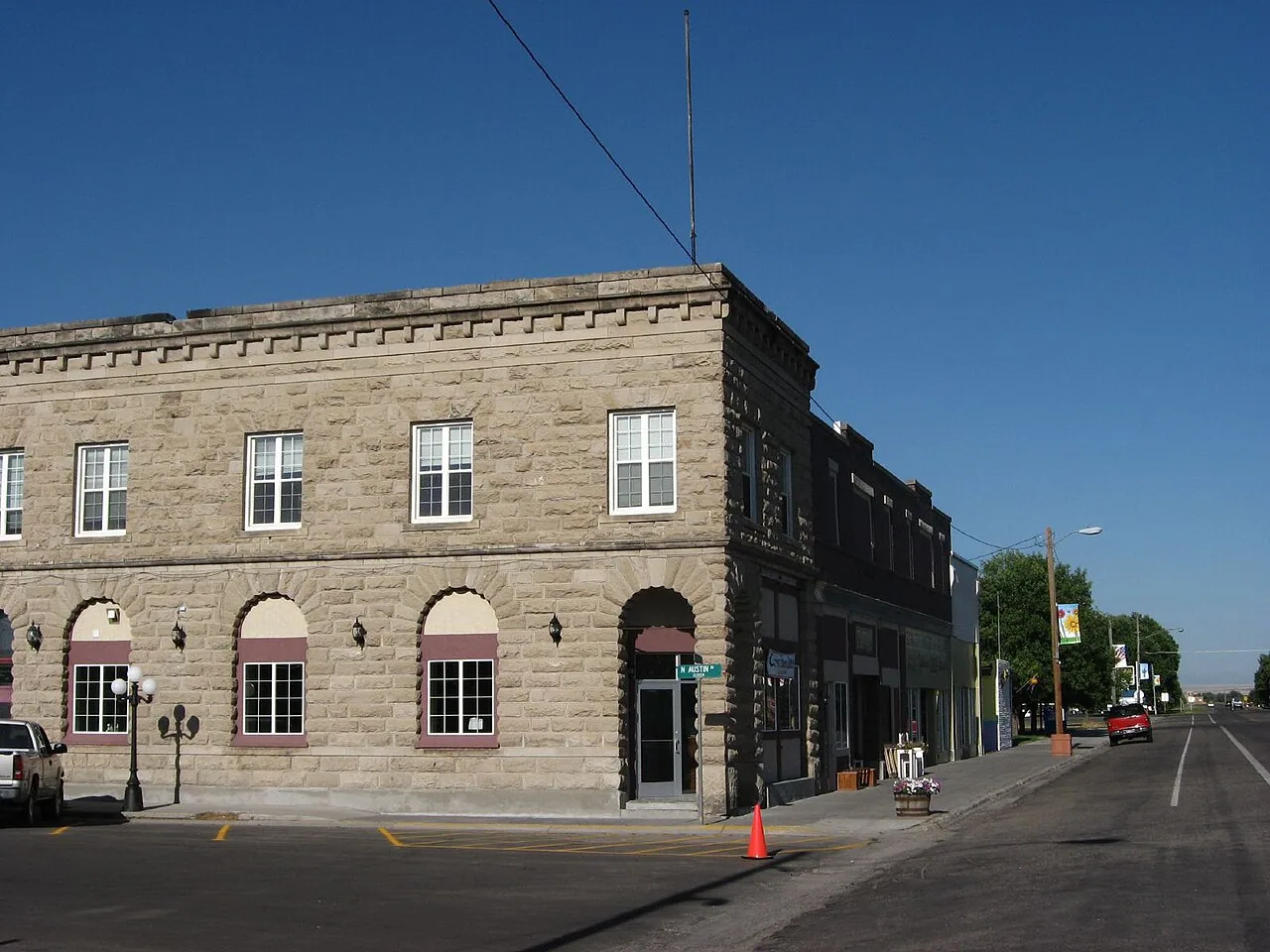
Commercial roofing in Iona combines a roof-specific condition report with permit coordination, drainage checks, and weather-aware work limits.
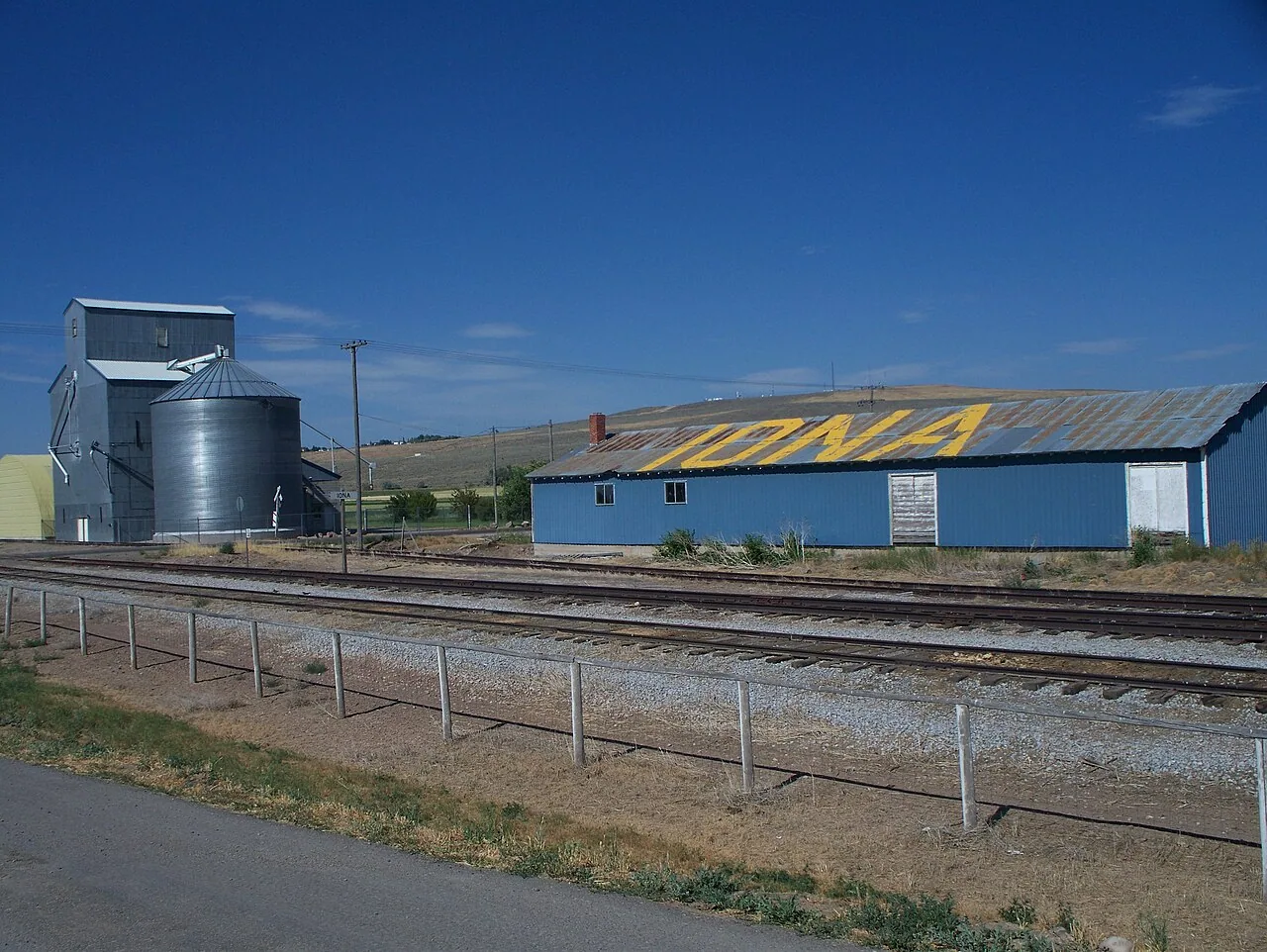
Commercial roofing in Ucon starts with a roof-specific inspection, a clear work boundary, and coordination for the project’s actual planning needs.
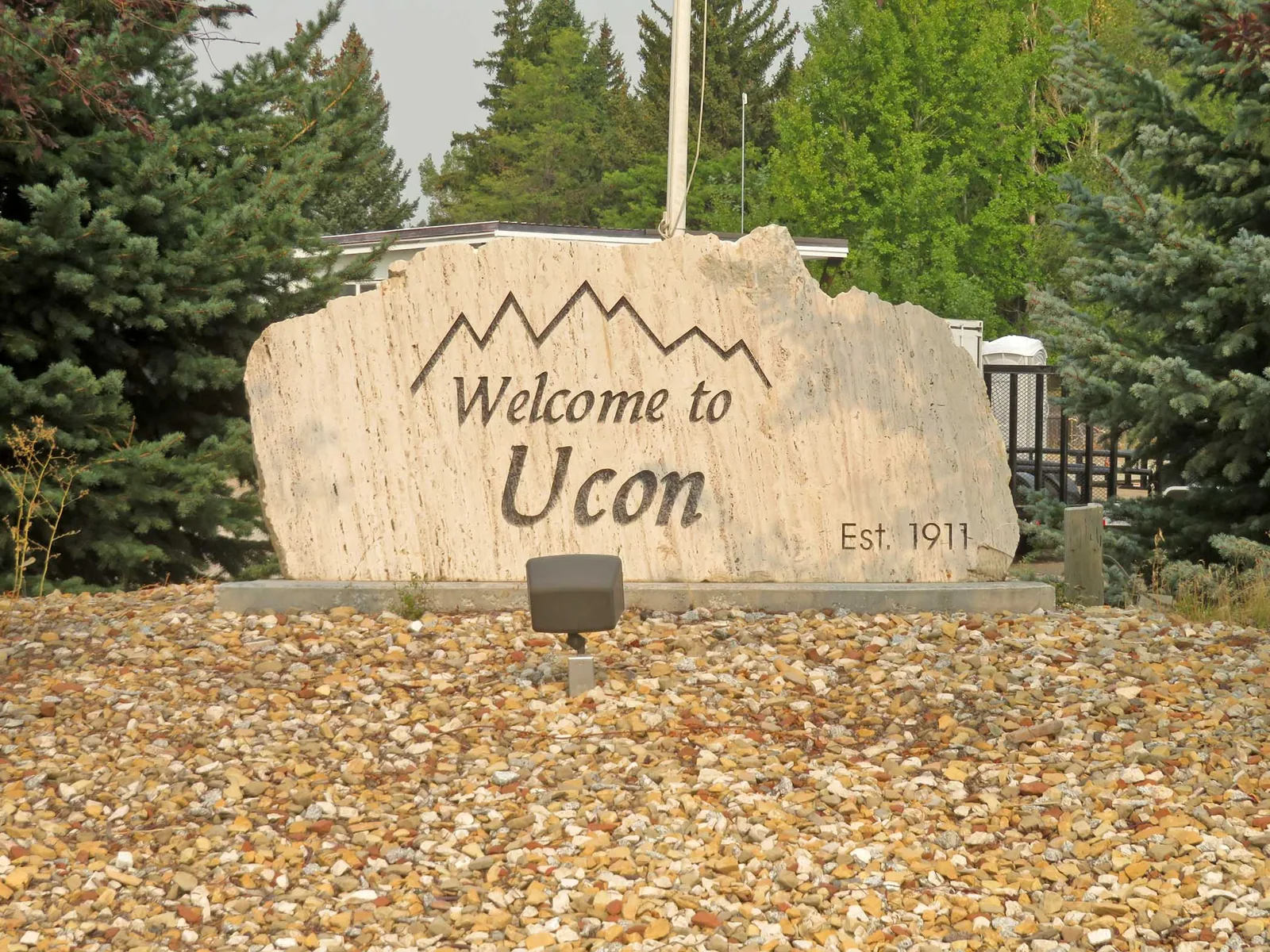
Commercial roofing in Firth begins with a documented roof inspection, clear drainage findings, and a scope tied to the property’s actual needs.
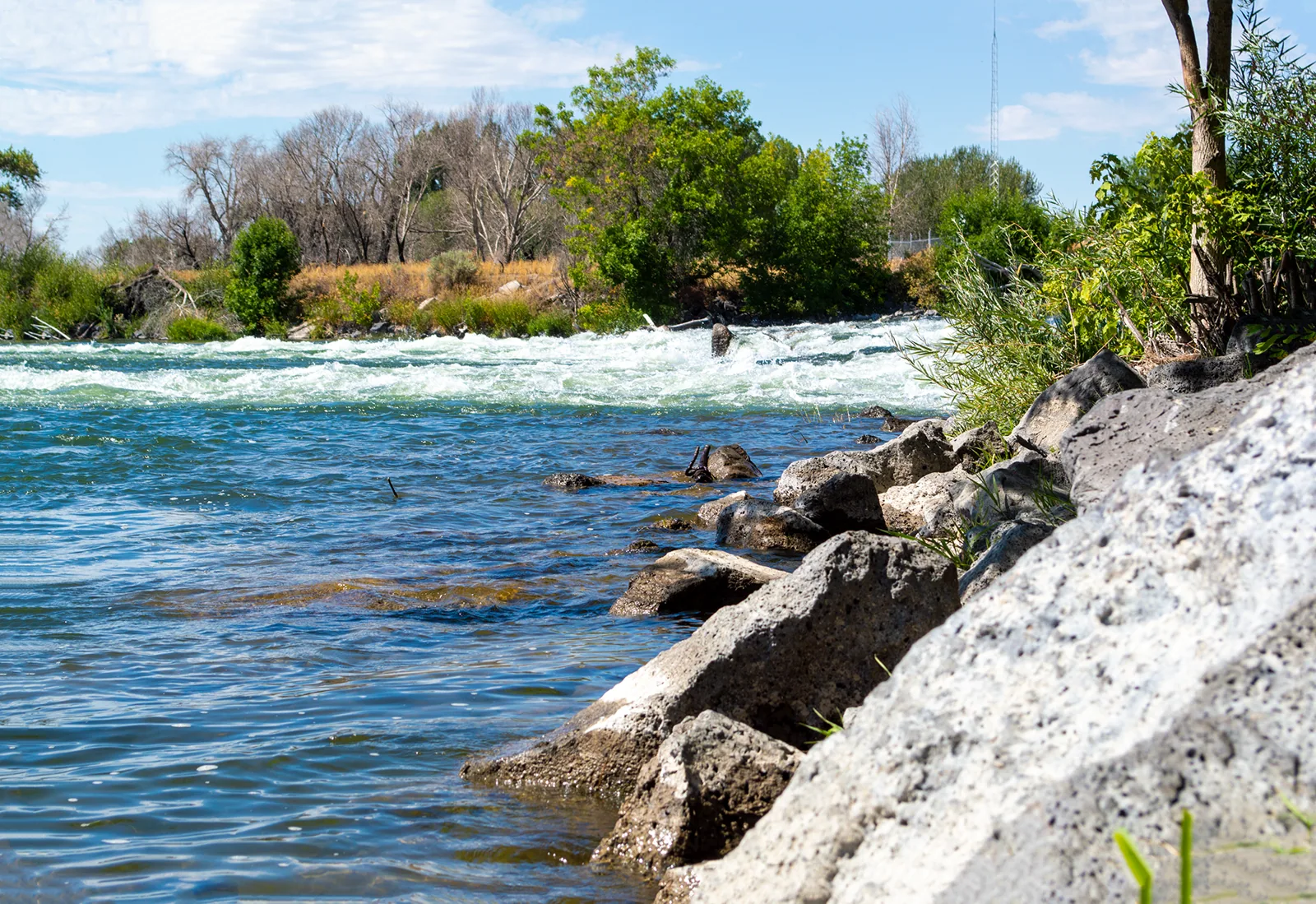
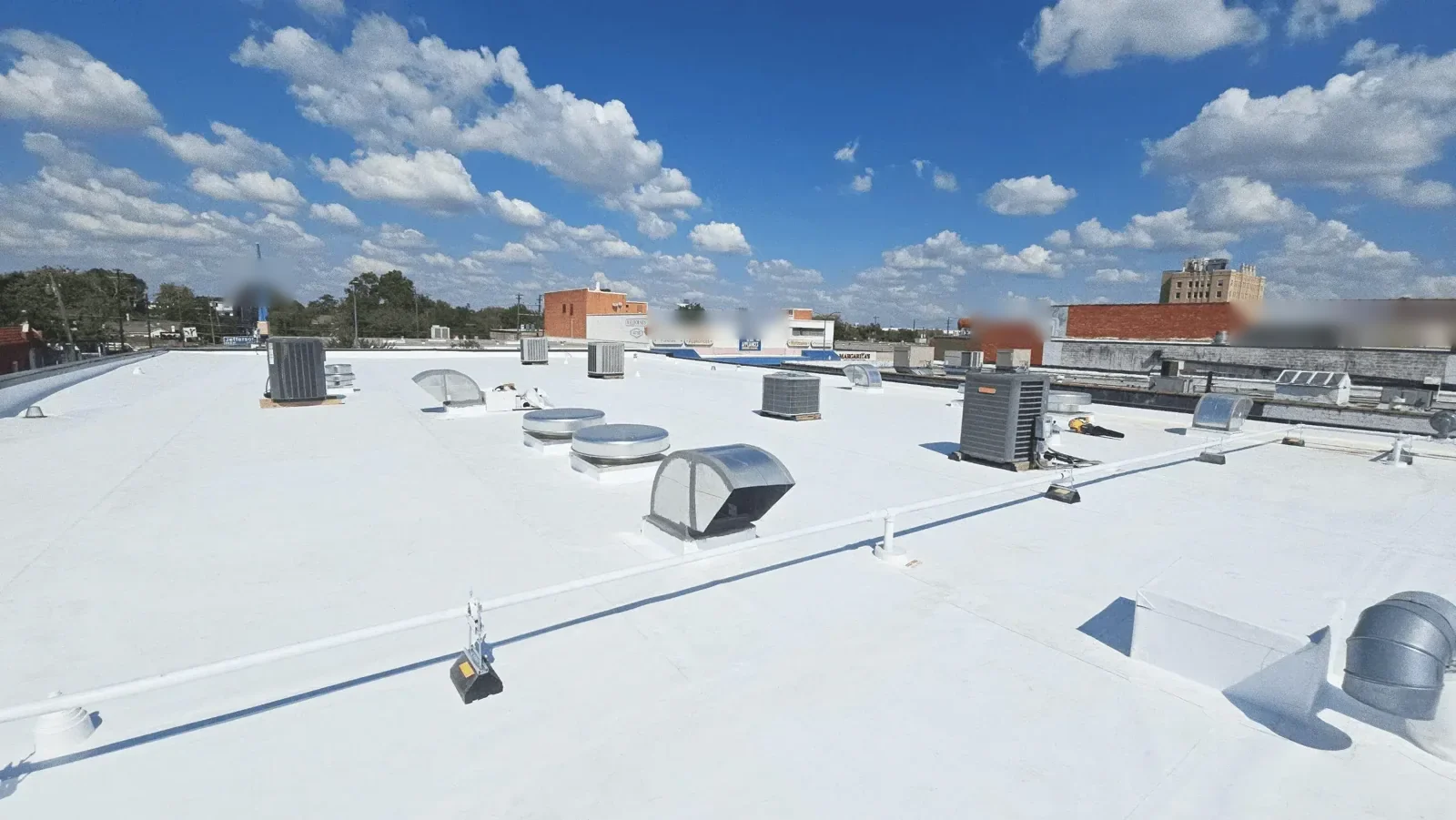
Idaho Falls includes Downtown and South Downtown in a shared City Core planning area. The Warehouse District spans commercial storefront activity and properties used for warehousing or light industry. At Snake River Landing, the planned area exceeds 450 acres between the river and Interstate 15 and includes more than 30 businesses. Each roof still gets a separate inspection and access plan.
Commercial activity also extends through Ammon, which is a regional retail center with employment targets in medical, research, communications, and technology. For corridor properties, the Hitt Road and 25th South corridor is recognized by Ammon as a major city corridor. Those local contexts shape operating questions; the roof itself determines the work scope.
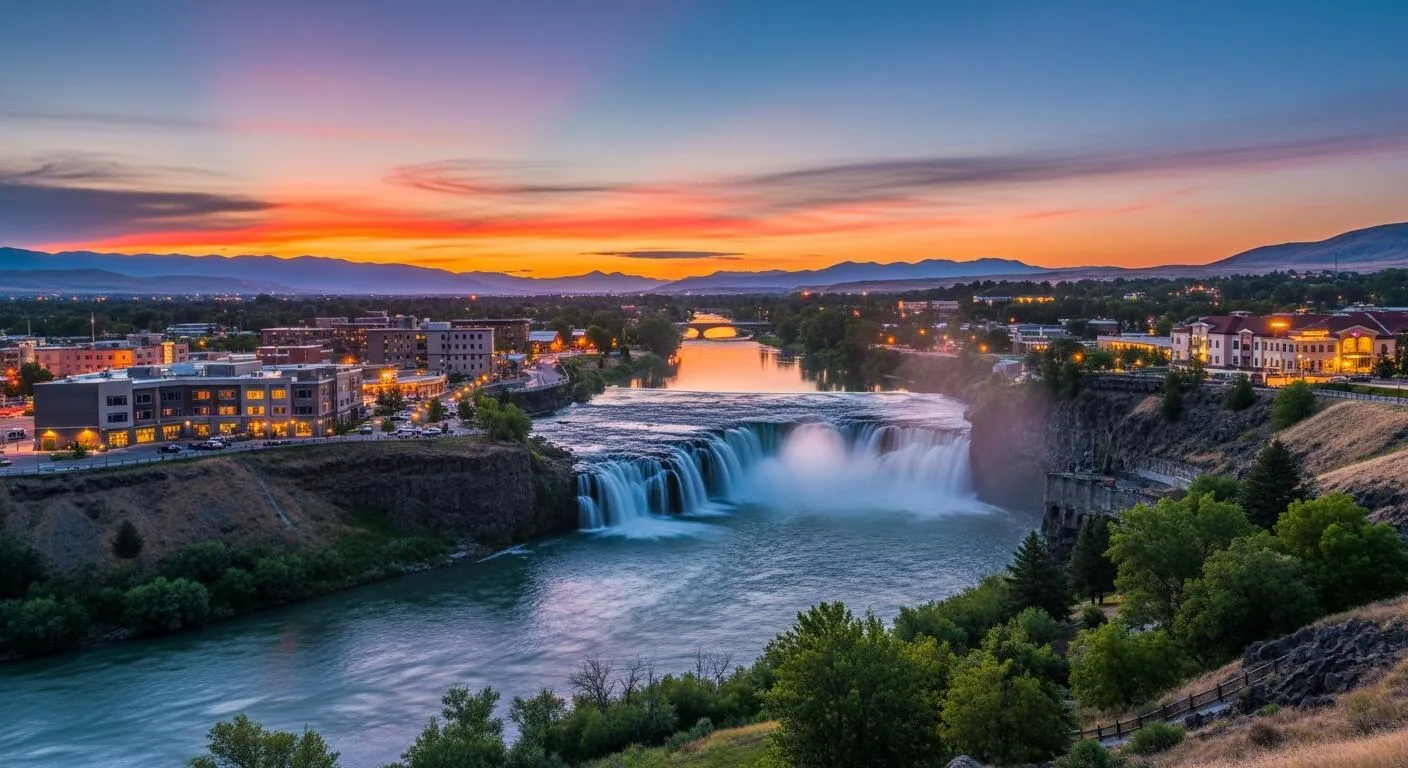
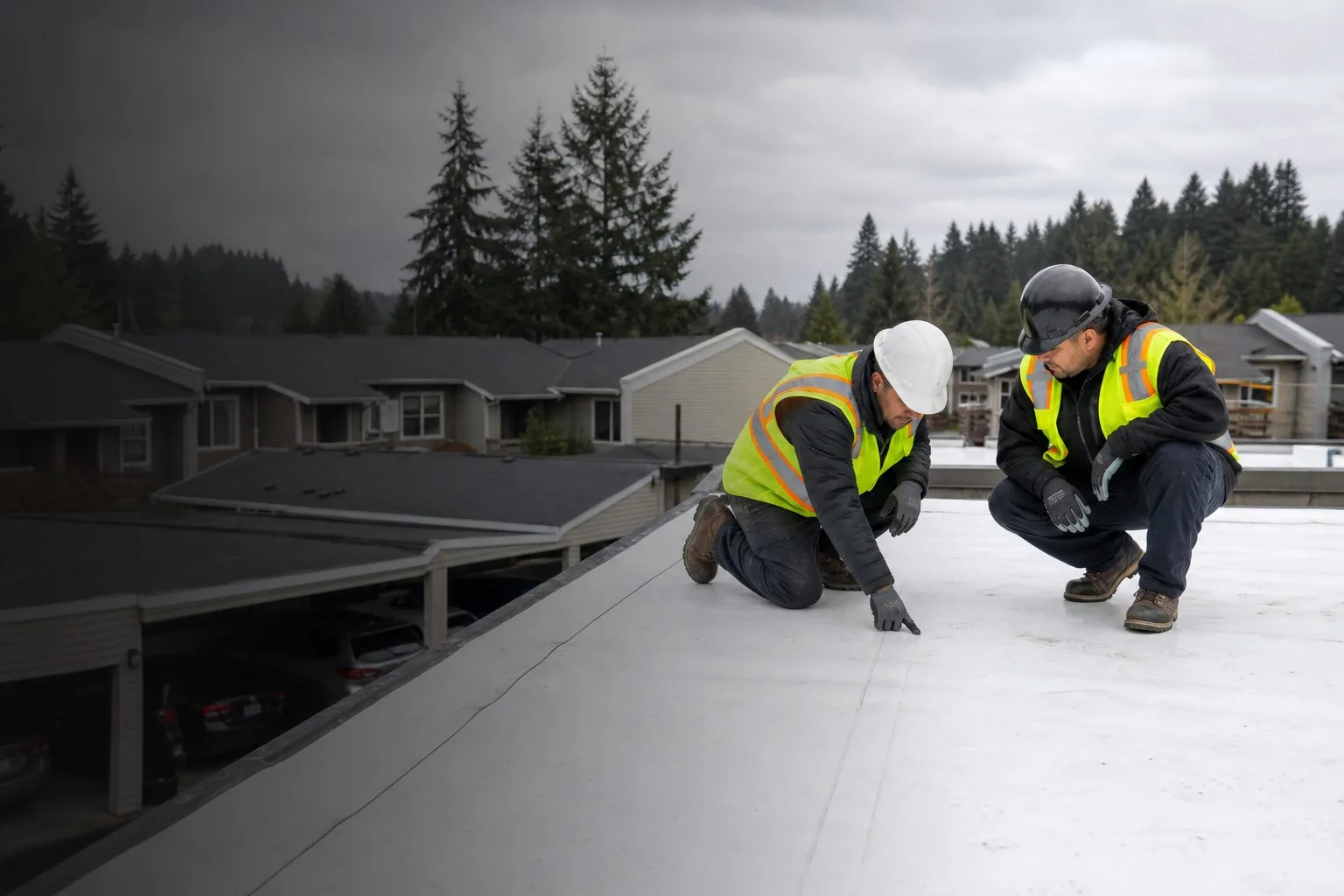
The first visit checks visible membrane or metal, edges, penetrations, curbs, drainage, interior signs, and any earlier repair. We note areas that cannot be reached and explain what additional access would add. For occupied buildings, the manager confirms active entrances, equipment rules, and staging limits before a work sequence is set.
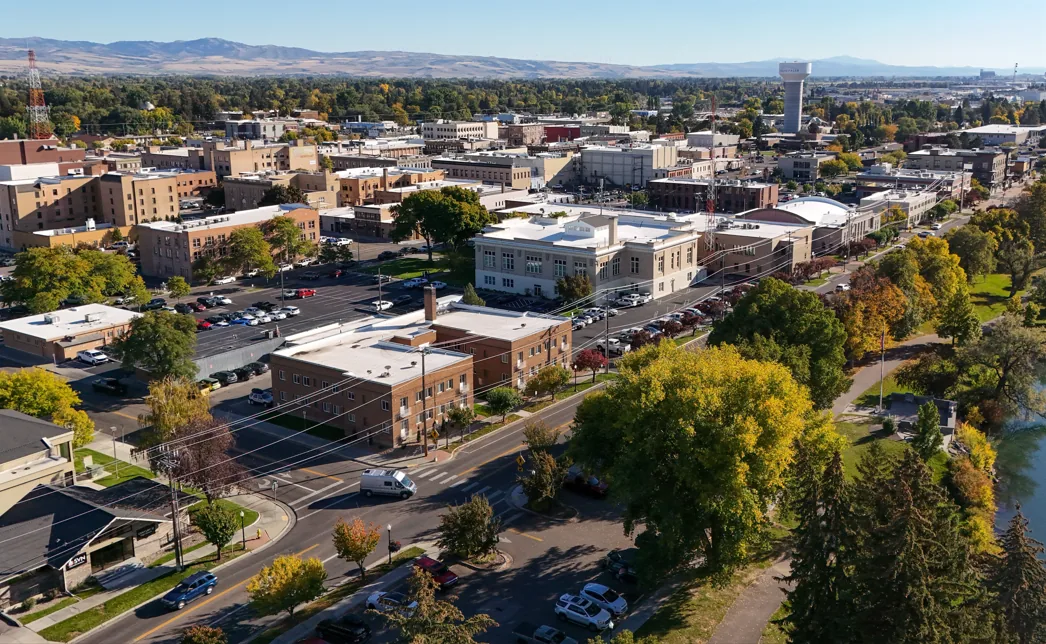
Work extends to Rexburg, with urban-renewal areas that include downtown, University Boulevard, and North Interchange; to Rigby, whose plan describes a growing downtown commercial center; and to Blackfoot, where US Highway 91 runs through the city. Other city and corridor routes cover communities including Roberts, Shelley, Sugar City, Iona, Ucon, and Firth.
When an owner manages more than one location, we keep reports, photos, and repair assumptions separated by building. A commercial roof inspection documents the assembly and details at the property being considered.

Inspection records seams, edges, penetrations, drains, rooftop equipment, prior repairs, and interior signs. If moisture could extend beneath the surface, we identify whether testing or a selective opening can define the affected area. Cost and timing depend on removal depth, deck or insulation work, detail count, equipment handling, staging, access, and weather.
A leak that needs immediate attention can receive emergency response day or night, weekends and holidays included. We confirm safe access, document temporary water control, and list the permanent repair separately. For planned work, the proposal states the daily dry-in limit and how concealed conditions will be approved.
Owners can use the written record to compare an immediate repair with longer-range work. It identifies what was observed, what remains uncertain, and which decision should come next, without assuming that two properties in the same city need the same roofing project.
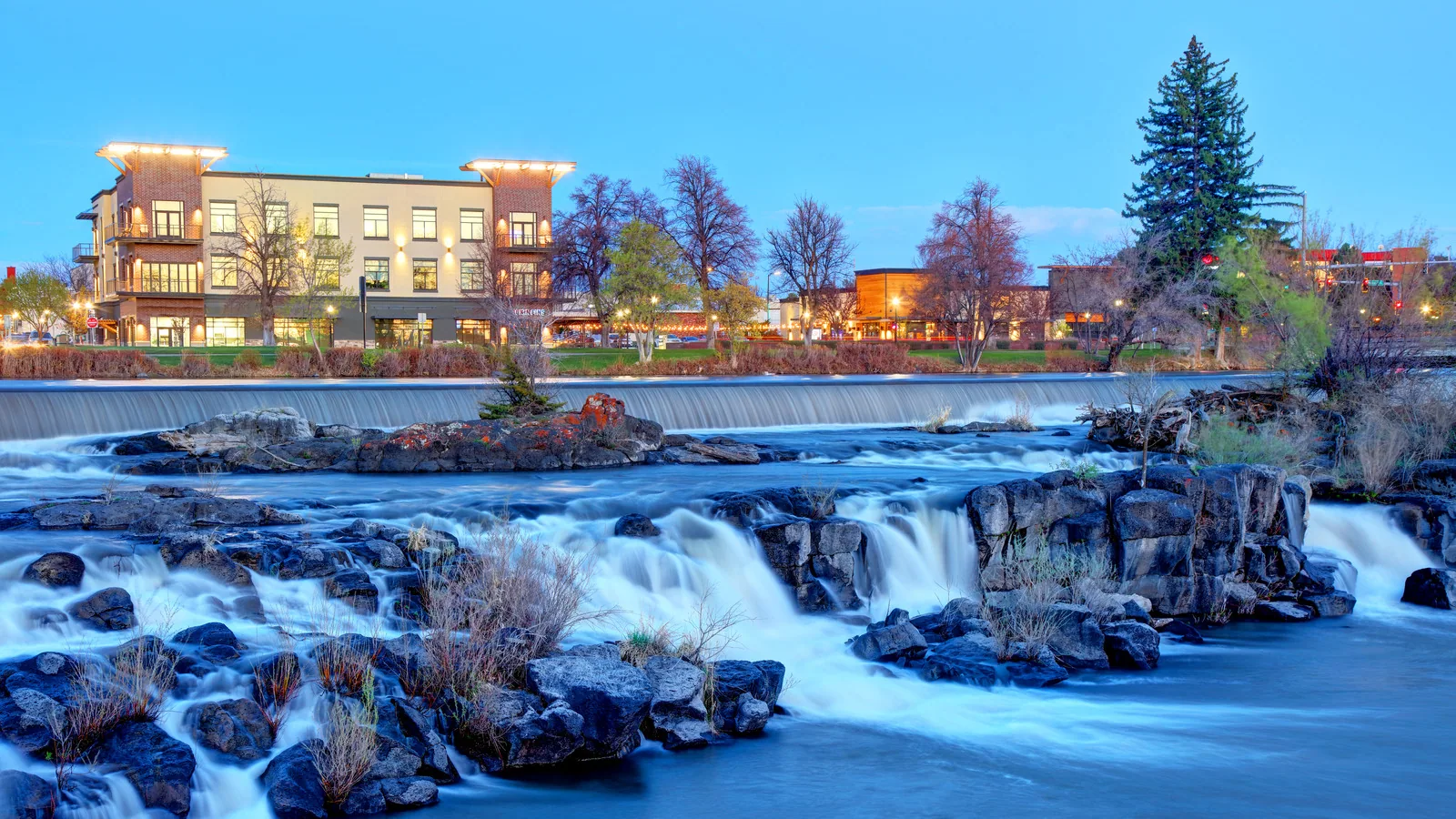
No. The location identifies the municipality or broad district. We inspect each building’s system, moisture, drainage, access, and repair history before setting a scope.
Each property receives its own roof-zone notes, photos, access record, and repair assumptions. A shared portfolio format can make review easier without carrying a finding from one roof to another.
Emergency response is available at any hour, including weekends and holidays. We confirm access and water control first, then document permanent repair needs separately from temporary protection.
Idaho Falls averages are Idaho Falls Idaho Falls values. We use them for market-level seasonal context, then check the actual roof, forecast, and material instructions before setting work limits.