Commercial Roofing in Idaho Falls, ID Serving Idaho Falls & Eastern Idaho

Commercial roofing in Idaho Falls starts with a close look at seams, drains, insulation, and access, followed by a written repair or replacement scope.

Idaho Falls in Idaho Falls, ID

Idaho Falls

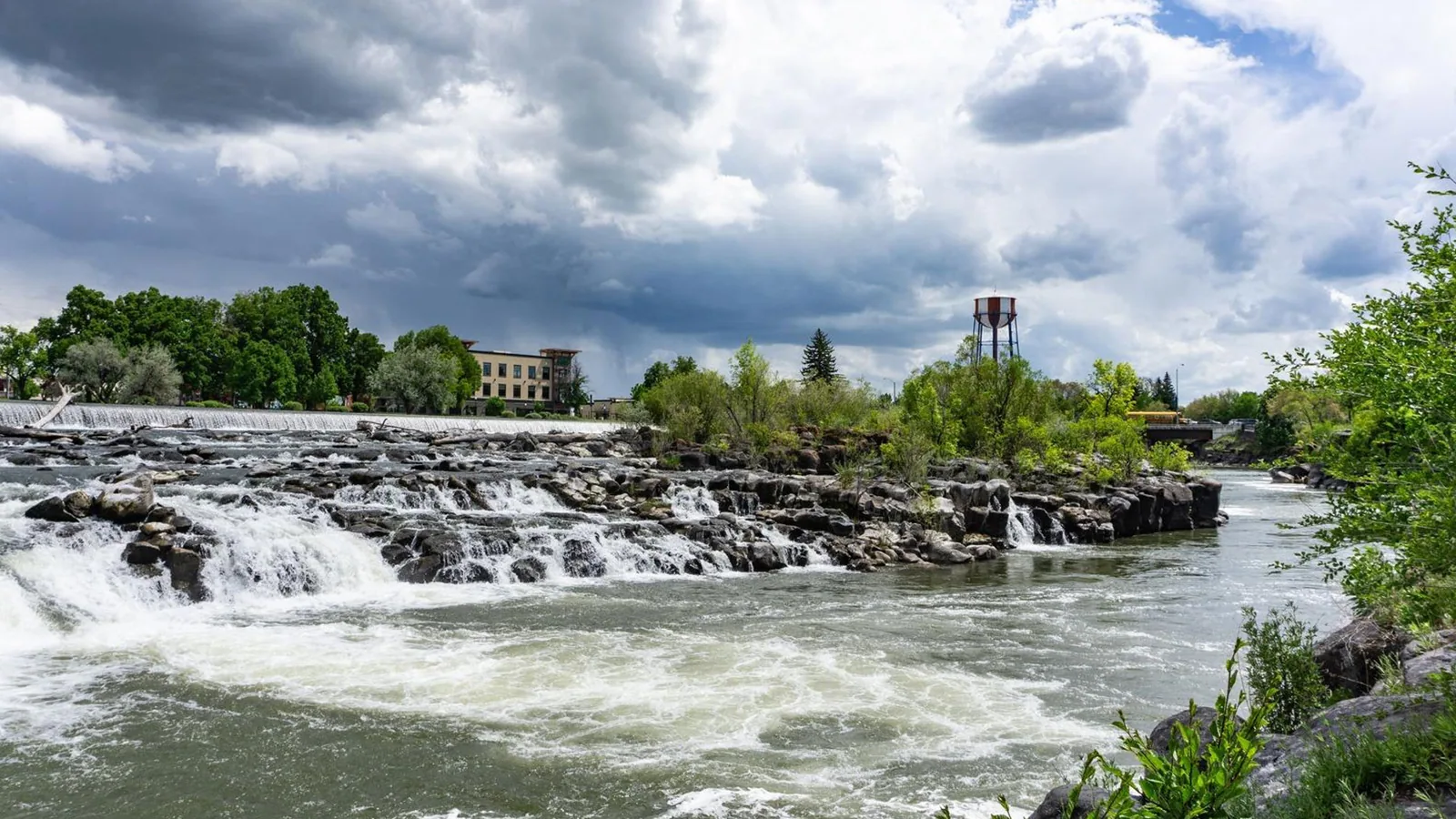
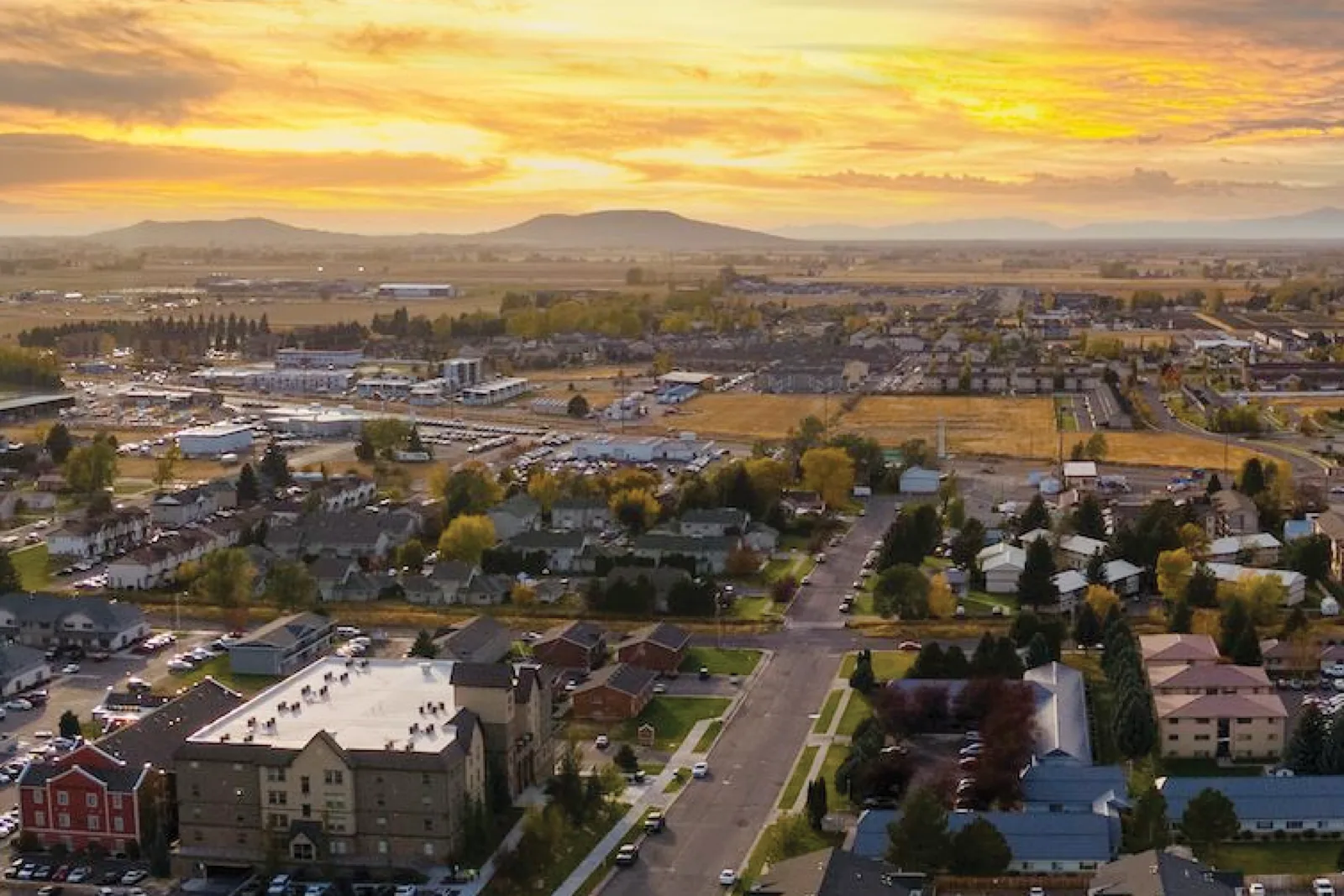
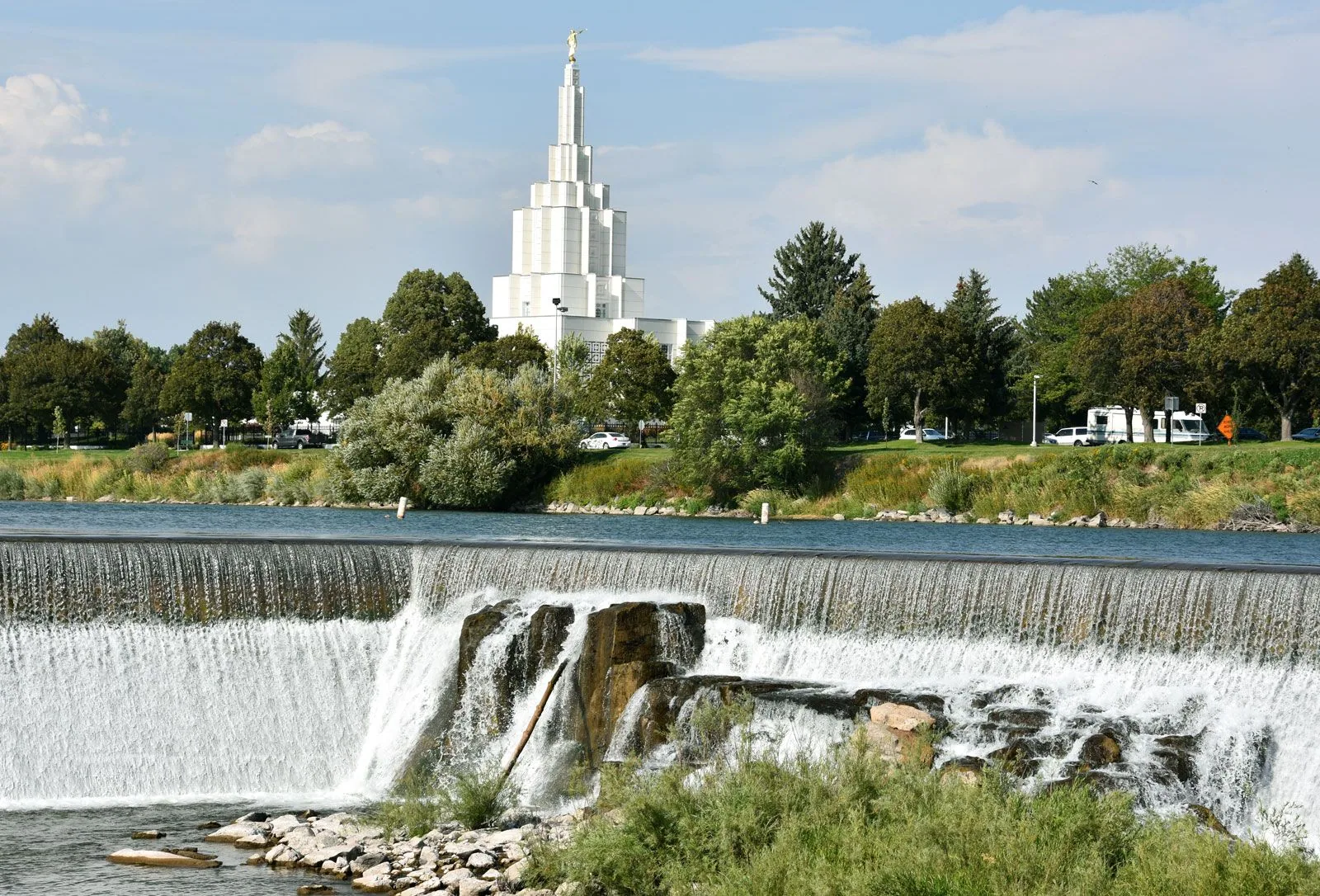
Idaho Falls, ID puts long freezes and a hot roof season into the same maintenance calendar. Idaho Falls averages count 182.2 days a year with minimum temperatures at or below freezing, while highs reach 90 degrees or more on 26.5 days. That range works on seams, flashing, coatings, and application windows. We inspect the actual assembly, mark the exposed details, and separate urgent water control from planned roof work. The first walk should leave a property manager with a clear account of what is wet, loose, aging, or still uncertain.

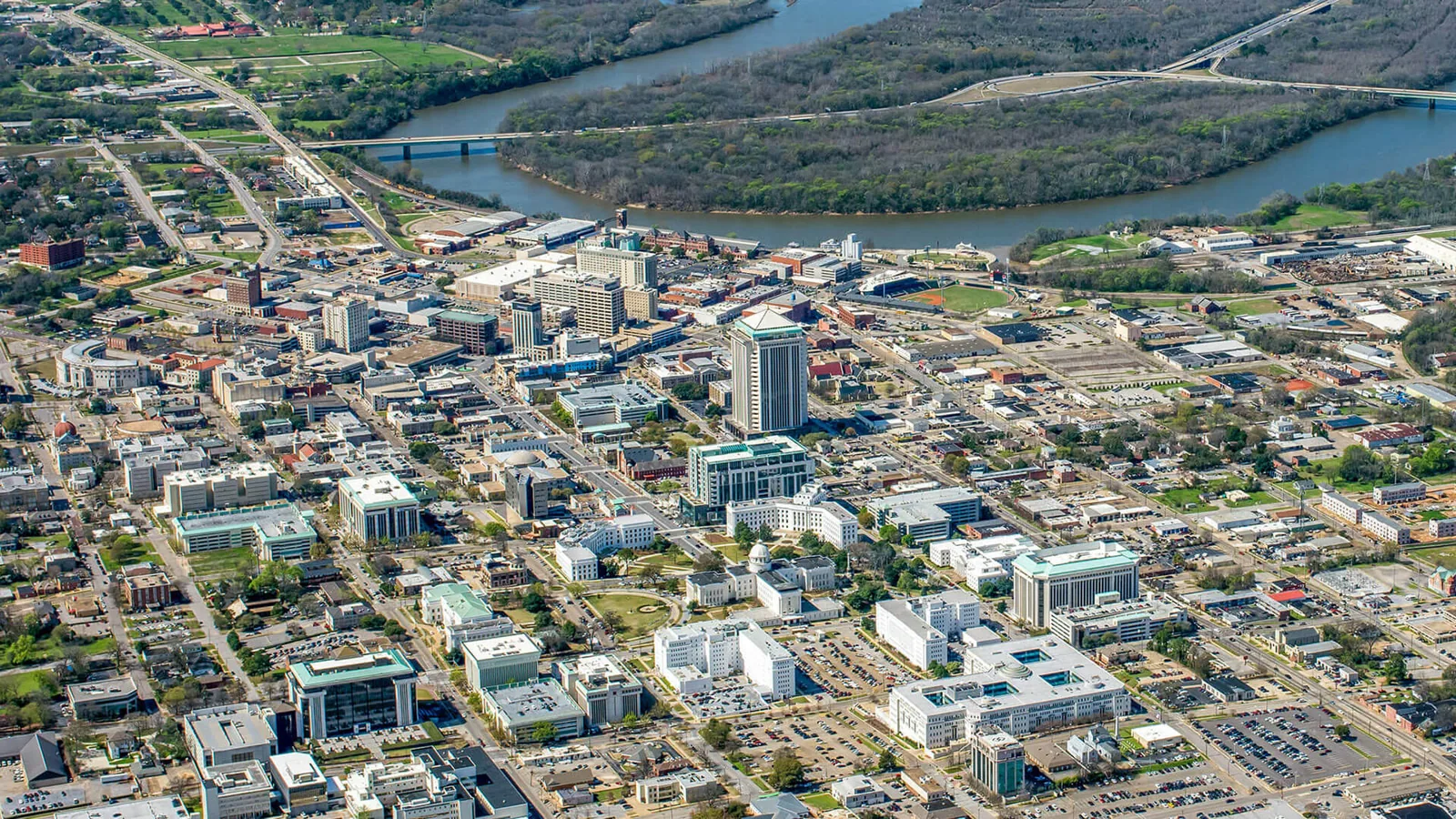
Commercial properties across the city serve healthcare, retail, restaurants, travel, business, and entertainment activity. Idaho Falls is a regional hub for healthcare, retail, business, restaurants, travel, processing, storage, warehousing, wholesale distribution, and rail-related activity. A clinic, distribution property, or retail building may have different access and shutdown limits. We establish those constraints before the scope assigns a work sequence.

May averages 1.57 inches of precipitation at the Idaho Falls, the highest monthly average. Inspect the actual roof to determine whether drainage, flashing, or membrane conditions need attention. Before selecting a repair or replacement, we trace the drainage path, check seams and penetrations, and determine whether insulation or the deck needs direct evaluation. The written scope ties each choice to an observed area.
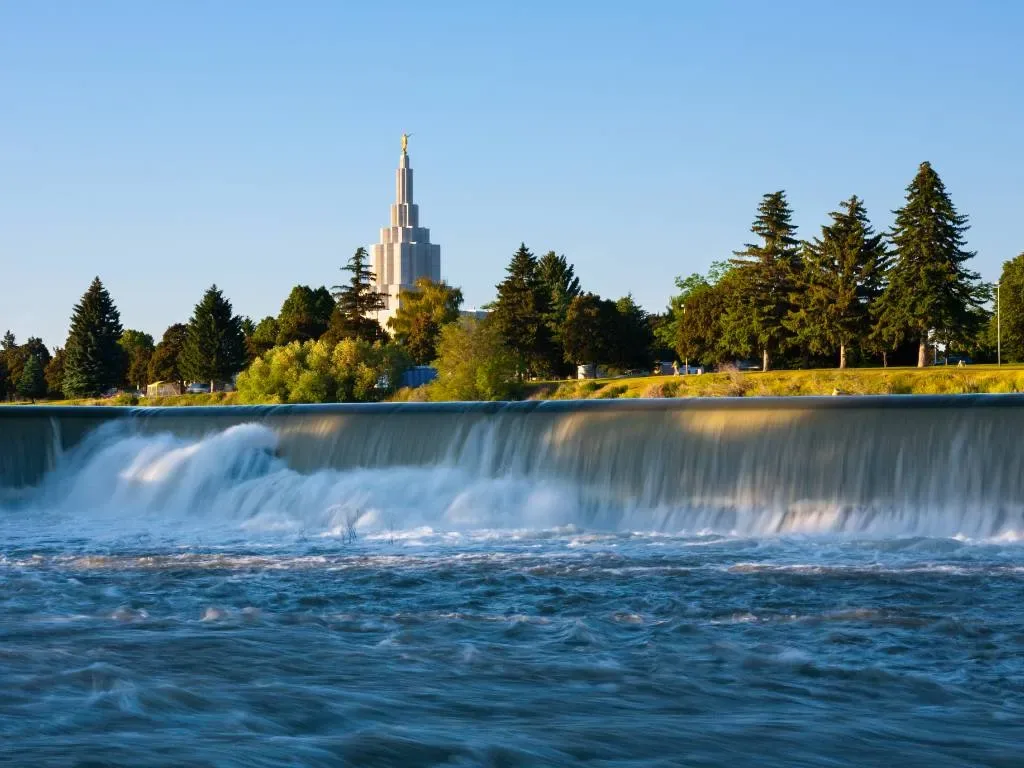
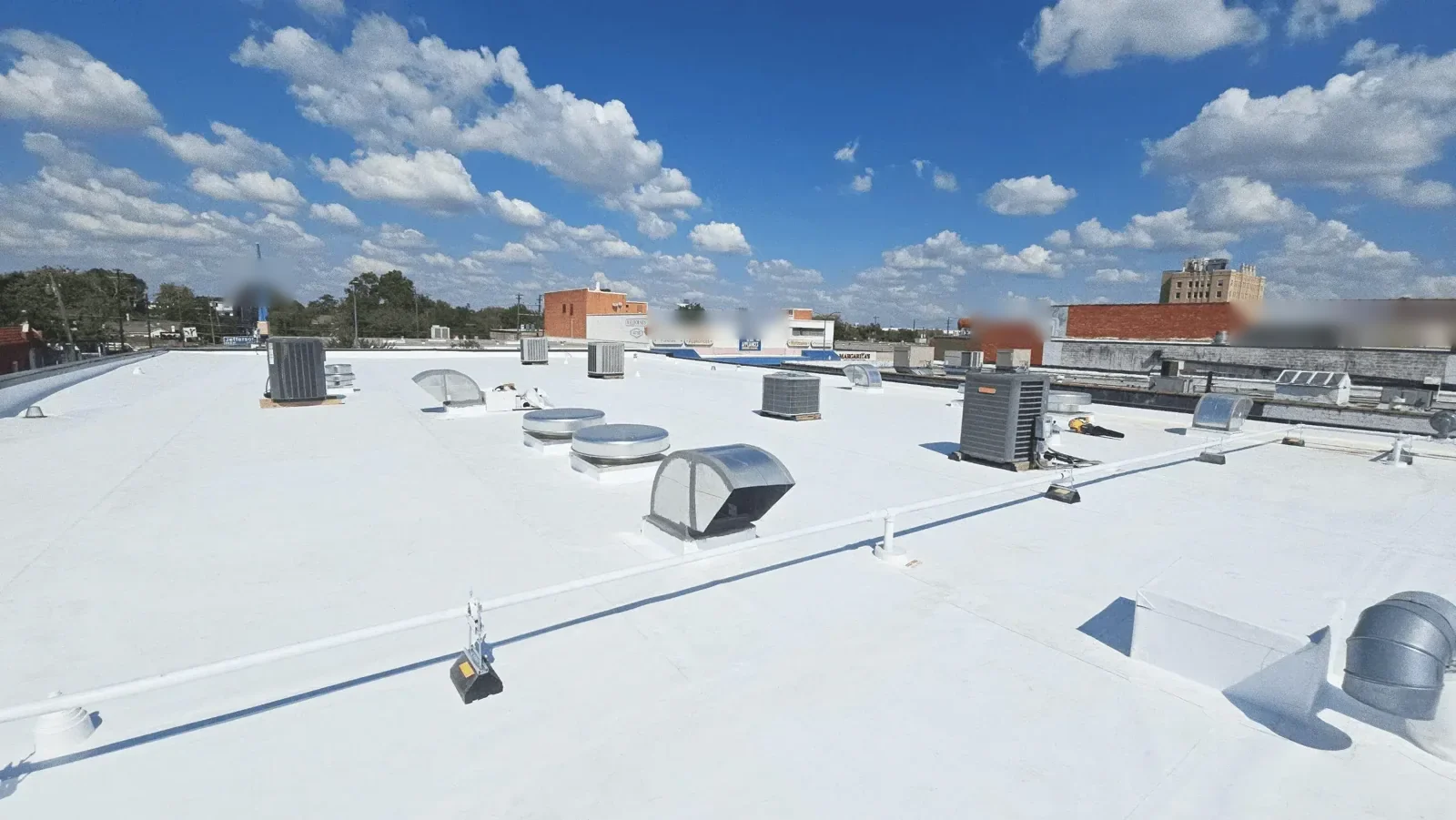
Idaho Falls in Idaho Falls, ID

Start With the Roof That Is There

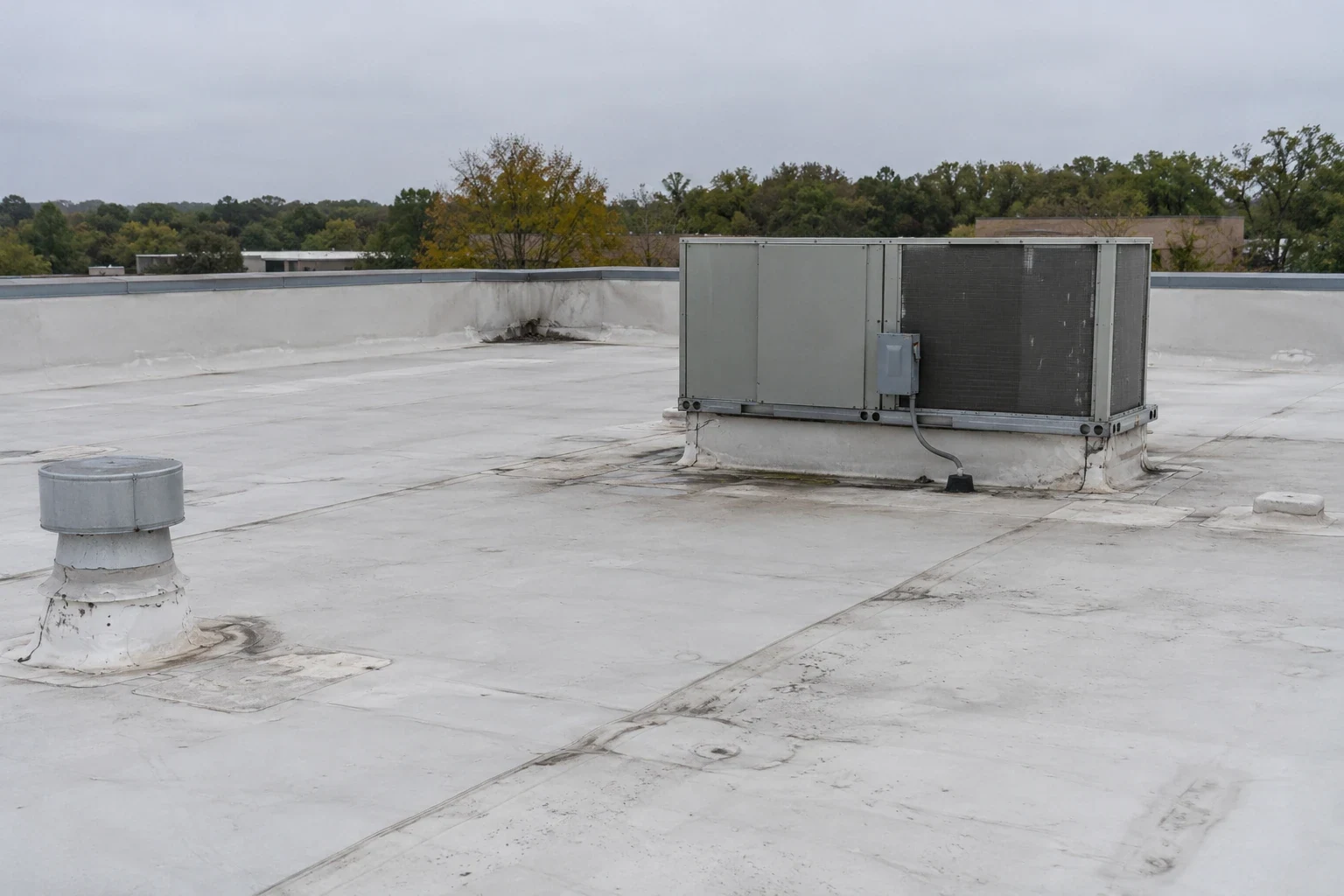
Two buildings on the same block can have different layers, attachments, and repair histories. We identify the membrane or metal system, look at accessible edges, and record transitions where additions or rooftop equipment meet the field. Drains, scuppers, parapets, skylights, and curb flashings get their own checks. If the surface looks intact but interior signs continue, moisture testing or a selective opening can answer what a visual walk cannot.

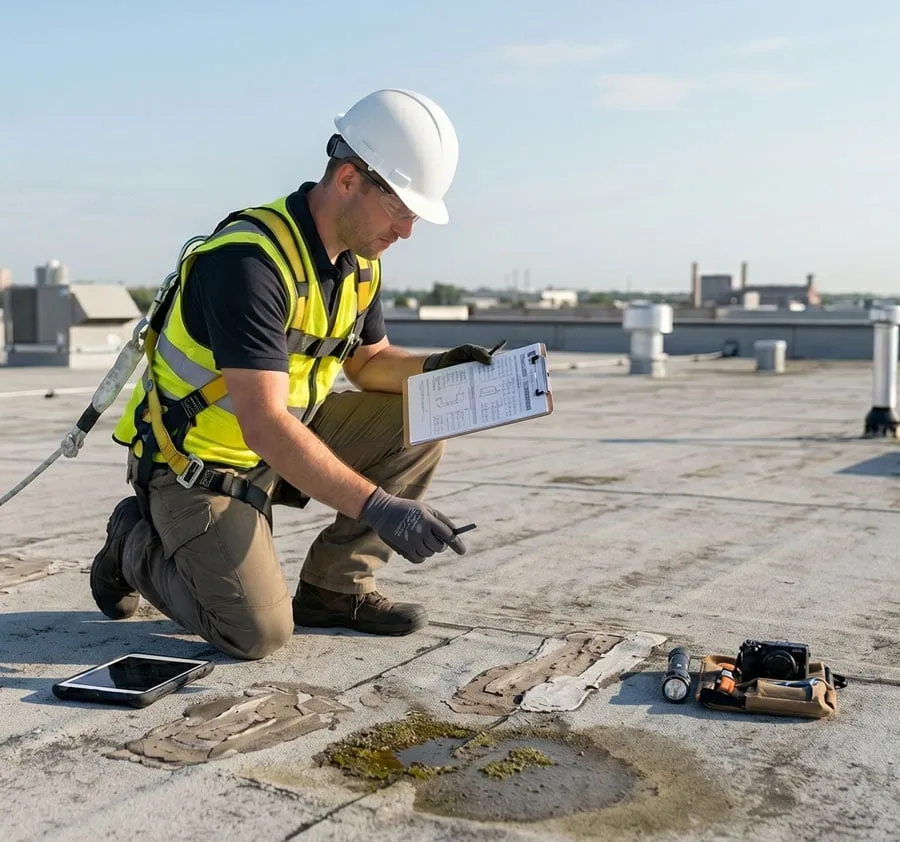
The commercial roof inspection documents roof zones, observed conditions, photographs, access limits, and items that need follow-up. A moisture survey can help direct selective checks when the roof build-up may hold water. Before specifying work, inspect the roof build-up and confirm material layers where the repair decision depends on them. We explain which findings are confirmed and which still need testing, so a budget discussion does not treat an assumption as a repair fact.

The project team confirms permit and inspection requirements for the work proposed at the property. A reroof or assembly change may need a project-specific review, and the applicable requirements depend on the work proposed. We identify the scope and coordinate documentation with the owner’s design team rather than assuming a repair follows the same path as a full replacement.

Match the Work Window to the Season

Winter lows reach freezing or colder on 182.2 days in Idaho Falls averages set, and 14.7 days record lows at or below zero. A roof surface can behave differently from an air reading, but cold affects preparation, membrane handling, and the amount of area that can remain open. In summer, the 86.6-degree July mean daily high and 26.5 annual days at or above 90 degrees make surface heat another planning consideration. We use current conditions and system instructions to set a safe work window.

When water entry cannot wait, emergency response is available around the clock, weekends and holidays included. We first define the area to protect and what access is safe, then record temporary water control separately from permanent repair. If a roof needs more investigation before a lasting tie-in, the scope says what remains open and what finding would change the plan. That keeps an urgent step from being mistaken for the finished correction.

Compare Repair, Recover, and Replacement

A localized split seam, puncture, or flashing defect may support a focused repair if the surrounding material and substrate remain sound. A moisture issue or weak fastening may extend beyond the visible defect when the underlying deck also needs attention. We document the boundary and compare repair with a recover or replacement. A recover needs a suitable existing assembly, secure attachment, acceptable moisture conditions, and drainage that can still function beneath the new system.

System choice follows the roof geometry, intended use, and project design. A TPO membrane system uses different seam preparation from EPDM, modified bitumen, or standing-seam metal. Coatings need a compatible, dry surface and cannot correct a weak deck or wet insulation. We identify the proposed assembly, insulation, cover board, flashing, edge securement, and drainage details before pricing the work.

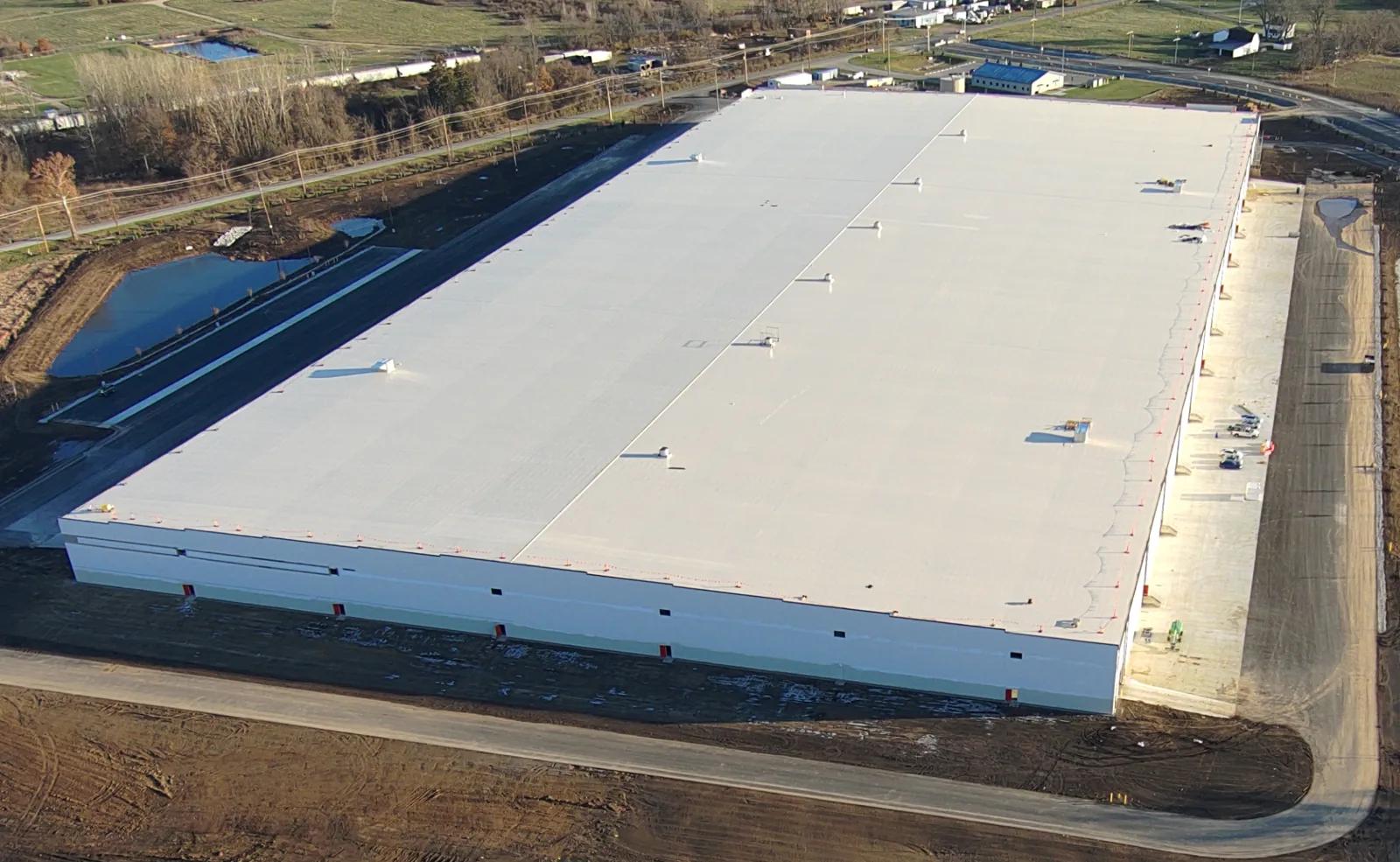
Idaho Falls includes production, storage, warehousing, wholesale distribution, and railroad-related uses in its industrial areas. For these properties, a loading or rail-serving area may affect lift placement, material handling, and the sequence of roof zones. We confirm actual access and operating rules with the property team. The occupied-building reroof plan can set phases around active operations without assuming every site has the same layout.

Keep Building Operations in the Scope

Staging, delivery timing, roof access, debris handling, and rooftop equipment all affect labor and sequence. Curbs or service lines may need another trade before roofing details can be closed. We identify who handles disconnection, support, and reconnection, then inspect the finished flashing tie-in. The drain and scupper scope can be coordinated with insulation layout and slope corrections if water has been held near an outlet.

Access questions also vary across the city. Downtown, South Downtown, and the Warehouse District are recognized commercial areas, while Snake River Landing is a separate mixed-use district. Each is a broad service location; the property walk determines its assembly and access. We serve Downtown Idaho Falls and the Idaho Falls Warehouse District as part of that citywide work.

Leave a Useful Condition Record

For properties with several sections or additions, label each area consistently. Note drains, curbs, penetrations, seams, and edge details that were repaired or left for future work. The roof condition report can support capital planning, while preventive roof maintenance gives the owner a repeatable way to track drainage and exposed details. When a broader replacement is under consideration, a replacement evaluation compares the documented condition with a project scope.

Timing and cost change with removal depth, insulation, deck corrections, equipment movement, staging, and access. Weather can change how many roof areas can be opened safely at once. We list those drivers in the scope and separate known work from concealed conditions that may need approval. That gives ownership a real basis for comparing a repair, a phased reroof, or a larger capital project.

Questions About Idaho Falls

We review the membrane or metal, roof edges, seams, flashings, drains, penetrations, rooftop equipment, and visible interior signs. The report identifies roof zones, photographs, access limits, and conditions that may need testing. It does not assume every area shares the same assembly, especially where additions or prior repairs are visible.

The crew checks surface temperature, moisture, wind, and the system instructions before starting. We define what can be prepared and closed within the actual weather window, then protect any area that cannot be completed.

We look at moisture, attachment, deck condition, drainage, and existing layers. A dry, secure assembly may allow a recover under the applicable design and code review. Wet insulation, weak attachment, or unresolved water flow can change that decision, so the written scope separates confirmed conditions from testing still needed.

Access, material delivery, roof size, equipment coordination, weather, and the depth of removal all affect timing. On occupied sites, we also plan around entrances, tenants, air intakes, and operations that need to stay active. We identify the daily closure point and explain which conditions could shift the sequence.

Emergency response runs around the clock, including weekends and holidays. We assess safe access, control water where conditions allow, and document the temporary measure separately from permanent repair. If moisture or substrate damage requires more investigation, the follow-up scope identifies the area and the decision needed before a lasting repair.

ServicesRoof SystemsIndustriesProperty TypesService AreasDamage RepairCapabilitiesManufacturersContactAboutRequest a Roof Assessment555-555-5555
Call us today555-555-5555