Data Center Roofing in Idaho Falls, ID Serving Idaho Falls & Eastern Idaho

Plan data center roof repair in Idaho Falls with careful control of penetrations, drainage, access, and weather exposure around critical building operations.

Data Center Roofing in Idaho Falls, ID

Data Center Roofing

Data center roof work must protect the envelope while preserving equipment access. Idaho Falls has a 44.2-degree annual mean, a seasonal reference for material and application planning. We use the actual forecast, substrate condition, and product limits to set a safe work boundary around seams, drains, and equipment curbs.

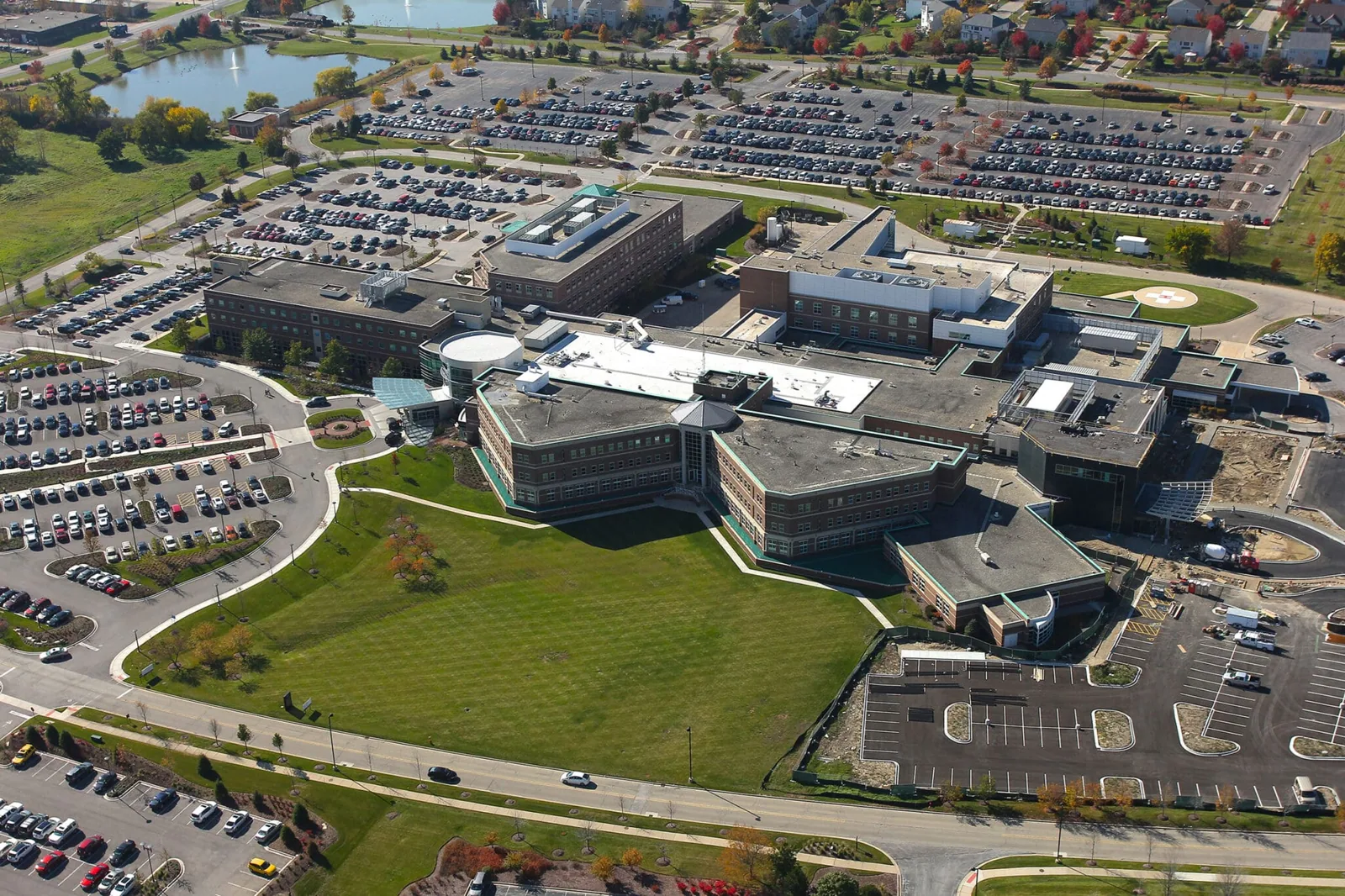
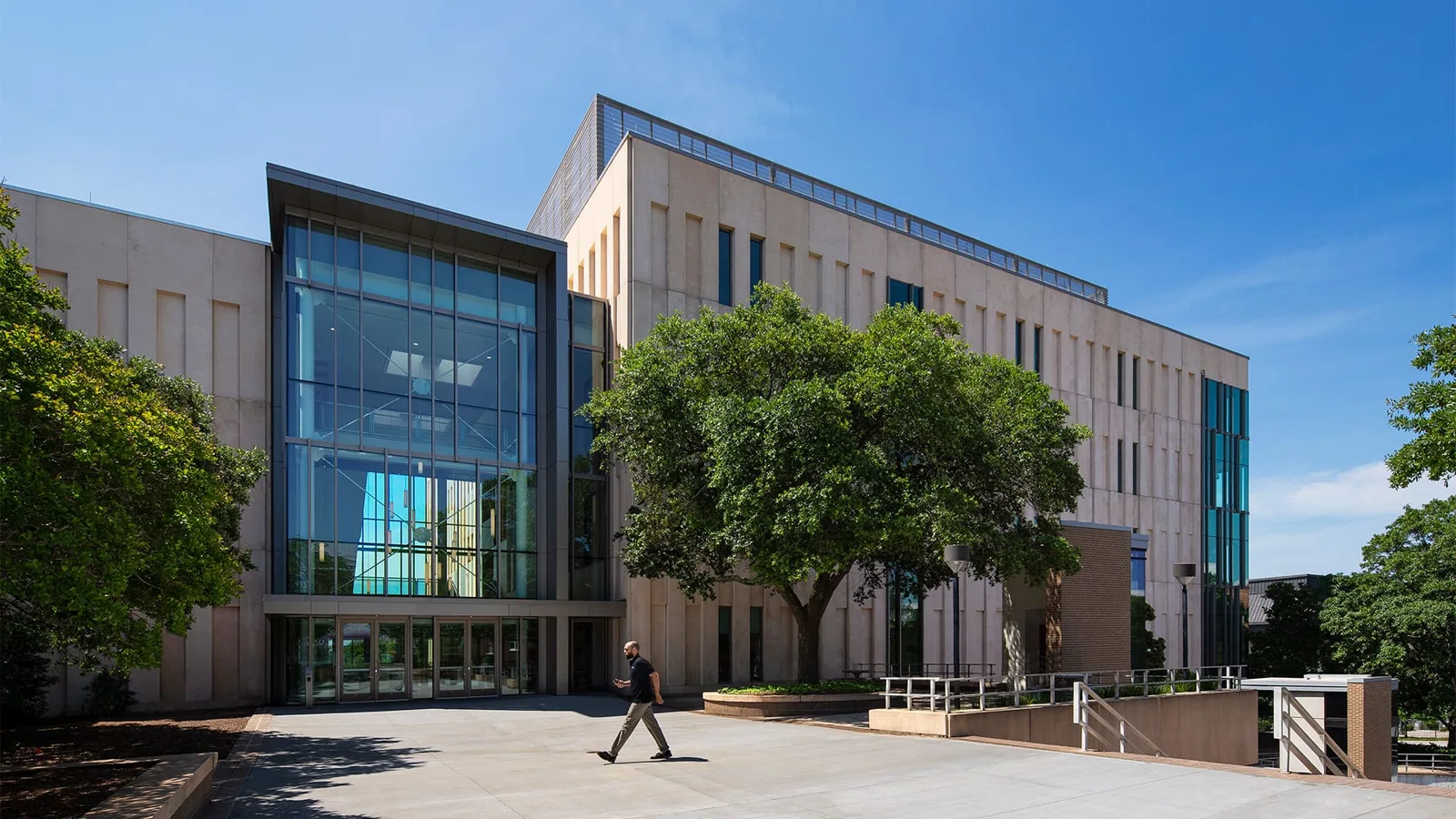
INL’s in-town Research and Education Campus combines office and laboratory spaces with national-security facilities and critical-infrastructure research. Those uses make access and operating controls part of the roofing sequence for technical buildings. Each data center still needs a roof-specific inspection and work boundary. We coordinate with the property contact on restricted areas, service clearances, intake protection, and approval authority before setting the sequence.

For an occupied technical building, the written scope should identify what is wet, what can be repaired, and what needs more testing. A leak at a curb may affect insulation beyond the visible opening. We trace water, document penetrations and drainage, and separate temporary control from permanent correction.
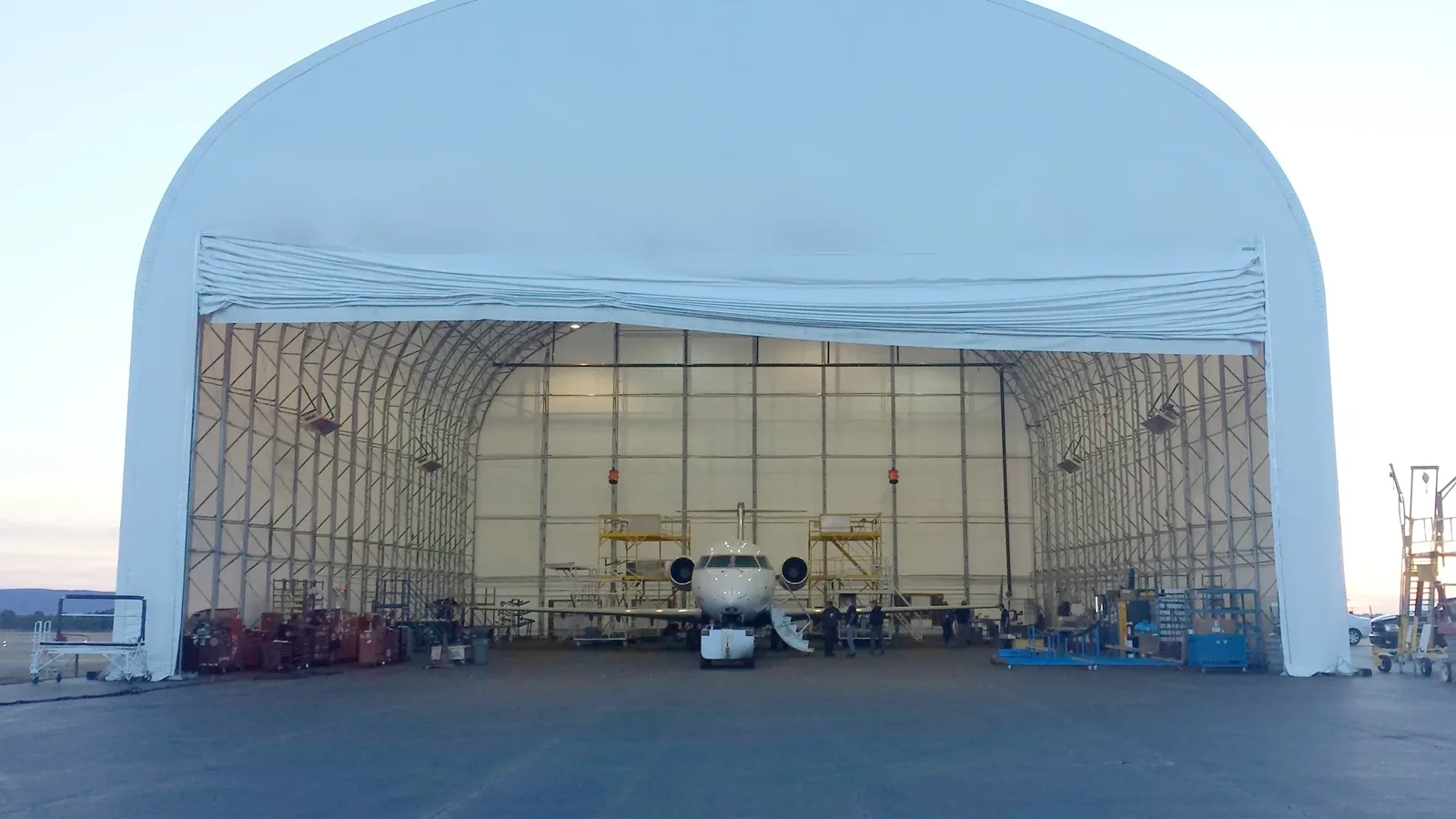
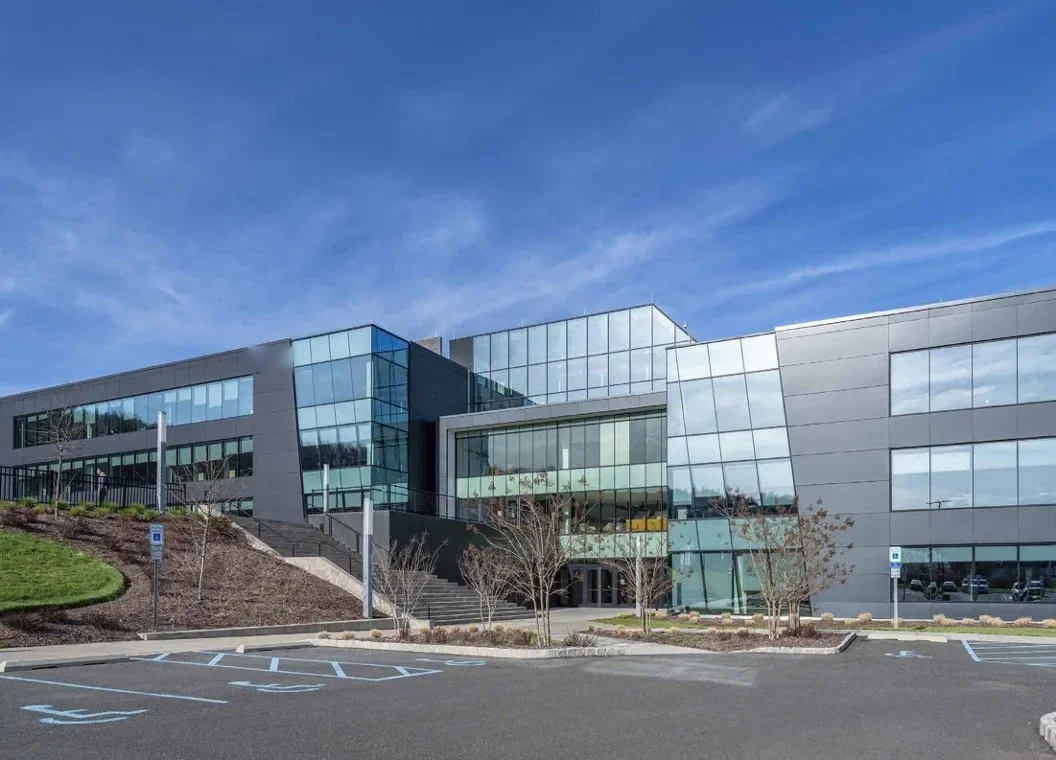
Data Center Roofing in Idaho Falls, ID

Map the Roof Before Setting a Boundary

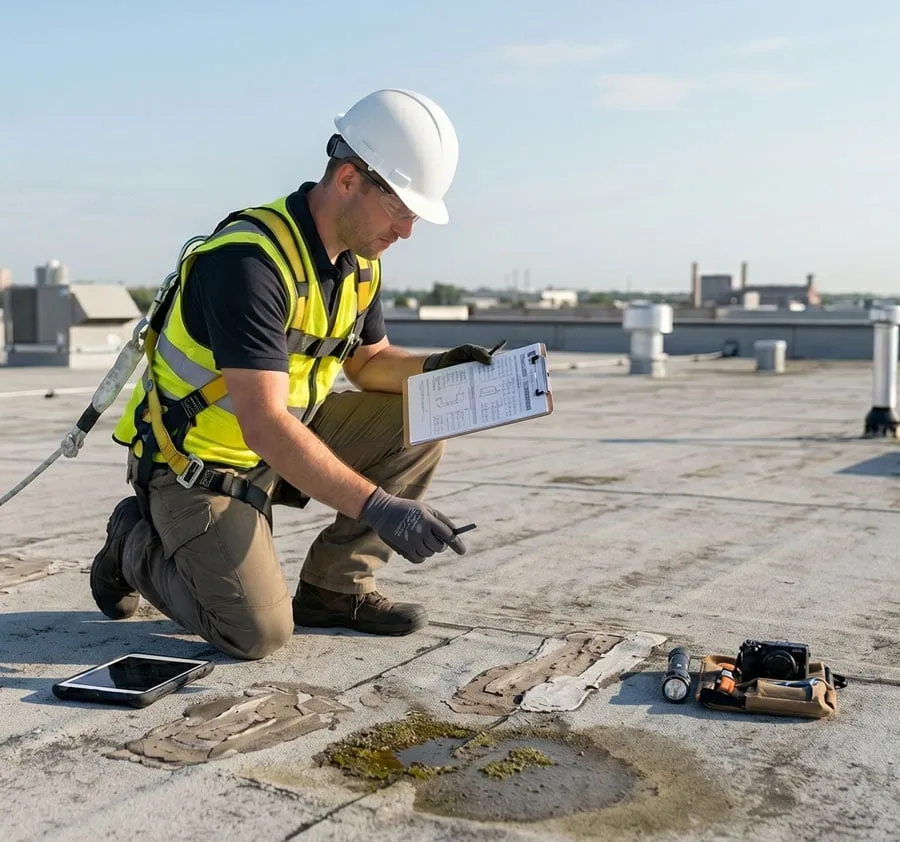
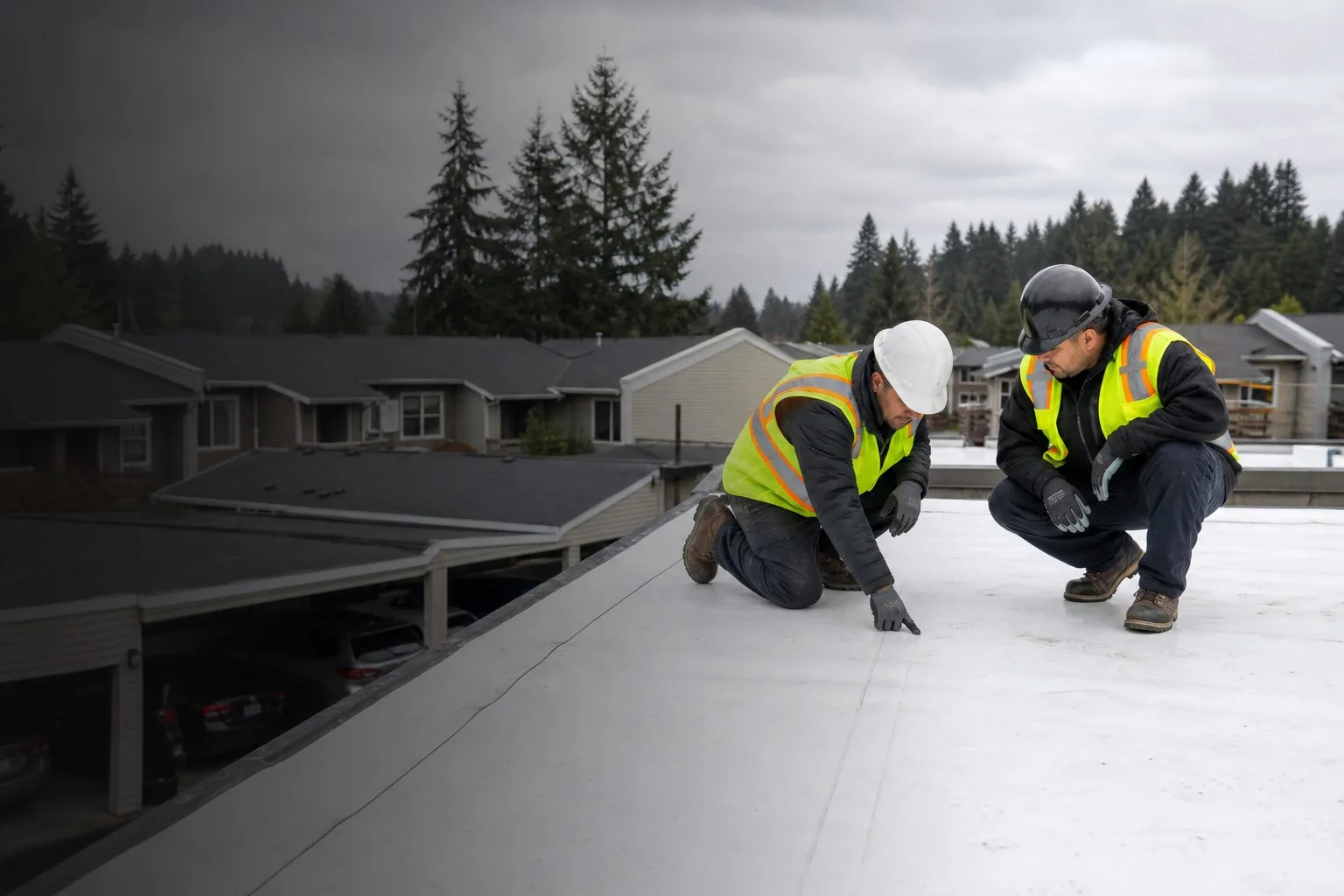
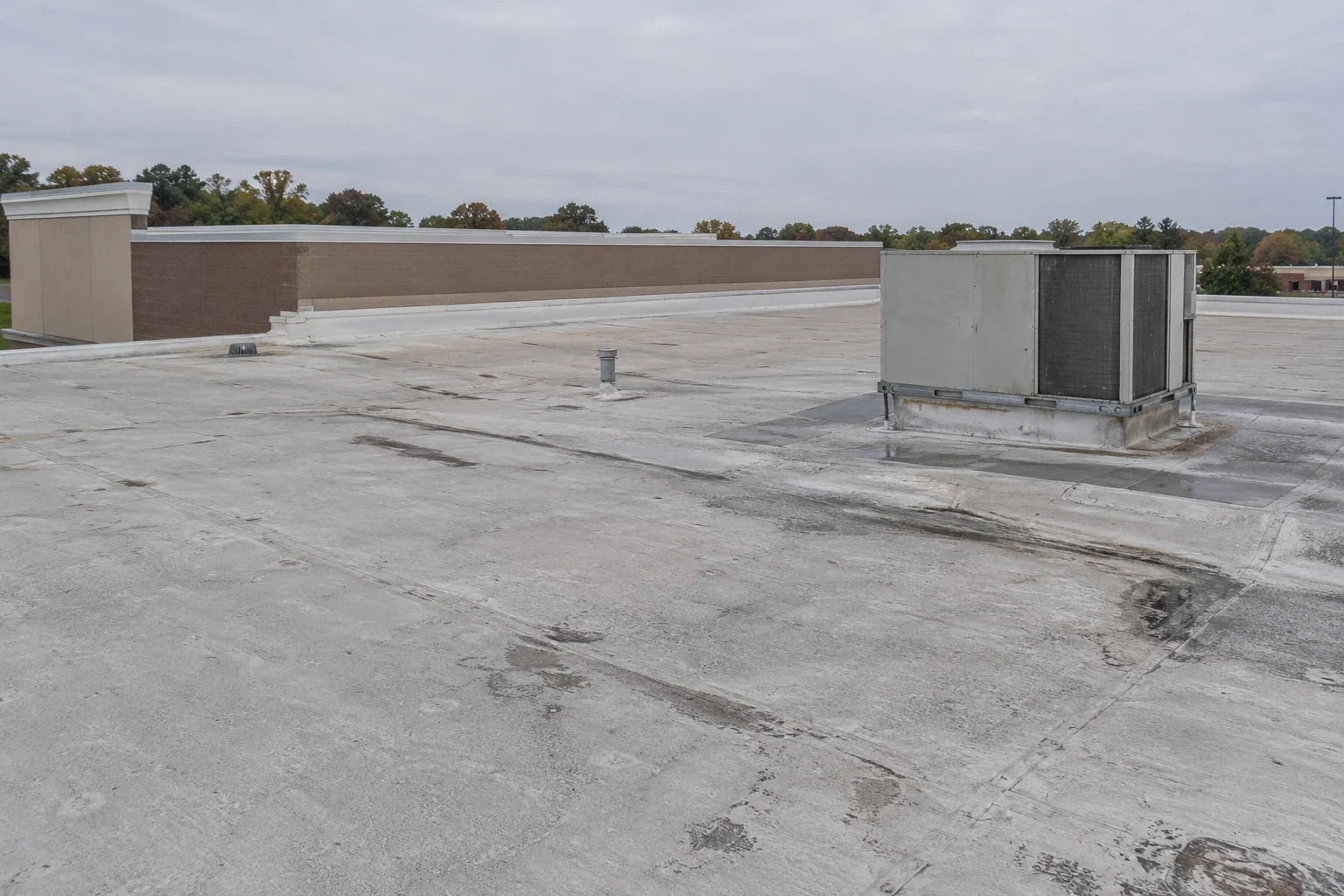
We identify the membrane or metal, attachment, seams, edges, drainage, and prior repairs. Then we inspect penetrations, curbs, supports, and service paths against reported interior conditions. Water may appear away from the opening, so photos and marked areas explain the likely route.

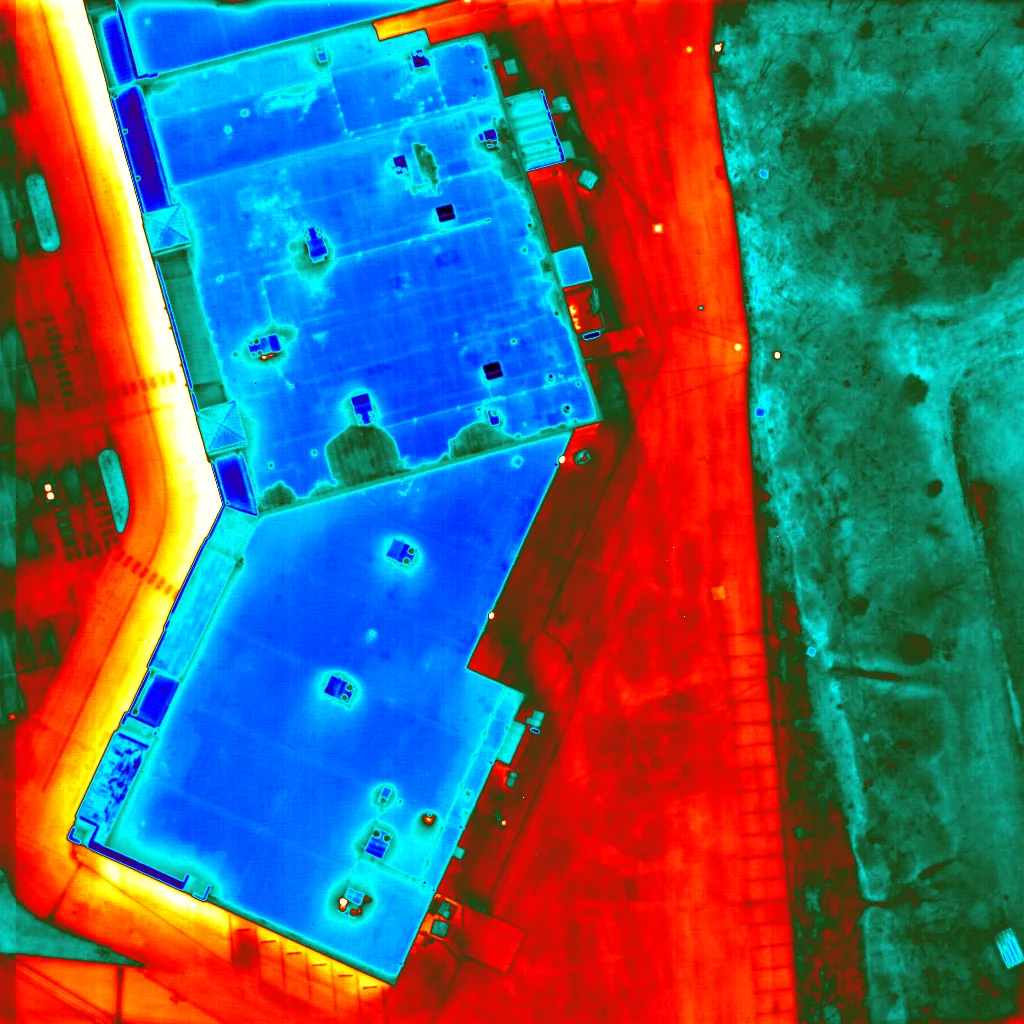
Moisture testing can help determine whether insulation is affected beyond the visible defect. We identify test limits and state where access was restricted or the assembly could not be confirmed. A moisture survey can support a map of suspect areas when conditions are right, with targeted confirmation before removal is scoped. If wet material reaches the deck or attachment, the repair boundary may be broader than the original opening.

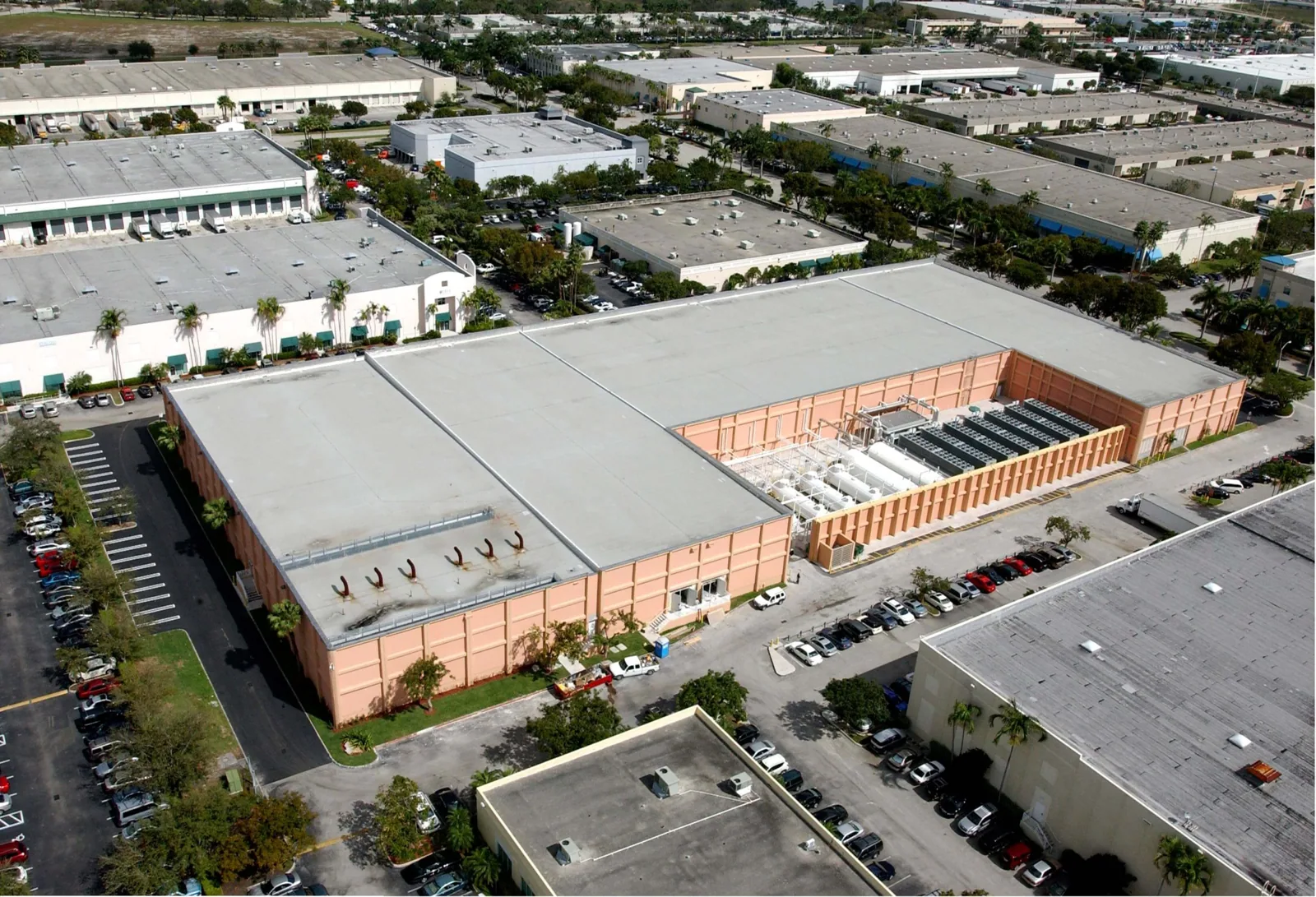
Data-center roof planning in Idaho Falls should coordinate utility routes, access control, equipment uptime, and any site-specific floodplain or airport-area considerations. These layers add context, while the property survey and facility rules determine staging and access.

Coordinate Secure Access and Building Use

Before mobilization, we confirm who can authorize access, where a crew may stage, which intakes need protection, and whether roof routes cross controlled areas. Work may need to avoid service windows or restricted rooms. We phase the roof within the access rules set by the property contact.

West Broadway/US-20 links downtown Idaho Falls with airport access and routes toward INL, while I-15 and US-20 form the principal regional connection. Delivery planning still follows facility gate procedures and truck paths. Our occupied-building roofing sequence names work zones and stop points. Manufacturing facilities also require coordinated operations.

We coordinate intakes, service paths, and restrictions. The roof plan names the daily limit, temporary protection, and who receives notice before a zone changes. Any additional approval needs to be confirmed before scheduling.

Build Weather Limits Into the Scope

The annual mean temperature in the Idaho Falls averages is 44.2 degrees. That Idaho Falls figure summarizes a broad seasonal pattern. For an equipment-sensitive building, we check the actual forecast, substrate temperature, material instructions, and the time available to close each work zone. A daily work limit protects the assembly when conditions change.

Snow or ice can hide a drain or restrict access. We define tie-ins and the section that can be closed in the shift. The snow and ice roof assessment can distinguish an obstruction from a failed detail.

Permits, substrate moisture, material availability, secure access, and operations also affect timing. We list decisions and inspect each area before covering it.

Match the Repair to the Assembly

We sort roof findings by how far water has reached, whether attachment remains dependable, and whether equipment details can be repaired in place. A single opening with dry surrounding layers may be contained. Multiple wet areas, loose edges, or deck deterioration can call for a larger project. We photograph findings and explain what remains unknown before a property manager compares alternatives.

The project team confirms applicable permit and inspection requirements before work begins. The project team confirms which requirements apply to the specific work. Membrane or metal options should be weighed against substrate, drainage, penetrations, and equipment servicing, rather than selected from the building label. At a data center, keeping a curb accessible for later service may be as important as its flashing repair today.

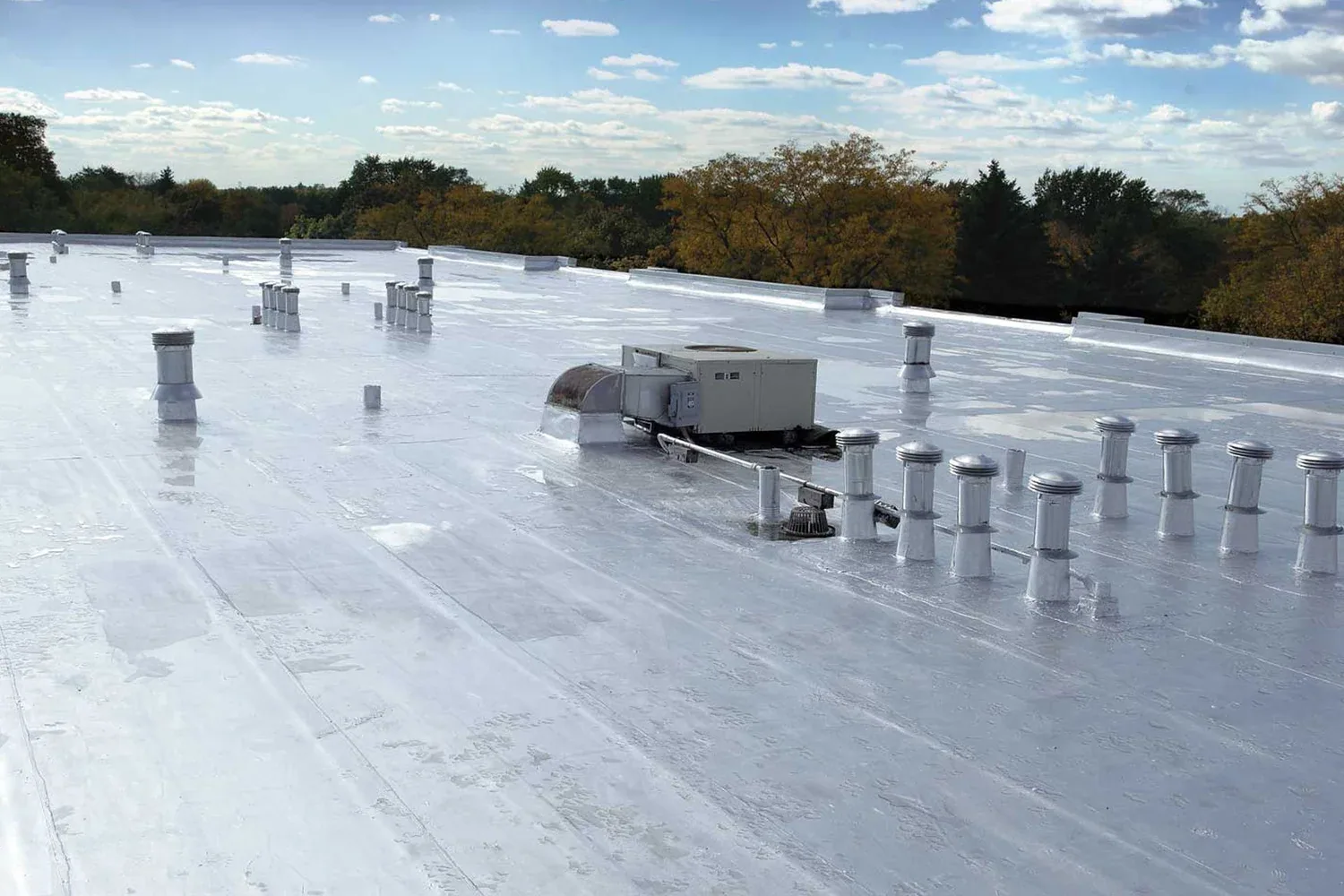
A curb can be structurally sound yet have flashing that no longer sheds water, and a support can remain usable while its membrane transition has separated. We photograph these details, note their access condition, and state whether the repair can be completed without moving equipment. If the scope needs a shutdown or specialist, that dependency is listed before work is scheduled. An adjoining administrative area may need office roof coordination, while healthcare roofs also require protection for active interiors and equipment access.

We inspect curb flashing, terminations, and water-shedding details around service paths. A loose transition or blocked drain can preserve a leak even when the membrane field is sound.

Keep High-Impact Work Visible

Cost drivers include the area of wet insulation, tear-off depth, deck repair, penetration count, edge work, drainage correction, secure access, and temporary protection. We separate known repair from concealed-condition allowances and state approval needs. Findings for each roof remain distinct.

An initial water-control repair may precede a wider capital review. We identify what the temporary measure protects and what remains unresolved. A commercial roof repair scope can address a defined opening; a written roof condition report can support a broader budget decision with marked findings and photographs. The owner can compare the two without treating an emergency patch as full renewal.

After work, a roof maintenance program can revisit drains, seams, curbs, and prior repairs. Facilities staff can use the record to plan future access and identify a new leak. Near the Idaho Falls Warehouse District, scope still follows the inspected assembly.

Questions About Data Center Roofing

We inspect the assembly, set a daily work boundary, and plan temporary tie-ins that can close the section within the shift. Facility staff identify equipment zones, intake protection, and access restrictions before mobilization. If weather or a concealed condition changes the sequence, the plan names who can pause work and approve the next step.

Penetrations, curbs, equipment supports, seams, edges, drains, and service paths all need review. A defect at one transition may let water travel within the assembly before reaching an interior room. We map the route and test suspect insulation when appropriate, then show which details require repair or follow-up.

Infrared can help identify temperature patterns associated with moisture, but findings require interpretation and confirmation. We note test conditions and inaccessible areas, then use targeted checks to establish the repair boundary. A map is evidence for the scope, not a substitute for examining the roof detail that may admit water.

Widespread wet insulation, unreliable attachment, deck deterioration, or multiple recurring failures may support replacement. A defined defect with sound surrounding material may be repaired. We report what the inspection confirms, what remains uncertain, and whether further testing is needed before the manager chooses a capital path.

Idaho Falls climate averages show frequent freezing periods and a warm summer season, so installation limits and dry-in capacity matter. For each data-center roof, we verify the assembly, equipment clearances, drainage, and service constraints before setting scope. We use the forecast, material requirements, substrate condition, and access rules to set the daily work area and protect the building.

ServicesRoof SystemsIndustriesProperty TypesService AreasDamage RepairCapabilitiesManufacturersContactAboutRequest a Roof Assessment555-555-5555
Call us today555-555-5555