Commercial Roofing in Jackson Hole Junction, Idaho Falls, ID Serving Idaho Falls & Eastern Idaho

Roofing in Jackson Hole Junction starts with a close inspection of commercial roof zones, drainage, flashing, and access before scope and schedule are set.

Jackson Hole Junction in Idaho Falls, ID

Jackson Hole Junction

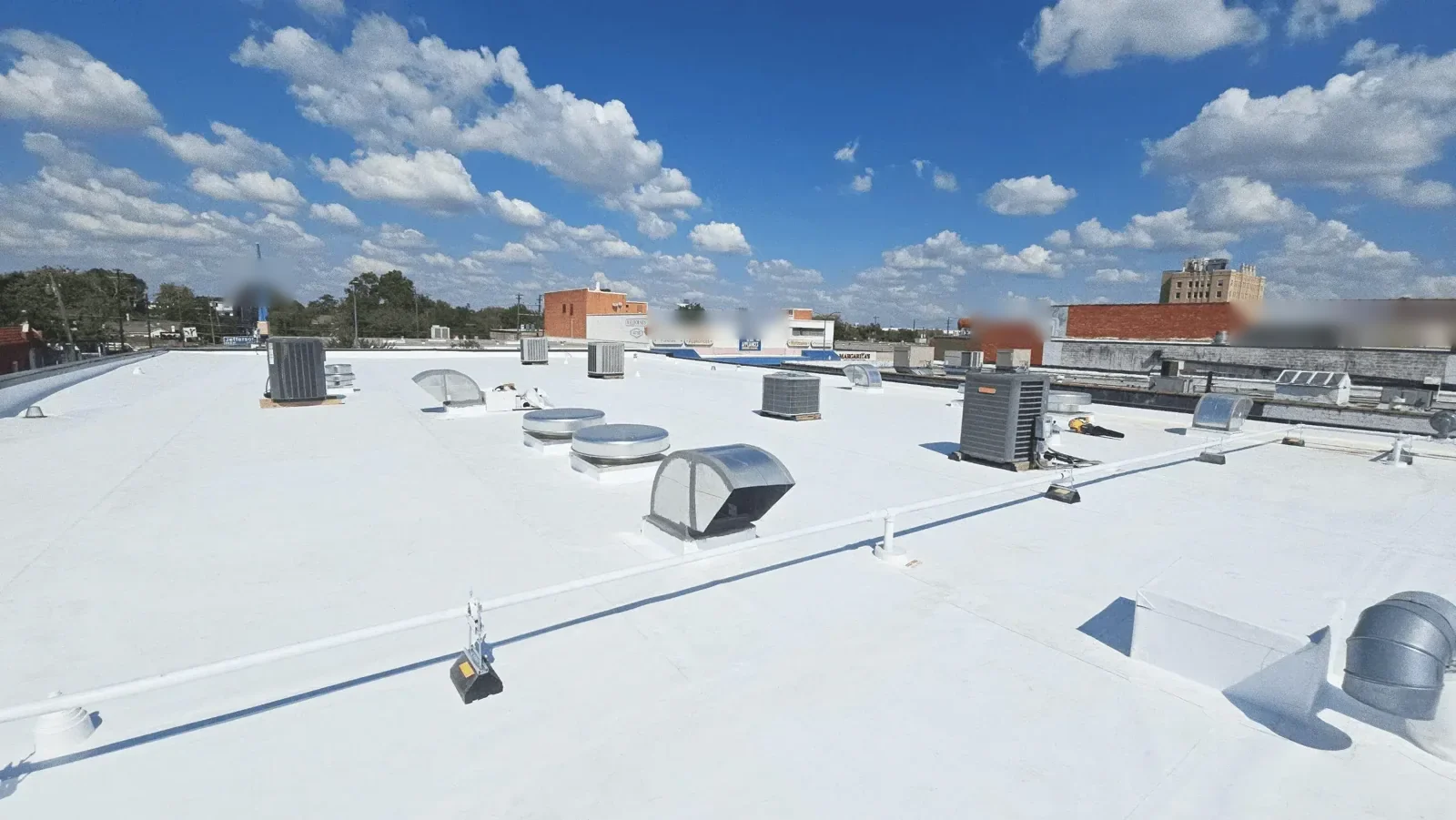
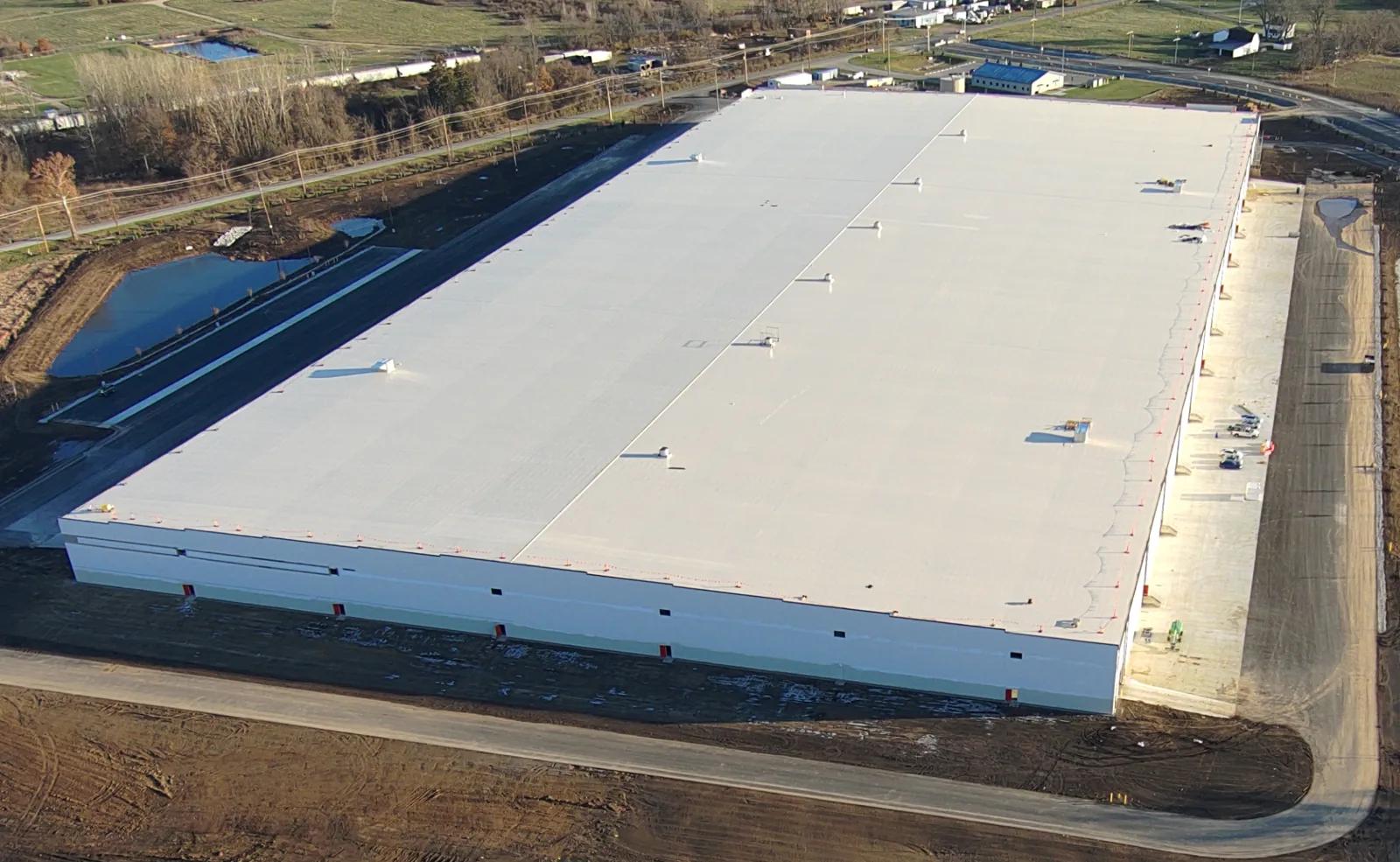
Commercial roof work in Jackson Hole Junction needs a clear plan for access, staging, and the roof zones that can be opened safely. Jackson Hole Junction is a multi-lot commercial area generally south and west of Interstate 15, east of Pioneer Road, and north of West Sunnyside Road. We use that area context to coordinate, then inspect the actual building before recommending work.

Idaho Falls experiences minimum temperatures at or below freezing on 182.2 days in an average year. At Jackson Hole Junction, inspect the roof and check current conditions before choosing a work window for membrane handling or exposed tie-ins. We document the defect, the roof assembly, and the limits of the work window before a manager chooses immediate repair or a larger capital scope.
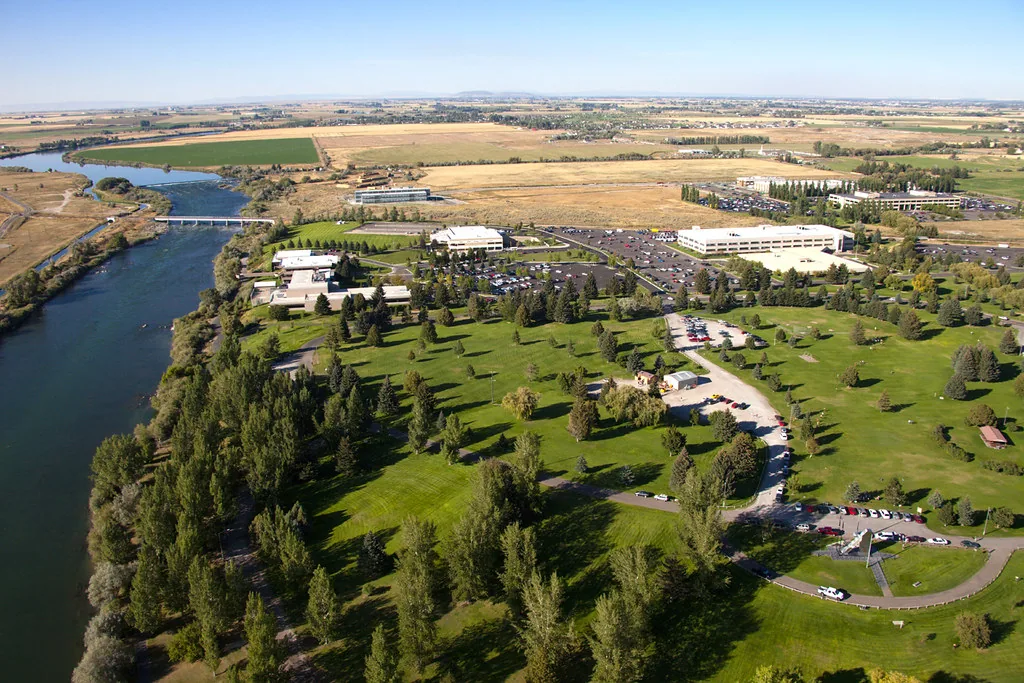
Jackson Hole Junction in Idaho Falls, ID

Plan the Work Zone Before Mobilization

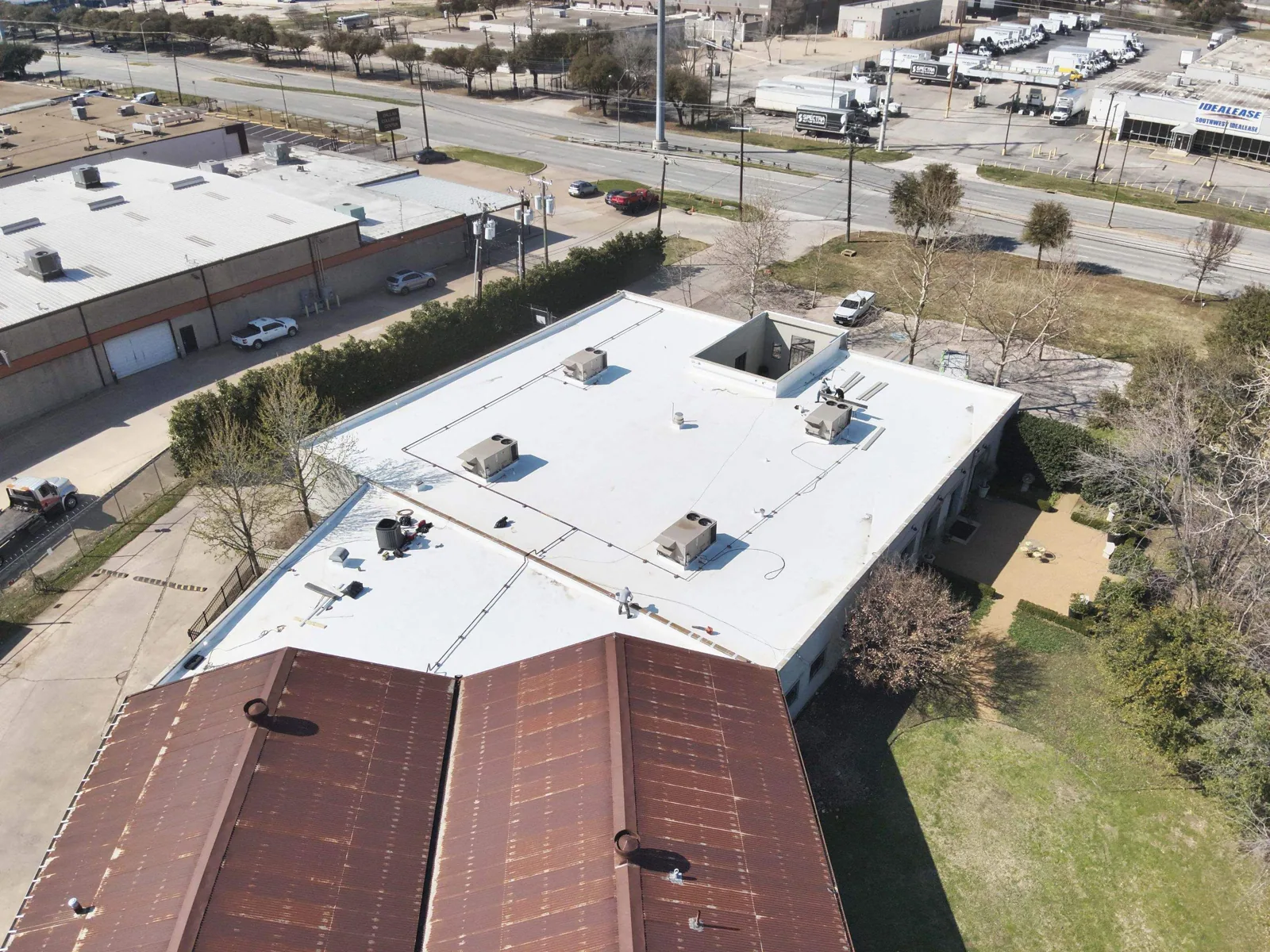
The district plat records commercial lots but not the use, occupancy, or roof condition of an individual building. Our walk verifies access, roof route, material staging, and operating limits. We note neighboring activity only when it changes delivery or safe access, keeping the schedule tied to the property instead of a map assumption. Where loading and customer access share a drive, coordinate temporary closures and material drops in advance. Keep drains, roof hatches, and emergency routes accessible throughout the work sequence.

The property manager confirms the current approach and delivery rules before dispatch. We account for occupied space, air intakes, fire access, and the daily dry-in point. The occupied-building reroof plan records those controls before a roof area is opened.

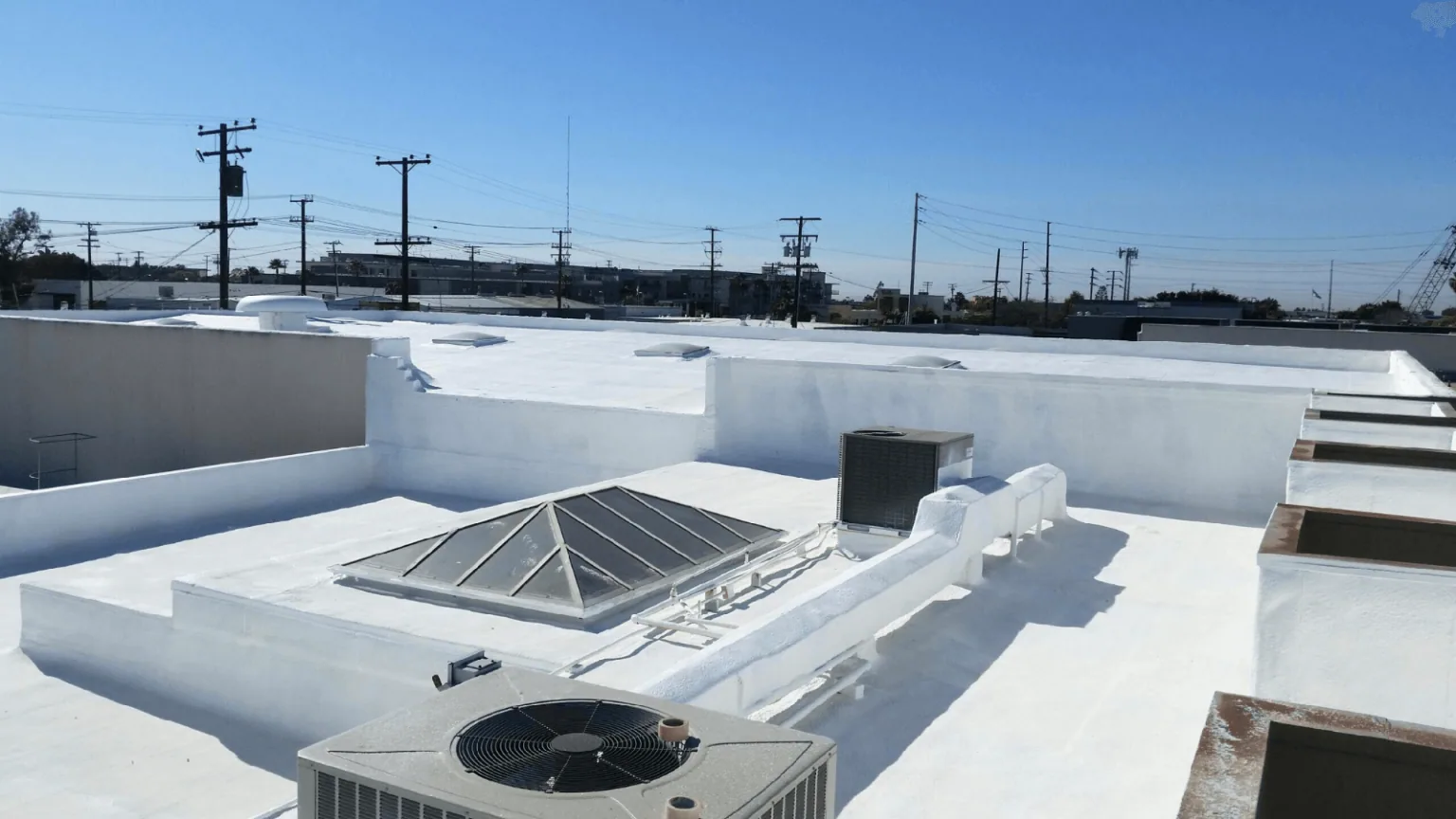
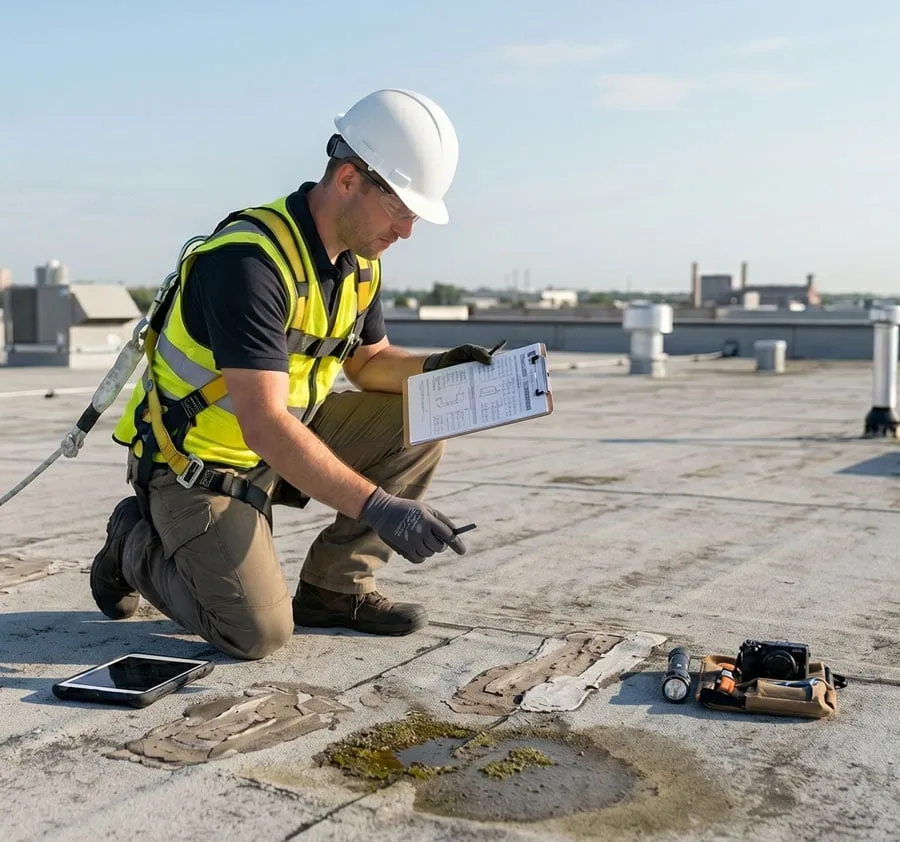
A labeled roof plan divides the assembly into zones for the estimate. We record membrane, seams, edges, penetrations, drains, and prior repairs. If the system is unclear, we mark it for testing rather than naming it from appearance. A commercial roof inspection supplies photos and condition notes.

Follow the Water Path

Water may appear away from its route through the roof. We start at the interior sign, then trace drainage paths, seams, curbs, skylights, vents, and wall transitions. It can move under a membrane or through insulation before reaching a ceiling. If visual evidence is inconclusive, a moisture survey or selective opening may narrow the source. The report separates observation from uncertainty.

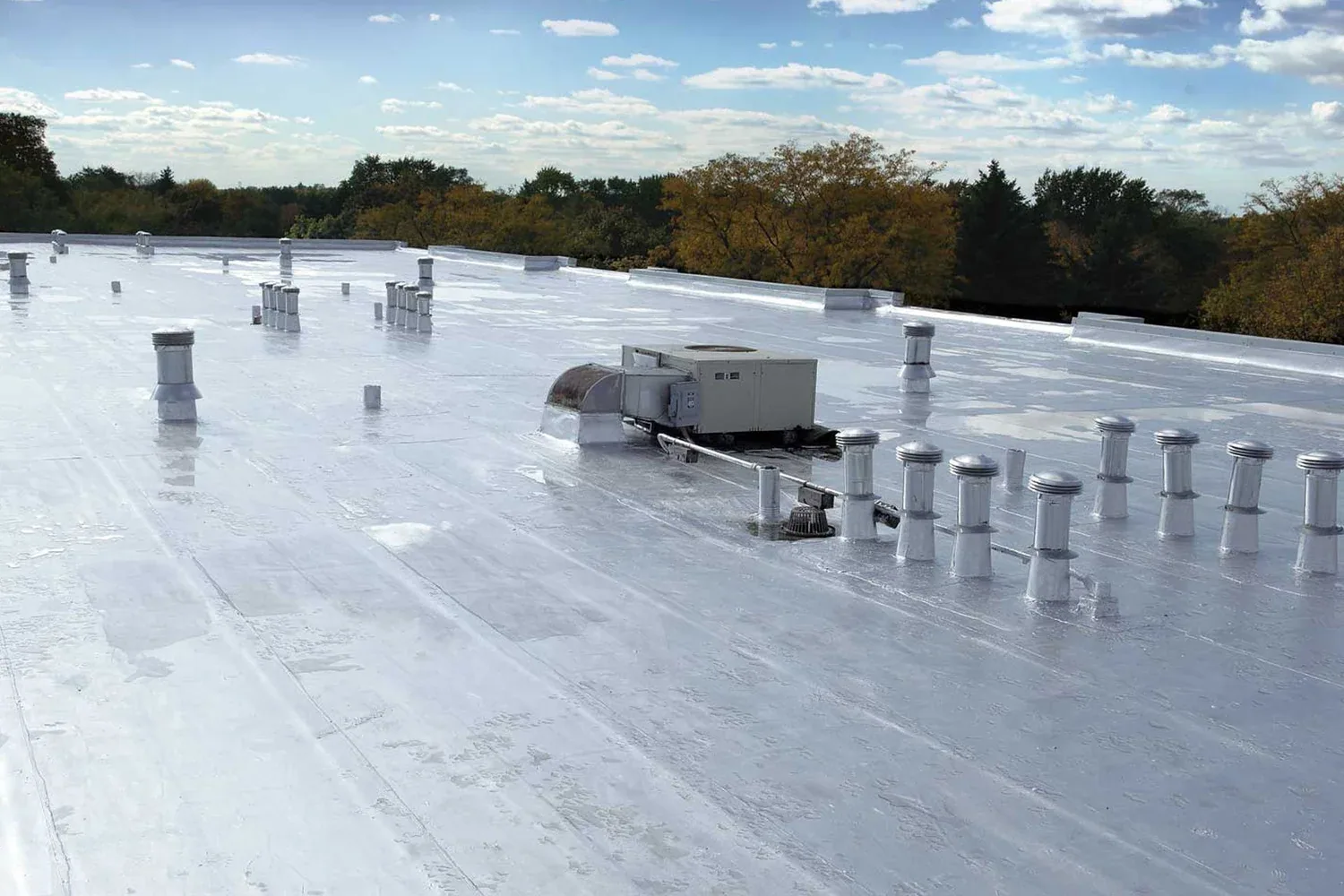
We check strainers, drains, scuppers, overflow paths, seams, and low areas where water may remain. A blocked outlet can be maintenance; recurring ponding may point to slope, insulation, or outlet configuration. We also look for open seams near equipment supports and for flashing that terminates short of a sound surface. Those details can affect a repair boundary even when the drain itself is clear. A drain and scupper assessment identifies roof work and design questions.

At Jackson Hole Junction, project scope determines which adopted building and energy requirements need review. We identify whether the roofing proposal covers a detail repair, a recover, or full assembly replacement, and coordinate any design information the owner needs before approval.

Protect the Daily Closure Point

One Idaho Falls winter average is a 20.4-degree January average; Idaho Falls typical July daytime maximum is 86.6 degrees. Cold affects adhesives and membrane handling; summer heat changes safe movement and application. We check current surface conditions and product instructions, then set a work zone that can be secured by day’s end.

May has the highest monthly precipitation average, at 1.57 inches. We check current weather and set the dry-in point before opening an area. When water entry needs urgent attention, crews can respond day or night, including during weekends and holidays. We confirm safe access, apply practical water control, and record what permanent work or testing remains.

Snow or ice may complicate access and stress vulnerable details. We check the safe route, edges, penetrations, and areas where meltwater may refreeze. A snow and ice roof assessment distinguishes a seasonal concern from a repairable flashing or drainage defect.

Compare Repair and Replacement

A patch depends on the material around it. We inspect membrane or metal, attachment, substrate, and adjacent flashing before treating a defect as localized. A split seam over sound material may take a compatible repair. Wet insulation, deck movement, or widespread seam failure can call for removal, moisture investigation, or a broader project. The scope names the finding and work needed.

A recover may fit when existing layers are dry, secure, suitable, and within assembly limits. It cannot solve moisture or weak attachment. A recover-versus-tear-off review compares those conditions with removal, deck access, and insulation. A commercial replacement proposal sets out the assembly, tie-ins, drainage, and concealed-condition allowances.

TPO, PVC, EPDM, modified bitumen, built-up, and metal systems use different seams and edges. Coatings require compatible materials and a dry substrate. We identify the proposed system and preparation in writing. A TPO roofing assembly has different seam treatment from metal retrofit or coating restoration.

Carry the Findings Into the Budget

The district’s urban renewal term extends through 2030; a property owner can schedule roof inspections and capital work according to asset condition and operations. Budget timing follows condition, water control, access, and the consequence of delaying a specific repair. Photos and a written summary identify completed work, areas left in service, and inspection limits.

Timing and cost change with removal depth, insulation, deck repair, equipment handling, edge work, staging, disposal, and weather. We list known scope separately from concealed conditions and state how approval works if opening the roof reveals more damage. The estimate also records weather limits, access assumptions, and the planned daily closeout so managers can see what affects both cost and sequence. A scheduled maintenance visit can track drains, seams, and repaired details after the project.

For work in the broader district, we coordinate the scope with nearby Eagle Ridge properties and River Commons buildings where relevant. Each roof still receives its own inspection and recommendation.

Questions About Jackson Hole Junction

The approved plat documents 24 lots, including 22 buildable commercial lots, but it does not describe a particular building’s use or roof. We confirm access, occupancy, assembly, drainage, and current condition during the property inspection. Those findings set the scope and schedule.

We confirm the current approach and delivery rules with the property contact before dispatch. Jackson Hole Junction sits near Interstate 15, Pioneer Road, and West Sunnyside Road. We confirm live traffic, delivery access, and staging with the property contact. We use the confirmed property route when staging the roofing work.

The scope should identify the roof zone, likely water path, membrane or metal detail, preparation, repair material, and nearby conditions checked. If moisture or deck damage is unresolved, we note the testing or opening needed before a permanent tie-in. Photos connect each recommendation to a visible area.

The choice depends on the extent of failed seams or flashing, substrate and deck condition, moisture, attachment, drainage, and the cost of repeating localized work. We document those findings and compare a repair, recover, and removal-based replacement. The recommendation explains what is known and what still needs verification.

The Idaho Falls climate averages show frequent freezing minimums, but the safe work window is set by current roof conditions and the chosen materials. We check surface moisture, temperature, and product requirements, then plan a closure point that protects the building if conditions change.

ServicesRoof SystemsIndustriesProperty TypesService AreasDamage RepairCapabilitiesManufacturersContactAboutRequest a Roof Assessment555-555-5555
Call us today555-555-5555