School Roofing in Idaho Falls, ID Serving Idaho Falls & Eastern Idaho

Plan school roof repair and replacement in Idaho Falls around classroom schedules, safe access, drainage, and documented work zones.

School Roofing in Idaho Falls, ID

School Roofing

Freezing mornings in Idaho Falls put drains, seams, and edge details on the school maintenance calendar. Freeze-thaw cycles are a recurring Idaho Falls roof concern; local averages include about 182 sub-freezing overnight minimums each year. Roof conditions vary by building, but the long cold season makes drainage checks and a defined work window important. We document urgent water control separately from planned repairs.

A school project has to account for entrances, outdoor routes, equipment, and the timing of classes or summer programs. Northgate Mile and 1st Street include mixed-use nodes, housing, employment, businesses, and public services across business districts and nearby neighborhoods. School access and work scheduling still need to follow each building’s calendar and site rules. The school itself determines room access, arrival patterns, and the work windows that keep classes separated from roofing activity.

We record the roof system, leak reports, drainage, penetrations, and restricted areas. The scope identifies rooms needing protection, staging limits, and the required daily closure point. Snake River Landing also shows the area's mix of housing, offices, dining, and event uses, while the school building sets its own access rules.
School Roofing in Idaho Falls, ID

Map the Roof Before the Break

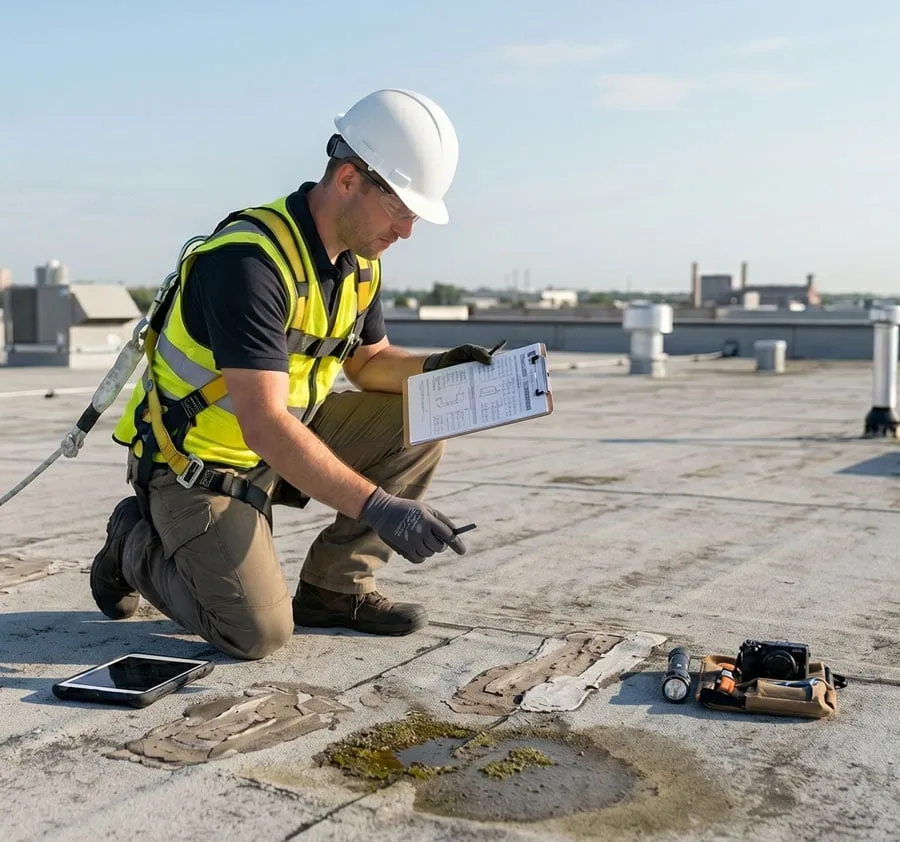
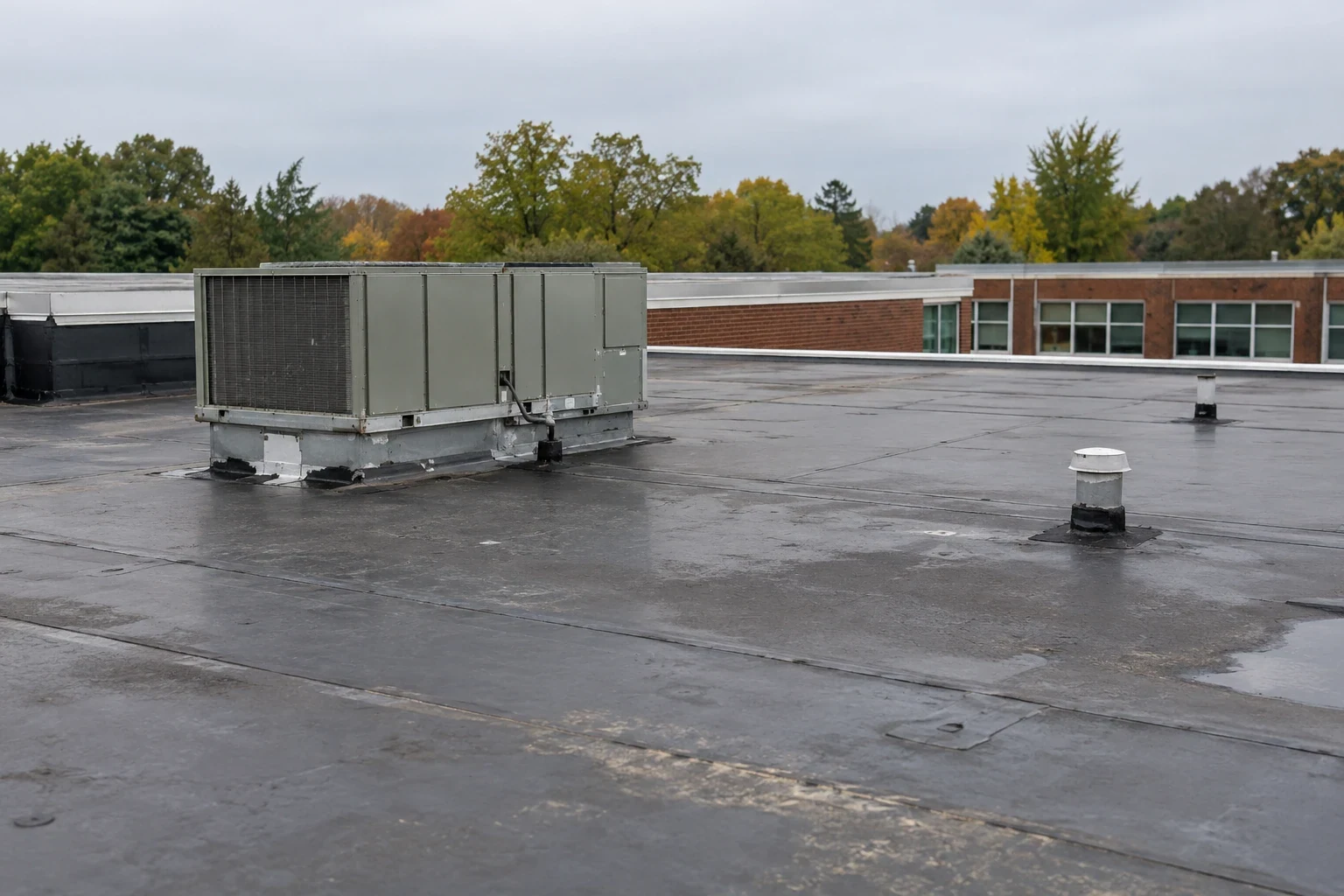
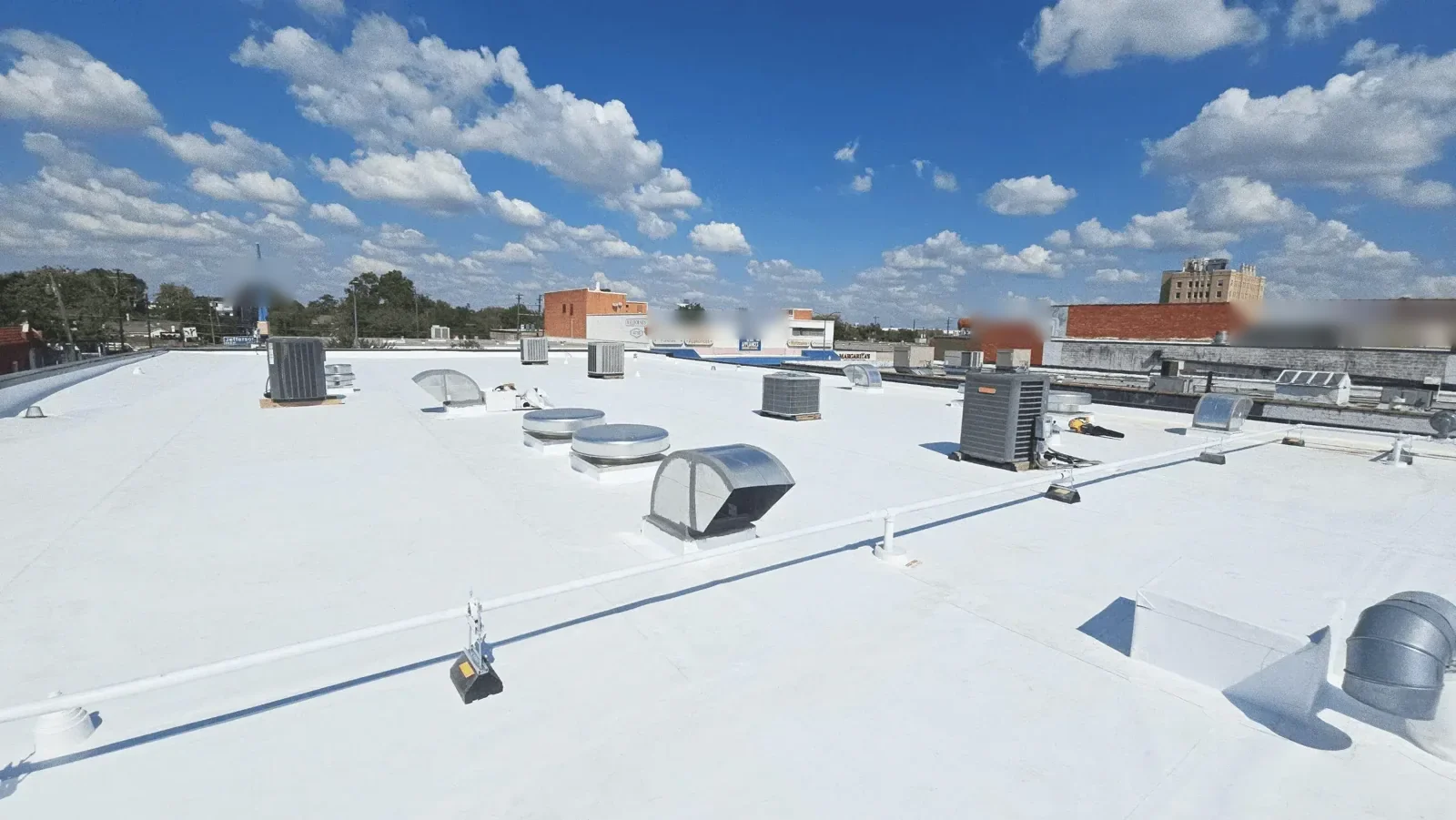
We identify the membrane or metal, then inspect seams, parapets, drains, scuppers, skylights, curbs, and prior repairs. Interior marks help trace water through deck or insulation, but a classroom stain does not locate its entry point. Photos and roof-area labels support a repair boundary.

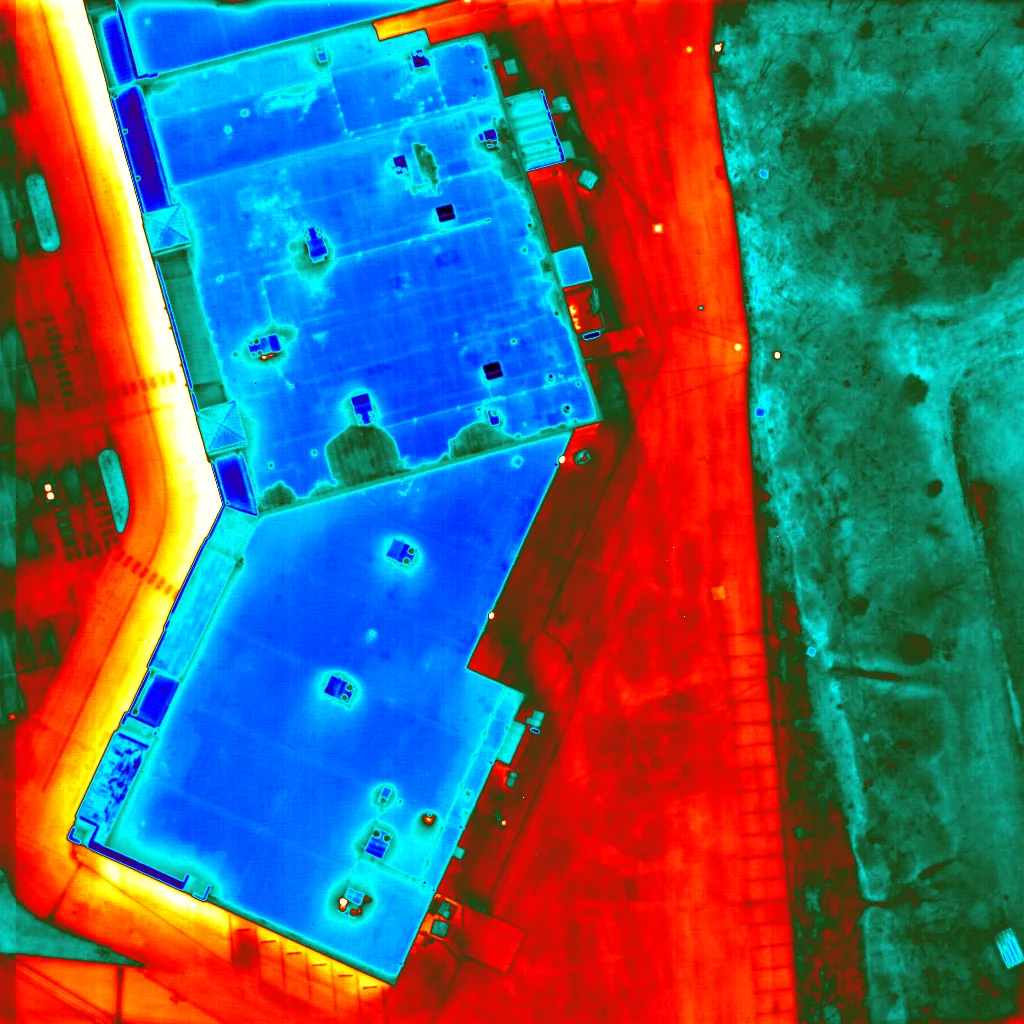
When moisture may sit beneath the surface, we identify testable and inaccessible areas. An inspection records visible conditions; an infrared moisture survey can map suspect areas for confirmation. The scope separates measured findings from untested assumptions.

We check outlets, low points, overflow routes, and flashing. A blocked path may need correction with a membrane repair, helping the owner decide whether work fits a school break or needs a wider capital window.

Protect the School Day

School staff can identify arrival periods, entrances, bus routes, playground use, air intakes, and rooms that must remain open. We use those limits to plan lifts, staging, debris, and temporary closures, coordinating noisy tasks with the facility contact. An occupied-building roof sequence sets who approves a route change and what protection must be in place before a section is opened.

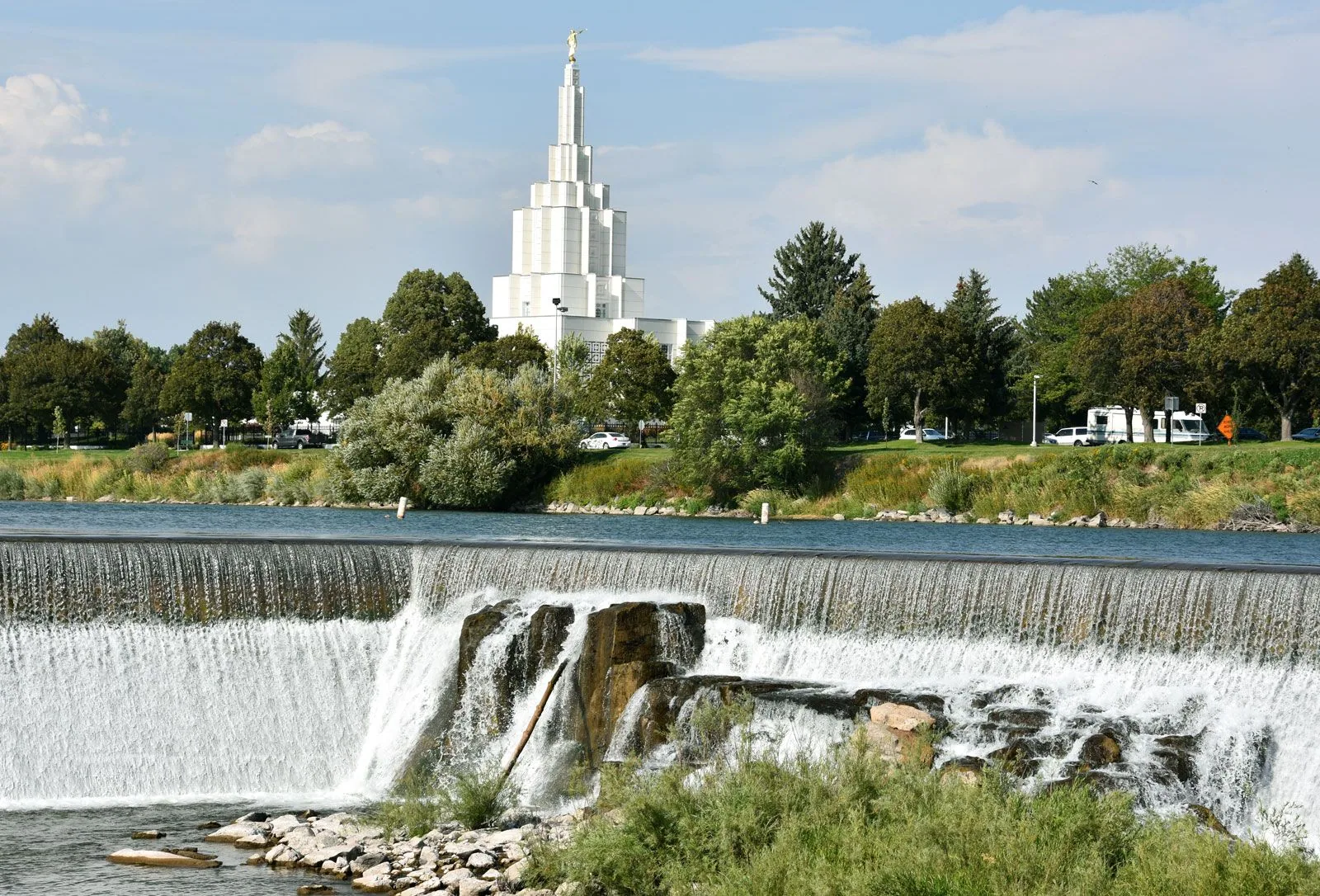
Idaho Falls has a regional role in healthcare, business, travel, retail, and public services. Around Northgate Mile and 1st Street, mixed-use nodes bring homes, workplaces, businesses, and public services together. Central projects may sit across Downtown Idaho Falls or South Downtown. Those settings frame access questions, but school grounds and class schedules control the work plan. For school roof work in Idaho Falls, we confirm staging and contacts before materials arrive.

A reroof can be divided only when access and tie-ins support it. We state the daily removal limit, closure method, stop point, and restart contact so school staff can plan around the work.

Choose a Safe Work Window

Idaho Falls sees daily highs of at least 90 degrees on about 27 days in an average year. Check roof-surface temperature, material limits, staging conditions, and crew exposure before choosing the work area. We set the work area around product requirements and the forecast.

May is typically the wettest month by average precipitation. We use the current forecast, not that monthly average, to set how much of a roof can be opened and protected within one shift. If winter ice or snow affects a drain or access, the snow and ice roof review can distinguish a blocked flow path from physical damage.

Permits, deliveries, room protection, and concealed deck conditions can change timing. We list dependencies and owner decisions before mobilization so facilities staff can coordinate the sequence.

Compare Repair With Renewal

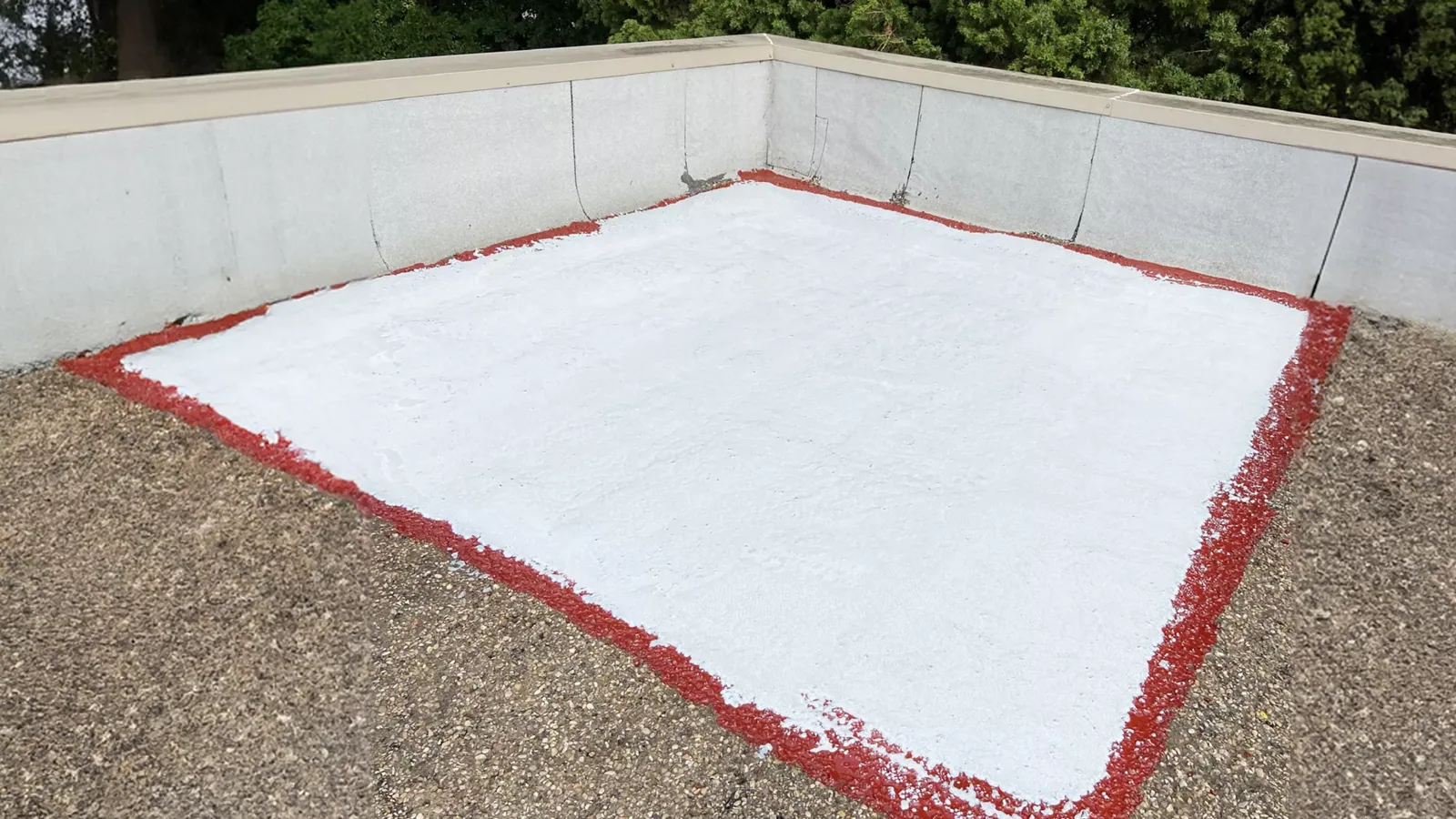
A small puncture with intact membrane around it may be isolated, while repeated water entry or deck movement calls for a wider investigation. We explain the observed evidence, define the repair boundary, and identify which unanswered question could change the scope.

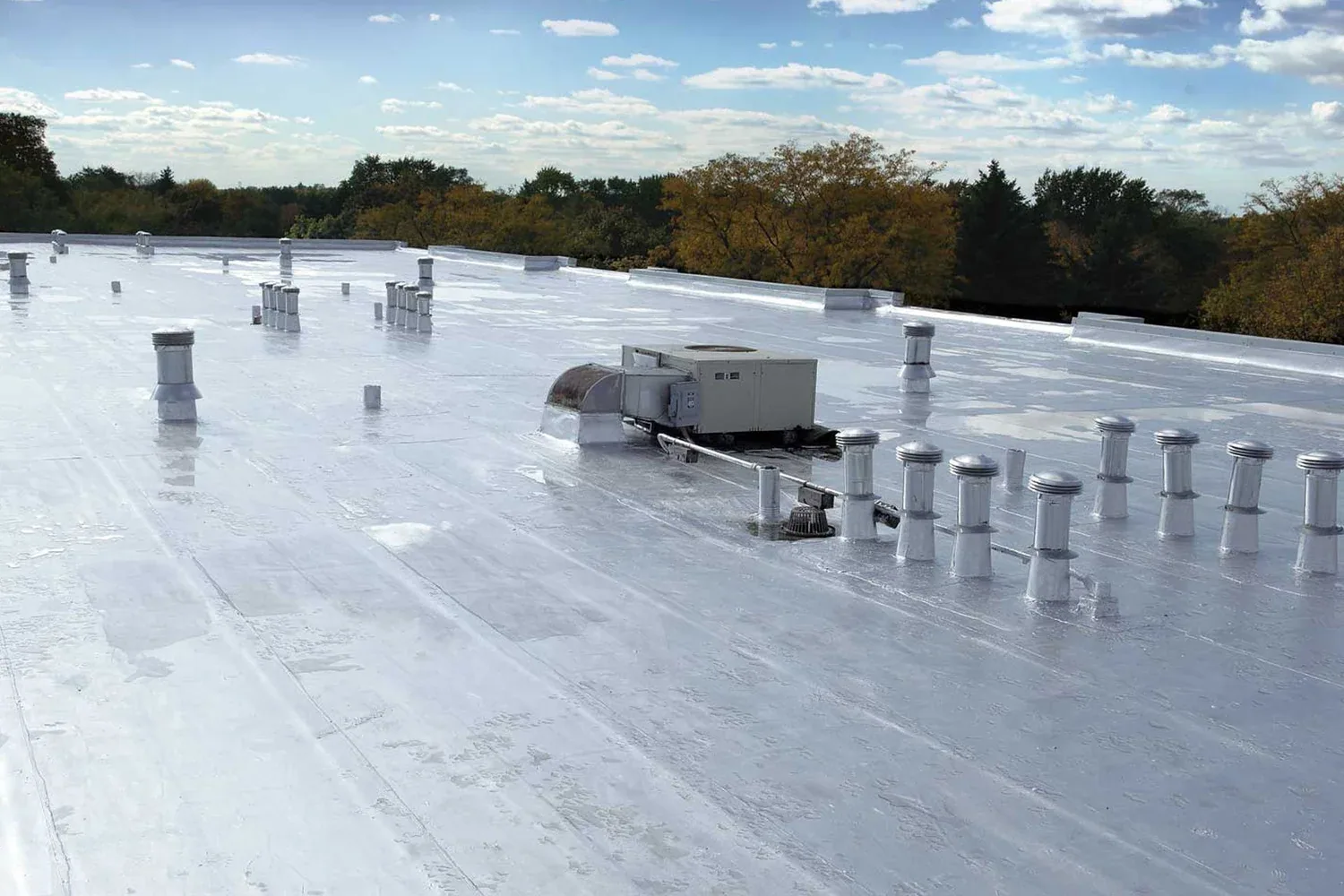
Before a school project advances, the owner and code official confirm the adopted requirements for that building and proposed scope. A built-up roofing assembly or another low-slope system should be evaluated against the existing substrate, drainage, edge conditions, and future maintenance access. Material selection does not correct an unstable deck or a blocked outlet.

The budget may account for summer programming and mechanical work. We separate immediate repairs from replacement options and identify each area and allowance. For buildings with campus-style schedules, college and university roof planning also considers active rooms and seasonal calendars, while the school scope follows its own facility decisions.

Make the Estimate Comparable

Price depends on removal depth, insulation replacement, deck repairs, flashing, drains, roof access, and temporary protection. A school may also need lift staging, route control, or work timed to avoid student activity. We list known repairs separately from concealed-condition allowances and explain which findings support alternates. That lets ownership compare a focused correction with a larger project without treating unlike scopes as equivalent.

Weather, access, permits, materials, or concealed conditions can shift timing. We state each decision point and who approves added work. During a phased project, the facilities manager should receive a closeout for each area, including roof photos, materials installed, unresolved conditions, and any restricted access that remains. That record helps staff coordinate future maintenance and gives the next budget review a clear account of completed work. On a campus with several roof sections, each record should identify its own assembly, drainage path, and follow-up need. If the roof remains serviceable, a maintenance program can track drains, seams, and exposed flashing before the next budget review. The record should also note areas that could not be reached during inspection.

Photos and marked locations make closeout useful for facilities review. A retail property roof plan has different access needs, so the school sequence remains tied to its own calendar. The manager receives a written scope that separates urgent water control from planned work and gives staff a record of what was completed.

Questions About School Roofing

The inspection and project scope determine whether a break can contain the work. We consider removal depth, daily dry-in capacity, weather, delivery timing, and any work that needs equipment shutdown. A short calendar window may suit repairs but not a full replacement if access or concealed conditions could extend the sequence.

We coordinate access routes, staging, debris handling, air intakes, and temporary closures with school staff. The plan identifies where lifts operate and which entrances remain open. If a condition changes the route, the named facility contact can update staff before the affected area is used.

Not without tracing the route. Water can move along insulation or deck before it appears in a classroom. We compare interior reports with slopes, seams, curbs, and drains, then test suspect areas where appropriate. The repair boundary follows the observed evidence, not the ceiling mark alone.

Broad wet insulation, repeated failures across roof sections, weak attachment, or deck concerns can support replacement. A contained defect can remain a repair candidate when nearby layers are stable. We document both the confirmed condition and any remaining uncertainty so the owner can compare the capital options.

Weather changes quickly, so we check the actual forecast and selected system requirements before scheduling the work area. We check the actual forecast and the selected system's application conditions, then limit each phase to what can be protected and closed during the shift.

ServicesRoof SystemsIndustriesProperty TypesService AreasDamage RepairCapabilitiesManufacturersContactAboutRequest a Roof Assessment555-555-5555
Call us today555-555-5555